HomeProductsRadiation SensorsNear Infrared Radiation Sensor (700-3000nm) for Spectral Radiation Measurement
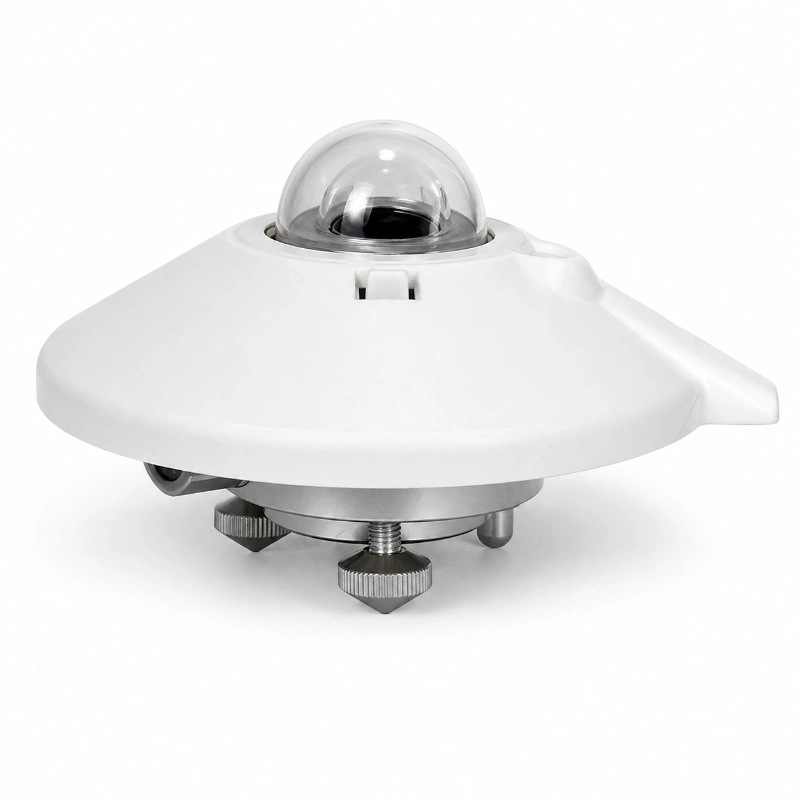
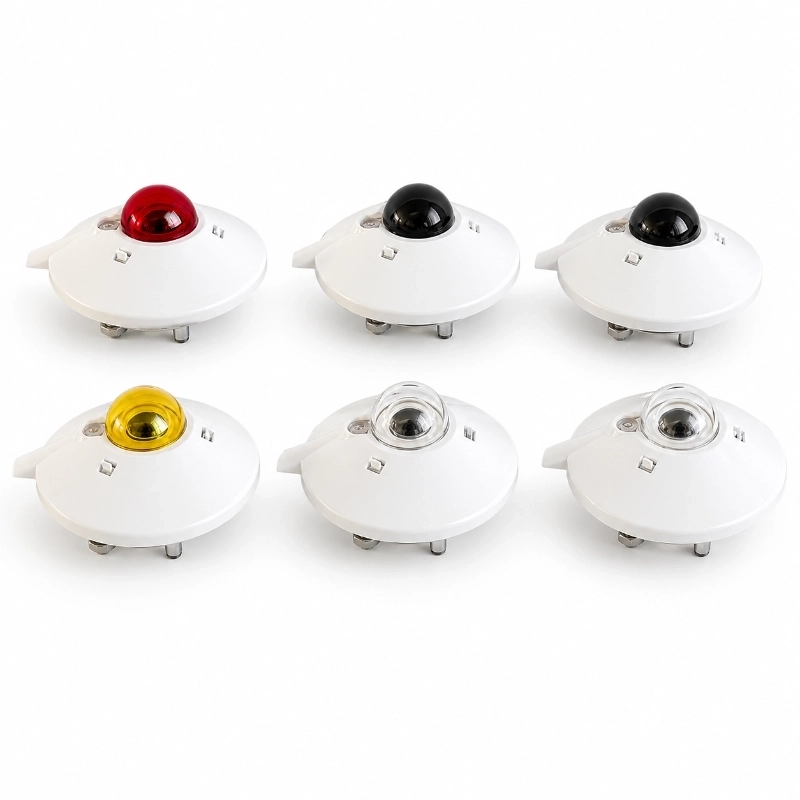
  • Near infrared radiation sensor 700 to 3000nm for monitoring

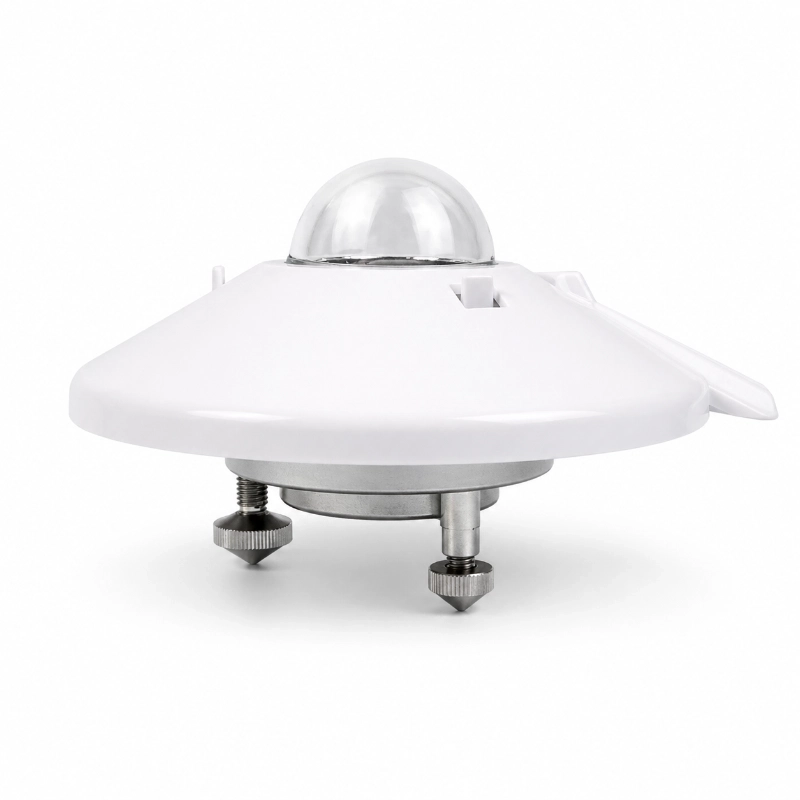
Near Infrared Radiation Sensor (700-3000nm) for Spectral Radiation Measurement

Key Features

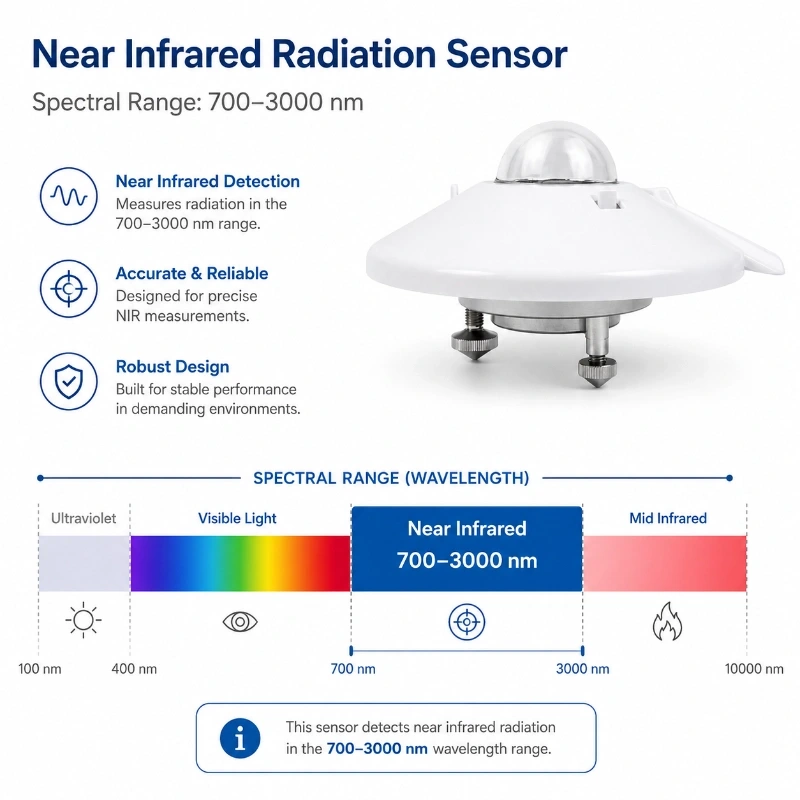
  • 700 to 3000nm near infrared spectral range for professional NIR radiation monitoring
  • Fast response time ≤10s for real-time radiation change detection
  • Sensitivity of 7 to 14μV/W·m⁻² for stable signal acquisition
  • Internal resistance from 10 to 30Ω for reliable sensor response
  • Stability ±5% for continuous field monitoring
  • Zenith angle 0° to 70° deviation within ±3%
  • Zenith angle 70° to 80° deviation within ±7%
  • Wide operating temperature from -50°C to 50°C
  • Supports 90% relative humidity at 40°C
  • High precision glass cover for improved optical transmission
  • Advanced MEMS thermopile technology for miniaturization and high consistency
  • High reliability and strong anti-vibration performance
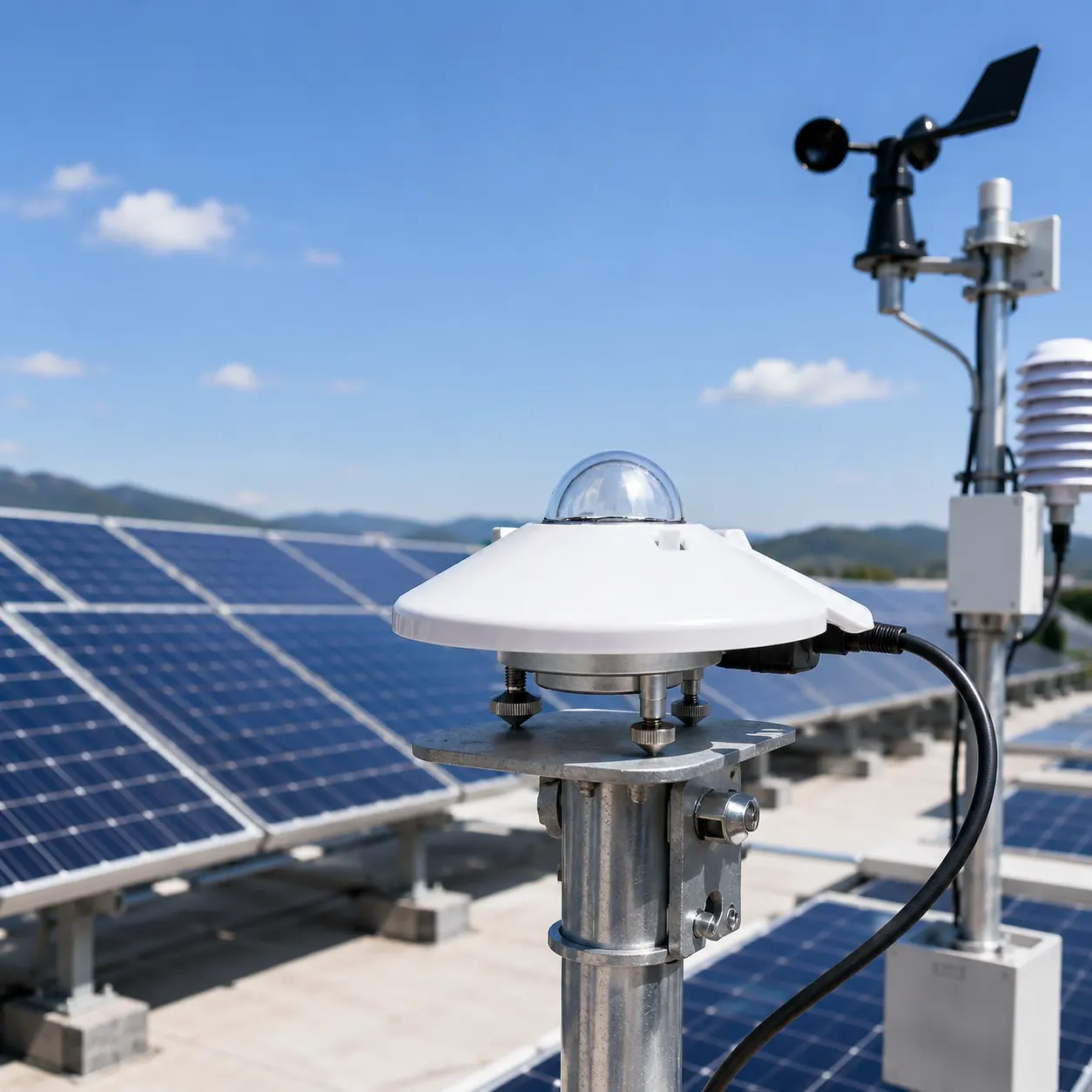
  • Suitable for weather stations, environmental monitoring, solar research, and industrial control

Product Description

JW-TBQ-JHW(LC46) Near Infrared Radiation Sensor is designed to measure optical radiation within the 700-3000nm wavelength range.

Unlike conventional solar radiation sensors that measure broadband global radiation, this sensor focuses on the near infrared spectral region, providing wavelength-specific radiation data for scientific research, solar monitoring, agriculture and environmental observation.

The sensor is suitable for applications requiring analysis of:

  • Near infrared solar radiation
  • Spectral irradiance changes
  • Plant radiation response
  • Surface energy exchange
  • Environmental radiation conditions

JW-IoT provides a complete range of radiation monitoring products including:

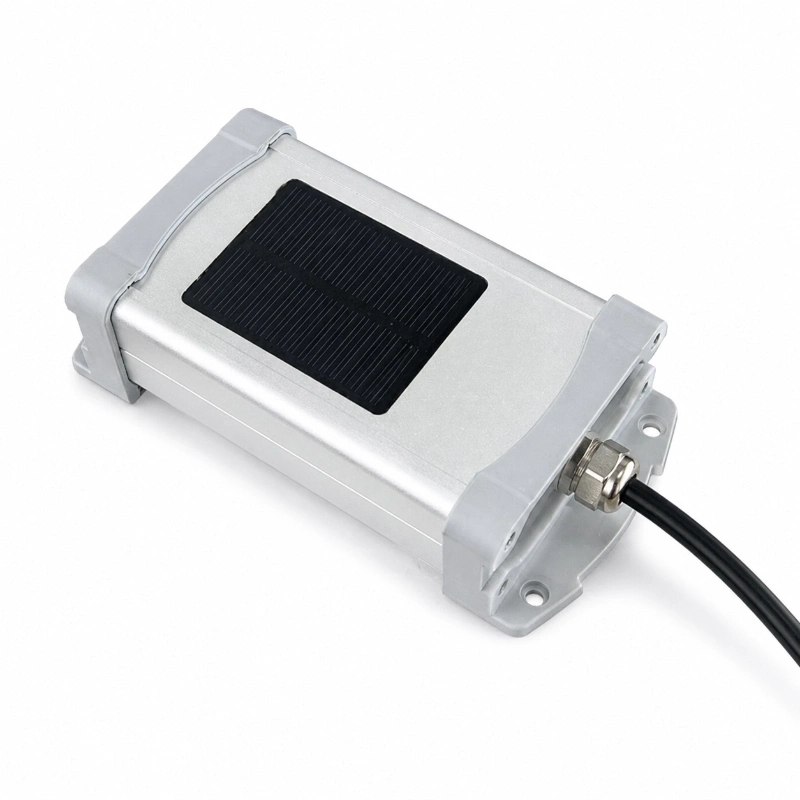
  • Solar radiation sensors
  • Net radiation sensors
  • PAR sensors
  • UV radiation sensors
  • Near infrared radiation sensors
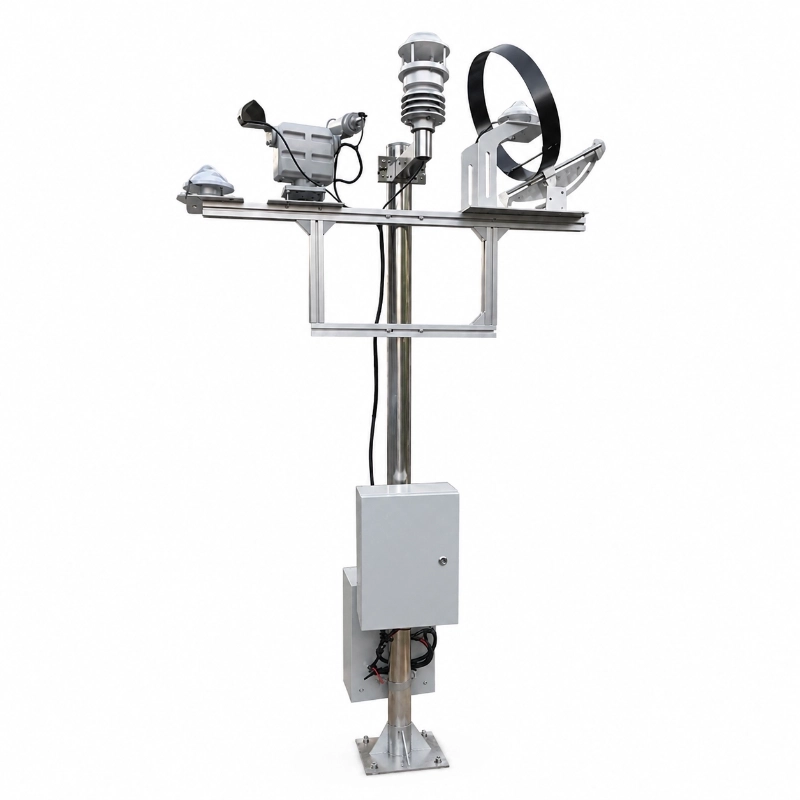
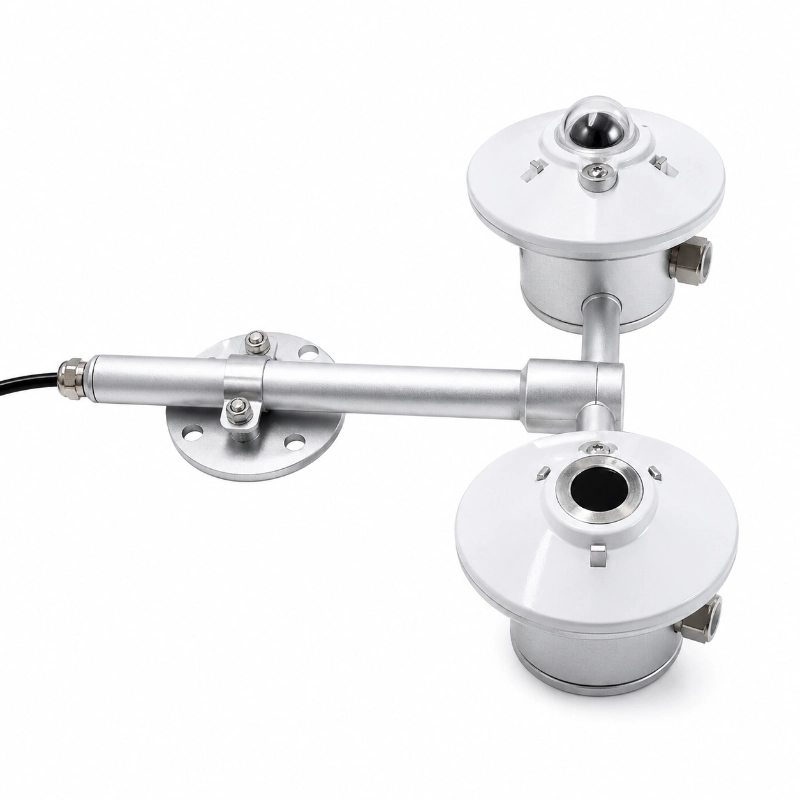
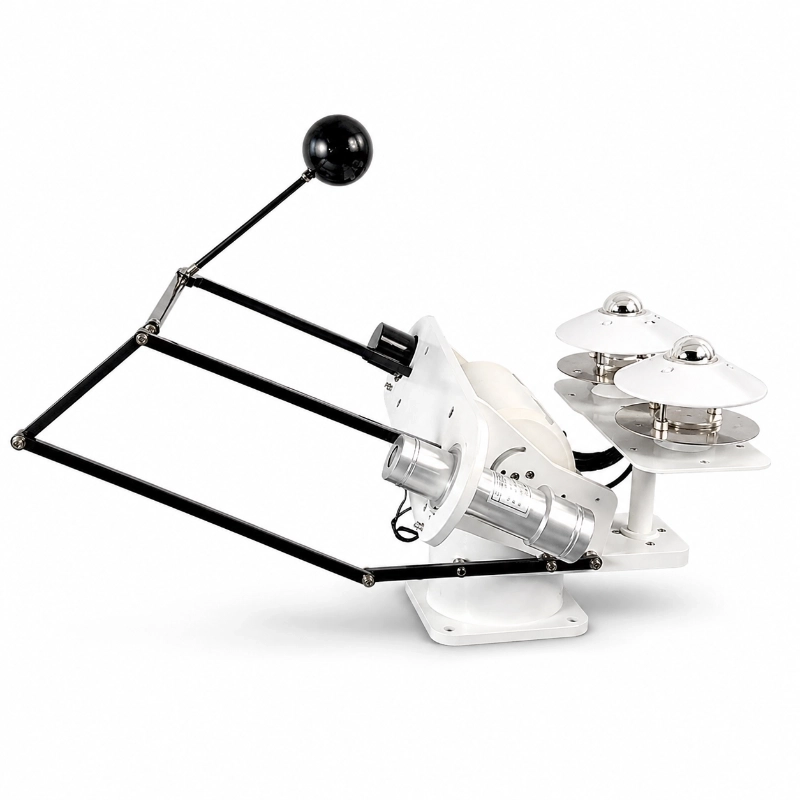
  • Multi-component radiation monitoring systems

For more radiation monitoring solutions, visit:

Internal Link:

Radiation Sensors

https://www.jw-iot.com/category/products/radiation-sensors

What Is Near Infrared Radiation?

Near infrared (NIR) radiation refers to the electromagnetic radiation region between visible light and infrared thermal radiation.

The commonly used near infrared wavelength range is approximately:

700nm to 3000nm

This wavelength range contains important information related to:

  • Solar energy distribution
  • Plant radiation response
  • Material reflection characteristics
  • Surface energy exchange
  • Spectral analysis

Compared with visible light sensors, near infrared sensors detect longer wavelengths that cannot be measured by human vision.

Why Measure 700-3000nm Near Infrared Radiation?

Solar radiation is composed of different spectral regions.

A typical solar spectrum includes:

  • Ultraviolet radiation
  • Visible radiation
  • Near infrared radiation

The near infrared region represents a significant part of solar energy reaching the Earth’s surface.

Monitoring NIR radiation helps engineers and researchers understand:

Solar Energy Distribution

Near infrared measurement provides additional spectral information beyond traditional broadband solar irradiance monitoring.

Applications include:

  • Solar research
  • PV performance studies
  • Atmospheric monitoring
  • Renewable energy analysis

Related product:

Solar Radiation Sensor

https://www.jw-iot.com/silicon-irradiance-sensor-for-solar-radiation-monitoring

Plant and Agricultural Research

Plants respond differently to different wavelengths.

Near infrared monitoring can support:

  • Crop radiation studies
  • Greenhouse experiments
  • Vegetation research
  • Plant growth analysis

Environmental Monitoring

NIR radiation data can be combined with:

  • Temperature sensors
  • Humidity sensors
  • Solar radiation sensors
  • Weather stations

to analyze environmental energy changes.

Technical Specifications

Parameter Specification
Product Type Near Infrared Radiation Sensor
Spectral Range 700–3000nm
Sensitivity 7–14μV/W·m²
Response Time ≤10s
Internal Resistance 10–30Ω
Stability ±5%
Zenith Angle Response 0°–70° deviation within ±3%
Zenith Angle Response 70°–80° deviation within ±7%
Operating Environment -50°C to 50°C
Relative Humidity 90% RH at 40°C

Near Infrared Radiation Sensor Applications

Solar Radiation Monitoring

Traditional pyranometers measure broadband solar radiation.

However, some solar research projects require additional spectral information.

A near infrared radiation sensor can provide:

  • NIR spectral data
  • Solar spectrum analysis
  • Radiation variation monitoring

Recommended applications:

  • Solar research stations
  • PV laboratories
  • Renewable energy studies
  • Environmental monitoring networks

Related solution:

PV Weather Monitoring Station

Related product:

Solar Radiation Sensor

Greenhouse and Smart Agriculture Monitoring

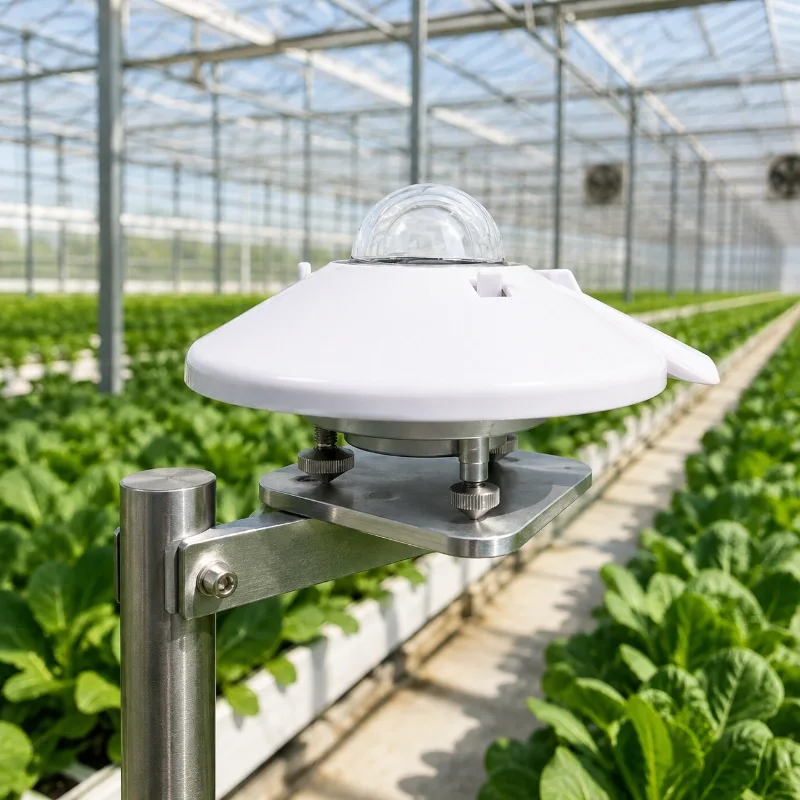
Near infrared radiation affects plant energy absorption and environmental conditions.

The sensor can be integrated with:

  • Weather stations
  • PAR sensors
  • Soil sensors
  • Greenhouse controllers

Possible applications:

  • Crop research
  • Controlled agriculture
  • Greenhouse experiments
  • Plant growth monitoring

Related products:

PAR Sensor

Soil Moisture Sensor

Spectral Radiation Research

Near infrared measurement is widely used when researchers need wavelength-specific radiation information.

Applications include:

  • Optical experiments
  • Environmental science
  • Material analysis
  • Remote sensing research

Near Infrared Radiation Sensor vs Solar Radiation Sensor

Comparison Near Infrared Sensor Solar Radiation Sensor
Measurement range 700-3000nm Usually broadband solar spectrum
Main purpose Spectral NIR measurement Total solar irradiance
Application Research, agriculture, spectral analysis Weather stations, PV monitoring
Output data Near infrared intensity Global radiation
Selection reason Need wavelength-specific data Need total solar energy

The correct sensor depends on whether the project requires spectral information or total solar radiation measurement.

Near Infrared Radiation Sensor vs PAR Sensor

Comparison NIR Sensor PAR Sensor
Spectrum 700-3000nm 400-700nm
Focus Infrared radiation Photosynthetically active radiation
Application Solar spectrum analysis Plant photosynthesis studies
Typical users Researchers, engineers Agricultural researchers

Some agricultural projects may require both PAR and NIR measurement to understand complete plant radiation conditions.

Installation Guidelines

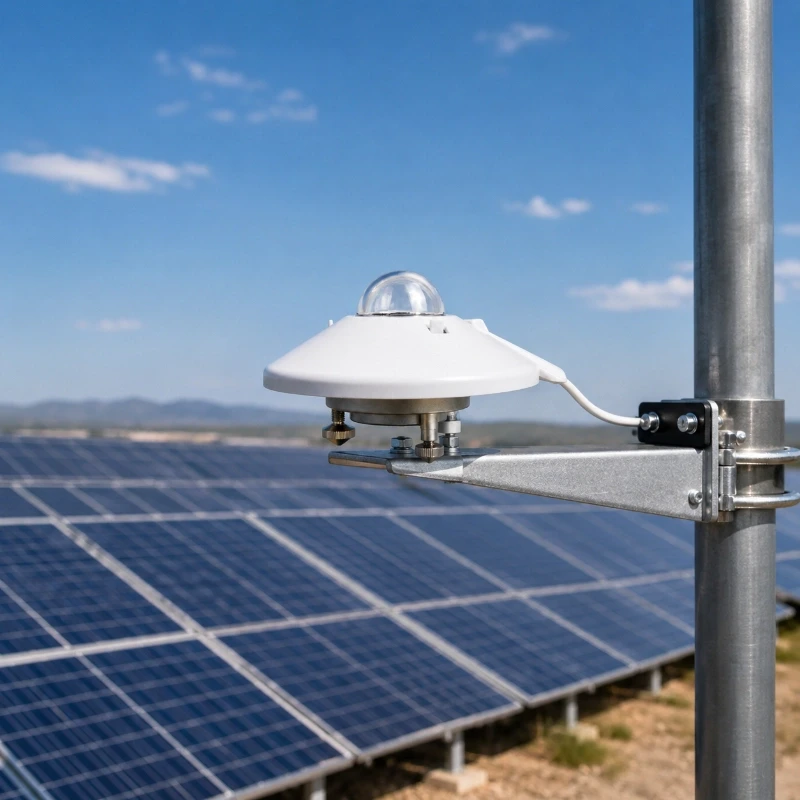
Open Installation Location

Avoid:

  • Building shadows
  • Tree blockage
  • Artificial light
  • Reflective surfaces

Keep Sensor Level

The sensing surface should maintain correct orientation.

Incorrect installation angle may influence measurement accuracy.

Clean Optical Dome Regularly

Dust, water stains and contamination may reduce measurement reliability.

For complete weather station installation guidance:

Compact Weather Station Installation Guide

https://www.jw-iot.com/new-released-compact-weather-station-for-smart-cities-agriculture-and-road-monitoring/

Typical System Architecture

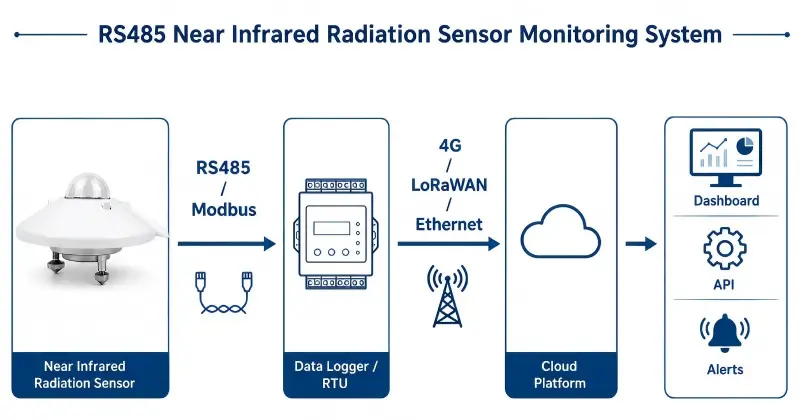
Typical monitoring architecture:

Near Infrared Radiation Sensor

RS485 Modbus

Data Logger / RTU

4G / LoRaWAN / Ethernet

Cloud Platform

Dashboard / API

JW-IoT supports integration with:

  • Remote monitoring platforms
  • Industrial IoT systems
  • Research databases
  • Customer software platforms

How Does a Near Infrared Radiation Sensor Work?

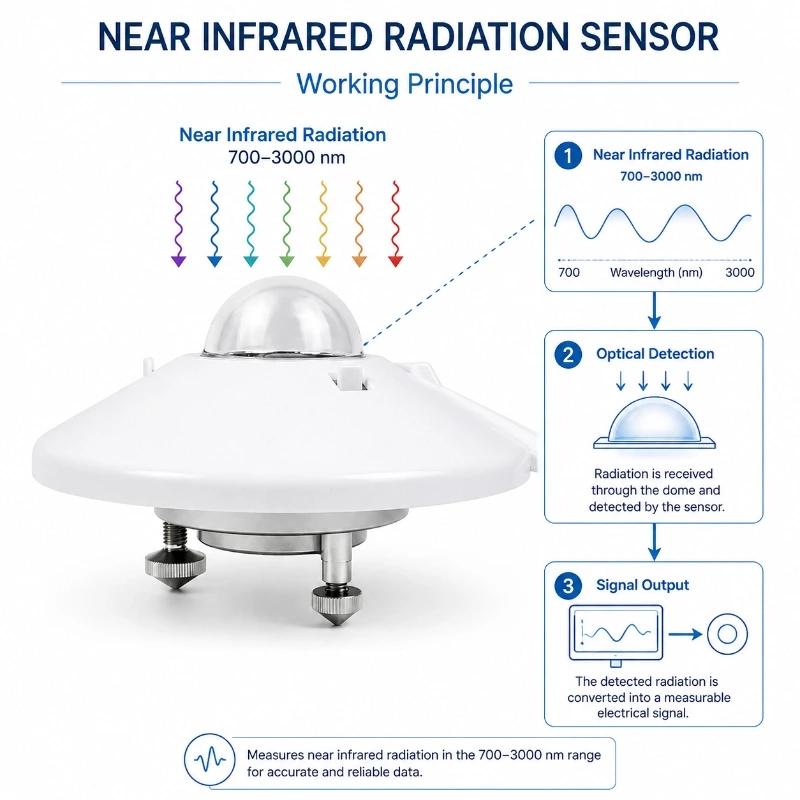
The sensor detects incoming near infrared radiation through the optical dome.

The detected optical energy is converted into an electrical signal and transmitted to the monitoring system.

Measurement process:

Near Infrared Radiation

Optical Detection

Signal Conversion

Digital Data Output

Request a Near Infrared Radiation Sensor Quote

JW-IoT provides near infrared radiation sensors and customized radiation monitoring solutions for distributors, engineering companies and research projects.

Send us:

  • Required wavelength range
  • Measurement purpose
  • Communication method
  • Installation environment
  • Quantity requirement

Our technical team will recommend a suitable configuration.

Get a Quote

https://www.jw-iot.com/contact-us

FAQ

  • Q

    1. What does this near infrared radiation sensor measure?

    A

    It measures near infrared radiation intensity within the 700 to 3000nm wavelength range.

  • Q

    2. What is the response time of the sensor?

    A

    The response time is ≤10 seconds, allowing users to monitor near infrared radiation changes quickly.

  • Q

    3. What applications is this sensor suitable for?

    A

    It is suitable for meteorological monitoring, environmental monitoring, solar energy research, agricultural monitoring, industrial process control, and scientific studies.

  • Q

    4.Can JW-IoT Automation provide this sensor for outdoor weather stations?

    A

    Yes. JW-IoT Automation can provide this near infrared radiation sensor for outdoor weather stations and integrated environmental monitoring systems.

  • Q

    5. What is the sensitivity of the sensor?

    A

    The sensitivity is 7 to 14μV/W·m⁻², supporting stable radiation signal acquisition.

  • Q

    6.What is the working temperature range?

    A

    The sensor can operate from -50°C to 50°C, making it suitable for field monitoring applications.

  • Q

    7. Why choose JW-IoT Automation near infrared radiation sensor?

    A

    JW-IoT Automation near infrared radiation sensor offers fast response, stable performance, high precision optical structure, and reliable field monitoring capability.

  • Q

    8. Can this sensor be used for solar energy monitoring?

    A

    Yes. It can be used for solar radiation analysis, photovoltaic station monitoring, and near infrared radiation research.

  • Q

    9. Does JW-IoT Automation support system integration for radiation monitoring projects?

    A

    Yes. JW-IoT Automation can support sensor selection, data acquisition connection, and complete radiation monitoring system integration.

  • Q

    10. Is the sensor suitable for long-term environmental monitoring?

    A

    Yes. Its stable thermopile sensing design, high precision glass cover, and robust field performance make it suitable for long-term outdoor deployment.

WhatsApp

Leave a message!

Leave a message!