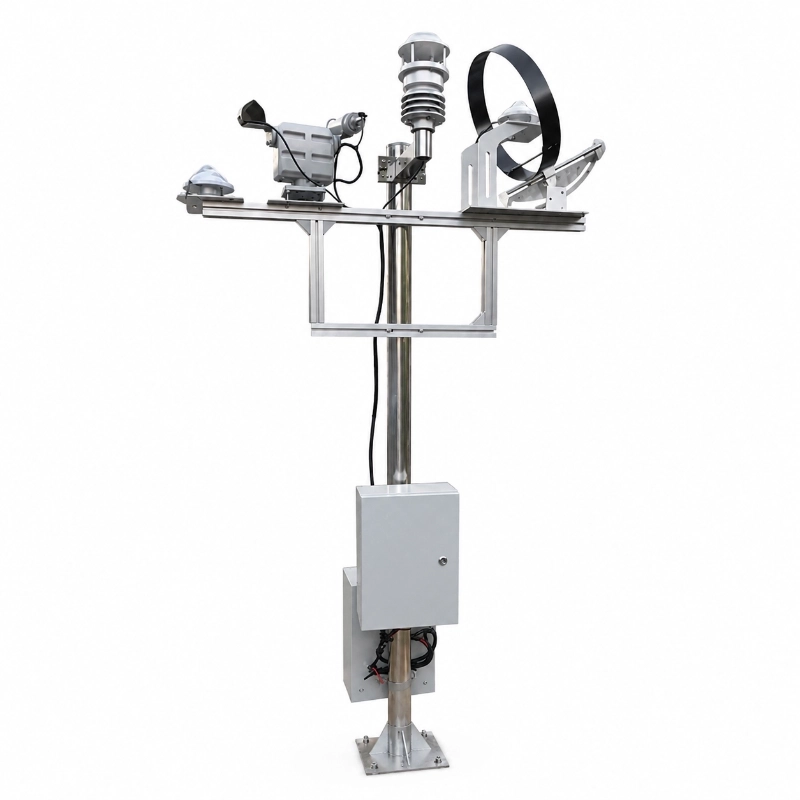
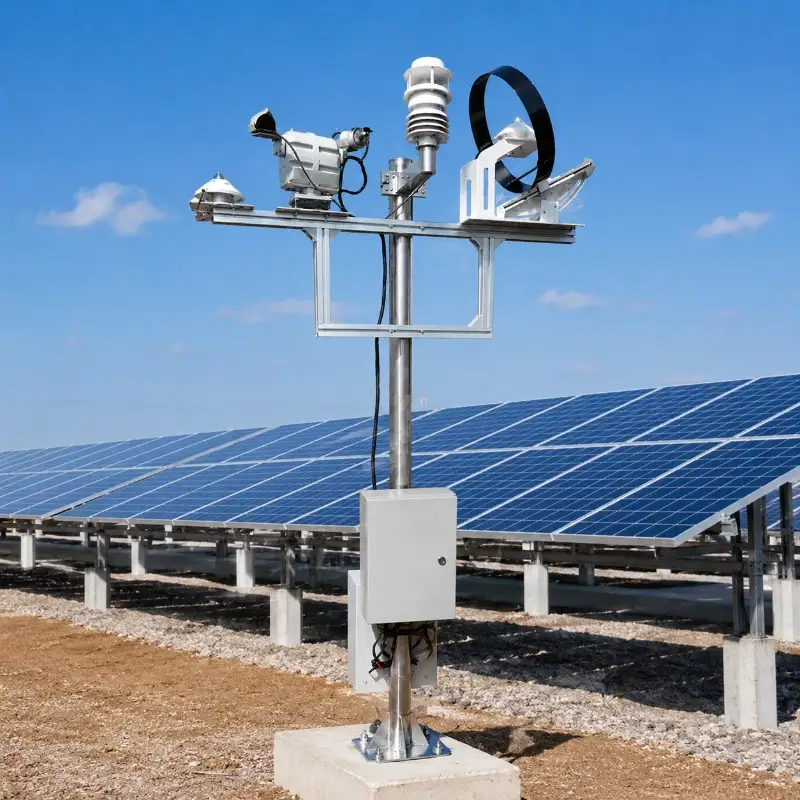
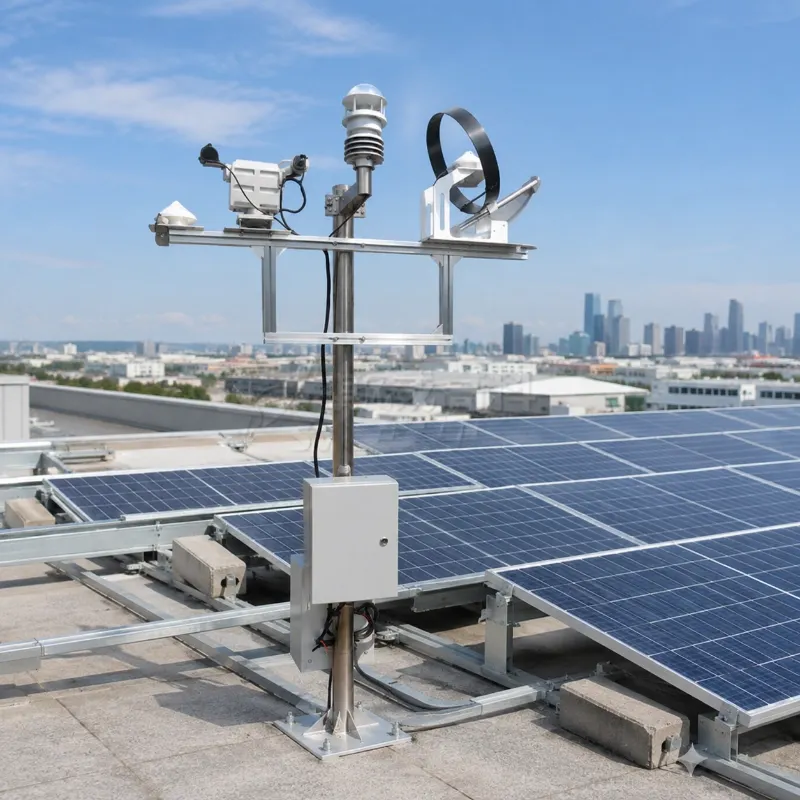
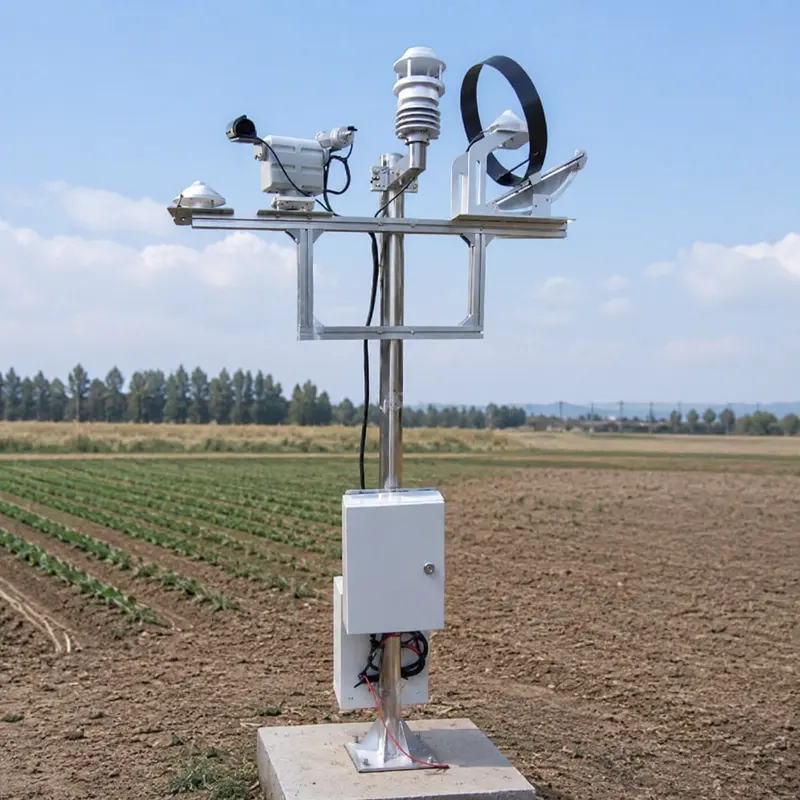
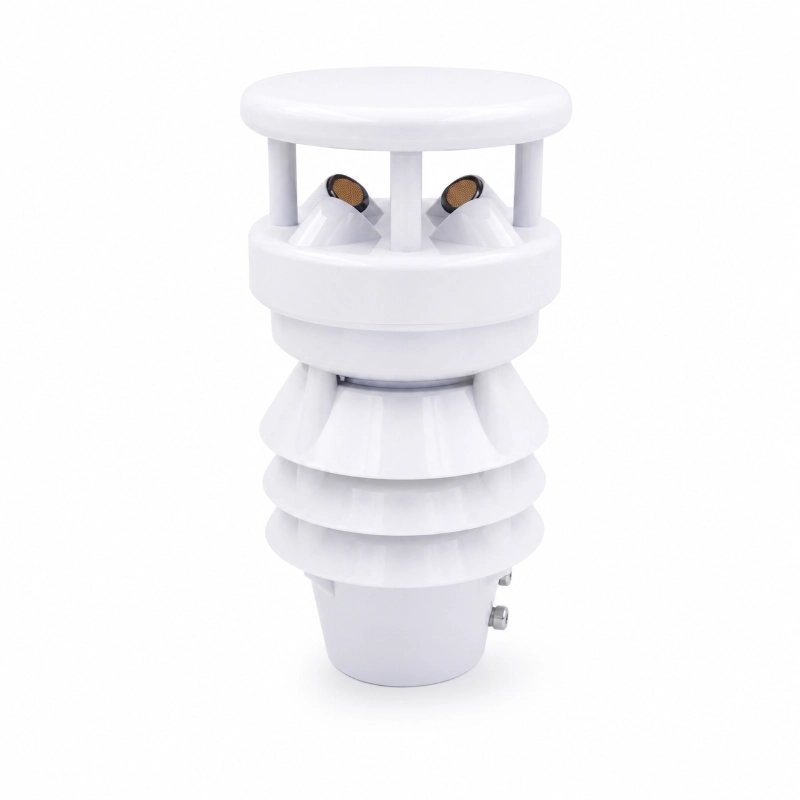
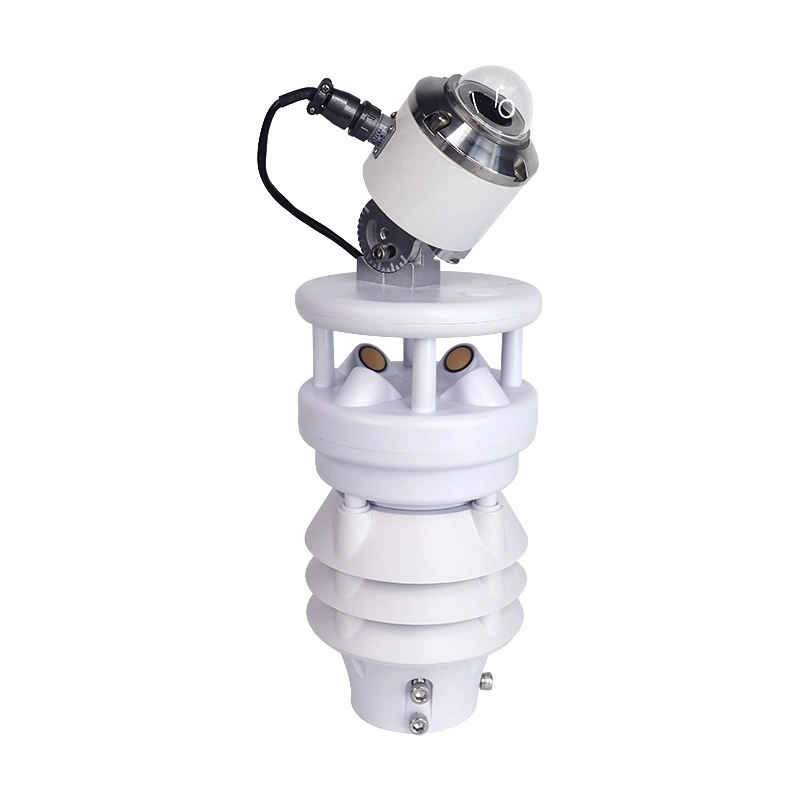
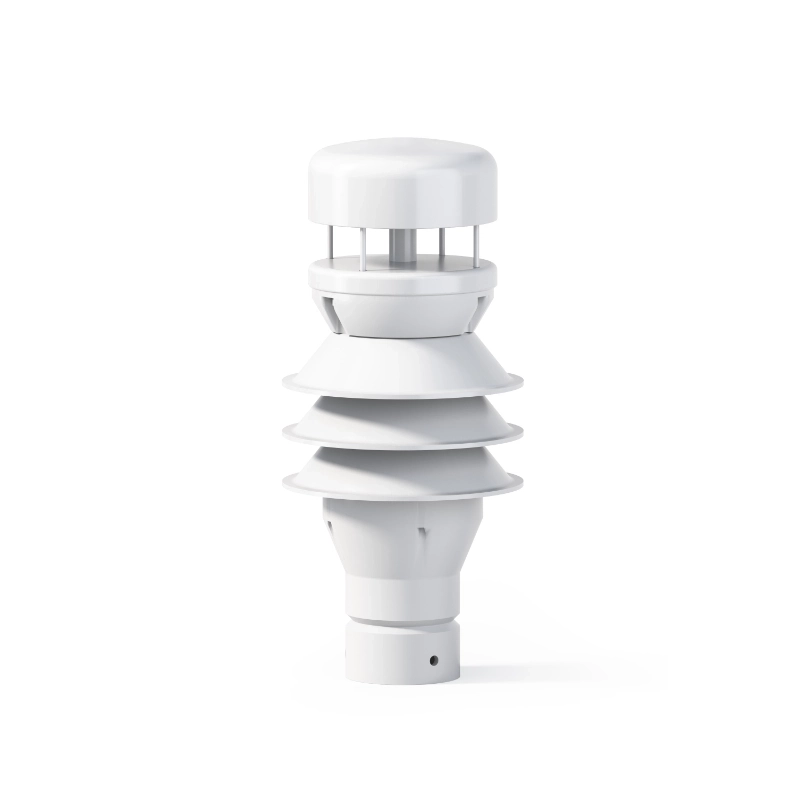
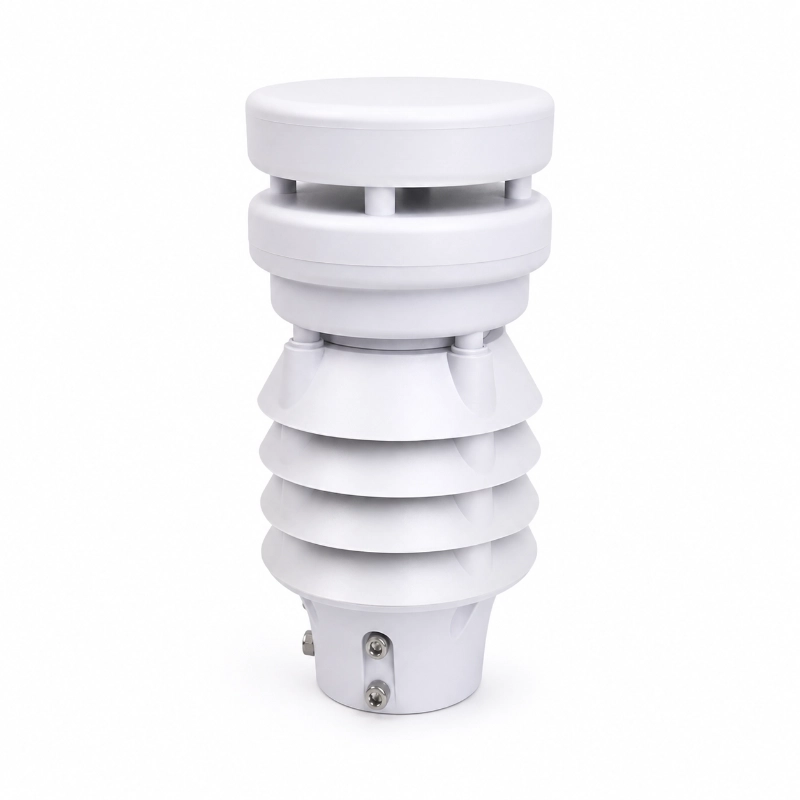
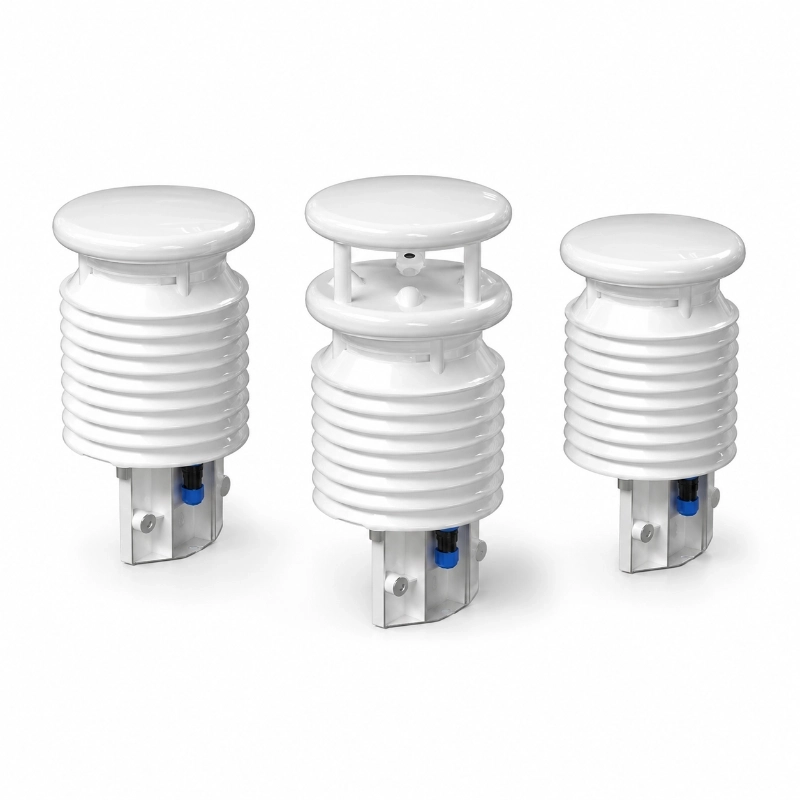
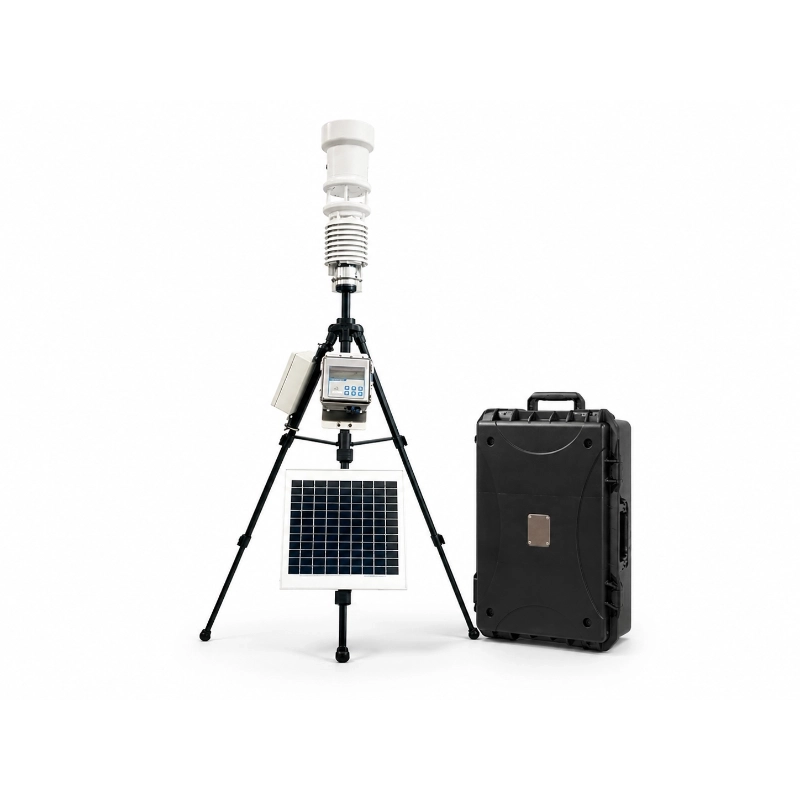
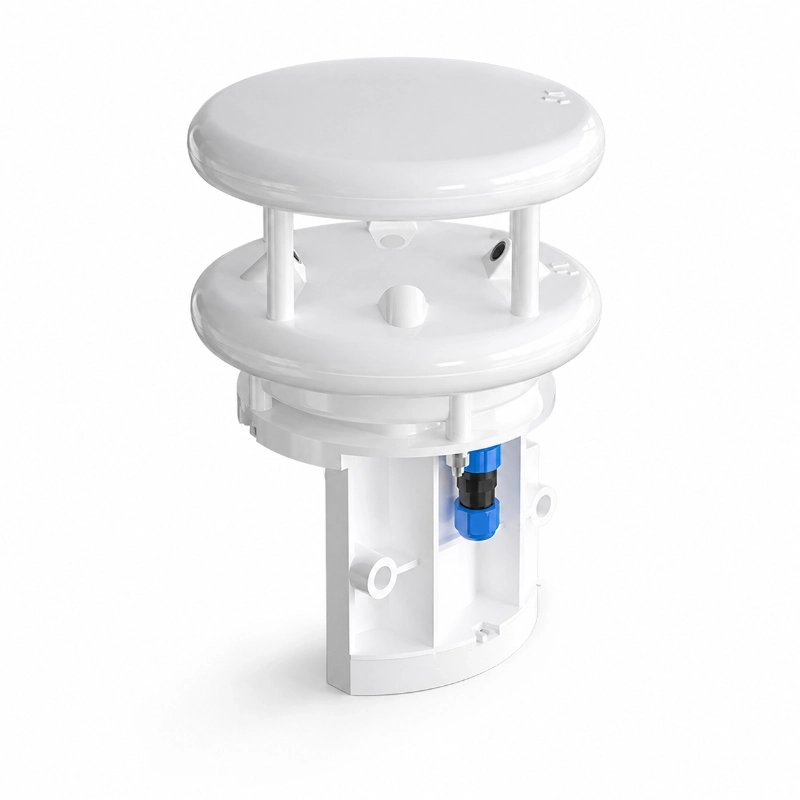
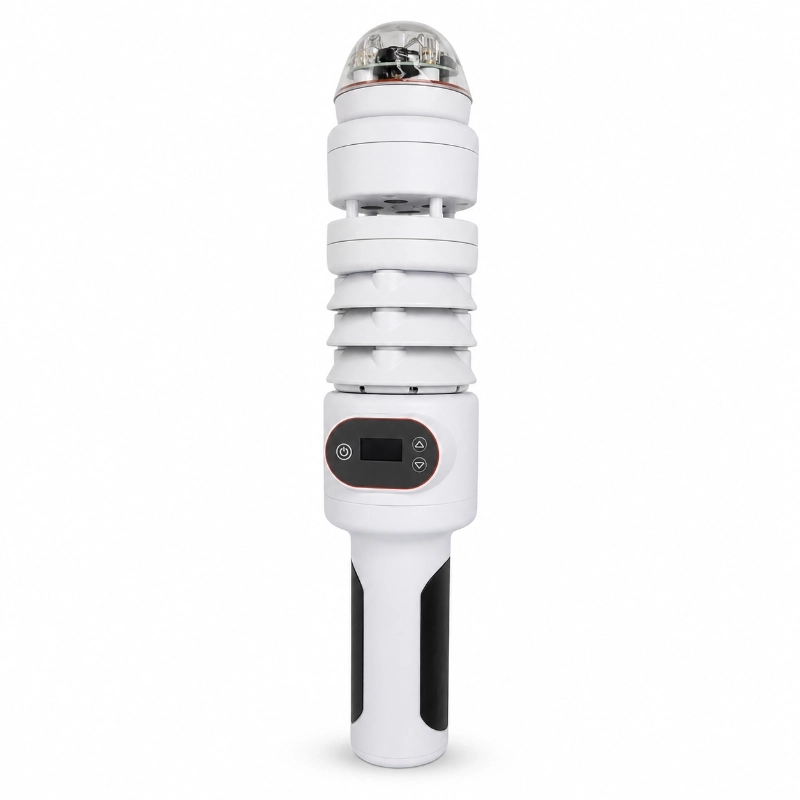
JW-SD300(SW08)PV environmental monitoring system is an outdoor automatic monitoring solution designed for solar photovoltaic power plants. It collects real-time environmental data including wind speed, wind direction, ambient temperature, relative humidity, atmospheric pressure, rainfall, module temperature, global solar radiation, direct solar radiation, and diffuse solar radiation. With high integration, modular structure, IP65 protection, flexible communication, LCD display, and remote upgrade support, it helps PV operators improve environmental visibility and solar power performance analysis.
Product Overview
JW-SD300(SW08)PV Environmental Monitoring System is designed for outdoor solar power plant monitoring. It provides automatic environmental data collection to help PV plant operators understand site conditions, evaluate solar resource changes, and support operation and maintenance decisions.
The system integrates multiple meteorological and solar radiation sensors, a core data acquisition unit, communication modules, and supporting software. The main sensors, data collector, and software are developed and produced in-house, giving the system strong compatibility, stable performance, and consistent data output.
Through different hardware and software configurations, the system can be used as a wired weather monitoring station or a fully automatic unattended environmental monitoring station. It is suitable for PV power plants, agricultural environment monitoring, forestry monitoring, and campus weather stations.
Main Benefits
Helps PV plants collect complete environmental and solar resource data
Supports PV performance analysis and operation decision-making
Reduces manual inspection workload through automatic monitoring
Improves data reliability through integrated sensor and collector design
Allows flexible configuration for different project scales and monitoring needs
Technical Specifications
General Specifications
Item
Specification
Product Series
SD300
Product Type
PV Environmental Monitoring System
Application
Solar PV plant environmental monitoring
Working Voltage
12–24 VDC
Working Temperature
-40°C to +85°C
Optional Low Temperature Version
-55°C to +85°C
Protection Grade
IP65
Surge Protection Level
Level 4
System Structure
Modular integrated design
Display
Built-in LCD display
Upgrade Support
Remote upgrade service
Deployment Mode
Wired monitoring station or automatic unattended station
Measurement Parameters
Wind Speed
Item
Specification
Range
0–50 m/s
Optional Range
0–75 m/s
Accuracy
0.2 m/s at 0–10 m/s
Additional Accuracy
±2% above 10 m/s
Resolution
0.1 m/s
Wind Direction
Item
Specification
Range
0–360°
Accuracy
±2°
Resolution
1°
Ambient Temperature
Item
Specification
Range
-40°C to +85°C / -55°C to +85°C optional
Accuracy
±0.2°C
Resolution
0.1°C
Relative Humidity
Item
Specification
Range
100% RH at 0–80°C
Accuracy
±2% RH
Resolution
1% RH
Atmospheric Pressure
Item
Specification
Range
200–1200 hPa
Accuracy
±0.5 hPa at -10°C to +50°C
Resolution
0.1 hPa
Rainfall
Item
Specification
Range
0–24 mm/min
Accuracy
0.5 mm/min
Resolution
0.01 mm/min
Solar Global Radiation
Item
Specification
Range
0–2000 W/m²
Resolution
1 W/m
Sensitivity
≥7 μV/W·m²
Response Time 95%
≤20s
Nonlinearity
<2%
Annual Stability
≤2%
Solar Direct Radiation
Item
Specification
Item
Specification
Range
0–2000 W/m²
Range
0–2001 W/m²
Resolution
1 W/m²
Resolution
2 W/m²
Sensitivity
≥7 μV/W·m²
Sensitivity
≥8 μV/W·m²
Response Time 95%
≤20s
Response Time 96%
≤21s
Nonlinearity
<2%
Nonlinearity
<3%
Annual Stability
≤2%
Annual Stability
≤3%
Solar Diffuse Radiation
Item
Specification
Range
0–2000 W/m²
Resolution
1 W/m²
Sensitivity
≥7 μV/W·m²
Response Time 95%
≤20s
Nonlinearity
<2%
Annual Stability
≤2%
PV Module Temperature
Item
Specification
Range
-40°C to +200°C
Accuracy
±0.1°C
Resolution
0.1°C
Environmental and Reliability Tests
The micro weather station is designed for outdoor industrial use and has been tested according to multiple environmental and reliability standards.
Test Item
Reference Standard
Electrostatic Discharge Test
GB/T 17626.2-2006
Surge Immunity Test
GB/T 17626.5-2008
Fast Transient Burst Test
GB/T 17626.4-2008
Conducted Disturbance Immunity Test
GB/T 17626.6-2008
IP Protection Test
GB 4208-2008
Wind Tunnel Test
JJG 0001-1992
Vibration Test
GB 5170.14-85
High and Low Temperature Storage Test
GB/T 2423.2-2008, GB/T 2423.1-2008
High and Low Temperature Operation Test
GB/T 2423.2-2008, GB/T 2423.1-2008
Salt Spray Test
ISO 6270-1:1998, ISO 7253:2001, ISO 12944-6:1998
Typical Applications
Solar PV Power Plant Environmental Monitoring: The system is mainly used for monitoring environmental conditions around photovoltaic power plants. It helps operators collect solar radiation, temperature, wind, rainfall, and module temperature data for PV performance evaluation.
Agriculture and Forestry Environmental Monitoring: The system can also be used in agricultural and forestry environments to monitor weather changes, rainfall, temperature, humidity, and solar radiation for environmental analysis.
Campus Weather Stations: For schools, universities, and research institutions, the system can be configured as a campus weather station for meteorological observation, environmental education, and research data collection.
Why PV Plants Need Environmental Monitoring?
PV plant output is strongly affected by environmental conditions. Solar radiation determines the available solar energy, while module temperature influences PV module efficiency. Wind speed, ambient temperature, humidity, air pressure, and rainfall also affect equipment operation, cooling conditions, site safety, and maintenance planning.
A professional PV environmental monitoring system helps operators understand whether power generation changes are caused by solar resource variation, high module temperature, equipment issues, or site conditions.
What Is a PV Environmental Monitoring System?
A PV environmental monitoring system is an automatic monitoring solution used in solar power plants to collect weather and solar radiation data. It usually includes meteorological sensors, solar radiation sensors, module temperature sensors, data collectors, communication devices, and monitoring software.
The goal is to provide accurate environmental data for PV performance analysis, power generation evaluation, and operation and maintenance management.
Why Solar Radiation Data Matters?
Solar radiation is one of the most important parameters in PV monitoring. It directly affects how much energy a PV plant can generate. By measuring global, direct, and diffuse solar radiation, operators can better understand the solar resource condition at the site.
This data can support performance ratio analysis, power output comparison, and long-term solar resource assessment.
Why Module Temperature Should Be Monitored?
PV modules usually operate at temperatures higher than ambient air temperature. When module temperature increases, PV module efficiency may decrease. Monitoring module temperature helps operators evaluate whether reduced power output is related to high operating temperature.
This is especially important for PV plants in hot regions, rooftop solar systems, and desert solar projects.
Difference Between Global Direct and Diffuse Solar Radiation
Global solar radiation refers to the total solar radiation received on a surface. Direct solar radiation comes directly from the sun without being scattered. Diffuse solar radiation is scattered by the atmosphere, clouds, dust, and particles before reaching the surface.
For PV plant analysis, these three radiation values can help provide a more complete understanding of solar resource quality.
How Environmental Data Supports PV Performance Analysis
When PV output drops, operators need to know whether the cause is weather, solar radiation, high temperature, equipment fault, dust accumulation, or other site factors. Environmental monitoring data helps compare actual power generation with expected solar resource conditions.
This makes the system useful for:
PV performance ratio calculation
Power generation evaluation
O&M decision support
Solar resource assessment
Abnormal output diagnosis
Need a PV Monitoring System for Solar Plant Performance Analysis
Contact JW-IoT to get the datasheet, sensor configuration, and project-based solution for PV environmental monitoring, solar radiation measurement, and solar power plant performance analysis.
FAQ
Q
1. What does this PV environmental monitoring system measure?
A
This PV environmental monitoring system can measure wind speed, wind direction, ambient temperature, relative humidity, atmospheric pressure, rainfall, module temperature, global solar radiation, direct solar radiation, and diffuse solar radiation.
Q
2. Why does a solar power plant need environmental monitoring?
A
A solar power plant needs environmental monitoring to understand how weather, solar radiation, and module temperature affect power generation. This data helps improve PV performance analysis and operation management.
Q
3. Can JW-IoT provide this system for utility scale PV plants?
A
Yes. JW-IoT can provide PV environmental monitoring systems for utility scale solar farms, distributed PV plants, rooftop PV projects, and other photovoltaic monitoring applications.
Q
4. What is the difference between global radiation and direct radiation?
A
Global radiation is the total solar radiation received on a surface, while direct radiation comes directly from the sun. Diffuse radiation is scattered by the atmosphere before reaching the surface.
Q
5. Does the system support unattended operation?
A
Yes. The system can be configured as a fully automatic unattended monitoring station, depending on project requirements and communication configuration.
Q
6. Can JW-IoT support remote upgrade and system integration?
A
Yes. JW-IoT supports remote upgrade service and can assist with data collector, communication, and platform integration according to project needs.
Q
7. Is this system suitable for harsh outdoor environments?
A
Yes. The system supports outdoor operation with IP65 protection and wide working temperature options from -40°C to +85°C or -55°C to +85°C.
Q
8. Can this system be used outside solar PV projects?
A
Yes. Besides PV plants, it can also be used for agricultural environmental monitoring, forestry monitoring, and campus weather stations.
Q
9. Can JW-IoT customize the sensor configuration?
A
Yes. JW-IoT can customize sensor configuration, communication method, data acquisition mode, and software integration based on different monitoring projects.
 +86 13520127780
  info@jingelway.com