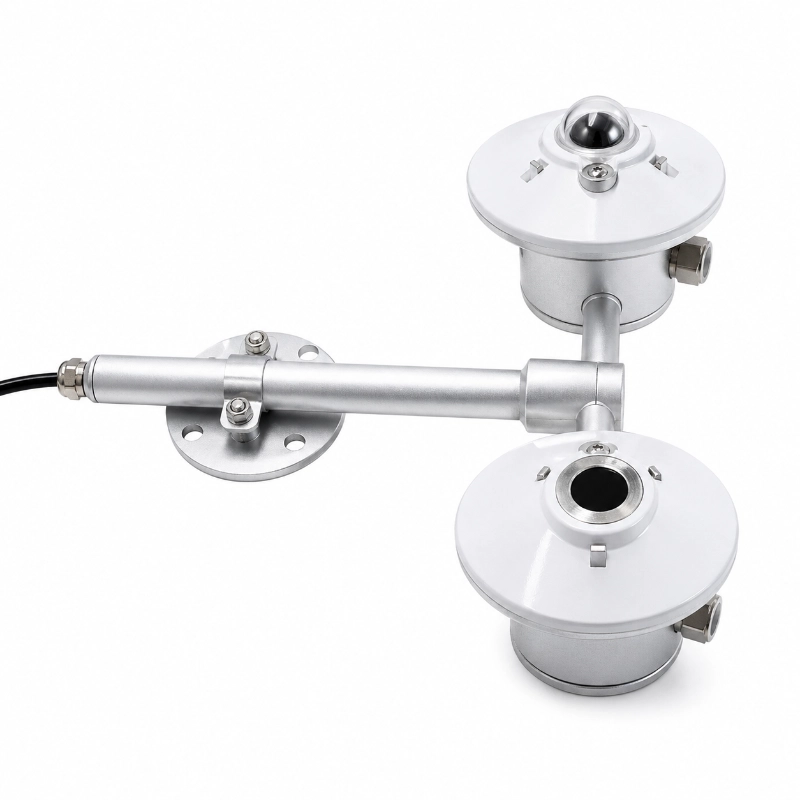
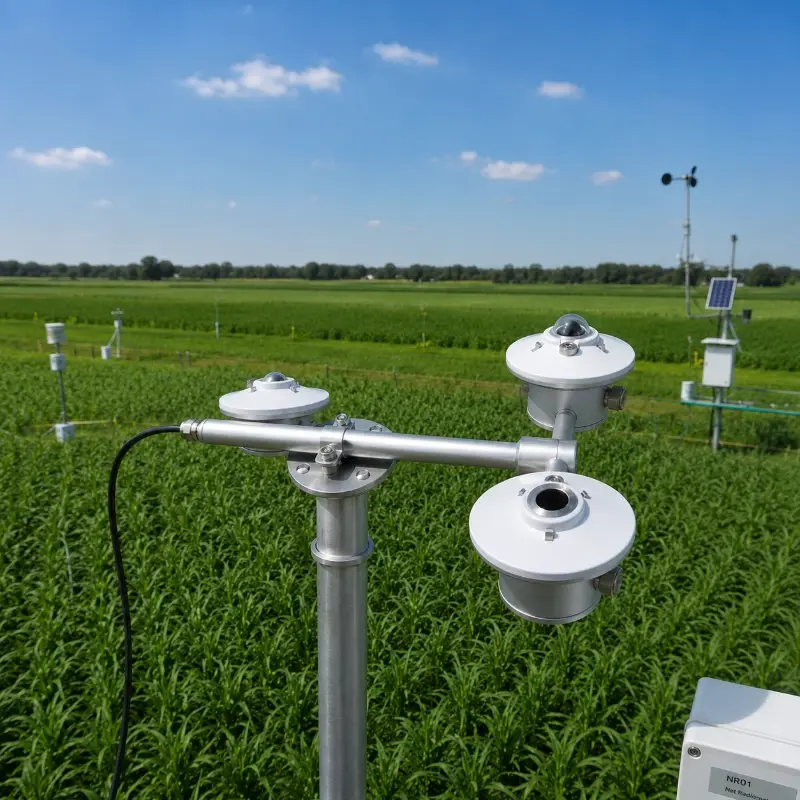
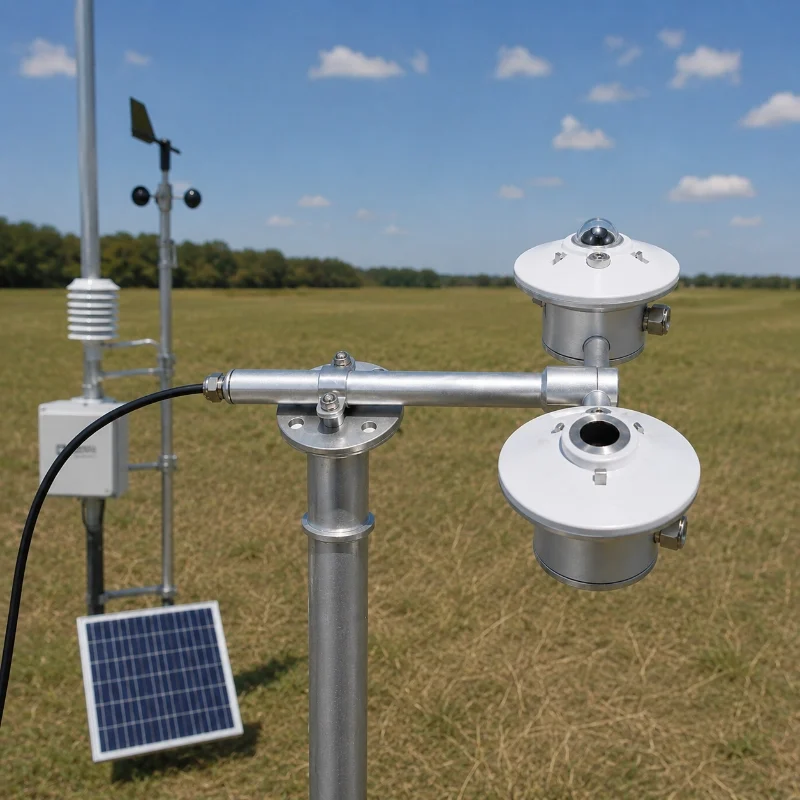
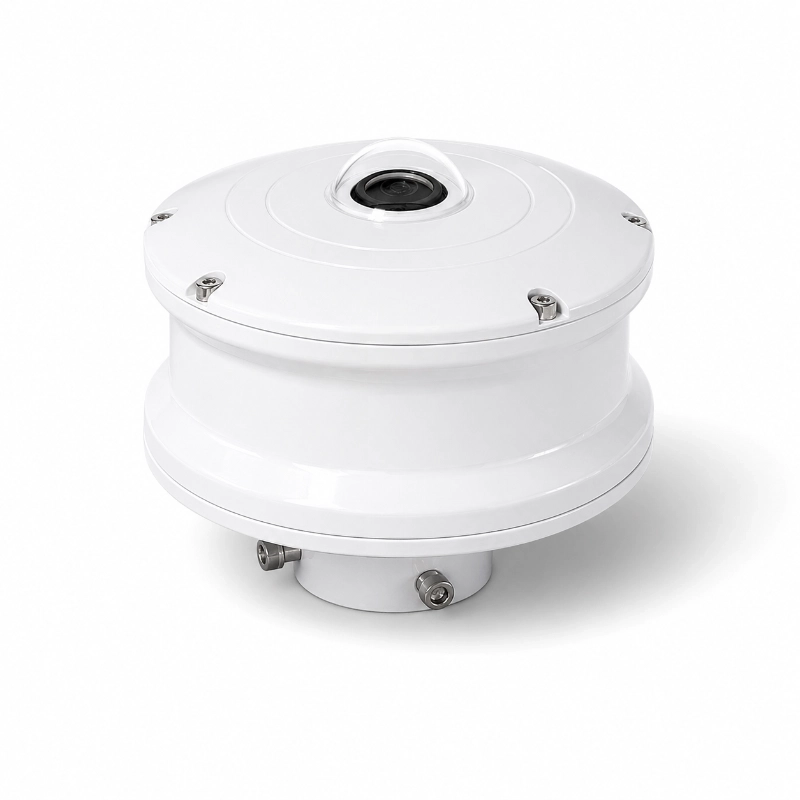
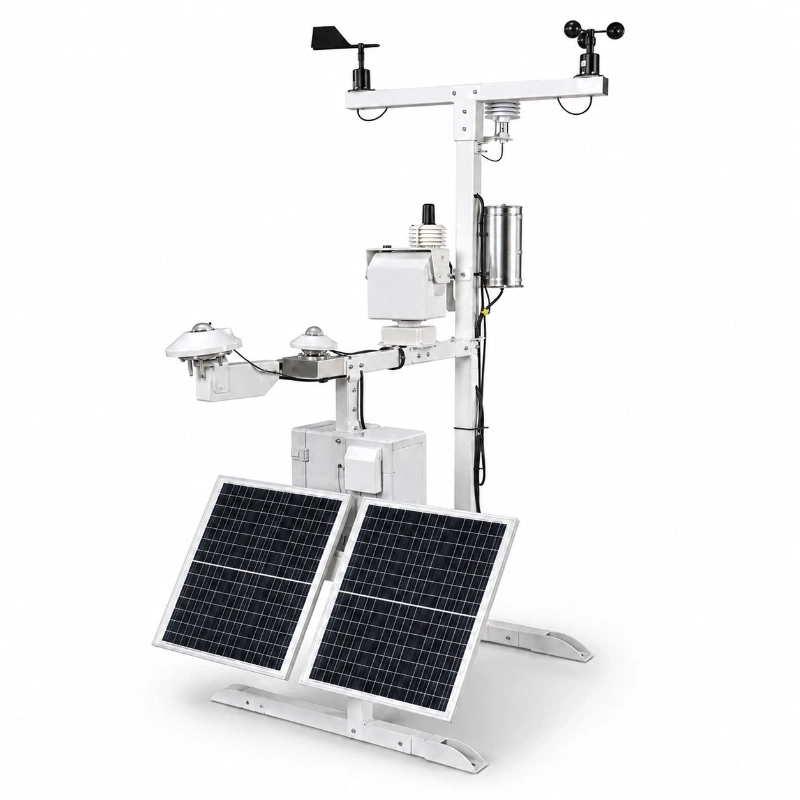
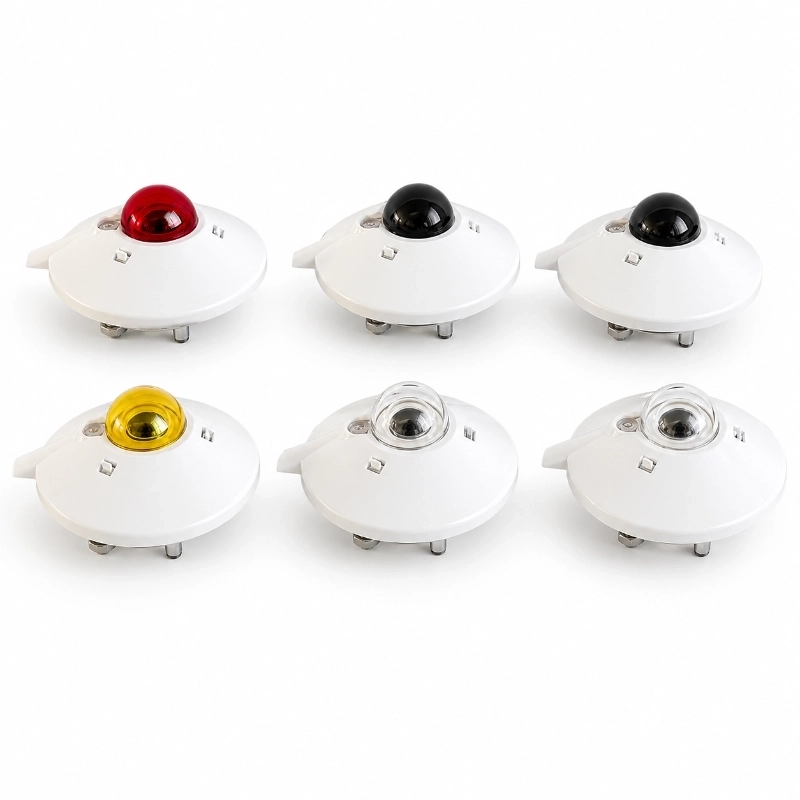
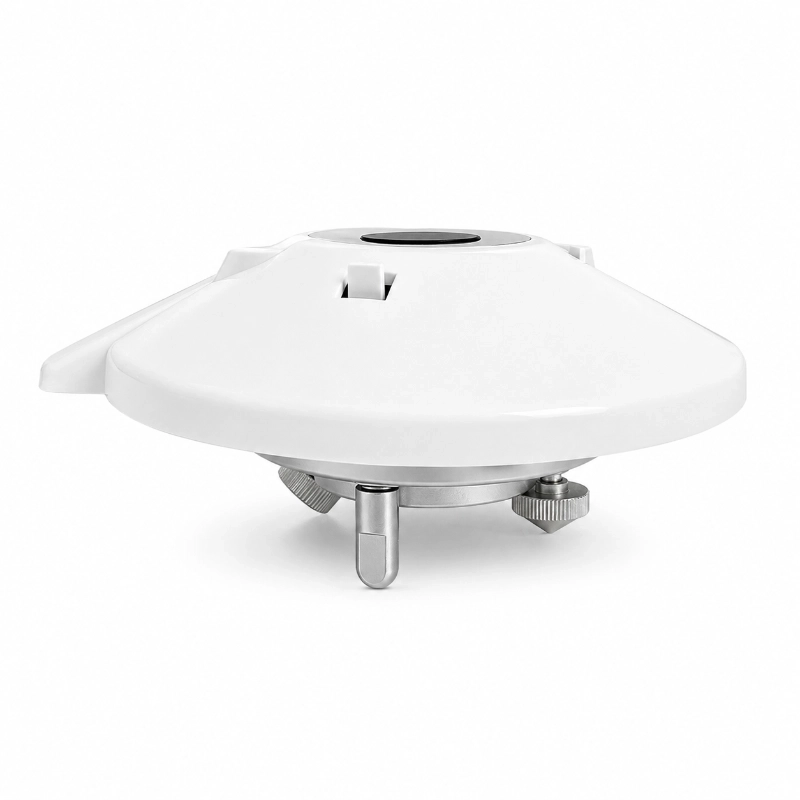
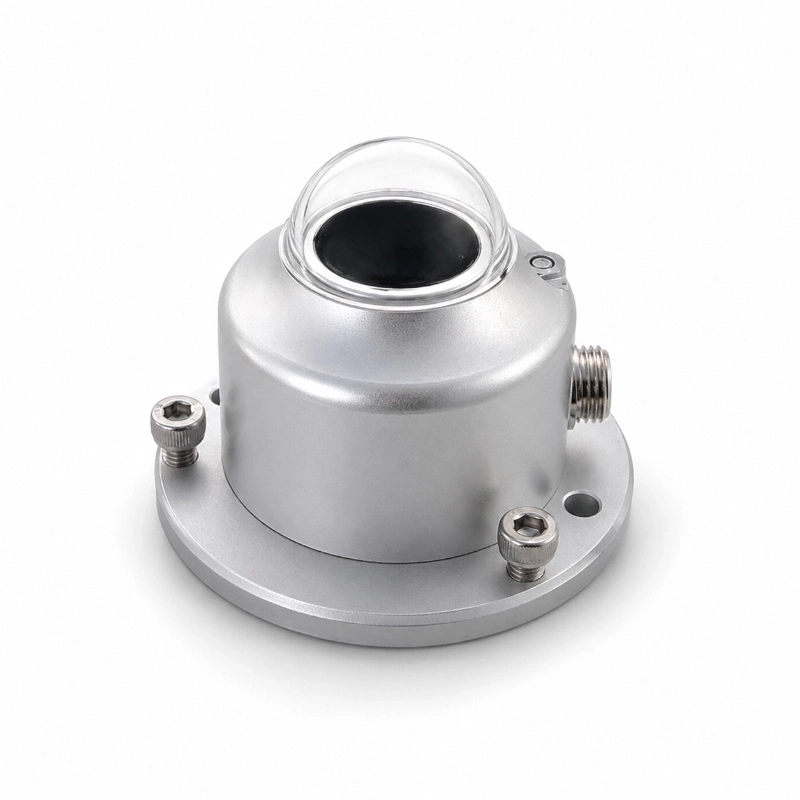
The JW-TBB-2L(LC27) Four-Component Net Radiometer is designed for professional solar radiation, surface energy balance and environmental monitoring.
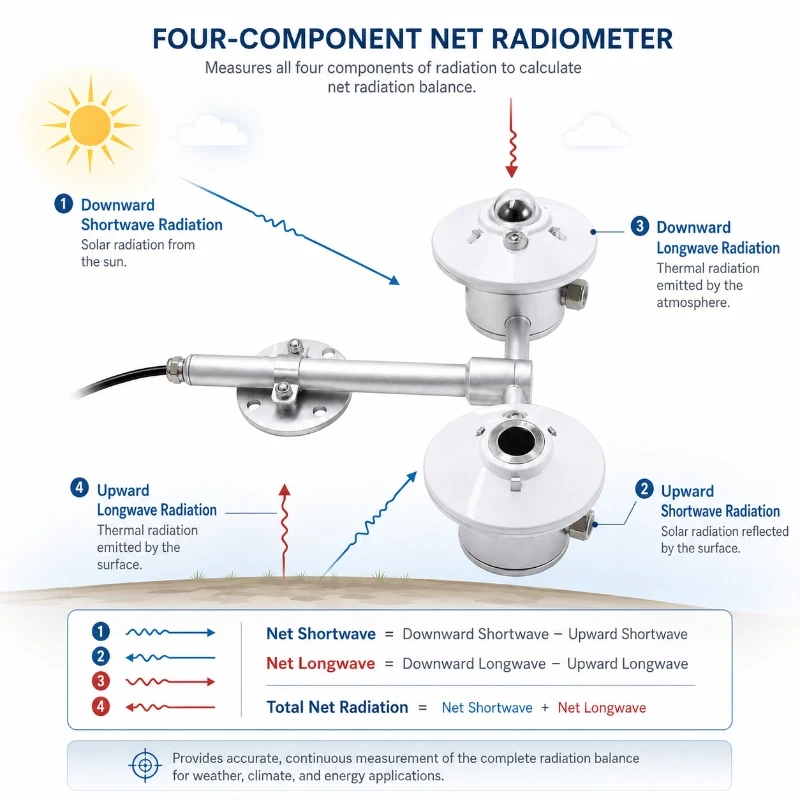
It simultaneously measures four radiation components:
Downward shortwave radiation
Upward reflected shortwave radiation
Downward longwave radiation
Upward longwave radiation emitted by the surface
By separating these four components, the instrument provides more detailed radiation data than a conventional single-output net radiometer. The measurements can be used to calculate net shortwave radiation, net longwave radiation, total net radiation and surface albedo.
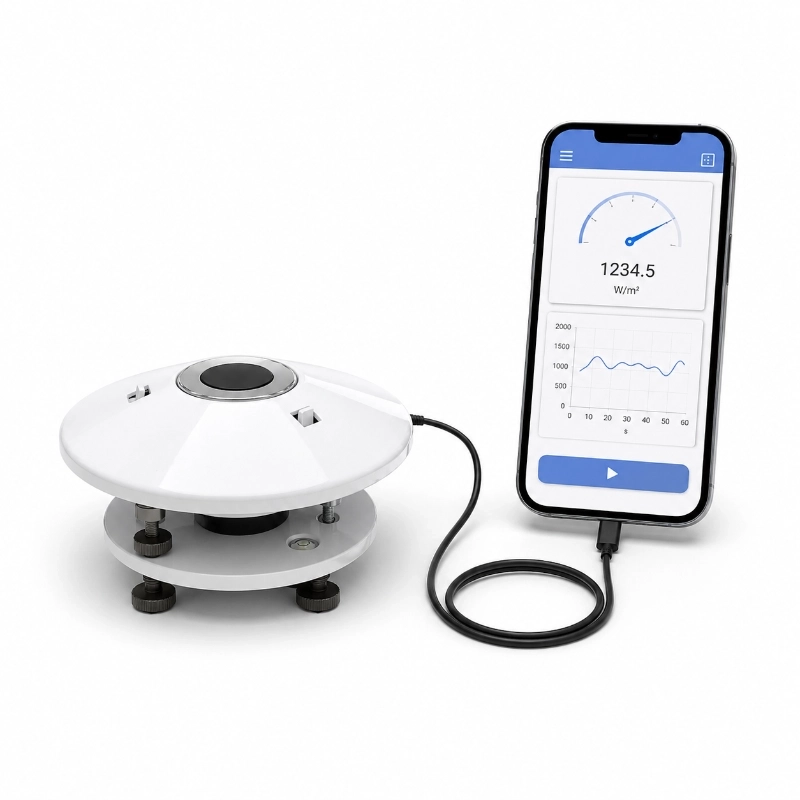
With RS485 communication, fast response and a durable outdoor structure, the radiometer can be integrated into automatic weather stations, agricultural monitoring systems, research stations, data loggers, RTUs and remote IoT monitoring platforms.
What Is a Four-Component Net Radiometer?
A four-component net radiometer is an instrument that separately measures incoming and outgoing shortwave and longwave radiation above a surface.
The four measurements are normally represented as:
Downward shortwave radiation Solar radiation arriving from the sky and sun.
Upward shortwave radiation Solar radiation reflected by soil, vegetation, snow, water, roofing materials or other surfaces.
Downward longwave radiation Thermal infrared radiation emitted downward by the atmosphere and clouds.
Upward longwave radiation Thermal infrared radiation emitted upward by the ground or monitored surface.
Because each component is recorded independently, researchers can analyze how solar and thermal radiation interact with the land surface, crops, water bodies, snow, buildings and photovoltaic sites.
How Is Net Radiation Calculated?
The radiometer provides the individual measurements required to calculate the surface radiation balance.
Net longwave radiation represents the balance between atmospheric thermal radiation and thermal radiation emitted by the surface.
Total Net Radiation
Total Net Radiation = Net Shortwave Radiation + Net Longwave Radiation
Total net radiation represents the net radiative energy available at the surface.
Depending on the project, this value can support evapotranspiration studies, heat-flux analysis, crop energy balance assessment, climate research and environmental modelling.
Albedo describes the proportion of incoming solar radiation reflected by a surface.
Bright surfaces such as snow generally reflect more shortwave radiation, while darker soil, water and vegetation normally absorb a greater proportion of incoming radiation.
Four-Component Net Radiometer vs Conventional Net Radiometer
A conventional net radiometer normally provides one combined net radiation measurement. It is suitable when the monitoring system only needs the final radiation balance value.
A four-component radiometer measures the four individual radiation streams separately.
Measurement Requirement
Conventional Net Radiometer
Four-Component Net Radiometer
Combined net radiation
Yes
Yes, calculated
Downward shortwave radiation
Usually not separate
Yes
Reflected shortwave radiation
Usually not separate
Yes
Downward longwave radiation
Usually not separate
Yes
Upward longwave radiation
Usually not separate
Yes
Surface albedo analysis
Limited
Yes
Detailed energy balance research
Limited
Recommended
Basic weather station use
Suitable
Possible
Scientific surface radiation studies
Limited
Suitable
Choose a conventional net radiometer when a single net radiation value is sufficient.
Choose a four-component net radiometer when the project must distinguish between solar radiation, reflected radiation, atmospheric longwave radiation and surface-emitted longwave radiation.
The upward-facing shortwave sensor measures solar radiation received from the hemisphere above the instrument.
This measurement includes direct and diffuse solar radiation reaching the monitoring surface.
Typical uses include:
Solar resource analysis
Agricultural radiation monitoring
Weather and climate studies
Surface energy input assessment
PV environmental monitoring
Reflected Shortwave Radiation
The downward-facing shortwave sensor measures the portion of incoming solar radiation reflected by the surface below.
The data can be compared with downward shortwave radiation to calculate surface albedo.
Typical monitored surfaces include:
Soil
Crops
Grassland
Forest canopy
Snow and ice
Water
Desert
Urban roofs
Photovoltaic arrays
Downward Longwave Radiation
The upward-facing longwave sensor measures thermal infrared radiation emitted by the atmosphere and clouds toward the surface.
This component is important for studying nighttime radiation balance, cloud effects and atmospheric heat exchange.
Upward Longwave Radiation
The downward-facing longwave sensor measures thermal radiation emitted by the monitored surface.
Surface temperature, material properties, soil moisture, vegetation, water conditions and solar heating can all influence upward longwave radiation.
Technical Specifications
Parameter
Specification
Product Type
Four Component Net Radiometer
Model
JW-TBB-2L(LC27)
Measurement Elements
Shortwave radiation, reflected shortwave radiation, longwave radiation, reflected longwave radiation, full wave radiation, net radiation
Solar Spectral Range
0.3 to 3 μm shortwave, 3.5 to 50 μm longwave
Shortwave Sensitivity
7 to 14 μV W⁻¹ m²
Longwave Sensitivity
2 to 10 μV W⁻¹ m²
Signal Output
RS485
Annual Stability
≤ ±2%
Nonlinearity
≤ 4%
Measurement Accuracy
≤ ±5%
Measurement Range
-2000 to 2000 W m²
Temperature Compensation
Pt100
Response Time
≤ 10 s
Working Humidity
0% to 100% RH
Working Temperature
-40°C to 80°C
Leveling Method
Two axis leveling assembly
Weight
4.5 kg
Final specifications may vary according to the ordered configuration. Confirm the output protocol, power supply, cable length, mounting accessories and data logger compatibility before ordering.
RS485 Data Integration
The RS485 output enables the four-component radiometer to connect to common industrial and environmental monitoring equipment.
Typical connection devices include:
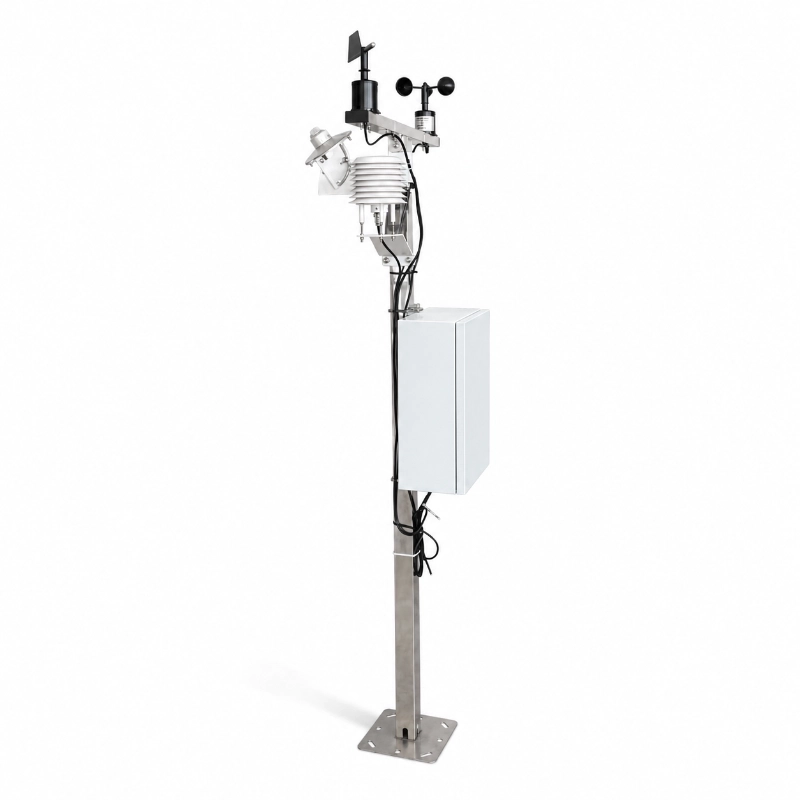
Automatic weather station controllers
Environmental data loggers
Agricultural RTUs
PLC systems
IoT sensor nodes
Modbus gateways
4G communication terminals
LoRaWAN gateways
Local SCADA systems
Cloud monitoring platforms
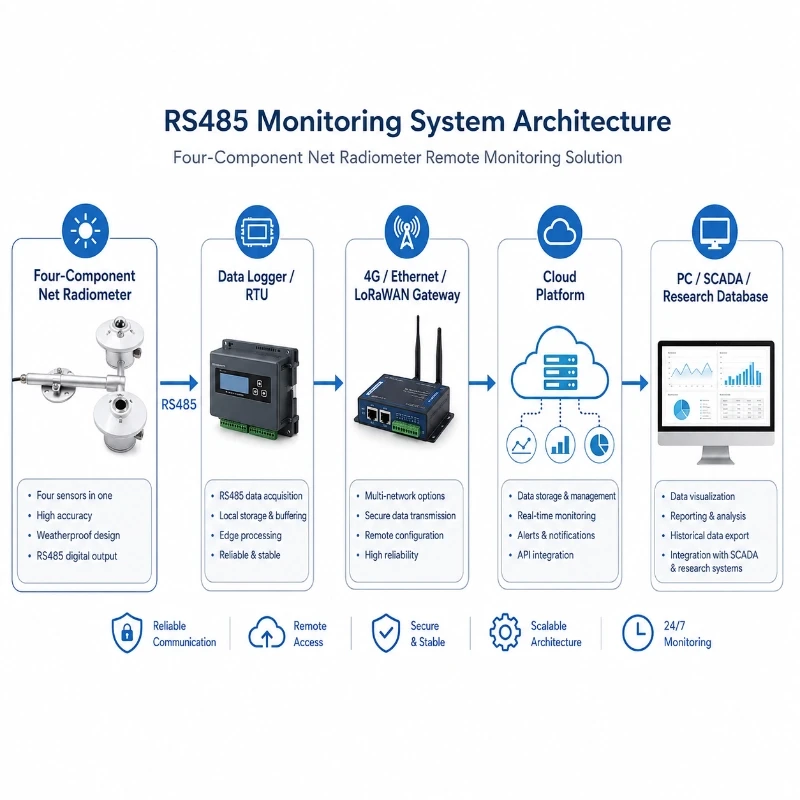
A typical remote monitoring architecture is:
Four-Component Net Radiometer → RS485 Data Logger or RTU → 4G, Ethernet or LoRaWAN Gateway → Cloud Platform or Research Database
The data logger records the four independent radiation channels. The monitoring software can then calculate net radiation, albedo and long-term radiation balance indicators.
JW-IoT can provide compatible controllers, communication devices and platform integration according to the project architecture.
Typical Applications
Surface Energy Balance Research
Net radiation is an important component of the surface energy balance.
Four-component measurements allow researchers to separate absorbed solar energy from longwave thermal exchange, providing more complete input for energy balance models.
Agricultural Meteorology
The radiometer can be installed above cropland, orchards, grassland and experimental plots.
Typical research topics include:
Crop radiation interception
Canopy energy balance
Evapotranspiration
Soil–plant–atmosphere interaction
Irrigation research
Crop microclimate monitoring
Agricultural heat-stress studies
Evapotranspiration Studies
Net radiation is one of the key energy inputs used in many evapotranspiration studies.
When combined with air temperature, humidity, wind speed, soil heat flux and other meteorological measurements, the radiometer can support research into water and energy exchange.
Meteorological and Climate Research
The instrument can be integrated into professional weather stations for:
Radiation budget studies
Boundary-layer research
Cloud and atmospheric radiation analysis
Climate observation
Long-term environmental monitoring
Surface–atmosphere exchange studies
Snow and Ice Monitoring
Snow and ice have distinctive shortwave reflectance and thermal radiation characteristics.
The four-component radiometer can support:
Snow albedo monitoring
Glacier energy balance research
Snowmelt analysis
Alpine climate studies
Polar environmental observation
Water and Wetland Research
The instrument can be installed above lakes, reservoirs, wetlands and other water surfaces.
It can help evaluate:
Water-surface radiation balance
Evaporation conditions
Wetland energy exchange
Reservoir microclimate
Aquatic environmental processes
Solar Energy Research
Although PV projects often use a pyranometer for irradiance monitoring, a four-component radiometer provides additional reflected shortwave and thermal radiation data.
The radiometer can also be used to compare the radiation characteristics of:
Concrete
Asphalt
Roofing materials
Green roofs
Building surfaces
Urban vegetation
Reflective coatings
This information can support urban heat-island and building-energy research.
Installation Recommendations
Select a Representative Location
Install the radiometer above a surface that represents the research objective.
For example:
Above a crop canopy for agricultural studies
Above bare soil for soil energy balance monitoring
Above snow for albedo and snowmelt research
Above water for evaporation studies
Above a roof for urban surface research
The downward-facing sensors should see a representative and sufficiently uniform surface.
Keep the Instrument Level
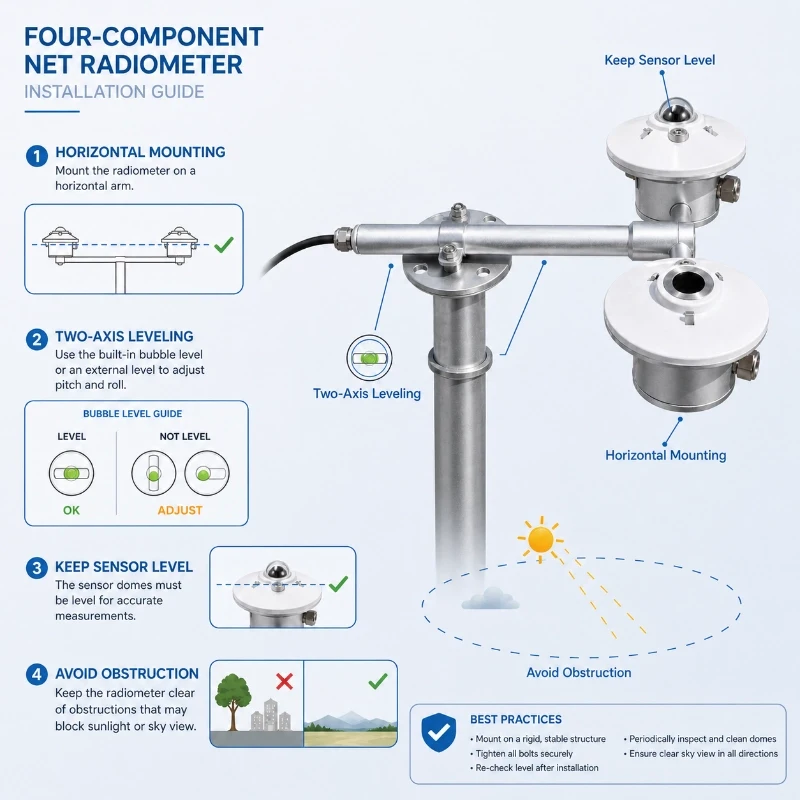
A four-component radiometer should normally be installed horizontally.
Use the integrated two-axis leveling mechanism to adjust the instrument. Check the level again after tightening the mounting hardware.
A tilted instrument may introduce directional errors and make data from different sites difficult to compare.
Avoid Obstructions and Shadows
Keep the radiometer away from:
Poles
Towers
Buildings
Trees
Solar panels
Cables
Fences
Other sensors
Nearby objects can block incoming radiation, reflect additional radiation or cast shadows on the sensor.
The mounting arm should minimize obstruction of the downward-facing field of view.
Maintain a Representative Field of View
The downward-facing sensors measure radiation from the surface below.
The mounting height and surrounding surface area should be selected so that the sensor primarily sees the intended target rather than unrelated objects.
For crop monitoring, also consider whether the plant canopy height will change during the growing season.
Route the Cable Carefully
Secure the cable to prevent movement in strong wind, but do not pull or sharply bend it near the sensor connector.
Use suitable cable protection, grounding and surge protection for long-term outdoor installations.
Clean the Optical Domes
Dust, pollen, bird droppings, frost, snow and water deposits may affect radiation measurements.
Inspect and clean the glass domes regularly using a soft, non-abrasive material and a cleaning method approved for optical surfaces.
Check Level and Mounting Stability
Regularly inspect:
Leveling position
Mounting bolts
Cable connectors
Surface contamination
Corrosion
Condensation
Physical damage
Maintenance frequency should be adjusted according to dust, rainfall, snow, pollution and site accessibility.
How to Choose the Right Radiation Sensor
Use the following questions before selecting a sensor.
Do You Need Four Separate Radiation Components?
Choose this four-component radiometer when the project requires independent shortwave and longwave measurements.
If only one combined net radiation output is required, a conventional net radiation sensor may be sufficient.
Do You Need Surface Albedo?
A four-component radiometer can calculate albedo from its shortwave channels.
When the project only requires incoming and reflected shortwave radiation, an albedo sensor may provide a simpler configuration.
Is the Project Focused Only on Solar Irradiance?
For PV performance monitoring, general weather stations or solar resource assessment, a pyranometer or dedicated solar irradiance sensor may be more appropriate.
1. What does a four-component net radiometer measure?
A
It separately measures downward shortwave radiation, reflected upward shortwave radiation, downward atmospheric longwave radiation and upward longwave radiation emitted by the surface.
Q
2. What is the difference between a four-component radiometer and a net radiometer?
A
A standard net radiometer normally provides one combined net radiation output. A four-component radiometer records four independent radiation streams, allowing users to calculate net shortwave, net longwave, total net radiation and albedo.
Q
3. Can the radiometer calculate surface albedo?
A
Yes. Surface albedo can be calculated by dividing reflected shortwave radiation by downward shortwave radiation, provided the incoming radiation level and site conditions are suitable for the calculation.
Q
4. Does the JW-IoT radiometer support RS485 output?
A
Yes. The JW-TBB-2L(LC27) supports RS485 output for integration with compatible data loggers, RTUs, weather stations and monitoring platforms.
Q
5. Can it be used for evapotranspiration research?
A
Yes. Net radiation data is commonly used together with weather, soil and heat-flux measurements in evapotranspiration and surface energy balance studies.
Q
6. Can the sensor be installed above crops?
A
Yes. It can be installed above crops or vegetation, provided the mounting height, field of view and surface representativeness are considered. The installation may need adjustment as the canopy height changes.
Q
7. Is it suitable for snow and glacier monitoring?
A
Yes. Separate incoming and reflected shortwave measurements support snow albedo studies, while the longwave channels provide additional data for snow and ice energy balance research.
Q
8. How should the radiometer be mounted?
A
The instrument should normally be mounted horizontally using the two-axis leveling assembly. The upper and lower sensors should remain unobstructed, and nearby structures should not cast shadows or create unwanted reflections.
Q
9. How often should the optical domes be cleaned?
A
Cleaning frequency depends on dust, pollen, rainfall, snow, birds and local pollution. The domes should be inspected regularly and cleaned whenever contamination may affect the measurements.
 +86 13520127780
  info@jingelway.com