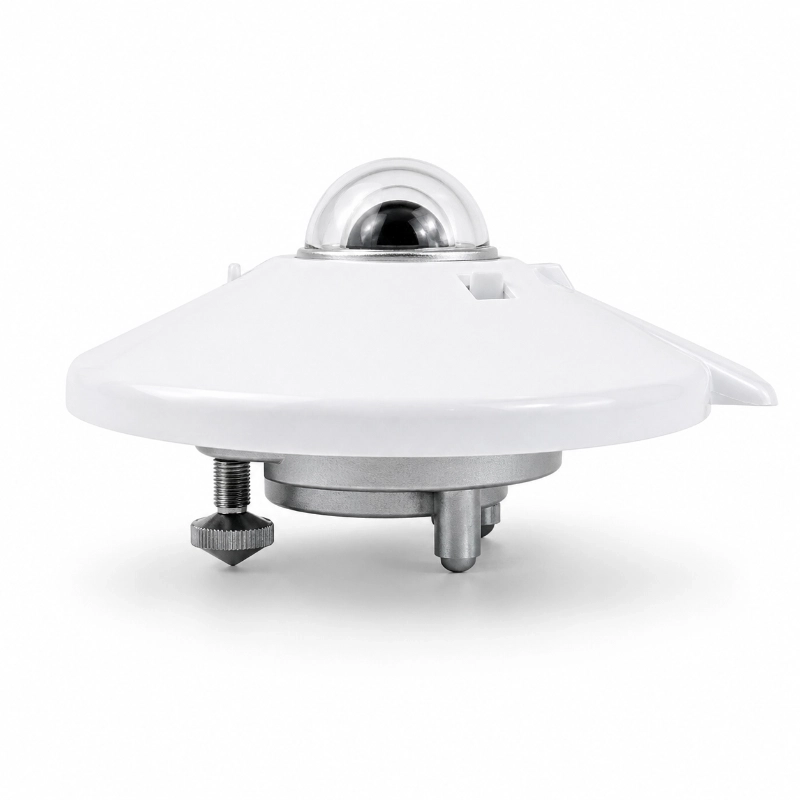
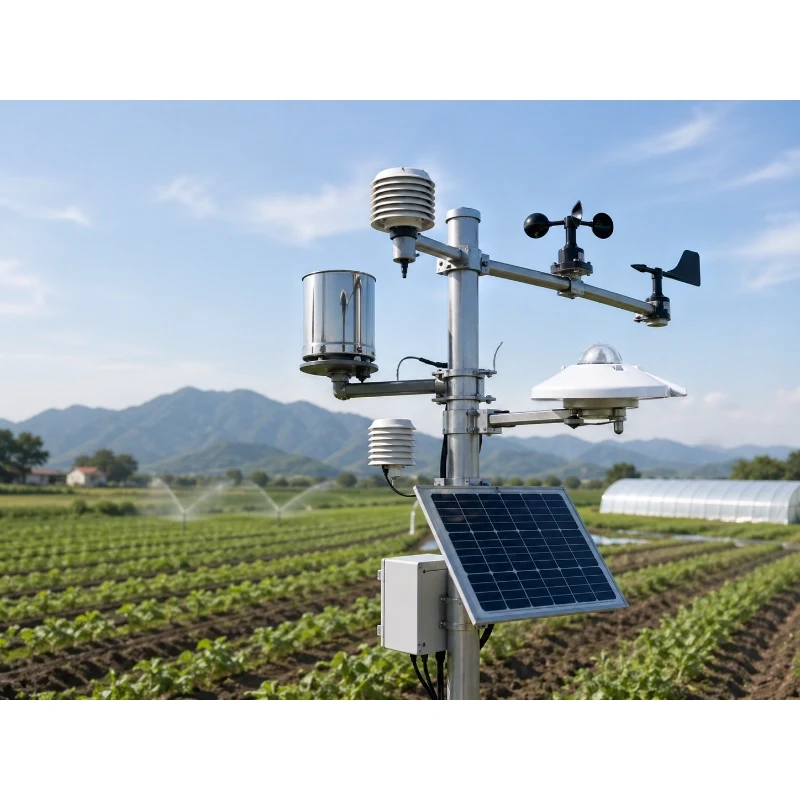
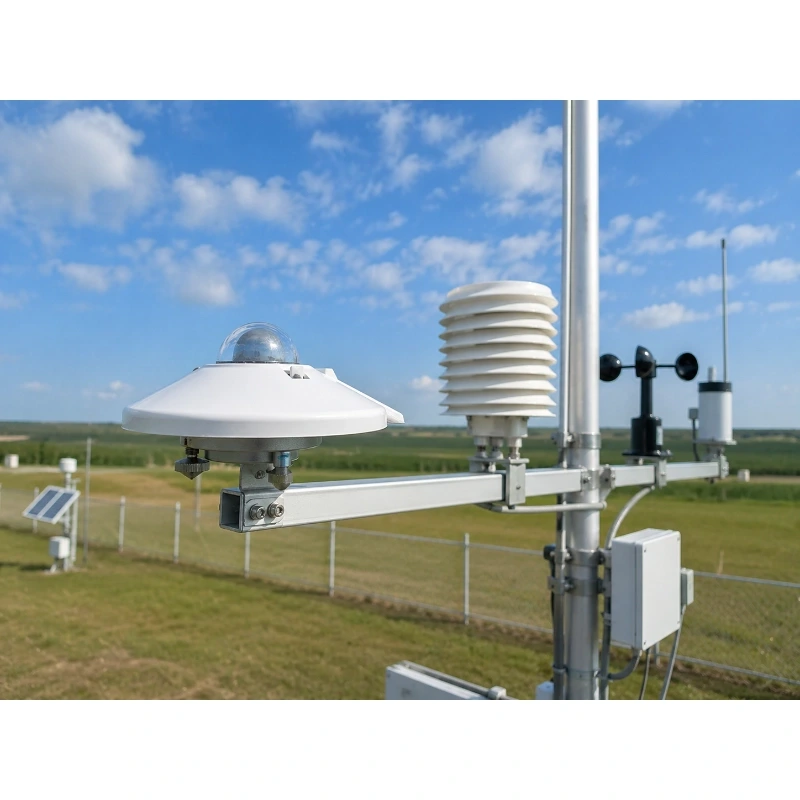
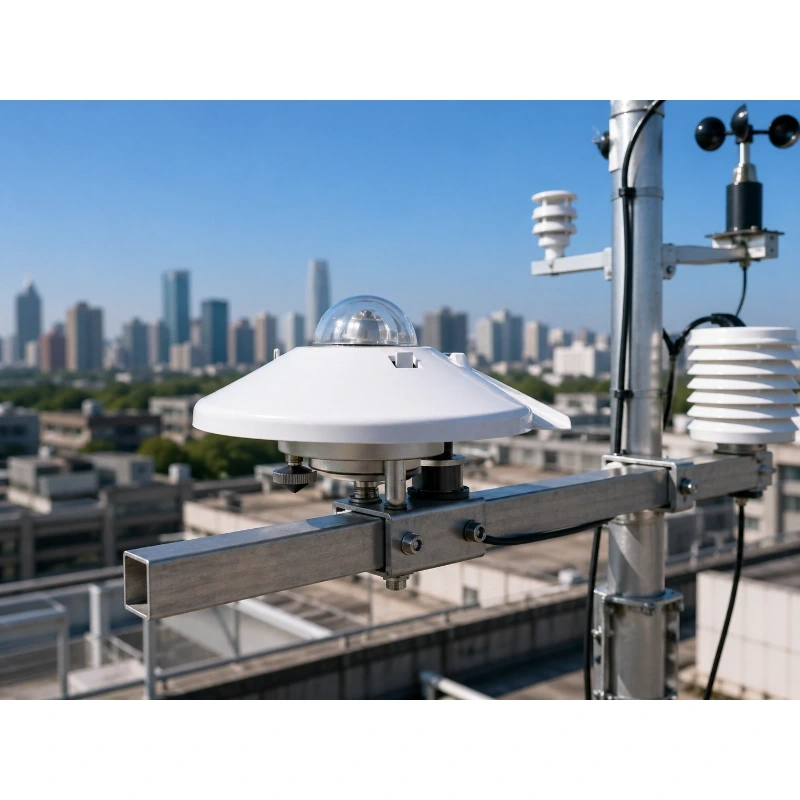
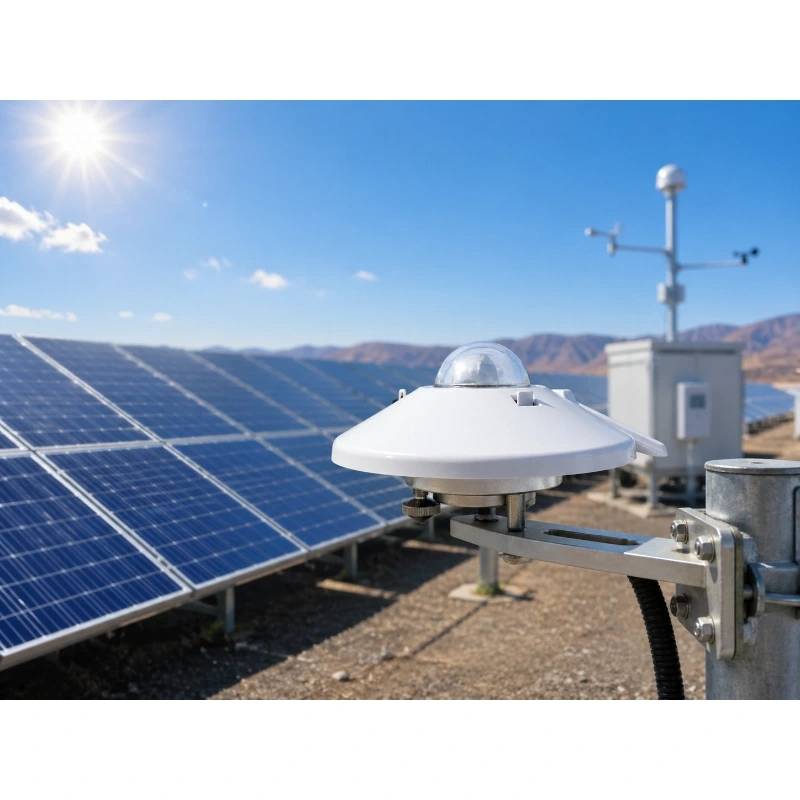
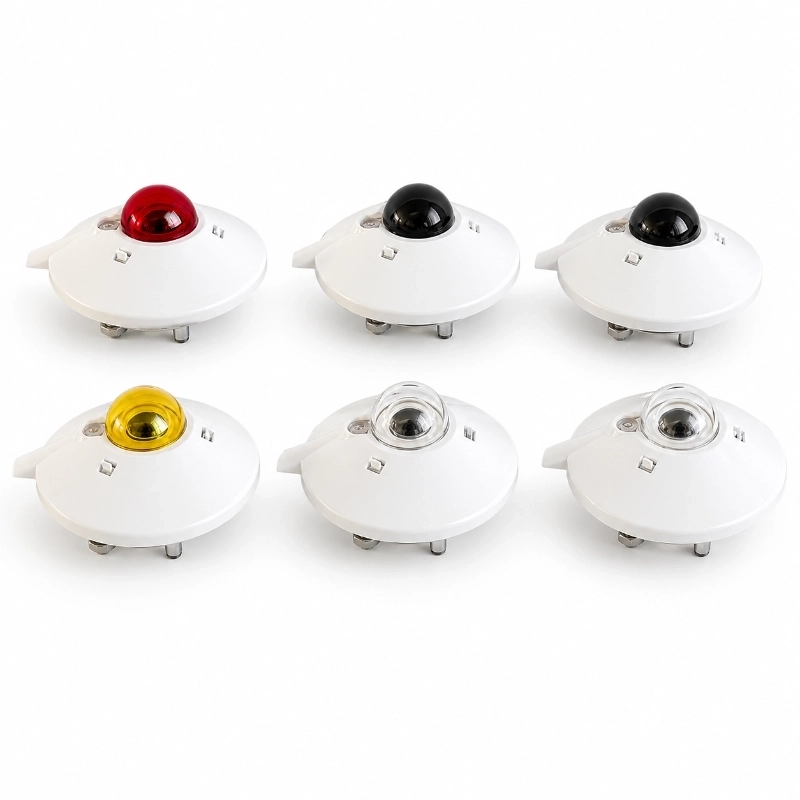
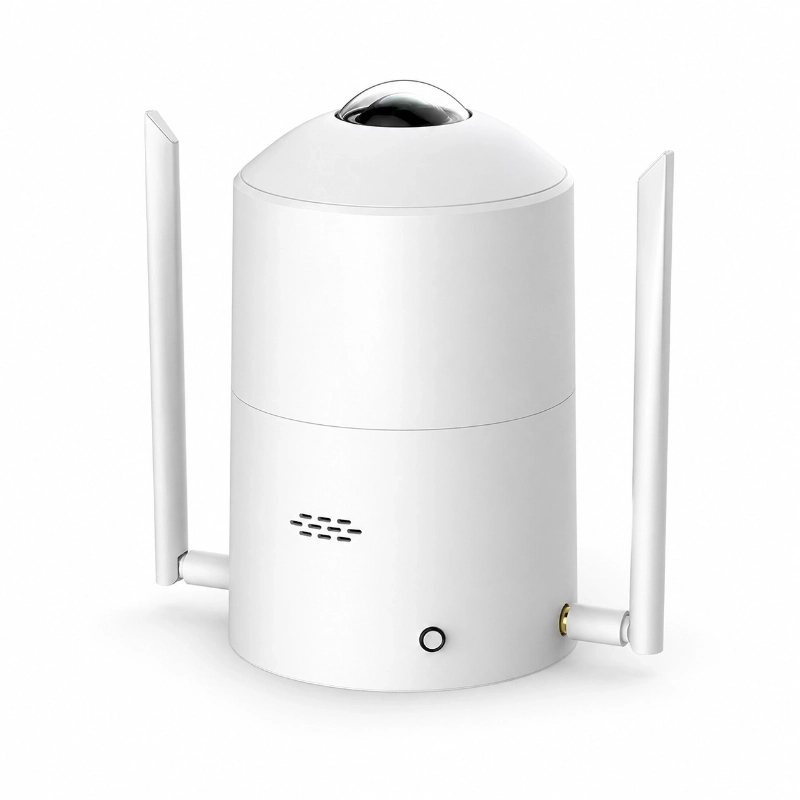
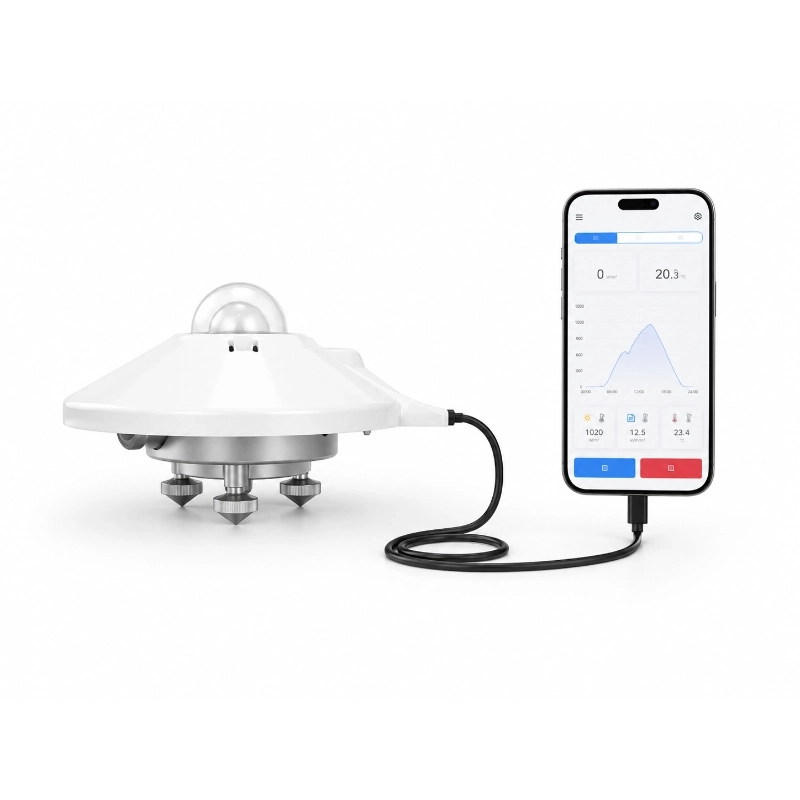
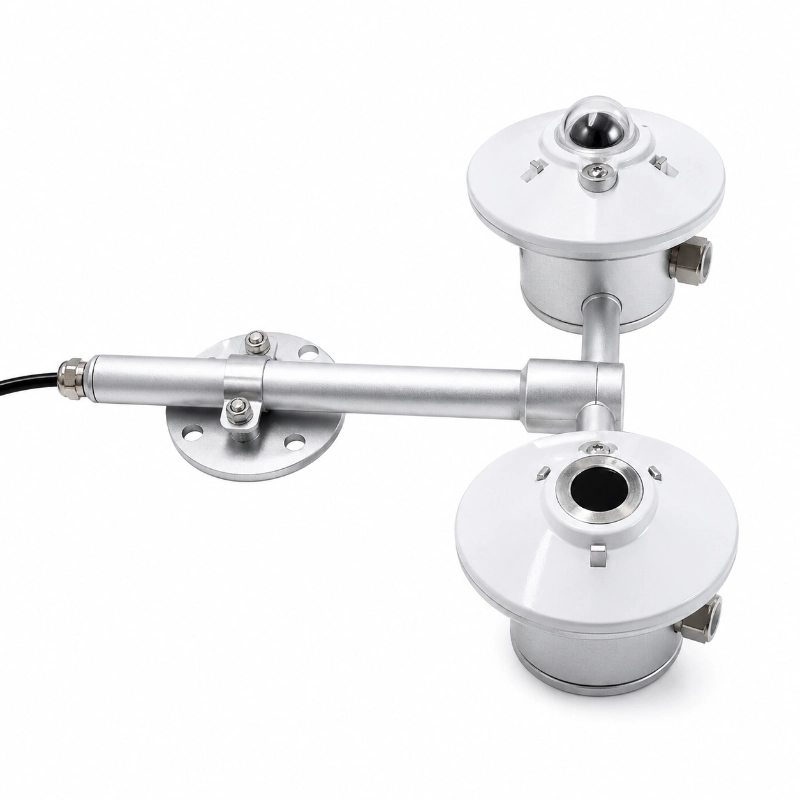
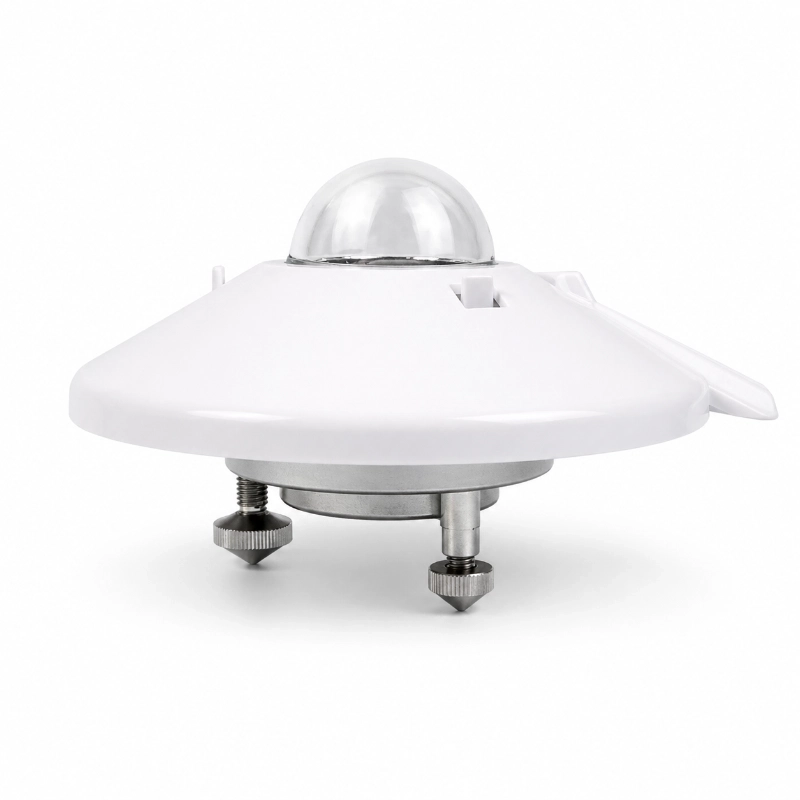
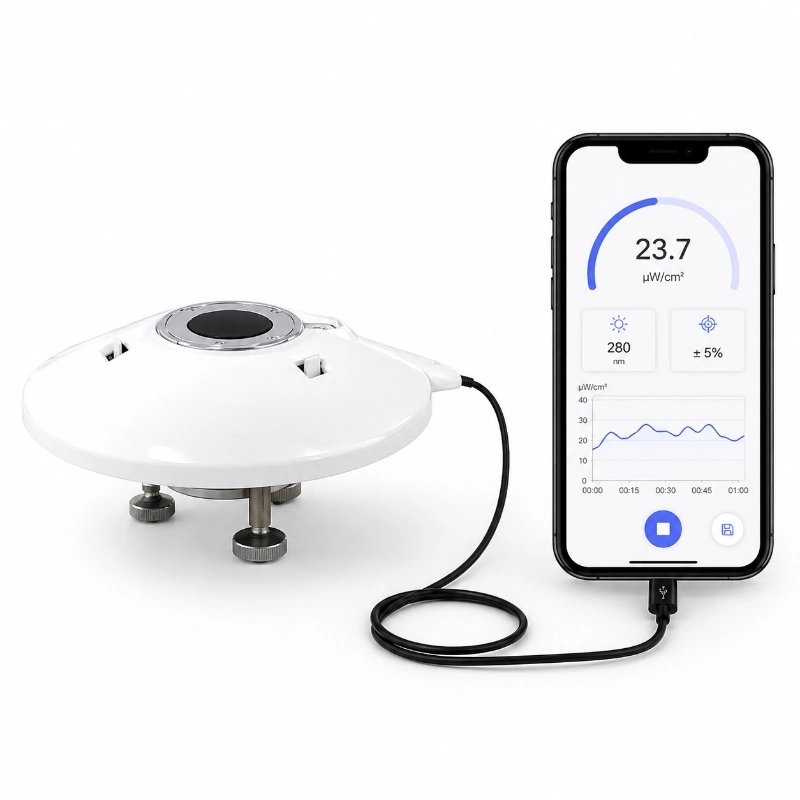
JW-TBQ-UVAB(LC45) UVAB Radiation Sensor is designed for continuous measurement of ultraviolet radiation across the 280–400 nm spectral range.
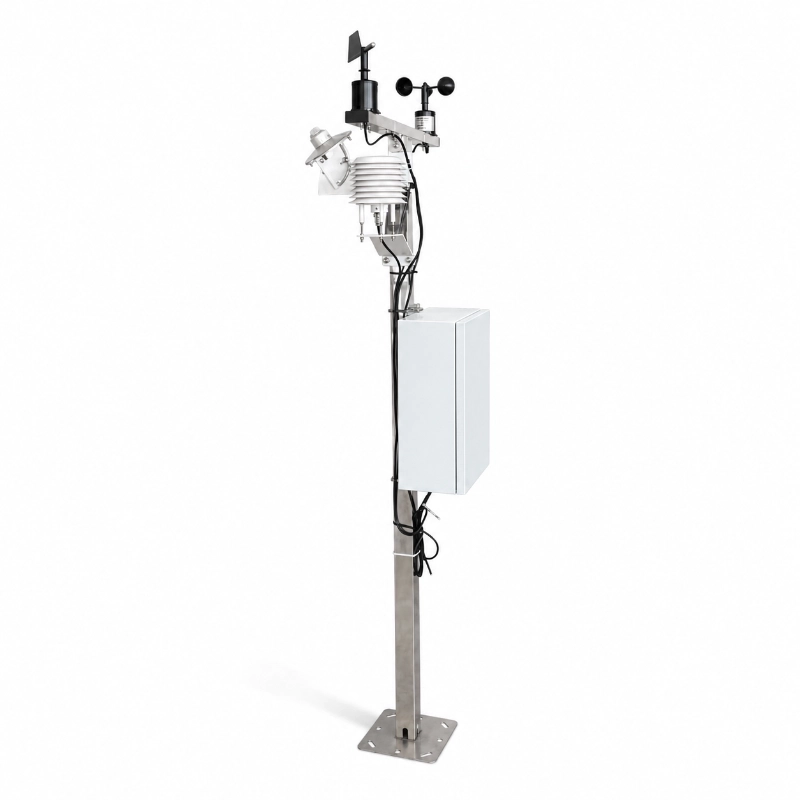
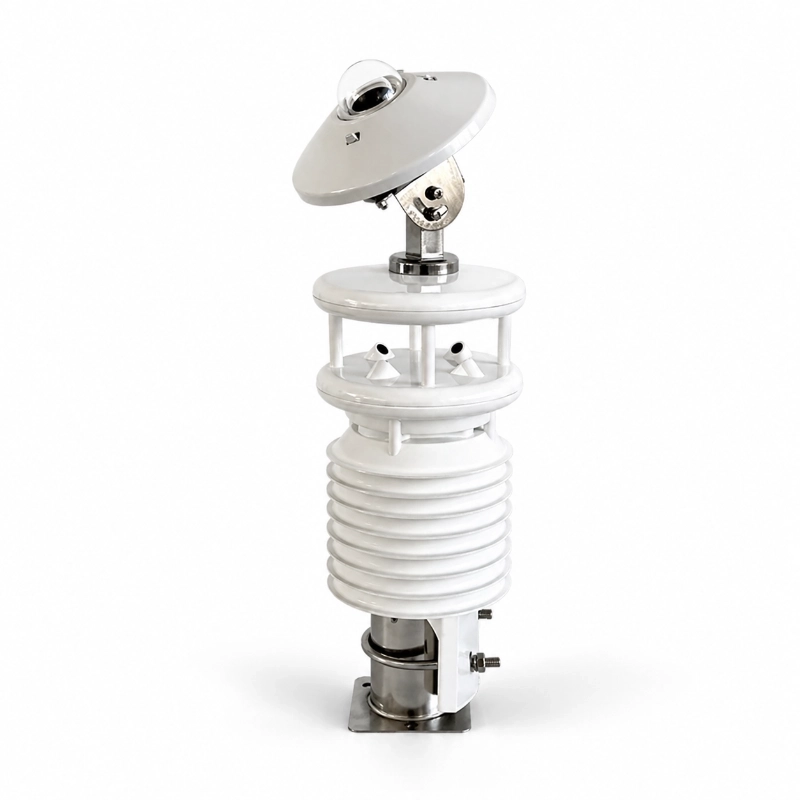
With a measurement accuracy of ≤3%, response time of ≤10 seconds, and multiple signal options including 0–20 mV, 4–20 mA and RS485, the sensor can be integrated into weather stations, environmental monitoring systems, data acquisition networks and scientific radiation monitoring projects.
It is suitable for applications where reliable UV radiation data is required for meteorological observation, environmental research, agricultural studies, outdoor exposure assessment and long-term field monitoring.
1. Product Description
The JW-TBQ-UVAB(LC45) UVAB Radiation Sensor is developed for measuring ultraviolet radiation intensity within the 280 to 400 nm wavelength range.
Ultraviolet radiation is only one part of the solar spectrum. For monitoring projects that specifically require UV data, a dedicated UV radiation sensor provides more relevant information than a broadband total solar radiation sensor.
The JW-TBQ-UVAB(LC45) combines a thermopile sensing element with an optical glass cover to detect changes in ultraviolet radiation and convert them into an electrical signal that can be collected by a data acquisition system.
Depending on the project architecture, users can select:
0–20 mV output
4–20 mA output
RS485 output
This makes the sensor suitable both for standalone radiation measurement and for integration into larger environmental monitoring networks.
For other wavelength and solar radiation measurements, explore the complete JW-IoT Radiation Sensors range.
2. What Does a 280–400 nm UVAB Radiation Sensor Measure?
The sensor measures ultraviolet radiation within the 280–400 nm spectral range.
Rather than measuring all incoming solar radiation, the sensor focuses specifically on the UV portion of the spectrum covered by its optical response.
This makes the measurement useful when a monitoring project needs to understand changes in ultraviolet radiation caused by factors such as:
Time of day
Seasonal solar conditions
Atmospheric conditions
Cloud variation
Monitoring location
Environmental exposure conditions
The sensor does not replace a broadband pyranometer when total solar irradiance is required.
Instead, the two instruments serve different monitoring purposes.
A UVAB sensor focuses on ultraviolet radiation, while broadband solar radiation sensors are designed for a much wider solar spectrum.
3. Why Measure UV Radiation Separately?
Solar radiation is composed of different wavelength regions.
A general solar radiation sensor provides information about overall incoming radiation, but some environmental and research applications require a more specific understanding of ultraviolet radiation.
Separate UV monitoring can provide additional environmental context for:
Meteorological Observation
UV radiation data can be recorded alongside air temperature, humidity, pressure, wind and other meteorological variables.
This allows weather and climate monitoring projects to analyze ultraviolet radiation as an independent environmental parameter.
Environmental Monitoring
Long-term UV measurements can support environmental observation networks studying changes in radiation conditions at a specific site.
Agricultural and Ecological Research
Plant and ecosystem research projects may require UV radiation information in addition to PAR, total solar radiation and other environmental variables.
Outdoor Exposure Assessment
UV radiation measurements can contribute to studies of outdoor radiation exposure conditions.
Where a project requires a calculated UV Index or other exposure indicator, the radiation data should be processed according to the appropriate methodology rather than treating the sensor reading itself as a UV Index value.
Scientific Radiation Research
Research stations can combine UV radiation with other wavelength-specific measurements to obtain a more complete understanding of the local radiation environment.
4. Technical Specifications
Parameter
Specification
Product Type
UVAB Radiation Sensor
Model
JW-TBQ-UVAB(LC45)
Spectral Range
280–400 nm
Signal Range
0–500 W/m²
Output Signal
0–20 mV / 4–20 mA / RS485
Sensitivity
<100 μV/W·m⁻²
Response Time
≤10 s
Internal Resistance
10–30 Ω
Annual Stability
≤±2%
Cosine Response
≤4% at solar elevation angle 30°
Measurement Accuracy
≤3%
Temperature Error
≤2%
Operating Temperature
-40°C to 80°C
Operating Humidity
0% to 100% RH
Weight
0.8 kg
5. Output Options for Different Monitoring Systems
Different projects require different signal interfaces.
The JW-TBQ-UVAB(LC45) therefore provides three output options.
Output
Typical Integration
0–20 mV
Precision analog data acquisition
4–20 mA
Industrial monitoring and longer-distance analog transmission
RS485
Digital monitoring and centralized data acquisition
0–20 mV Output
The millivolt version is suitable for data acquisition equipment capable of processing low-level analog signals.
This option may be useful in laboratory, research and precision measurement environments where the acquisition system is designed for millivolt inputs.
4–20 mA Output
A 4–20 mA version can be considered for industrial monitoring systems where analog signals need to be transmitted between the field sensor and control or acquisition equipment.
RS485 Output
The RS485 version simplifies connection with compatible digital data acquisition systems.
It can be considered for:
Environmental data loggers
RTUs
Weather station controllers
PLC-based monitoring systems
Remote monitoring systems
Centralized environmental monitoring networks
IoT monitoring gateways
The correct output should be selected according to the input interface and system architecture of the project.
6. UVAB Sensor vs Total Solar Radiation Sensor
A UV radiation sensor and a total solar radiation sensor are not interchangeable.
Monitoring Requirement
UVAB Radiation Sensor
Total Solar Radiation Sensor
UV-specific monitoring
Yes
Not specifically
280–400 nm monitoring
Yes
Broadband measurement
General solar irradiance
Not the primary purpose
Yes
Weather research
Yes
Yes
Environmental radiation studies
Yes
Yes
PV irradiance monitoring
Supplementary in specialized projects
Commonly required
For projects mainly concerned with photovoltaic performance or total incoming solar irradiance, a broadband solar radiation sensor may be more appropriate.
For projects specifically studying ultraviolet radiation, the UVAB sensor provides wavelength-focused measurement.
If you are unsure which instrument is suitable, see our complete Radiation Sensors range or contact JW-IoT with your required wavelength, output signal and monitoring application.
7. UVAB vs Near-Infrared Radiation Monitoring
Ultraviolet and near-infrared radiation represent different parts of the solar spectrum and therefore require different sensors.
Weather observation stations can add UV radiation as a dedicated monitoring parameter alongside conventional meteorological measurements.
This is suitable for collecting long-term radiation datasets and comparing UV conditions with changing weather conditions.
Environmental Monitoring Stations
Environmental monitoring networks can use the sensor to collect site-specific UV radiation measurements as part of wider atmospheric or ecological monitoring programs.
Outdoor UV Exposure Research
UV radiation measurement can provide quantitative field data for outdoor exposure studies.
For applications that require exposure indices or health-related interpretation, sensor measurements should be combined with the appropriate assessment methodology.
Agriculture and Crop Research
Agricultural research projects studying light conditions can measure UV radiation alongside other environmental parameters.
UV data can complement measurements such as solar irradiance, PAR, temperature, humidity and soil conditions.
Ecological and Climate Research
Long-term radiation monitoring can provide an additional environmental variable for ecological and climate-related studies.
Scientific Field Stations
Research teams can integrate the RS485 or analog version into scientific monitoring systems for synchronized data acquisition.
Solar and Atmospheric Radiation Research
The UVAB sensor can be used together with other radiation instruments when a project needs to distinguish between different spectral regions.
10. From Sensor to Monitoring Platform
A complete environmental monitoring architecture normally contains several layers:
UVAB Radiation Sensor
↓
Data Logger / RTU / Controller
↓
Communication Device
↓
Monitoring Platform or Database
The UVAB sensor is responsible for field measurement.
The data acquisition equipment then collects and processes the signal before the monitoring system stores, displays or analyzes the data.
When selecting the sensor version, it is therefore important to identify the interface supported by the existing acquisition equipment first.
For example:
Existing analog acquisition system
→ Consider 0–20 mV or 4–20 mA according to the input requirement.
Digital environmental monitoring network
→ Consider the RS485 version.
Complete weather monitoring project
→ Confirm both the sensor interface and the data logger architecture before ordering.
11. Installation and Monitoring Considerations
The quality of radiation measurements depends not only on sensor specifications but also on installation conditions.
For a UV radiation monitoring project, consider the following before installation:
Keep the Optical Surface Unobstructed
The sensor should have a suitable view of the incoming radiation without unnecessary shading from nearby structures or equipment.
Avoid Artificial Shadows
Mounting poles, antennas, weather station components or surrounding structures may affect incoming radiation if they cast shadows over the sensing surface.
Keep the Optical Surface Clean
Dust, deposits or other contamination on the optical surface can influence radiation transmission.
The sensor should therefore be inspected and maintained according to the operating environment and project maintenance plan.
Maintain Consistent Installation Conditions
For long-term monitoring, the installation method should remain consistent so that changes in the recorded data are more likely to reflect actual environmental variation rather than changes in sensor position.
Confirm the Output Interface Before Wiring
0–20 mV, 4–20 mA and RS485 versions have different system integration requirements.
The required output type should therefore be confirmed before installation.
12. How to Select the Right UV Radiation Sensor
Before choosing a UV sensor, clarify the following project requirements.
1. What wavelength range needs to be measured?
This model is designed for 280–400 nm ultraviolet radiation.
If another spectral range is required, a different radiation sensor may be necessary.
2. What output does the data logger support?
Confirm whether the existing acquisition system accepts:
0–20 mV
4–20 mA
RS485
3. Is the project standalone or part of a complete weather station?
A standalone research installation may only require the radiation sensor and acquisition device.
A larger environmental monitoring project may require additional meteorological sensors, communication hardware and a remote monitoring platform.
4. What other radiation parameters are required?
Depending on the monitoring objective, a project may require UV radiation together with:
Total solar radiation
Near-infrared radiation
Net radiation
Photosynthetically active radiation
Other spectral measurements
JW-IoT provides multiple instruments within the Radiation Sensors category for different wavelength and environmental monitoring requirements.
13. When Should You Choose RS485?
The RS485 option is suitable when the UVAB sensor needs to become part of a digital monitoring system rather than operate only as an analog sensing element.
Typical situations include:
Multi-sensor weather stations
Remote environmental monitoring stations
Centralized data acquisition systems
Research observation networks
IoT environmental monitoring
Industrial monitoring architectures
Before integration, confirm the communication and data requirements of the receiving controller or data logger.
If you are designing a complete monitoring system rather than purchasing only the sensor, JW-IoT can help evaluate the measurement parameters and required interfaces based on the project architecture.
14. Need a UV Radiation Monitoring Solution?
Whether you need a standalone 280–400 nm UVAB radiation sensor or want to integrate UV measurement into a complete weather or environmental monitoring system, the first step is to define the wavelength, output interface and data acquisition architecture.
JW-IoT provides radiation sensors and environmental monitoring equipment for meteorological observation, agriculture, solar monitoring, environmental research and industrial monitoring projects.
When contacting us, please include your required output signal, monitoring application and existing data acquisition interface so that we can recommend the appropriate configuration.
FAQ
Q
1. What does this UVAB radiation sensor measure?
A
It measures ultraviolet radiation intensity in the 280 to 400nm spectral range, covering UVAB radiation monitoring requirements.
Q
2. What is the measurement range of the sensor?
A
The signal range is 0 to 500W/m², making it suitable for outdoor UV radiation monitoring.
Q
3. What output options are available?
A
The sensor supports 0–20mV, 4–20mA, and RS485 output options.
Q
4.Can JW-IoT Automation provide the sensor with RS485 output?
A
Yes. JW-IoT Automation can provide an RS485 output version for direct integration with digital monitoring networks.
Q
5. What is the response time of the UVAB radiation sensor?
A
The response time is ≤10 seconds, allowing fast UV radiation data collection.
Q
6. Is this sensor suitable for outdoor monitoring stations?
A
Yes. It supports a working temperature range of -40°C to 80°C and operating humidity of 0% to 100% RH.
Q
7. Why choose JW-IoT Automation UVAB radiation sensor for long term monitoring?
A
JW-IoT Automation UVAB radiation sensor offers high accuracy, fast response, stable annual performance, and flexible output options for long-term outdoor monitoring.
Q
Can this sensor be used for meteorological applications?
A
Yes. It is suitable for meteorological stations, UV radiation research, environmental monitoring, and climate observation projects.
Q
9. Does the sensor require an external RS485 converter?
A
No. The built-in RS485 output module allows direct integration into RS485 communication networks.
 +86 13520127780
  info@jingelway.com