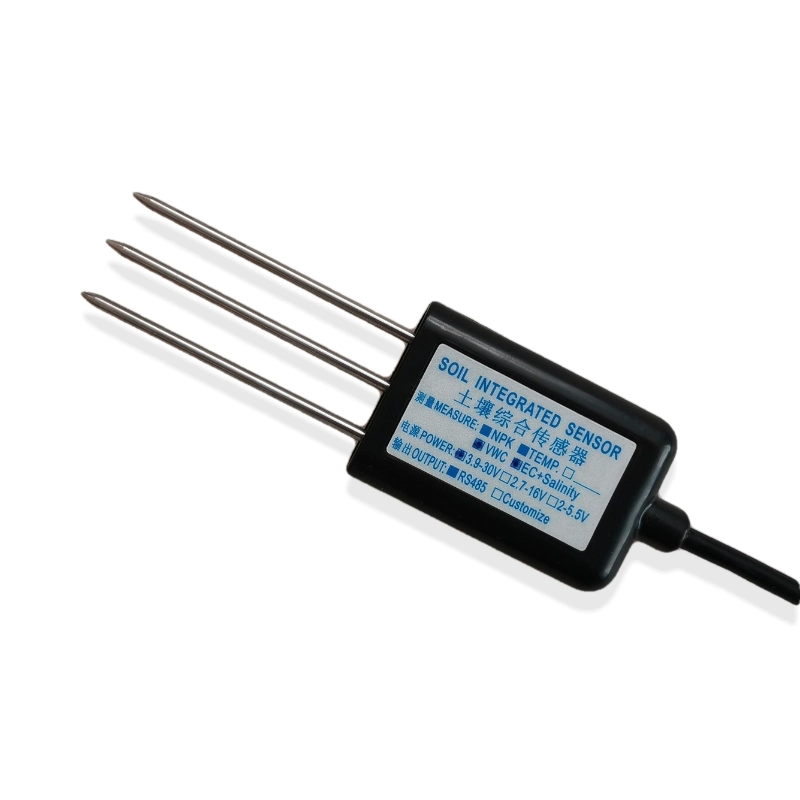
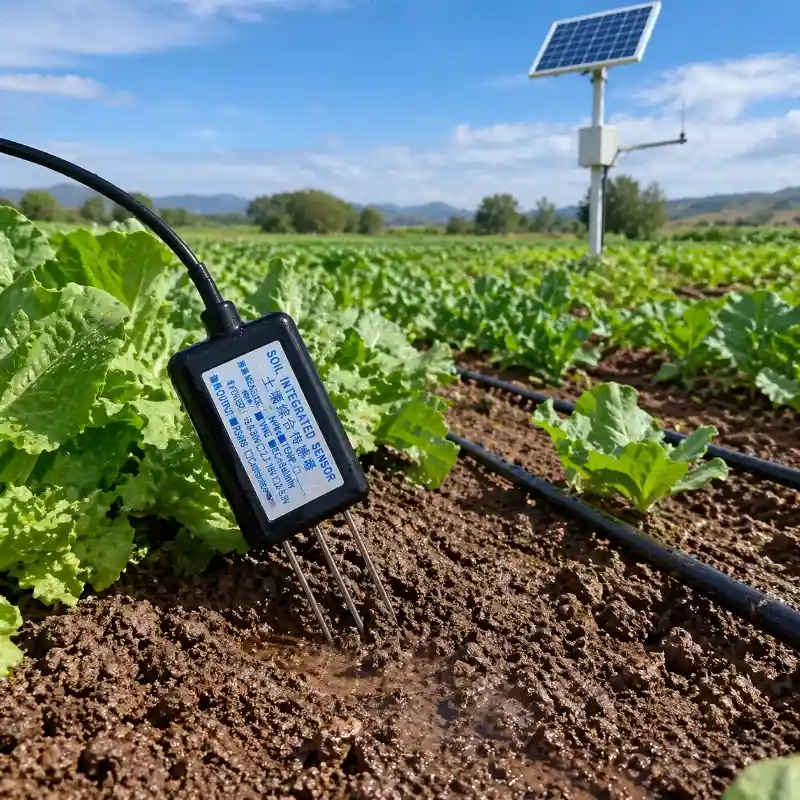
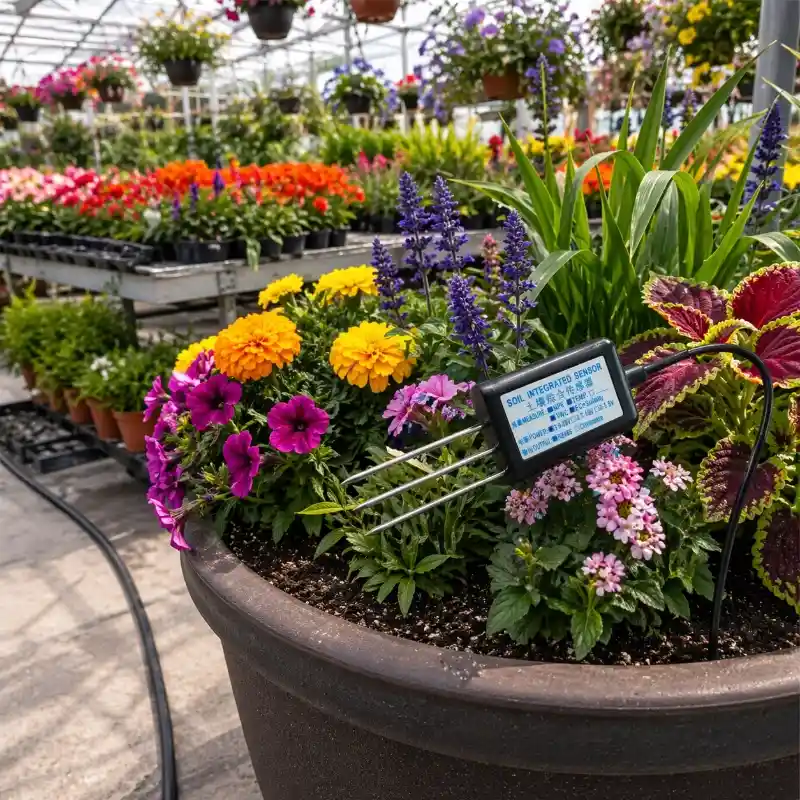
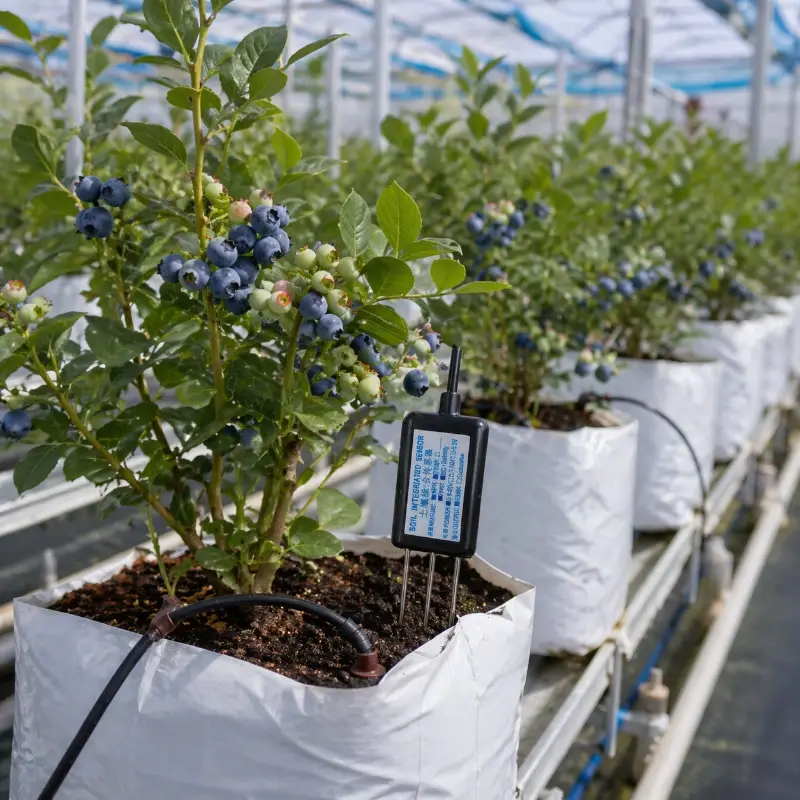
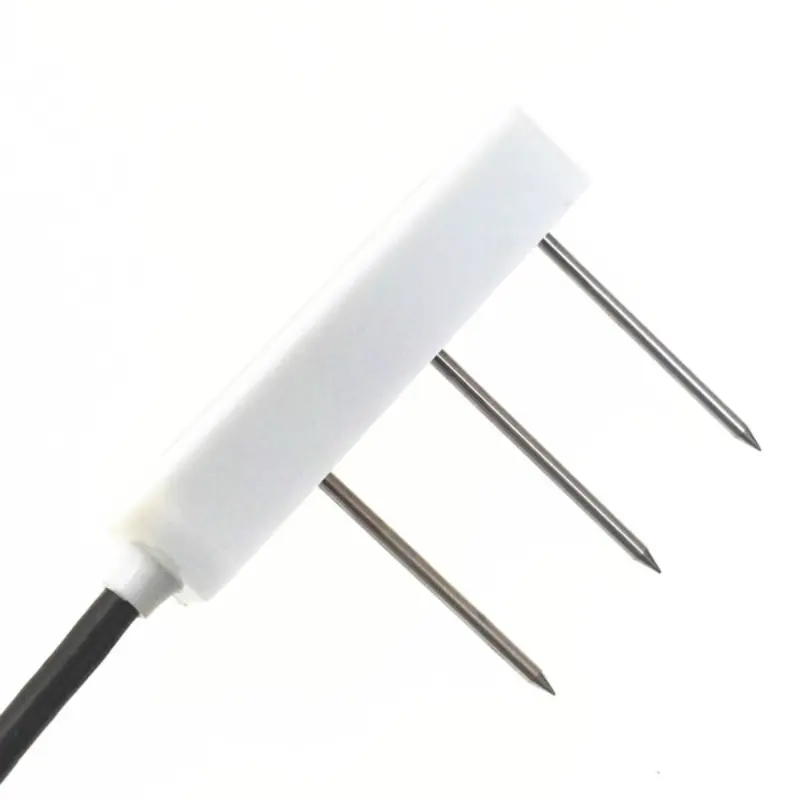
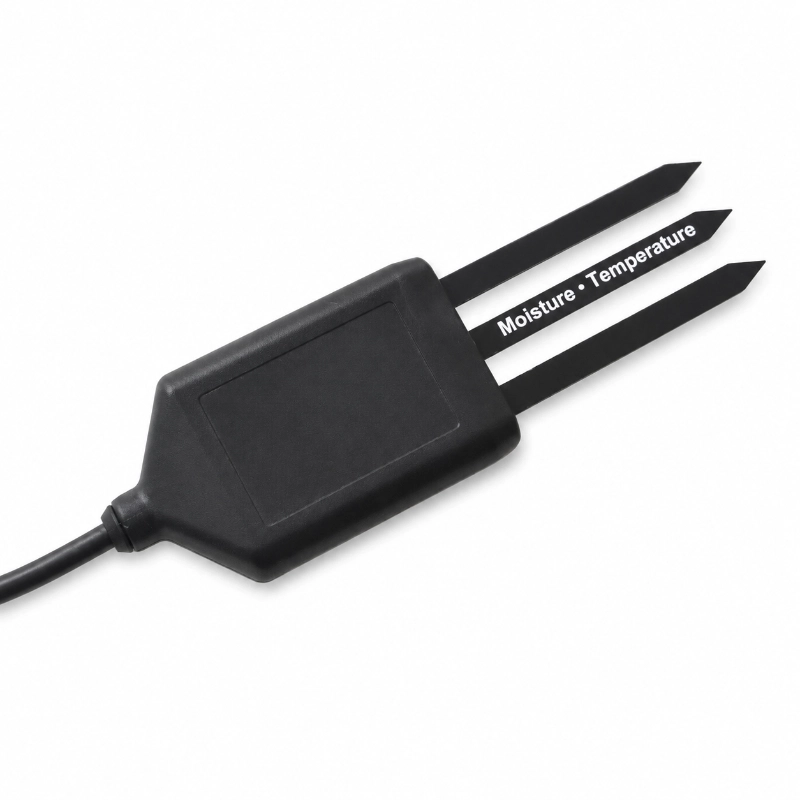
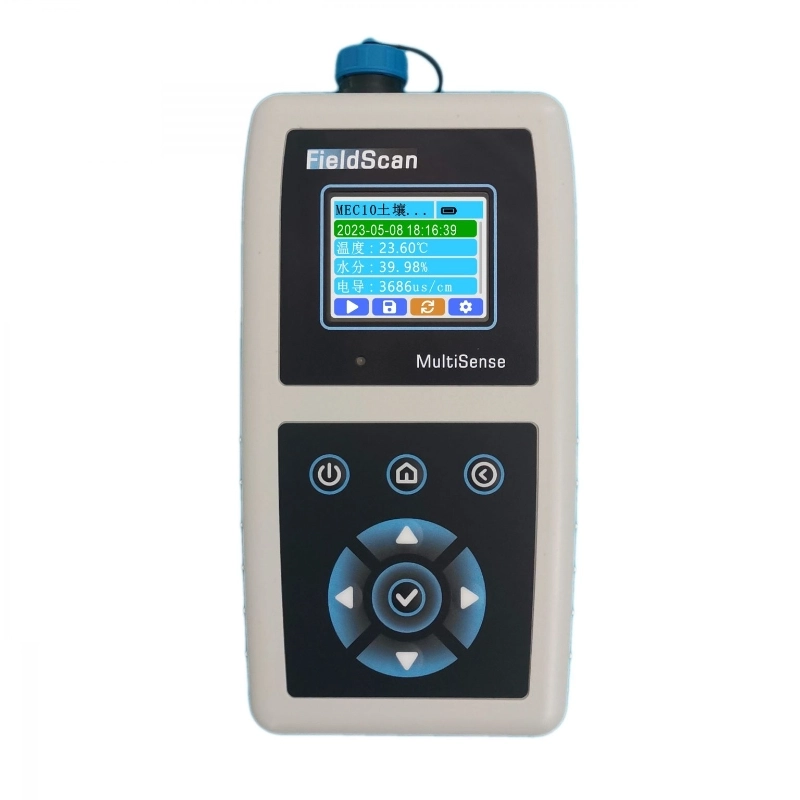
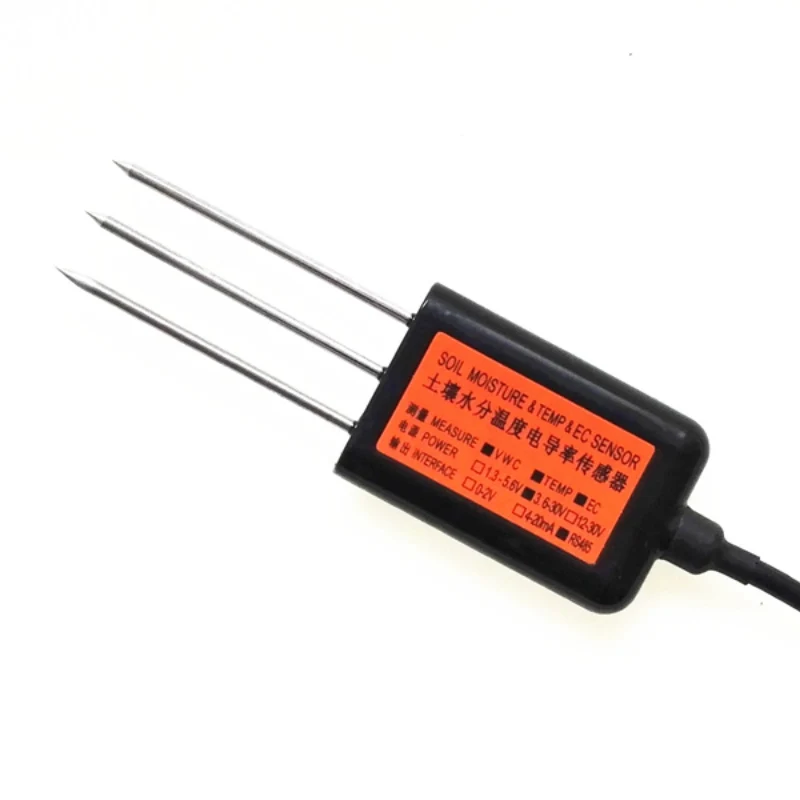
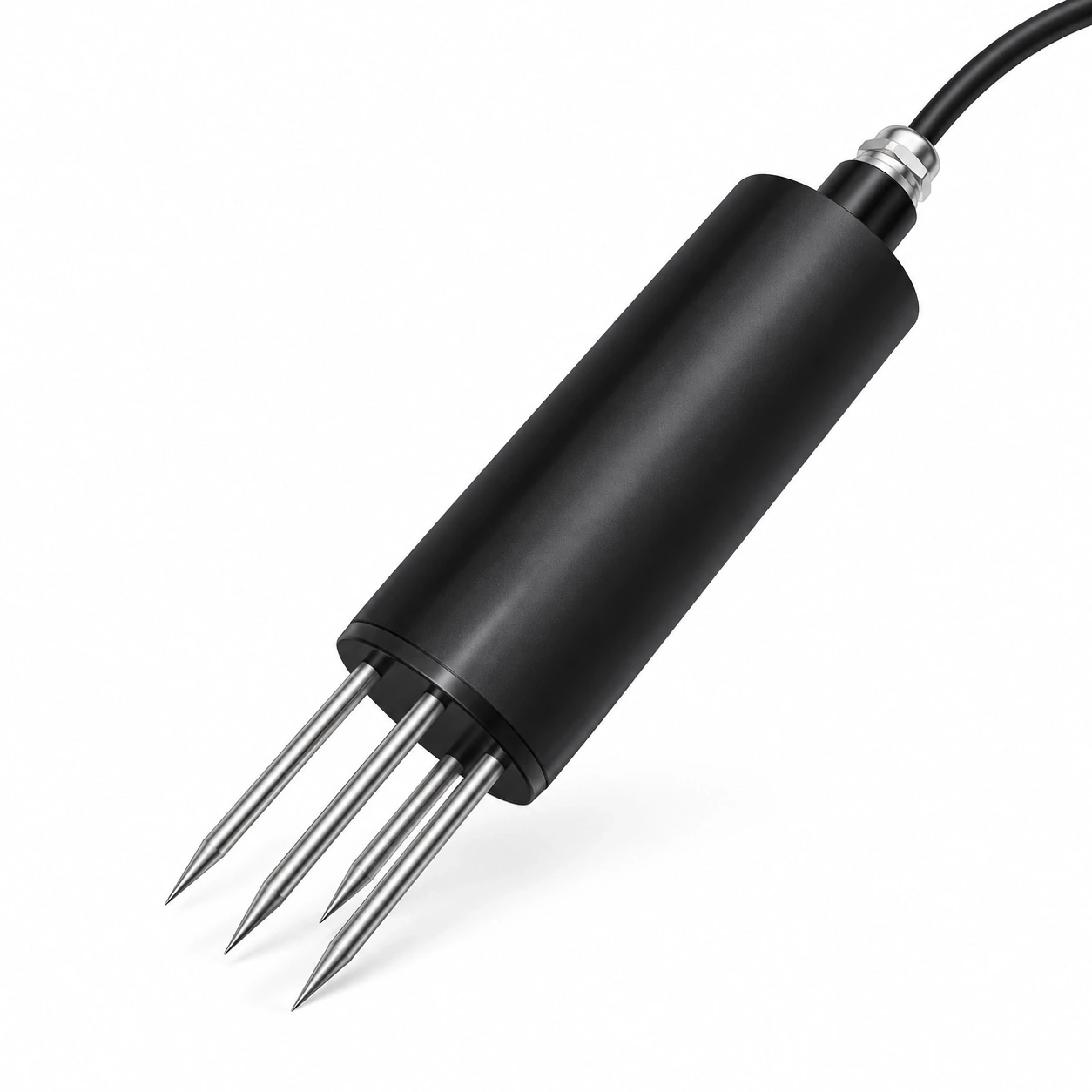
JW-S5S(Z9) is a multi-parameter soil NPK moisture sensor designed for agricultural monitoring, precision irrigation, greenhouse cultivation, fertigation, soil research and smart farming projects.
The probe measures seven important soil parameters in one device:
Nitrogen
Phosphorus
Potassium
Volumetric water content
Soil temperature
Electrical conductivity
Salinity
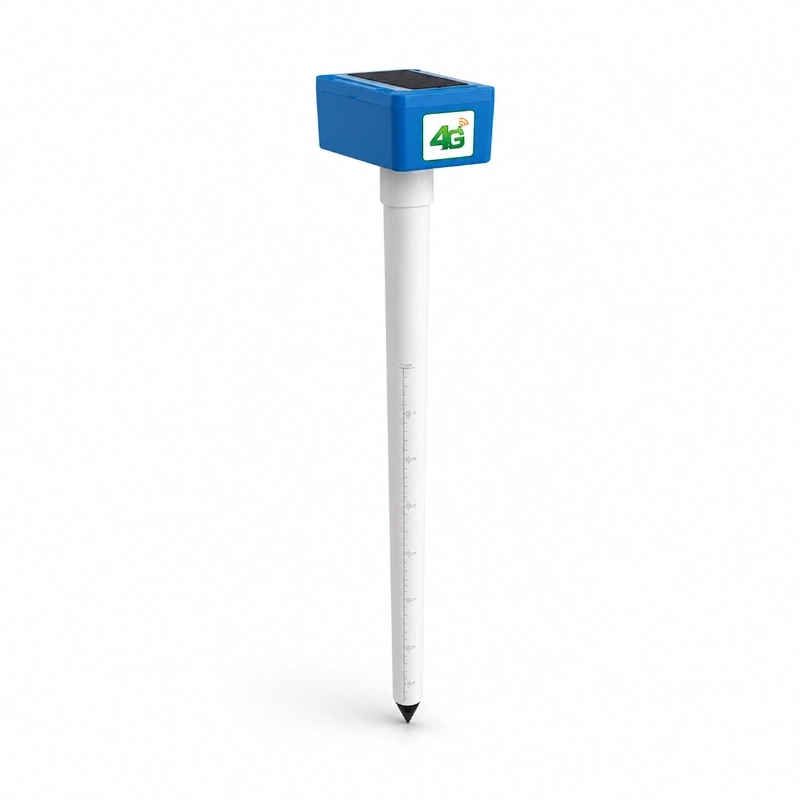
With RS485 output, Modbus-RTU communication, an IP68 sealed housing and a wide 3.9–30 V DC power input, the sensor can be connected to data loggers, RTUs, PLCs, IoT gateways, LoRaWAN nodes, 4G terminals and cloud-based agricultural monitoring platforms.
It provides a practical way to collect soil moisture, fertility and salinity data from fields, greenhouses, orchards, pastures and agricultural research sites.
Product Overview
The JW-S5S(Z9) integrates soil nutrient sensing with soil physical and chemical parameter monitoring. Instead of installing separate probes for moisture, temperature, conductivity, salinity and macronutrient indication, system integrators can collect all seven parameters through one RS485 connection.
The sensor can help users observe:
Changes in root-zone moisture
Differences in soil temperature
Accumulation of soluble salts
EC changes after irrigation or fertilization
Relative changes in nitrogen, phosphorus and potassium
For projects that require additional soil probes, data loggers or related agricultural sensors, explore the complete soil sensor product range.
What Does the Sensor Measure?
Soil Nitrogen
Nitrogen is closely associated with vegetative crop growth and is an important reference parameter in soil fertility management. Continuous field measurements can help users compare nitrogen-related changes between different plots, irrigation cycles or fertilizer treatments.
Soil Phosphorus
Phosphorus supports root development, flowering and energy transfer within plants. The phosphorus reading can be used as a field reference for comparing soil conditions and observing changes over time.
Soil Potassium
Potassium is associated with water regulation, crop strength and stress tolerance. Potassium measurements can support comparative soil testing and fertilizer management.
Soil Moisture
The probe measures volumetric water content from 0 to 100%. Soil moisture information can help determine whether the root zone is becoming too dry or remaining excessively wet.
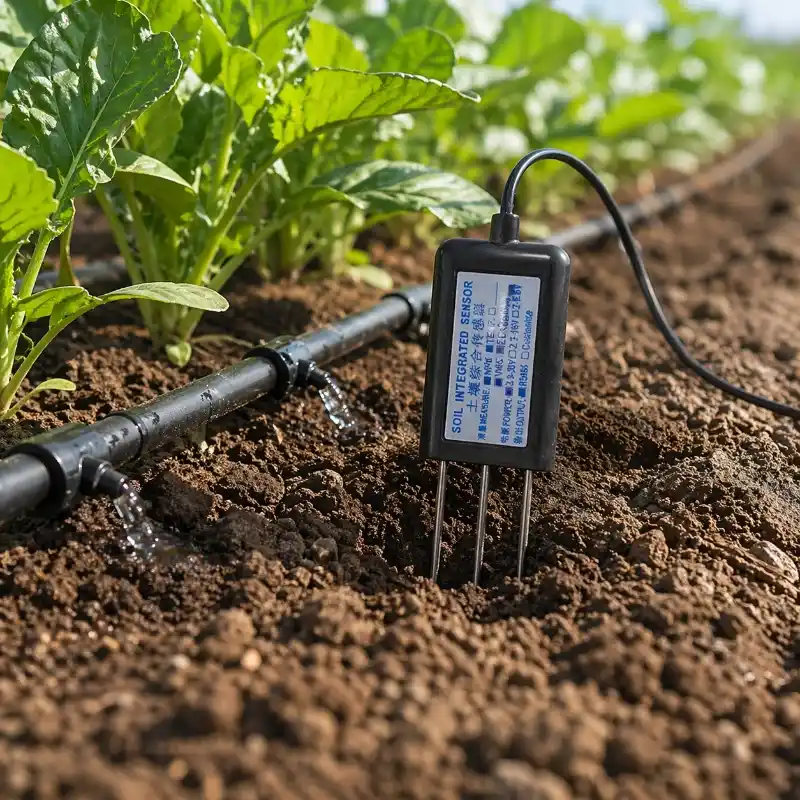
For automated projects, the sensor can be integrated into a wireless smart irrigation system to support irrigation scheduling and remote field monitoring.
Soil Temperature
Soil temperature affects seed germination, root activity, nutrient availability and microbial processes. Monitoring temperature together with moisture provides a more complete understanding of root-zone conditions.
Electrical Conductivity
Soil EC indicates the concentration of soluble ions in the measured soil environment. Changes in EC may be associated with fertilizer input, irrigation water quality, salt accumulation, leaching or variations in soil moisture.
Salinity
Salinity data can help identify increasing salt levels in irrigated fields, greenhouses and areas with insufficient drainage. Long-term salinity monitoring is particularly useful in arid and semi-arid farming regions.
10 μS/cm from 0–10000 μS/cm, 50 μS/cm from 10000–20000 μS/cm
EC Accuracy
±3% from 0–10000 μS/cm, ±5% from 10000–20000 μS/cm
Salinity Range
0–10000 mg/L
Salinity Resolution
10 mg/L from 0–5000 mg/L, 50 mg/L from 5000–10000 mg/L
Salinity Accuracy
±3% from 0–5000 mg/L, ±5% from 5000–10000 mg/L
Temperature Range
-40–80°C
Temperature Resolution
0.1°C
Temperature Accuracy
±0.5°C
EC Temperature Compensation
0–50°C
Protection Rating
IP68
Installation Method
Fully buried or probes fully inserted into the measured medium
Cable Length
Standard 2 m or customized
Connection Method
Pre installed cold pressed terminal
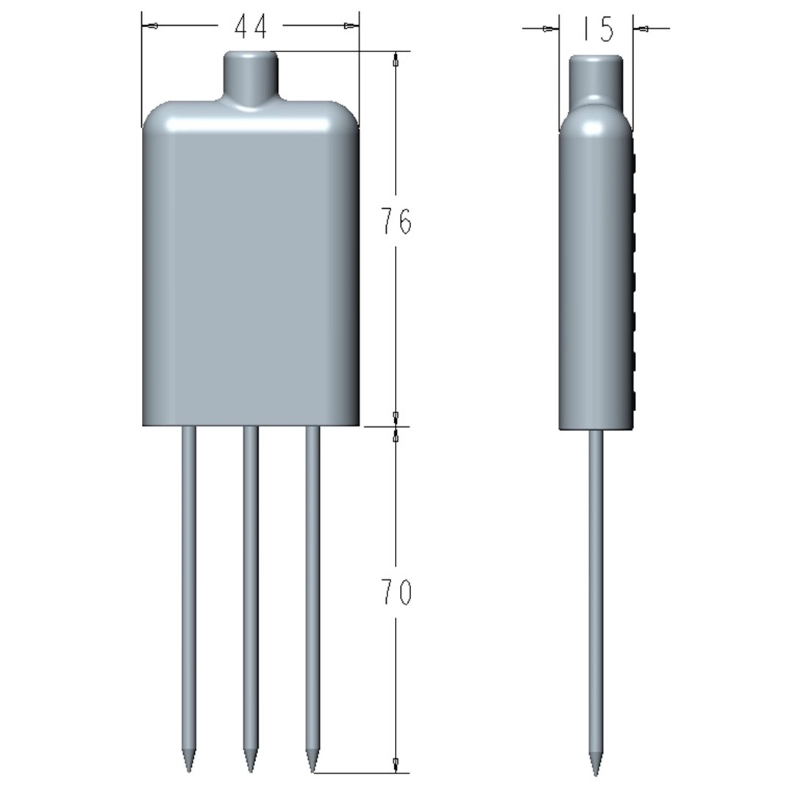
Dimensions
45 × 15 × 145 mm
Electrode Length
70 mm
RS485 Modbus Communication
The sensor uses an RS485 interface with the Modbus-RTU protocol. RS485 is suitable for agricultural and industrial projects because it supports stable wired communication, multi-device networks and relatively long transmission distances when the system is installed correctly.
The probe can be integrated with:
Agricultural data loggers
Remote terminal units
PLC control systems
LoRaWAN sensor nodes
4G LTE monitoring terminals
NB-IoT communication devices
Edge gateways
Local SCADA systems
Web and mobile cloud platforms
A typical monitoring architecture includes:
Soil sensor → RS485 data logger or IoT gateway → LoRaWAN or 4G network → Cloud platform → Dashboard and alarm system
For a complete project, JW-IoT can provide sensors, communication equipment, gateways, cloud software, API integration and irrigation control interfaces.
Main Application Scenarios
Precision Agriculture
The sensor can be installed in representative field zones to monitor variations in moisture, temperature, EC, salinity and nutrient-related readings.
It is suitable for:
Wheat
Corn
Rice
Cotton
Soybeans
Potatoes
Vegetables
Fruit crops
Pasture and forage crops
Data from multiple points can help users compare different soil zones and identify areas that may require further inspection.
Smart Irrigation
Soil moisture data can support irrigation scheduling, while EC and salinity data provide additional information about changes caused by water quality, fertilizer application and salt accumulation.
The sensor is suitable for greenhouse vegetables, flowers, herbs, seedlings and potted crops grown in soil-based media.
It can help greenhouse operators monitor:
Root-zone moisture
Soil temperature
Fertilizer-related EC changes
Salinity accumulation
Differences between irrigation zones
Changes before and after fertigation
Orchards and Vineyards
Sensors can be installed at representative root depths and in different management zones. Data can help compare moisture and salinity conditions across slopes, soil types and irrigation blocks.
Soil Fertility Evaluation
The NPK function provides rapid field-reference measurements for nitrogen, phosphorus and potassium.
For more reliable interpretation, readings should be compared under similar soil moisture conditions and, where required, calibrated against local soil samples and laboratory testing.
Agricultural Research
The sensor can be used in:
Fertilizer comparison trials
Irrigation experiments
Crop growth studies
Soil salinity studies
Root-zone monitoring
Long-term environmental observation
Teaching and demonstration projects
Pasture and Grassland Monitoring
The probe can monitor soil moisture, temperature, EC, salinity and nutrient-related changes in pastures, grasslands, ecological restoration areas and forage production sites.
How to Install the Soil Sensor
Correct installation is important because poor soil contact, stones, air gaps and highly variable moisture conditions can affect measurement stability.
Temporary Field Measurement
Select a representative testing point.
Remove stones, roots and hard debris.
Insert all electrodes completely into the soil.
Ensure firm contact between the soil and each electrode.
Wait for the reading to stabilize.
Test several nearby points.
Use the average value to represent the area.
Do not force the electrodes directly into hard, dry or stony soil because this may damage the probe.
Long-Term Buried Installation
Determine the required monitoring depth according to the crop root zone.
Dig a vertical soil profile or installation pit.
Insert the sensor horizontally into the undisturbed pit wall.
Make sure all electrodes are surrounded by soil.
Refill and compact the soil carefully.
Route the cable through protective conduit where necessary.
Record the exact installation depth and location.
Verify communication before completing the installation.
Horizontal installation into the pit wall usually provides better contact with the original soil structure than placing the probe loosely into refilled soil.
Measurement Conditions and Data Interpretation
Soil moisture has an important influence on EC, salinity and ion-related measurements. When soil is extremely dry, soluble ions are less mobile and readings may not represent the same conditions as moist soil.
For better comparison:
Measure different locations under similar moisture conditions.
Avoid comparing a recently irrigated point directly with a completely dry point.
Allow irrigation water to infiltrate before taking a quick measurement.
Maintain consistent installation depth.
Record fertilizer and irrigation events.
Compare trends rather than relying on one isolated reading.
Establish crop-specific thresholds using local agronomic experience.
Periodically compare field readings with laboratory soil analysis.
For quick testing in dry soil, water may be added to the test area. Measurements should be taken only after the water has infiltrated and the reading has stabilized.
Correct installation is important because poor soil contact, stones, air gaps and highly variable moisture conditions can affect measurement stability.
Temporary Field Measurement
Select a representative testing point.
Remove stones, roots and hard debris.
Insert all electrodes completely into the soil.
Ensure firm contact between the soil and each electrode.
Wait for the reading to stabilize.
Test several nearby points.
Use the average value to represent the area.
Do not force the electrodes directly into hard, dry or stony soil because this may damage the probe.
Long-Term Buried Installation
Determine the required monitoring depth according to the crop root zone.
Dig a vertical soil profile or installation pit.
Insert the sensor horizontally into the undisturbed pit wall.
Make sure all electrodes are surrounded by soil.
Refill and compact the soil carefully.
Route the cable through protective conduit where necessary.
Record the exact installation depth and location.
Verify communication before completing the installation.
Horizontal installation into the pit wall usually provides better contact with the original soil structure than placing the probe loosely into refilled soil.
Measurement Conditions and Data Interpretation
Soil moisture has an important influence on EC, salinity and ion-related measurements. When soil is extremely dry, soluble ions are less mobile and readings may not represent the same conditions as moist soil.
For better comparison:
Measure different locations under similar moisture conditions.
Avoid comparing a recently irrigated point directly with a completely dry point.
Allow irrigation water to infiltrate before taking a quick measurement.
Maintain consistent installation depth.
Record fertilizer and irrigation events.
Compare trends rather than relying on one isolated reading.
Establish crop-specific thresholds using local agronomic experience.
Periodically compare field readings with laboratory soil analysis.
For quick testing in dry soil, water may be added to the test area. Measurements should be taken only after the water has infiltrated and the reading has stabilized.
Important Note About NPK Readings
The sensor is designed for rapid field monitoring, relative comparison and trend observation. Soil texture, moisture, salinity, temperature, fertilizer type and local soil chemistry can influence nutrient-related measurements.
For high-value crops, research trials or formal fertilizer recommendations, use the sensor data together with:
Laboratory soil testing
Local calibration
Crop growth stage
Soil texture information
Irrigation records
Fertilizer application history
Advice from a qualified agronomist
The sensor should not be treated as a complete replacement for laboratory soil analysis when regulatory, scientific or highly precise nutrient results are required.
How to Choose Between Different Soil Sensors
Choose This 7-in-1 NPK Sensor When:
NPK indication is required
Moisture, temperature, EC and salinity must also be measured
One RS485 probe is preferred
The project requires field comparison or long-term trend monitoring
The sensor will be connected to an IoT or control system
Choose a Moisture, EC and Temperature Probe When:
NPK measurement is not required
Irrigation and root-zone moisture are the main focus
The project needs a simpler and more economical sensor
JW-IoT supplies sensors and complete IoT monitoring solutions for agriculture, environmental monitoring and industrial projects.
Our support can include:
Soil sensor selection
Modbus communication documentation
Customized cable lengths
Sensor and data logger integration
LoRaWAN and 4G communication
Cloud platform connection
MQTT and API integration
Web dashboards and mobile access
Threshold alarms
Irrigation controller integration
OEM and private-label services
Technical support for project deployment
Whether you need one RS485 soil probe or a complete multi-point soil monitoring network, we can recommend a suitable sensor, communication method and platform architecture.
Related Soil Monitoring Products
Depending on the required parameters and installation method, you may also consider:
Tell us your crop type, monitoring depth, field size, required parameters, communication method and platform requirements.
JW-IoT can help configure a complete system including soil sensors, weather sensors, data loggers, LoRaWAN or 4G gateways, cloud dashboards, alarms and irrigation control interfaces.
Contact JW-IoT to request a quotation, Modbus register document or system integration proposal.
FAQ
Q
1. What parameters can this soil sensor measure?
A
It can measure soil nitrogen, phosphorus, potassium, volumetric water content, temperature, electrical conductivity, and salinity.
Q
2. Does this sensor support RS485 communication?
A
Yes. The sensor supports RS485 communication with Modbus-RTU protocol, making it suitable for data loggers, RTUs, PLCs, and IoT gateways.
Q
3. Can it be used for long-term buried monitoring?
A
Yes. The sensor has an IP68 sealed enclosure and is designed for fully buried installation. Correct soil contact, cable protection and installation depth are important for stable long-term monitoring.
Q
4. Can the sensor control irrigation automatically?
A
The probe provides measurement data rather than directly switching pumps or valves. It can be connected to a data logger, PLC or irrigation controller that activates irrigation according to configured thresholds and control logic.
Q
5. Is it suitable for greenhouse fertigation?
A
Yes. Moisture, EC, salinity and nutrient-related data can be used to observe root-zone conditions before and after irrigation or fertilizer application.
Q
6. Does the NPK reading replace laboratory soil testing?
A
No. It is mainly intended for rapid field assessment, relative comparison and trend monitoring. Laboratory testing and local calibration are recommended when highly precise nutrient analysis or formal fertilizer recommendations are required.
Q
7. Why do readings change when soil moisture changes?
A
Water affects the movement and conductivity of soluble ions in soil. EC, salinity and nutrient-related readings may therefore change when the soil becomes wetter or drier. Measurements should be compared under similar conditions.
Q
8. Can JW-IoT provide LoRaWAN or 4G transmission?
A
Yes. The RS485 sensor can be connected to compatible LoRaWAN nodes, 4G terminals, RTUs or IoT gateways for remote monitoring.
Q
9. Can the cable length be customized?
A
Yes. The standard cable is 2 m, and customized cable lengths can be supplied according to the installation plan.
 +86 13520127780
  info@jingelway.com