 +86 13520127780
 info@jingelway.com









-
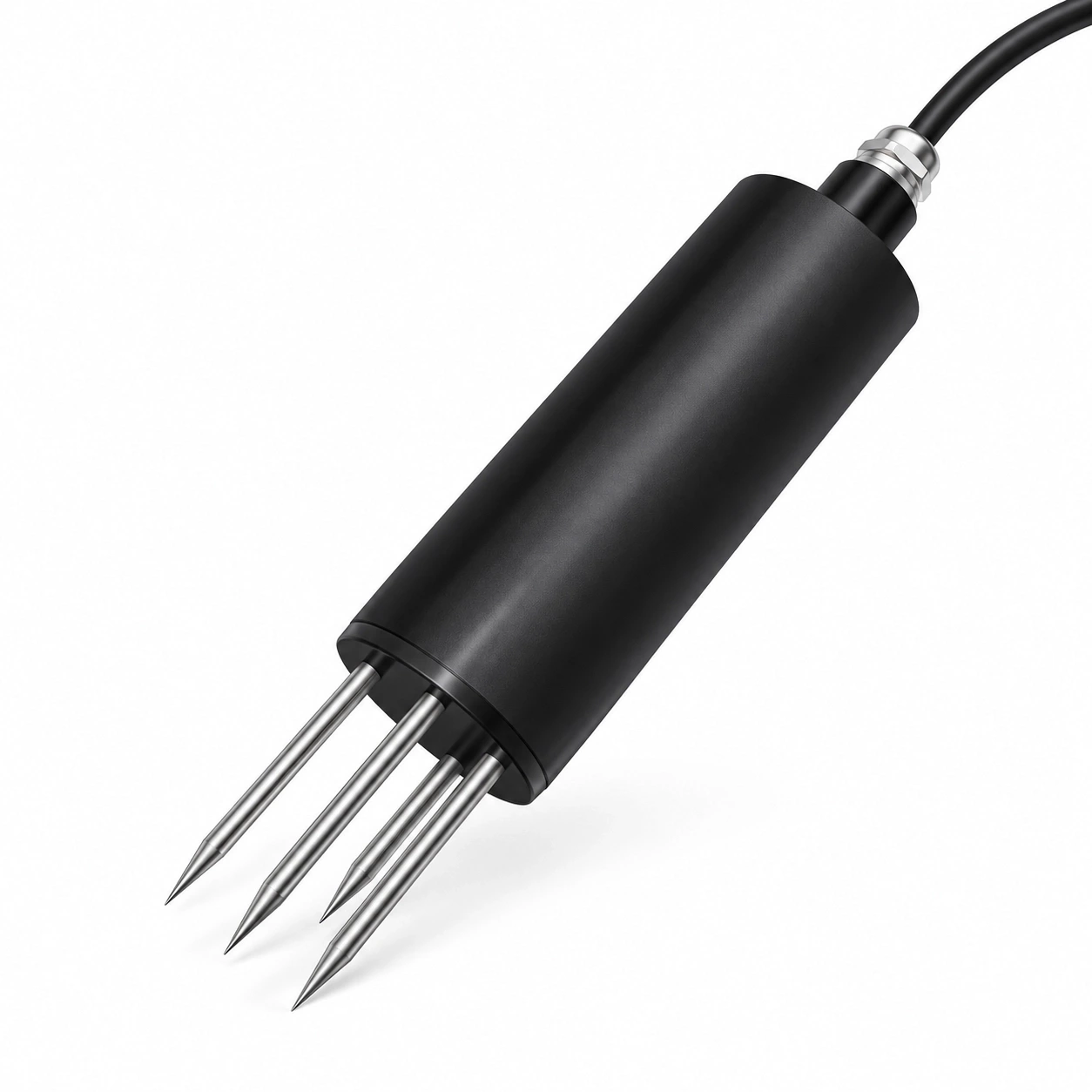
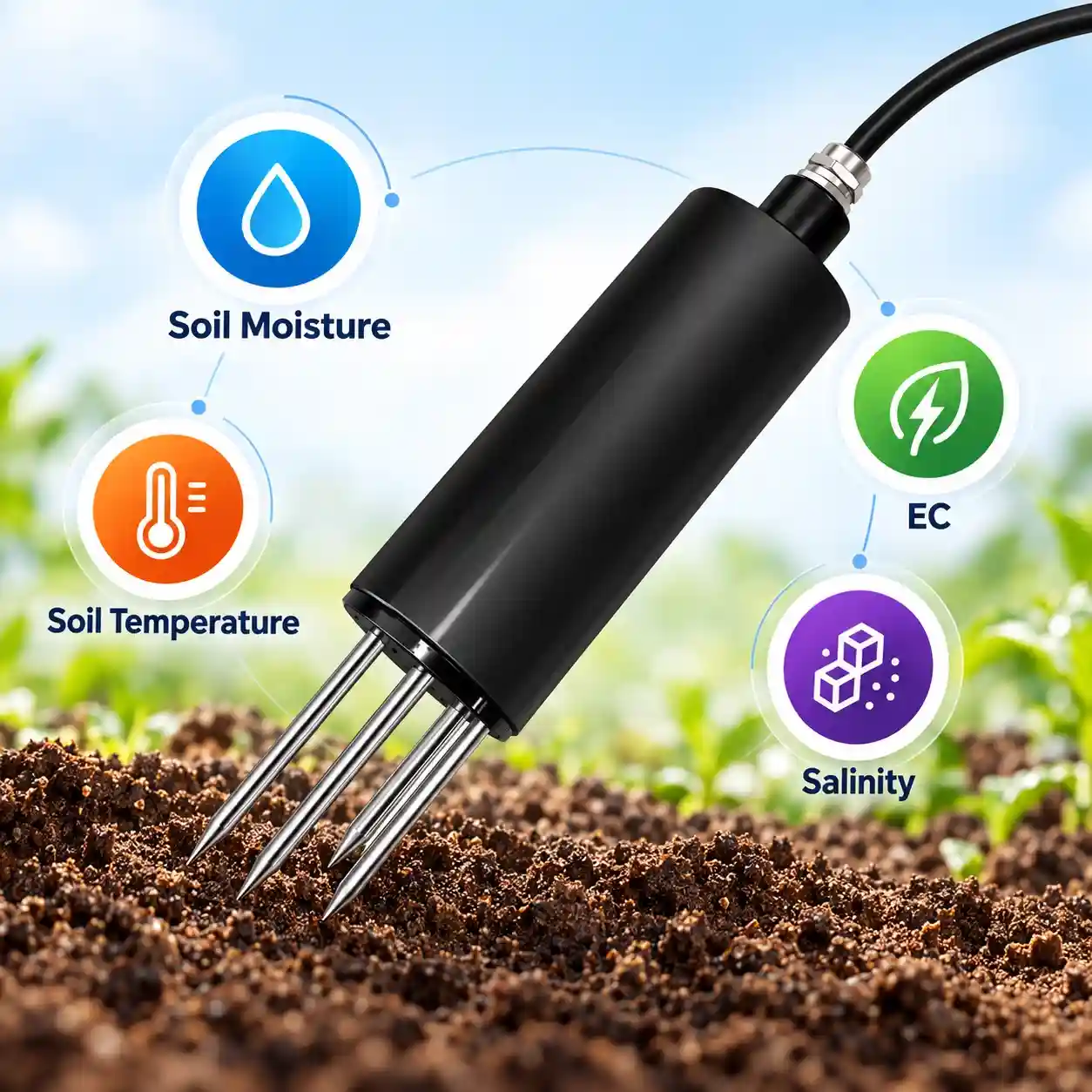
4-in-1 Soil Monitoring: Measures soil moisture, temperature, EC, and salinity in one integrated sensor.
-
FDR Moisture Measurement: Uses frequency-domain reflection technology to measure soil volumetric water content.
-
Wide EC Measurement Range: Supports soil electrical conductivity measurement from 0 to 20,000 μS/cm.
-
Soil Salinity Monitoring: Provides salinity readings from 0 to 10,000 mg/L.
-
Multiple Output Options: Available with RS485, RS232, 4–20 mA, 0–2.5 V, or 0–5 V signal output configurations.
-
IP68 Protection: Designed for soil monitoring applications that require protection against water ingress.
-
316 Stainless Steel Probes: Corrosion-resistant probe material for agricultural environments.
-
Flexible Power Supply: Available in DC 7–30 V or DC 5 V configurations.
-
Compact Installation: Suitable for installation at a selected soil measurement depth.
-
Agricultural Monitoring Applications: Designed for irrigation management, greenhouse monitoring, field observations, and agricultural research.
4-in-1 Soil Moisture Temperature EC and Salinity Sensor for Smart Irrigation
Product Description
The JW-TM4 4-in-1 Soil Moisture EC Salinity Sensor is an integrated soil monitoring probe designed to measure four important soil parameters: volumetric water content (VWC), soil temperature, electrical conductivity (EC), and salinity.
Featuring Frequency Domain Reflectometry (FDR) technology for soil moisture measurement, 316 stainless steel probes, IP68 protection, and multiple optional signal outputs, the JW-TM4 is suitable for precision agriculture, greenhouse cultivation, smart irrigation, soil monitoring stations, and agricultural research.
The sensor helps agricultural system integrators and growers monitor soil water conditions and electrical conductivity within a single measurement point.
1. Product Overview
What Is a 4-in-1 Soil Moisture EC Salinity Sensor?
A 4-in-1 soil sensor combines multiple soil measurements into one integrated sensing device.
The JW-TM4 measures:
- Soil Moisture: The volume of water contained in a given volume of soil.
- Soil Temperature: Temperature conditions around the installed sensor.
- Soil Electrical Conductivity: The electrical conductivity associated with soil conditions and dissolved ions.
- Soil Salinity: A salinity-related measurement that can be used to observe changes in soil salt conditions.
Together, these measurements provide useful information for evaluating root-zone conditions, planning irrigation, and observing changes associated with fertilization and salt accumulation.
Unlike a basic soil moisture sensor, the JW-TM4 provides EC and salinity information alongside water content and temperature.
For additional sensor options, explore the JW-IoT Soil Sensors Collection.
2. Four Soil Parameters in One Sensor
2.1 Soil Moisture Measurement – 0–60% VWC
Soil moisture is one of the key parameters used in irrigation management.
The JW-TM4 uses Frequency Domain Reflectometry (FDR) technology to evaluate soil water content based on differences in the dielectric properties of soil constituents.
Because water has significantly different dielectric properties from most mineral soil components, changes in the soil dielectric response can be used to estimate volumetric water content.
Measurement specifications:
- Range: 0–60% VWC
- Resolution: 0.1%
- Accuracy: ±3% within 0–35% VWC
- Accuracy: ±5% within 35–60% VWC
Soil moisture readings can support irrigation scheduling, soil water trend analysis, and evaluation of changes following rainfall or irrigation events.
Actual measurement performance depends on soil conditions, probe installation, and the suitability of the sensor for the measurement medium.
2.2 Soil Temperature Measurement – -40°C to +80°C
Soil temperature influences root-zone conditions, biological activity, and the movement of water and nutrients in agricultural soils.
The JW-TM4 integrates a thermistor-based temperature sensing element for soil temperature monitoring.
Measurement specifications:
- Range: -40°C to +80°C
- Accuracy: ±0.5°C
- Resolution: 0.1°C
By combining temperature and moisture measurements, users can observe environmental changes at the installed soil depth.
These measurements may be incorporated into greenhouse monitoring, agricultural field observations, and research data collection.
2.3 Soil Electrical Conductivity Measurement – 0–20,000 μS/cm
Soil electrical conductivity is associated with the presence and movement of dissolved ions and can provide information about changes in soil conditions.
The JW-TM4 measures electrical conductivity within a specified range of 0–20,000 μS/cm.
Measurement specifications:
- Range: 0–20,000 μS/cm
- Accuracy: ±5%
- Resolution: 1 μS/cm
EC monitoring can be useful for observing changes associated with irrigation water, fertilizer applications, and salinity conditions.
However, soil EC is influenced by several factors, including water content, temperature, and soil composition.
EC readings should not be interpreted as direct measurements of individual nutrient concentrations such as nitrogen, phosphorus, or potassium.
Users requiring nutrient-specific information should select additional sensors or laboratory testing methods appropriate to their application.
2.4 Soil Salinity Measurement – 0–10,000 mg/L
Excessive salt accumulation in the root zone can affect plant water uptake and agricultural productivity.
The JW-TM4 provides soil salinity-related readings alongside soil moisture, temperature, and EC data.
Measurement specifications:
- Range: 0–10,000 mg/L
- Accuracy: ±5%
- Resolution: 1 mg/L
Salinity monitoring can support long-term observation of soil conditions in irrigation and cultivation projects.
For reliable interpretation, users should consider soil type, moisture conditions, and suitable reference measurements.
The salinity output should not automatically be treated as equivalent to laboratory-measured saturated-paste extract salinity or a direct measurement of total salt mass in soil.
3. Technical Specifications
Measurement Parameters
| Parameter | Specification |
| Product Model | JW-TM4 |
| Measurement Parameters | Soil Moisture, Temperature, EC, Salinity |
| Soil Moisture Range | 0–60% VWC |
| Soil Moisture Accuracy | ±3% (0–35%); ±5% (35–60%) |
| Soil Moisture Resolution | 0.10% |
| Soil Temperature Range | -40°C to +80°C |
| Soil Temperature Accuracy | ±0.5°C |
| Soil Temperature Resolution | 0.1°C |
| EC Measurement Range | 0–20,000 μS/cm |
| EC Accuracy | ±5% |
| EC Resolution | 1 μS/cm |
| Salinity Measurement Range | 0–10,000 mg/L |
| Salinity Accuracy | ±5% |
| Salinity Resolution | 1 mg/L |
Electrical and Mechanical Specifications
| Parameter | Specification |
| Moisture Measurement Principle | Frequency Domain Reflectometry (FDR) |
| Temperature Sensing Element | Thermistor |
| Power Supply | DC 7–30 V / DC 5 V, depending on configuration |
| Output Options | RS485, RS232, 4–20 mA, 0–2.5 V, 0–5 V |
| Standard Cable Length | 2.5 m |
| Current Output Load | ≤250 Ω |
| Voltage Output Load | ≥1 kΩ |
| Operating Temperature | -40°C to +80°C |
| Operating Humidity | ≤100% RH |
| Protection Rating | IP68 |
| Probe Material | 316 Stainless Steel |
| Approximate Weight | 200 g, depending on configuration |
| Power Consumption | 250 mW, depending on configuration |
Configuration Note: Power supply and signal output options depend on the selected sensor version. Please confirm the required electrical configuration before ordering.
4. Applications of the JW-TM4 Soil Sensor
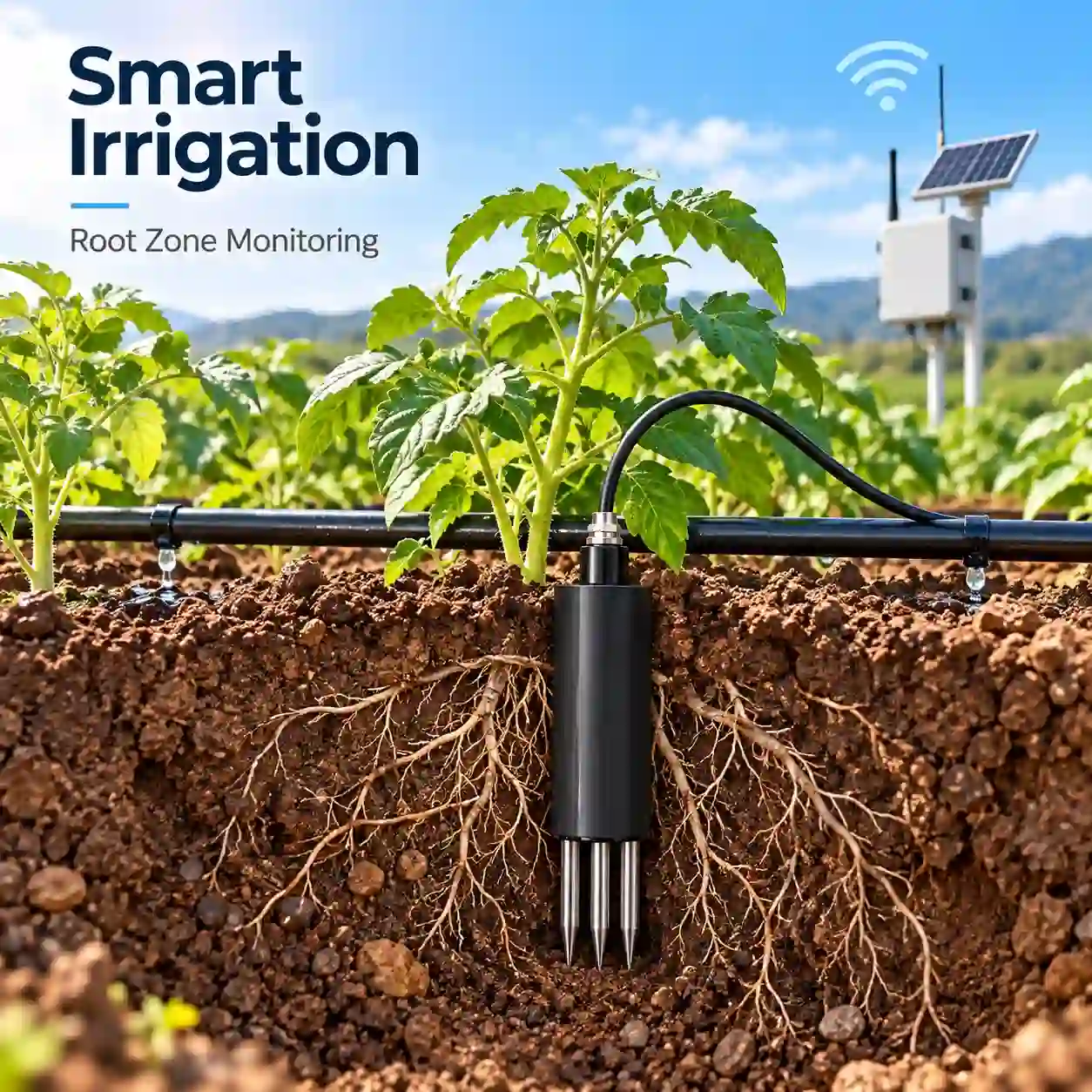
4.1 Precision Agriculture and Smart Irrigation
The JW-TM4 provides soil moisture and temperature measurements together with conductivity and salinity-related information.
For smart irrigation projects, the sensor can be used to monitor soil conditions at selected locations and support data-informed irrigation planning.
Typical applications include:
- Agricultural irrigation monitoring
- Soil water trend analysis
- Field moisture observation
- Irrigation evaluation
- Long-term soil condition monitoring
Sensor data may be collected by compatible external monitoring equipment for analysis or irrigation decision support.
4.2 Greenhouse Soil Monitoring
Greenhouse crop production requires attention to root-zone conditions.
The JW-TM4 can be deployed in suitable soil-based greenhouse growing systems to monitor:
- Root-zone soil moisture
- Soil temperature fluctuations
- Electrical conductivity changes
- Salinity-related trends
The measurements can help greenhouse operators compare conditions before and after irrigation or fertilization.
For greenhouse projects requiring only moisture, temperature, and EC measurements, JW-IoT also offers the Soil Moisture EC Temperature Probe for Precision Farming.
4.3 Soil Salinity Monitoring in Agricultural Fields
Salinity management is an important concern in agricultural areas affected by saline irrigation water, insufficient drainage, or salt accumulation.
The JW-TM4 can provide EC and salinity-related trend data for suitable soil conditions.
However, accurate absolute moisture measurement in highly saline or alkaline soils may require an alternative sensor or additional calibration.
Before deployment in strongly saline soils, the suitability of the measurement technology should be evaluated.
4.4 Agricultural Research and Field Experiments
The JW-TM4 may be used in research projects requiring concurrent measurements of soil moisture, temperature, EC, and salinity.
Possible applications include:
- Irrigation experiments
- Soil water dynamics studies
- Crop cultivation research
- Soil condition monitoring
- Agricultural demonstration projects
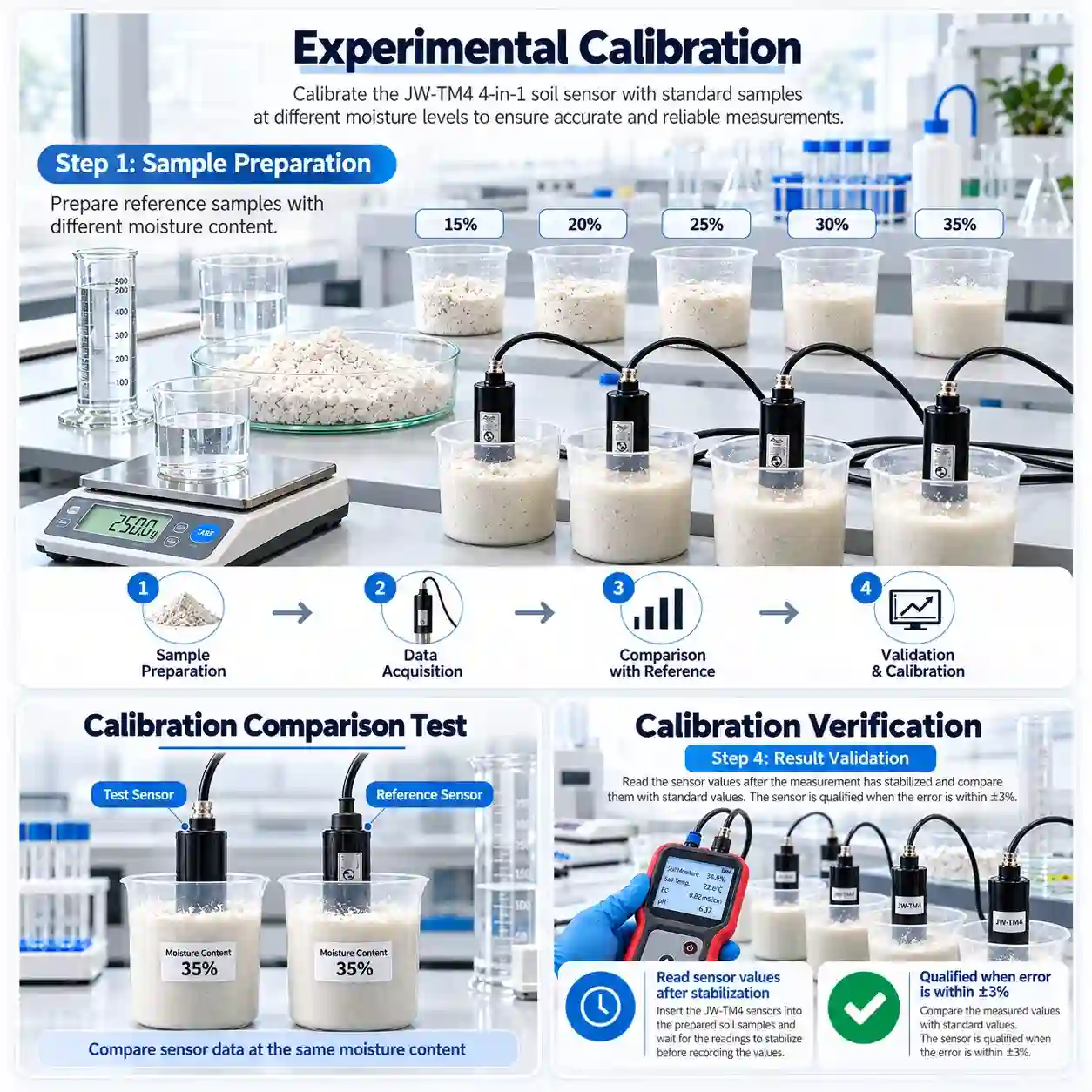
When used in research, sensor measurements should be validated against appropriate reference methods according to the required accuracy.
4.5 Grassland, Horticulture, and Vegetable Cultivation
The integrated sensor can be used in suitable soil environments for monitoring water and temperature conditions in grassland, vegetable cultivation, and horticultural applications.
Monitoring multiple soil parameters allows users to assess changes in the growing environment without installing a separate sensing device for every parameter.
5. FDR Soil Moisture Measurement Technology
The JW-TM4 uses Frequency Domain Reflectometry for volumetric soil moisture measurement.
FDR is a dielectric measurement approach in which the response of an electromagnetic field is related to the dielectric properties of the surrounding medium.
Because soil water strongly influences this response, the measurement can be used to estimate volumetric water content.
Benefits of FDR-Based Soil Monitoring
- Provides volumetric water content readings.
- Supports repeated measurements at a fixed monitoring point.
- Enables monitoring of wetting and drying trends.
- Can be integrated with electrical soil monitoring equipment.
- Is suitable for agricultural monitoring when the soil and calibration conditions match the sensor’s intended operating conditions.
FDR readings can be affected by soil properties, salinity, temperature, and installation quality. Users should therefore evaluate the sensor against the intended soil conditions before relying on absolute readings.
For a broader comparison of moisture measurement methods, see the Soil Moisture Sensor Buying Guide 2026.
6. Signal Outputs and Monitoring System Integration
The JW-TM4 is offered with different electrical output configurations to match agricultural monitoring equipment.
Available output types include:
| Output Type | Typical Integration |
| RS485 | Compatible data acquisition or monitoring equipment |
| RS232 | Serial data acquisition equipment |
| 4–20 mA | Analog-input monitoring devices and controllers |
| 0–2.5 V | Compatible voltage-input data acquisition devices |
| 0–5 V | Compatible voltage-input monitoring devices |
Output availability depends on the ordered configuration.
Integration with Agricultural Monitoring Systems
A typical monitoring arrangement may include:
JW-TM4 Soil Sensor → Compatible Data Logger or RTU → Communication Network → Monitoring Platform
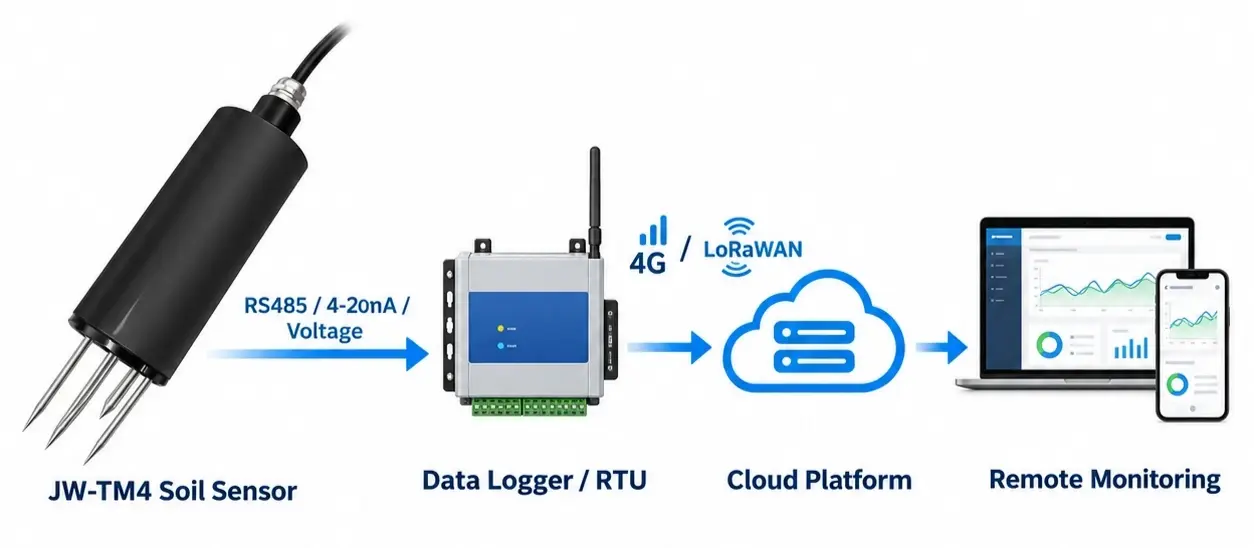
The sensor measures soil conditions, while an external data logger or monitoring controller handles data acquisition, storage, or transmission according to the system design.
For a larger agricultural monitoring project, users may combine multiple soil measurement points with compatible external data collection equipment.
Communication settings, wiring diagrams, data registers, and output scaling should be confirmed for the selected version before system integration.
The JW-TM4 itself should not be confused with a wireless data logger or a standalone cloud monitoring station.
7. Installation Guidelines
Proper installation is important for obtaining representative soil measurements.
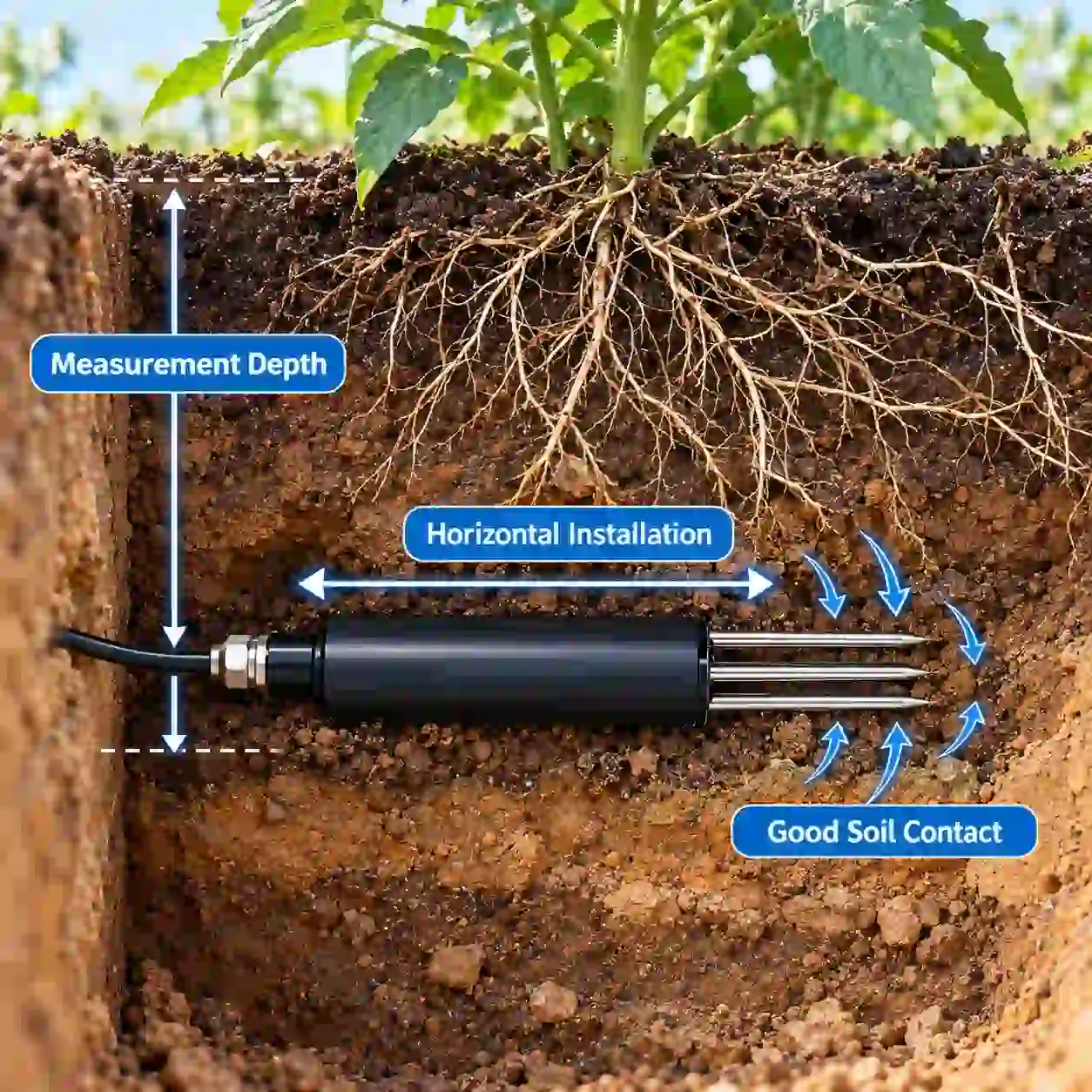
Recommended Installation Procedure
- Select the Measurement LocationChoose a position representative of the intended field or root-zone monitoring area.
- Determine the Installation DepthSelect the target soil depth according to crop characteristics and monitoring objectives.
- Prepare the Soil PitExcavate a small pit to the selected depth.
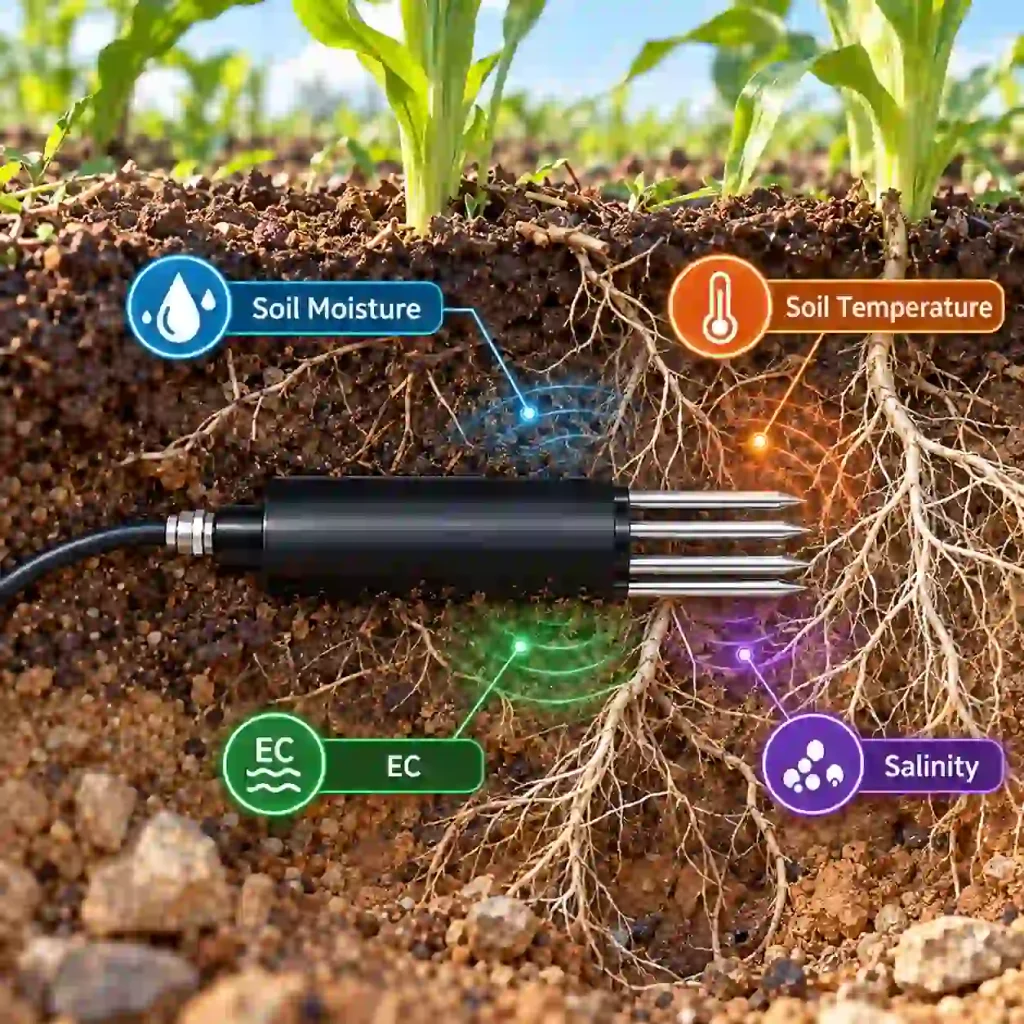
- Position the Sensor HorizontallyPlace the sensor with its probes in a horizontal orientation at the measurement depth.
- Establish Good Soil ContactCover the probes with fine soil and carefully compact the surrounding soil to reduce air gaps.
- Backfill the PitRestore the excavated soil while keeping the sensor in its intended position.
- Connect the SensorComplete wiring according to the electrical configuration and verify the connections before applying power.
- Check the Measurement DataVerify that sensor readings are reasonable for the actual soil conditions.
Important Installation Precautions
- Do not connect wiring while power is applied.
- Do not disassemble or modify the sensor without technical approval.
- Avoid contact with sharp objects or corrosive liquids that could damage the sensing surfaces.
- Do not arbitrarily modify the cable length.
- Frozen soil conditions can produce inaccurate moisture readings.
- Highly saline soils, sandy soils, and powder-like materials may require alternative calibration or sensing methods for absolute moisture measurement.
8. Laboratory Calibration and Measurement Verification
9. JW-TM4 vs. Standard 3-in-1 Soil Sensors
The JW-TM4 is intended for projects that require a four-parameter soil monitoring configuration.
| Feature | JW-TM4 | Standard 3-in-1 Soil Sensor |
| Soil Moisture | Yes | Yes |
| Soil Temperature | Yes | Yes |
| Electrical Conductivity | Yes | Yes |
| Salinity Reading | Dedicated fourth parameter | Depends on model |
| Typical Application | Combined water, EC and salinity trend monitoring | Moisture, temperature and EC monitoring |
| Selection Consideration | Four-parameter output requirements | Basic three-parameter requirements |
Some three-parameter soil sensors can also report calculated salinity values through their digital interface, so the differences between models should be assessed using actual specifications rather than parameter count alone.
Explore additional options in the JW-IoT Soil Sensors category.
10. Request a Quote – JW-TM4 Soil Moisture EC Salinity Sensor
Looking for a multi-parameter soil sensor for an irrigation, greenhouse, or agricultural monitoring project?
JW-IoT offers the JW-TM4 4-in-1 Soil Moisture Temperature EC and Salinity Sensor for system integration and agricultural monitoring applications.
Contact our team to discuss:
- Required sensor quantity
- Digital or analog output configuration
- Power supply requirements
- Soil type and measurement environment
- Cable requirements
- Data logger or monitoring system compatibility
Contact JW-IoT for JW-TM4 specifications, configuration details, and a quotation.
Explore more Soil Monitoring Sensors for precision agriculture and smart irrigation projects.
FAQ
-
Q
1. What does the JW-TM4 4-in-1 soil sensor measure?
AThe JW-TM4 measures soil moisture, soil temperature, electrical conductivity, and salinity. It combines all four parameters into a single soil monitoring device.
-
Q
2. Does the JW-TM4 support RS485 output?
AYes. RS485 is one of the available output options. The selected communication configuration should be confirmed when ordering.
-
Q
3. Can the sensor measure soil pH or NPK?
ANo. The JW-TM4 specifications cover moisture, temperature, EC, and salinity. Soil pH, nitrogen, phosphorus, and potassium are not listed as measurement parameters.
-
Q
4. What is the soil moisture measurement range?
AThe JW-TM4 measures volumetric soil water content from 0% to 60% VWC, with a resolution of 0.1%.
-
Q
5. Is the JW-TM4 waterproof?
AThe sensor has an IP68 protection rating and is designed for soil monitoring applications involving exposure to moisture. Appropriate cable protection and installation practices remain necessary.
-
Q
6. Can it be used in greenhouse irrigation systems?
AYes. The sensor is suitable for soil-based greenhouse monitoring where the measurement ranges and soil conditions meet the intended application requirements.
-
Q
8. Can the JW-TM4 measure highly saline or alkaline soils?
AIts EC and salinity measurement functions can support salinity-related observation within their specified ranges. However, the original product guidance identifies limitations in absolute moisture measurement in highly saline or alkaline soils. Application suitability should be verified before deployment.
-
Q
8. Does the sensor transmit data directly to the cloud?
AThe JW-TM4 provides electrical signal outputs. Cloud monitoring requires a compatible external data logger, RTU, or communication gateway.
-
Q
9. What is the standard cable length?
AThe standard cable length is 2.5 meters. Any alternative cable requirements should be confirmed before ordering.
-
Q
10. What information is needed when requesting a quotation?
APlease provide the quantity, required output type, power supply, installation environment, soil type, and intended monitoring equipment. This helps determine the appropriate JW-TM4 configuration.
SimilarProducts Recommended
Precision Monitoring. Reliable Data. Intelligent Decisions.
-
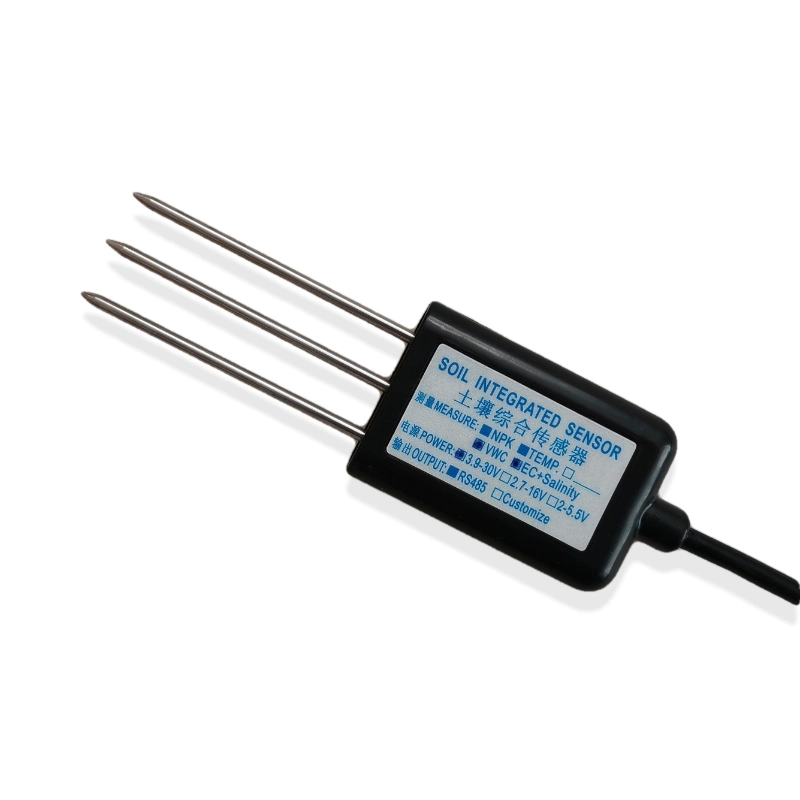
7-in-1 Soil NPK Moisture EC Sensor for Smart Farming
Learn More

-
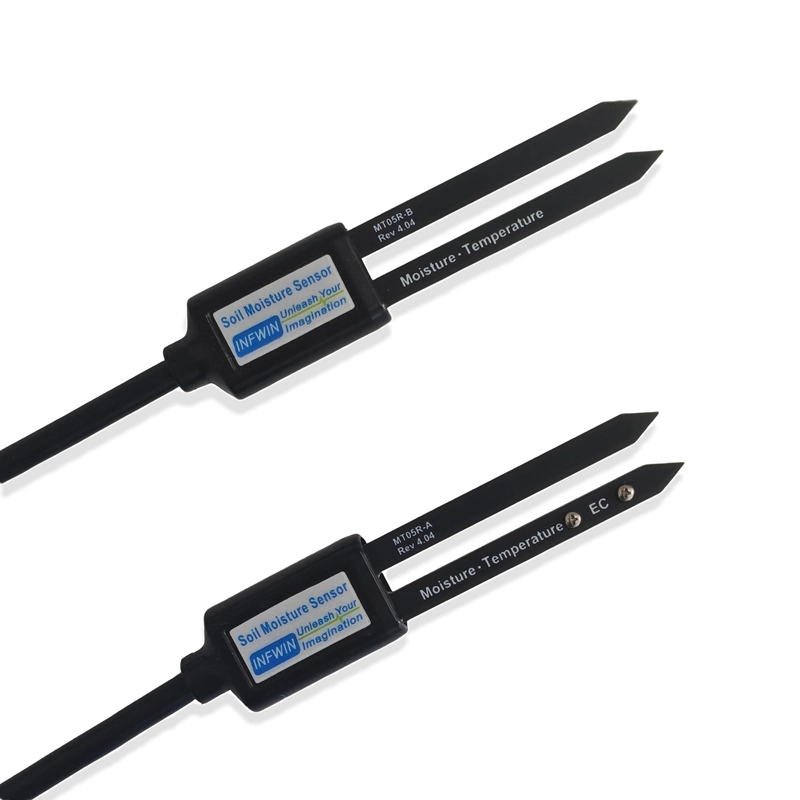
Soil Moisture EC Temperature Sensor RS485 Modbus
Learn More
-
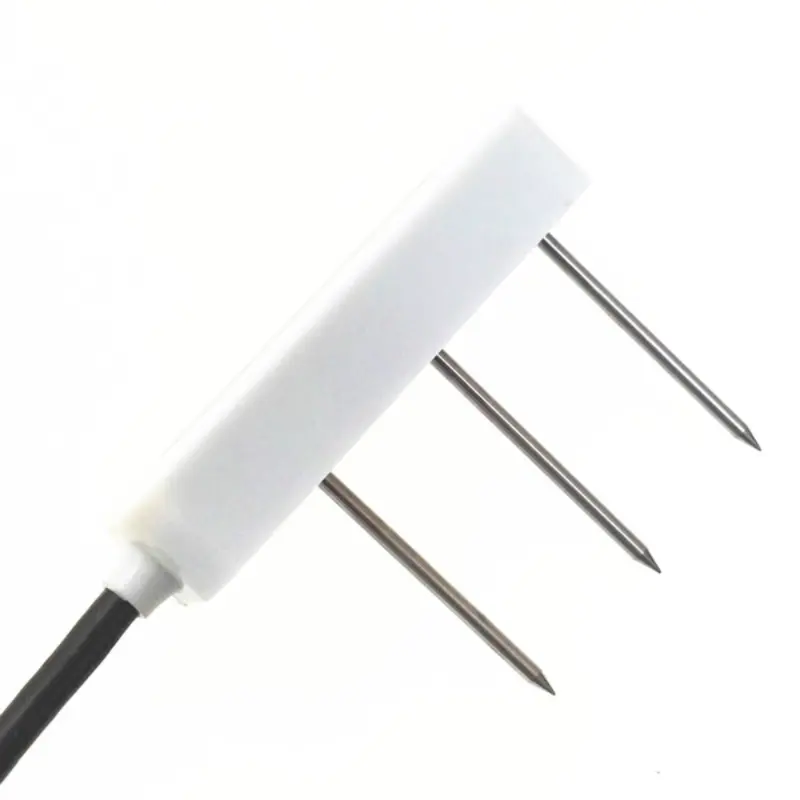
Soil Moisture EC Temperature Probe for Substrate and Soil Testing
Learn More
-
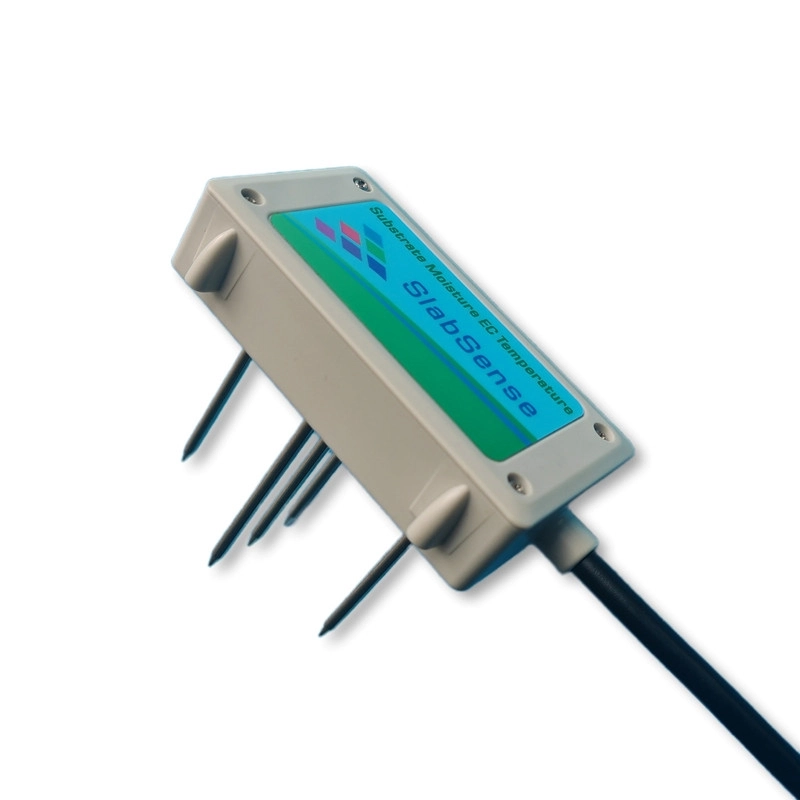
Substrate Moisture EC Sensor for Greenhouse Irrigation
Learn More
-
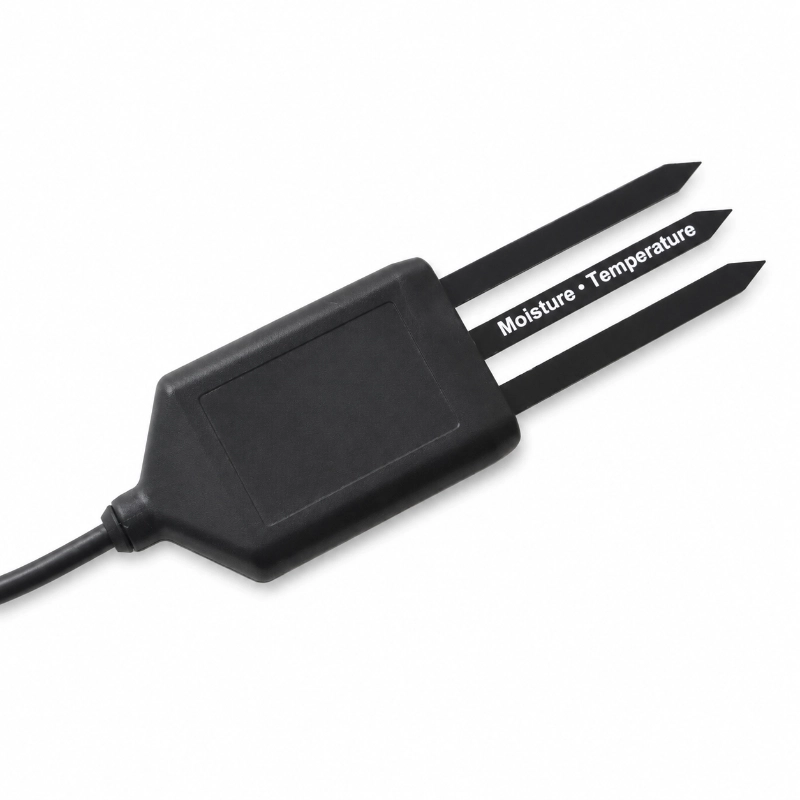
Compact Soil Water Content Sensor for Greenhouse Irrigation
Learn More
-
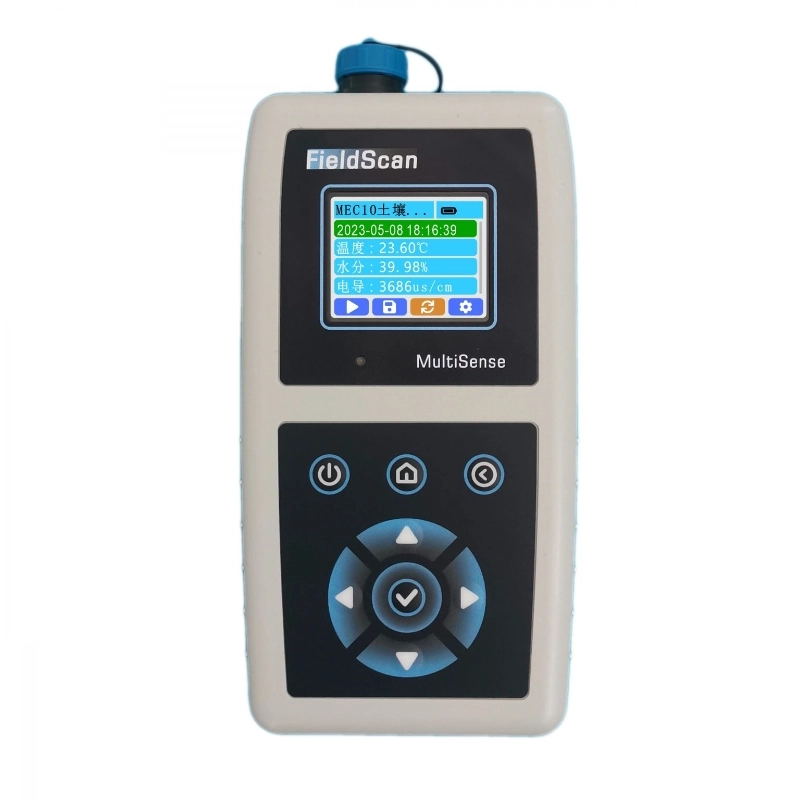
Handheld Sensor Data Logger for Agriculture Field Testing
Learn More
-
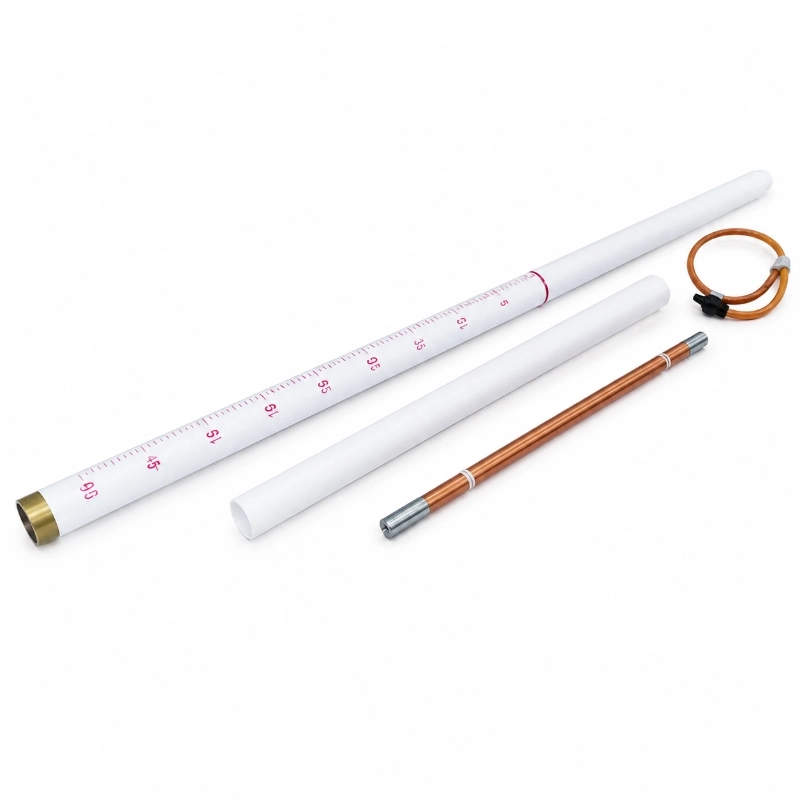
Soil Freezing Depth Frost Tube for Permafrost Monitoring
Learn More
-
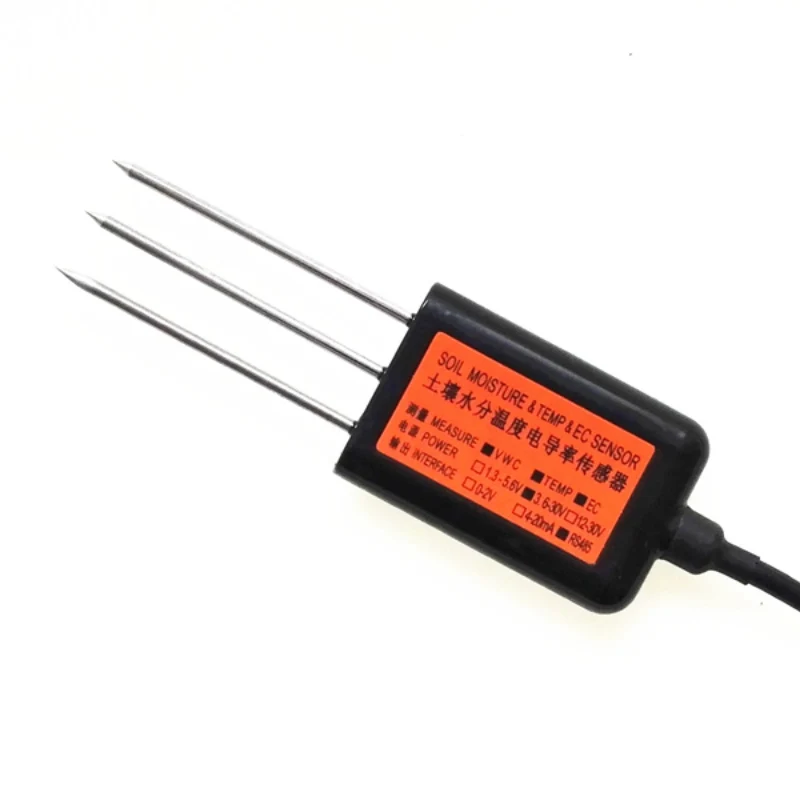
Soil Moisture EC Temperature Sensor for Agriculture and Greenhouse
Learn More