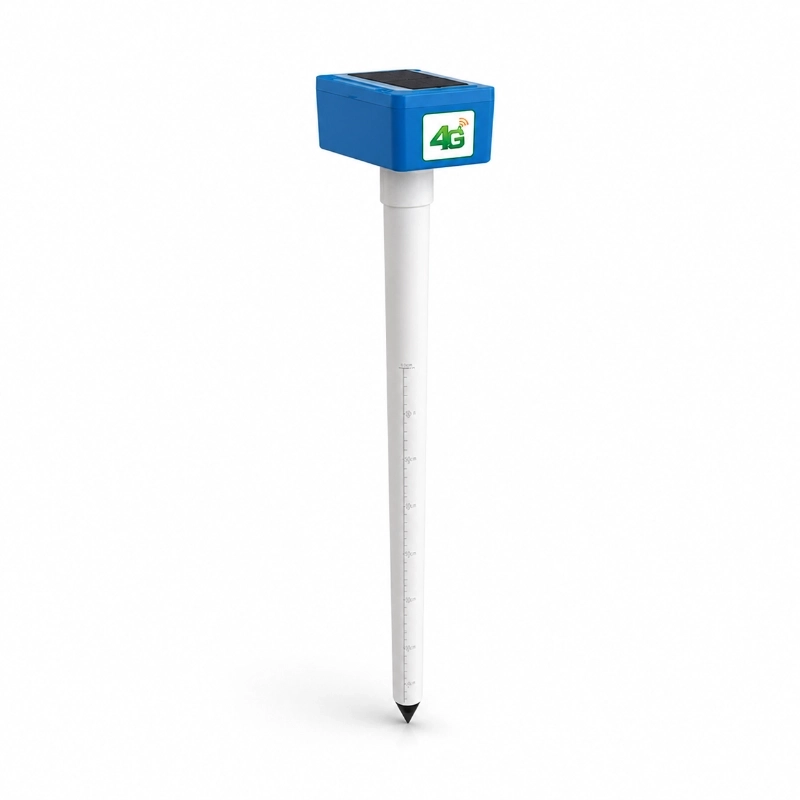
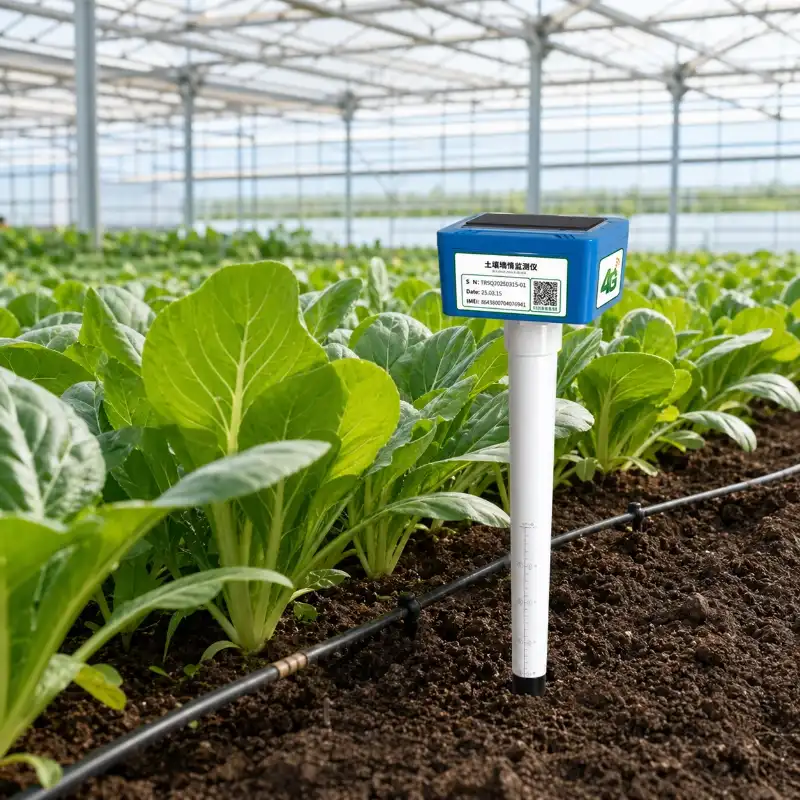
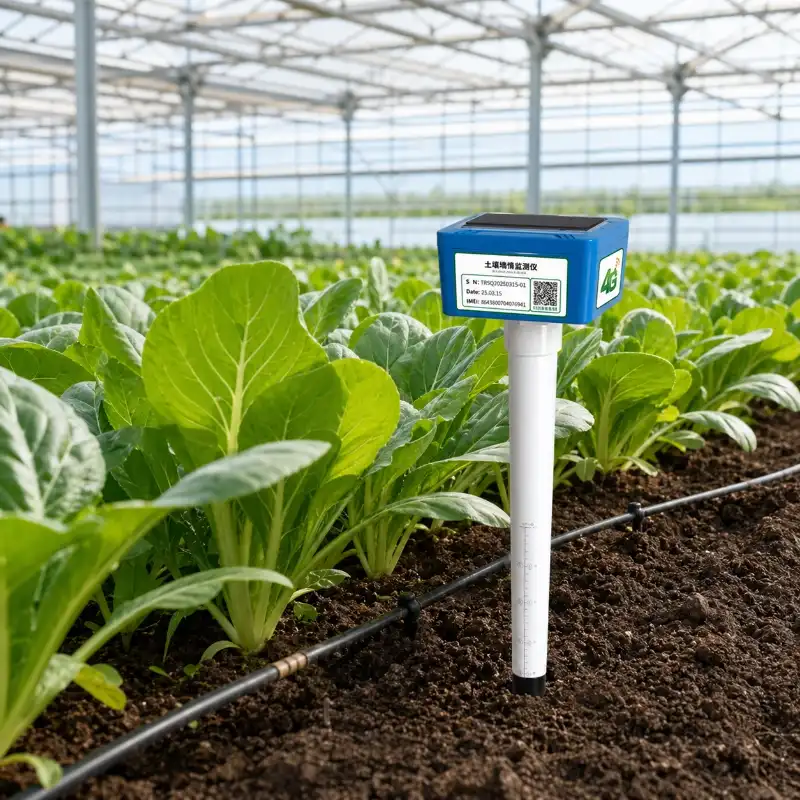
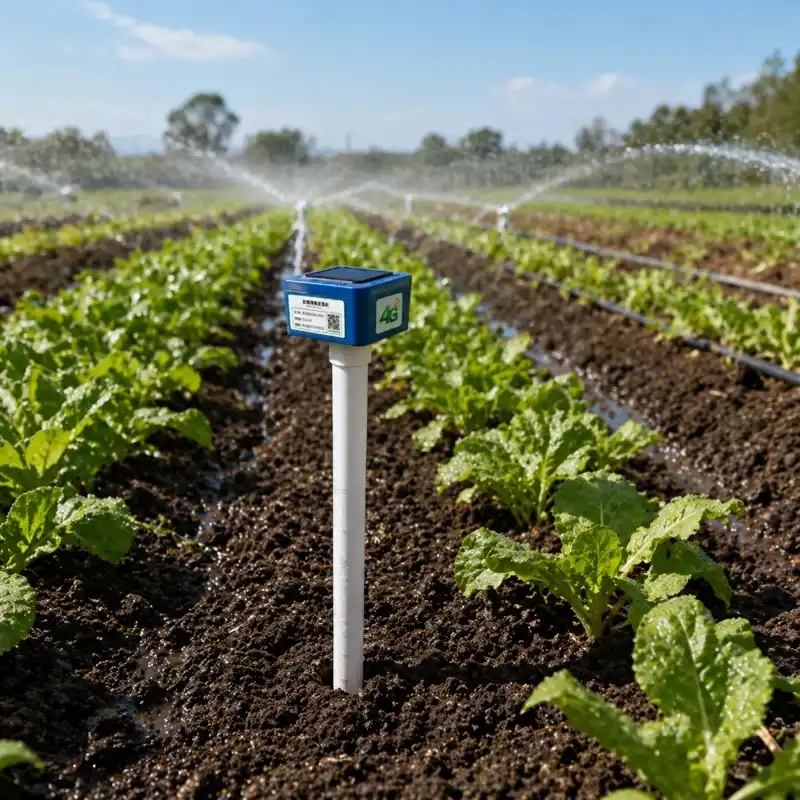
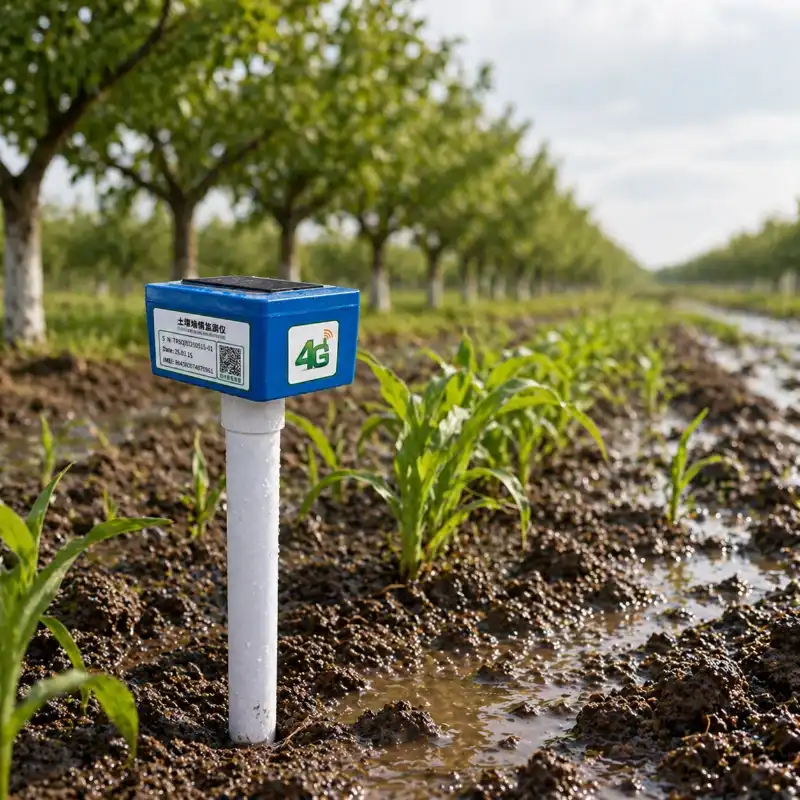
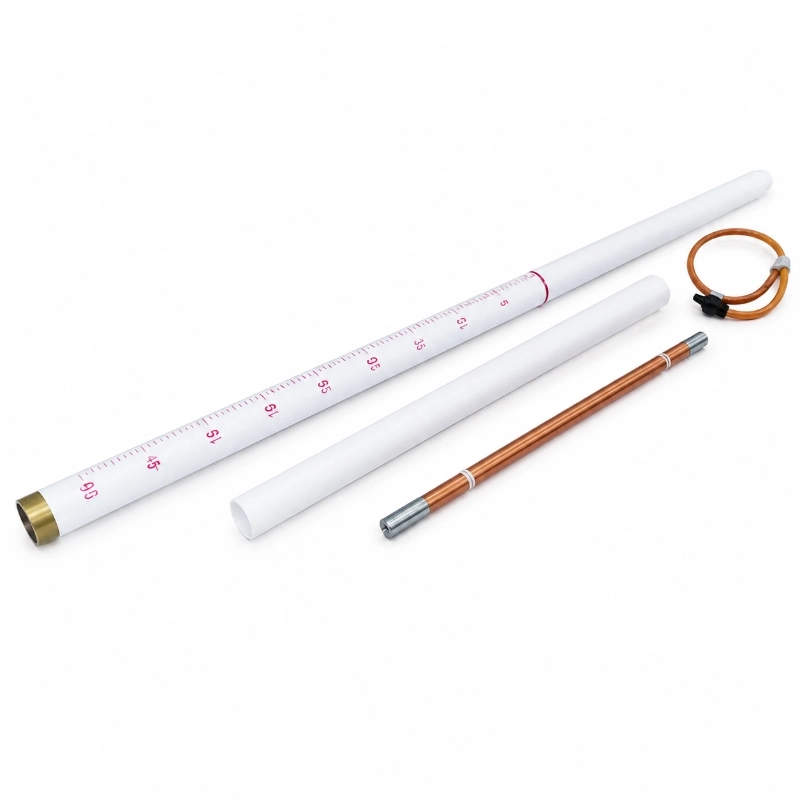
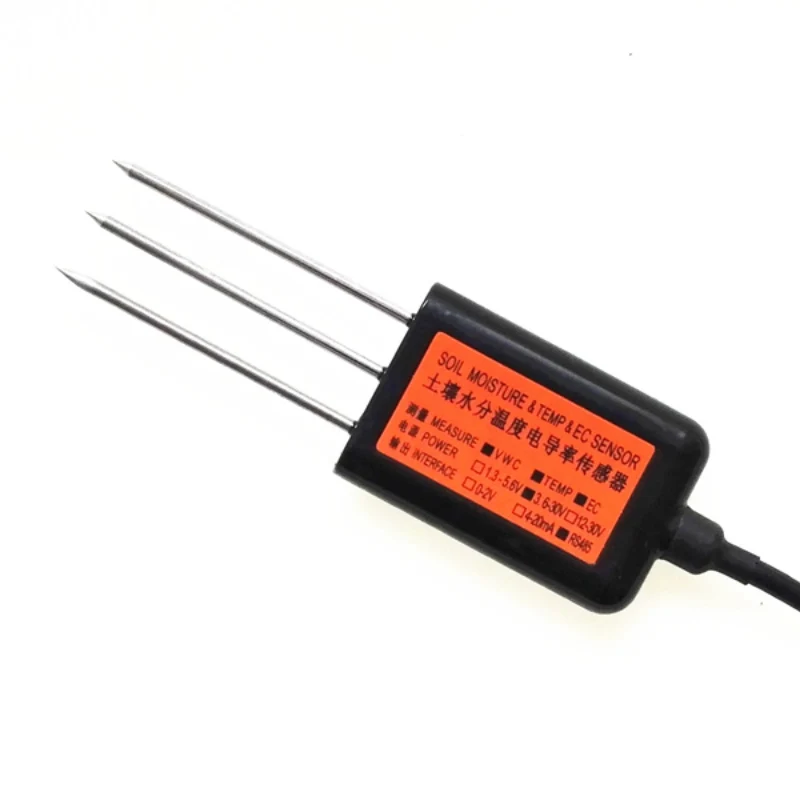
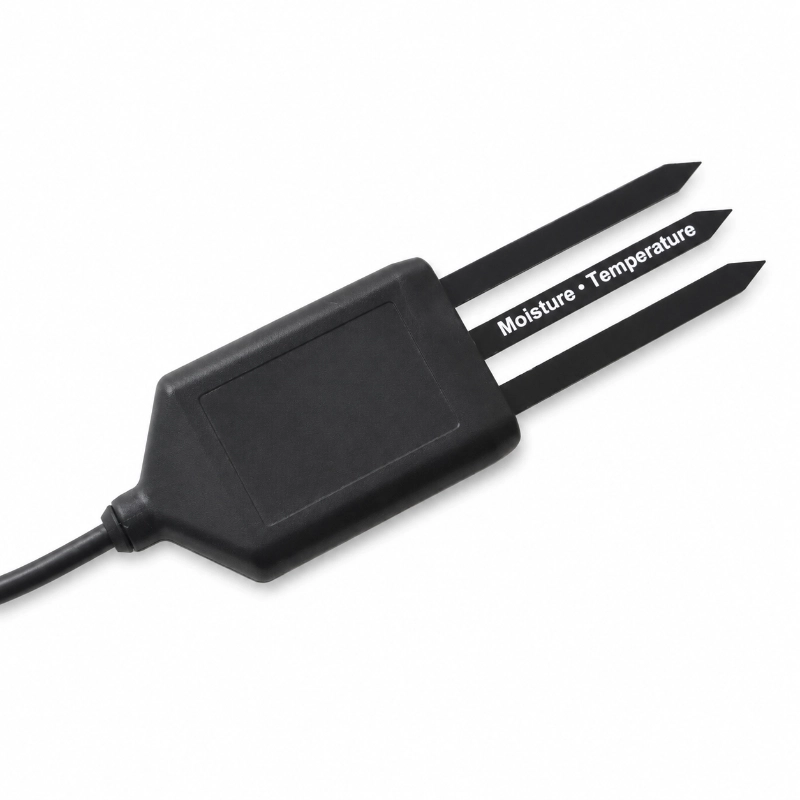
The JW-TRSQ(LC2) Wireless Soil Moisture Monitoring Sensor is a solar-powered, 4G-enabled soil monitoring instrument designed for smart irrigation, precision agriculture, greenhouse cultivation, orchard management, and agricultural drought monitoring.
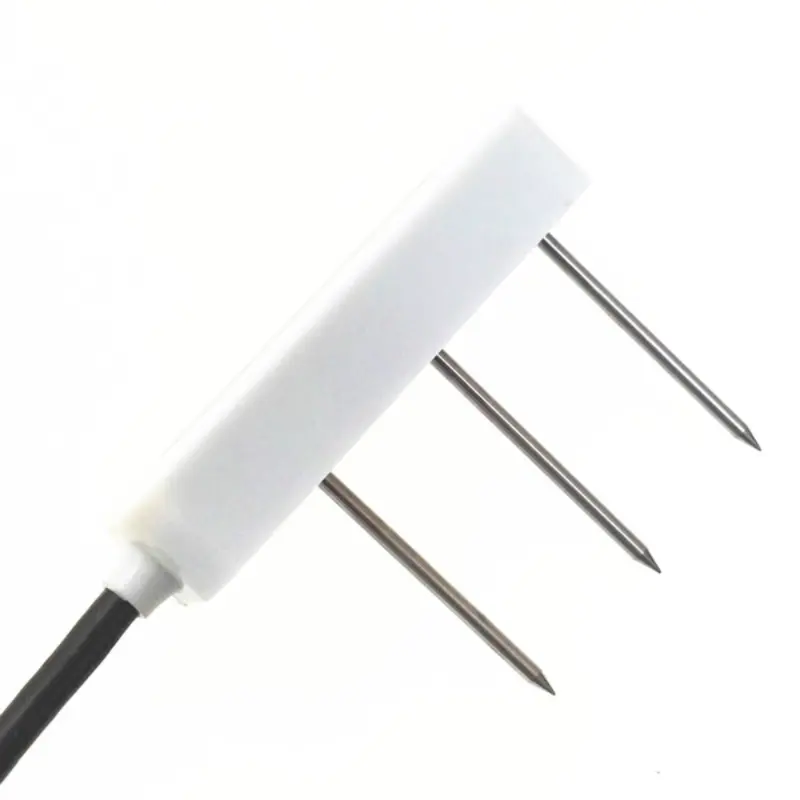
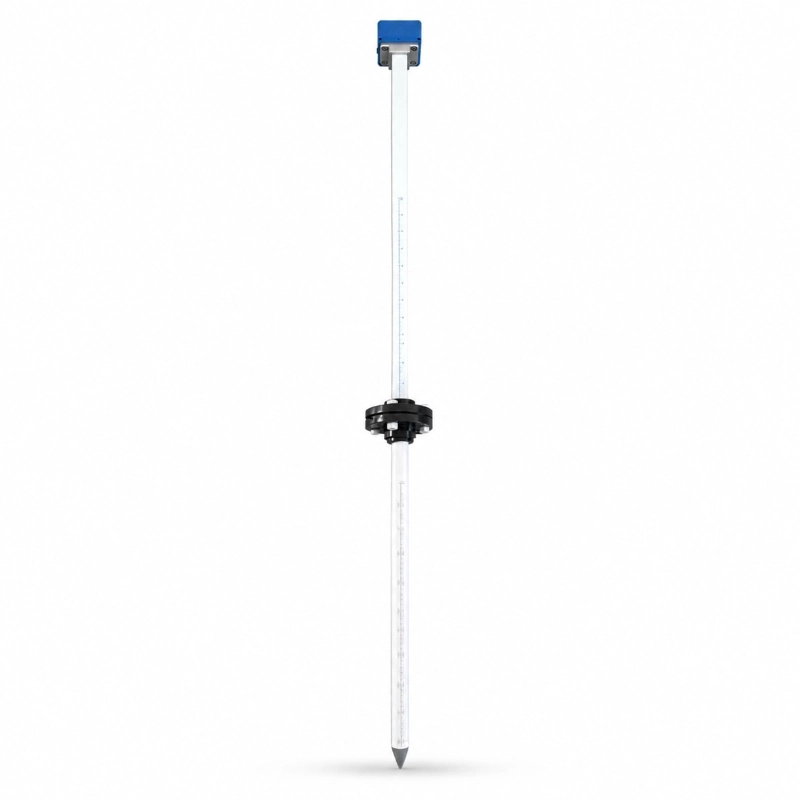
Using high-frequency dielectric sensing technology, the sensor measures volumetric soil moisture through a sealed PVC probe. Configurable 3-layer, 4-layer, and 5-layer measurement options help users monitor soil water distribution at different depths.
With integrated 4G communication, a rechargeable lithium battery, solar charging, and IP68 protection, the JW-TRSQ(LC2) supports remote soil moisture monitoring in agricultural environments where conventional wired infrastructure may be inconvenient.
It can be integrated into a broader Smart Irrigation Control System to support data-driven irrigation scheduling and water management.
How Does the Wireless Soil Moisture Sensor Work?
The JW-TRSQ(LC2) uses a high-frequency dielectric measurement principle to estimate soil volumetric water content.
Soil contains mineral particles, organic matter, air, and water. Changes in water content influence the apparent dielectric properties of the soil.
The sensor generates a high-frequency detection signal of approximately 1 GHz. This signal passes through the PVC probe housing and interacts with the surrounding soil.
The instrument uses the resulting dielectric response to determine soil moisture conditions.
Unlike probes with exposed electrodes, the sealed sensing structure reduces direct contact between the sensing elements and fertilizers, irrigation water, and soil contaminants.
However, soil texture, salinity, installation quality, and calibration conditions can still influence dielectric measurements. Field-specific verification may be necessary where particularly high measurement accuracy is required.
Vertical soil insertion after drilling and slurry backfilling
Platform Integration
Supports proprietary platform and optional third-party connection
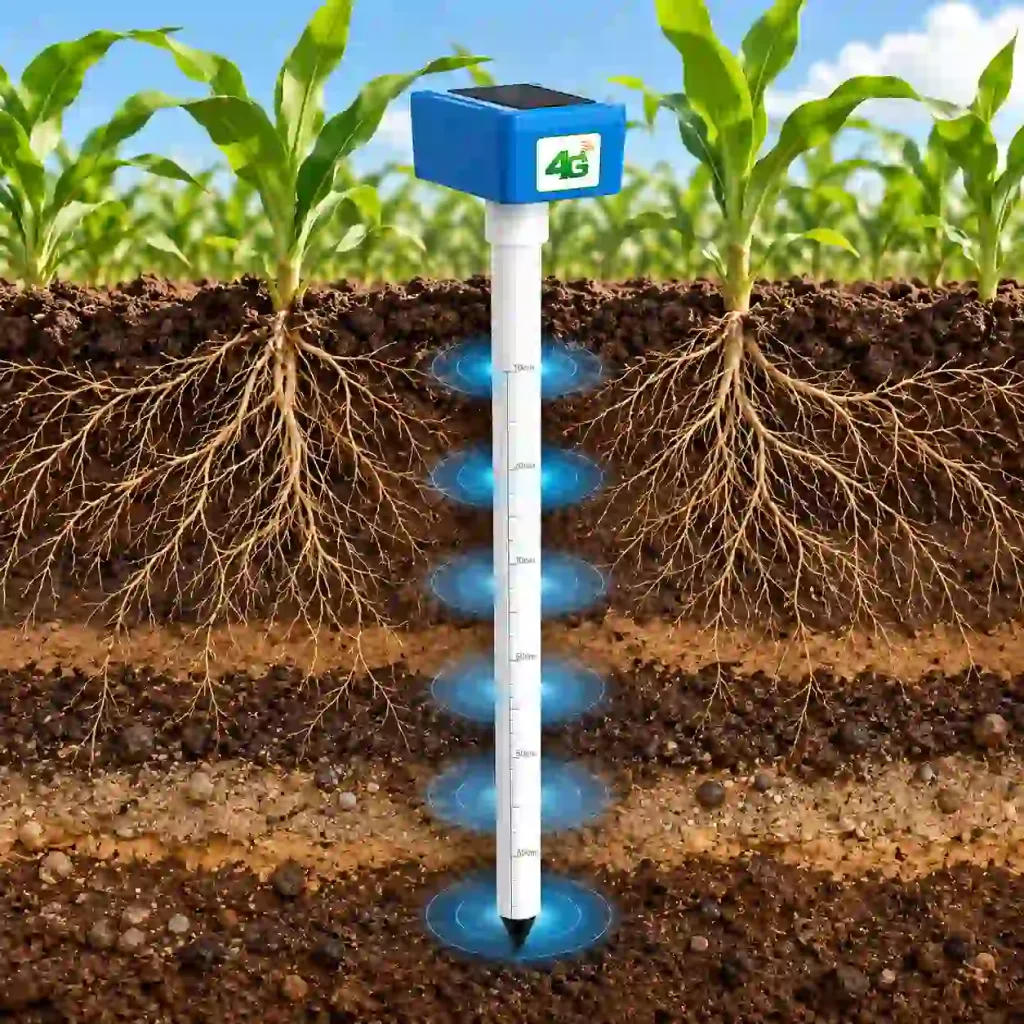
Multi-Depth Soil Moisture Monitoring for Root-Zone Management
Single-depth soil moisture measurements provide information about water content at one selected point. However, soil water distribution changes with depth following rainfall, irrigation, evaporation, and plant water uptake.
The JW-TRSQ(LC2) offers configurable 3-layer, 4-layer, and 5-layer soil moisture monitoring to observe moisture differences within the soil profile.
Why Measure Soil Moisture at Multiple Depths?
1. Identify surface drying
Upper soil layers may dry faster due to evaporation and crop water uptake. Monitoring near-surface moisture provides useful information about changing field conditions.
2. Observe root-zone water availability
Different crops have different effective rooting depths. Measurements at several depths help irrigation managers understand whether water is reaching the intended root-zone area.
3. Evaluate irrigation penetration
Comparing moisture trends before and after irrigation helps assess whether applied water has reached deeper monitoring layers.
4. Identify possible excessive irrigation
A sustained moisture increase in layers below the active root zone may indicate excessive irrigation or downward water movement, although interpretation depends on the soil and crop.
The University of Minnesota Extension explains why soil moisture sensors should be installed at representative locations and suitable depths in its Soil Moisture Sensors for Irrigation Scheduling guidance.
Important: Measurement-layer locations should be selected according to crop rooting depth, soil properties, and the actual sensor configuration. The same depth arrangement is not appropriate for every crop.
4G Wireless Soil Moisture Monitoring System
The JW-TRSQ(LC2) integrates soil moisture sensing with 4G wireless data transmission.
This architecture is particularly useful for distributed agricultural monitoring sites where long communication cables would increase installation complexity.
Typical Monitoring Architecture
Soil Moisture Sensor → 4G Cellular Network → Monitoring Platform → Data Visualization and Irrigation Decisions
Step 1: Soil Moisture Measurement
The sensor measures volumetric soil moisture at the configured monitoring layers.
Step 2: Wireless Data Transmission
The internal communication module sends monitoring data through an available 4G cellular network.
Cellular coverage, operator compatibility, SIM requirements, and network configuration should be verified before installation.
Step 3: Data Storage and Visualization
Measurements can be transferred to a compatible monitoring platform for time-series visualization, historical analysis, and remote access.
Step 4: Irrigation Decision Support
Soil moisture trends can be evaluated alongside crop requirements, weather observations, and irrigation records to support water management decisions.
For applications requiring automatic pump or valve operation, the sensor must be integrated with a compatible irrigation controller and control logic.
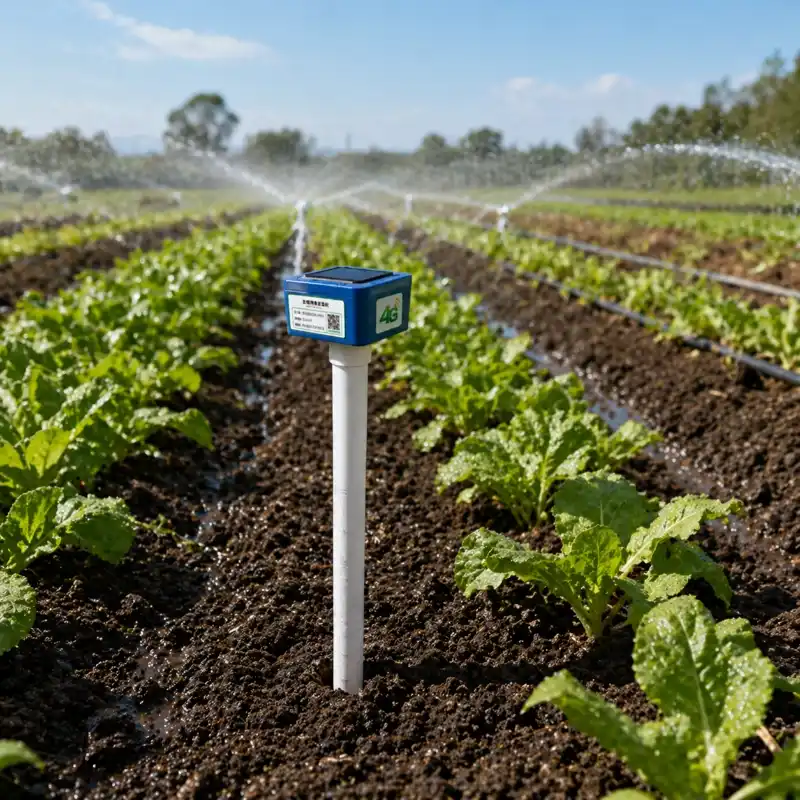
Smart Irrigation: The sensor helps users monitor soil moisture changes in real time and adjust irrigation schedules scientifically. It is suitable for drip irrigation, sprinkler irrigation, and water-saving irrigation systems.
Greenhouse Cultivation: It can be installed in greenhouse vegetable beds, seedling areas, flower cultivation zones, and controlled-environment agriculture projects to support precise water management.
Farmland Drought Monitoring: The device provides continuous soil moisture data for drought evaluation, soil water balance analysis, and agricultural water-saving management.
Precision Agriculture: With wireless transmission and multi-layer soil monitoring options, the sensor helps farms build a data-based crop management system.
Soil Research and Field Experiments: The product can be used in soil water movement studies, irrigation experiments, crop root-zone monitoring, and agricultural research projects.
Pasture and Orchard Monitoring: The IP68 waterproof design and solar power support make it suitable for long-term use in pasture, orchards, and remote agricultural areas.
Installation Guidelines
Correct installation is essential for obtaining representative soil moisture measurements.
The JW-TRSQ(LC2) is designed for vertical installation using a prepared borehole and soil slurry backfilling procedure.
Recommended Installation Procedure
Step 1: Select a Representative Site
Choose a location that reflects the typical soil conditions and irrigation behavior of the monitoring area.
Avoid unusual depressions, compacted vehicle tracks, and isolated wet or dry areas unless they are intentionally being monitored.
Step 2: Prepare the Borehole
Use a suitable soil auger to drill vertically at approximately 90 degrees to the ground surface.
Follow the manufacturer’s installation requirements for borehole dimensions and probe depth.
Step 3: Prepare the Soil Slurry
Remove stones and large debris from the excavated fine soil.
Mix the fine soil with water to prepare a slurry suitable for backfilling.
Step 4: Insert the Sensor
Add slurry to approximately half the borehole depth, following the manufacturer’s installation procedure.
Insert the probe slowly and vertically.
Step 5: Ensure Proper Soil Contact
Rotate the probe gently where specified to help release excess slurry and reduce air gaps.
Ensure close contact between the probe housing and surrounding soil.
Step 6: Align and Finish
Keep the sensor ground-level marking aligned with the soil surface.
Remove excess slurry and protect the installation area from machinery or accidental damage.
Step 7: Configure Data Transmission
Activate the 4G connection and verify that data are being received by the monitoring platform.
Check measurement stability before using the readings for irrigation management.
Installation Considerations
Select the measurement depths according to crop root distribution.
Maintain effective contact between the sensor and surrounding soil.
Avoid air gaps that can interfere with dielectric measurements.
Verify cellular coverage before commissioning.
Ensure adequate solar exposure where required.
Allow the disturbed soil around a newly installed sensor to stabilize.
Check readings against field conditions during initial operation.
Note: The JW-TRSQ(LC2) is a soil moisture monitoring device. Automatic irrigation control requires compatible control equipment and a properly configured irrigation strategy.
JW-TRSQ(LC2) vs. Wired Soil Moisture Sensors
Choosing between wireless and wired instruments depends on the monitoring environment and system architecture.
JW-IoT supports agricultural monitoring projects requiring sensors, data communication, and platform integration.
Available project discussions may include:
Selection of 3-layer, 4-layer, or 5-layer measurement configurations
Soil monitoring depth requirements
4G cellular network compatibility
Data upload interval configuration
Optional RS485 interface
Third-party monitoring platform connection
Smart irrigation monitoring and control integration
The specific electrical interface, data protocol, API availability, and platform compatibility should be confirmed during technical evaluation.
For complete irrigation projects, JW-IoT can assist with a system design incorporating soil sensing, environmental monitoring, communication infrastructure, and irrigation controllers.
Request a Wireless Soil Moisture Monitoring Solution
Planning a smart irrigation, precision agriculture, greenhouse, or agricultural water management project?
JW-IoT can help evaluate the suitability of the JW-TRSQ(LC2) for your monitoring requirements.
To prepare a technical proposal, please provide:
Project country and deployment location
Crop type and approximate monitoring area
Required soil monitoring depths
Number of monitoring locations
Available 4G network
Data platform or integration requirements
Whether irrigation control is also required
Contact JW-IoT to discuss product specifications, customized configurations, and project integration.
1. What is this wireless soil moisture monitoring sensor used for?
A
It is used for real-time soil moisture monitoring in farmland, greenhouse cultivation, orchards, pasture, irrigation districts, soil experiments, and precision agriculture projects.
Q
2. Does this sensor support 4G communication?
A
Yes. The sensor supports 4G wireless communication by default, allowing remote data transmission to a monitoring platform.
Q
3. Is the sensor suitable for outdoor installation?
A
Yes. The sensor has an IP68 waterproof design, high-density PVC housing, solar charging, and low-power operation, making it suitable for long-term outdoor field monitoring.
Q
4. Can JW-IoT provide this sensor for smart irrigation projects?
A
Yes. JW-IoT can provide this wireless soil moisture monitoring sensor as part of a smart irrigation solution, including sensor deployment, data transmission, platform access, and project integration support.
Q
5. How does the sensor measure soil moisture?
A
It uses a high-frequency dielectric sensing principle. The detection wave can penetrate the PVC probe body and sense the surrounding soil moisture condition.
Q
6. Will fertilizer or salt ions affect the measurement?
A
The dielectric sensing design helps reduce the influence of fertilizer, pesticide, salt ions, and irrigation water, improving long-term measurement stability.
Q
7. Does the product have solar charging?
A
Yes. The device includes a built-in lithium battery and a solar charging system, which helps solve outdoor power supply problems.
Q
8. Can JW-IoT customize the measurement layers?
A
Yes. JW-IoT can support 3-layer, 4-layer, or 5-layer soil monitoring customization according to project requirements.
Q
9. What is the protection grade of the sensor?
A
The sensor is designed with IP68 waterproof and dustproof protection. It can be used in wet soil and harsh agricultural environments.
Q
10. Can it be connected to a third-party platform?
A
Yes. Besides 4G data upload to the platform, optional RS485 output and third-party connection can be customized based on project needs.
Q
11. Can JW-IoT provide a complete monitoring platform?
A
Yes. JW-IoT can provide sensors, wireless communication, cloud platform, data dashboard, alarm functions, and system integration for smart agriculture and water management projects.
Q
12. What crops or fields are suitable for this product?
A
It is suitable for vegetables, rice, orchards, greenhouses, pasture, field crops, research plots, irrigation zones, and areas requiring drought or moisture monitoring.
 +86 13520127780
 info@jingelway.com