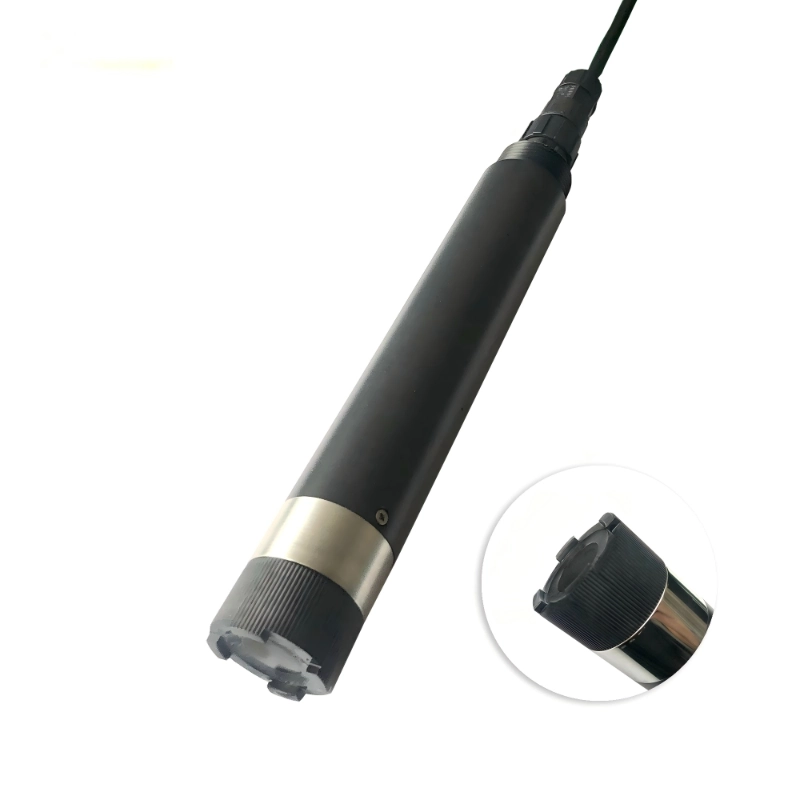
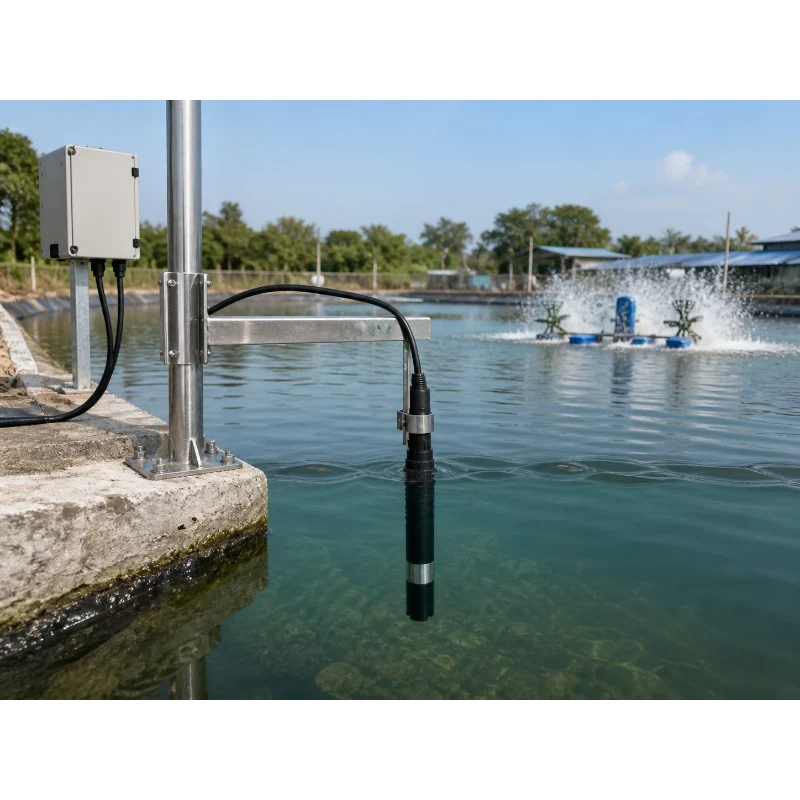
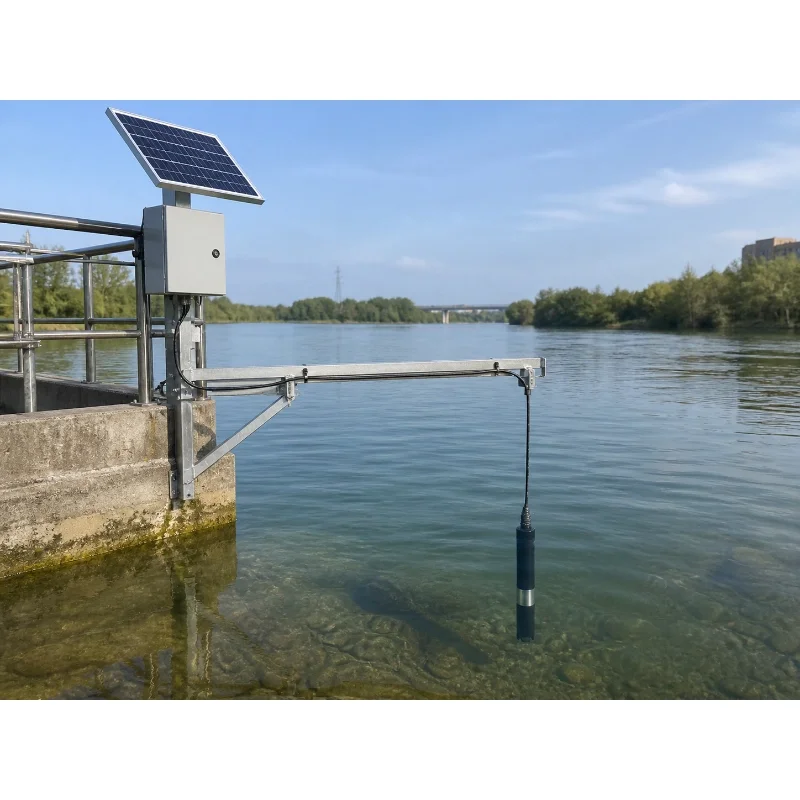
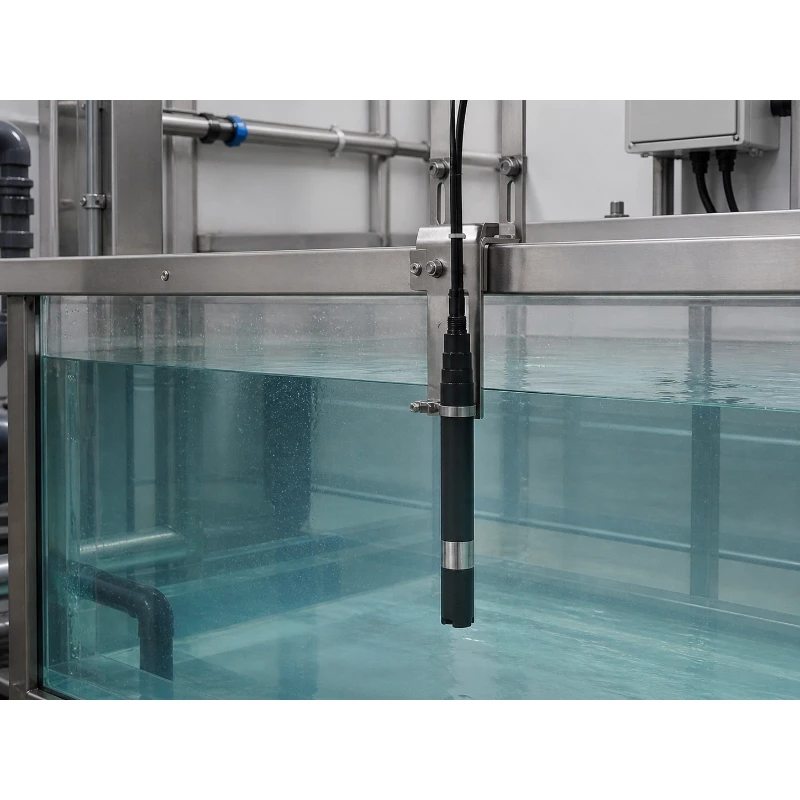
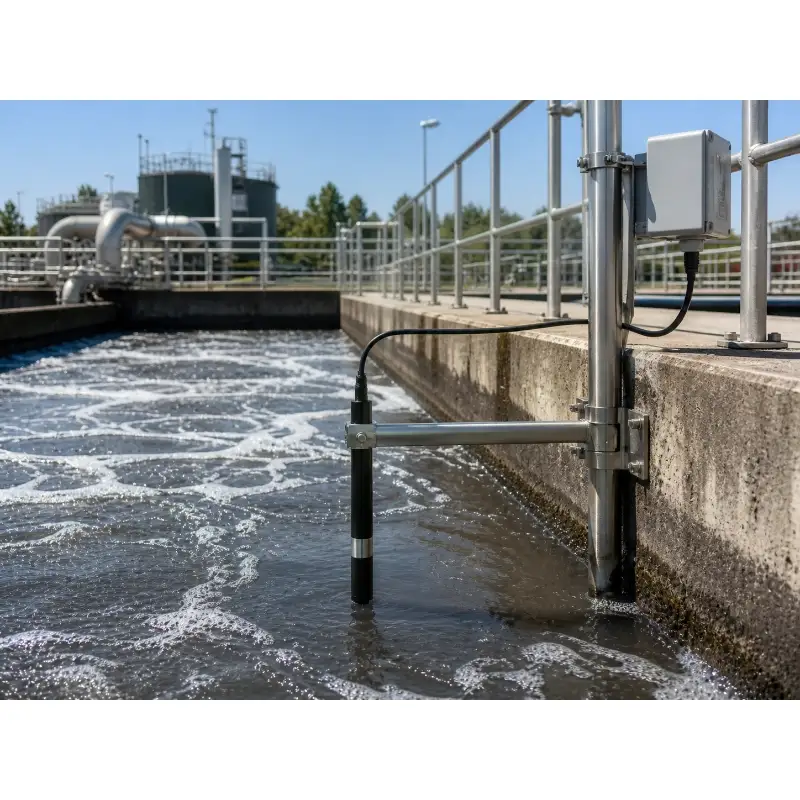
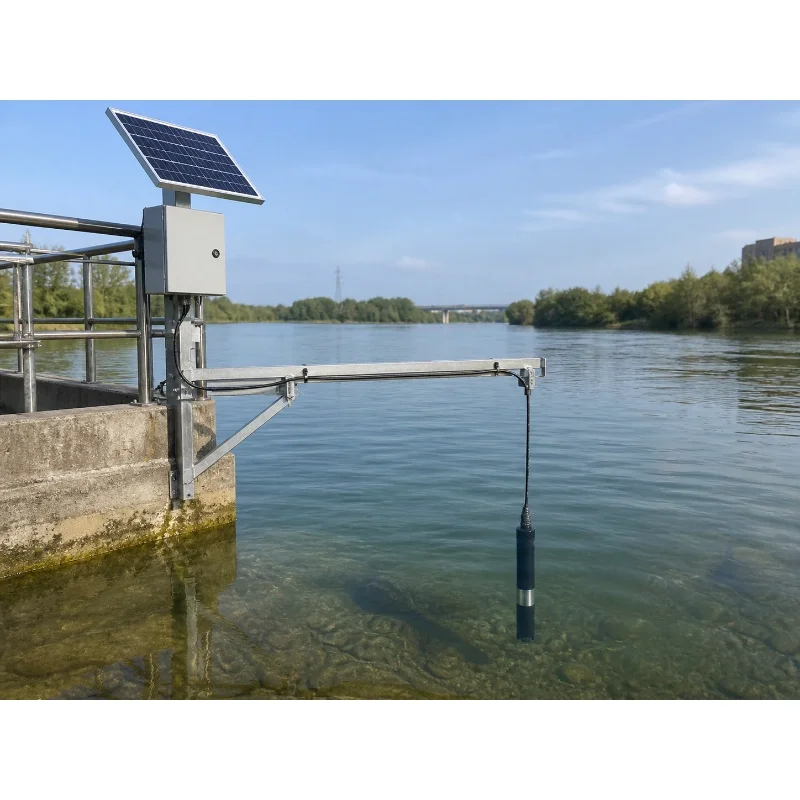
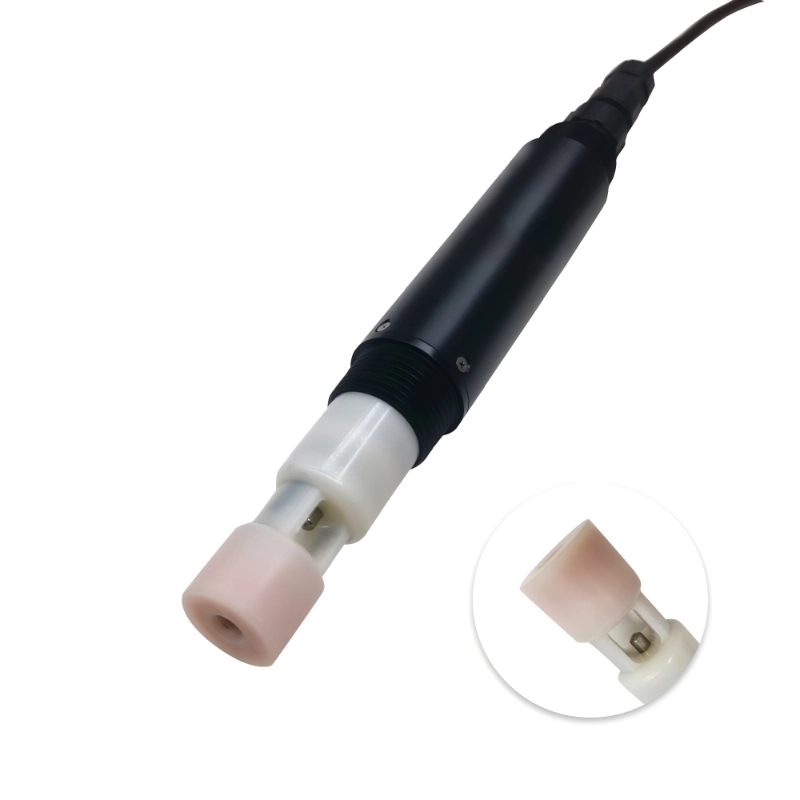
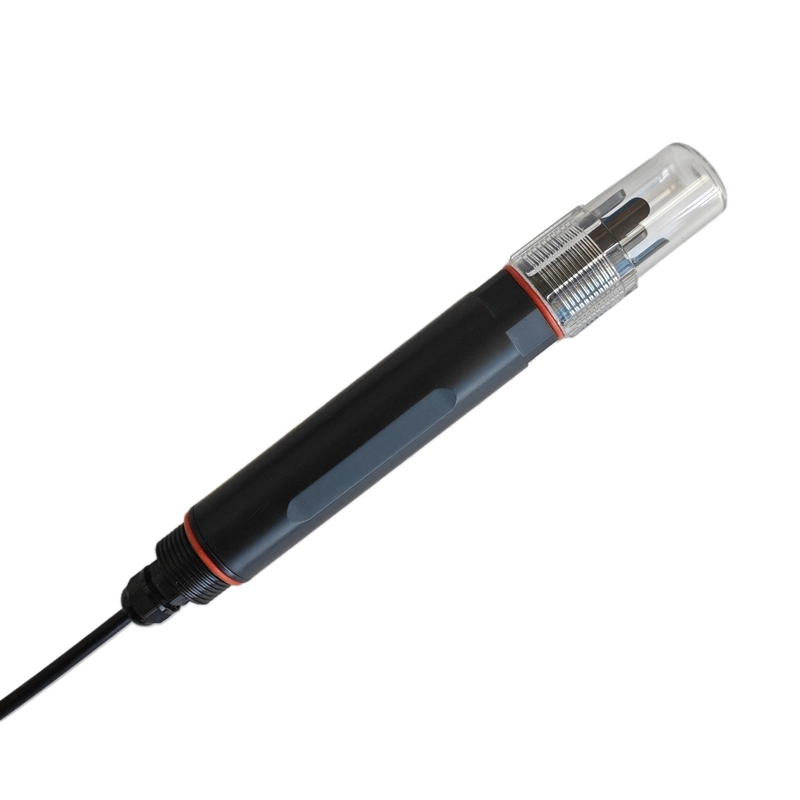
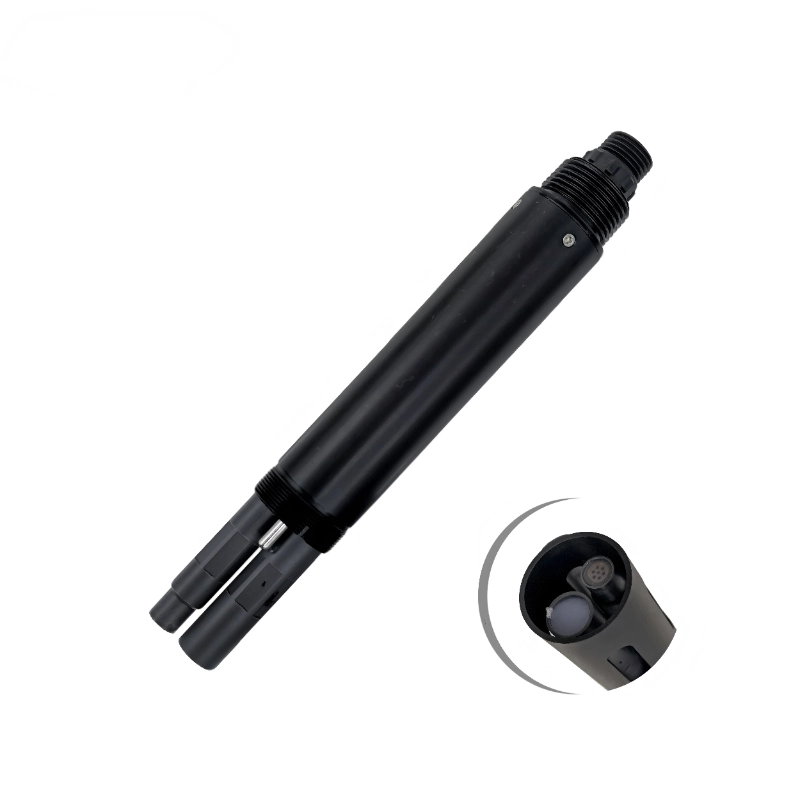
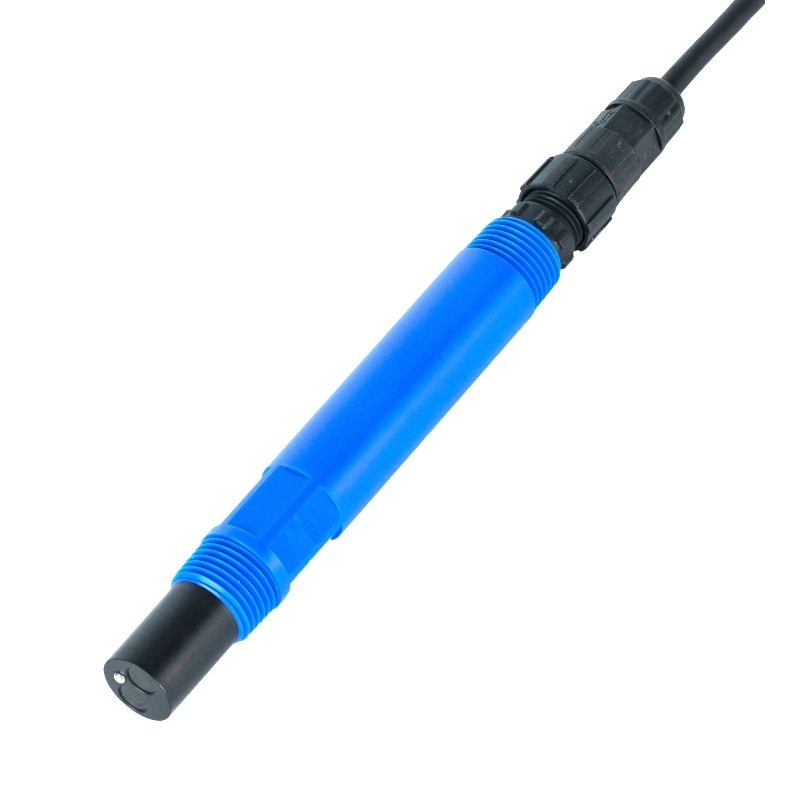
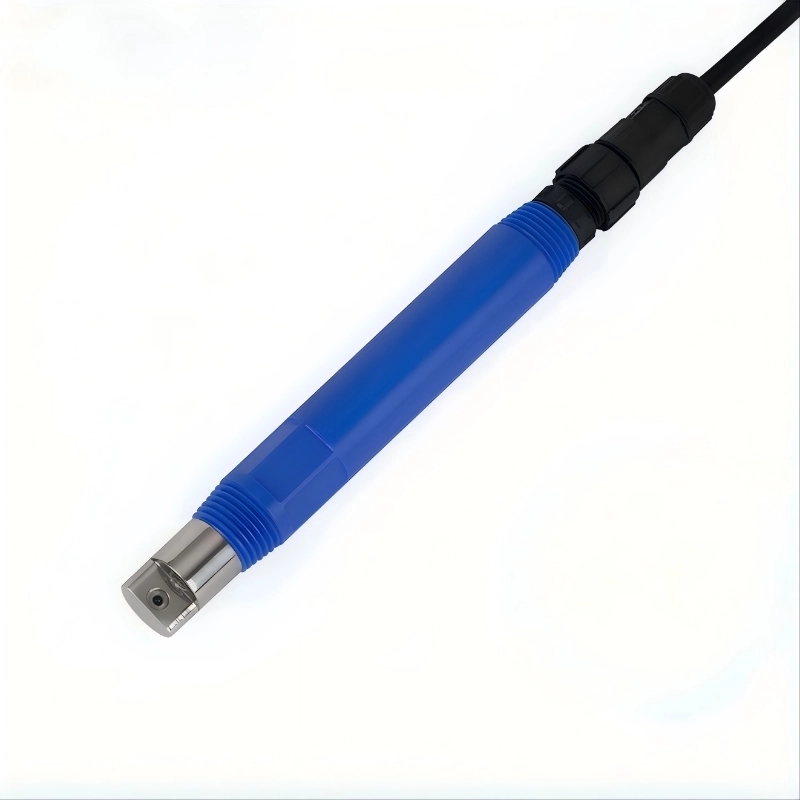
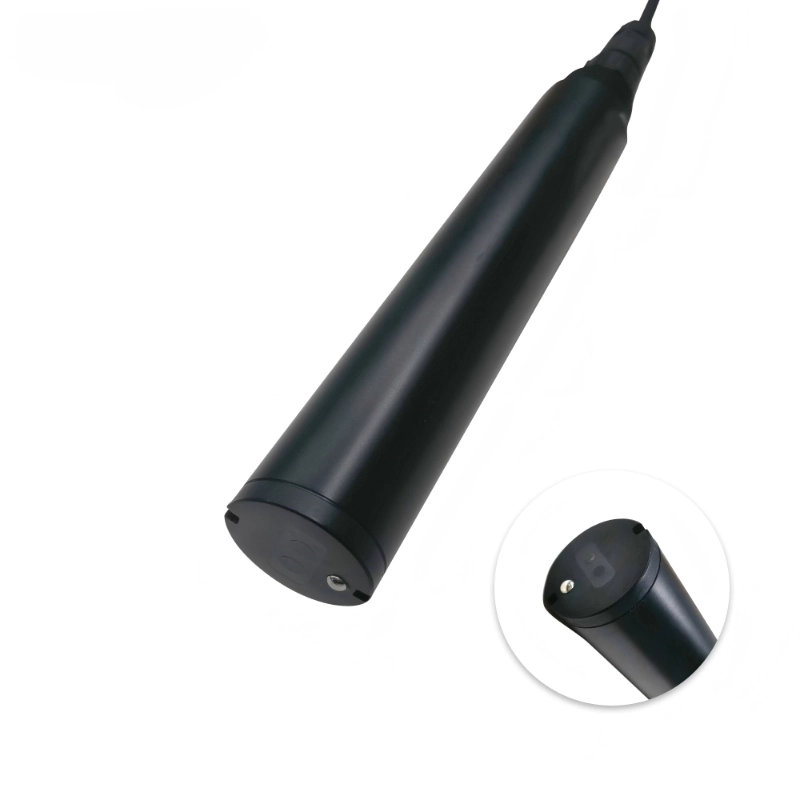
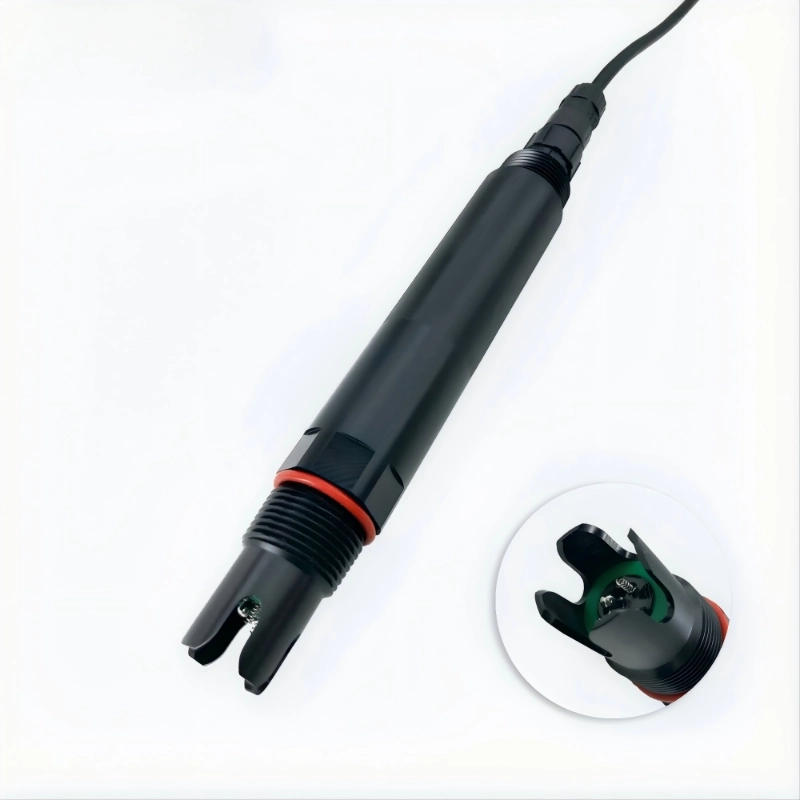
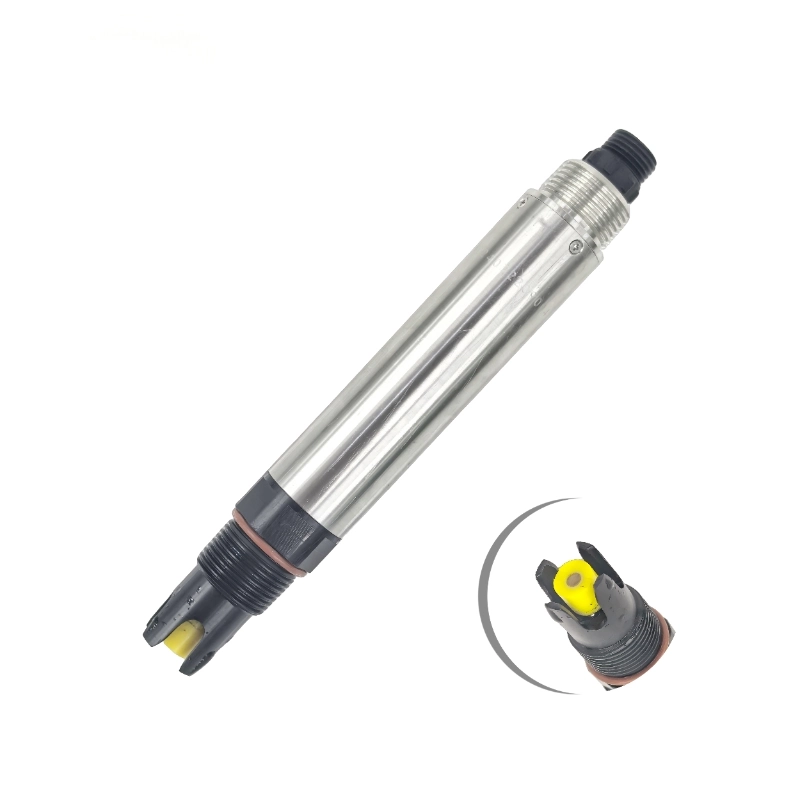
JW-RDO-206(K01) optical dissolved oxygen sensor is designed for continuous DO measurement in aquaculture, wastewater treatment, surface water monitoring, environmental stations, and industrial water quality systems. Based on fluorescence quenching technology, it delivers stable dissolved oxygen readings without electrolyte replacement, oxygen consumption, or flow rate dependence.
2. Product Overview
JW-RDO-206(K01) optical dissolved oxygen sensor provides reliable online DO monitoring for water quality systems that require stable data, low maintenance, and digital communication. Unlike traditional electrochemical dissolved oxygen probes, the fluorescence-based measurement principle does not consume oxygen and does not require electrolyte replacement, making it suitable for long-term continuous monitoring.
The sensor integrates automatic temperature compensation and configurable salinity compensation to improve measurement accuracy in freshwater, aquaculture ponds, wastewater processes, and environmental monitoring stations. With RS485 Modbus RTU output, it can be connected to data loggers, PLC systems, RTUs, IoT gateways, and cloud-based water quality monitoring platforms.
Its rugged POM, ABS PC alloy, and 316L stainless steel structure supports immersion installation in demanding water environments. The IP68-rated design, low power consumption, and replaceable fluorescence cap make it a practical choice for smart aquaculture, river monitoring, sewage treatment, and industrial water management projects.
Dissolved oxygen can be monitored together with pH, temperature, conductivity, turbidity, ammonia, and COD through a multi-parameter water quality monitoring system designed for continuous field operation.
Item
Specification
Measurement Principle
Optical fluorescence method
Measuring Range
0–20.00 mg/L 0–200% saturation
Resolution
0.01 mg/L 0.1°C
Accuracy
±2% ±0.3°C
Response Time
T90 less than 30s
Minimum Detection Limit
0.08 mg/L
Temperature Compensation
Automatic Pt1000 compensation
Salinity Compensation
Configurable salinity compensation
Output
RS485 Modbus RTU
Power Supply
12–24V DC
Power Consumption
0.2W at 12V
Protection Rating
IP68
Working Condition
0–50°C ≤0.2MPa
Installation
Immersion installation 3/4 NPT
Cable Length
5 m standard customizable
Fluorescence Cap Life
1 year under normal use
Housing Material
POM ABS PC alloy 316L stainless steel
3. Application Scenarios
Aquaculture pond dissolved oxygen monitoring
Wastewater treatment aeration control
River and lake water quality monitoring
Smart water quality monitoring stations
Industrial process water monitoring
Environmental protection monitoring projects
Fish farm and shrimp pond oxygen monitoring
Online water quality telemetry systems
FAQ
Q
1. What is an optical dissolved oxygen sensor used for?
A
An optical dissolved oxygen sensor is used to measure DO levels in water for aquaculture, wastewater treatment, environmental monitoring, and industrial water quality systems.
Q
2. Does this dissolved oxygen sensor need electrolyte replacement?
A
No. The sensor uses optical fluorescence technology, so it does not require electrolyte replacement and does not need polarization before measurement.
Q
3. Can this sensor be used in aquaculture ponds?
A
Yes. It is suitable for fish ponds, shrimp ponds, recirculating aquaculture systems, and other smart aquaculture DO monitoring applications.
Q
4. Does JW-IoT support RS485 Modbus integration for this DO sensor?
A
Yes. JW-IoT can integrate RS485 Modbus RTU dissolved oxygen sensors into data loggers, IoT gateways, cloud platforms, and water quality monitoring systems.
Q
5. Is the sensor suitable for long-term immersion installation?
A
Yes. The IP68-rated design and 3/4 NPT immersion installation make it suitable for continuous online water monitoring.
Q
6. How often should the fluorescence cap be replaced?
A
Under normal use, the fluorescence cap is recommended to be replaced about once per year.
Q
7. Can JW-IoT provide this sensor for smart aquaculture projects?
A
Yes. JW-IoT can supply dissolved oxygen sensors as part of smart aquaculture monitoring solutions, including DO monitoring, data transmission, alarms, and platform integration.
Q
8. Does the sensor support temperature compensation?
A
Yes. It has built-in automatic temperature compensation using a Pt1000 temperature sensor.
Q
9. Why choose an optical DO sensor instead of an electrochemical DO probe?
A
Optical DO sensors require less maintenance, do not consume oxygen, are less affected by flow rate, and are better suited for long-term online monitoring.
 +86 13520127780
  info@jingelway.com