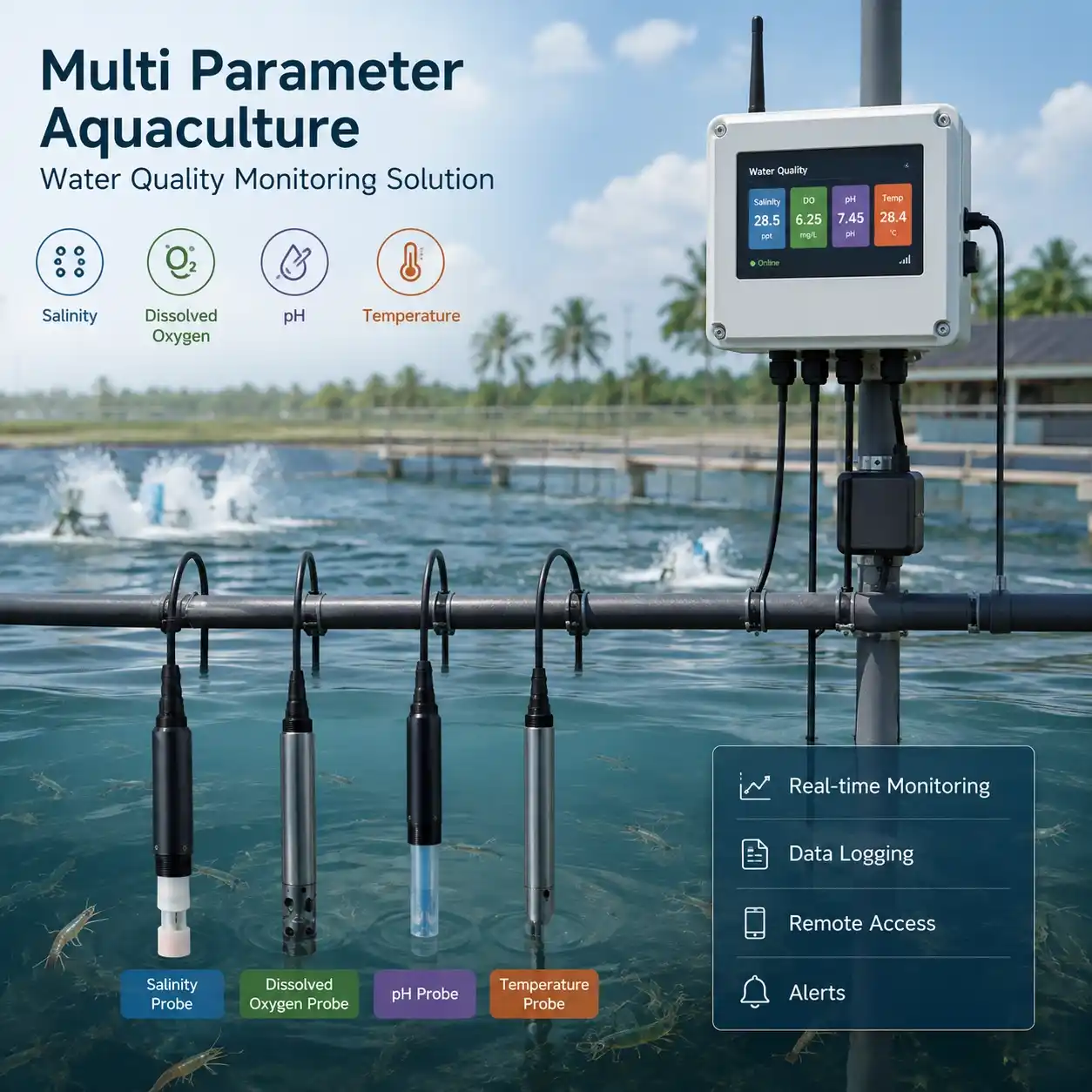
Stable salinity control is one of the key factors for successful aquaculture operations.
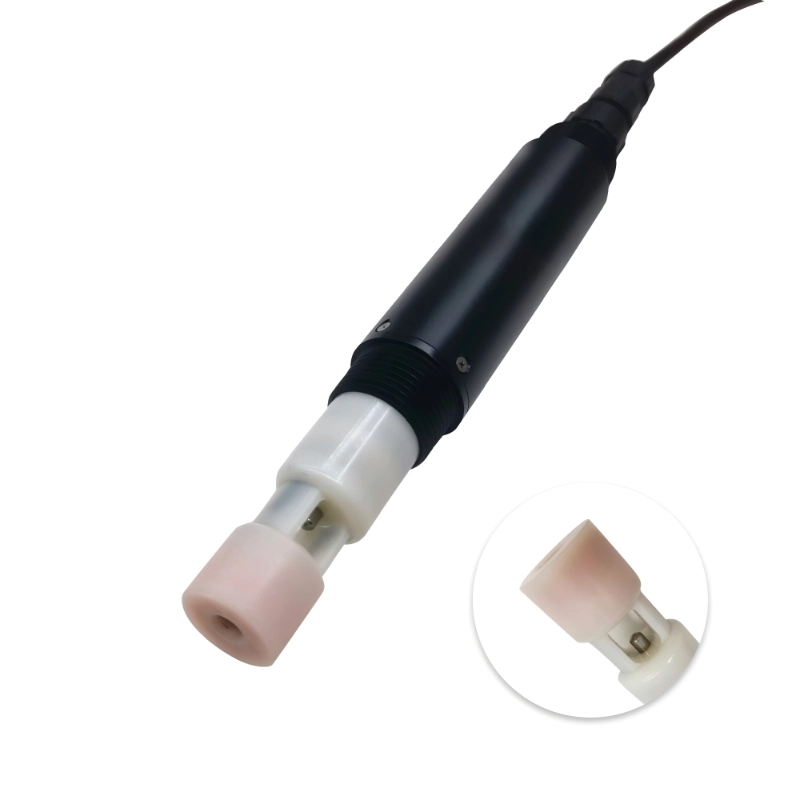
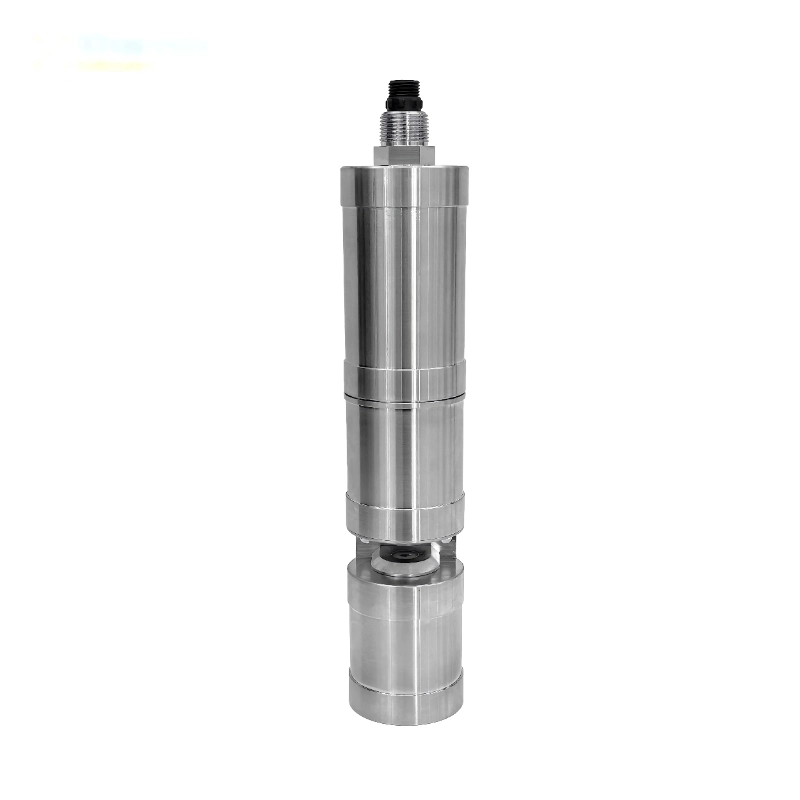
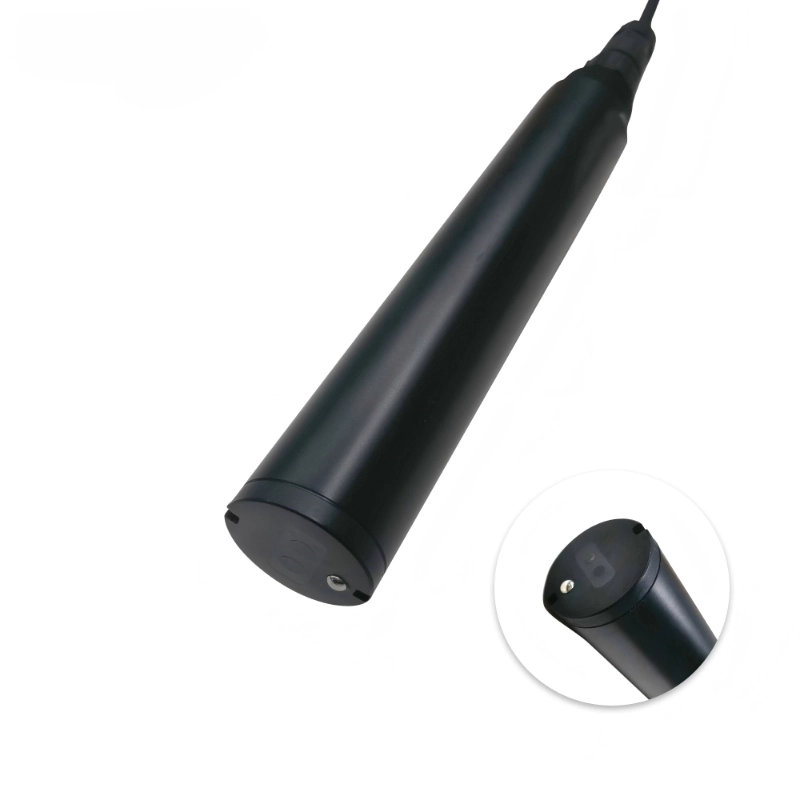
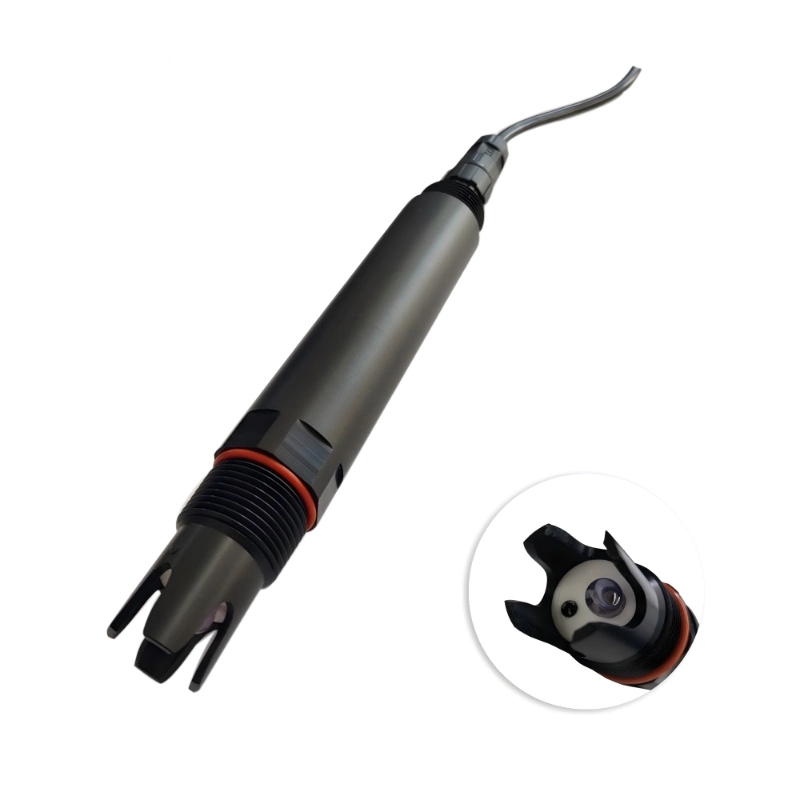
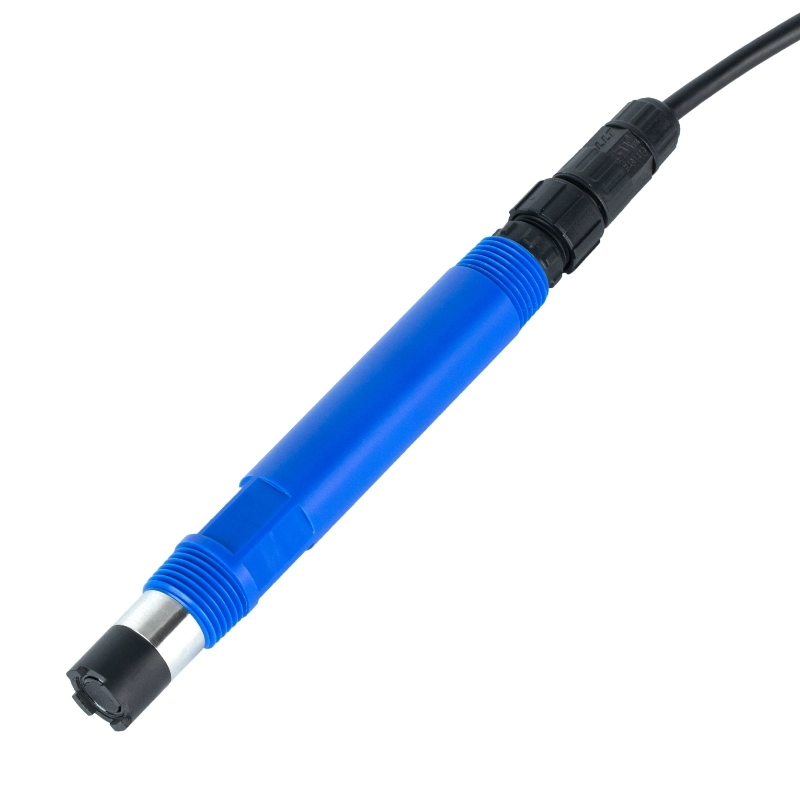
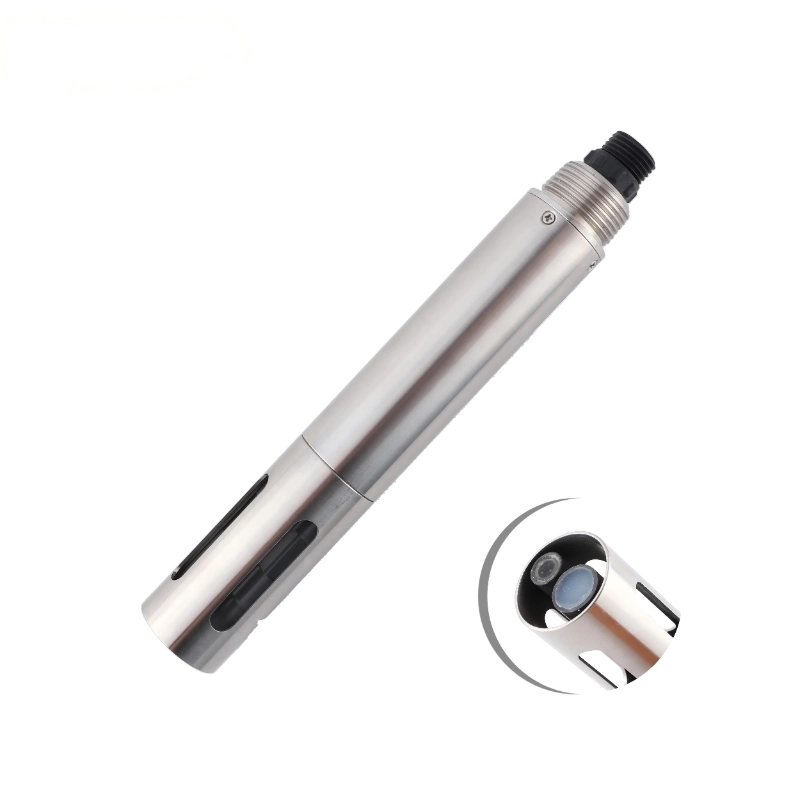
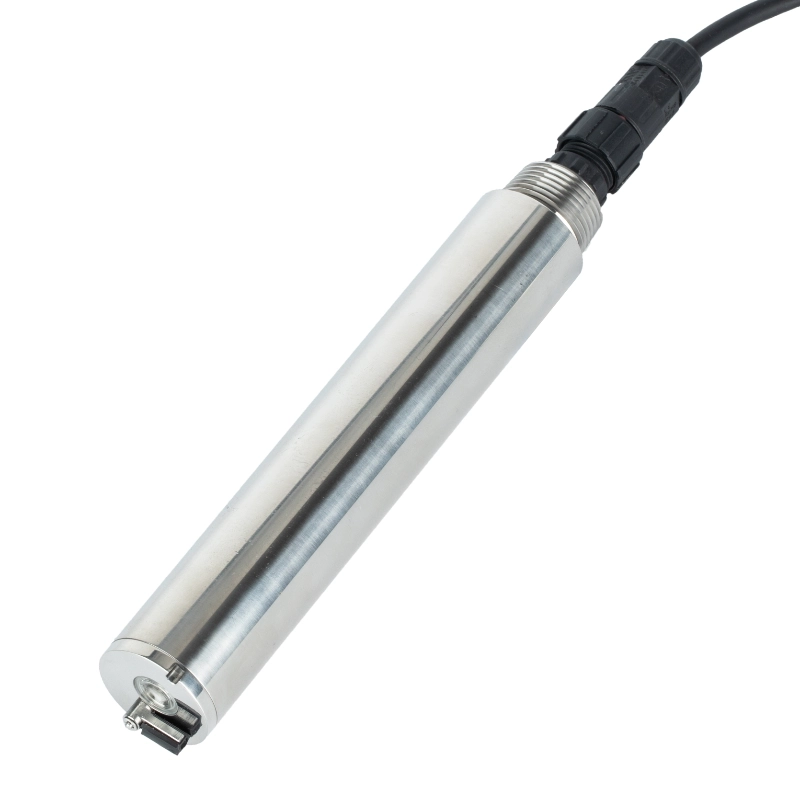
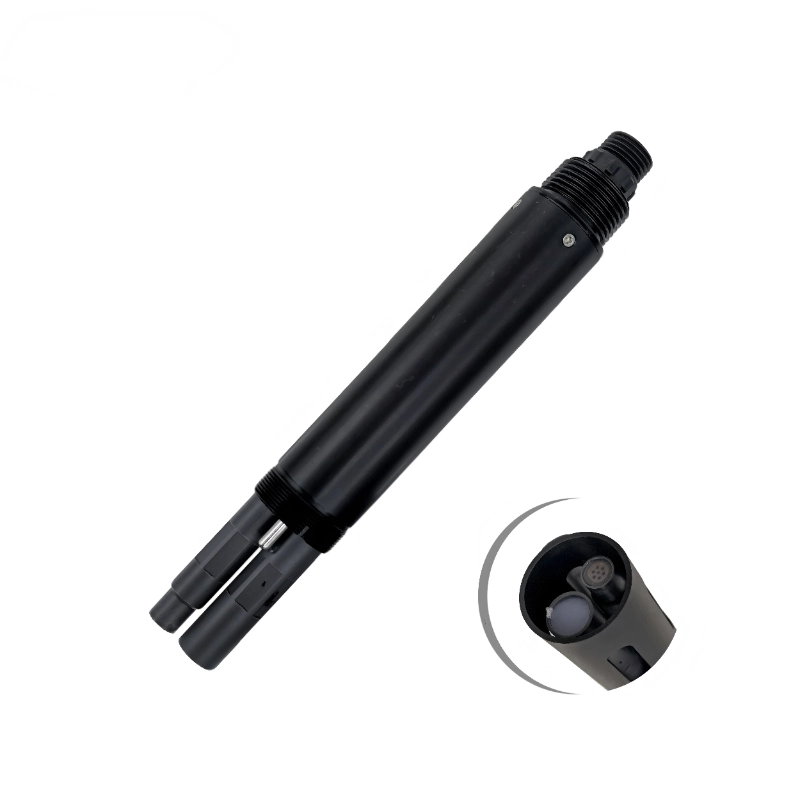
JW-DDM-206(K14) salinity probe is designed for continuous salinity monitoring in shrimp farms, fish farms, marine aquaculture systems and water treatment applications.
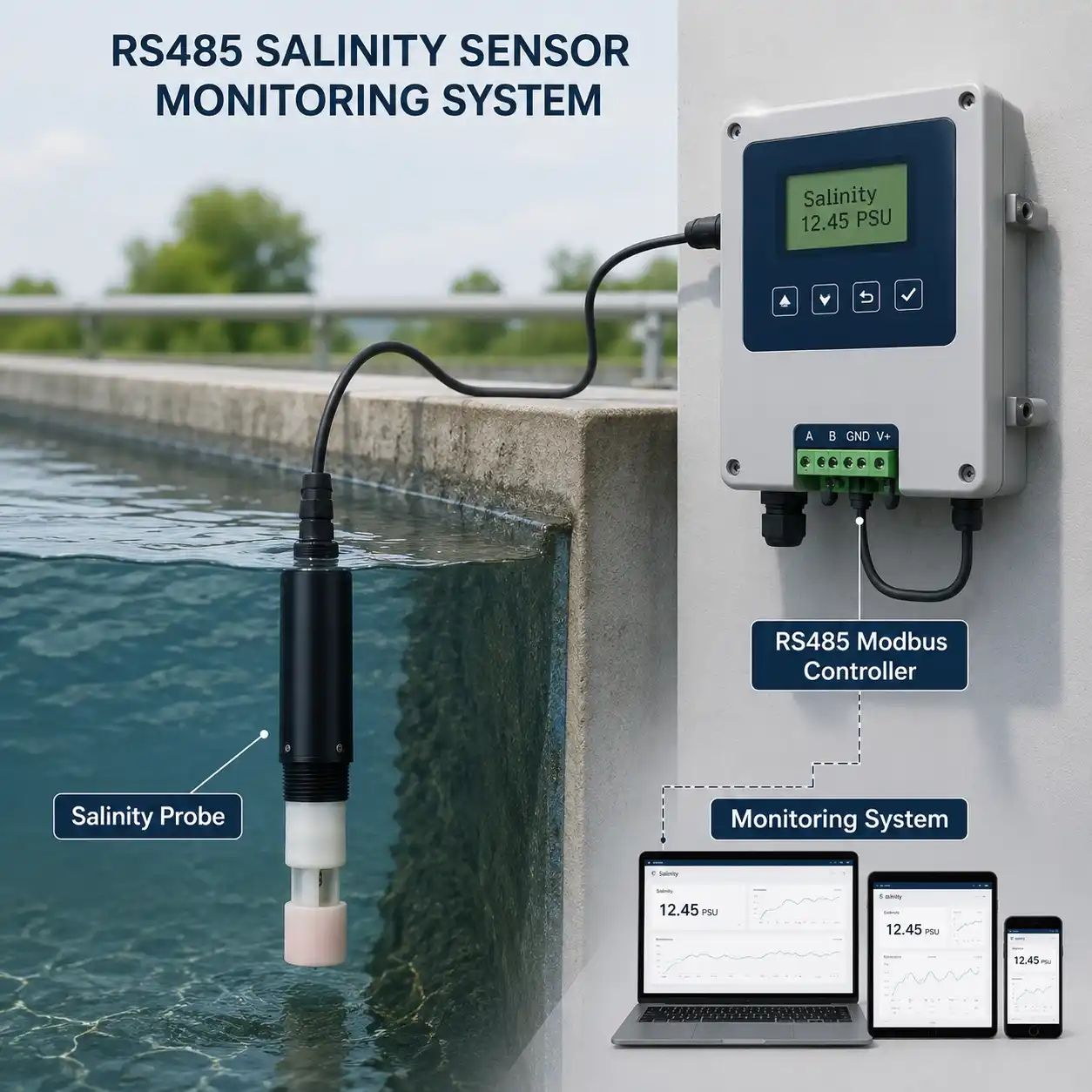
The sensor measures salt concentration changes in water and provides reliable data for smart aquaculture management. Combined with IoT data loggers, RS485 Modbus communication and cloud monitoring platforms, it enables real-time remote water quality monitoring.
The salinity sensor is suitable for:
Shrimp pond monitoring
Fish farming
Recirculating aquaculture systems (RAS)
Coastal aquaculture
Water quality monitoring projects
For system integrators and distributors, JW-IoT provides flexible configurations, communication options and OEM solutions.
Technical Specification
Item
Specification
Product Type
Online Salinity Sensor
Measurement Principle
Electrode method
Salinity Range
0 to 70.0 PSU
Resolution
0.1 PSU
Accuracy
±1.5% of reading
Temperature Compensation
Automatic temperature compensation with Pt1000
Response Time
T90 less than 30 seconds
Minimum Detection Limit
0.1 PSU
Calibration Method
Two-point calibration
Output Signal
RS485 Modbus RTU
Working Temperature
0 to 50°C
Working Pressure
Less than 0.6 MPa
Storage Temperature
-5 to 65°C
Power Supply
12 to 24V DC
Power Consumption
0.2W at 12V
Protection Grade
IP68
Housing Material
ABS and POM
Installation Method
Immersion installation with 3/4 NPT thread
Cable Length
5 m standard cable customizable
Why Salinity Monitoring Is Important in Aquaculture
Maintaining Stable Salinity for Shrimp and Fish Health
Salinity directly affects the growth, metabolism and survival rate of aquatic organisms.
In shrimp farming and marine aquaculture, salinity levels may change because of:
Heavy rainfall
Water evaporation
Freshwater inflow
Water exchange
Seasonal climate variation
Sudden salinity fluctuations can create stress for shrimp and fish, reducing feeding efficiency and increasing disease risks.
A continuous aquaculture salinity sensor helps operators understand real-time water conditions and make faster management decisions.
Compared with manual sampling methods, online salinity monitoring provides:
✔ Continuous measurement ✔ Historical data recording ✔ Remote access ✔ Early abnormal condition detection ✔ Reduced manual inspection workload
Working Principle of Aquaculture Salinity Sensor
How Does a Salinity Probe Work?
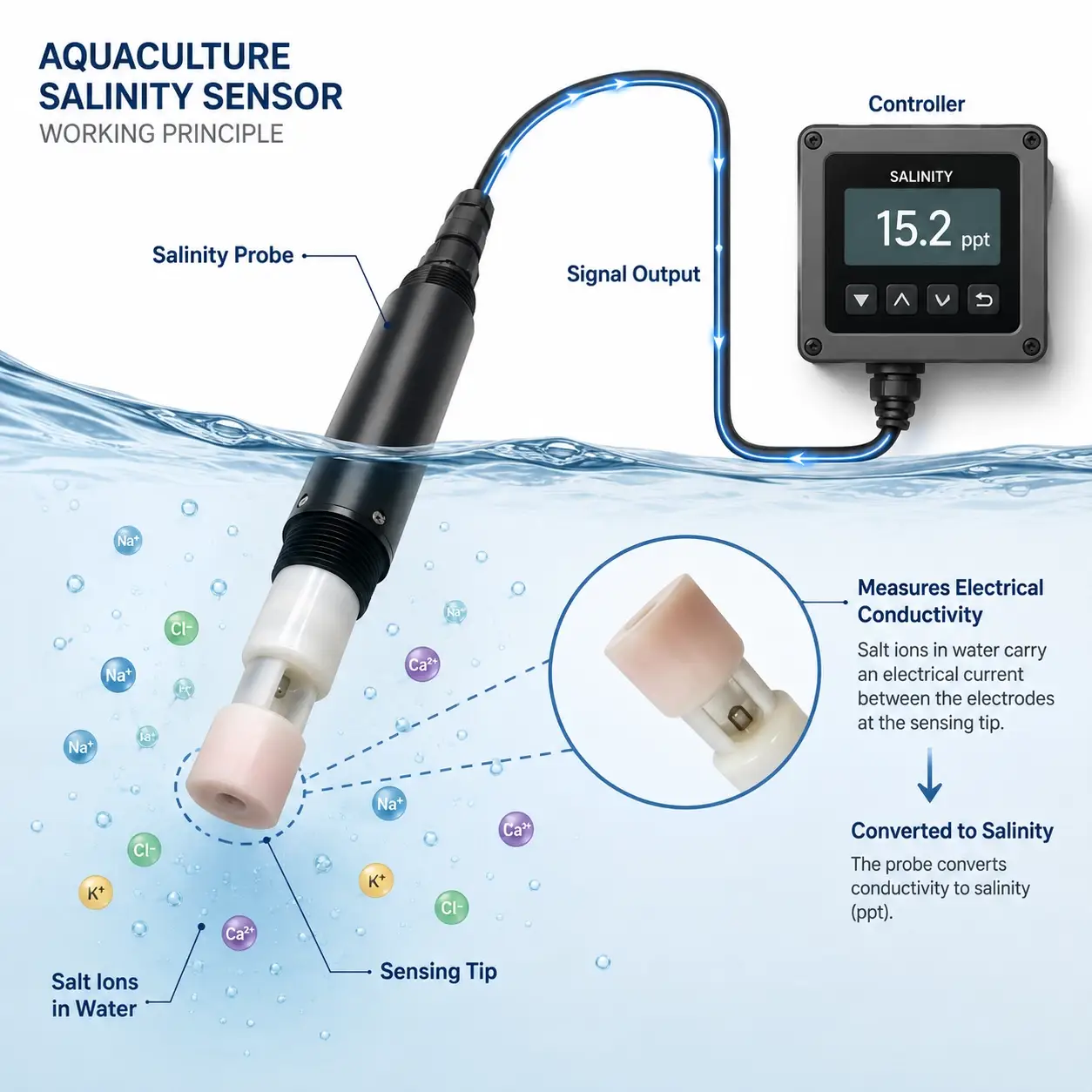
A salinity sensor measures the electrical conductivity of water.
When salt dissolves in water, ions such as:
Sodium (Na⁺)
Chloride (Cl⁻)
Potassium (K⁺)
Calcium (Ca²⁺)
increase the water’s ability to conduct electricity.
The sensing element detects conductivity changes and converts them into salinity values.
The measurement process:
Salt ions in water

↓

Electrical conductivity measurement

↓

Signal processing

↓

Salinity value output

↓

Monitoring platform display
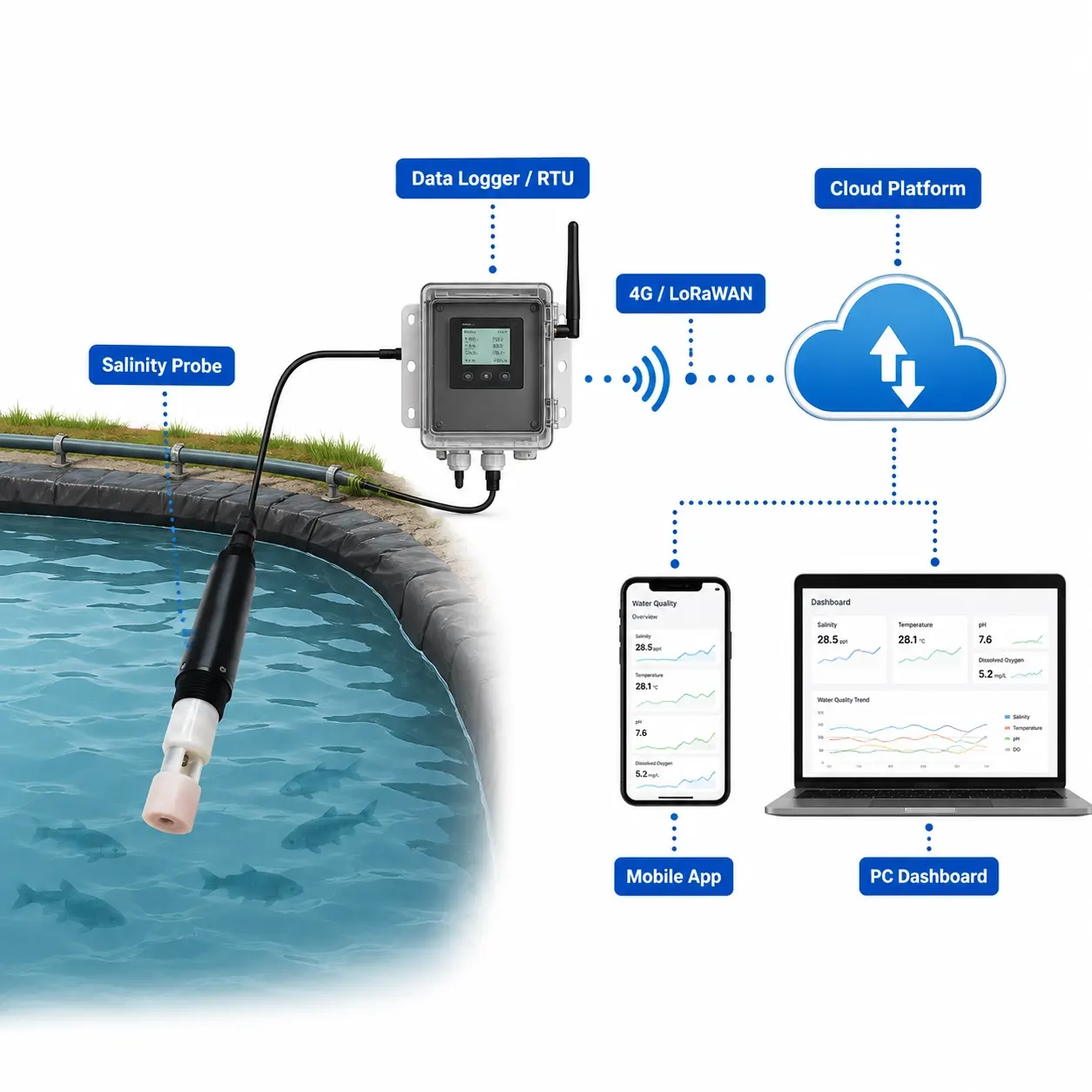
Aquaculture Salinity Monitoring System Architecture
A complete smart aquaculture monitoring system normally includes:
Salinity Probe

↓

Data Logger / RTU

↓

4G / LoRaWAN Communication

↓

Cloud Monitoring Platform

↓

Mobile Phone / PC Dashboard
Operators can remotely:
View current salinity values
Check historical trends
Set alarm thresholds
Analyze water quality changes
Applications
Shrimp Farm Salinity Monitoring
Shrimp farming requires accurate salinity management because shrimp are sensitive to environmental changes.
JW-IoT salinity probe can be used in:
Outdoor shrimp ponds
Intensive shrimp farming systems
Biofloc systems
Large commercial aquaculture farms
Fish Farm Water Quality Monitoring
Different fish species require different salinity conditions.
When selecting a salinity sensor for aquaculture projects, consider:
1. Application Environment
Different environments require different installation methods.
Consider:
Freshwater
Brackish water
Marine water
Industrial wastewater
2. Communication Method
Communication
Recommended Application
RS485 Modbus
Local industrial systems
4-20mA
Traditional control systems
4G LTE
Remote farms
LoRaWAN
Large monitoring networks
3. Integration Requirements
Large projects may require integration with:
IoT platforms
Farm management software
Automatic aeration systems
Alarm systems
FAQ
Q
1. What is an online salinity sensor used for?
A
An online salinity sensor is used to continuously measure the salt concentration of water in seawater monitoring, aquaculture, desalination, industrial water treatment, and high-salinity wastewater applications.
Q
2. What salinity range does this sensor support?
A
This sensor measures salinity from 0 to 70.0 PSU with a resolution of 0.1 PSU, making it suitable for seawater and high-salinity water monitoring.
Q
3. Can the sensor connect to a PLC or IoT platform?
A
Yes. The sensor provides RS485 Modbus RTU output, which allows connection to PLCs, DCS systems, RTUs, data loggers, and IoT monitoring platforms.
Q
4. Is this salinity sensor suitable for long-term immersion?
A
Yes. The sensor has an IP68 waterproof rating and supports immersion installation for tanks, pipelines, reservoirs, and water treatment systems.
Q
5. How does JW-IoT support salinity monitoring projects?
A
JW-IoT can integrate salinity sensors with IoT gateways, cloud dashboards, alarms, and data management systems for smart water, aquaculture, and industrial monitoring projects.
Q
6. Does the sensor include temperature compensation?
A
Yes. The sensor uses automatic temperature compensation with a Pt1000 element to improve measurement stability under changing water temperature conditions.
Q
7. Can JW-IoT provide this sensor for aquaculture applications?
A
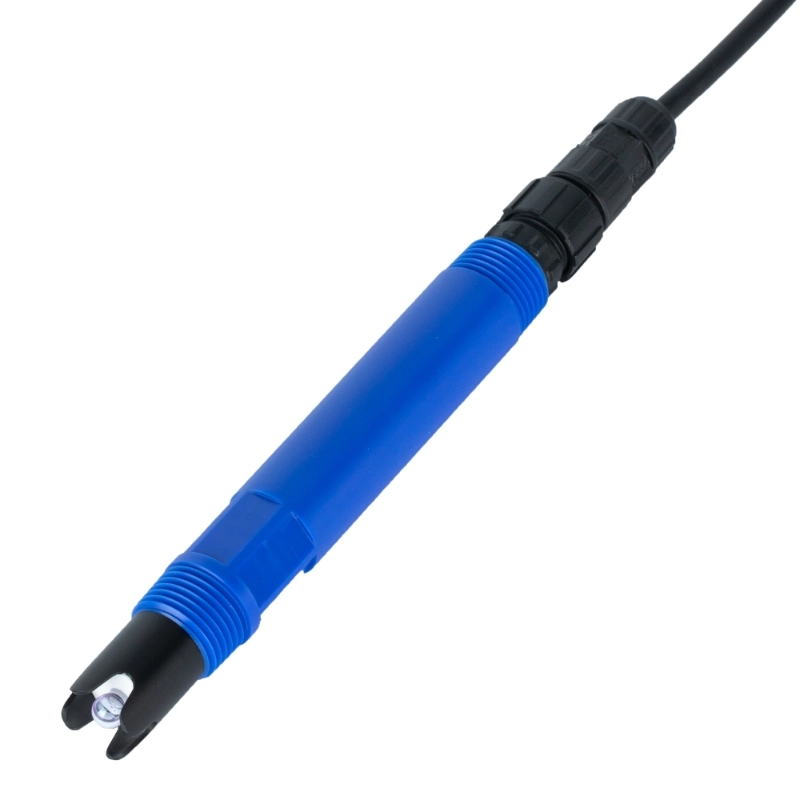
Yes. JW-IoT can provide the salinity sensor as part of a complete aquaculture water quality monitoring solution, including dissolved oxygen, pH, temperature, conductivity, and salinity monitoring.
Q
8. What installation method does the sensor use?
A
The sensor supports immersion installation and uses a 3/4 NPT threaded structure, making it suitable for submersible, pipeline, tank, and flow-cell installation.
Q
9. Can JW-IoT customize cable length or system integration?
A
Yes. JW-IoT can support customized cable length, gateway connection, Modbus data integration, and platform-based monitoring according to project requirements.
 +86 13520127780
  info@jingelway.com