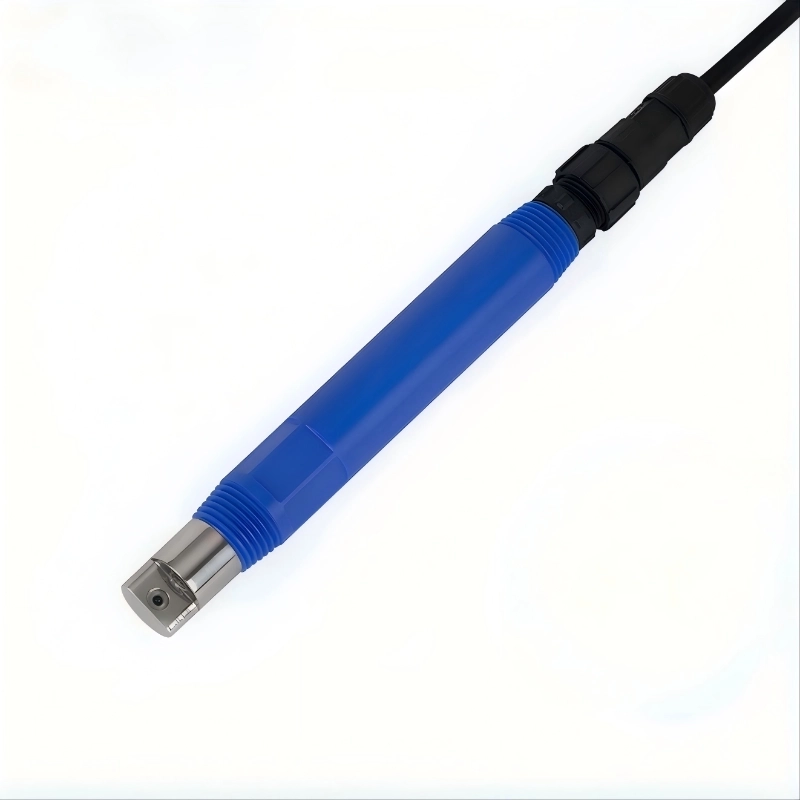
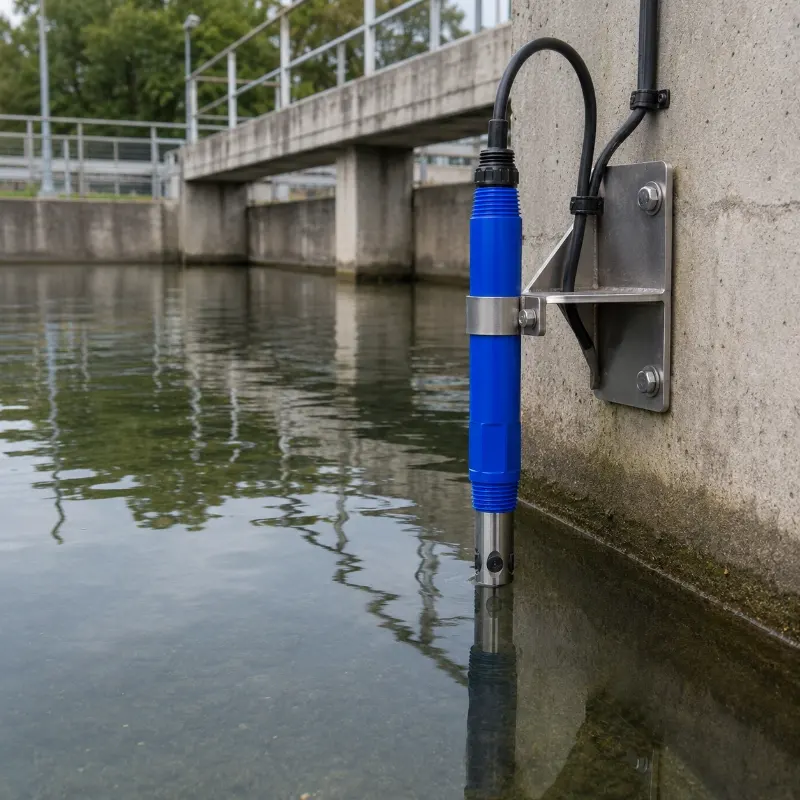
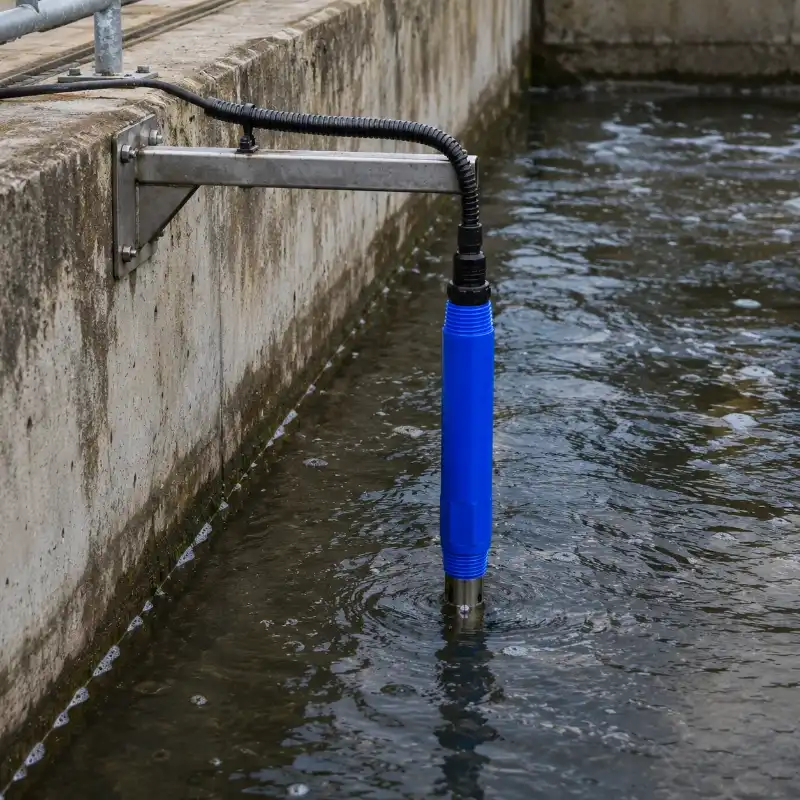
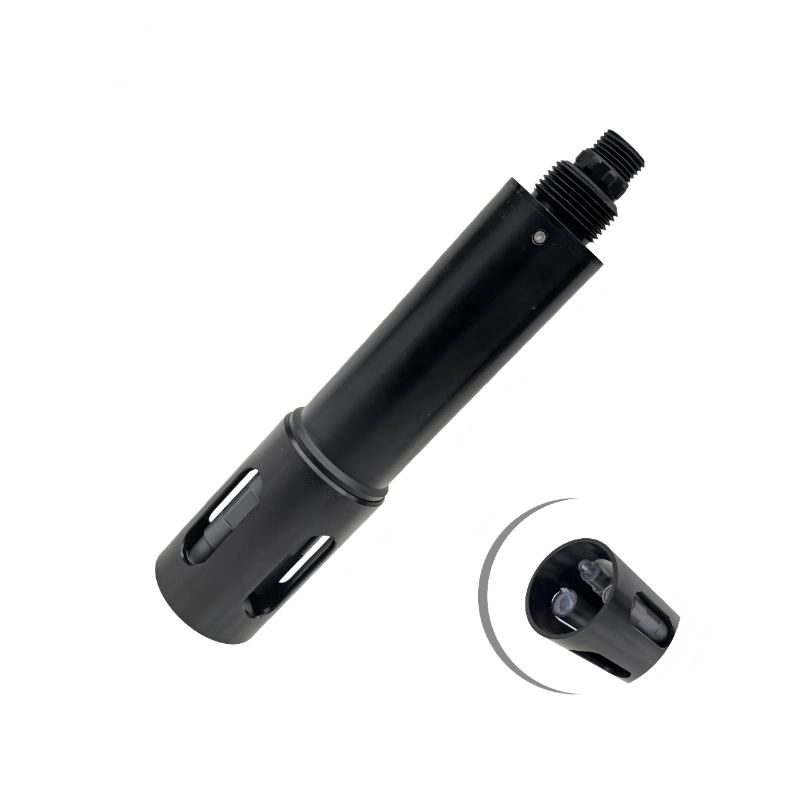
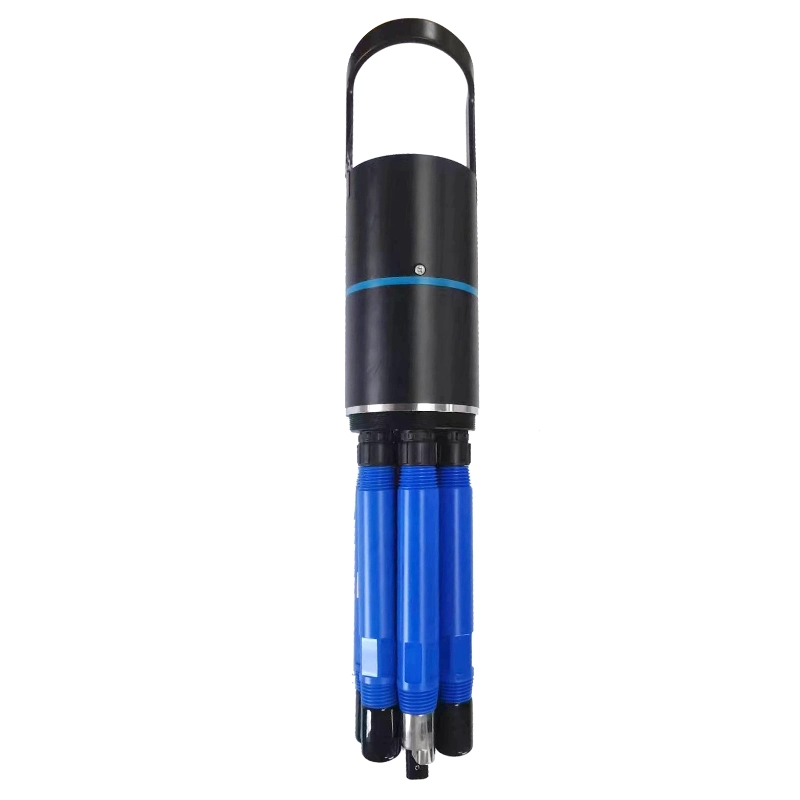
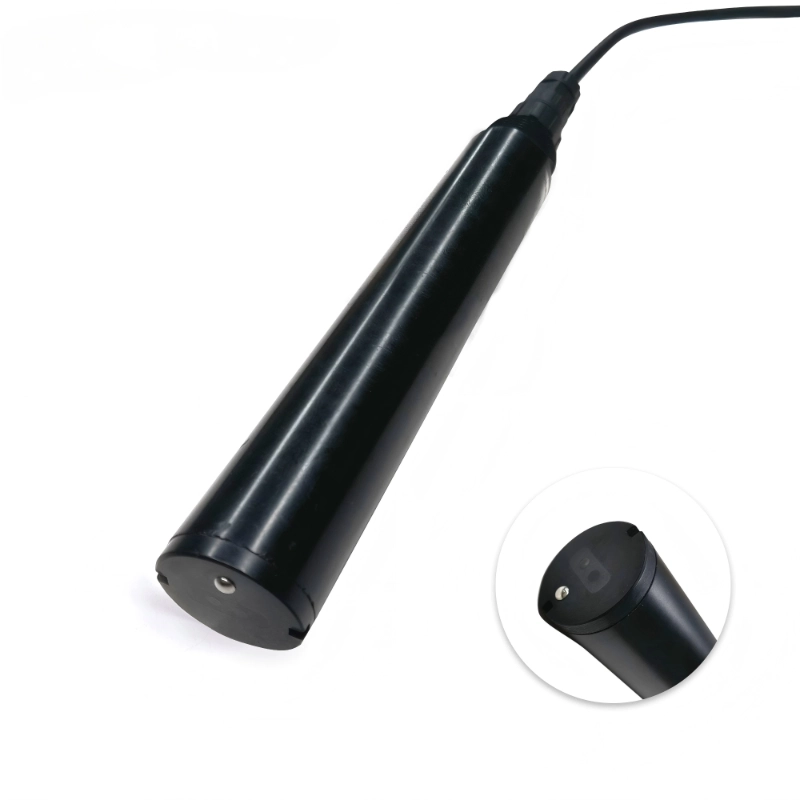
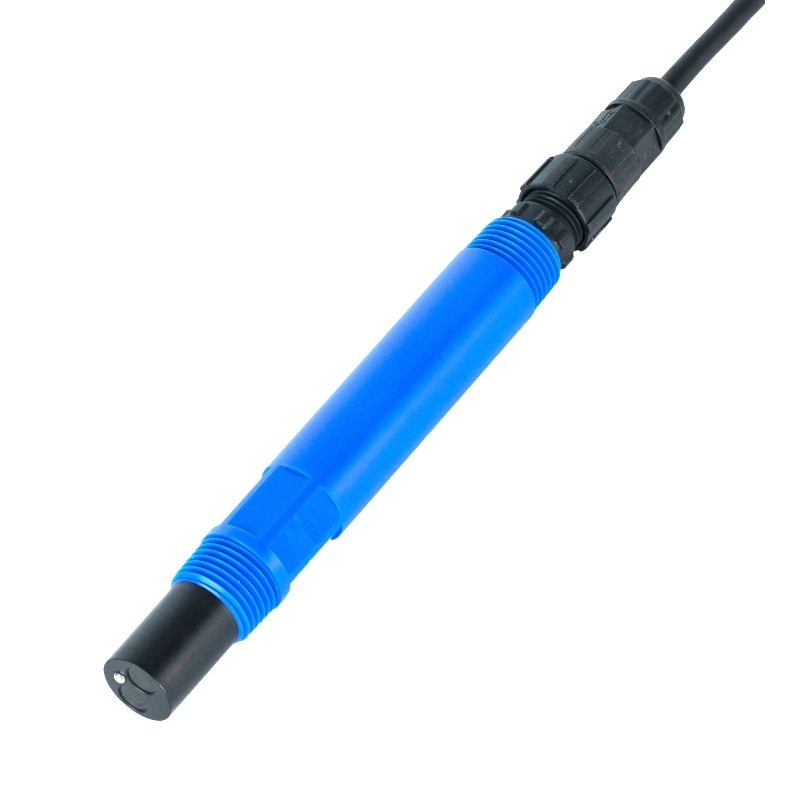
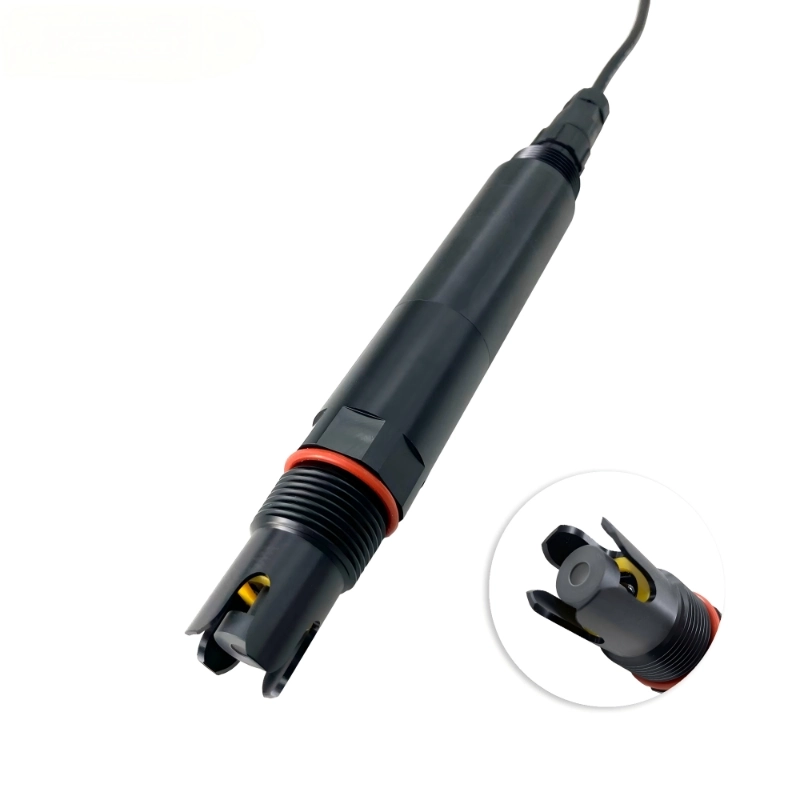
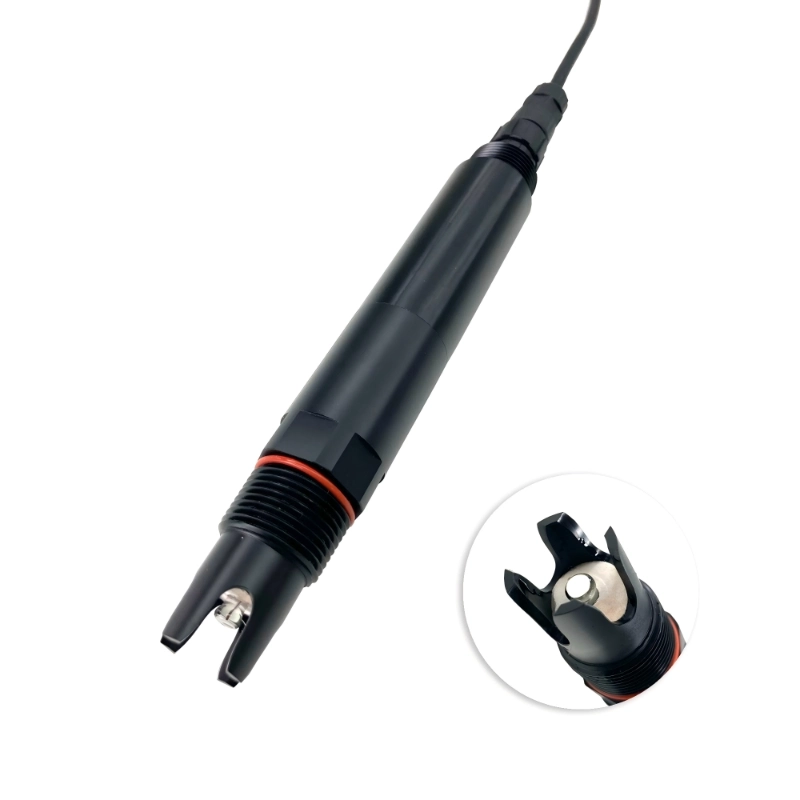
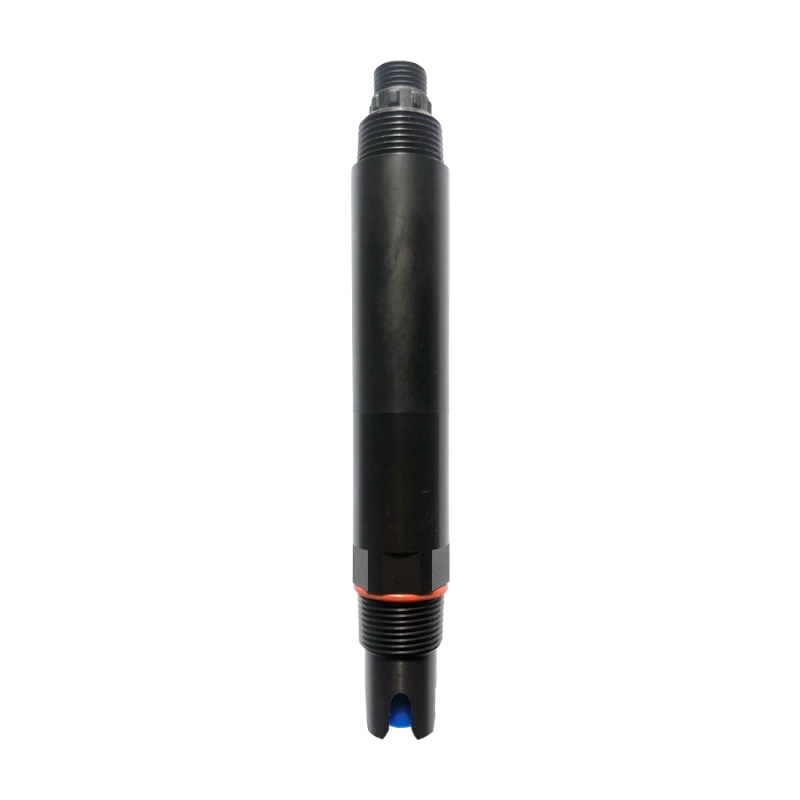
JW-iZS-306(K30)online turbidity sensor is designed for continuous turbidity monitoring in surface water, drinking water, wastewater, industrial water treatment, and environmental monitoring systems. Based on the 90 degree scattered light measurement principle, it uses an infrared LED light source and a pure quartz optical path to provide stable turbidity readings. With RS485 Modbus RTU output, IP68 waterproof protection, automatic temperature compensation, and 1/2 NPT installation, it is suitable for online water quality monitoring and IoT integration.
2. Product Overview
JW-iZS-306(K30)online turbidity sensor is an integrated digital turbidity probe designed for continuous monitoring of suspended particles and water clarity. It uses the scattered light method: when an infrared light beam enters the water sample, suspended particles scatter the light, and the sensor measures the scattered light intensity at a 90 degree angle to calculate turbidity.
The sensor is suitable for surface water monitoring, drinking water systems, wastewater treatment, industrial process water, reservoirs, rivers, lakes, and smart water quality monitoring stations. Its RS485 Modbus RTU output allows easy connection to PLCs, DCS systems, industrial computers, data loggers, wireless telemetry units, and cloud monitoring platforms.
Item
Specification
Product Type
Online Turbidity Sensor
Measurement Principle
Scattered Light Method
Measuring Range
0–1000 NTU
Resolution
0.1 NTU
Accuracy
±5% or ≤±3 NTU whichever is greater ±0.3°C
Response Time
T90 less than 30 s
Minimum Detection Limit
0.3 NTU
Calibration Method
Two Point Calibration
Temperature Compensation
Automatic Pt1000
Output Signal
RS485 Modbus RTU
Power Supply
12–24V DC
Power Consumption
0.1W at 12V
Working Conditions
0–50°C less than 0.2 MPa
Storage Temperature
-5–65°C
Installation Method
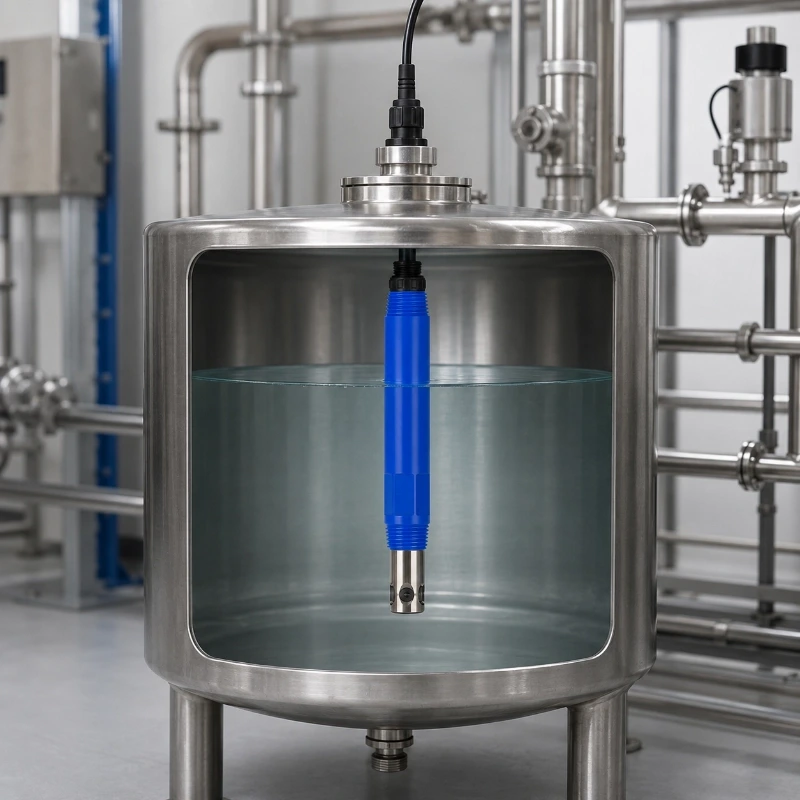
Submersible 1/2 NPT
Protection Rating
IP68
Water Depth
Within 20 m
Housing Material
POM and 316L Stainless Steel
Cable Length
5 m standard customizable
3. Application Scenarios
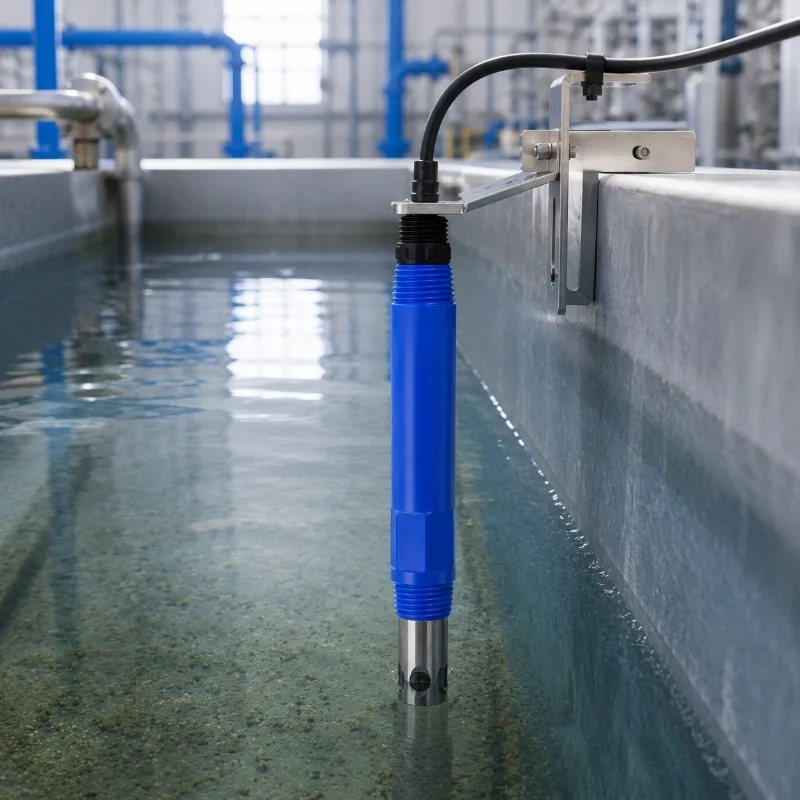
Surface Water Monitoring: Used for online turbidity monitoring in rivers, lakes, reservoirs, canals, and environmental water quality stations.
Drinking Water Treatment: Suitable for turbidity control in raw water intake, filtration systems, clear water tanks, and municipal water supply monitoring.
Wastewater Treatment: Can be installed in sedimentation tanks, discharge outlets, treatment basins, and industrial effluent monitoring points.
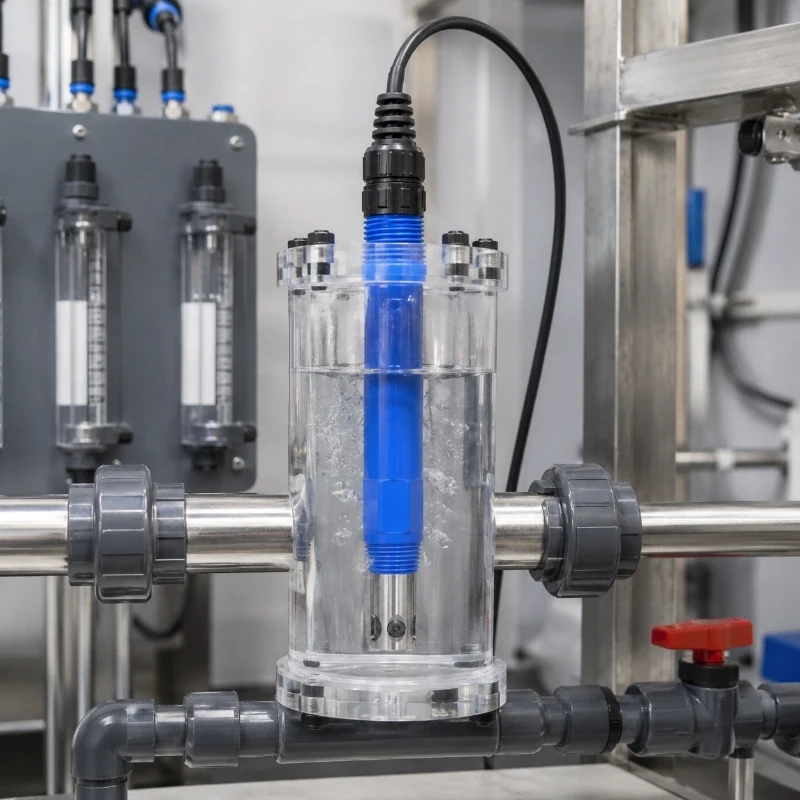
Industrial Water Treatment: Supports turbidity monitoring in process water, circulating water, cooling water, and industrial filtration systems.
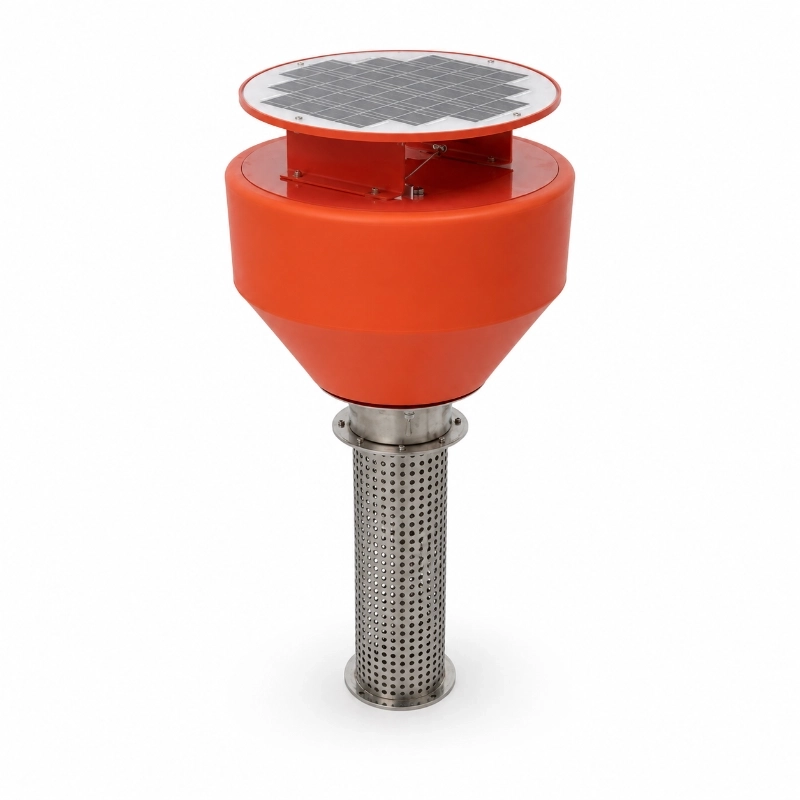
Smart Water Quality Systems: RS485 Modbus RTU output makes the sensor easy to integrate with data acquisition units, telemetry terminals, solar powered monitoring stations, and cloud based IoT water platforms.
4. Installation Notes
During installation, keep the turbidity sensor at least 5 cm away from the side wall and at least 10 cm away from the bottom to reduce optical interference and prevent sediment from affecting the measurement window.
For long term operation in water, seawater, wastewater, or humid outdoor environments, all wiring joints should be waterproofed. The user side cable should also have corrosion resistant protection. Before power on, check the wiring sequence carefully to avoid damage caused by incorrect wiring.
5. Maintenance Notes
The cleanliness of the optical measurement window is very important for accurate turbidity readings. Clean the outer surface of the sensor with tap water. If debris remains, wipe it gently with a wet soft cloth. For stubborn dirt, a small amount of household detergent may be added to tap water for cleaning.
Check the sensor cable regularly. During normal operation, the cable should not be stretched tightly, otherwise the internal wire may break and cause abnormal sensor operation. Also check whether the measurement window is dirty and whether the cleaning condition is normal.
6. Integration Into Water Quality Monitoring Systems
Turbidity data becomes more useful when analyzed together with pH, conductivity, dissolved oxygen, temperature, and other water quality indicators. The sensor can be integrated into a real-time water quality monitoring solution with data logging, cloud visualization, and alarms.
FAQ
Q
1. What is this online turbidity sensor used for?
A
It is used for continuous turbidity monitoring in surface water, drinking water, wastewater treatment, industrial water treatment, and environmental monitoring systems.
Q
2. What is the measuring range of the turbidity sensor?
A
The sensor measures turbidity from 0 to 1000 NTU with 0.1 NTU resolution.
Q
3. What measurement principle does the sensor use?
A
It uses the 90 degree scattered light method with an infrared LED light source to detect turbidity in water.
Q
4. Can JW-IoT supply this turbidity sensor for wastewater monitoring projects?
A
Yes. JW-IoT can supply online turbidity sensors for wastewater treatment plants, discharge monitoring, and industrial effluent monitoring systems.
Q
5. Does the sensor support RS485 communication?
A
Yes. The sensor supports RS485 output with Modbus RTU protocol for integration with PLCs, DCS systems, data loggers, and IoT platforms.
Q
6. Is the turbidity sensor suitable for submerged installation?
A
Yes. It has an IP68 protection rating and supports submerged installation with a 1/2 NPT threaded interface.
Q
7. Can JW-IoT integrate this turbidity probe into a cloud monitoring system?
A
Yes. JW-IoT can integrate the sensor with telemetry terminals, wireless gateways, solar power systems, and cloud based water quality monitoring platforms.
Q
8. What installation distance should be maintained?
A
Keep the sensor at least 5 cm from the side wall and at least 10 cm from the bottom to reduce interference and sediment impact.
Q
9. How should the turbidity sensor be maintained?
A
Keep the optical measurement window clean, rinse the sensor surface with water, wipe gently with a soft cloth when needed, and avoid mechanical impact on the optical components.
 +86 13520127780
  info@jingelway.com