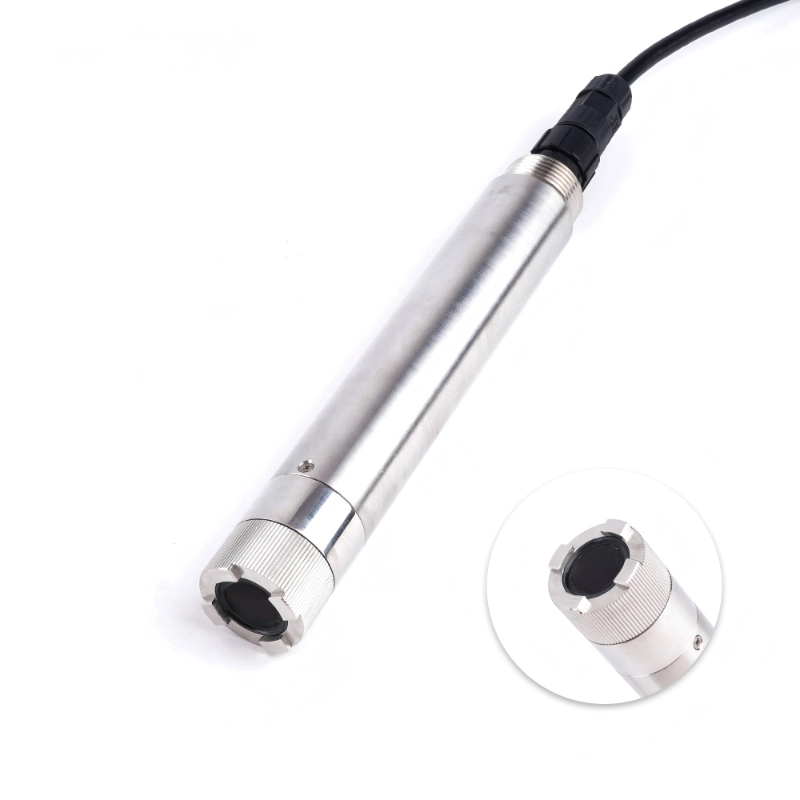
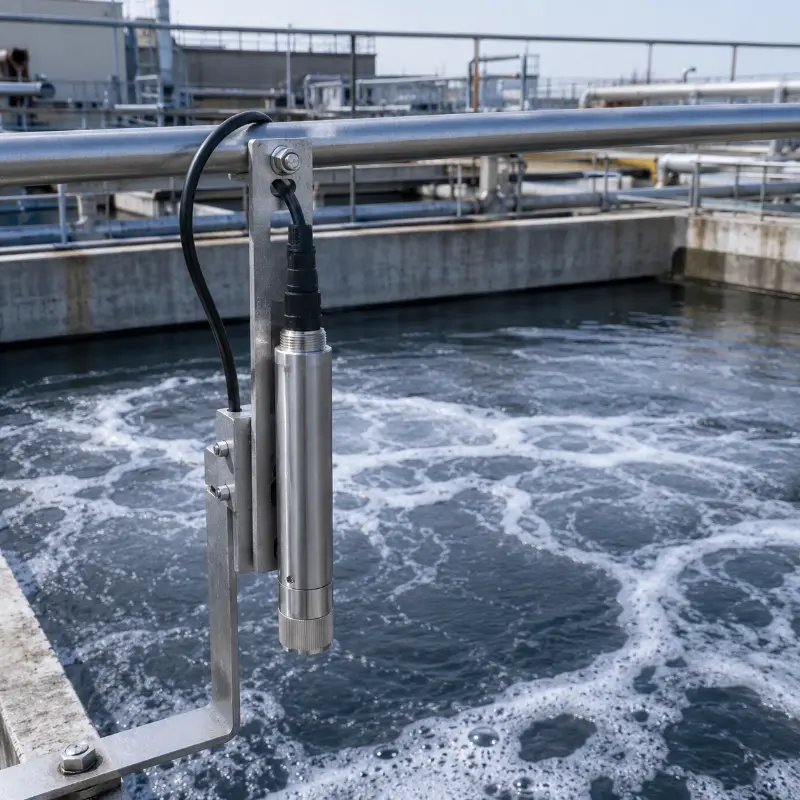
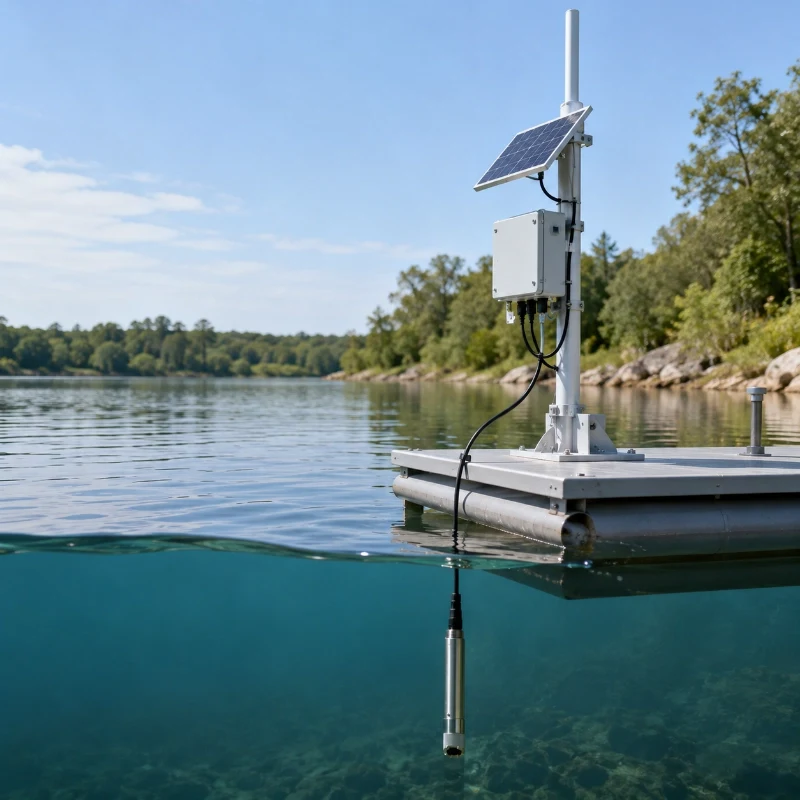
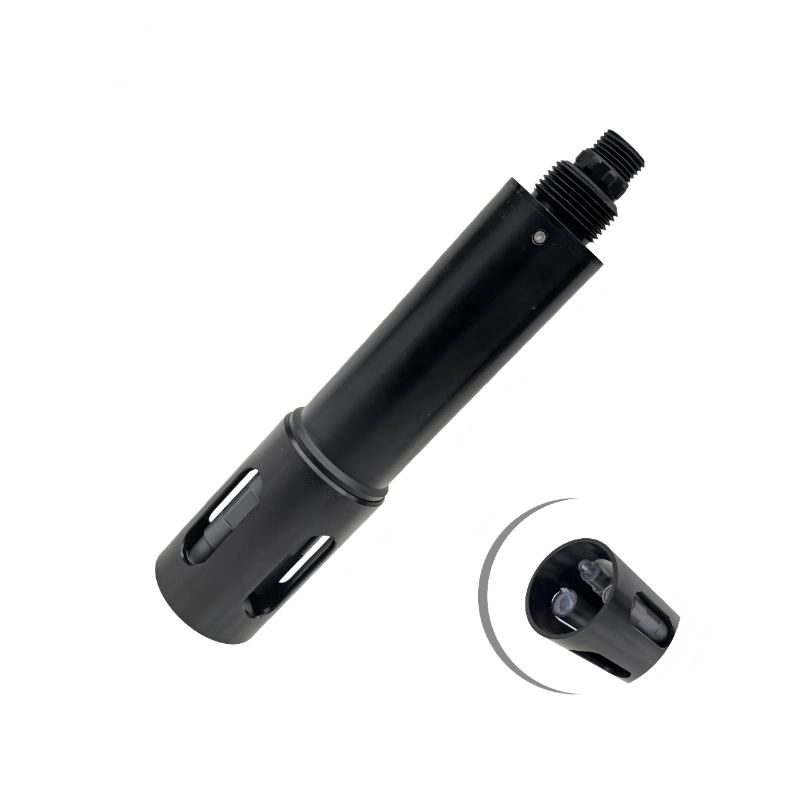
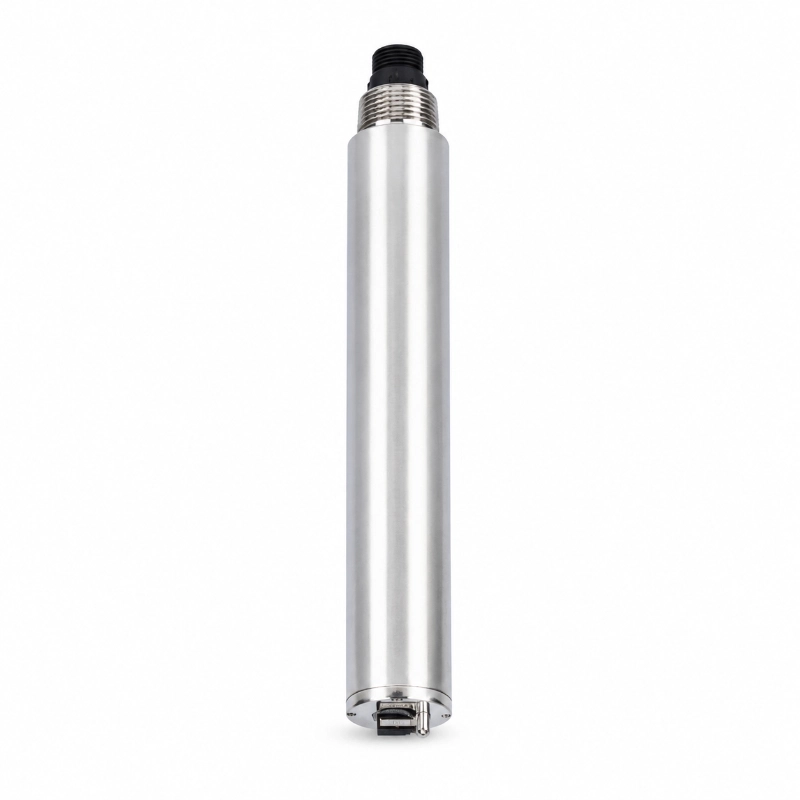
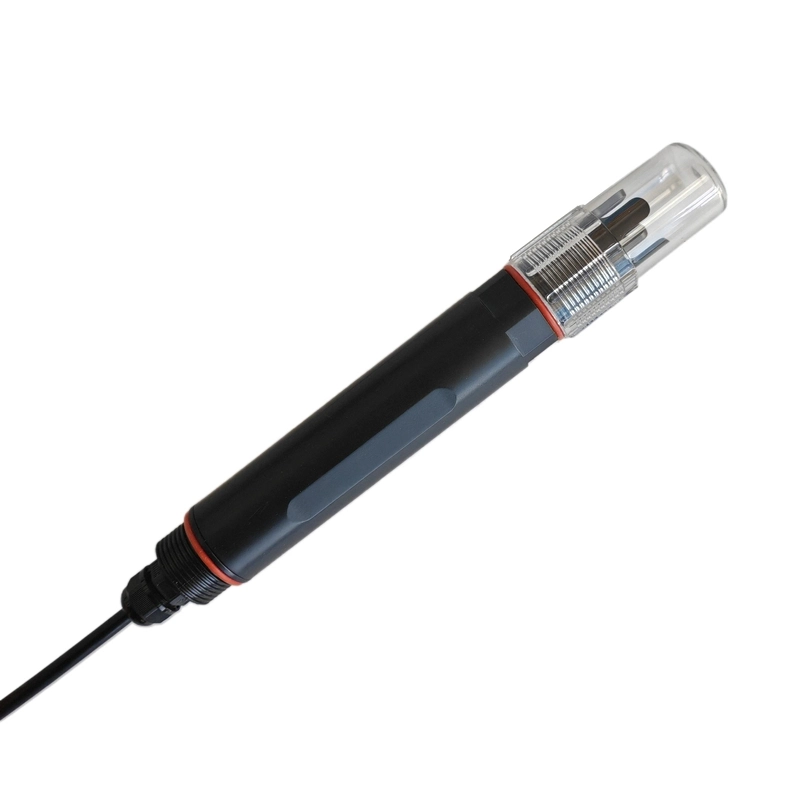
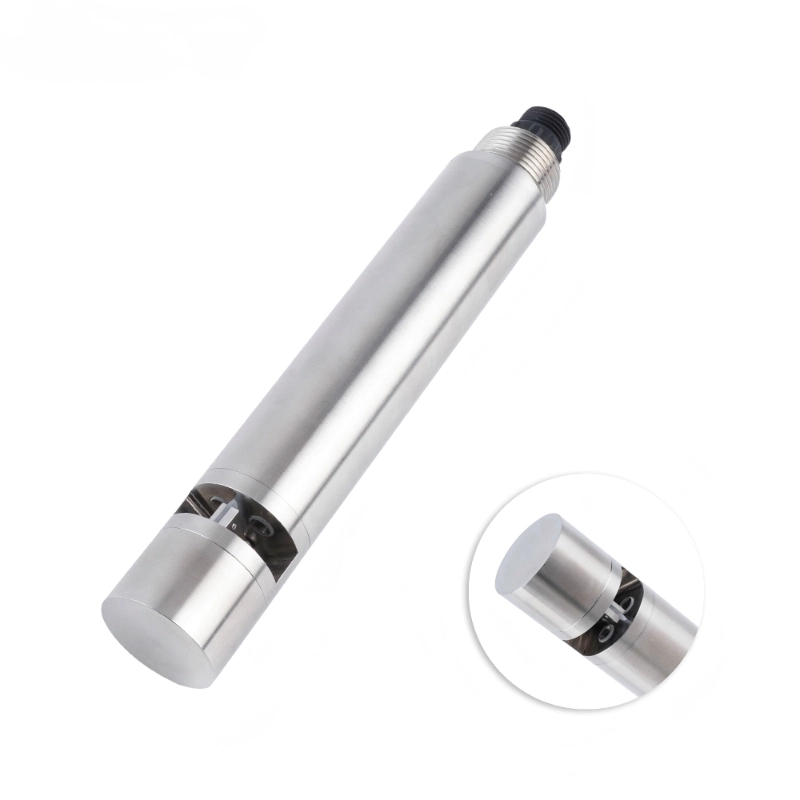
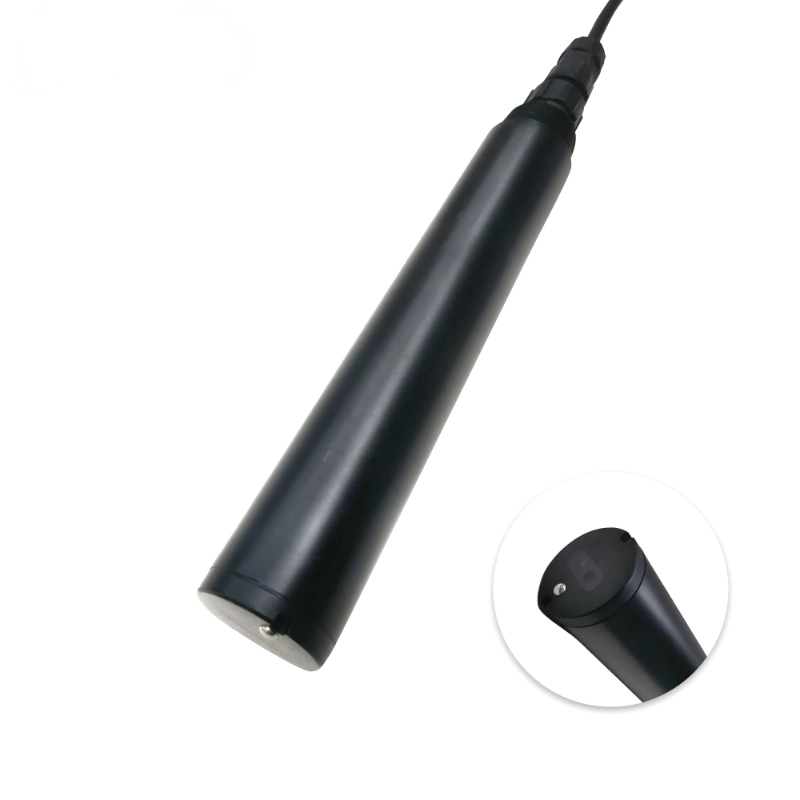
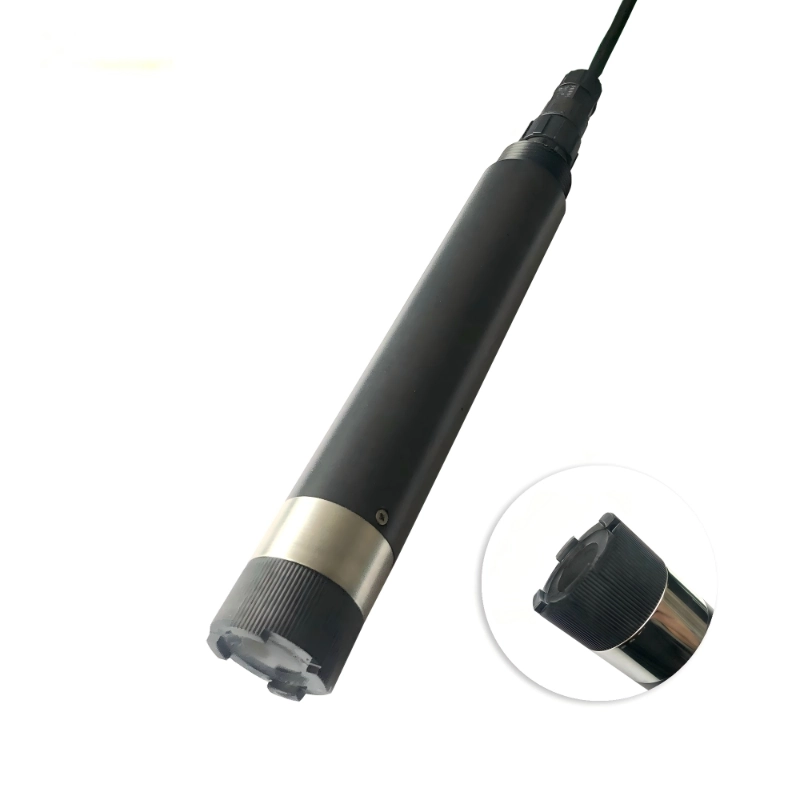
JW-RDO-406(K02) optical dissolved oxygen sensor is designed for continuous online dissolved oxygen (DO) measurement in aquaculture farms, wastewater treatment plants, rivers, lakes, reservoirs and industrial water monitoring systems.
Based on advanced fluorescence quenching technology, this optical DO sensor provides stable dissolved oxygen measurement without electrolyte replacement, oxygen consumption or polarization time.
Compared with traditional electrochemical dissolved oxygen probes, the optical measurement method requires less maintenance and provides better long-term stability for remote monitoring applications.
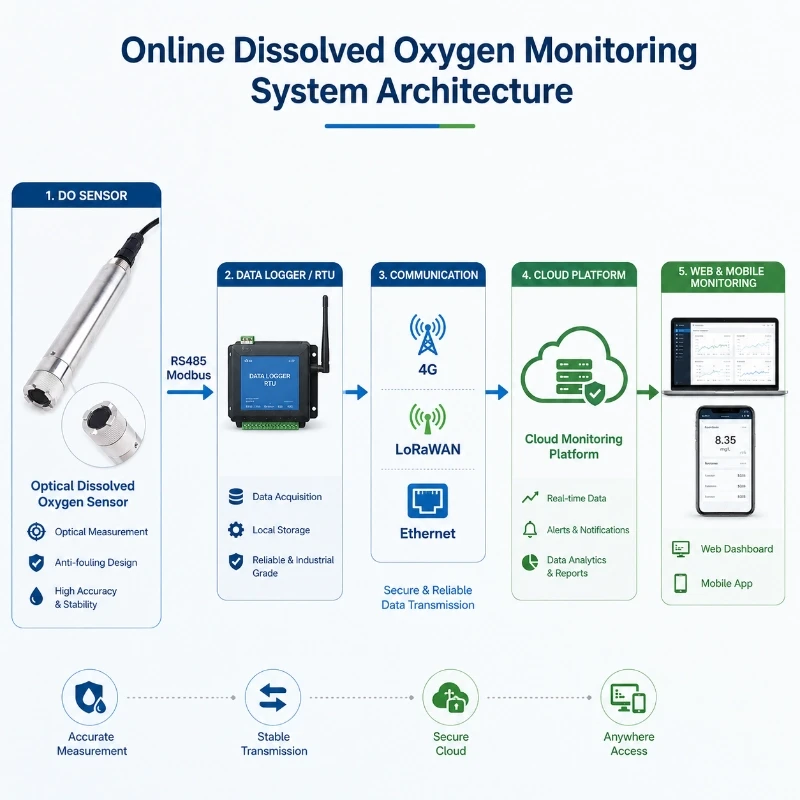
With RS485 Modbus RTU output, IP68 waterproof protection, automatic temperature compensation and low-power operation, the sensor can be integrated with IoT gateways, RTUs, PLC systems, data loggers and cloud-based water quality monitoring platforms.
What Is an Optical Dissolved Oxygen Sensor?
A dissolved oxygen sensor measures the amount of oxygen dissolved in water.
Dissolved oxygen is one of the most important parameters for evaluating water quality because oxygen availability directly affects:
Aquatic organism health
Fish and shrimp farming performance
Biological wastewater treatment efficiency
River and lake ecosystem conditions
Industrial water processes
An optical dissolved oxygen sensor uses fluorescence technology to measure oxygen concentration.
The sensor emits light to a fluorescent sensing layer and analyzes the change in fluorescence response caused by oxygen molecules.
The measurement process does not consume oxygen, which helps maintain stable readings during long-term online monitoring.
Technical Specifications
Item
Specification
Measurement Principle
Optical fluorescence method
Measurement Range
0–20.00 mg/L 0–200% saturation or 0–50.00 mg/L 0–500% saturation
Resolution
0.01 mg/L 0.1°C
Accuracy
±2% ±0.3°C
Response Time
T90 less than 30s
Minimum Detection Limit
0.08 mg/L
Calibration
Two-point calibration
Temperature Compensation
Automatic Pt1000 compensation
Output
RS485 Modbus RTU optional 4–20mA
Power Supply
12–24V DC
Power Consumption
0.2W at 12V
Protection Rating
IP68
Working Conditions
0–50°C ≤0.2MPa
Installation
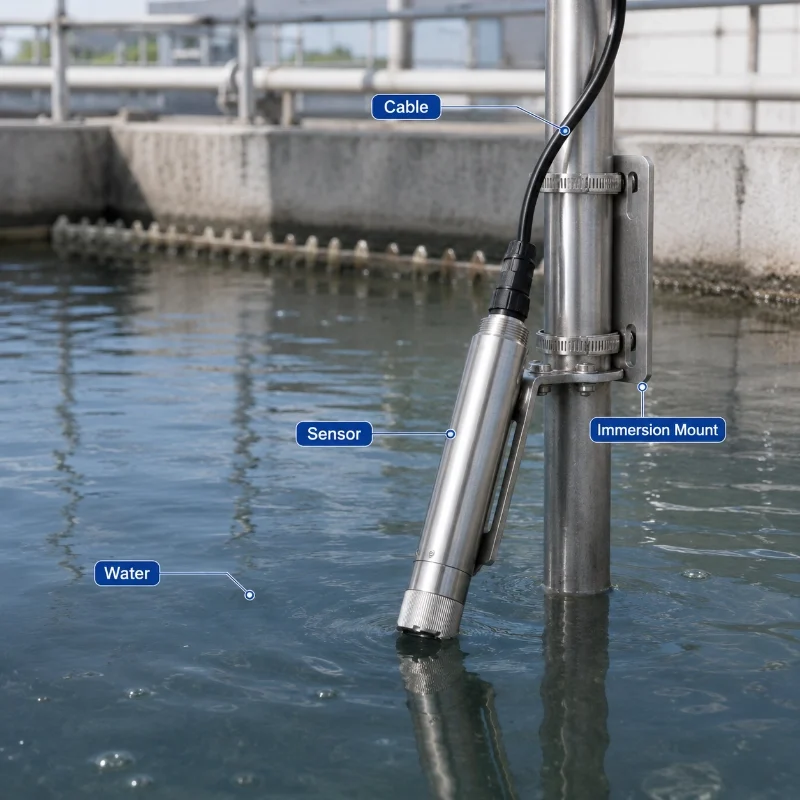
Immersion installation 3/4 NPT
Cable Length
5 m standard customizable
Fluorescence Cap Life
1 year under normal use
Housing Material
POM ABS PC alloy TC4 titanium alloy or 316L stainless steel
How Does a Fluorescence Optical DO Sensor Work?
The optical DO measurement process includes:
Step 1: Light Excitation
A blue LED inside the sensor excites the fluorescent material.
Step 2: Fluorescence Detection
The sensor detects changes in fluorescence intensity and phase response.
Step 3: Oxygen Calculation
The internal algorithm calculates dissolved oxygen concentration according to the fluorescence change.
Step 4: Temperature Compensation
The built-in temperature sensor automatically compensates measurement results.
Step 5: Digital Output
Measured data is transmitted through RS485 Modbus RTU communication.
Need an online dissolved oxygen monitoring solution?
Send JW-IoT your project requirements:
Water type
Monitoring location
Required parameters
Communication method
Installation method
Quantity requirement
Our engineering team will recommend a suitable optical DO sensor configuration.
Contact JW-IoT:
https://www.jw-iot.com/contact-us
FAQ
Q
1. What is an optical dissolved oxygen sensor used for?
A
It is used to measure dissolved oxygen levels in aquaculture ponds, wastewater treatment tanks, rivers, lakes, reservoirs, and industrial water quality systems.
Q
2. Does this optical DO sensor need electrolyte replacement?
A
No. It uses fluorescence technology, so it does not require electrolyte replacement and does not need polarization before measurement.
Q
3. Can this sensor be used for aquaculture oxygen monitoring?
A
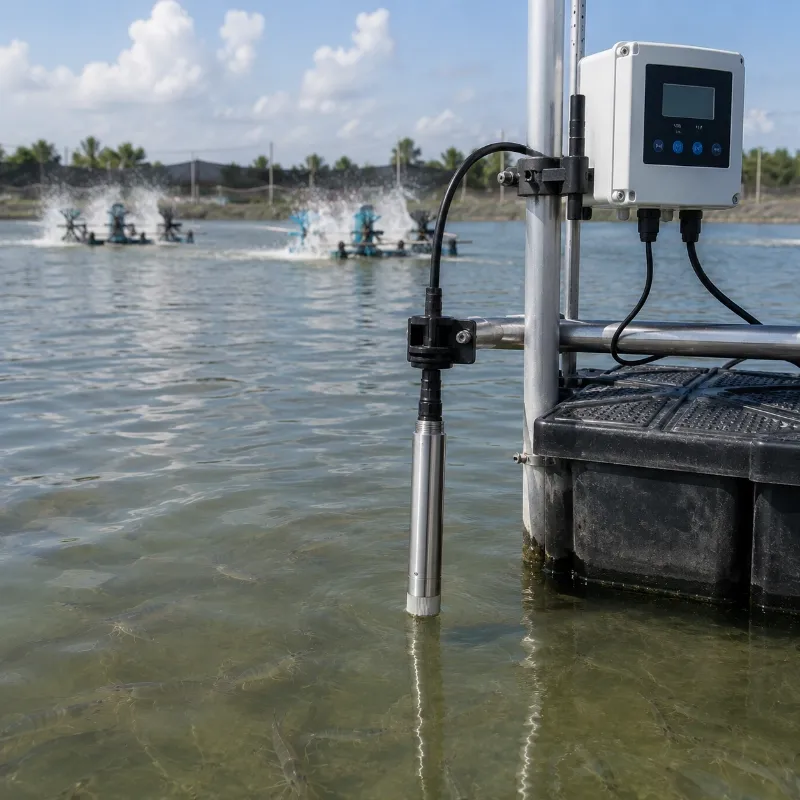
Yes. It is suitable for fish ponds, shrimp ponds, recirculating aquaculture systems, and smart aquaculture water quality monitoring.
Q
4. Does JW-IoT support RS485 Modbus integration for this DO sensor?
A
Yes. JW-IoT can integrate RS485 Modbus RTU dissolved oxygen sensors with data loggers, IoT gateways, RTUs, and cloud monitoring platforms.
Q
5. Is 4–20mA output available for industrial projects?
A
Yes. The sensor supports RS485 Modbus RTU and optional 4–20mA current output for PLC and industrial control applications.
Q
6. How should the sensor be installed?
A
The sensor should be fixed below the liquid surface using immersion installation. The fluorescence cap should avoid collision, scratching, sediment coverage, and direct mechanical stress.
Q
7. Can JW-IoT provide this sensor for wastewater treatment monitoring?
A
Yes. JW-IoT can provide the sensor for wastewater aeration monitoring, online DO data collection, alarm linkage, and remote water quality management.
Q
8. How often should the fluorescence cap be replaced?
A
Under normal use, the fluorescence cap is recommended to be replaced once per year.
Q
9. Why choose an optical DO sensor instead of an electrochemical DO probe?
A
Optical DO sensors require less maintenance, do not consume oxygen, are less affected by flow rate, and are more suitable for continuous online monitoring.
 +86 13520127780
  info@jingelway.com