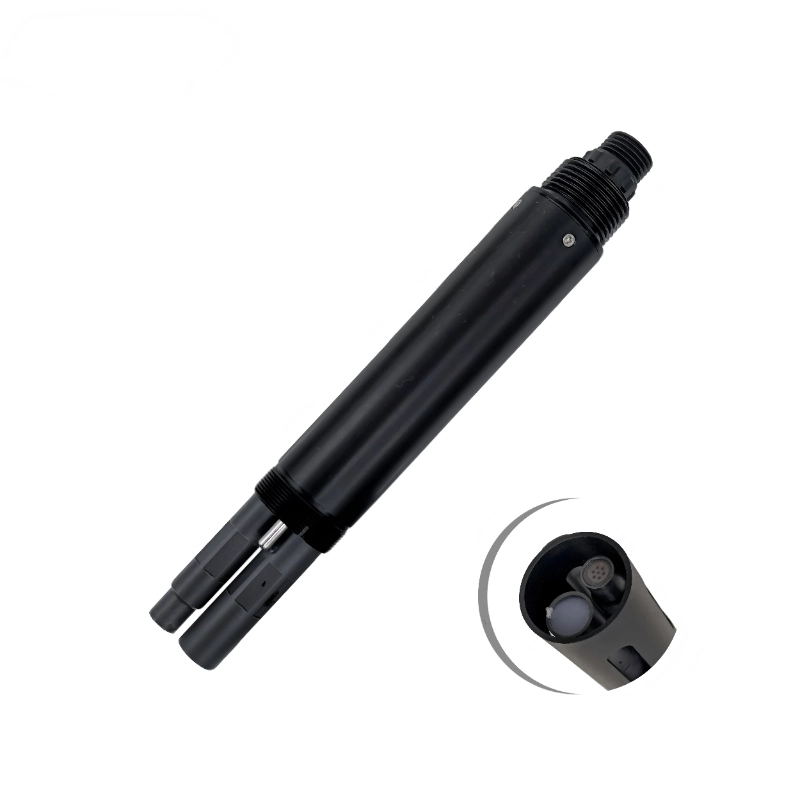
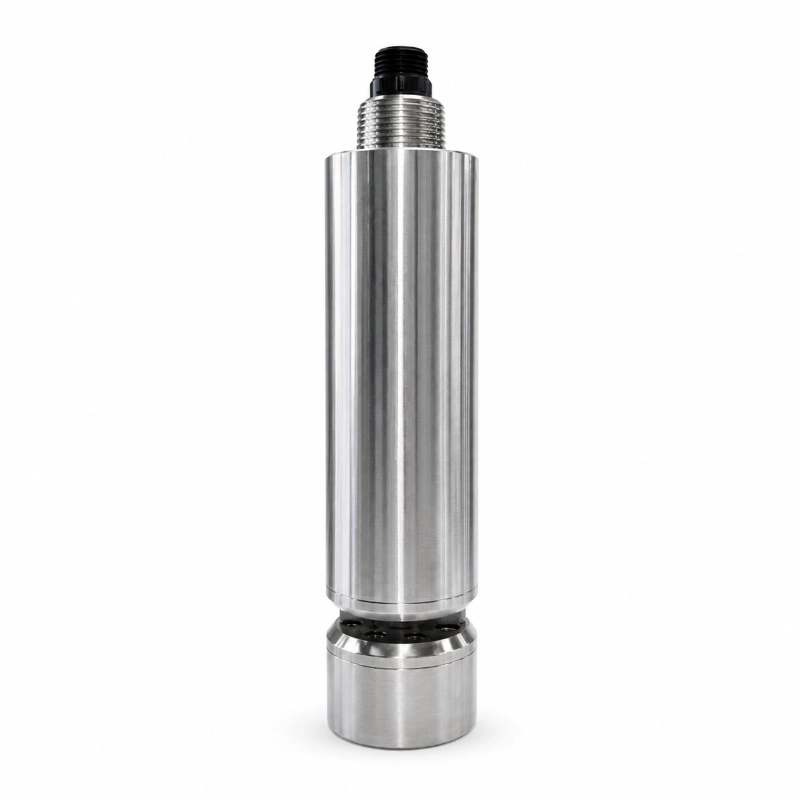
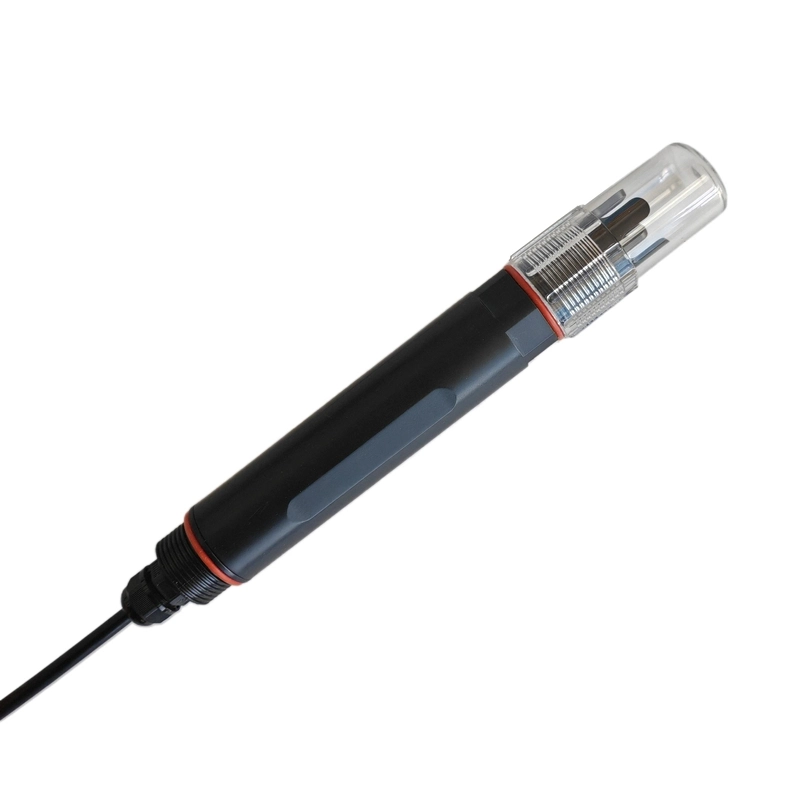
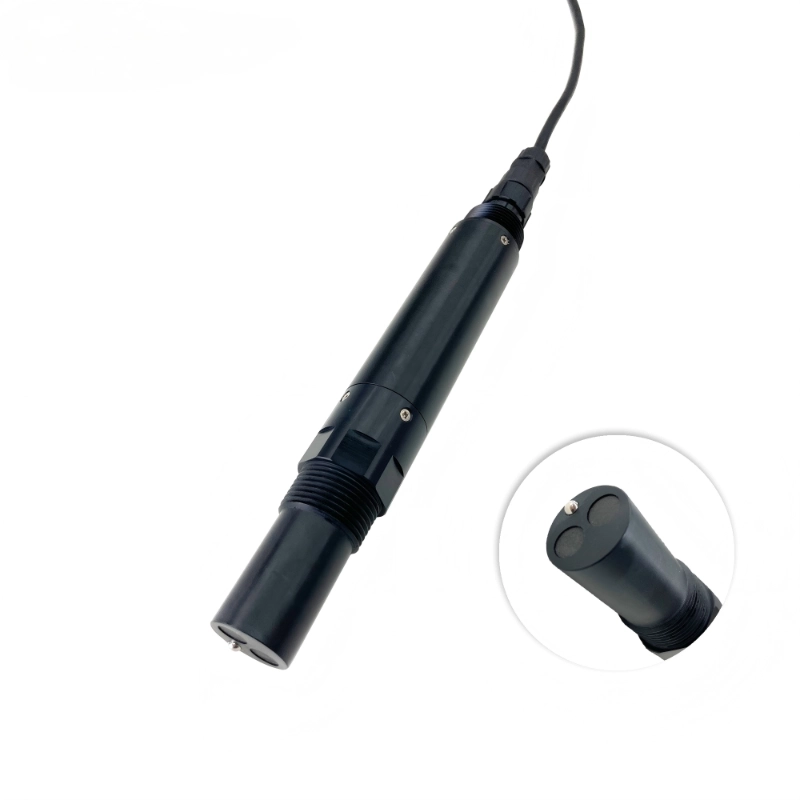
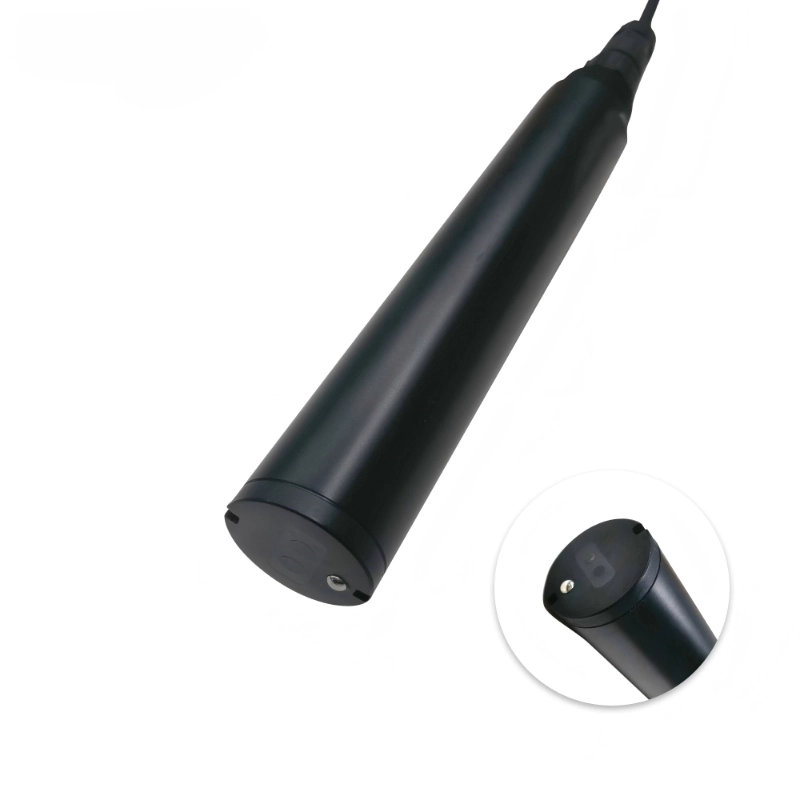
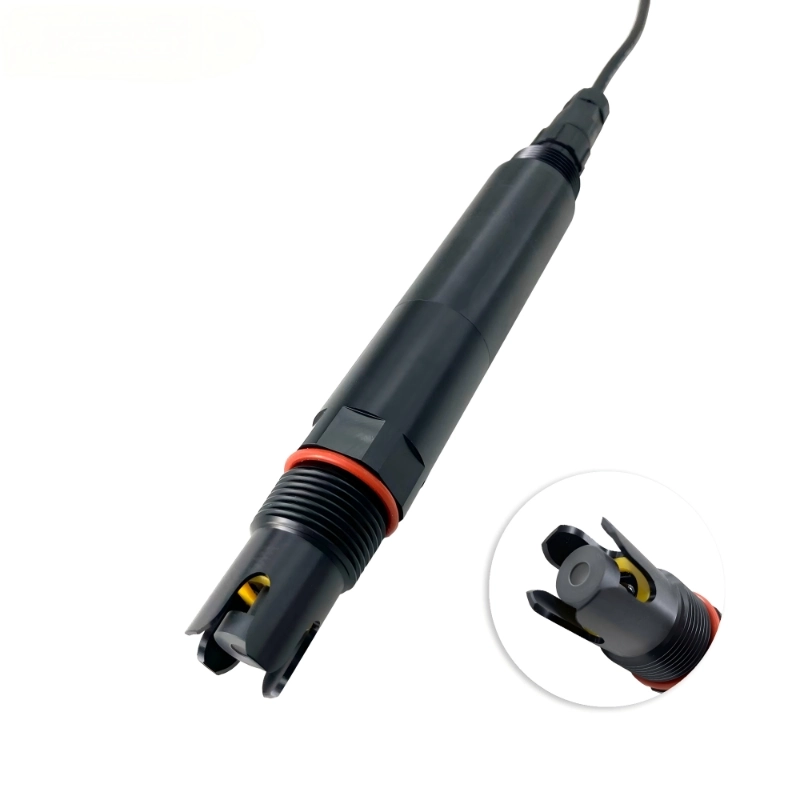
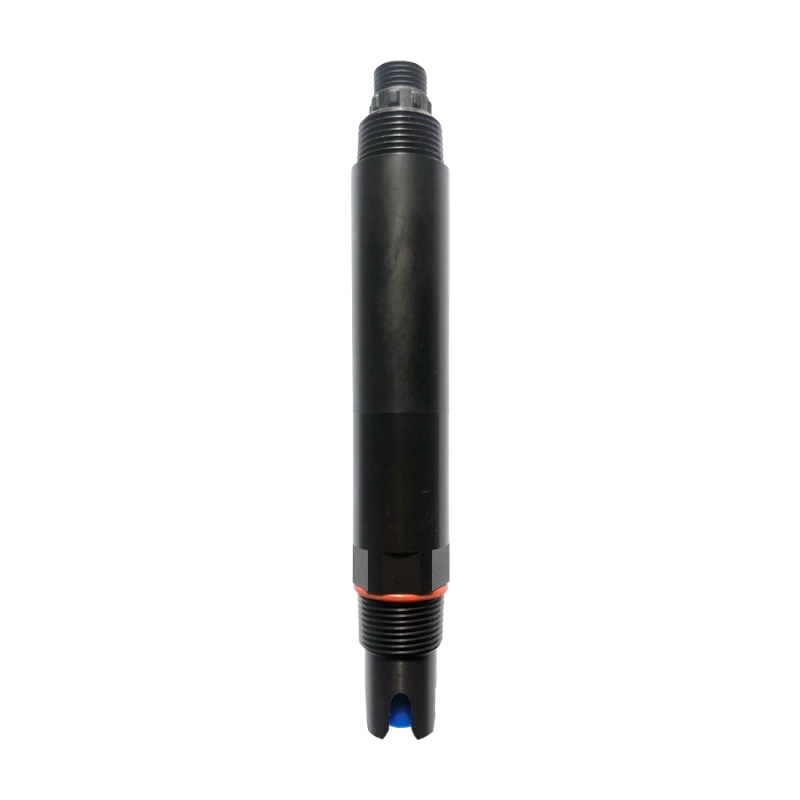
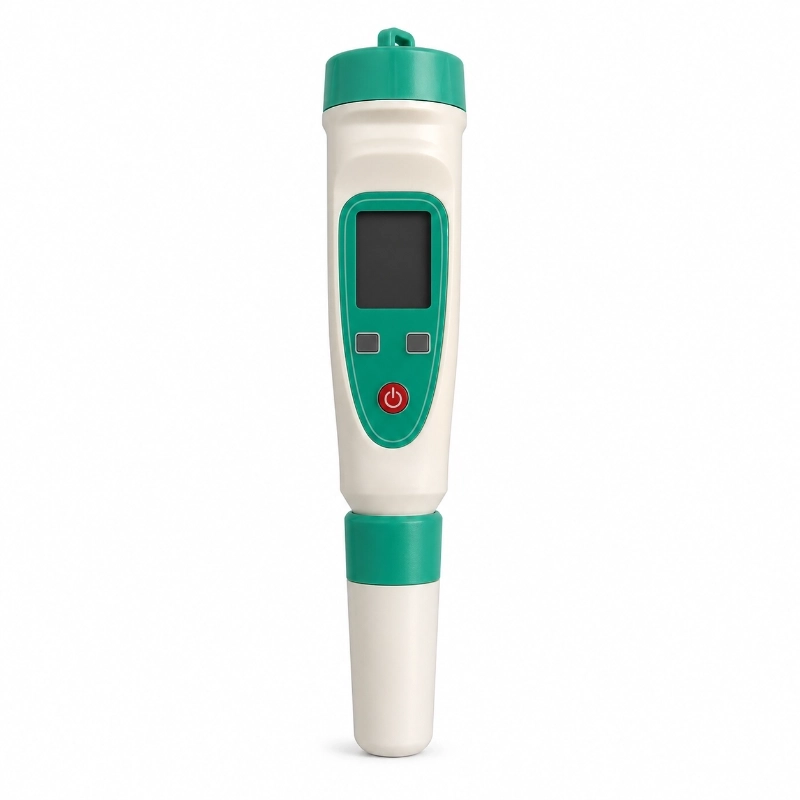
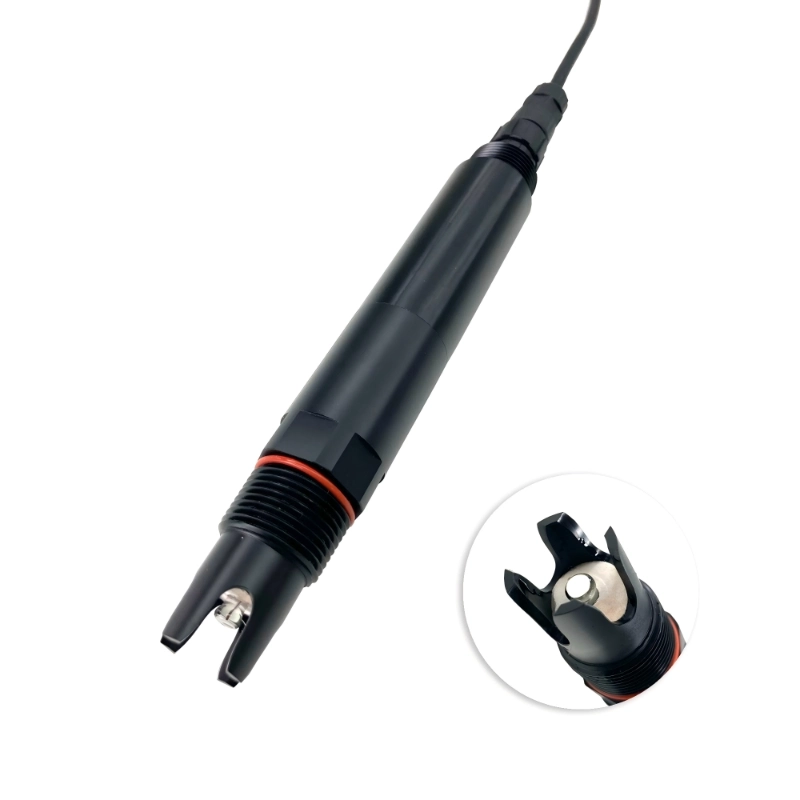
JW-NHN-206(K10)Online Ammonia Nitrogen Sensor is designed for continuous ammonium and ammonia nitrogen monitoring in wastewater treatment, surface water, aquaculture water, industrial discharge, tanks, pipelines, and smart water quality systems. Based on an ion selective electrode method with automatic temperature compensation, it provides fast and stable ammonia nitrogen data through RS485 Modbus RTU and optional 4–20mA output.
2. Product Overview
JW-NHN-206(K10)online ammonia nitrogen sensor is designed for continuous monitoring of ammonium concentration in water. It uses an ion selective electrode method based on a PVC membrane ammonia ion electrode. The sensor includes automatic temperature compensation to support fast, simple, accurate, and economical measurement in water quality monitoring applications.
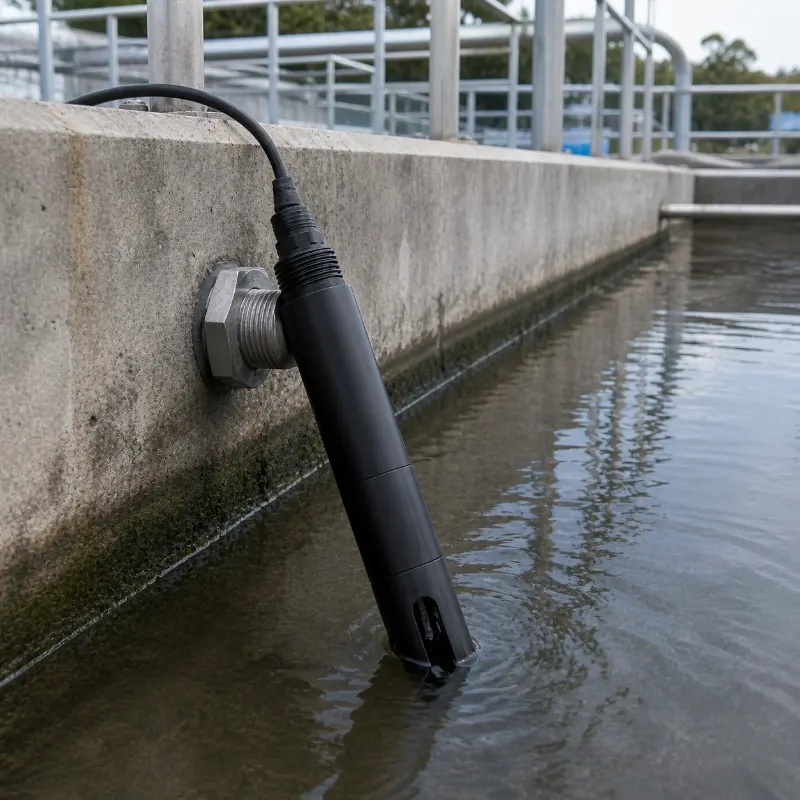
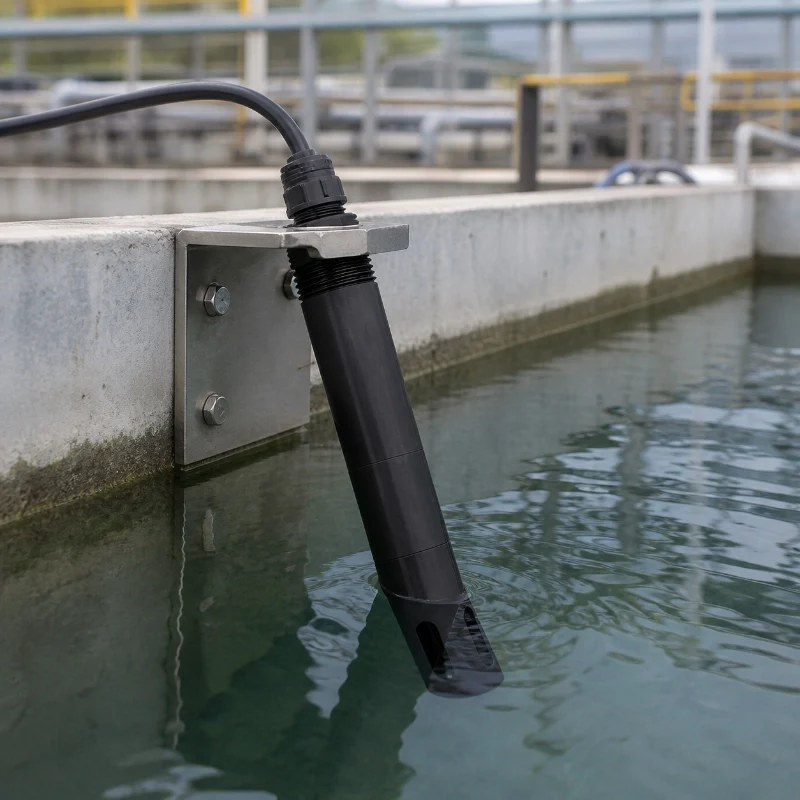
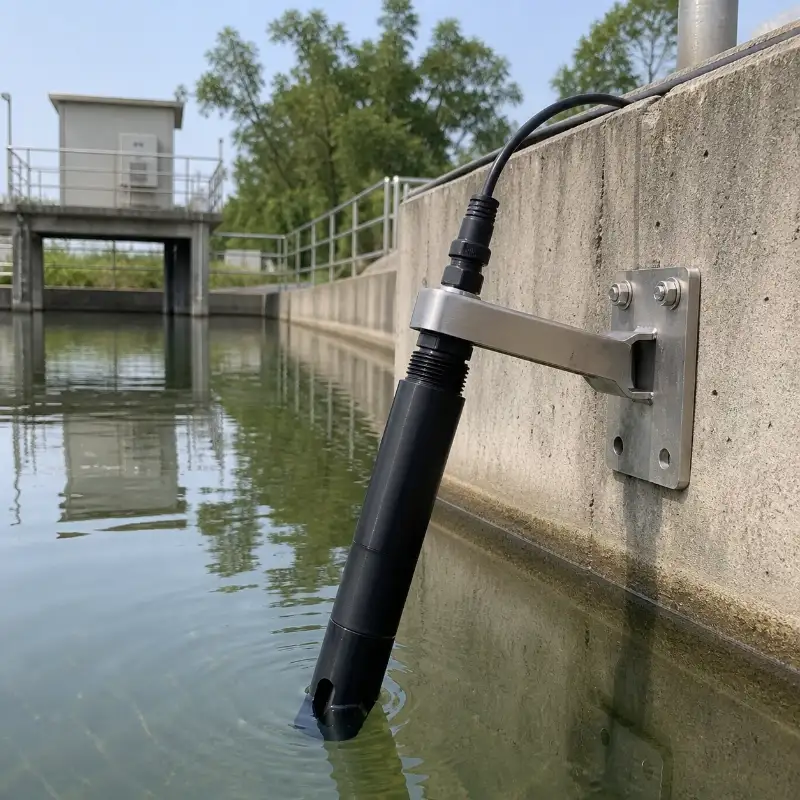
With RS485 Modbus RTU communication, the sensor can be connected to PLCs, DCS systems, industrial computers, universal controllers, paperless recorders, touch screens, RTUs, gateways, and cloud based monitoring platforms. The 3/4 NPT thread supports submerged installation as well as installation in pipelines and tanks.
Item
Specification
Product Type
Online Ammonia Nitrogen Sensor
Measurement Principle
Ion selective electrode method
Electrode Type
PVC membrane ammonia ion electrode
Measuring Range
0–10.00 mg/L
Measuring Range
0–100.00 mg/L
Measuring Range
0–1000.0 mg/L
Resolution
0.01 mg/L or 0.1 mg/L depending on range
Temperature Resolution
0.1°C
Accuracy
±10% of reading or ±1 mg/L for 0–10 mg/L
Accuracy
±10% of reading or ±0.5°C related specification for 0–100 mg/L
Accuracy
±10% of reading ±0.5°C related specification for 0–1000 mg/L
Response Time
T90 less than 60 s
Detection Limit
0.09 mg/L for 0–10 and 0–100 mg/L ranges
Detection Limit
0.9 mg/L for 0–1000 mg/L range
Calibration
Two point calibration
Temperature Compensation
Automatic Pt1000 compensation
Output
RS485 Modbus RTU
Optional Output
4–20mA
Storage Temperature
-5°C to 65°C
Working Temperature
0°C to 40°C
Working Pressure
<0.1 MPa
Working pH Range
4–10 pH
Housing Material
ABS PVC POM
Installation
Submerged installation 3/4 NPT
Power Supply
12–24V DC
Power Consumption
0.2W at 12V
Protection Grade
IP68
Cable Length
Standard 5 m customizable
Connector
M16 5 pin waterproof male connector
3. Application Scenarios
Wastewater Treatment Monitoring: Suitable for online ammonia nitrogen monitoring in municipal wastewater plants, industrial wastewater treatment, aeration tanks, outlet monitoring, and discharge supervision.
Aquaculture Water Monitoring: Useful for shrimp ponds, fish ponds, recirculating aquaculture systems, and water quality control where ammonia nitrogen concentration affects aquatic animal health.For aquaculture farms, the sensor can be connected to an IoT gateway and cloud platform as part of a remote aquaculture monitoring solution.
Surface Water Monitoring: Can be used in rivers, lakes, reservoirs, canals, and environmental stations to monitor ammonia nitrogen pollution trends.
Industrial Process Water: Supports online monitoring in industrial water recycling, process water, cooling water, and wastewater discharge points.
Smart Water Quality Systems: RS485 Modbus RTU and optional 4–20mA output make the sensor suitable for integration with RTUs, gateways, telemetry terminals, PLCs, SCADA systems, and cloud dashboards.
4. Installation Notes
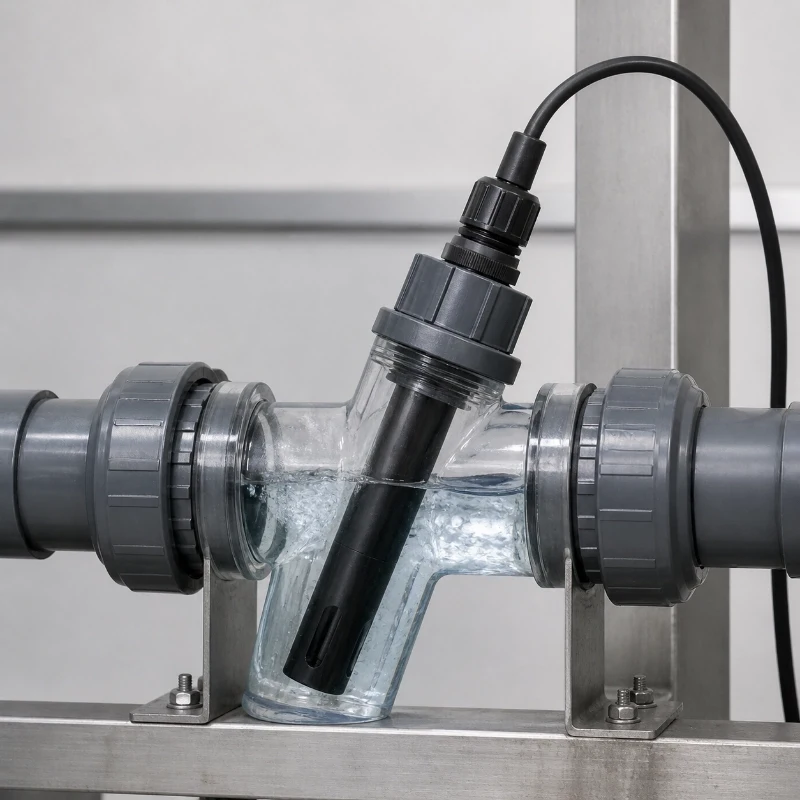
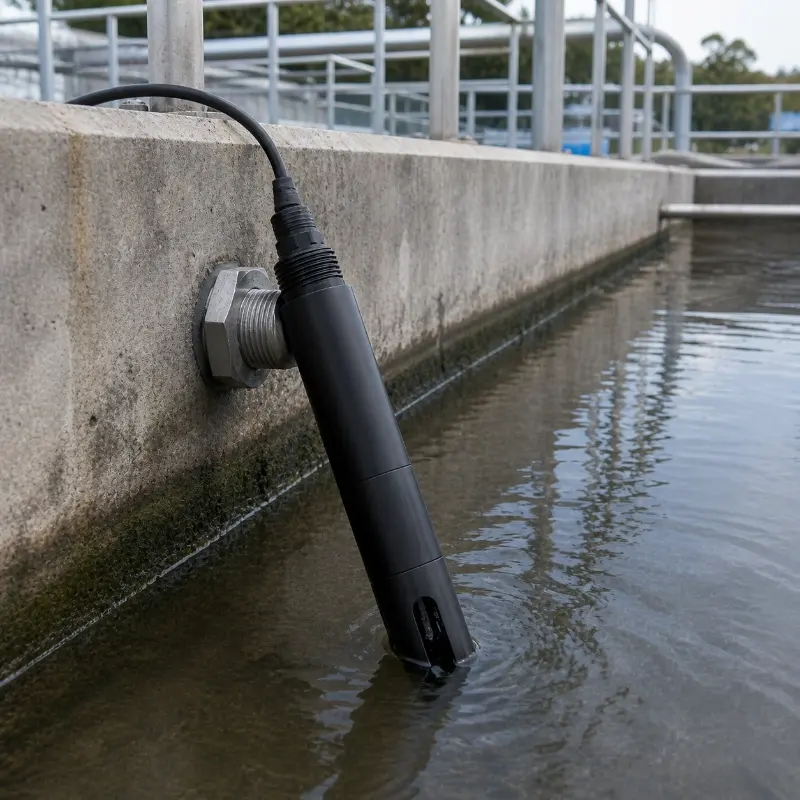
The sensor supports submerged installation, pipeline installation, and tank installation through a 3/4 NPT thread. It should not be installed upside down or horizontally. The installation angle should be at least 15° tilted to ensure stable electrode performance. All cable joints should be waterproofed, especially for long term submerged or outdoor applications.
5. Maintenance Guide
Before testing, remove the protective caps from the measuring electrode and reference electrode. Soak the electrode in clean water for about 2 hours for activation, then rinse it with deionized water before use. If the electrode is not used for more than two weeks, it should be stored dry with the sensing element protected by the protective cap.
Keep terminals dry and clean. If contamination is found, wipe with absolute alcohol and dry before use. Avoid long term immersion in distilled water or protein solutions, and prevent contact with organic silicone grease. If the PVC membrane becomes translucent or covered by deposits after long use, rinse it with distilled or deionized water. If calibration and measurement still cannot be performed after maintenance, the electrode should be replaced.
6. Water Quality System Integration
For rivers, reservoirs, wastewater treatment facilities, and environmental monitoring stations, the sensor can be connected to an IoT gateway and cloud platform as part of a remote water quality monitoring solution.
FAQ
Q
1. What is an online ammonia nitrogen sensor used for?
A
It is used for continuous ammonia nitrogen monitoring in wastewater, aquaculture, surface water, industrial discharge, tanks, and pipelines.
Q
2. What measurement principle does this sensor use?
A
It uses an ion selective electrode method with a PVC membrane ammonia ion electrode.
Q
3. Can JW-IoT integrate this ammonia nitrogen sensor into a smart water platform?
A
Yes. JW-IoT can integrate the sensor with RTUs, gateways, data loggers, cloud dashboards, alarms, and remote water quality monitoring systems.
Q
4. Is this ammonia sensor suitable for aquaculture monitoring?
A
Yes. It can be used for ammonia nitrogen monitoring in fish ponds, shrimp ponds, and recirculating aquaculture systems.
Q
5. How should the sensor be installed?
A
The sensor should not be installed upside down or horizontally. It should be installed at an angle of at least 15°.
Q
6. Why choose JW-IoT for ammonia nitrogen monitoring projects?
A
JW-IoT can provide sensors, telemetry devices, power systems, cloud platforms, alarms, and complete water quality monitoring integration.
Q
7. Does the sensor require calibration?
A
The sensor is calibrated before delivery, but two point calibration can be performed when measurement error exceeds the acceptable range.
Q
8. What output signals does the sensor support?
A
It supports RS485 Modbus RTU and optional 4–20mA output for industrial automation and remote monitoring systems.
Q
9. Can JW-IoT support customized cable length and system integration?
A
Yes. JW-IoT can support customized cable length, Modbus communication integration, and complete smart water monitoring solutions.
 +86 13520127780
  info@jingelway.com