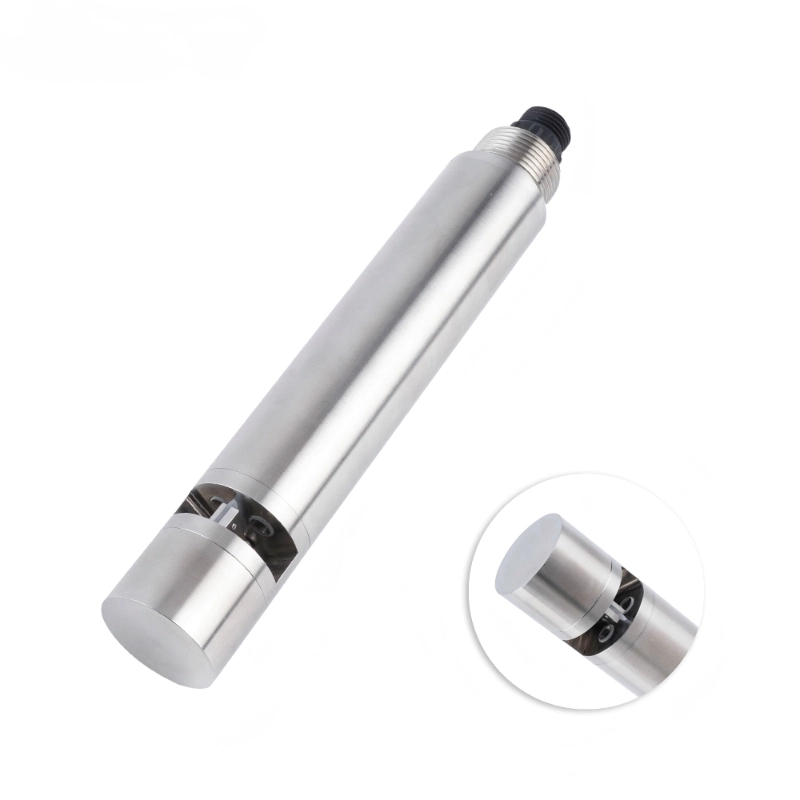
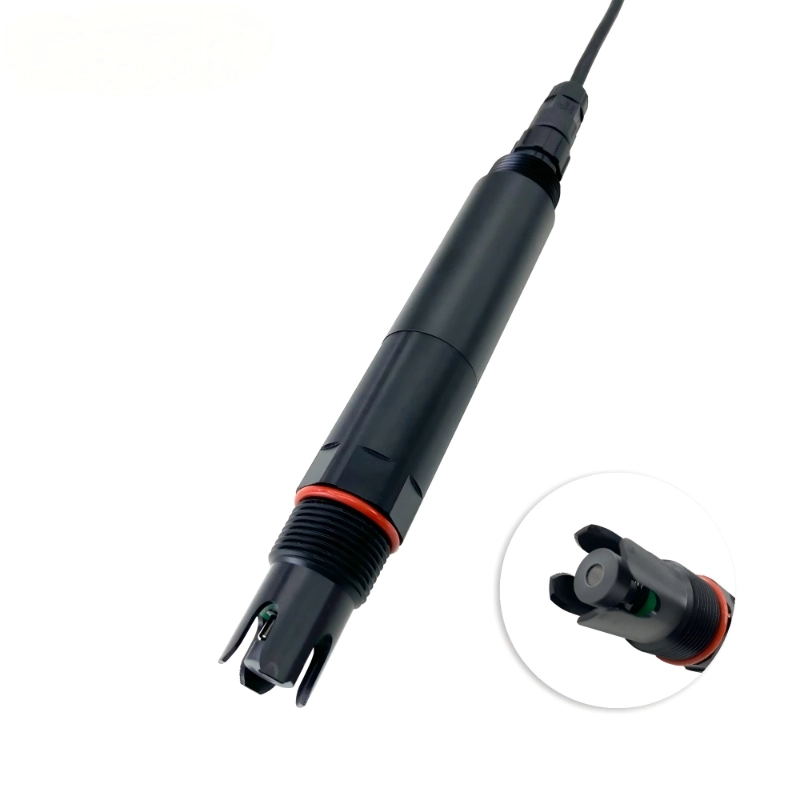
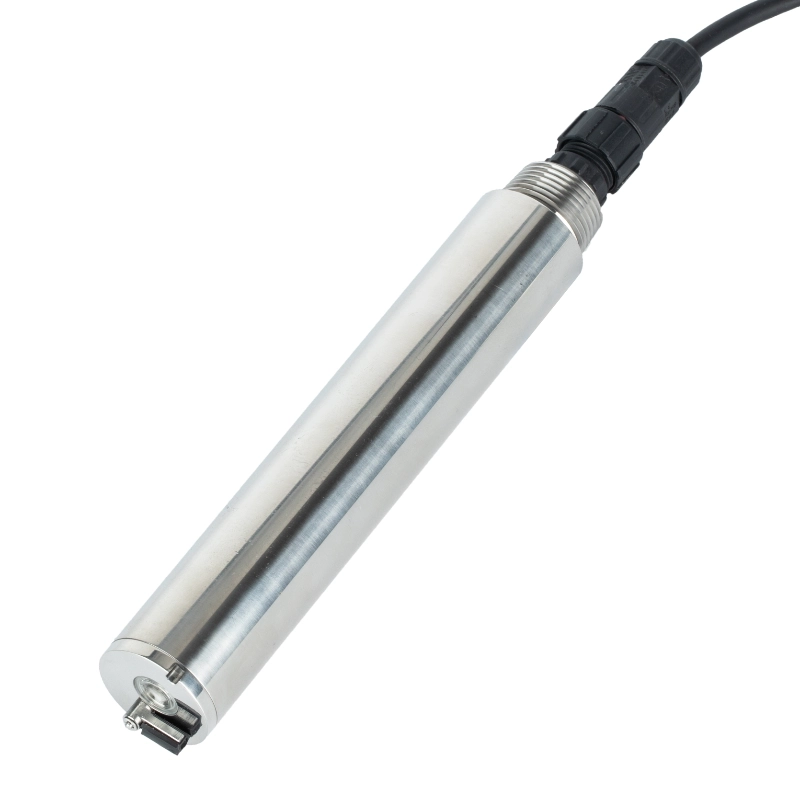
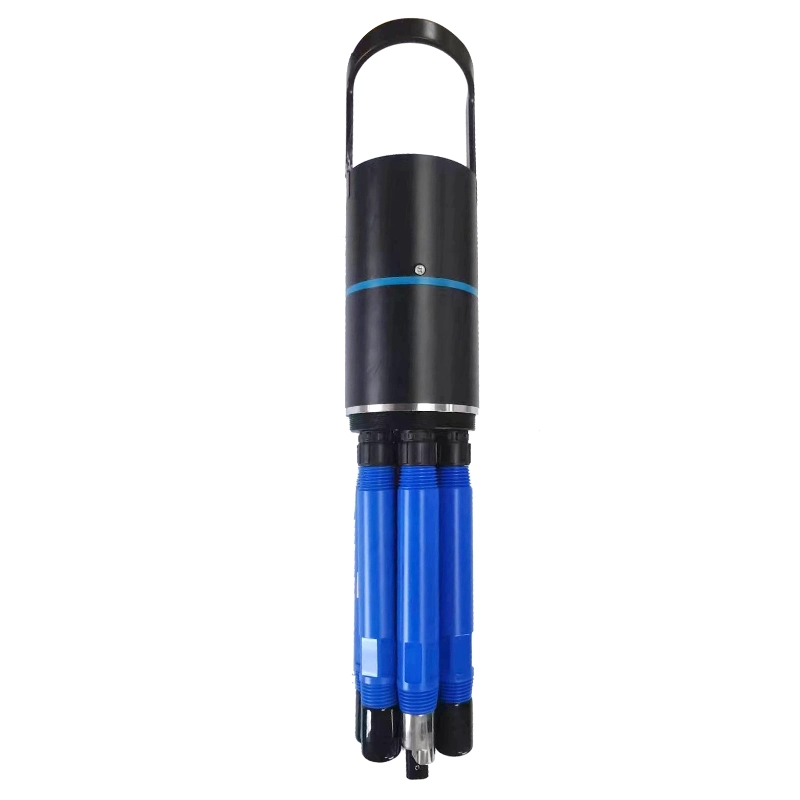
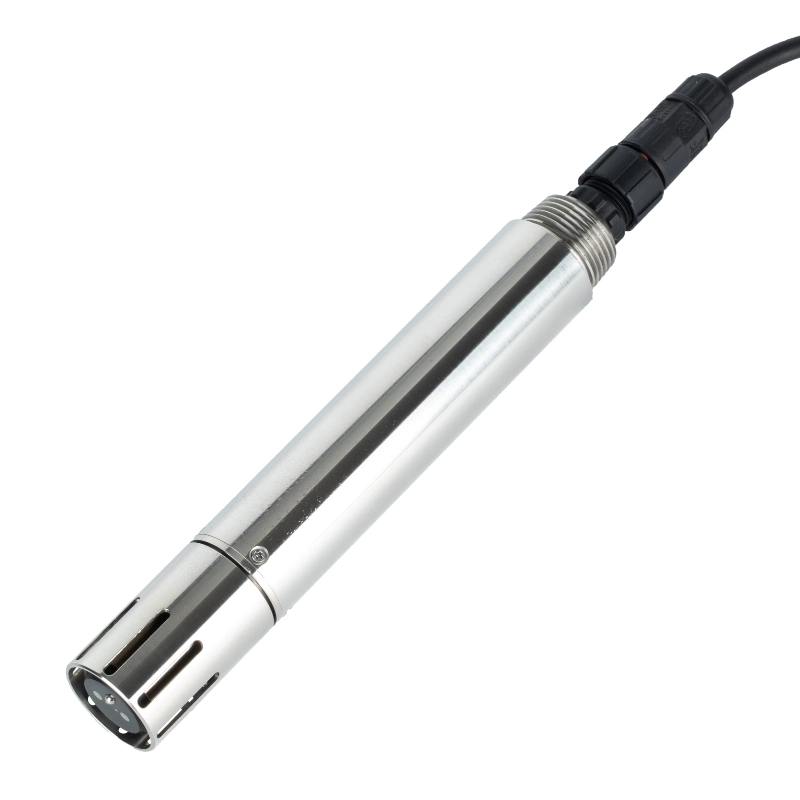
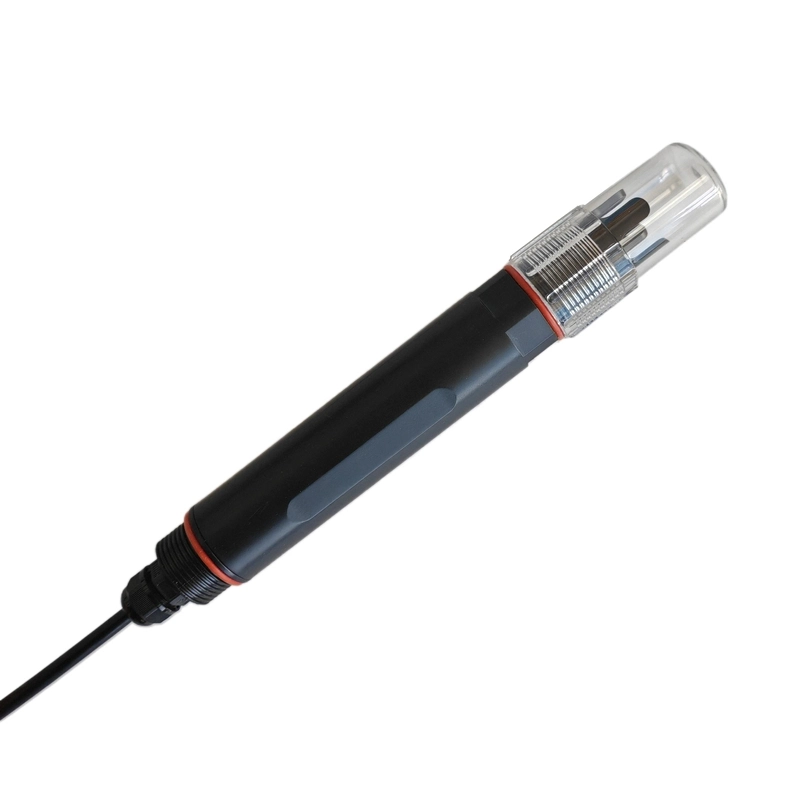
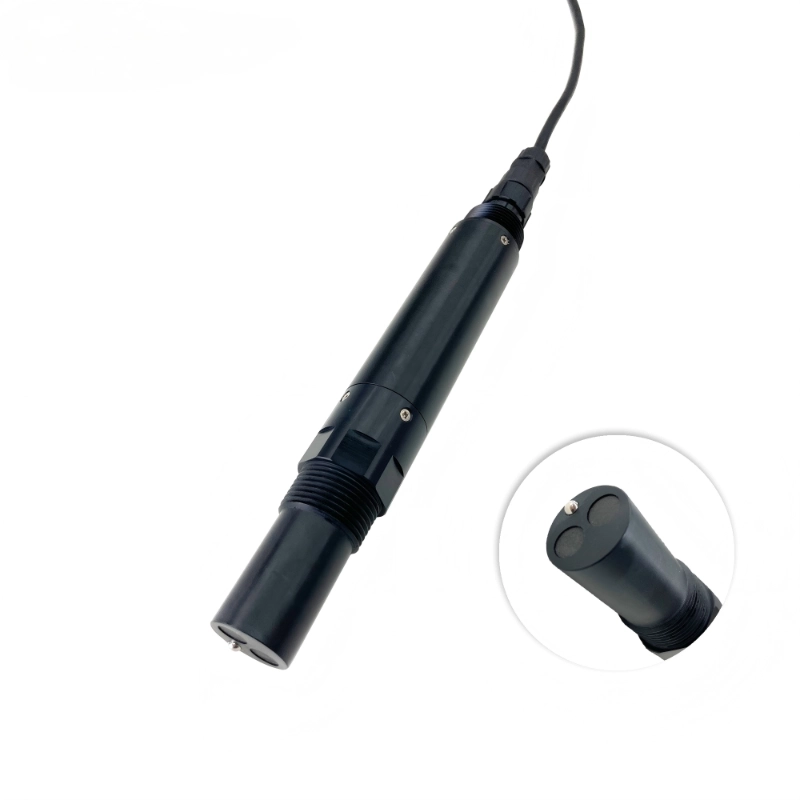
RS485 Modbus pH and ORP Sensor for Wastewater, Aquaculture and Environmental Applications
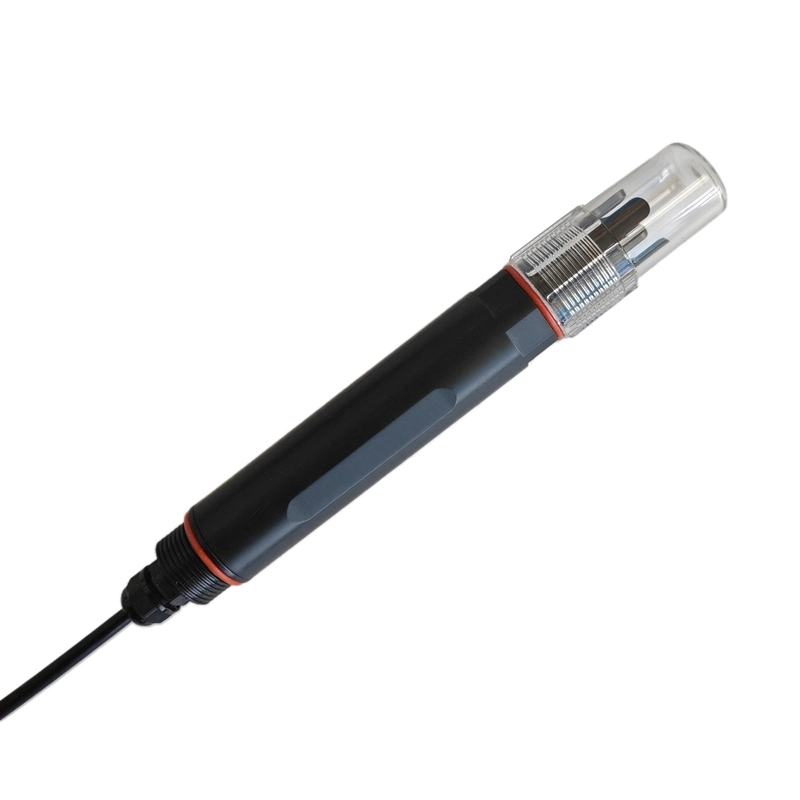
JW-PHORP(Z22) pH ORP water quality sensor is designed for continuous monitoring of pH value and oxidation-reduction potential (ORP) in water environments.
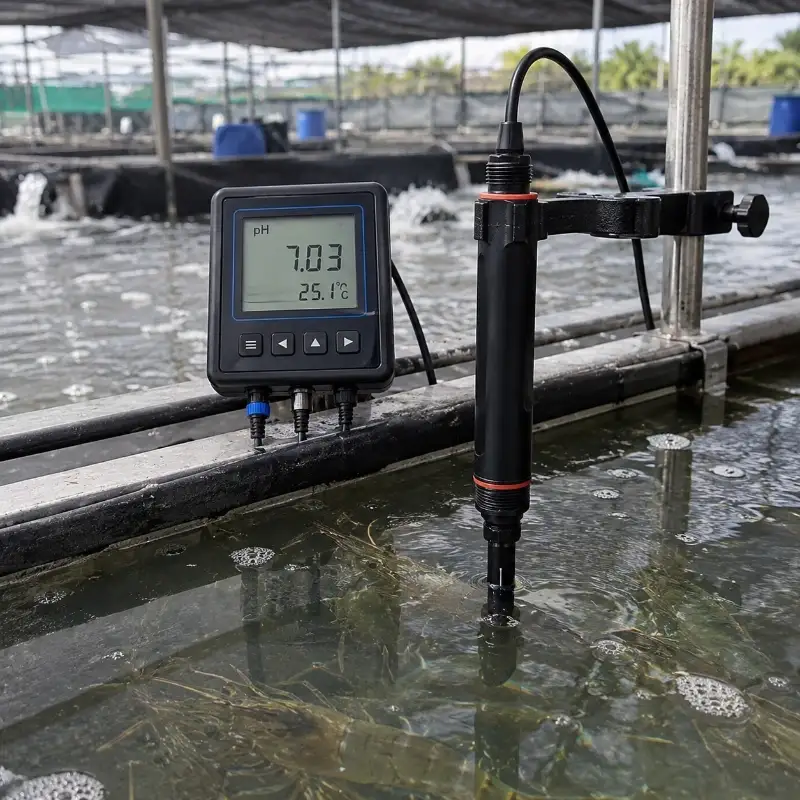
The sensor provides reliable online measurement for applications including wastewater treatment, aquaculture, rivers, reservoirs, industrial water processes and environmental monitoring systems.
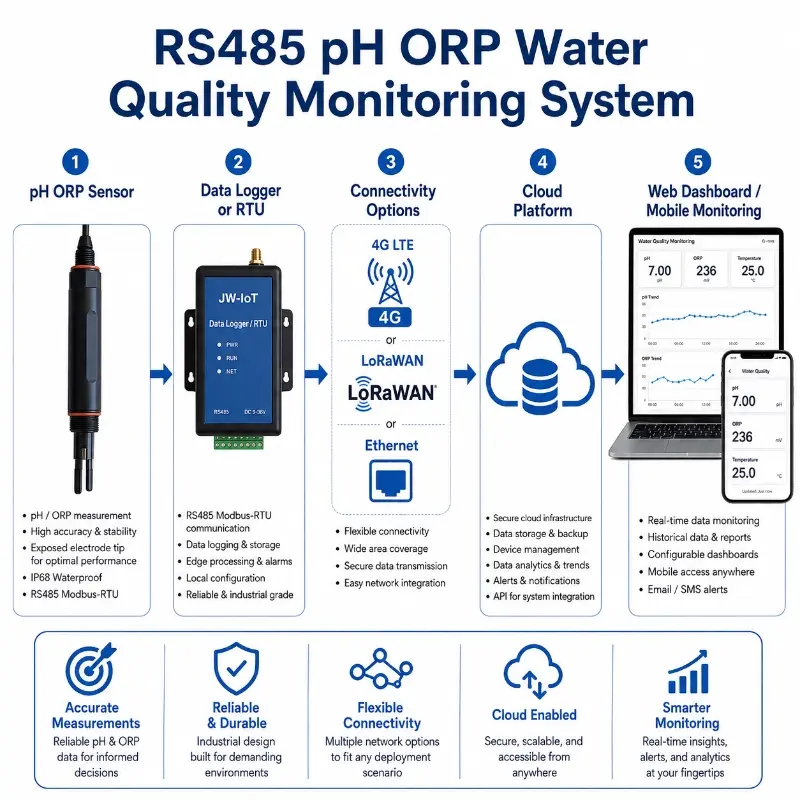
With RS485 Modbus communication, waterproof probe design and IoT integration capability, the pH ORP sensor can connect with RTUs, data loggers, PLC systems and cloud monitoring platforms.
A complete online water quality monitoring system can help users monitor water conditions remotely, identify abnormal changes and improve operational efficiency.
Typical applications:
Water process control systems
Wastewater treatment plants
Industrial wastewater monitoring
Aquaculture farms
Rivers and reservoirs
Environmental monitoring stations
What Are pH and ORP Parameters in Water Monitoring?
pH Measurement
pH indicates the acidity or alkalinity level of water.
Maintaining suitable pH levels is important for:
Aquatic organisms
Chemical processes
Biological wastewater treatment
Industrial water management
ORP Measurement
ORP (Oxidation Reduction Potential) indicates the oxidation or reduction ability of water.
ORP monitoring helps evaluate:
Disinfection effectiveness
Biological treatment conditions
Oxidation processes
Water chemical balance
By combining pH and ORP measurement, operators can obtain a better understanding of water quality changes.
How Does a pH ORP Water Quality Sensor Work?
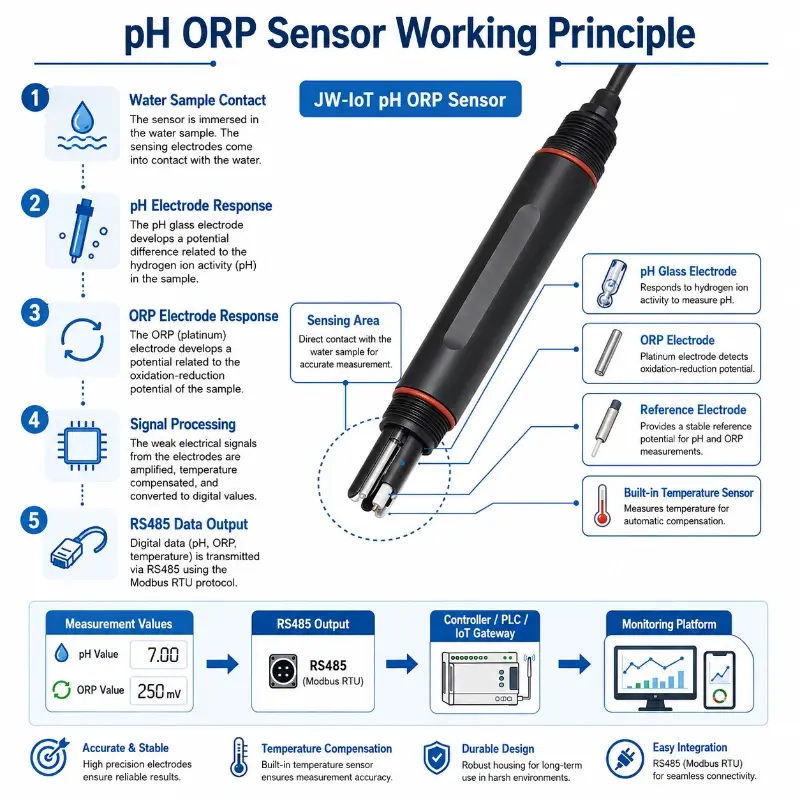
The sensor uses electrochemical measurement technology.
Working process:
Water Sample

↓

pH Electrode / ORP Electrode

↓

Signal Processing

↓

RS485 Modbus Output

↓

Data Logger / RTU

↓

Cloud Monitoring Platform
The measurement data can be transmitted continuously for remote monitoring and analysis.
Why Use Online pH ORP Monitoring?
Traditional water testing usually requires:
Manual sampling
Laboratory analysis
Delayed results
Continuous monitoring provides:
Real-Time Water Quality Data
Operators can view current pH and ORP conditions anytime.
Faster Response to Abnormal Changes
Unexpected changes can be detected earlier.
Reduced Manual Testing
Automatic monitoring reduces field inspection frequency.
Better Process Control
Continuous data supports operational decisions.
Applications of pH ORP Water Quality Sensor
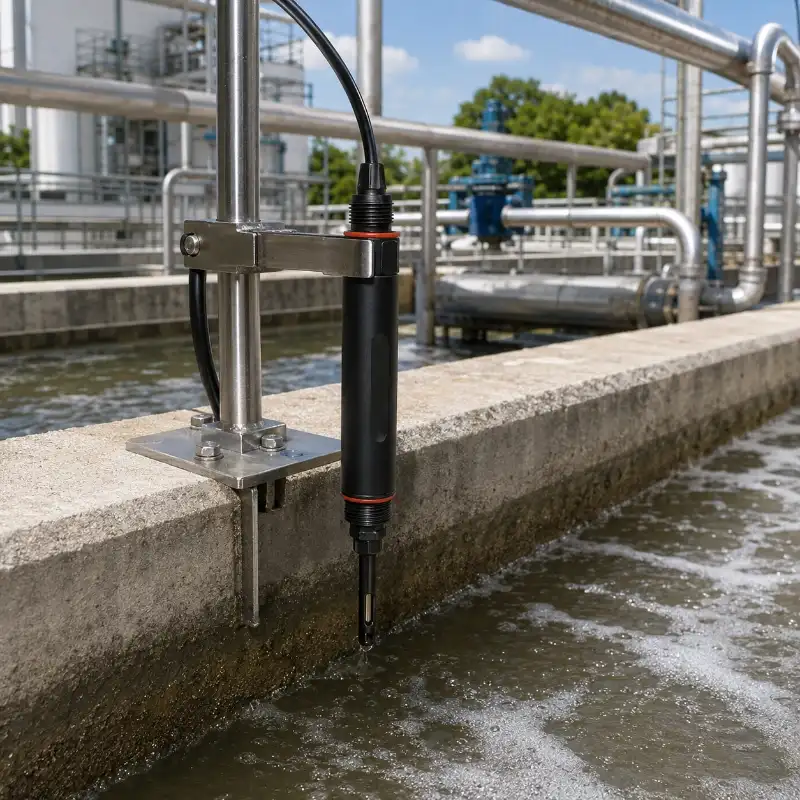
Wastewater Treatment Monitoring
pH and ORP are critical parameters in wastewater treatment processes.
Applications include:
Aeration tanks
Biological treatment systems
Discharge monitoring
Industrial wastewater treatment
A complete industrial wastewater monitoring solution may include pH, ORP, conductivity, dissolved oxygen, turbidity and other parameters. JW-IoT provides online water quality monitoring solutions integrating sensors, IoT data acquisition and cloud platforms.
Industrial Water Process Monitoring
Industries requiring continuous water monitoring include:
Chemical manufacturing
Food processing
Pharmaceutical production
Mining
Power generation
pH and ORP monitoring helps maintain stable water treatment processes and improve environmental management.
Aquaculture Water Quality Monitoring
Stable pH and ORP conditions are important for aquaculture environments.
The sensor can support:
Fish farming
Shrimp farming
Recirculating aquaculture systems (RAS)
Combined with:
Dissolved oxygen sensors
Temperature sensors
Conductivity sensors
it provides a complete aquaculture monitoring solution.
Rivers and Reservoir Monitoring
Environmental monitoring projects use pH and ORP sensors to evaluate water conditions in:
Rivers
Lakes
Reservoirs
Surface water monitoring stations
RS485 Modbus pH ORP Sensor Integration
For industrial IoT applications, RS485 Modbus provides reliable communication.
It measures pH, ORP and temperature. The pH range is 0 to 14, the ORP range is -2000 to 2000 mV, and the temperature range is -40 to 80°C.
Q
2. Can this sensor be used for continuous water quality monitoring?
A
Yes. It is designed for long-term continuous monitoring in water, semi-solid media and soil-related applications.
Q
3. Does the sensor support RS485 output?
A
Yes. The sensor can be supplied with RS485 Modbus RTU output for connection to data loggers, gateways, PLCs and monitoring platforms.
Q
4. Does the sensor support SDI-12 output?
A
Yes. SDI-12 output is available, making it suitable for environmental monitoring stations and low-power field data acquisition systems.
Q
5. Is this sensor waterproof?
A
Yes. The sensor has an IP68 protection rating and can be used for immersion measurement when properly installed.
Q
6. Can JW-IoT provide this sensor for irrigation water monitoring?
A
Yes. JW-IoT can supply this pH ORP sensor for irrigation water quality monitoring, greenhouse nutrient solution monitoring and smart agriculture applications.
Q
7. Can JW-IoT integrate this pH ORP sensor with an IoT monitoring system?
A
Yes. JW-IoT can integrate the sensor with RS485 or SDI-12 data loggers, LoRaWAN gateways, 4G gateways and cloud monitoring platforms depending on project requirements.
Q
8. Can JW-IoT customize cable length or communication output?
A
Yes. JW-IoT can provide standard 2 m cable length or customized cable length. RS485 Modbus RTU and SDI-12 communication options are available.
Q
9. What industries can use this pH ORP sensor?
A
It can be used in environmental monitoring, wastewater treatment, agriculture irrigation, hydroponics, food processing, chemical plants, power plants, laboratories and scientific research.
Q
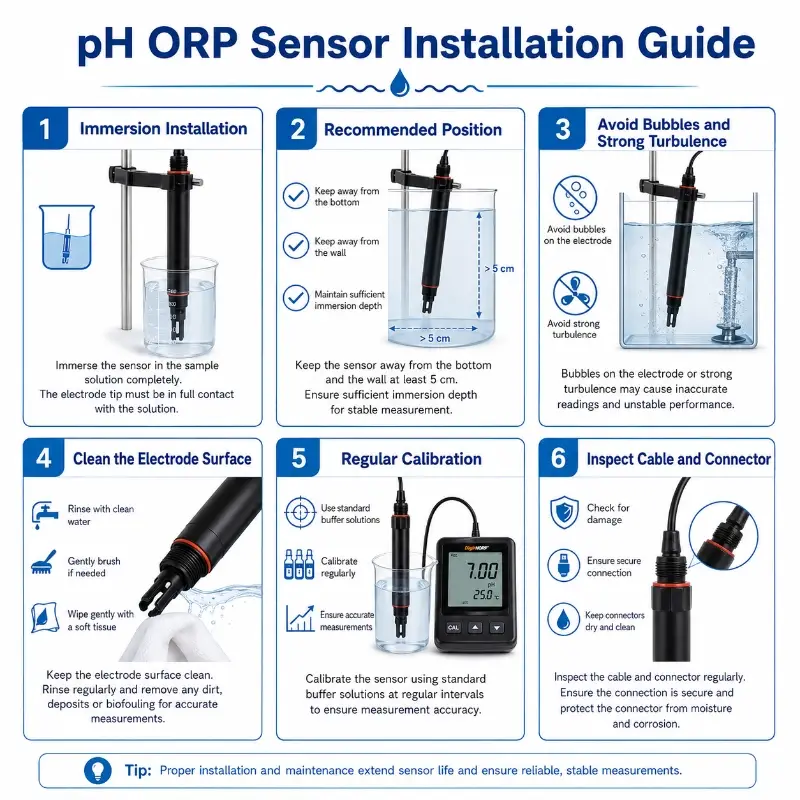
10. How often should the pH electrode be calibrated?
A
For general applications, monthly calibration is recommended. For high-accuracy applications, more frequent calibration may be required.
Q
11. What is the recommended installation method?
A
The electrode end should be fully immersed in the test medium. Vertical installation is recommended to maintain stable measurement performance.
Q
12. Can the sensor be used in harsh wastewater applications?
A
Yes, it can be used in wastewater monitoring, but regular cleaning, calibration and electrode inspection are recommended. In harsh industrial wastewater, the electrode replacement cycle may be shorter.
 +86 13520127780
  info@jingelway.com