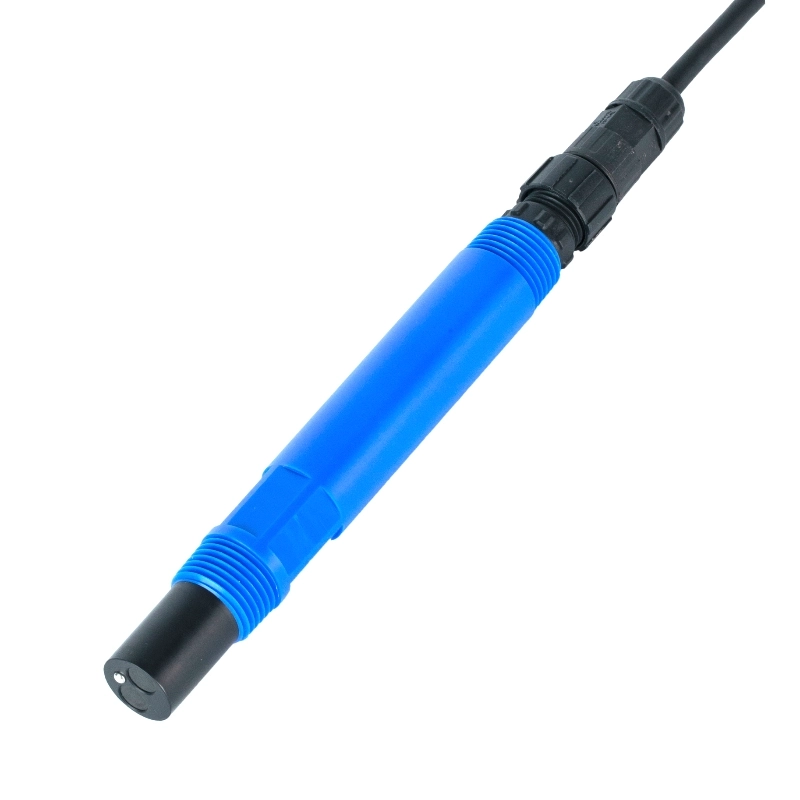
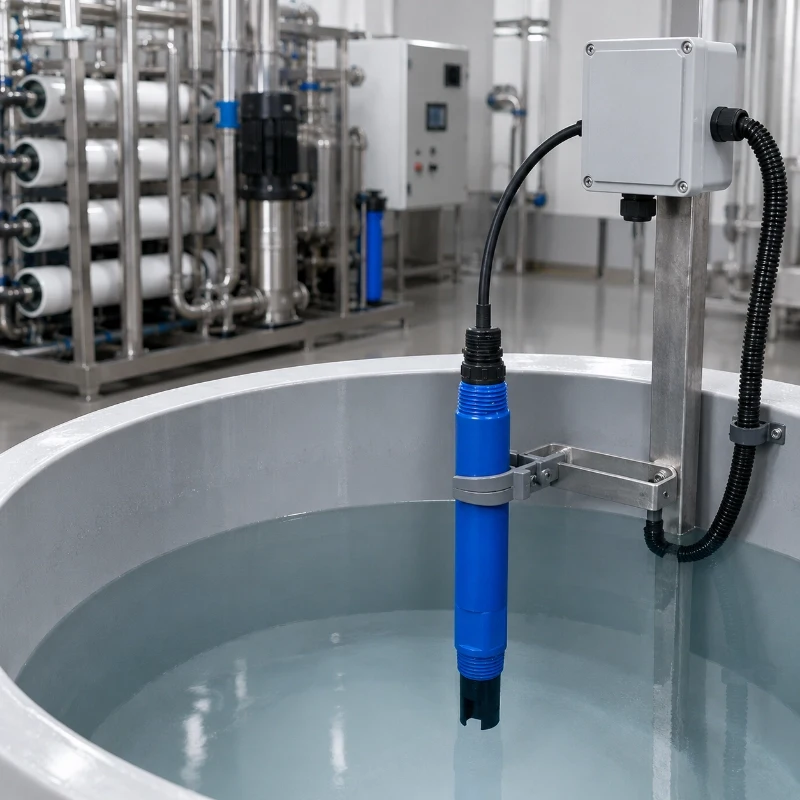
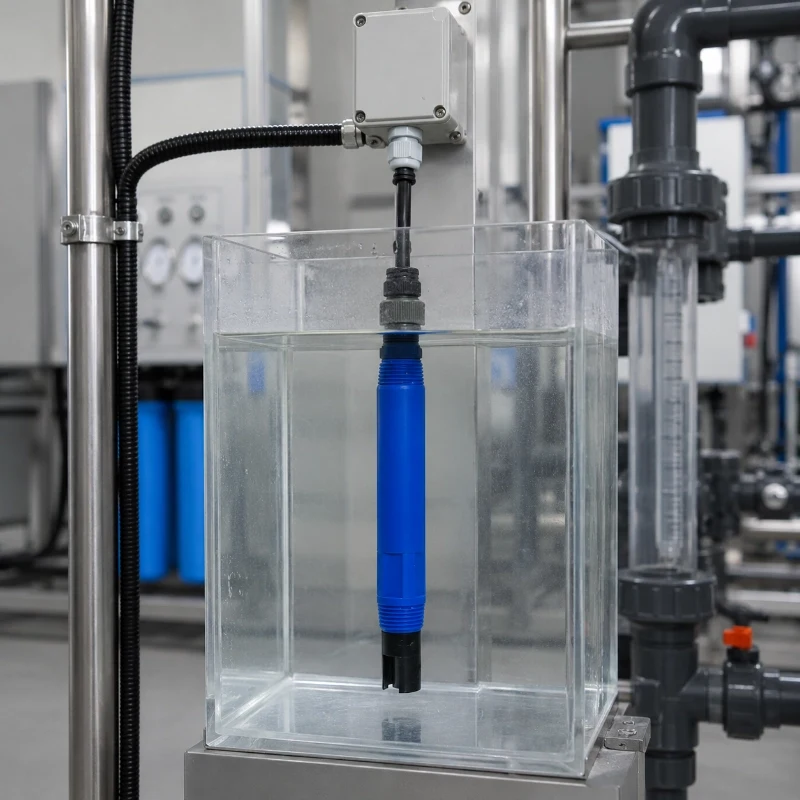
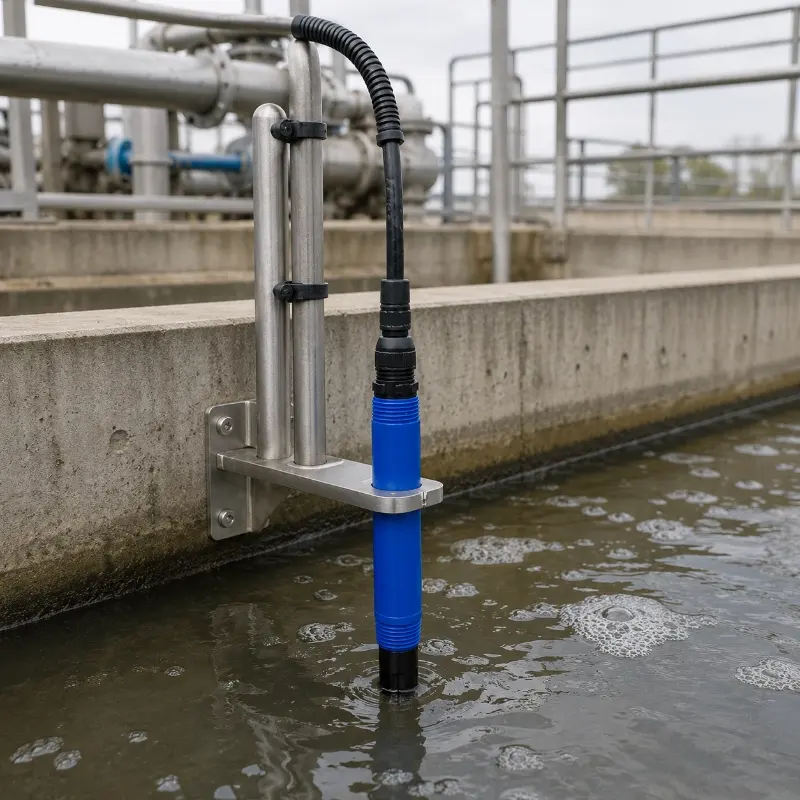
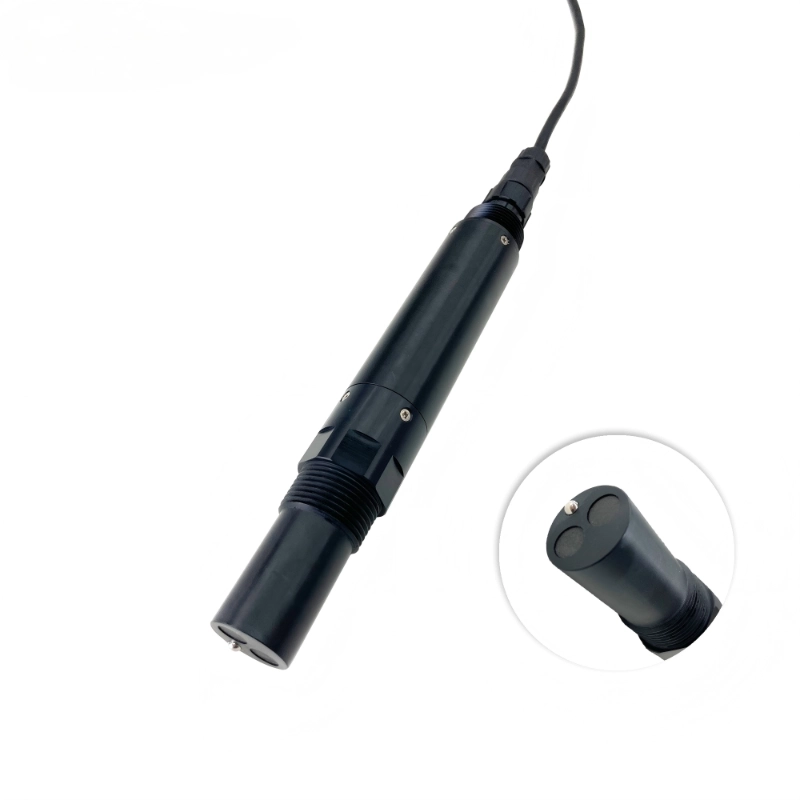
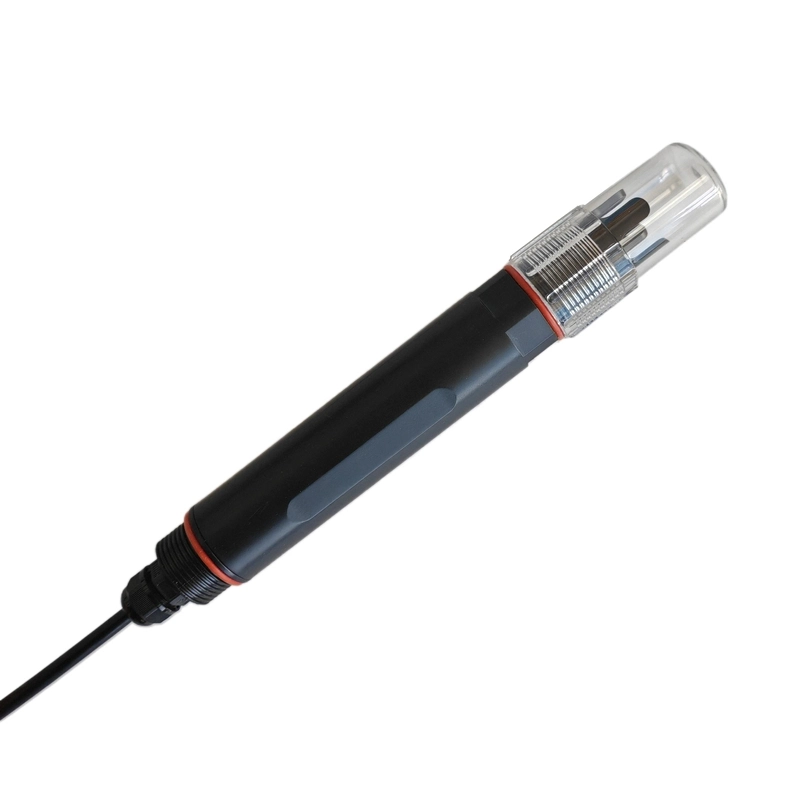
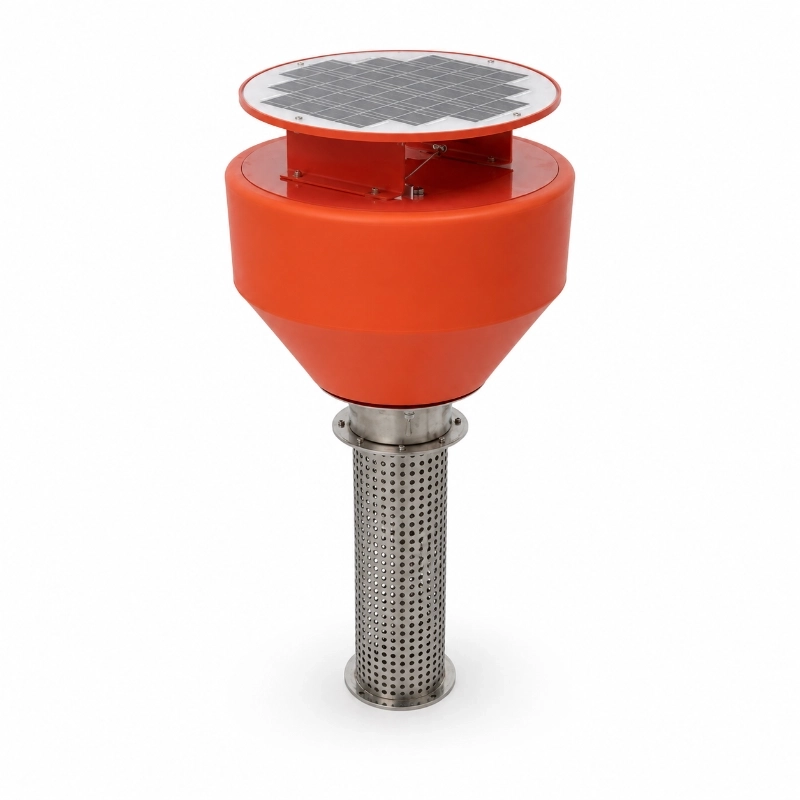
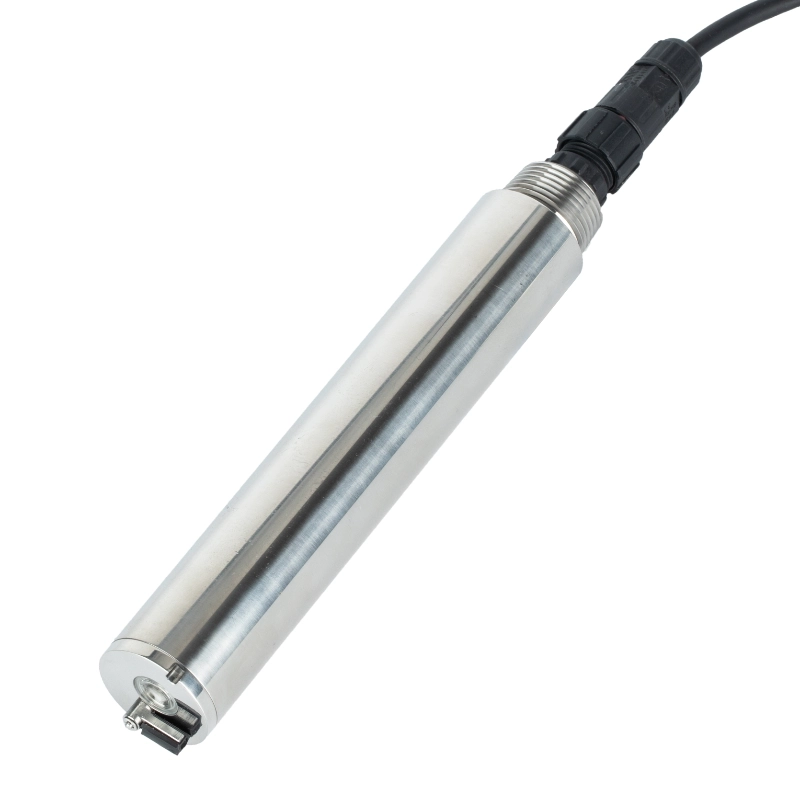
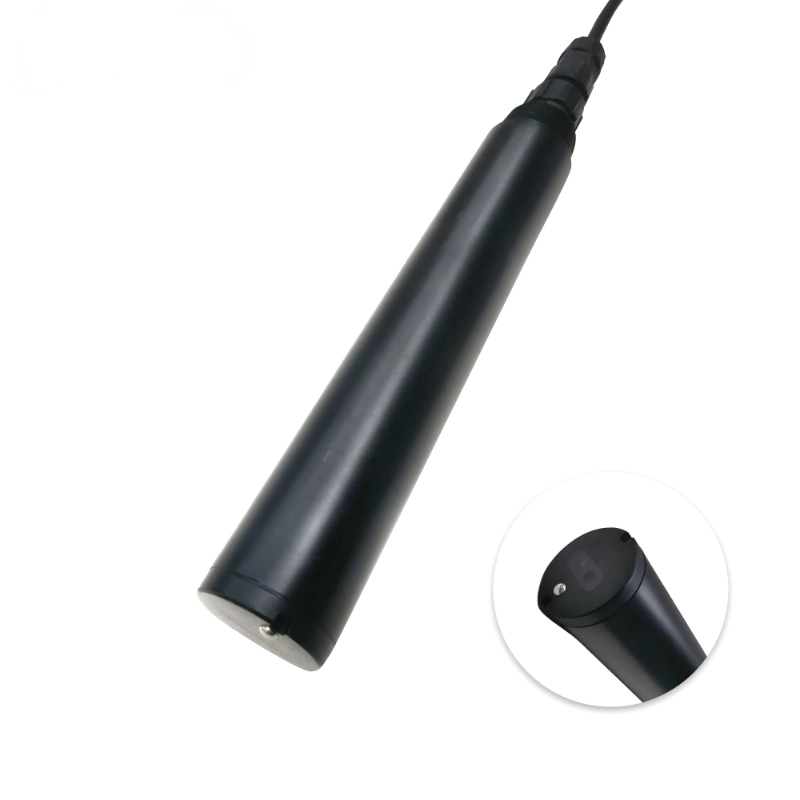
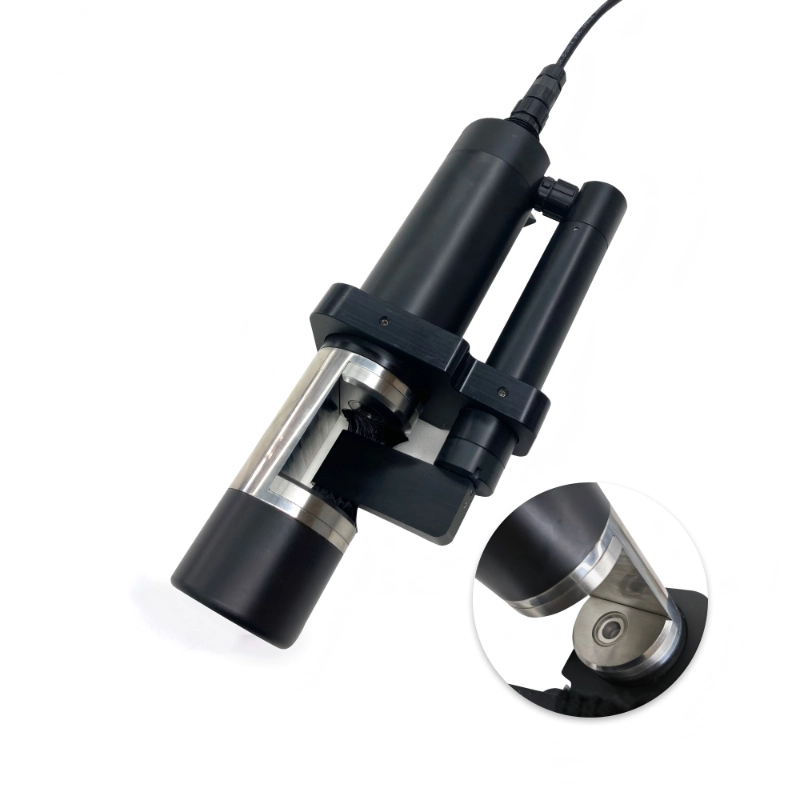
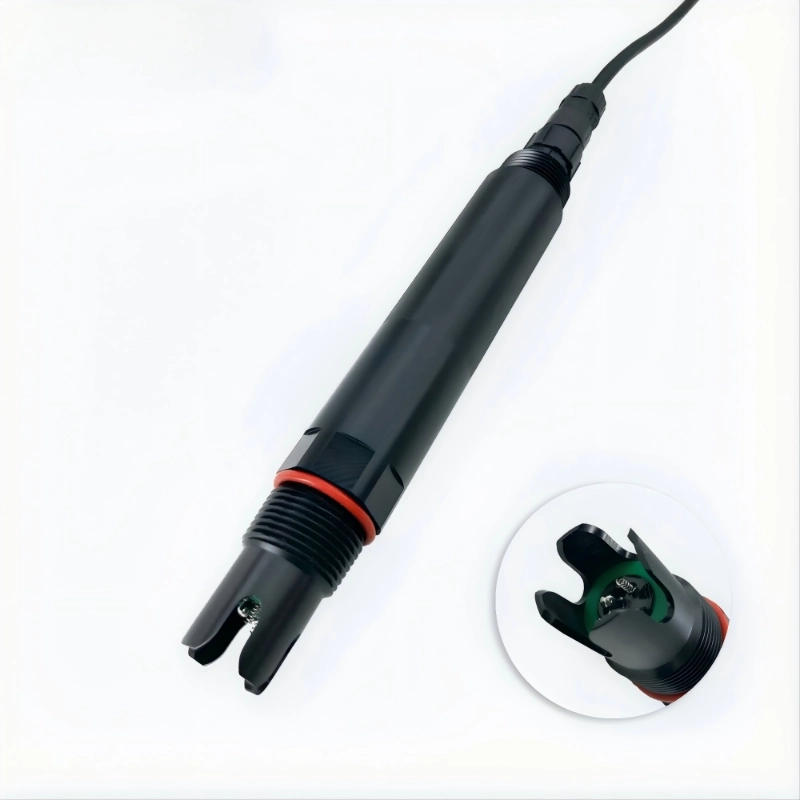
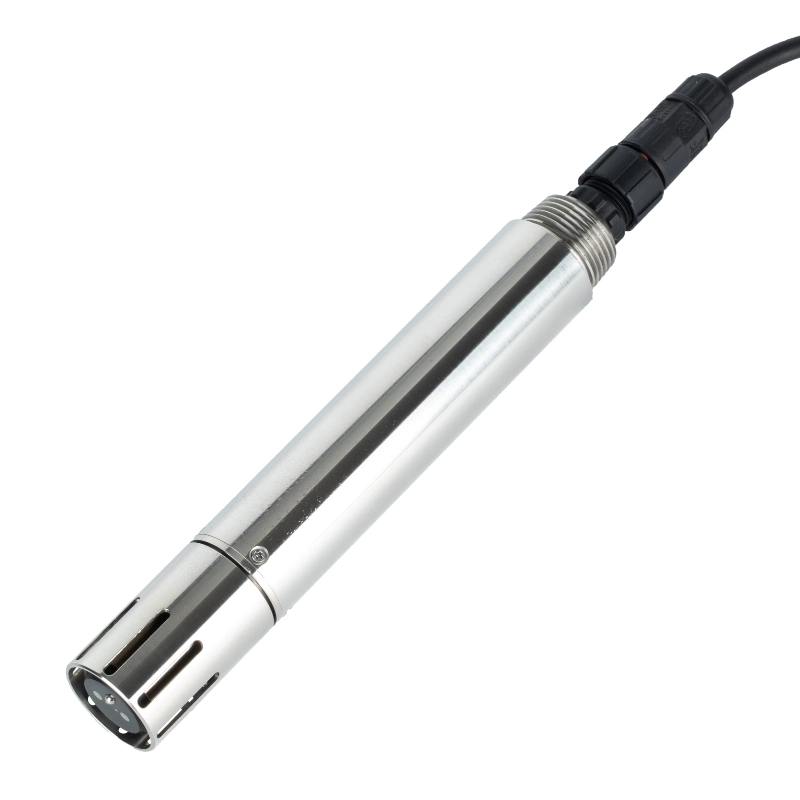
JW-iEC-306(K28)online conductivity sensor is designed for continuous conductivity and TDS monitoring in drinking water, surface water, water supply systems, and industrial water treatment applications. With RS485 Modbus RTU output, IP68 waterproof protection, automatic temperature compensation, and a 1/2 NPT installation interface, it is suitable for integration with PLCs, DCS systems, industrial controllers, data loggers, and IoT water quality monitoring platforms.
2. Product Overview
JW-iEC-306(K28)online conductivity sensor is a digital water quality probe designed for measuring conductivity and TDS in continuous monitoring systems. It uses the electrode measurement method and outputs stable digital data through RS485 Modbus RTU communication.
The sensor is suitable for drinking water, surface water, water supply networks, industrial water treatment, and process water monitoring. Its compact 1/2 NPT threaded structure supports submerged installation as well as installation in pipelines and tanks. With IP68 protection and automatic temperature compensation, it is built for reliable long term operation in field and industrial environments.
3. What is Water Conductivity?
Water conductivity refers to the ability of water to conduct electrical current, which is directly influenced by the concentration of dissolved ions such as salts, acids, and inorganic compounds.
Higher conductivity indicates higher levels of dissolved solids, which may affect:
Membrane performance in RO systems
Boiler scaling and corrosion risks
Wastewater discharge compliance
Chemical dosing accuracy
Conductivity is widely recognized as a key parameter in industrial water quality monitoring systems.
4. Why Online Conductivity Monitoring Matters
Traditional manual testing cannot provide continuous visibility into water quality changes. Online conductivity monitoring enables:
Real-time water quality control
Automated chemical dosing adjustment
Early detection of contamination or leakage
Protection of RO membranes and boiler systems
Improved regulatory compliance
By continuously monitoring conductivity levels, industrial operators can significantly reduce maintenance costs and system downtime.
5. Technical Specifications
Parameter
Description
Measurement Range
0–2000 μS/cm / customizable
Accuracy
±1.5% FS
Output Signal
RS485 / Modbus RTU
Temperature Compensation
Automatic
Operating Temperature
0–60°C
Pressure Range
Standard industrial pressure
Protection Level
IP68
Material
Industrial corrosion-resistant housing
Installation Type
Inline / immersion optional
6. Industrial Applications
Wastewater Treatment Plants: Used to monitor effluent conductivity and ensure discharge standards are met.
Reverse Osmosis (RO) Systems: Helps monitor membrane performance and detect salt breakthrough early.
Boiler Feed Water Systems: Prevents scaling and corrosion by controlling dissolved ion levels.
Cooling Tower Systems: Maintains stable water chemistry and improves system efficiency.
7. System Integration (IoT Ready)
The JW-IoT conductivity sensor is designed for smart water management systems and supports:
Industrial IoT platforms
SCADA systems
Cloud-based monitoring dashboards
LoRaWAN / 4G gateway integration (via RTU)
This enables centralized monitoring across multiple industrial sites.
8. Comparison: Conductivity vs TDS
Parameter
Conductivity
TDS
Measurement Type
Electrical conductivity
Estimated solids
Accuracy
High
Medium
Response Speed
Real-time
Calculated
Industrial Use
Standard
Reference only
9. Benefits for Industrial Operators
Reduce chemical consumption costs
Improve system efficiency
Prevent equipment scaling and corrosion
Enable predictive maintenance
Ensure environmental compliance
10. Application Scenarios
Drinking Water Monitoring: The sensor can be used for online conductivity and TDS monitoring in drinking water treatment, purified water systems, and water supply networks.
Surface Water Monitoring: With IP68 protection, the sensor is suitable for rivers, lakes, reservoirs, and environmental water quality monitoring stations.
Industrial Water Treatment: The sensor can support process water monitoring, cooling water systems, boiler feedwater pretreatment, and industrial water quality control.
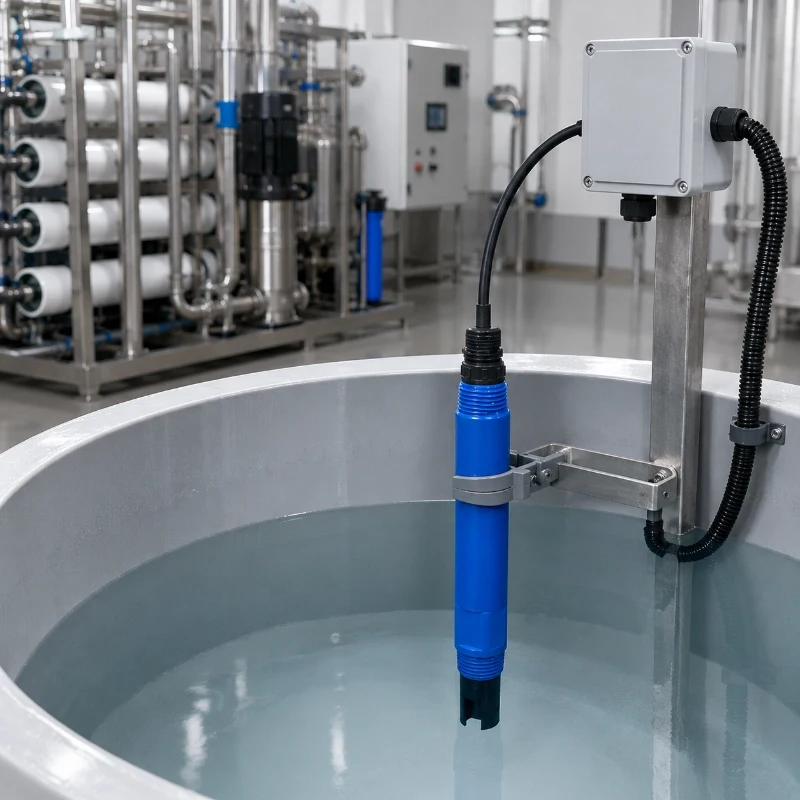
Pipeline and Tank Installation: The 1/2 NPT threaded design allows the sensor to be installed in pipelines, tanks, and submerged monitoring points.
Smart Water Quality Systems: RS485 Modbus RTU output makes the sensor easy to connect with PLCs, DCS, touch screens, paperless recorders, data acquisition units, and IoT monitoring platforms.
11. Installation Notes
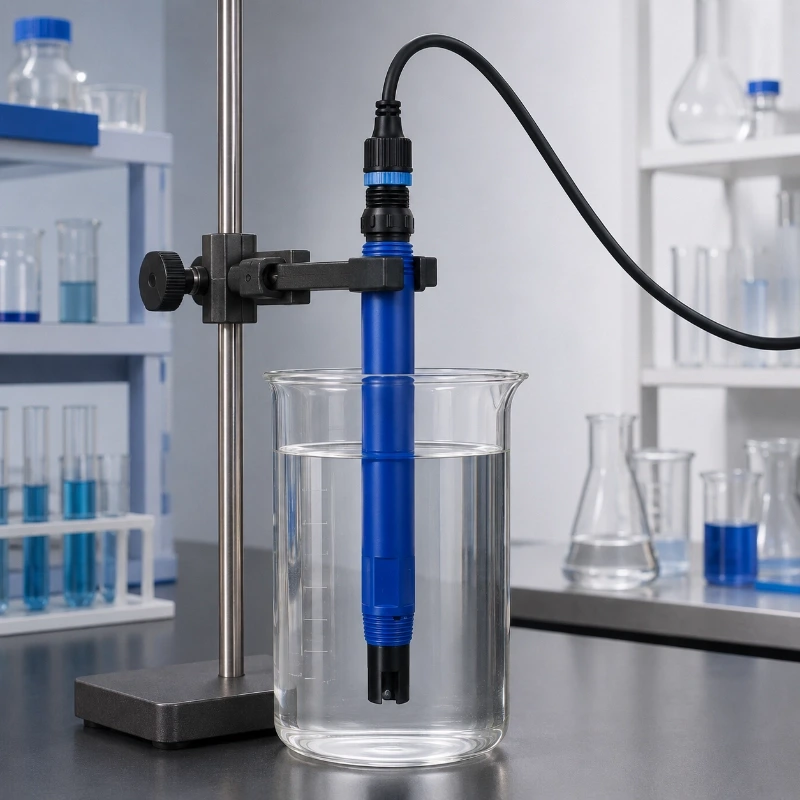
During installation and testing, keep the sensor at least 5 cm away from the bottom of the container and at least 2 cm away from the side wall to reduce measurement interference. For long term operation in water, seawater, or humid outdoor environments, all wiring joints should be waterproofed, and the user side cable should have corrosion resistant protection.
Before power on, check the wiring sequence carefully. The cable uses a 4 core shielded twisted pair structure: red for power supply, black for GND, blue for RS485A, and white for RS485B.
12. Maintenance Notes
Conductivity electrodes should be cleaned and calibrated periodically according to actual working conditions. Use a soft brush to remove attachments carefully, avoid scratching the electrode surface, rinse with distilled water, and then perform calibration.
For calibration, zero calibration is performed in air after rinsing and drying the sensor. Slope calibration is performed by placing the sensor vertically in a standard solution. During slope calibration, keep the sensor at least 5 cm away from the container bottom and 2 cm away from the side wall.
FAQ
Q
1. What is this online conductivity sensor used for?
A
It is used to continuously measure dissolved ion levels in water for industrial process control and water quality monitoring.
Q
2. Where is conductivity monitoring required?
A
It is widely used in wastewater treatment, RO systems, boilers, and cooling towers.
Q
3. What is the difference between conductivity and TDS?
A
Conductivity measures electrical ion activity directly, while TDS is a calculated value based on conductivity.
Q
4. Can this sensor be used in wastewater applications?
A
Yes, it is designed for industrial wastewater monitoring and control systems.
Q
5. Does the sensor support IoT systems?
A
Yes, it supports RS485 Modbus communication and can be integrated into IoT platforms.
 +86 13520127780
  info@jingelway.com