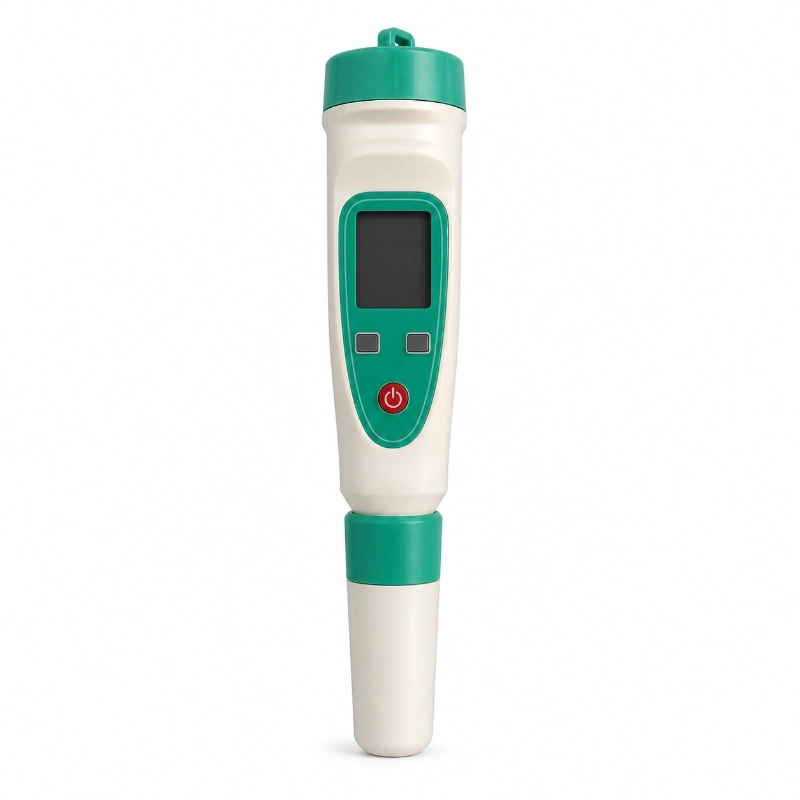
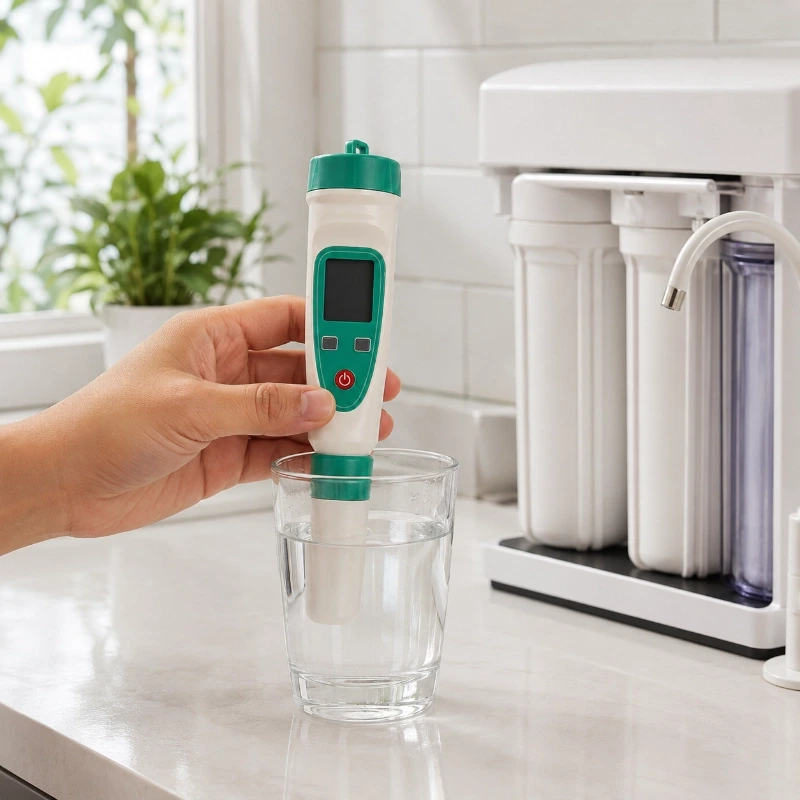
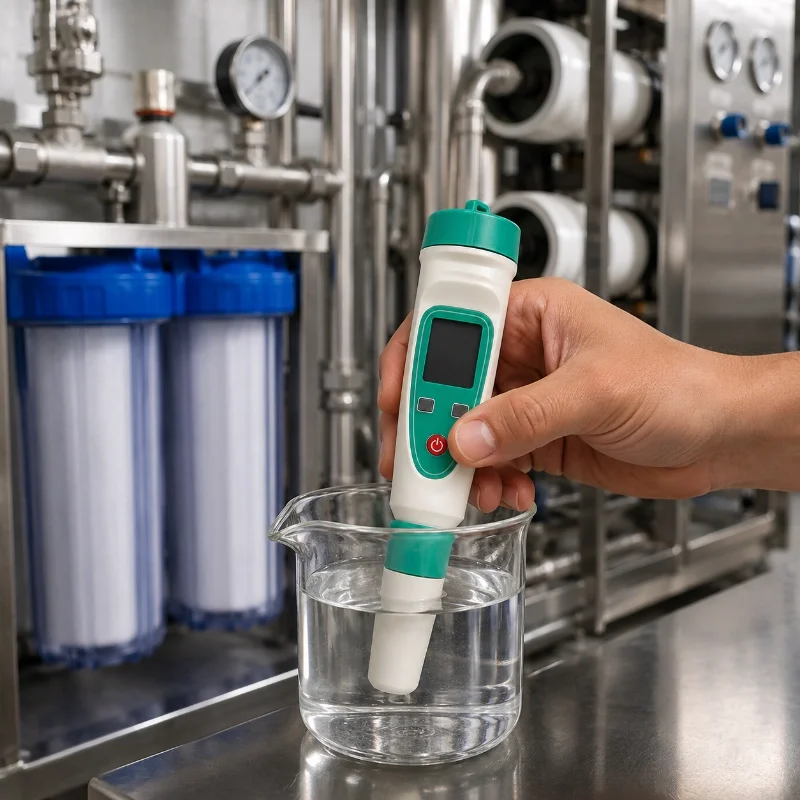
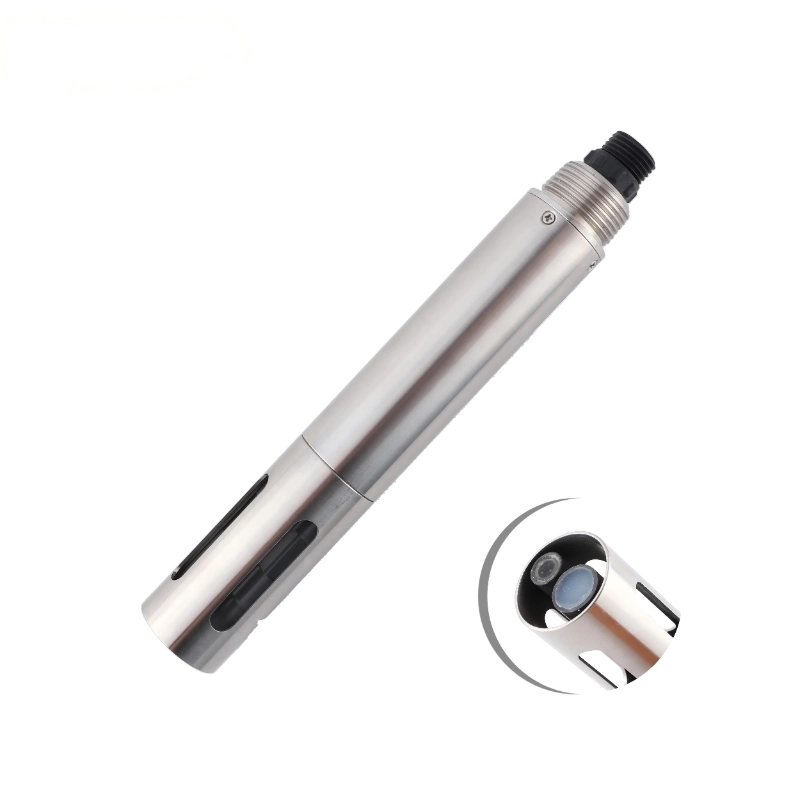
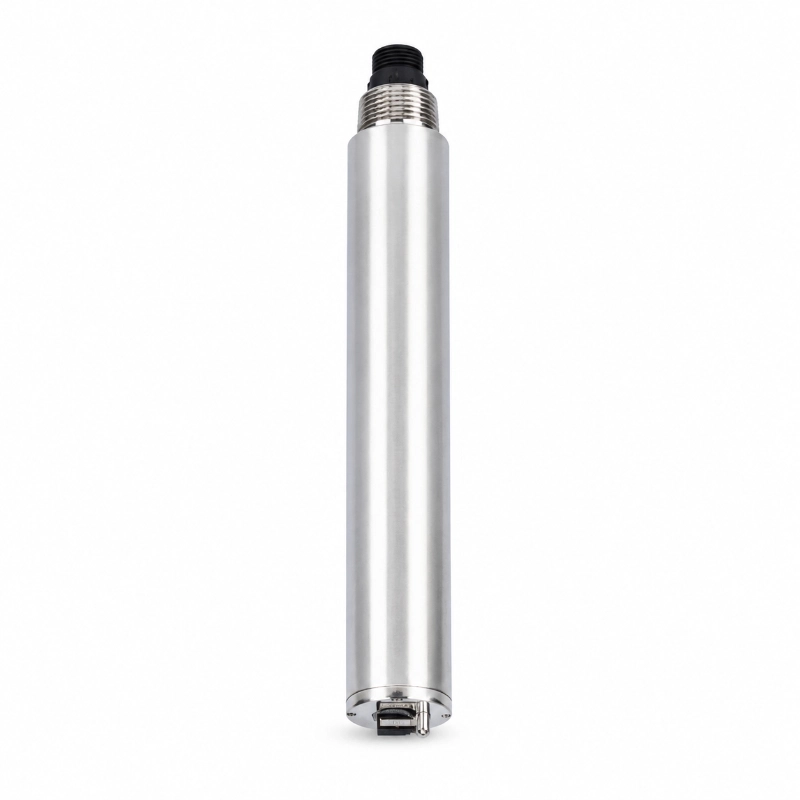
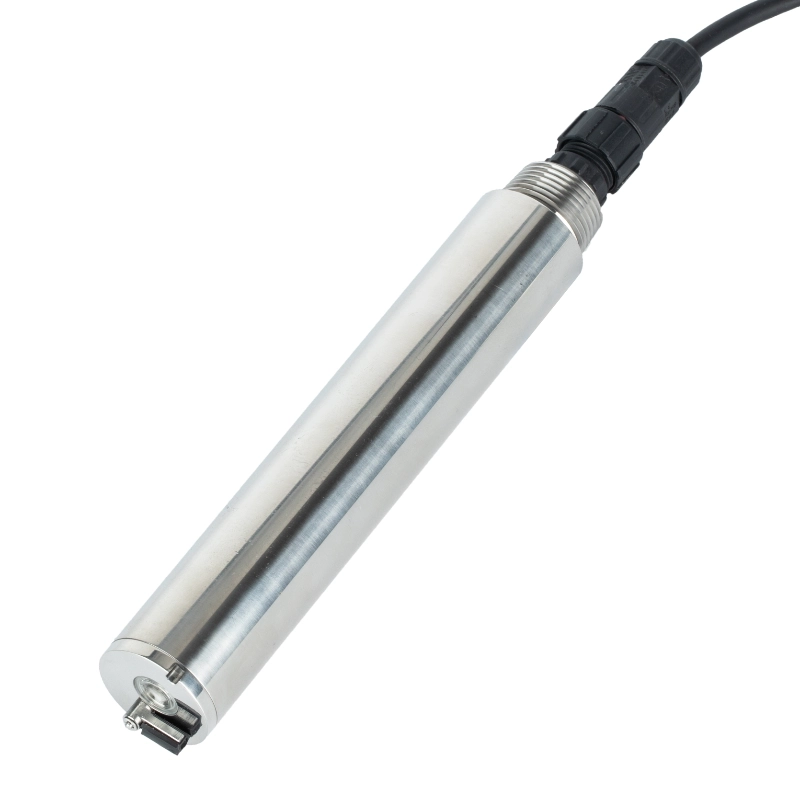
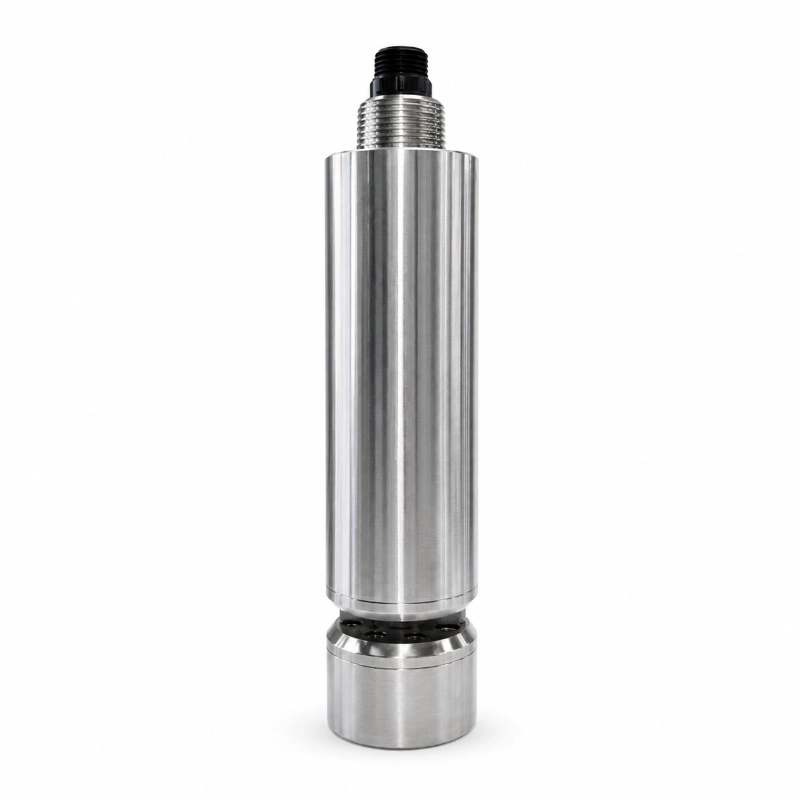
JW-LTDS-101(K26)Portable TDS meter designed for quick dissolved solids testing in water samples, with 0 to 9999 ppm range, 1 ppm resolution, automatic temperature compensation, HOLD function, and one point calibration for field, laboratory, drinking water, and industrial water quality checks.
2. Product Overview
JW-LTDS-101(K26)pen style TDS meter is designed for fast and convenient measurement of total dissolved solids in water or liquid samples. It helps users evaluate the concentration of dissolved ions and minerals, making it a practical tool for water quality inspection, production process checks, laboratory sampling, and on site testing.
The meter features a simple button operation, clear LCD display, automatic temperature compensation, and portable structure. It can be used directly after factory calibration, and the user can recalibrate it with a standard solution after long term use to maintain measurement reliability.
Item
Specification
Product Type
Pen Style TDS Meter
Measuring Parameter
Total Dissolved Solids TDS
Measuring Range
0 to 9999 ppm / mg/L
Resolution
1 ppm
Accuracy
±2%FS
Temperature Compensation
Automatic 0 to 50°C
Working Temperature
0 to 50°C
Calibration
One Point Automatic Calibration
Calibration Solution
6440 ppm Standard Solution
Display
TDS Value and Temperature
Function Buttons
ON/OFF, HOLD, CAL, °C/°F Conversion
Dimension
Φ40 × 185 mm including electrode
Weight
Approx. 88 g
Typical Use
Field Testing, Laboratory Check, Drinking Water, Industrial Water
3. What Is a TDS Meter
A TDS meter is a portable water testing instrument used to estimate the total dissolved solids in water. TDS values are commonly expressed in ppm or mg/L and can help users evaluate water purity, dissolved ion concentration, filtration performance, and general water quality conditions.
For most water quality testing applications, TDS values expressed in ppm are approximately equivalent to mg/L. Therefore, a 0 to 9999 ppm TDS range can also be understood as a 0 to 9999 mg/L dissolved solids measurement range under standard water testing conditions.
5. TDS Meter vs EC Meter
TDS and EC are closely related in water quality testing. EC measures electrical conductivity, while TDS estimates the total dissolved solids based on conductivity conversion. A portable TDS meter is suitable for quick dissolved solids screening, while an EC sensor or online conductivity sensor is more suitable for continuous monitoring, irrigation control, aquaculture systems, and industrial process water monitoring.
For projects requiring real-time data transmission, RS485 Modbus output, or platform integration, JW-IoT can also provide online EC sensors and multi-parameter water quality monitoring solutions.
6. Application Scenarios
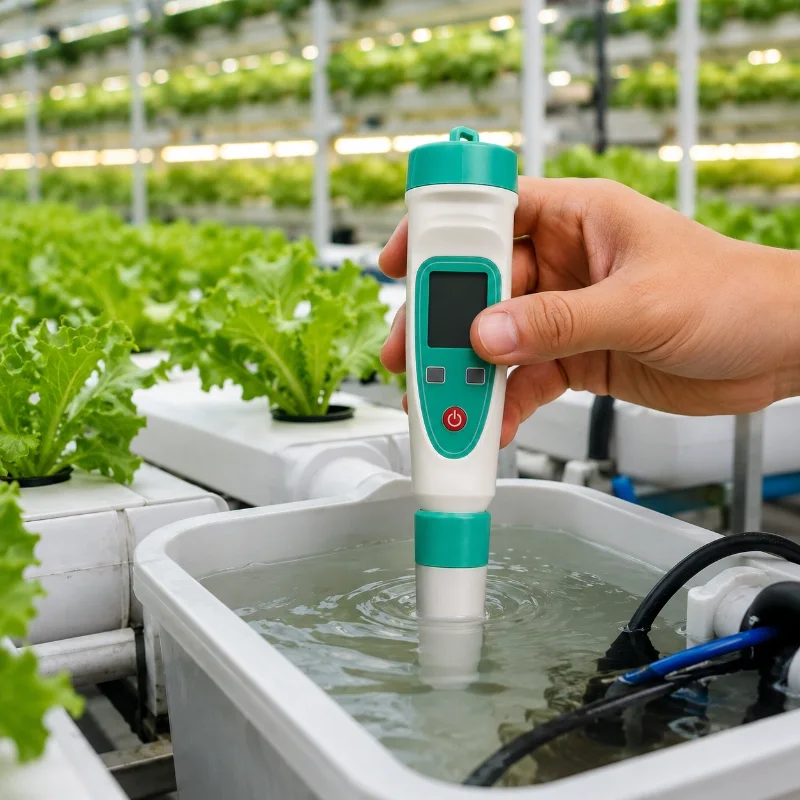
Drinking Water and RO Water Testing: For tap water, purified water, filtered water, and reverse osmosis water quality checks.
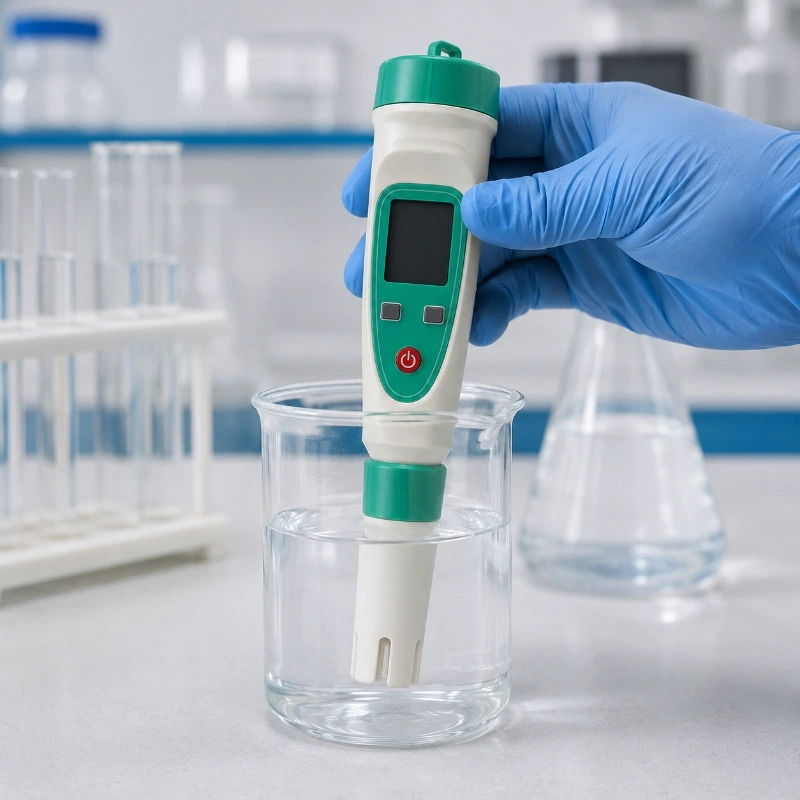
Laboratory Sample Screening: For fast pre-checks before detailed laboratory analysis.
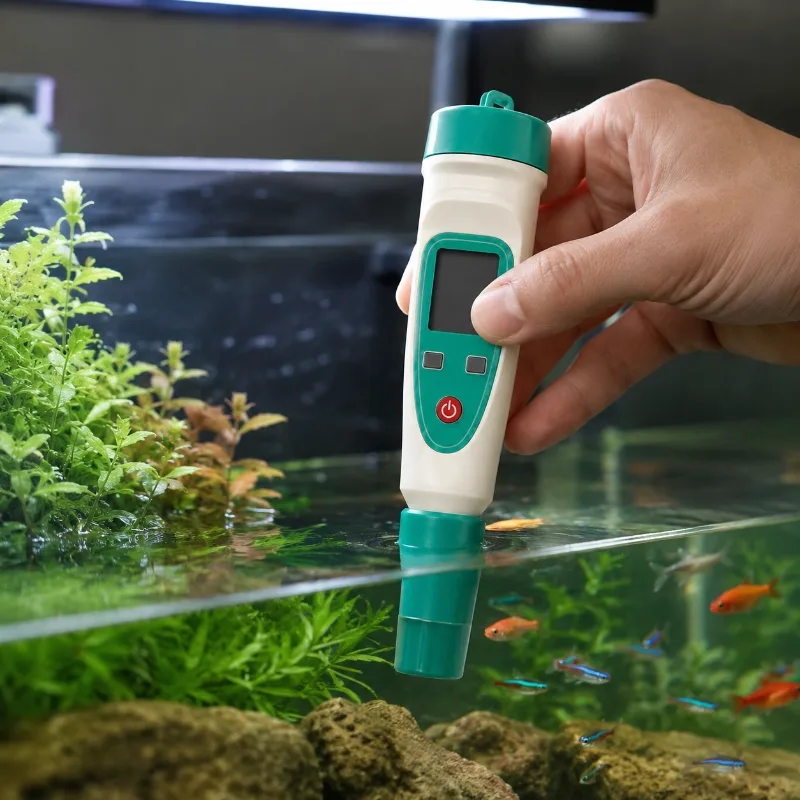
Aquaculture Water Quality Checks: For quick monitoring of dissolved mineral concentration in fish ponds, shrimp farms, and recirculating aquaculture systems.
7. Installation Notes
Before use, remove the lower electrode protection cap carefully. Do not twist the cap during removal. If the electrode has become dry, soak the electrode area in clean water for 5 to 10 minutes before measurement. Insert only the electrode sensing area into the liquid sample, and do not drop the whole meter into water.
For calibration, place the electrode into the standard TDS solution, gently stir, then keep it still until the reading stabilizes. Press and hold the calibration button for about 3 seconds, then follow the automatic recognition process. Do not remove the meter from the calibration solution until the calibration process is complete.
8. Maintenance Notes
Keep the electrode clean after use and always cover it with the protective cap. Store the meter in a cool and ventilated place. Replace the battery when the display becomes dim or the battery icon appears. Do not mix old and new batteries.
FAQ
Q
1. What does this TDS meter measure?
A
It measures total dissolved solids in water and displays the TDS value together with sample temperature.
Q
2. What is the measuring range of this TDS meter?
A
The measuring range is 0 to 9999 ppm / mg/L, suitable for routine water quality testing.
Q
3. Is ppm the same as mg/L for TDS testing?
A
For most water testing applications, ppm is approximately equivalent to mg/L when measuring total dissolved solids.
Q
4. Does this TDS meter also measure EC?
A
This model is mainly designed for TDS testing. For EC measurement, JW-IoT can provide EC sensors or EC/TDS water quality monitoring options.
Q
5. Can JW-IoT provide TDS meters for field water testing projects?
A
Yes. JW-IoT can supply portable TDS meters for field sampling, laboratory checks, and water quality inspection projects.
Q
6. Can this TDS meter be used for RO water testing?
A
Yes. It can be used for quick checks of tap water, filtered water, purified water, and reverse osmosis water.
Q
7. How is the TDS meter calibrated?
A
It supports one point automatic calibration using a standard TDS calibration solution such as 6440 ppm solution.
Q
8. What is the difference between a TDS meter and an online EC sensor?
A
A portable TDS meter is used for manual spot testing, while an online EC sensor is used for continuous monitoring and data transmission.
Q
9. Can JW-IoT provide a complete water quality monitoring kit?
A
Yes. JW-IoT can match handheld meters, online sensors, gateways, and monitoring platforms according to different water quality applications.
 +86 13520127780
  info@jingelway.com