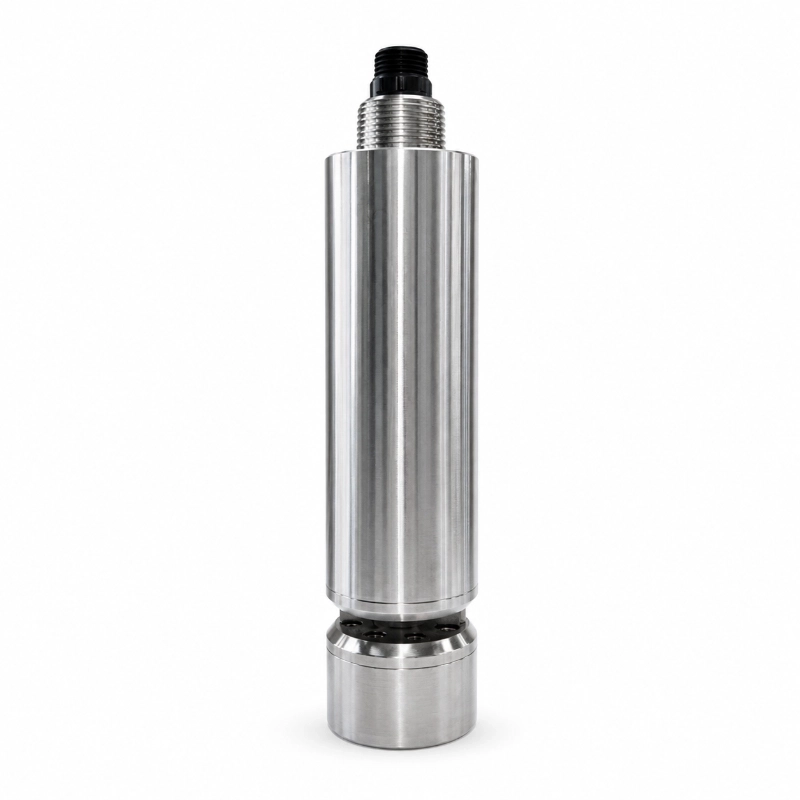
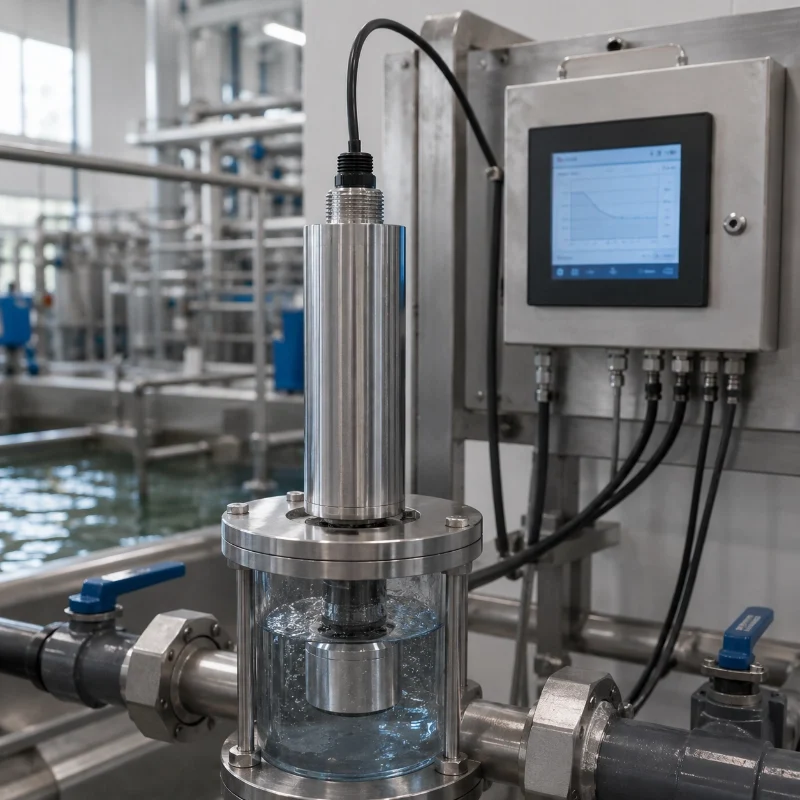
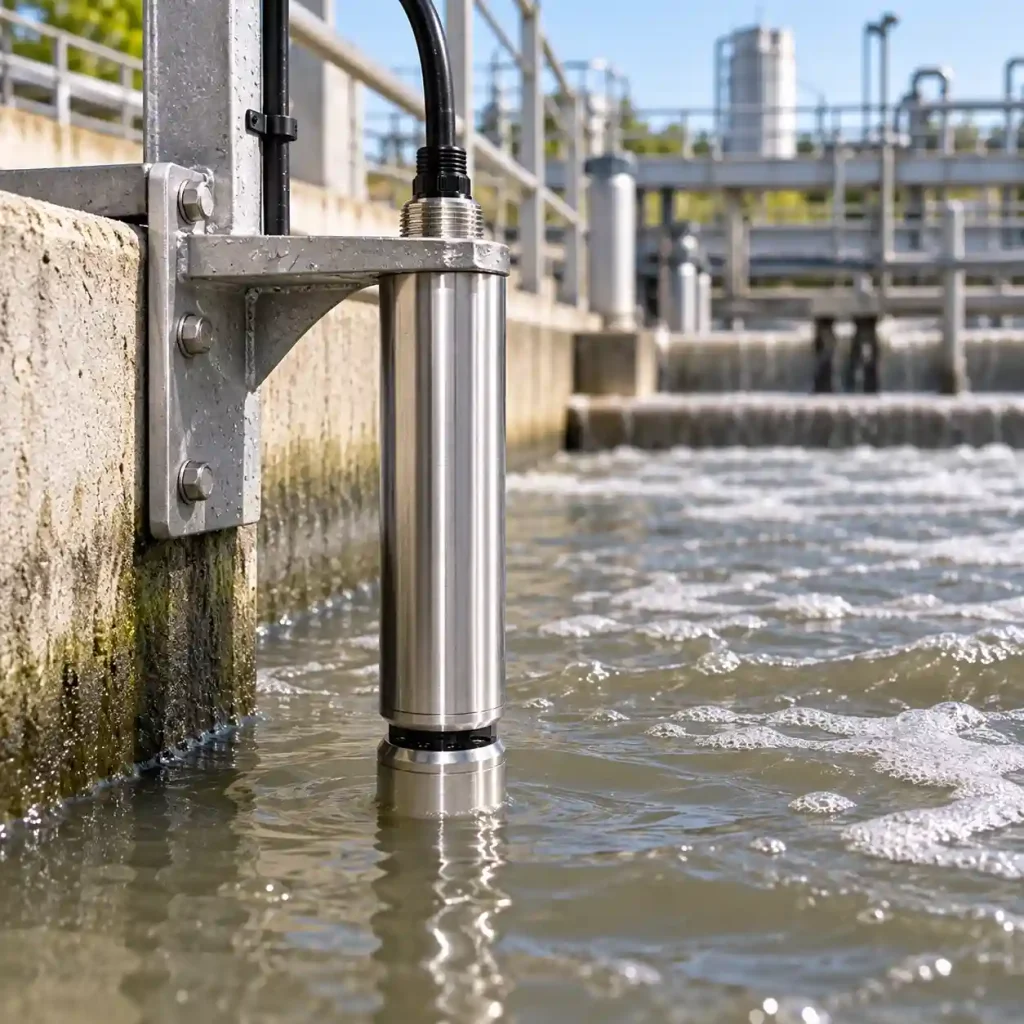
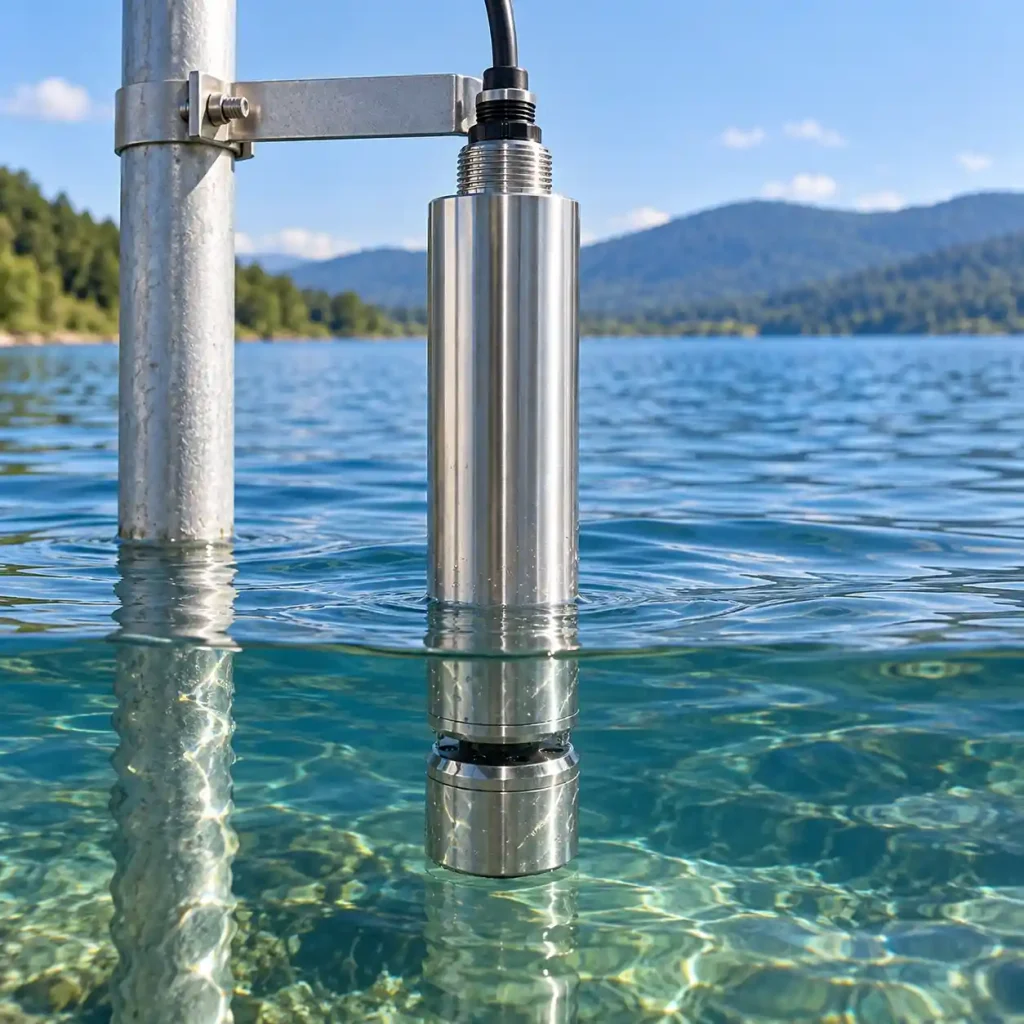
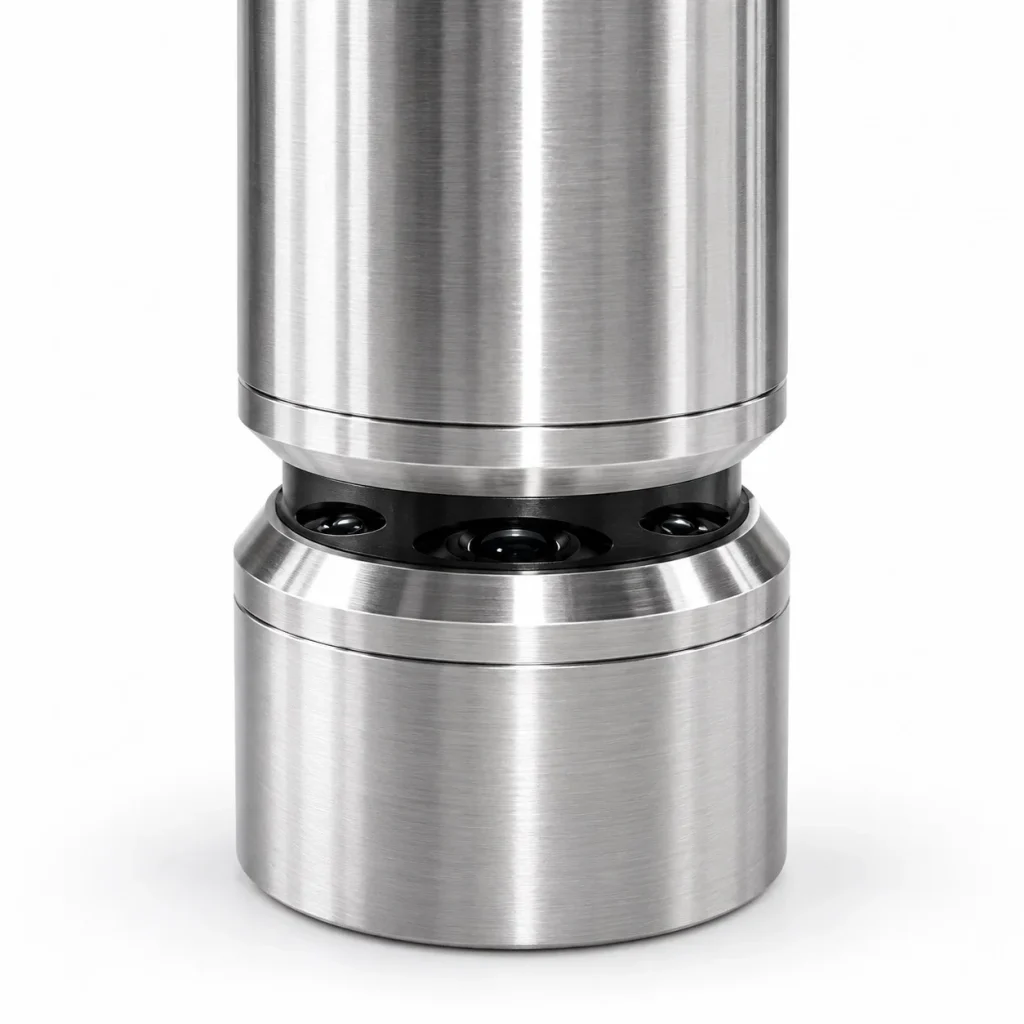
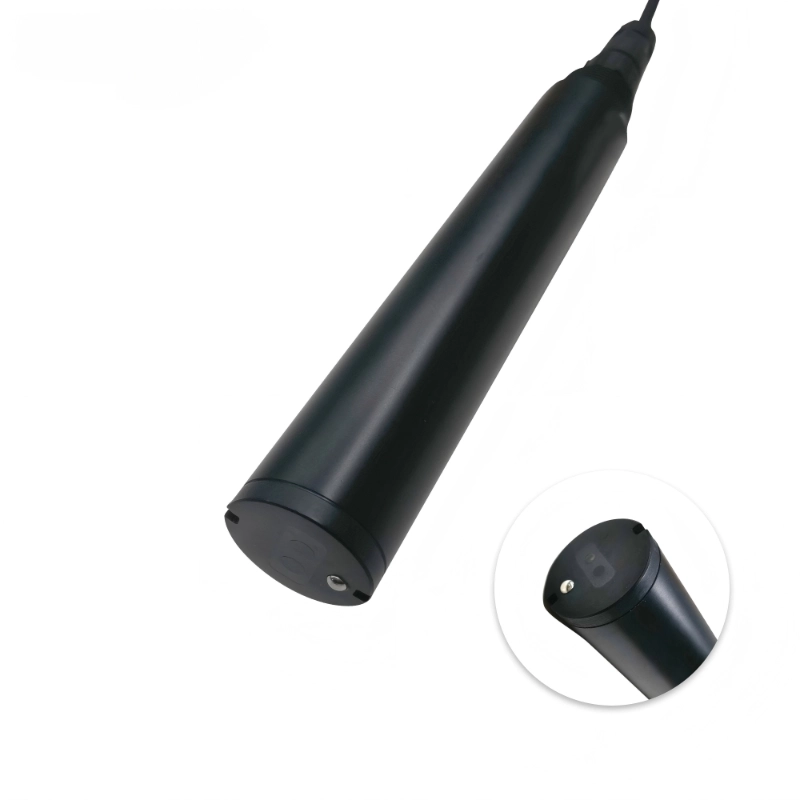
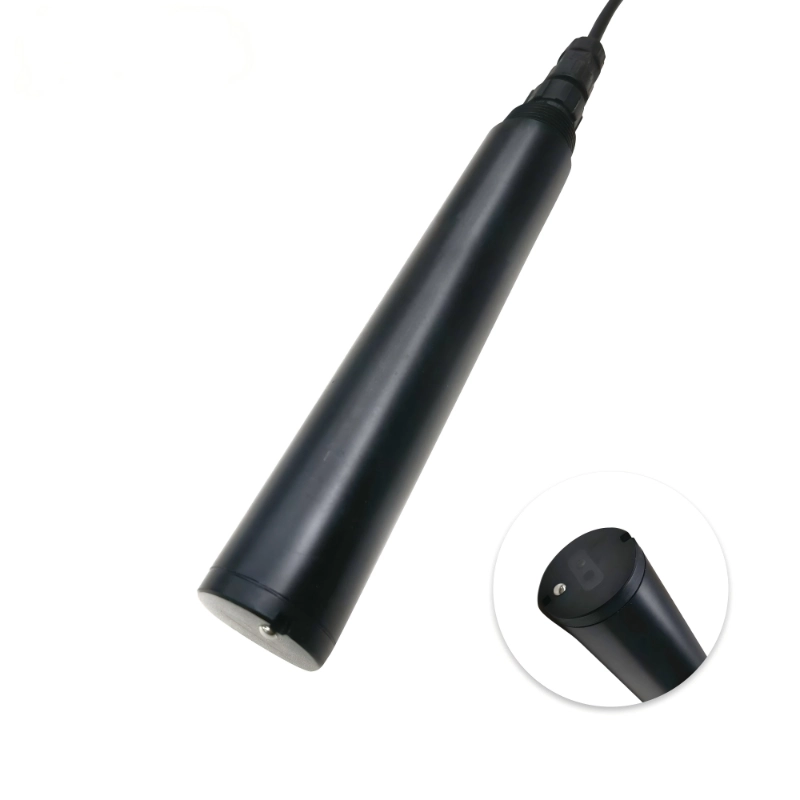
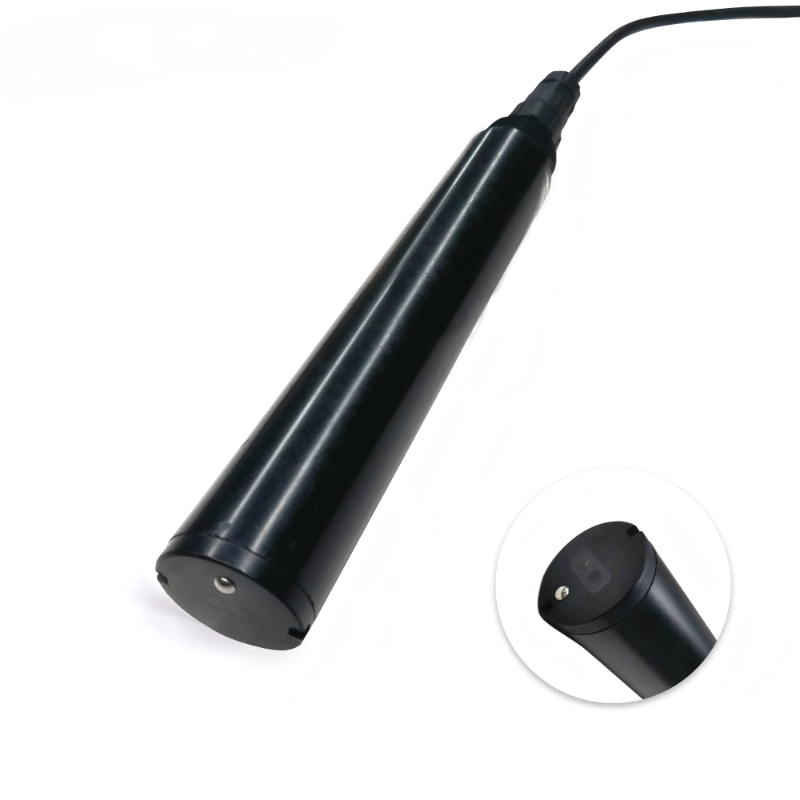
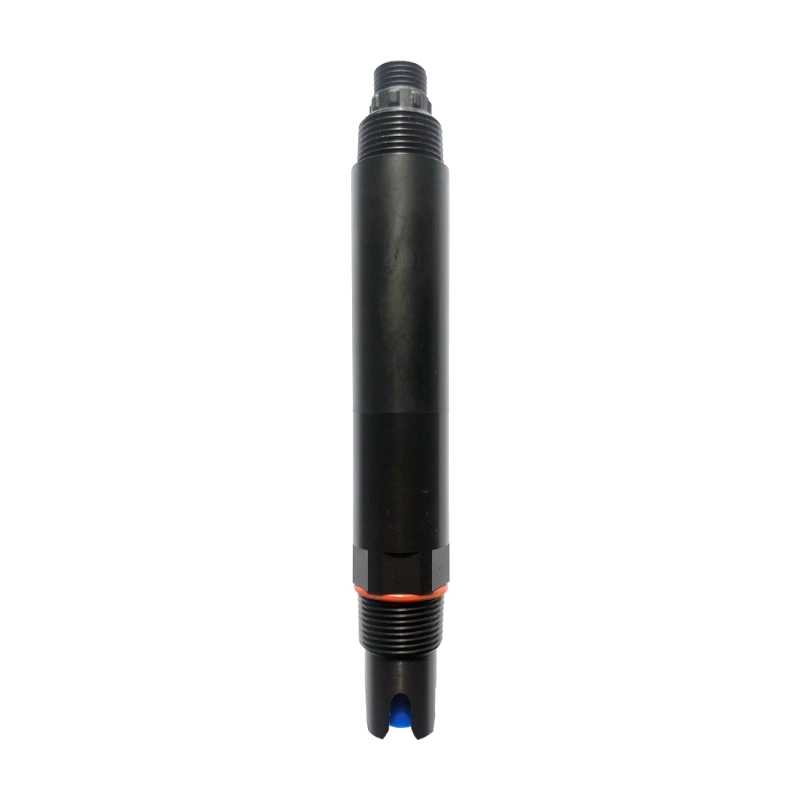
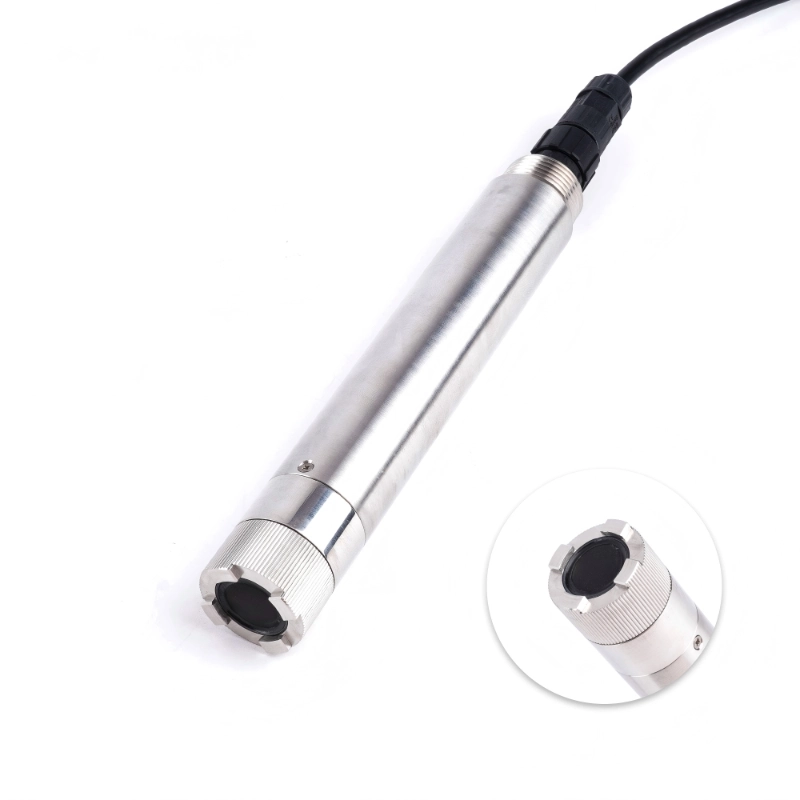
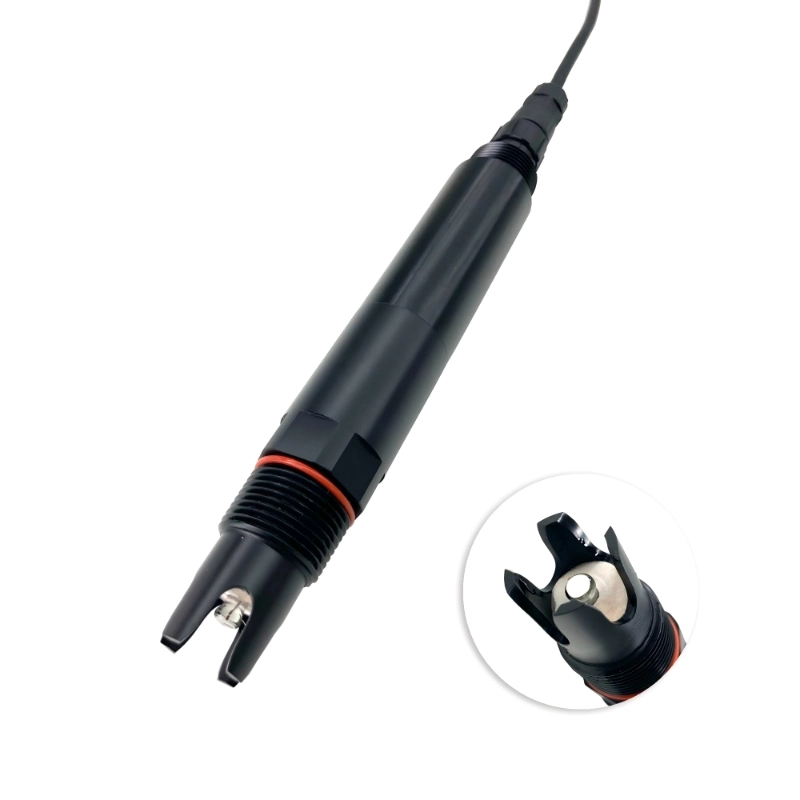
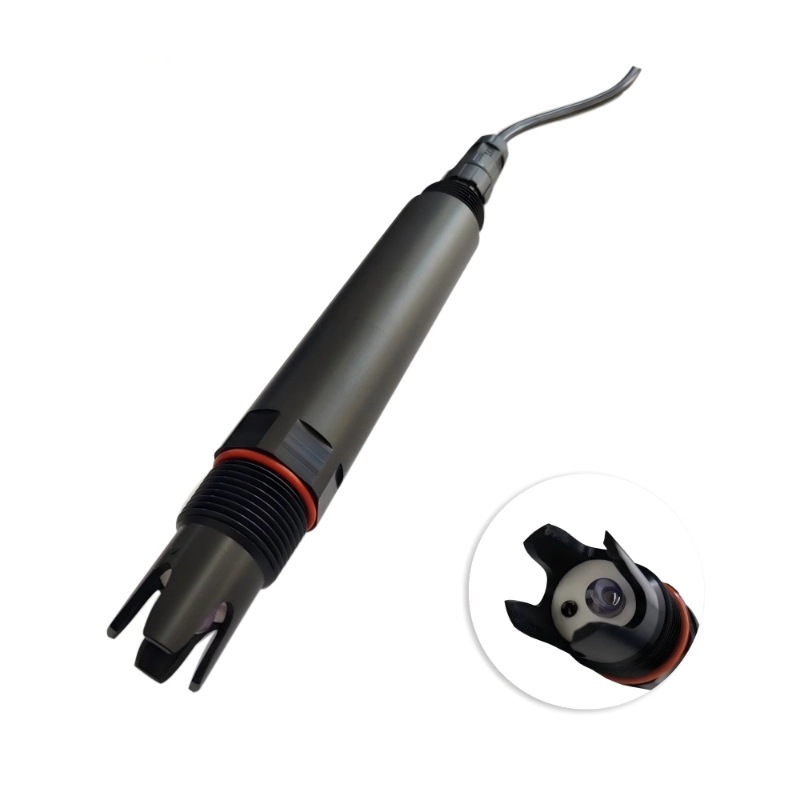
The JW-EUV-408(K39) Multi-Parameter Water Quality Analyzer is designed for continuous online monitoring of multiple water-quality indicators from a single submerged instrument.
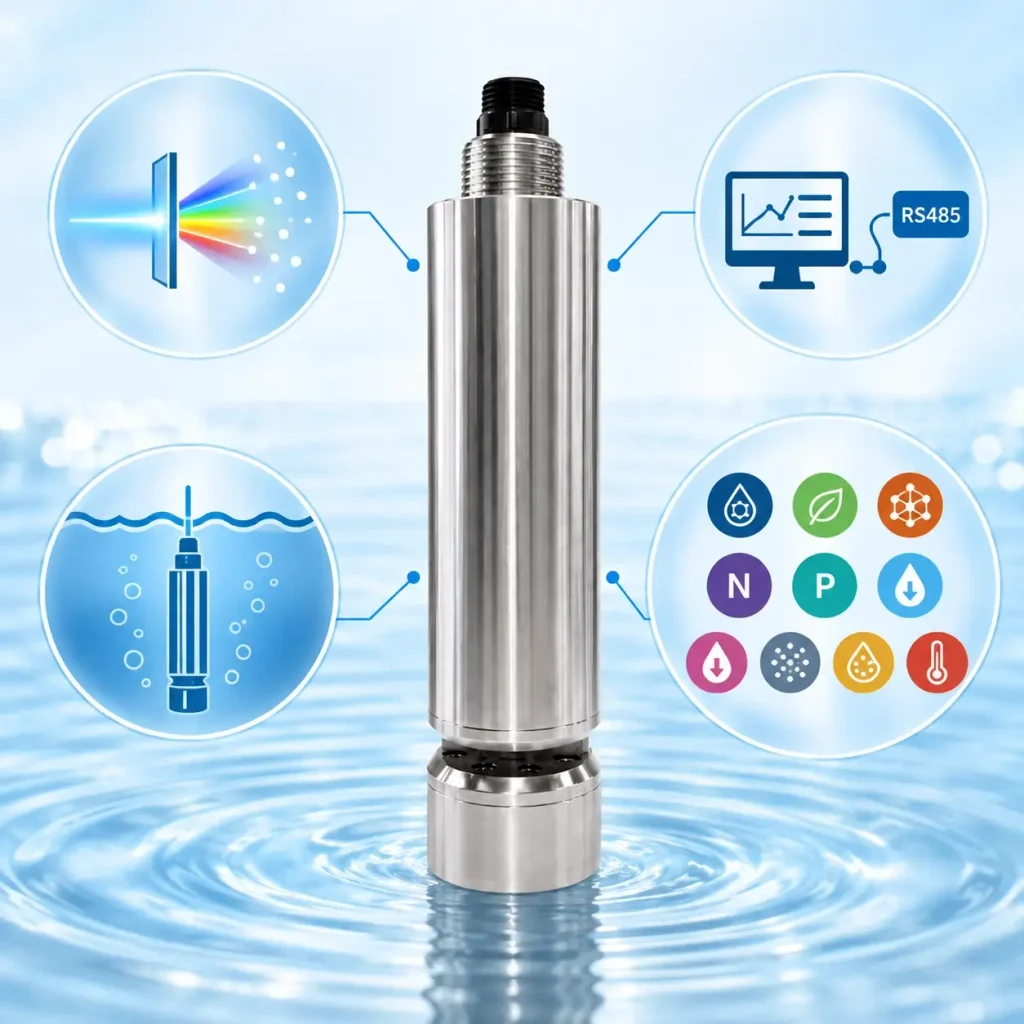
Unlike conventional multi-probe systems that use separate electrochemical sensors for each parameter, the EUV-408 uses full-spectrum absorption simulation technology to monitor a broader group of water-quality indicators without chemical reagents.
Available measurements include:
COD
TOC
BOD
Total Phosphorus
Total Nitrogen
NHN
Nitrate
Nitrite
Turbidity
CODMn
Color
Temperature
With RS485 Modbus RTU, IP68 protection, a 316L stainless steel housing, and immersion installation, it can be integrated into industrial wastewater, municipal water, environmental monitoring and automated water-quality monitoring systems.
1. Product Description
JW-EUV-408(K39) is an integrated multi-parameter water quality analyzer developed for applications where several pollution indicators need to be monitored continuously.
Traditional online analysis of COD, BOD, TOC, nitrogen and phosphorus often involves multiple instruments or reagent-based analyzers.
The EUV-408 takes a different approach.
It uses full-spectrum absorption simulation to derive multiple water-quality parameters from optical spectral characteristics.
This makes it especially suitable for monitoring systems that require:
Continuous online measurement
Multiple parameters at one monitoring point
Digital data transmission
Reduced reagent handling
Submerged field deployment
Integration with PLC, RTU or IoT systems
Because the analyzer does not require chemical reagents during normal measurement, it can simplify field installation and reduce some of the operational work associated with traditional wet-chemistry analyzers.
2. What Makes the EUV-408 Different?
The EUV-408 should not be viewed simply as another multiparameter probe.
Its positioning is closer to a reagent-free optical water-quality analyzer.
Instead of combining several physically separate probes for pH, DO, ORP and conductivity, it is designed around spectral analysis for pollution-related water parameters.
This makes it particularly relevant when projects focus on:
Organic pollution indicators
Nutrient-related parameters
Wastewater effluent quality
Industrial discharge monitoring
River and lake pollution monitoring
Smart environmental monitoring stations
For broader water-quality projects involving electrochemical parameters such as pH, ORP or dissolved oxygen, users can also explore the JW-IoT Water Quality Sensor category.
3. Reagent-Free Full-Spectrum Measurement
One of the main features of the EUV-408 is its full-spectrum absorption simulation technology.
In this type of measurement approach, the analyzer observes optical absorption characteristics across a spectral range and uses these signals to estimate multiple water-quality indicators.
For field monitoring, this has several practical advantages.
No Chemical Reagents
The analyzer does not require chemical reagents during normal online measurement.
This helps reduce:
Reagent storage
Chemical handling
Waste reagent disposal
Routine reagent replenishment
Some maintenance associated with traditional wet-chemistry analyzers
For remote monitoring stations, reducing reagent dependence can be especially valuable where frequent site visits are difficult.
4. Supported Water Quality Parameters
COD
Chemical Oxygen Demand is widely used as an indicator of organic pollution in wastewater and surface-water monitoring.
Range: 0–500 mg/L equiv. KHP
Accuracy: ±5% F.S.
Resolution: 0.1 mg/L
TOC
Total Organic Carbon provides another indicator of organic content in water.
Range: 0–350 mg/L
Accuracy: ±5% F.S.
Resolution: 0.1 mg/L
BOD
The EUV-408 provides a BOD-related measurement output based on its optical analysis model.
For manufacturing facilities specifically, the analyzer can also be integrated with industrial wastewater monitoring solutions that combine sensing, data acquisition, telemetry and platform visualization.
8. Municipal Sewage and Effluent Monitoring
Municipal wastewater treatment plants may need continuous data at:
Influent points
Treatment process stages
Secondary treatment sections
Effluent points
Reclaimed-water systems
A multi-parameter analyzer can reduce the number of separate instruments required when several optical water-quality indicators are needed at one location.
The EUV-408 is particularly useful where COD, BOD-related values, TOC, TN, TP and turbidity need to be tracked together.
9. River, Lake and Surface-Water Monitoring
Environmental monitoring stations may use multi-parameter water analyzers to identify changes in water quality over time.
Typical applications include:
Rivers
Lakes
Reservoirs
Environmental monitoring stations
Pollution-source monitoring
Surface-water observation networks
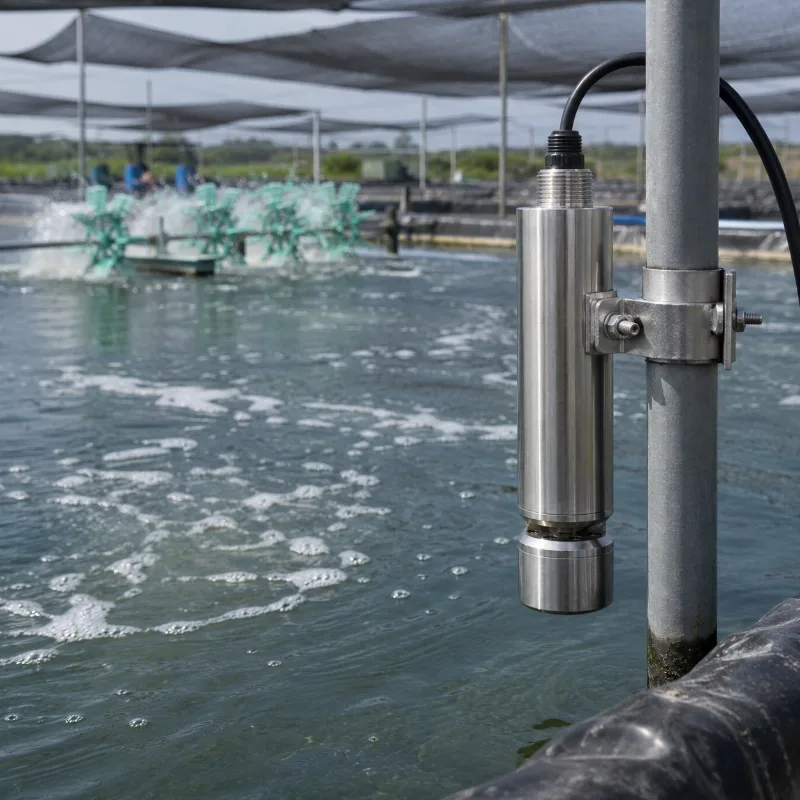
The IP68 enclosure and immersion installation design allow the analyzer to operate as a submerged measurement instrument.
For larger monitoring projects, it can be combined with telemetry, power supply and a remote platform to create a complete online water-quality station.
10. Reclaimed Water and Discharge Monitoring
Reclaimed-water systems and discharge points often require continuous monitoring of treatment performance.
Parameters such as COD, turbidity, nitrogen and phosphorus indicators can help operators understand whether water quality is changing.
The EUV-408 can provide multiple measurement outputs through one RS485 communication interface, simplifying integration with existing process-control or monitoring equipment.
11. Laboratory and Field Applications
The current product page also lists laboratory water-quality testing among the available application scenarios.
However, the EUV-408 is fundamentally designed around online and immersion monitoring.
For laboratory use, the installation arrangement and calibration procedure should be configured according to the actual testing setup.
It should not automatically be treated as a replacement for every standardized laboratory analytical method.
12. Why Choose a Reagent-Free Analyzer?
Reagent-free measurement is especially useful when the project prioritizes continuous monitoring rather than manual chemical analysis.
Potential operational advantages include:
No routine reagent consumption during measurement
Reduced chemical handling
Faster continuous data acquisition
Easier remote deployment
Simpler station design
Lower field-maintenance workload
Easier digital system integration
However, users should also distinguish between online optical estimation and laboratory reference analysis.
For regulatory or contractual reporting, the required analytical method should always be confirmed according to the project standard or local regulation.
13. EUV-408 vs Conventional Multi-Probe Sensors
The EUV-408 serves a different measurement purpose from a traditional multi-probe water-quality sonde.
EUV-408
Best suited to applications focused on:
COD
BOD
TOC
TN
TP
Nitrate
Nitrite
Turbidity
Color
Pollution-related indicators
Conventional Multiparameter Probe
Better suited when the project needs parameters such as:
pH
ORP
Dissolved oxygen
Conductivity
Salinity
Ammonium
For these applications, users can explore the wider JW-IoT Water Quality Sensor range.
This distinction is important when selecting the correct instrument for an online monitoring station.
14. Dedicated Sensors for Expanded Monitoring
A complete water-quality monitoring station does not always rely on one analyzer.
Depending on the project, the EUV-408 can be combined with dedicated sensors.
15. Installation Considerations
The analyzer is designed for immersion installation.
When planning the monitoring point, consider:
Water depth
Flow conditions
Sediment accumulation
Suspended solids
Sensor accessibility
Cable routing
Maintenance access
Installation bracket
Cleaning requirements
The operating condition specified on the current page is:
0–45°C and <0.1 MPa
The standard cable length is:
5 m
Longer cable configurations may be customized according to project requirements.
16. Calibration and Maintenance
The EUV-408 supports two-point calibration.
For long-term monitoring, periodic inspection is recommended.
Maintenance planning should consider:
Optical surface cleanliness
Sediment buildup
Biological growth
Cable condition
Sensor housing condition
Calibration status
Comparison with reference data where required
The correct maintenance frequency depends on water quality and site conditions.
Wastewater sites with high suspended solids or biological growth may require more frequent inspection than clean surface water.
17. How to Select the Right Monitoring Configuration
Before requesting a quotation or system design, provide the following information:
Water type
Required parameters
Expected concentration ranges
Installation location
Water depth
Flow conditions
Required sampling frequency
Required communication interface
Existing PLC, RTU or SCADA system
Power supply conditions
Need for wireless telemetry
Whether local or cloud data storage is required
This information allows the analyzer and communication architecture to be selected according to the actual project.
18. Build a Complete Online Water Quality Monitoring System
JW-EUV-408(K39) Multi-Parameter Water Quality Analyzer is designed for projects requiring continuous monitoring of multiple organic pollution and nutrient-related water-quality indicators.
By combining:
Full-spectrum optical analysis
Multiple parameter outputs
Reagent-free operation
RS485 Modbus RTU
IP68 protection
316L stainless steel construction
the analyzer can serve as a core sensing component in industrial wastewater, municipal sewage, environmental surface-water and discharge monitoring systems.
 +86 13520127780
 info@jingelway.com