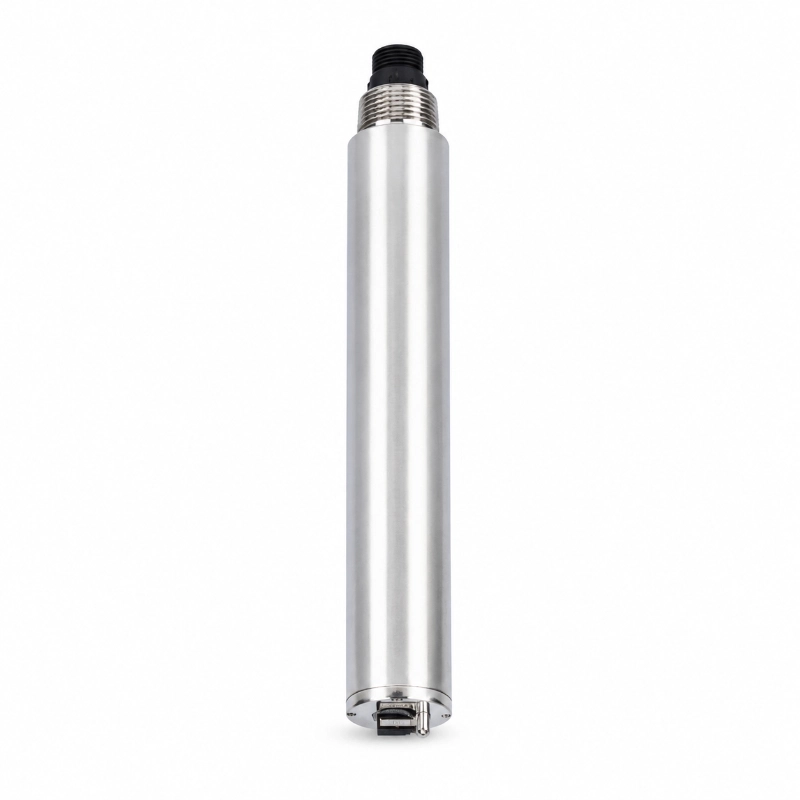
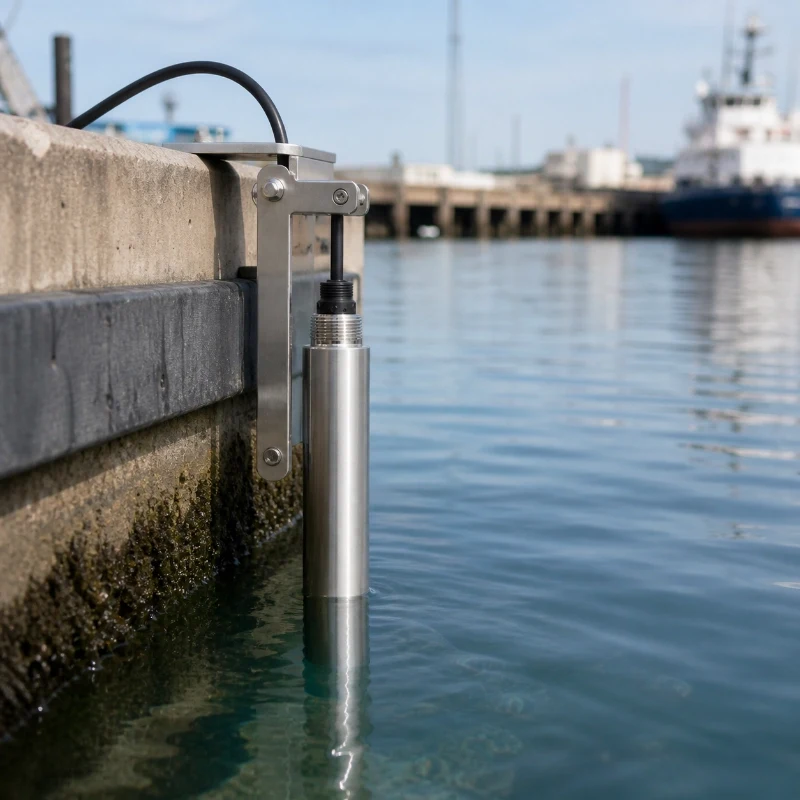
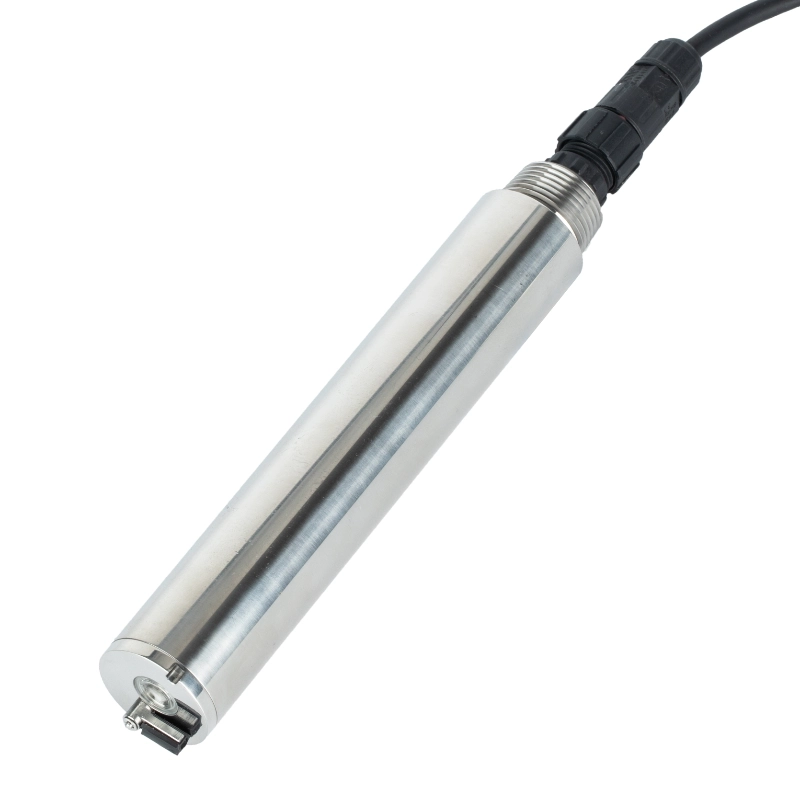
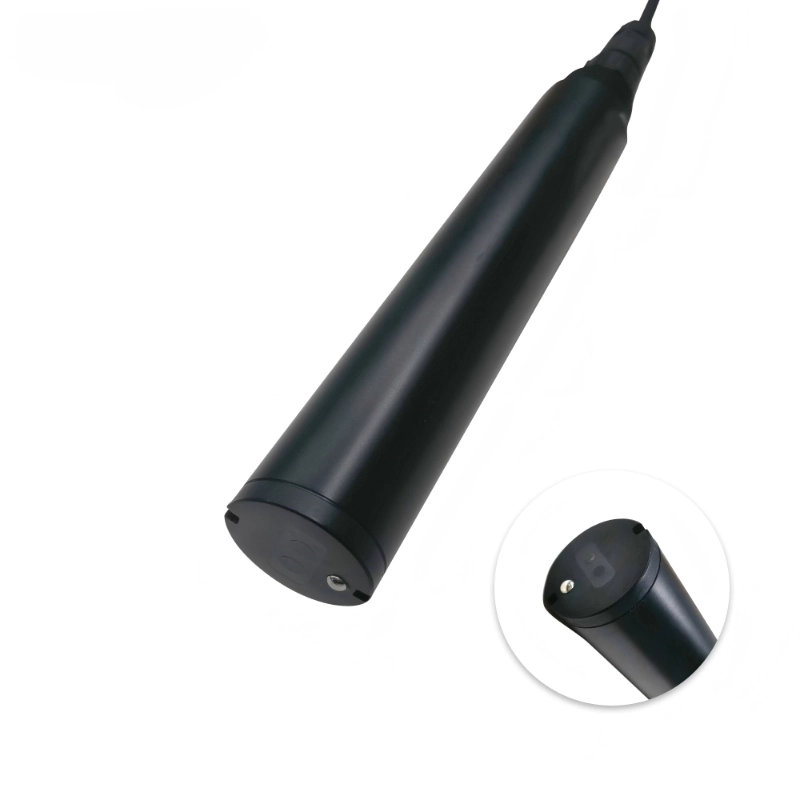
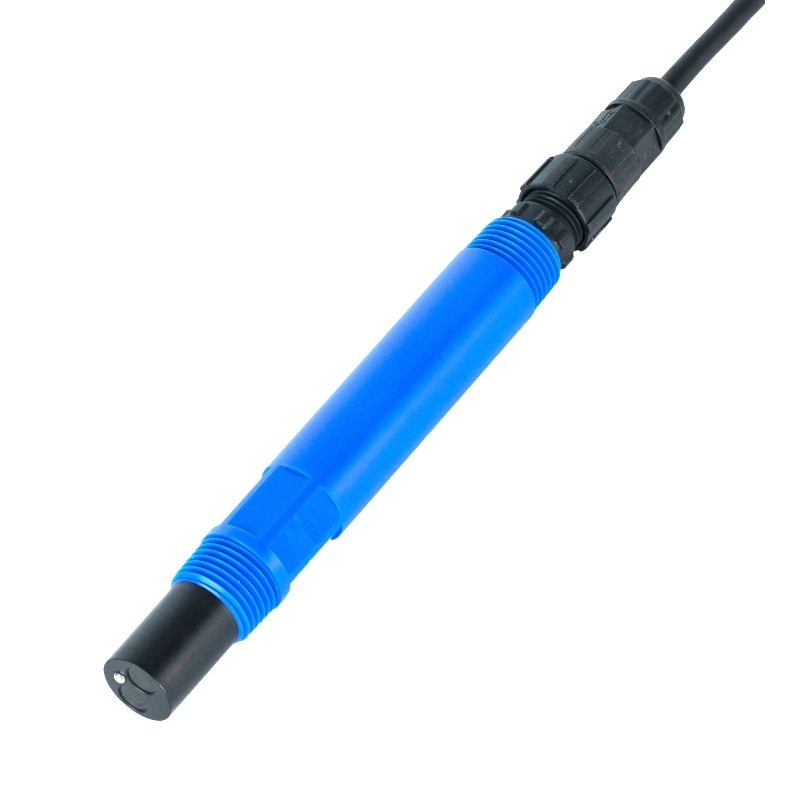
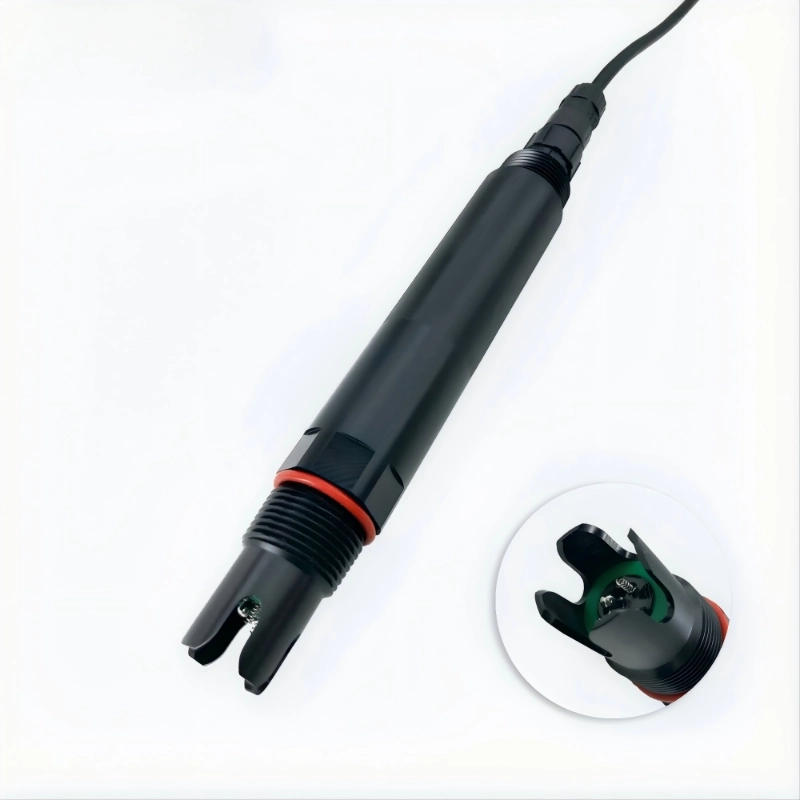
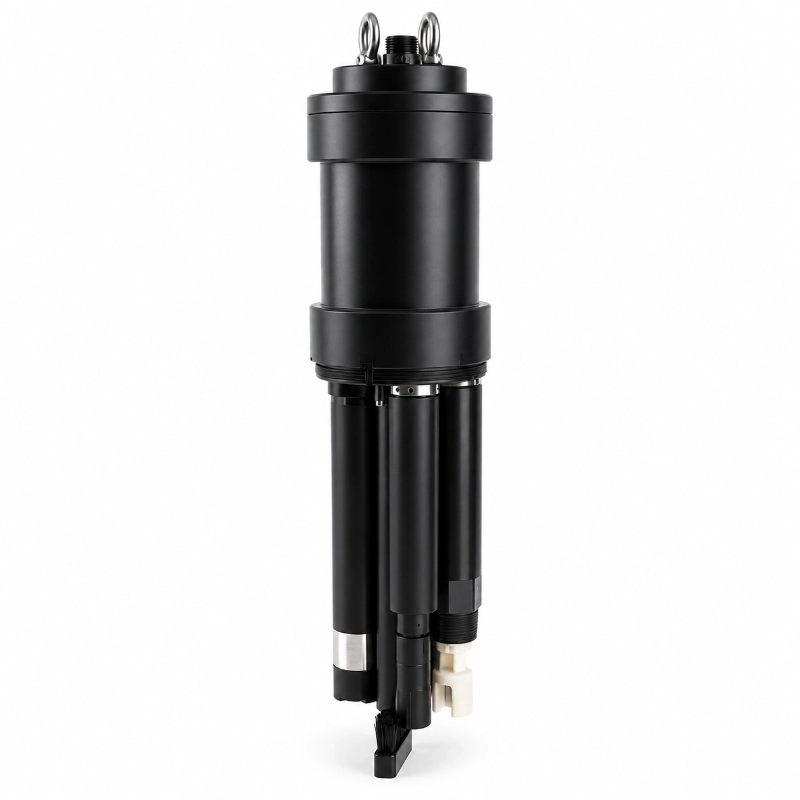
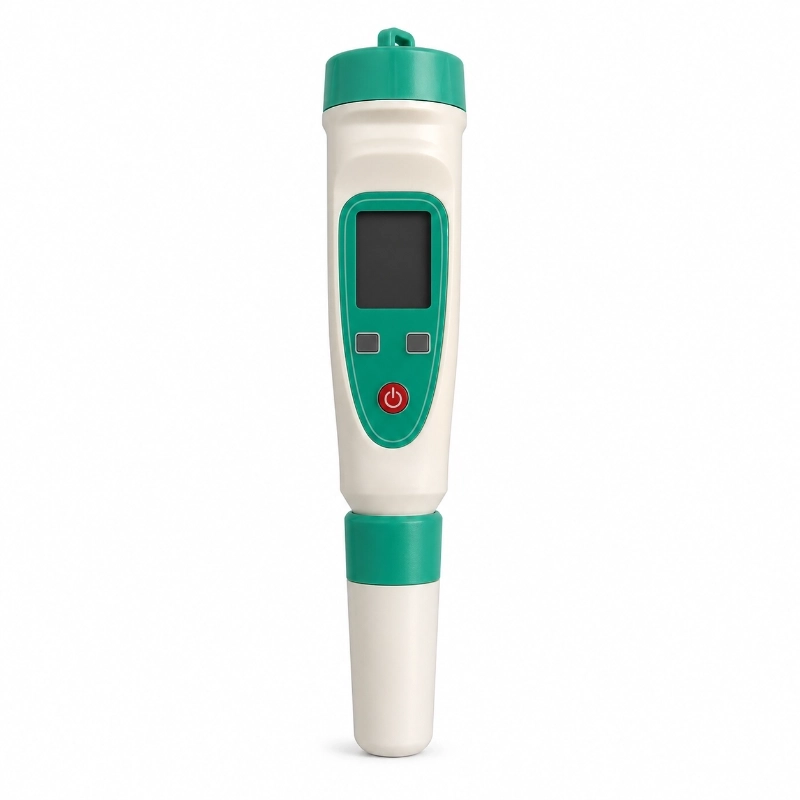
JW-OIL-406(K24) online oil in water sensor is designed for continuous dissolved oil and hydrocarbon monitoring in industrial wastewater, surface water, process water, refinery discharge, marine water, and environmental water quality systems. Based on the fluorescence method, it uses a stable UV LED light source to measure oil concentration from 0 to 40.00 mg/L with RS485 Modbus RTU output, optional 4 to 20 mA signal, automatic temperature compensation, 316L stainless steel housing, and IP68 protection.
2. Product Overview
JW-OIL-406(K24)oil in water sensor is an online optical water quality sensor used to monitor dissolved oil and hydrocarbon contamination in water. It works based on the fluorescence characteristics of soluble oil: when a specific monochromatic UV light is emitted into the water, soluble oil absorbs the light energy and releases another wavelength of fluorescence. The fluorescence intensity is proportional to the dissolved oil concentration in water.
This sensor is suitable for industrial wastewater discharge monitoring, refinery wastewater monitoring, oilfield produced water, petrochemical process water, cooling water, marine water quality monitoring, river and lake pollution monitoring, and environmental compliance projects. With RS485 Modbus RTU communication and optional 4 to 20 mA output, it can be integrated with PLC systems, RTUs, data acquisition systems, water quality controllers, and cloud-based IoT monitoring platforms.
The 316L stainless steel housing, IP68 protection, UV LED light source, and automatic temperature compensation make the sensor suitable for long-term deployment in harsh water quality and industrial monitoring environments.
Item
Specification
Product Type
Online Oil in Water Sensor
Model
OIL-406
Measurement Principle
Fluorescence method
Measurement Range
0 to 40.00 mg/L
Resolution
0.01 mg/L
Accuracy
±3% of reading, ±0.3°C
Response Time
T90 less than 30 seconds
Minimum Detection Limit
0.4 mg/L
Calibration Method
Two-point calibration
Cleaning Method
None
Temperature Compensation
Automatic temperature compensation with Pt1000
Output Signal
RS485 Modbus RTU
Optional Output
4 to 20 mA
Storage Temperature
-5 to 65°C
Working Condition
0 to 50°C, less than 0.2 MPa
Housing Material
316L stainless steel
Installation Method
Insertion installation 3/4 NPT
Power Consumption
0.2W at 12V
Power Supply
12 to 24V DC
Protection Grade
IP68
3. Application Scenarios
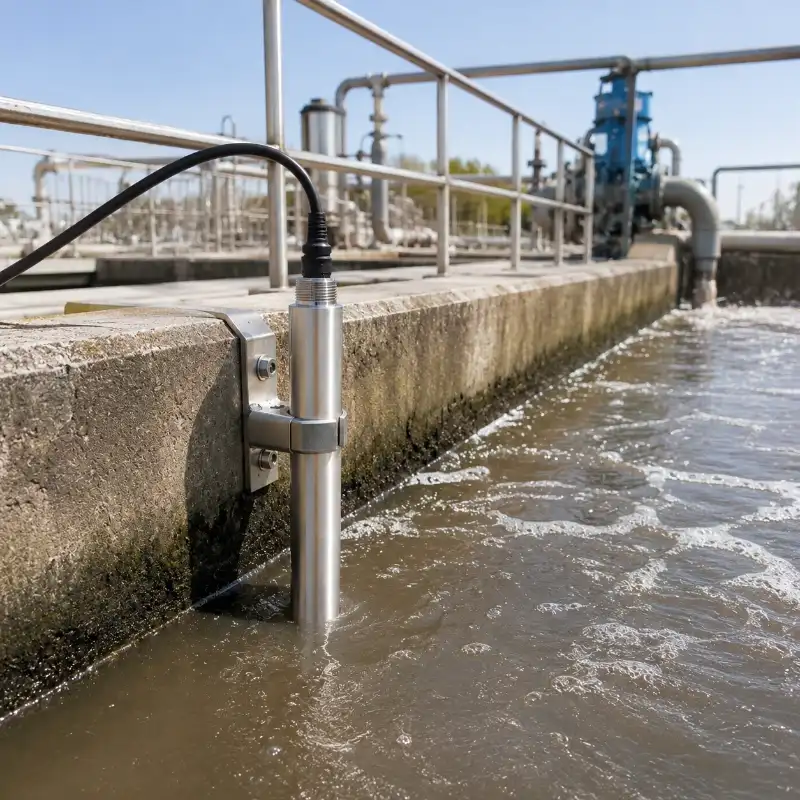
Industrial wastewater oil monitoring
Refinery wastewater discharge monitoring
Oilfield produced water monitoring
Petrochemical process water monitoring
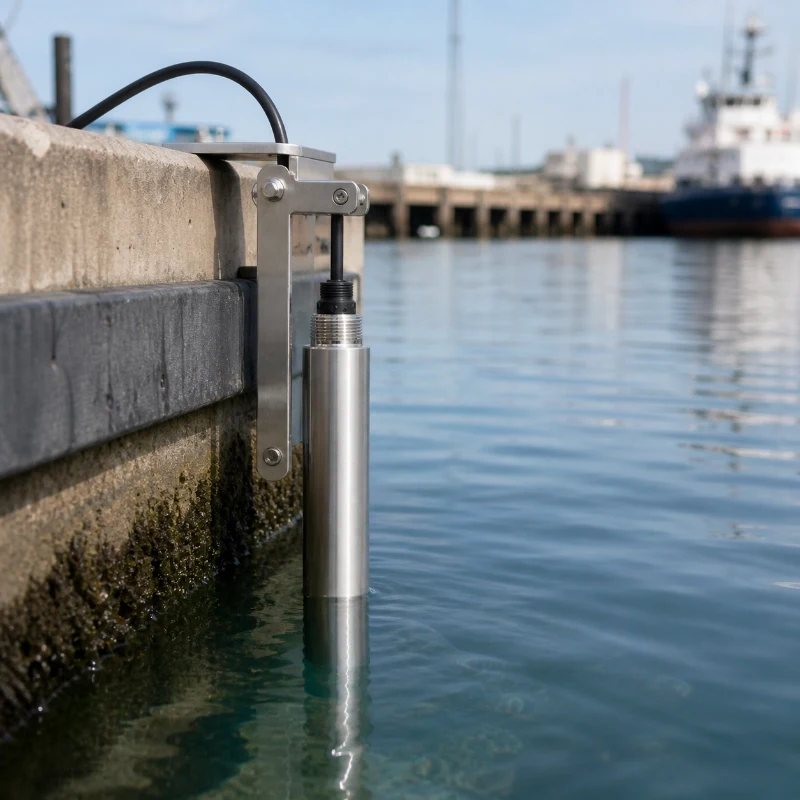
Marine and port water quality monitoring
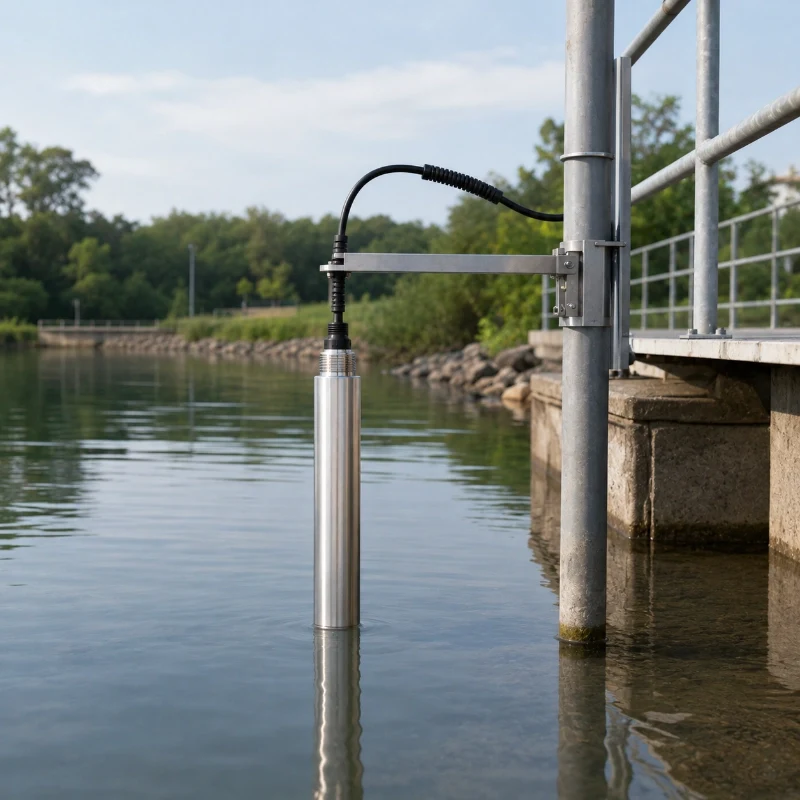
River and lake oil pollution monitoring
Cooling water and circulating water systems
Environmental water quality monitoring stations
Smart water quality IoT platforms
Online hydrocarbon contamination monitoring
4. Installation Notes
The oil in water sensor supports 3/4 NPT insertion installation, making it suitable for tanks, pipelines, flow-through chambers, industrial process water systems, and online monitoring stations. It should be installed in a position with stable flow and representative water quality to ensure reliable oil concentration readings.
For long-term use in water, seawater, oily wastewater, or humid outdoor environments, all wiring joints should be waterproofed, and the user-side cable should have corrosion-resistant protection. The sensor should be protected from strong mechanical impact, excessive cable tension, heavy sediment accumulation, and direct contact with aggressive moving objects in the water.
5. Maintenance Notes
To maintain reliable readings, keep the optical measurement window clean. The sensor surface can be rinsed with clean water and gently wiped with a soft wet cloth when oil film, suspended particles, or deposits are present.
Avoid scratching the optical window during cleaning. Check the cable and connector regularly to ensure that the cable is not under tension and that waterproof protection remains intact. If the sensor is used in oily wastewater or petrochemical applications, routine inspection frequency should be increased according to fouling conditions.
FAQ
Q
1. What is an oil in water sensor used for?
A
It is used to continuously monitor dissolved oil and hydrocarbon contamination in industrial wastewater, refinery discharge, process water, marine water, rivers, lakes, and environmental monitoring systems.
Q
2. What measurement principle does this sensor use?
A
The sensor uses the fluorescence method. Soluble oil absorbs UV light and emits fluorescence, and the fluorescence intensity is proportional to oil concentration in water.
Q
3. What is the measurement range of this oil sensor?
A
The sensor measures oil in water from 0 to 40.00 mg/L with 0.01 mg/L resolution.
Q
4. Can this sensor connect to PLC or IoT systems?
A
Yes. It supports RS485 Modbus RTU and optional 4 to 20 mA output for PLC, RTU, data logger, controller, and IoT platform integration.
Q
5. How does JW-IoT use this sensor in industrial wastewater projects?
A
JW-IoT can integrate the oil in water sensor with IoT gateways, cloud dashboards, threshold alarms, and multi-parameter water quality monitoring systems for discharge compliance and pollution early warning.
Q
6. Is this sensor suitable for harsh industrial environments?
A
Yes. It uses a 316L stainless steel housing, IP68 protection, and a stable UV LED light source for long-term use in industrial water quality monitoring.
Q
7. Can JW-IoT provide a complete oil pollution monitoring solution?
A
Yes. JW-IoT can combine oil in water, turbidity, pH, conductivity, dissolved oxygen, temperature, water level, and flow monitoring into a complete smart water quality system.
Q
8. What installation method does this sensor support?
A
The sensor supports 3/4 NPT insertion installation, suitable for tanks, pipelines, flow-through chambers, and process water monitoring stations.
Q
9. Can JW-IoT customize system integration?
A
Yes. JW-IoT can support RS485 Modbus integration, optional 4 to 20 mA output, gateway connection, cloud dashboard configuration, and multi-site monitoring.
 +86 13520127780
  info@jingelway.com