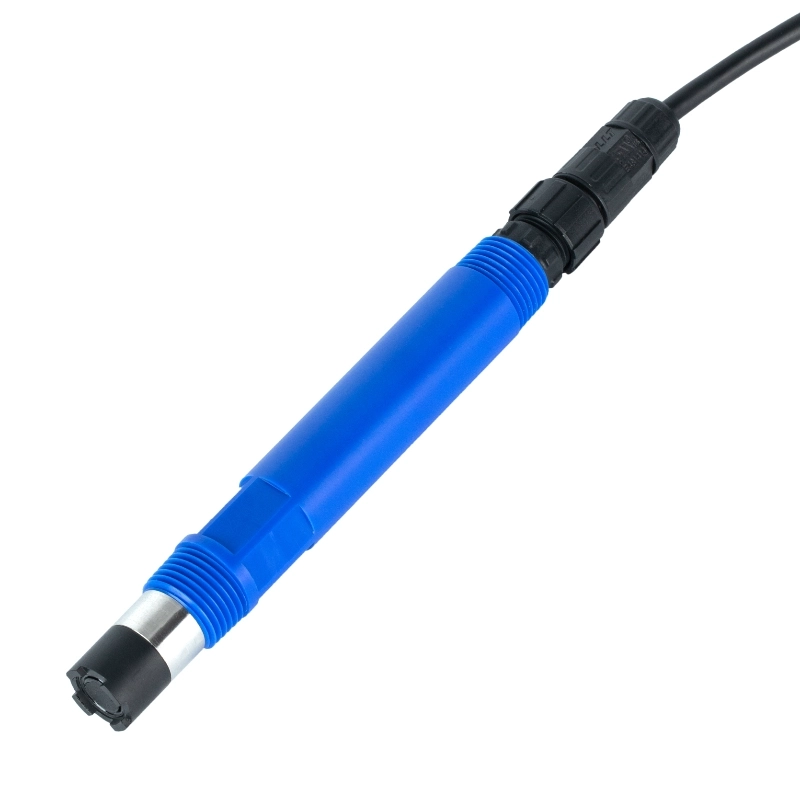
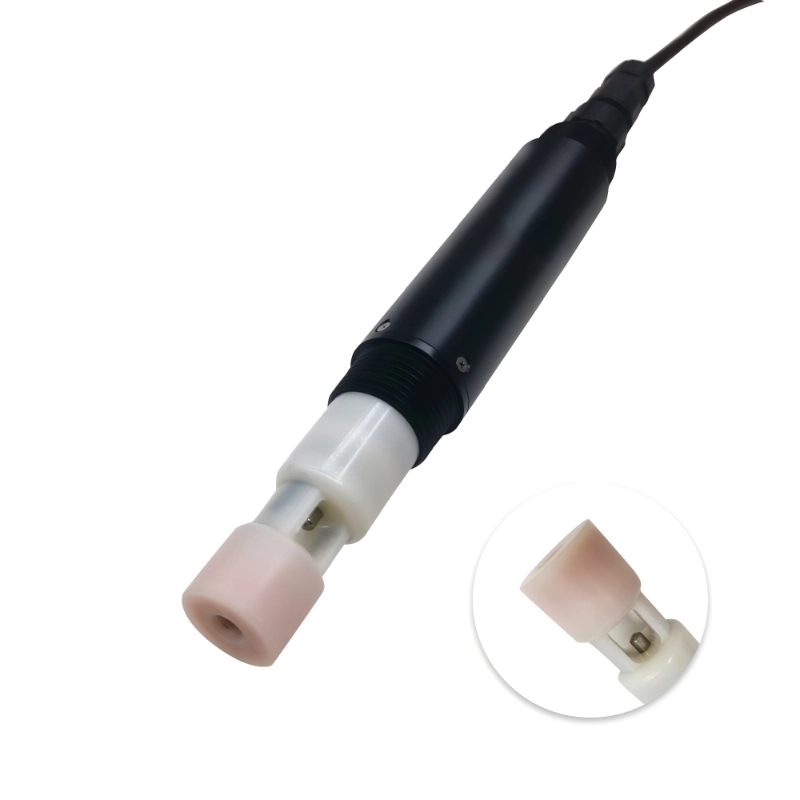
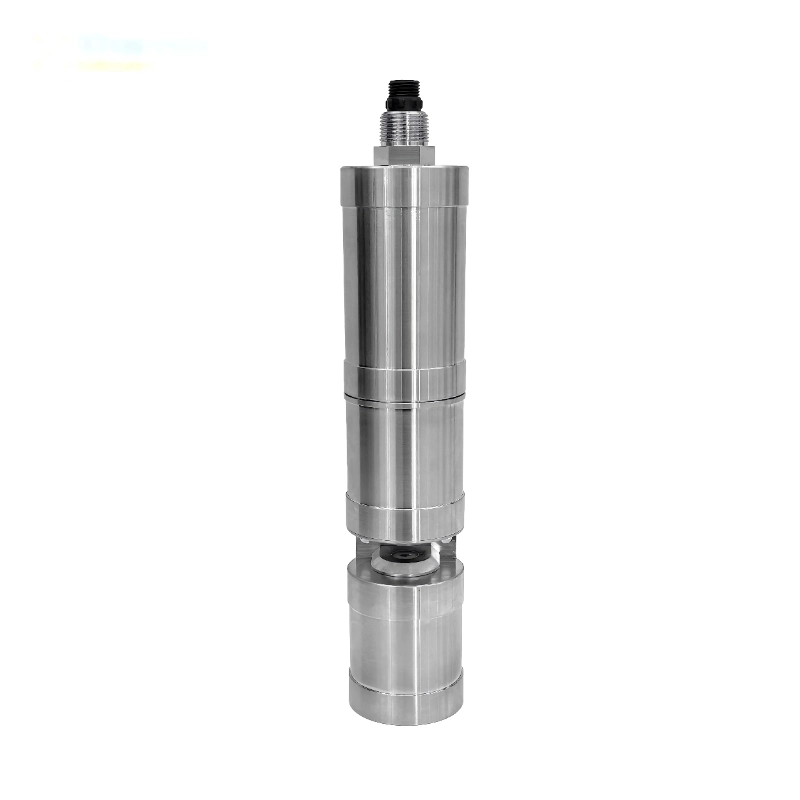
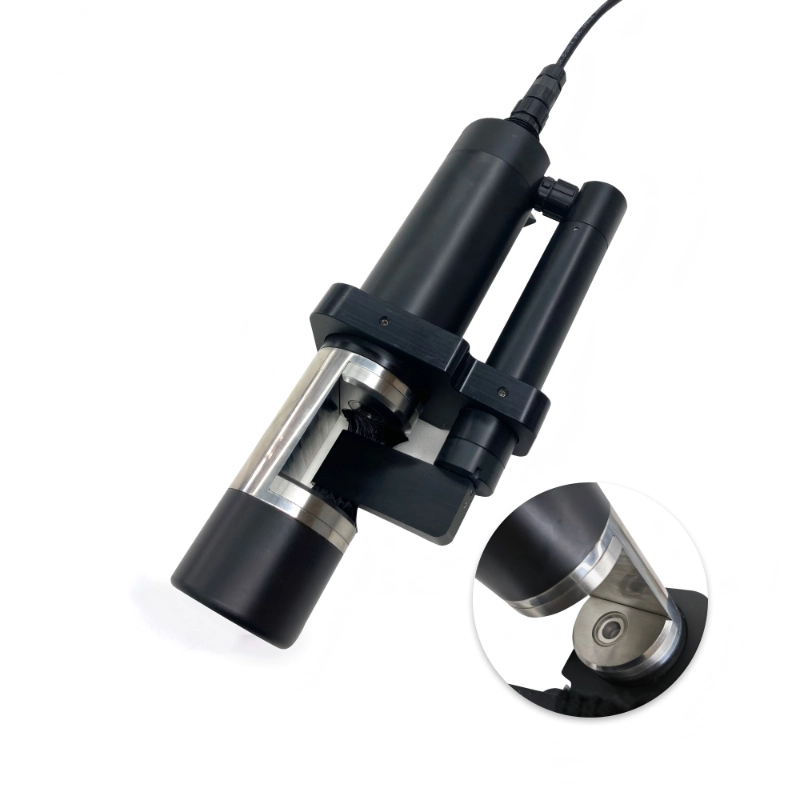
Fluorescence DO Sensor with RS485 Modbus for Aquaculture, Wastewater and Environmental Monitoring
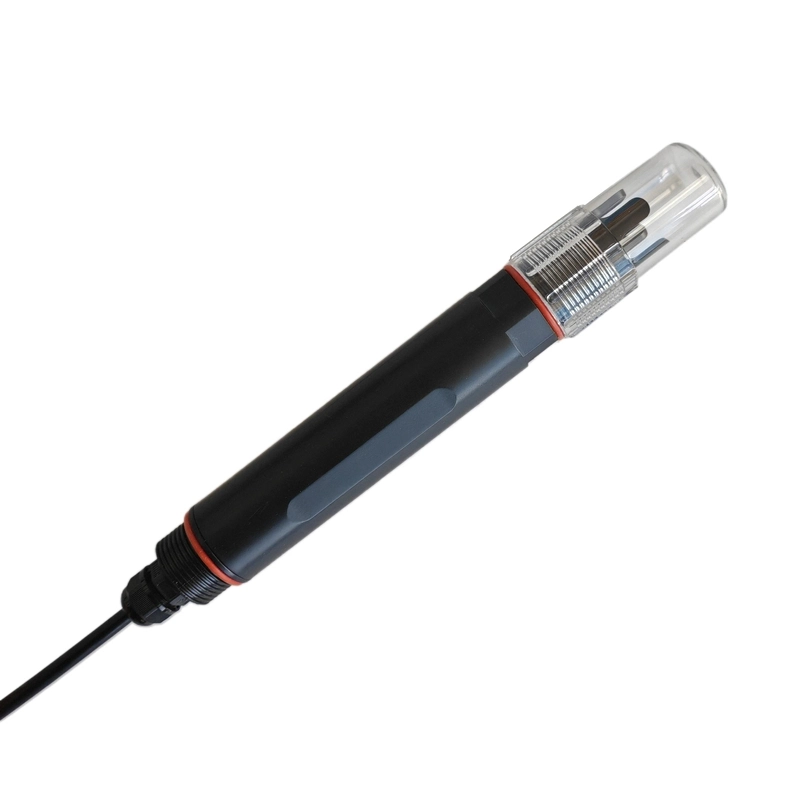
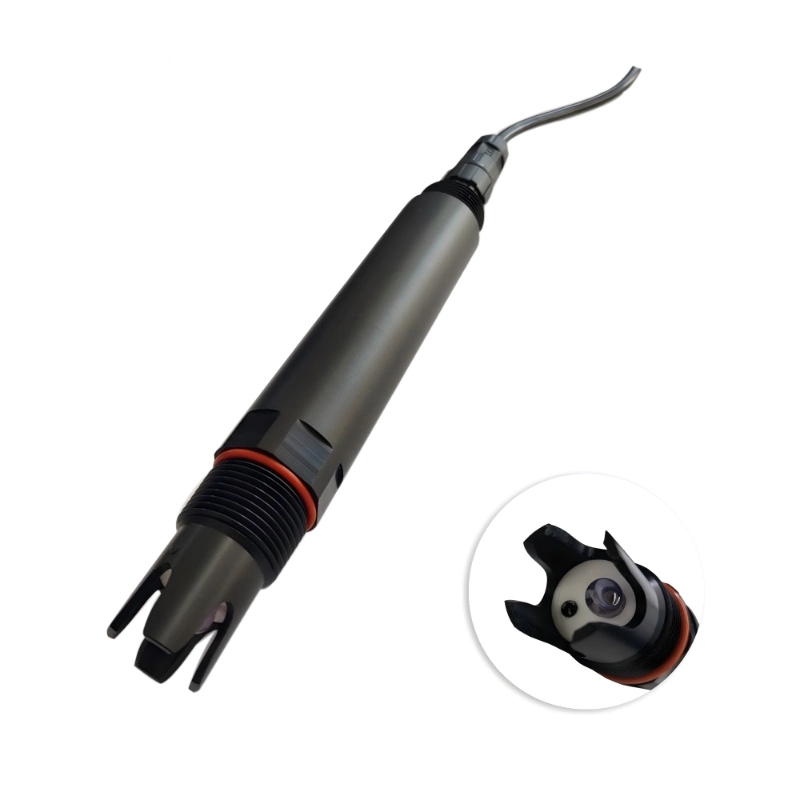
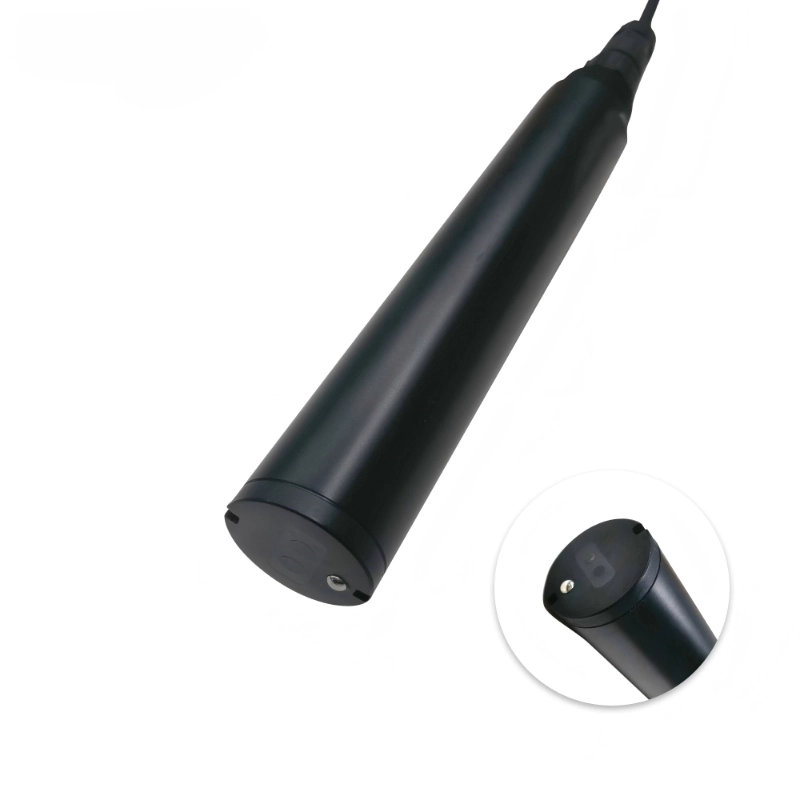
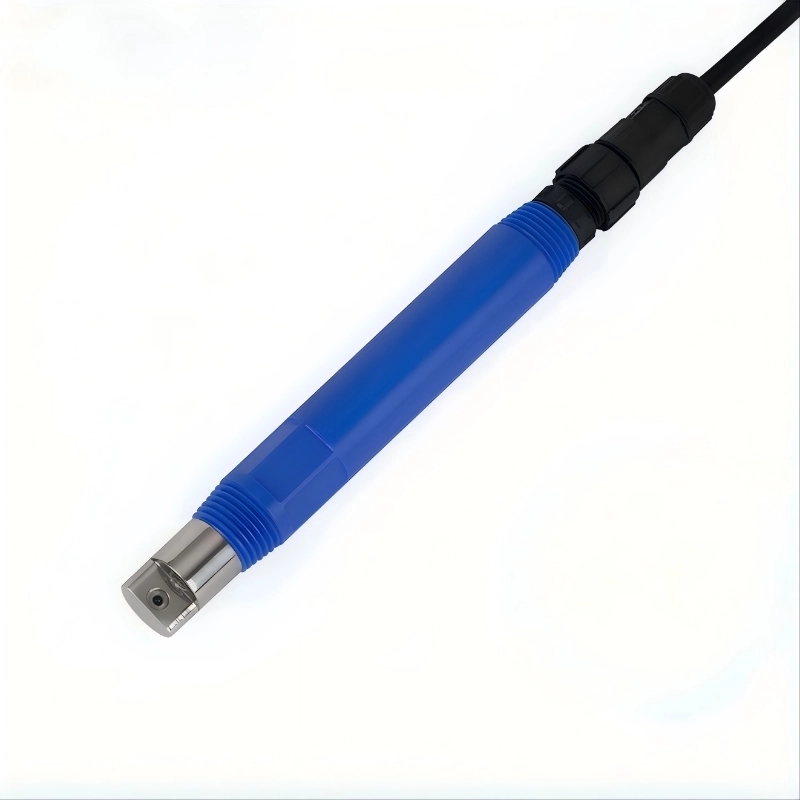
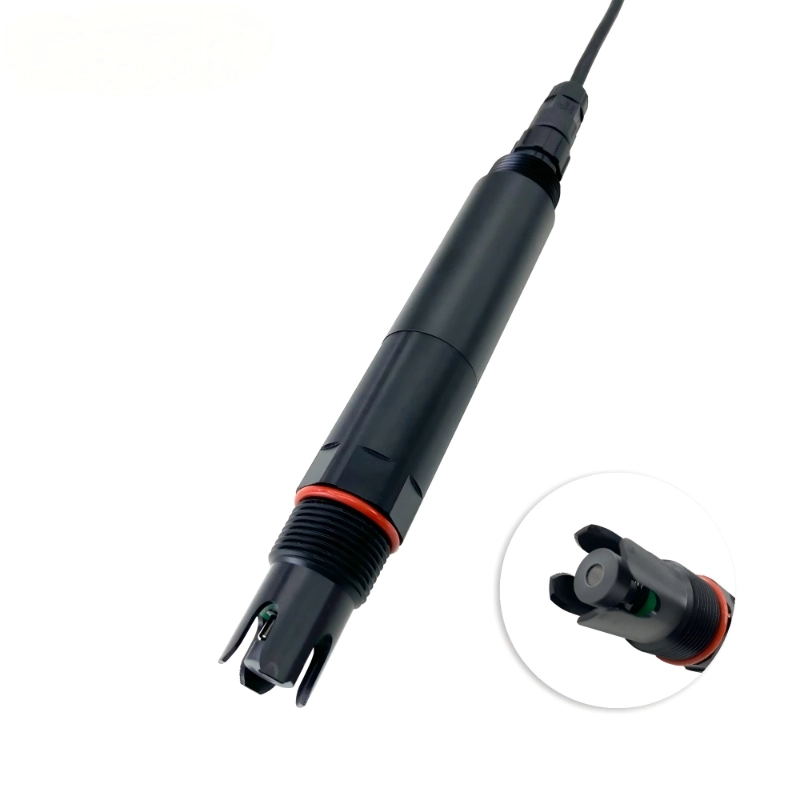
JW-IoT optical dissolved oxygen sensor is designed for continuous online dissolved oxygen (DO) measurement in water quality monitoring applications.
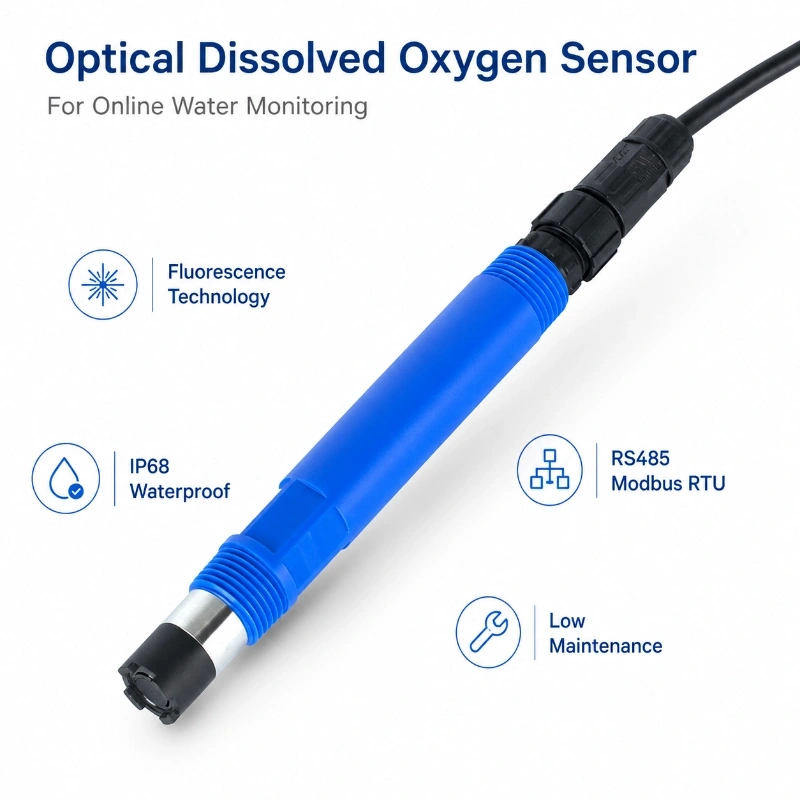
Using advanced fluorescence measurement technology, the sensor provides stable dissolved oxygen monitoring without electrolyte replacement, oxygen consumption or polarization procedures.
Compared with traditional electrochemical dissolved oxygen probes, optical DO sensors provide lower maintenance requirements and better suitability for long-term monitoring projects.
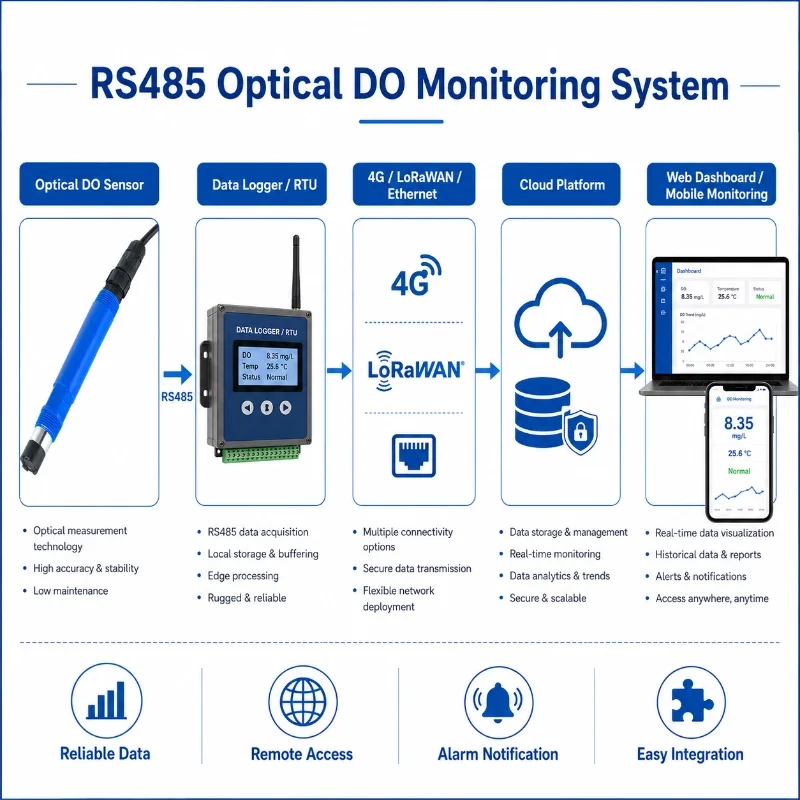
The sensor supports RS485 Modbus RTU communication and can be integrated with:
Data loggers
RTUs
PLC systems
IoT gateways
Cloud monitoring platforms
Typical applications include:
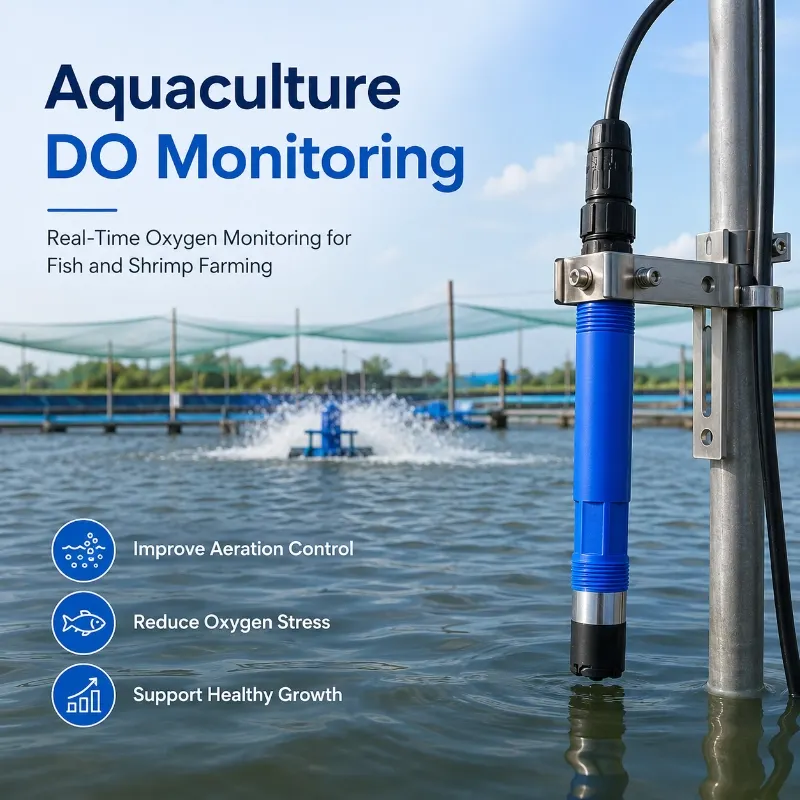
Aquaculture oxygen monitoring
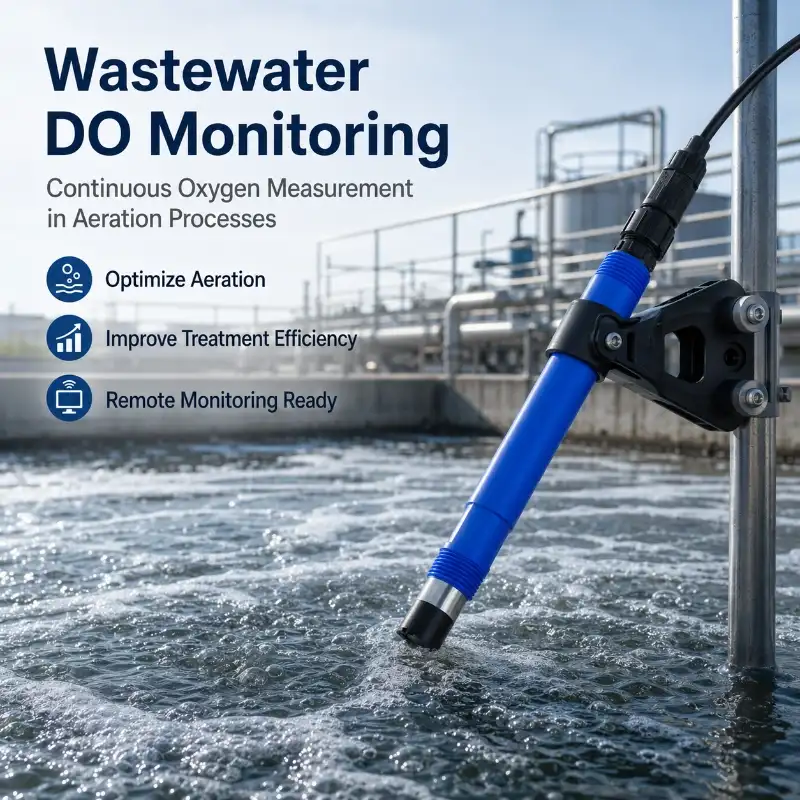
Wastewater treatment plants
River and lake monitoring
Reservoir water quality monitoring
Industrial process water
Smart water monitoring stations
What Is an Optical Dissolved Oxygen Sensor?
An optical dissolved oxygen sensor is a water quality sensor that measures dissolved oxygen concentration using fluorescence technology.
Unlike electrochemical DO probes, optical sensors detect oxygen concentration by analyzing fluorescence changes caused by oxygen molecules interacting with the sensing material.
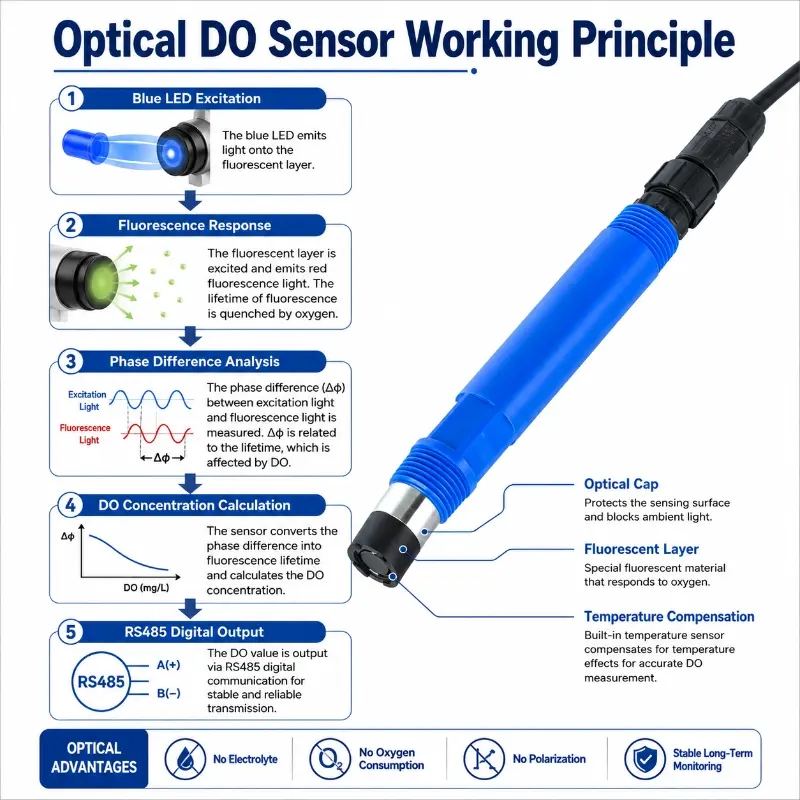
The measurement process:
Blue LED Excitation

↓

Fluorescence Response

↓

Phase Difference Analysis

↓

DO Concentration Calculation

↓

Digital Output
This technology allows stable dissolved oxygen measurement with reduced maintenance requirements.
Optical DO Sensor vs Traditional Electrochemical DO Sensor
Feature
Optical DO Sensor
Electrochemical DO Sensor
Measurement Principle
Fluorescence
Electrochemical
Electrolyte
Not required
Required
Polarization Time
No
Required
Oxygen Consumption
No
Yes
Maintenance Frequency
Low
Higher
Long-Term Monitoring
Excellent
Good
For projects requiring continuous unattended monitoring, optical dissolved oxygen sensors are often preferred because of their stability and lower maintenance requirements.
Online Dissolved Oxygen Monitoring Applications
Aquaculture Dissolved Oxygen Monitoring
Dissolved oxygen is one of the most important parameters in aquaculture systems.
1. What is an optical dissolved oxygen sensor used for?
A
An optical dissolved oxygen sensor is used to measure dissolved oxygen concentration in water for aquaculture, wastewater treatment, environmental monitoring, and industrial water systems.
Q
2. What is the measuring range of this DO sensor?
A
The sensor measures dissolved oxygen from 0 to 20.00 mg/L and supports 0 to 200% oxygen saturation at 25°C.
Q
3. Does this optical DO sensor require electrolyte?
A
No. The sensor uses fluorescence technology, so it does not require electrolyte and does not polarize during measurement.
Q
4. Can JW-IoT supply this sensor for aquaculture monitoring projects?
A
Yes. JW-IoT can supply optical dissolved oxygen sensors for fish ponds, shrimp farms, RAS systems, and smart aquaculture monitoring stations.
Q
5. What output signal does the sensor support?
A
The sensor supports RS485 communication with Modbus RTU protocol, making it suitable for integration with controllers, data loggers, PLCs, and IoT platforms.
Q
6. Is the sensor suitable for submerged installation?
A
Yes. The sensor has an IP68 protection rating and supports submerged installation with a 3/4 NPT interface.
Q
7. How often should the fluorescence cap be replaced?
A
Under normal use, the fluorescence cap is recommended to be replaced once per year.
Q
8. Can JW-IoT integrate this DO sensor into a water quality monitoring system?
A
Yes. JW-IoT can integrate the sensor with data acquisition units, wireless telemetry, solar power systems, and online monitoring platforms.
Q
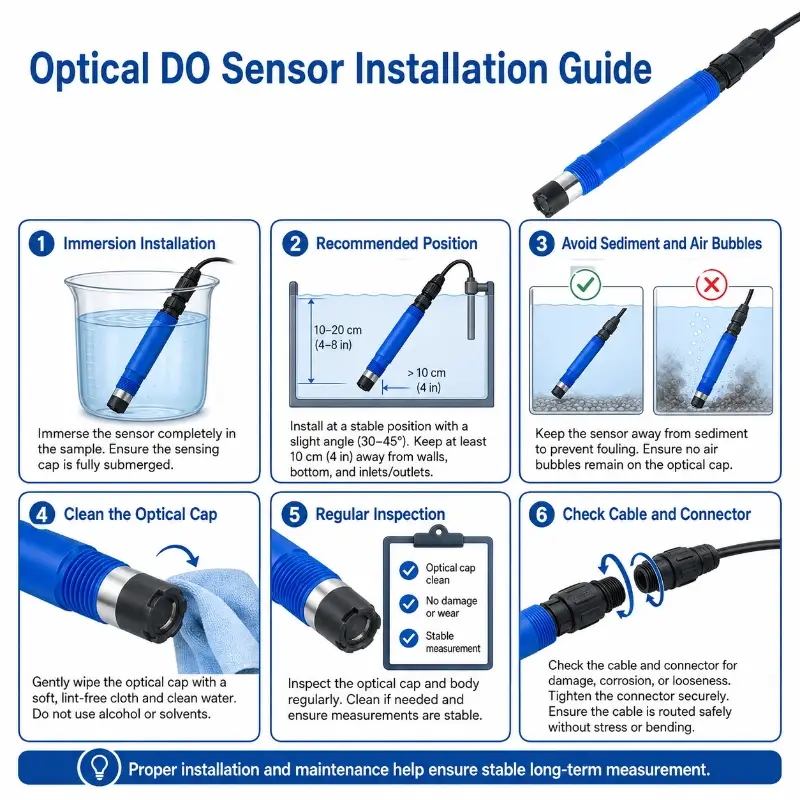
9. What should be avoided during installation and maintenance?
A
Avoid scratching, pressing, or touching the fluorescence membrane. Also prevent air bubbles, sediment, and debris from attaching to the sensing surface during measurement.
 +86 13520127780
  info@jingelway.com