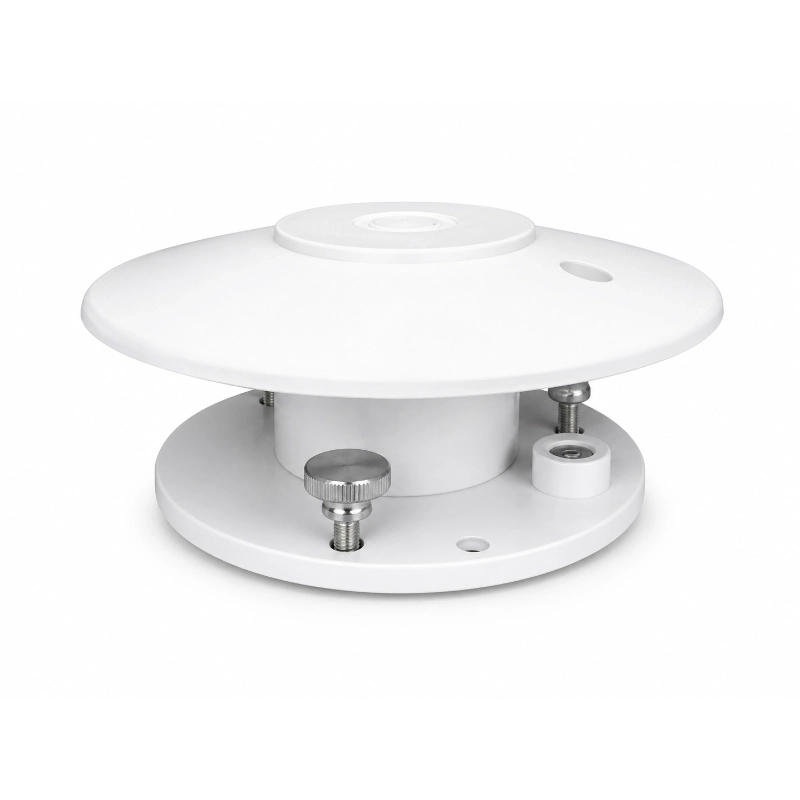
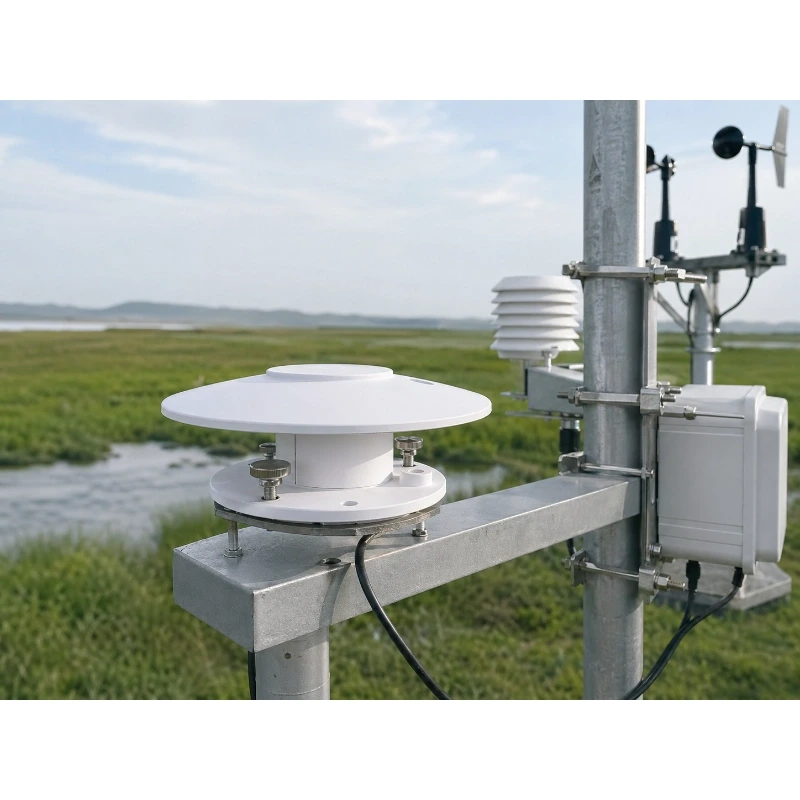
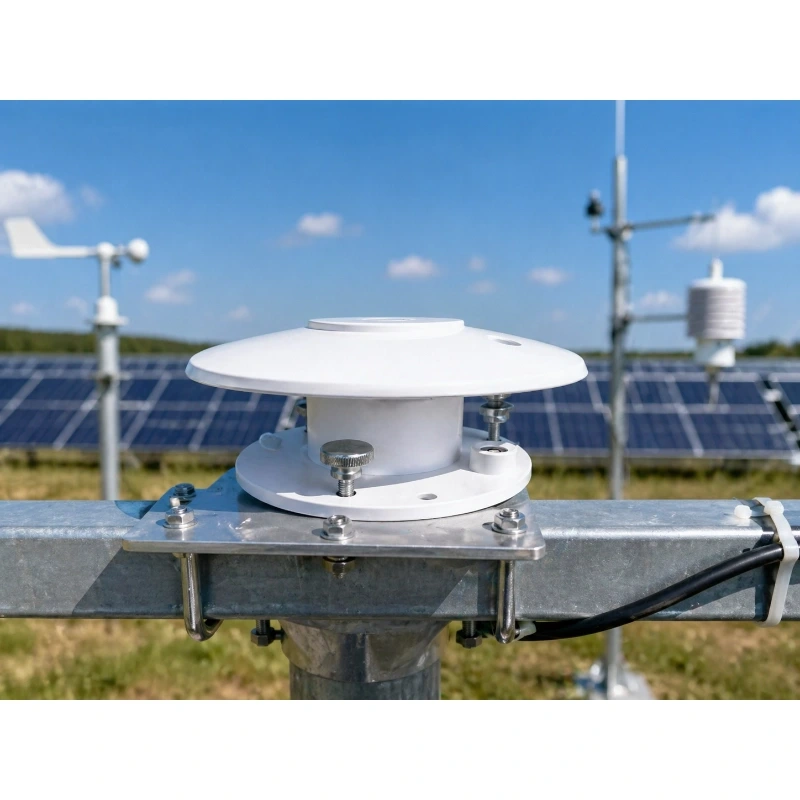
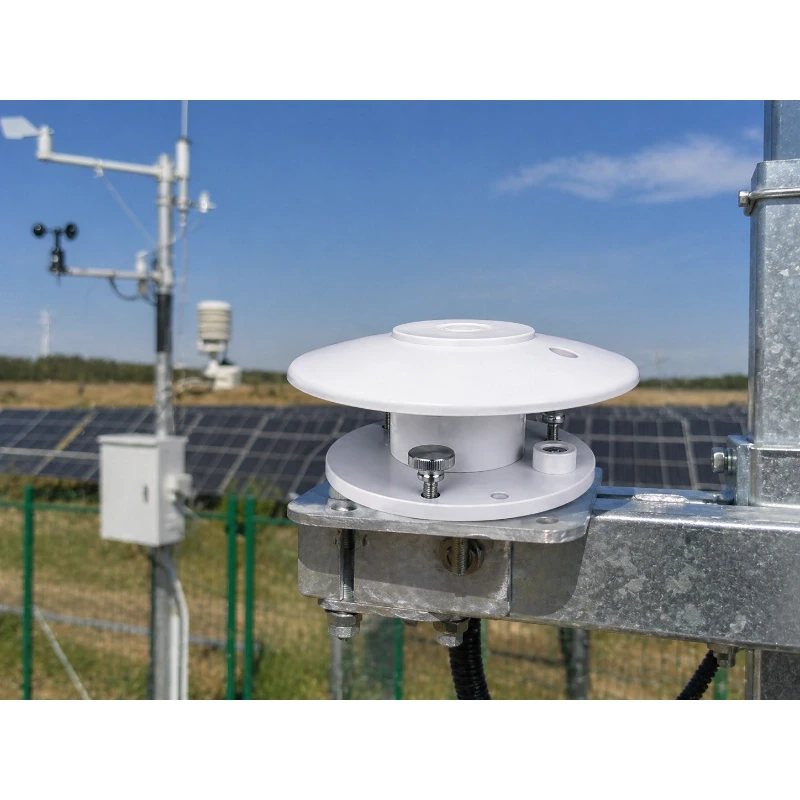
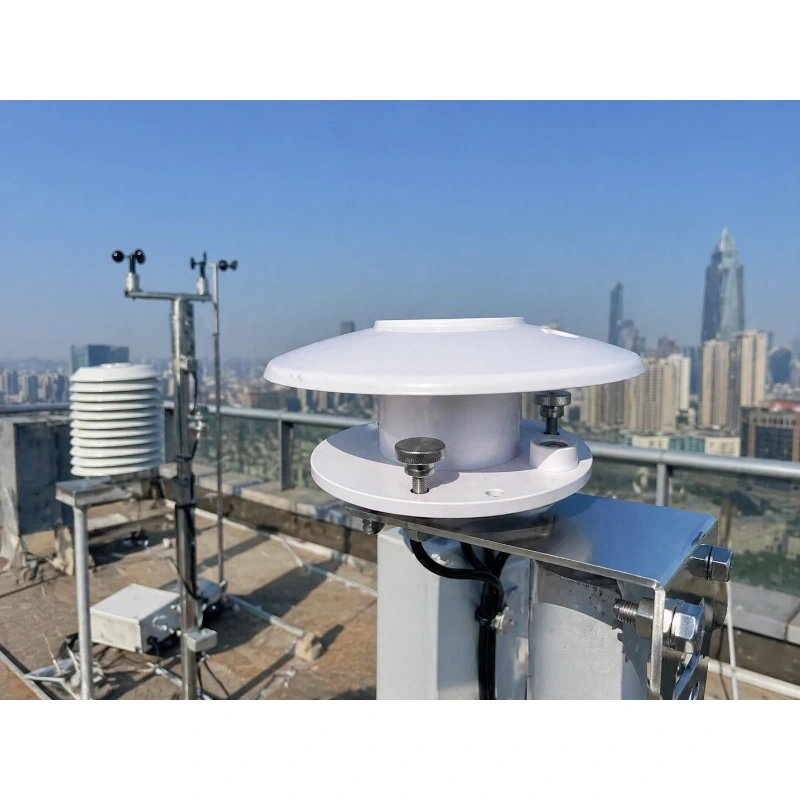
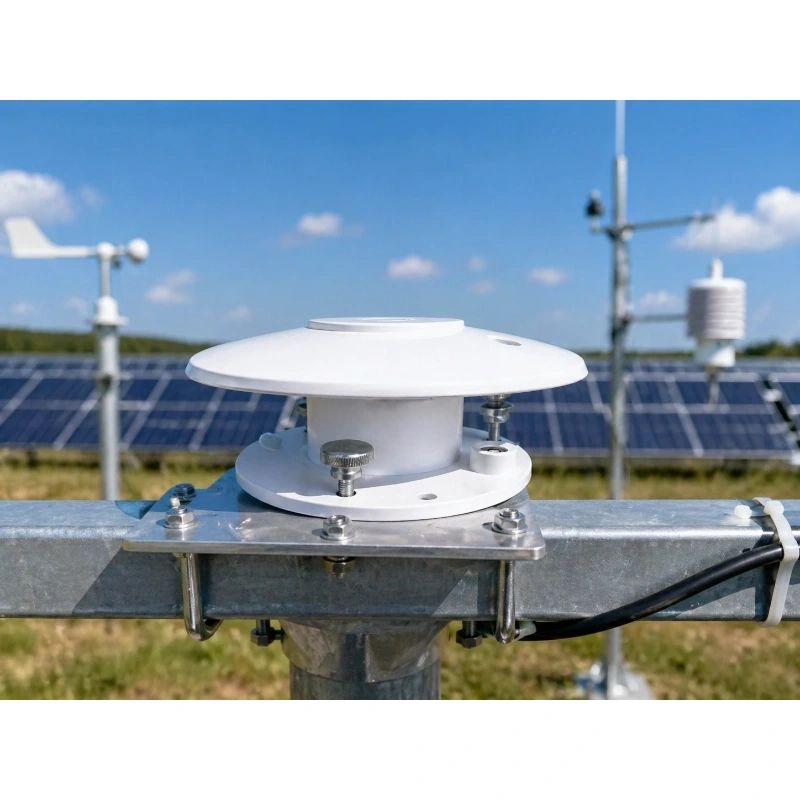
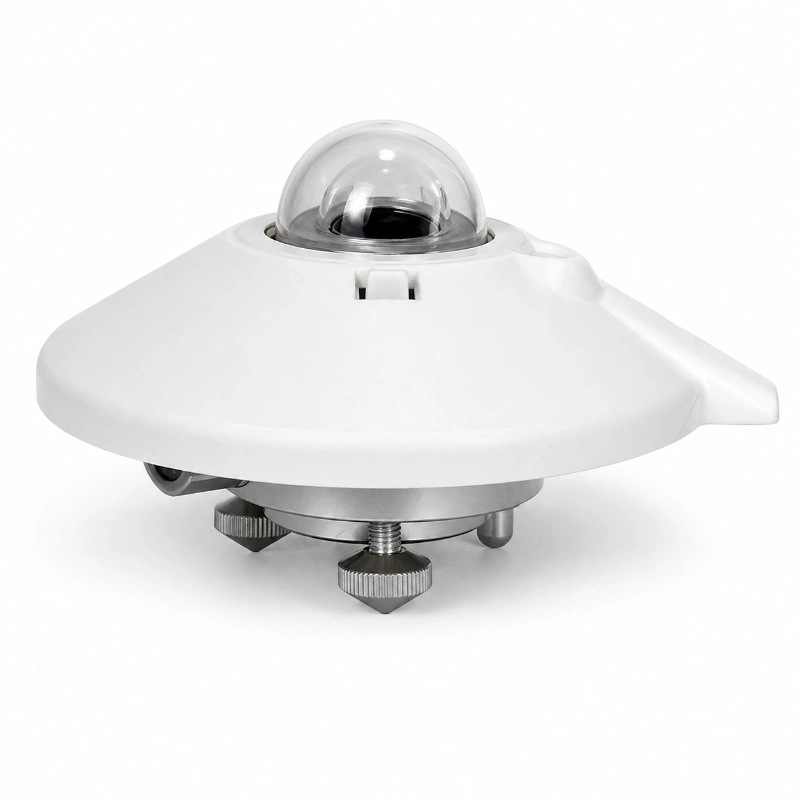
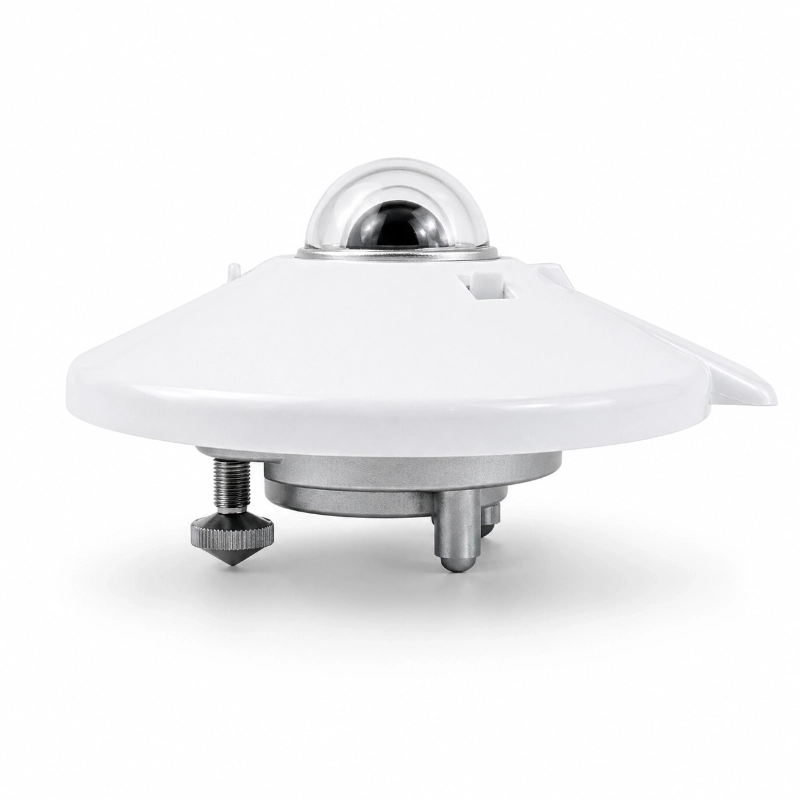
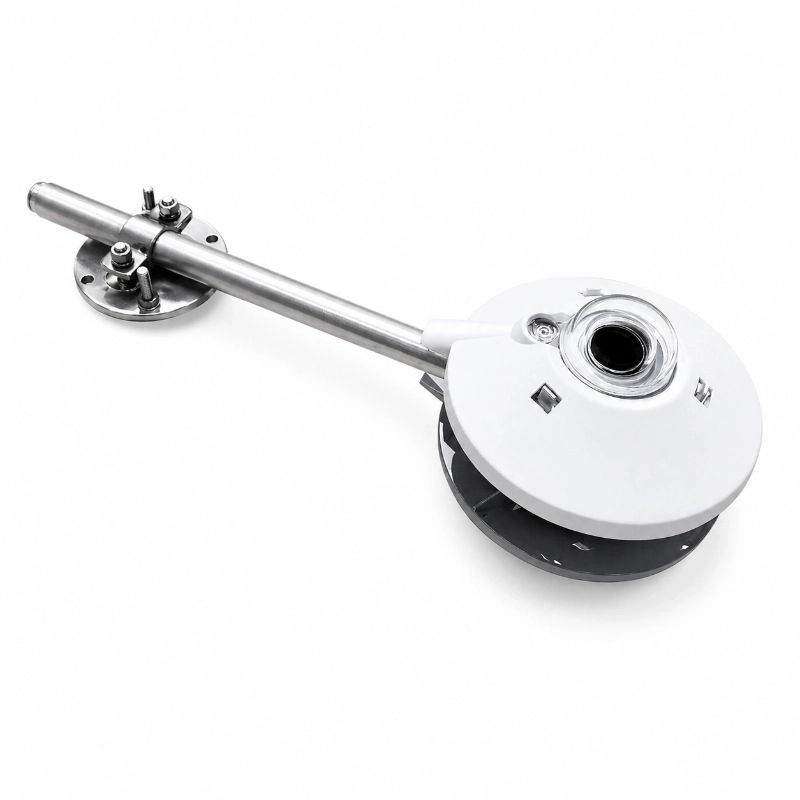
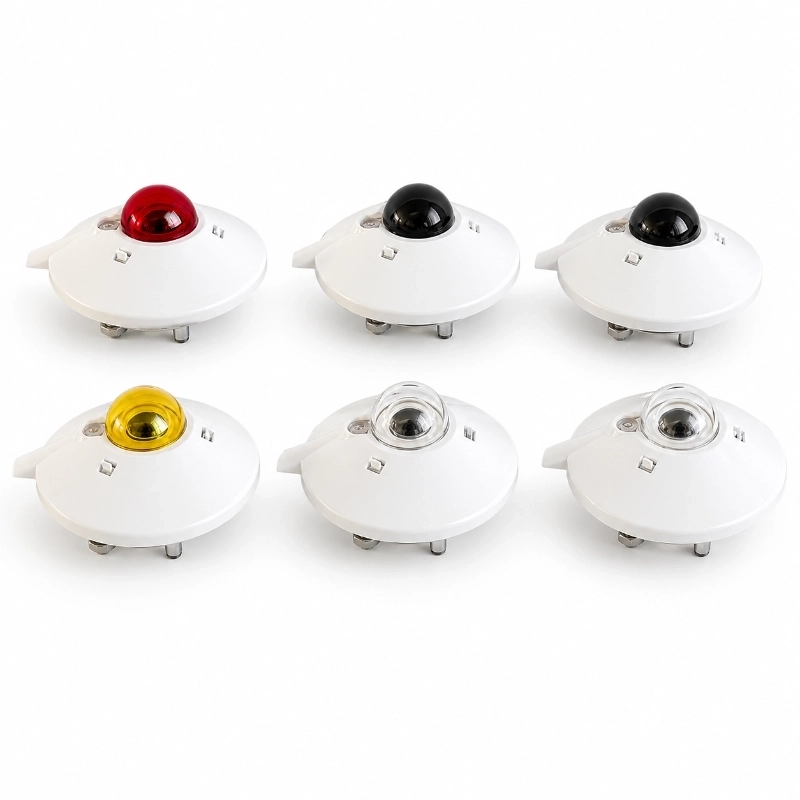
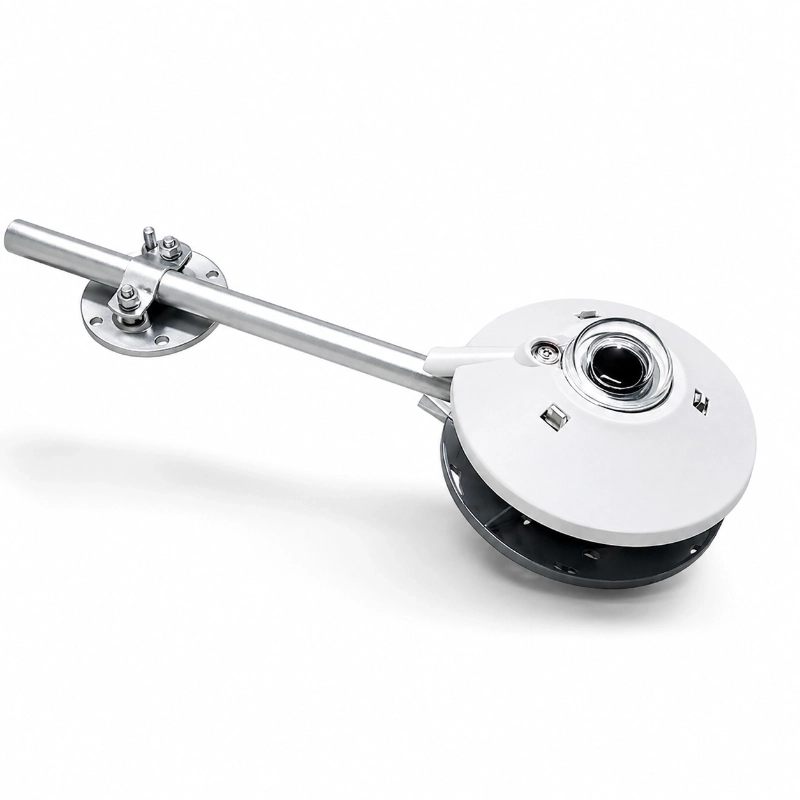
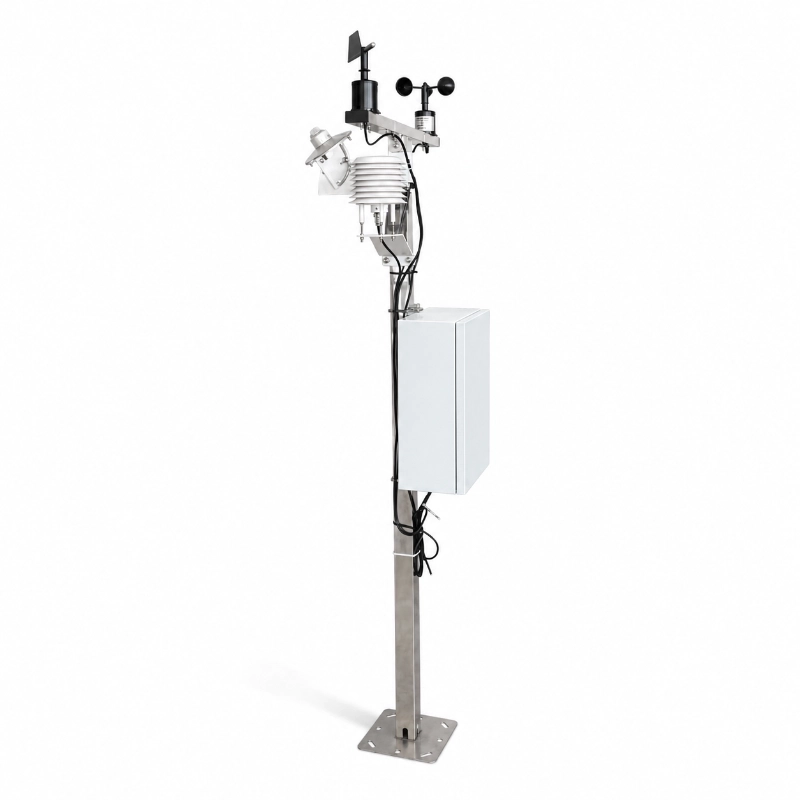
JW-TBQ-2LJ(LC29) Total Solar Radiation Sensor is a photoelectric solar radiation sensor designed for measuring solar radiation and surface irradiance. With fast response, stable internal resistance, optional RS485 output, and multiple signal output options, it is suitable for meteorology, agriculture, environmental monitoring, solar energy systems, and research applications.
2. Product Overview
JW-TBQ-2LJ(LC29)Total Solar Radiation Sensor is used to measure total solar radiation and surface radiation intensity in outdoor environments. It adopts a photoelectric sensing principle, combining a photodiode, filter and signal processing circuit to convert solar radiation into electrical output signals.
When exposed to sunlight, solar radiation passes through the filter and reaches the photoelectric sensing element. The internal circuit amplifies and processes the current signal to calculate the total radiation value. This makes the sensor suitable for continuous solar radiation monitoring in weather stations, agricultural meteorological systems, environmental observation stations, solar PV monitoring, and scientific research projects.
The sensor supports multiple output options including 0 to 20 mV, 4 to 20 mA, and RS485, making it easy to integrate into data loggers, RTUs, PLCs, IoT gateways, and cloud monitoring systems.
Parameter
Specification
Product Type
Total Solar Radiation Sensor
Model
TBQ-2LJ
Sensing Principle
Photoelectric
Measurement Range
0 to 2000 Wm2
Spectral Range
285 to 2800 nm
Sensitivity
7 to 14 μV per Wm2
Response Time
Less than 15 s
Internal Resistance
10 to 30 Ω
Zero Offset A
Less than 15 Wm2
Zero Offset B
Less than 5 Wm2
Directional Response
Less than 20 Wm2
Stability
Less than 3%
Measurement Accuracy
≤5%
Additional Response Time Reference
≤12 s
Signal Output
0 to 20 mV 4 to 20 mA RS485
Operating Temperature
-40°C to 80°C
3. Output and Communication
The TBQ-2LJ supports several signal output options to match different monitoring systems:
0 to 20 mV for standard analog radiation measurement
4 to 20 mA for industrial signal transmission
RS485 for digital communication and remote data collection
The RS485 version can be integrated directly into existing RS485 communication networks, helping reduce the need for external conversion equipment. It is suitable for use with:
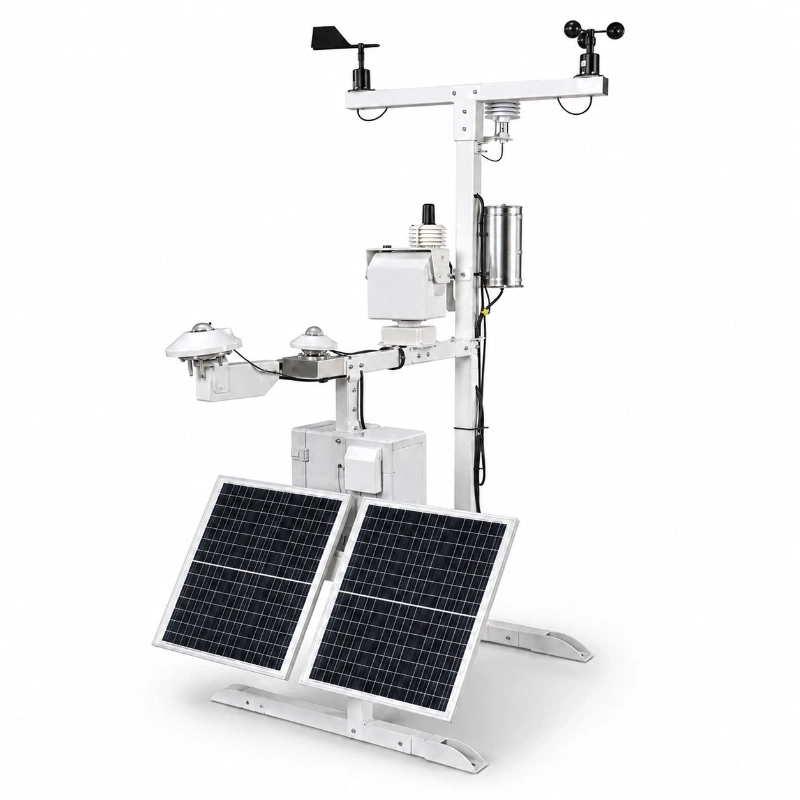
Automatic weather stations
Data loggers
RTUs
PLC systems
IoT gateways
Solar PV monitoring platforms
Cloud based environmental monitoring systems
4. Application Scenarios
Meteorological Monitoring: The sensor can be used in automatic weather stations to measure total solar radiation for climate observation, sunshine energy analysis, and long term meteorological data collection.
Smart Agriculture: In agricultural monitoring systems, the sensor helps evaluate sunlight conditions for crop growth, greenhouse control, irrigation planning, and evapotranspiration research.
Solar PV Monitoring: The sensor can be installed near photovoltaic panels to monitor solar irradiance and support performance comparison, site assessment, and energy yield analysis.
Environmental Monitoring: It is suitable for outdoor environmental observation stations that require continuous solar radiation data for ecological, atmospheric, and microclimate studies.
Scientific Research: The TBQ-2LJ can be used by universities, laboratories, and research institutes for solar radiation experiments, surface energy balance studies, and field observation projects.
FAQ
Q
1. What does the TBQ-2LJ total solar radiation sensor measure?
A
The TBQ-2LJ measures total solar radiation intensity within a range of 0 to 2000 Wm2, making it suitable for meteorological, agricultural, and environmental applications.
Q
2. What sensing principle does this solar radiation sensor use?
A
This sensor uses a photoelectric sensing principle. Solar radiation passes through a filter and reaches the photoelectric sensing element, where it is converted into an electrical signal.
Q
3. What output signals are available?
A
The sensor supports 0 to 20 mV, 4 to 20 mA, and RS485 output options depending on the selected configuration.
Q
4. Can JW-IoT integrate this sensor into a complete weather station?
A
Yes. JW-IoT can integrate this total solar radiation sensor with data loggers, weather station controllers, power supply units, gateways, and cloud monitoring platforms.
Q
5. Is this sensor suitable for smart agriculture?
A
Yes. It can be used for crop growth monitoring, greenhouse environmental control, irrigation planning, and agricultural meteorological stations.
Q
6. Can this sensor be used in solar PV monitoring systems?
A
Yes. It can monitor solar irradiance near PV panels and provide useful data for solar resource evaluation and PV system performance analysis.
Q
7. Does JW-IoT provide RS485 solar radiation monitoring solutions?
A
Yes. JW-IoT can provide RS485 based solar radiation monitoring solutions for weather stations, solar farms, agricultural monitoring, and environmental observation projects.
Q
8. What is the spectral range of this sensor?
A
The spectral range is 285 to 2800 nm, covering the main solar radiation range required for outdoor irradiance monitoring.
Q
9. What is the response time of the sensor?
A
The listed response time is less than 15 seconds, with another reference specification of ≤12 seconds, depending on the configuration and testing condition.
Q
10. Why choose JW-IoT for solar radiation monitoring projects?
A
JW-IoT supports sensor supply, system integration, RS485 data acquisition, IoT gateway connection, solar power supply, and cloud platform deployment for complete field monitoring projects.
 +86 13520127780
  info@jingelway.com