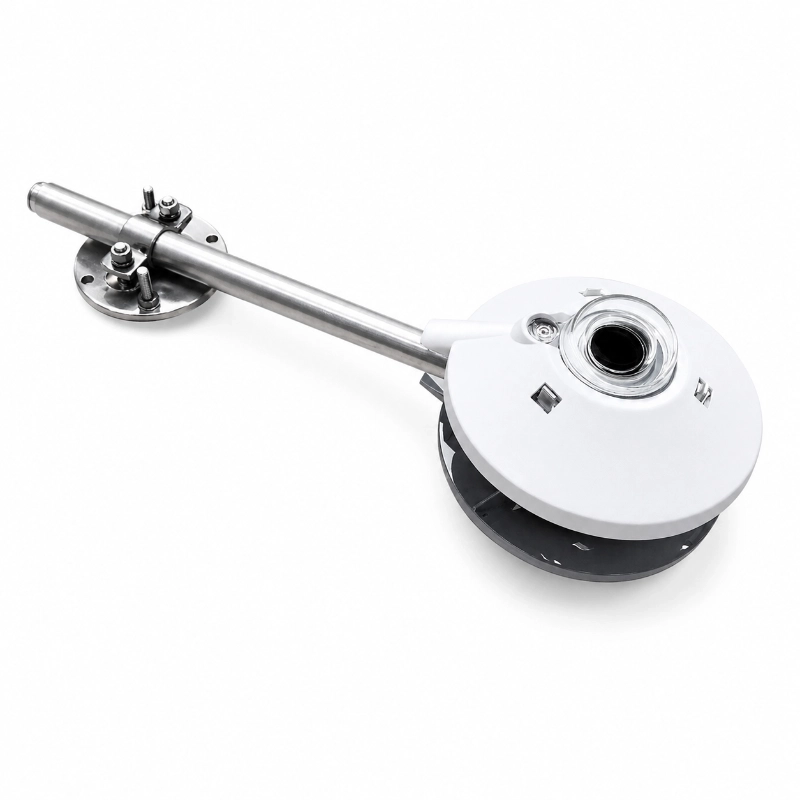
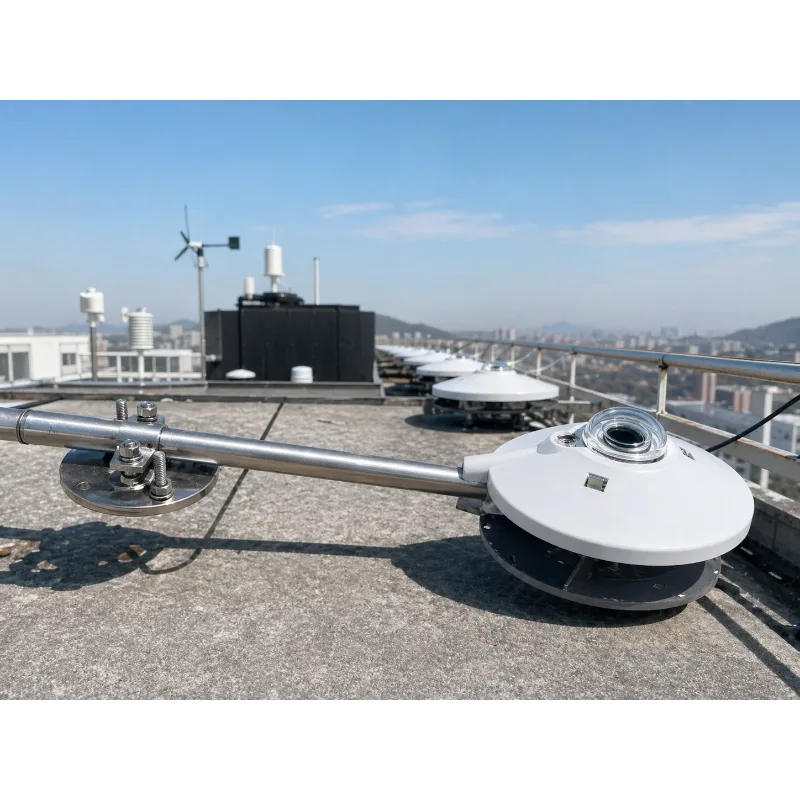
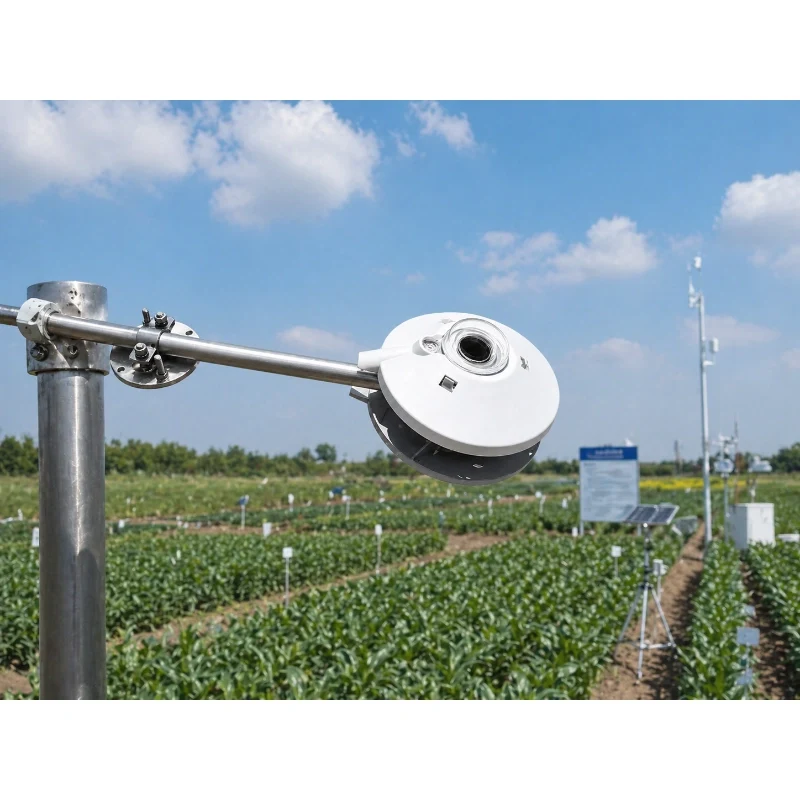
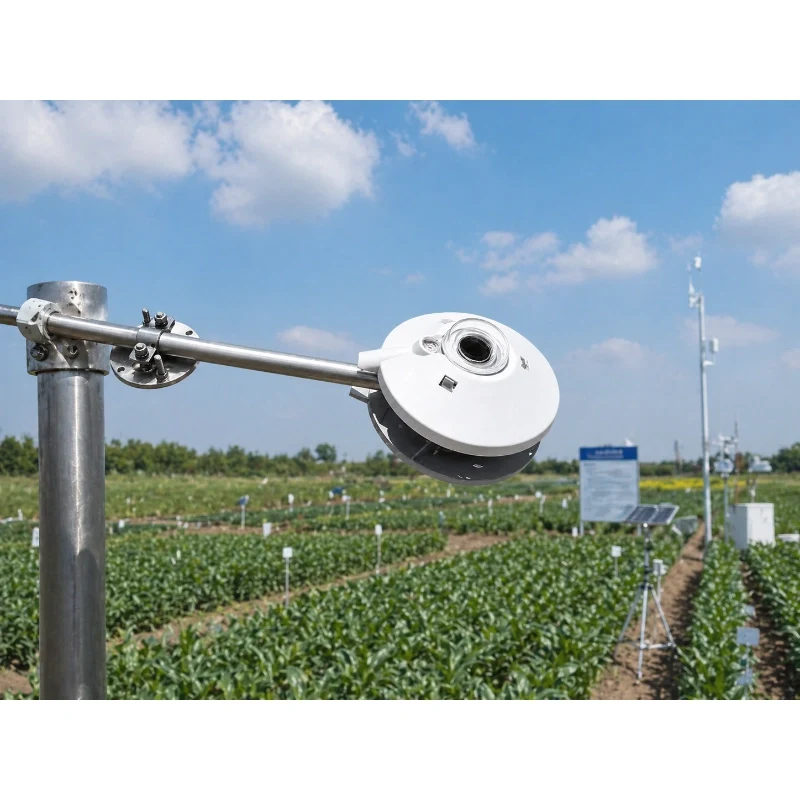
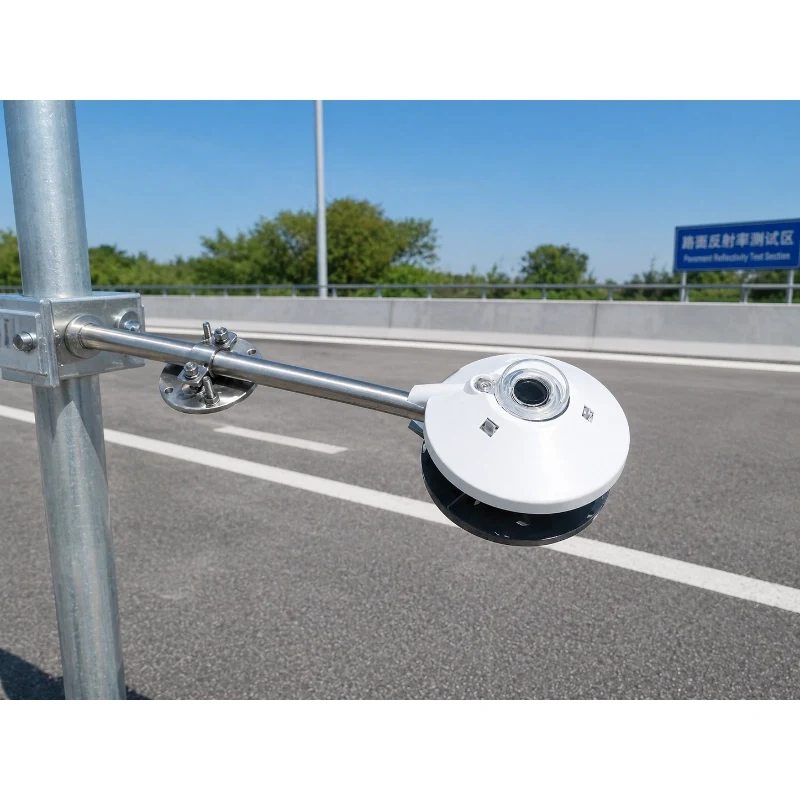
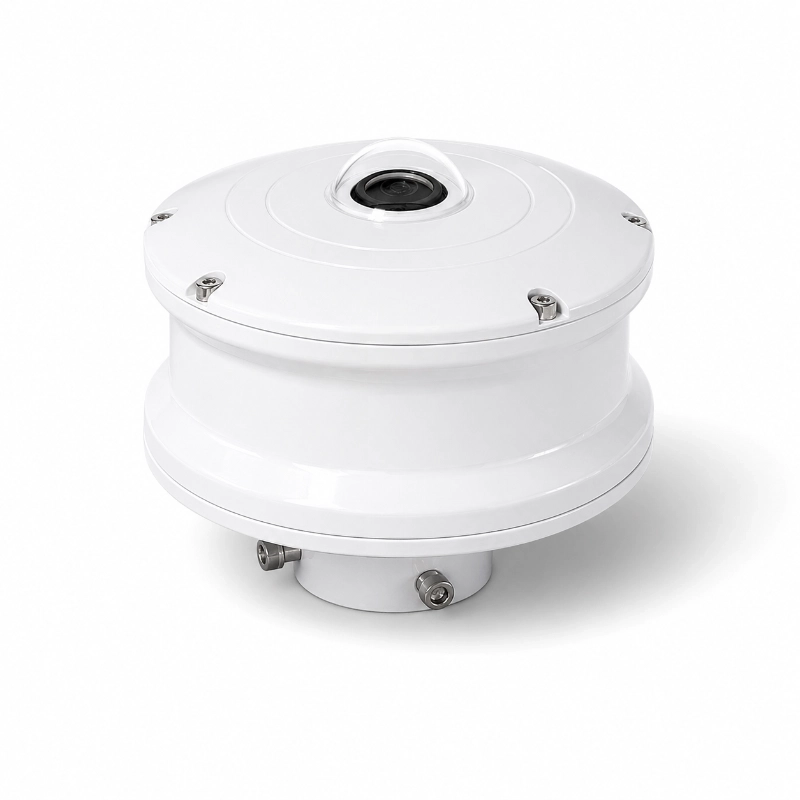
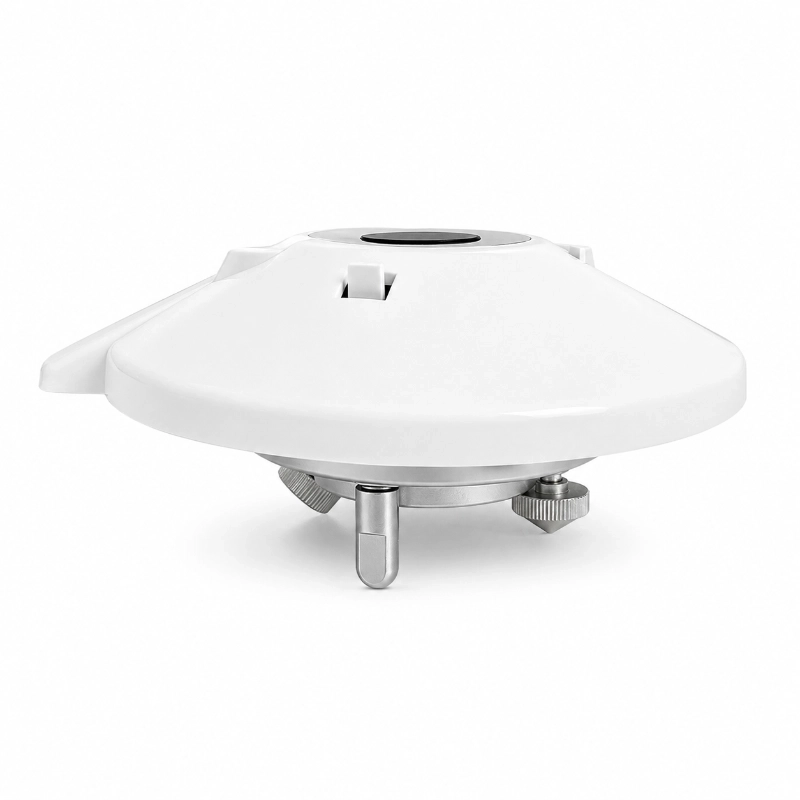
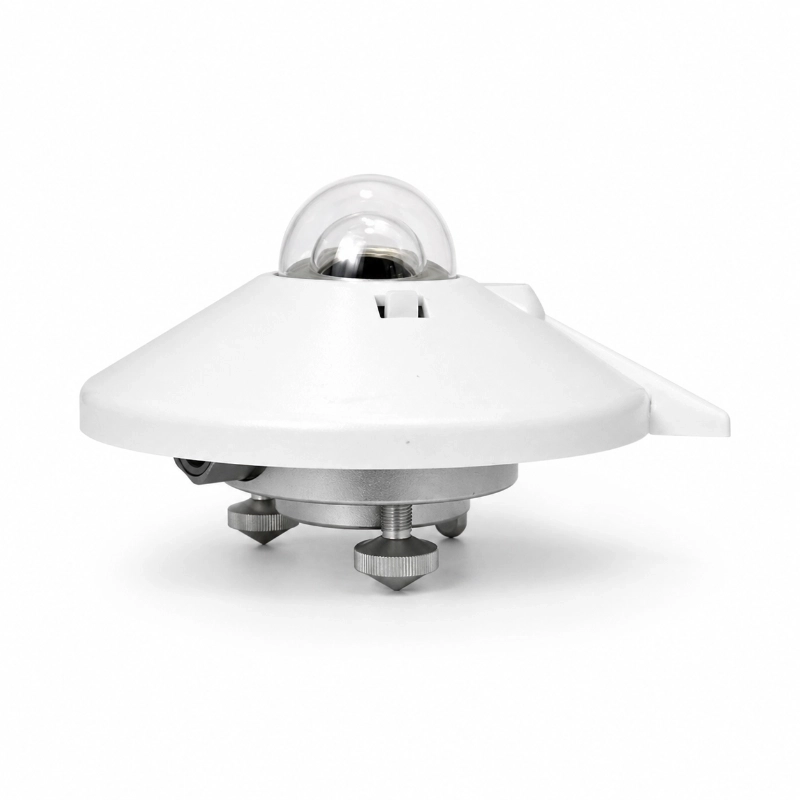
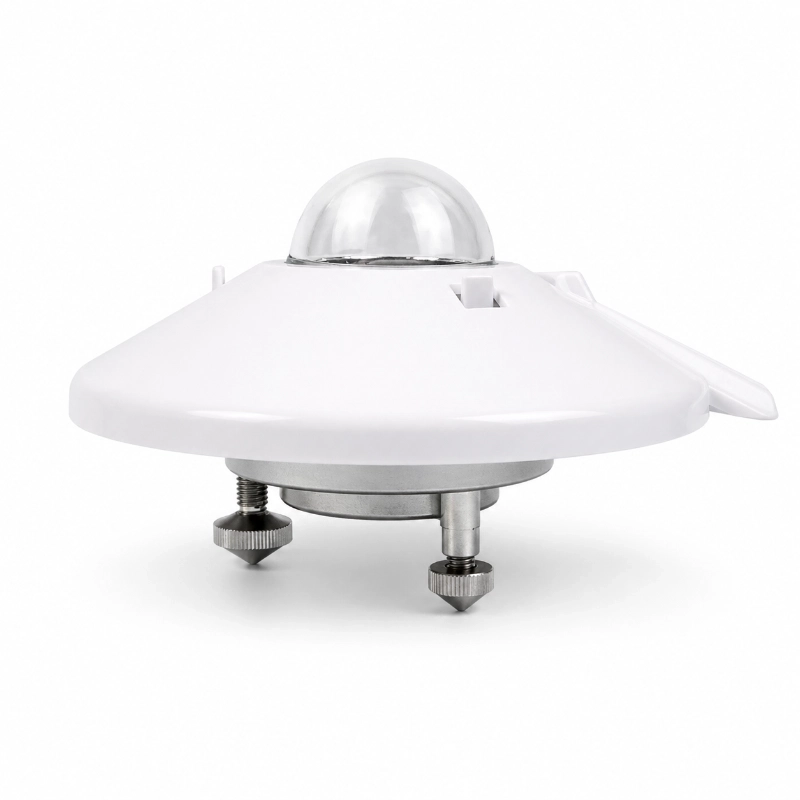
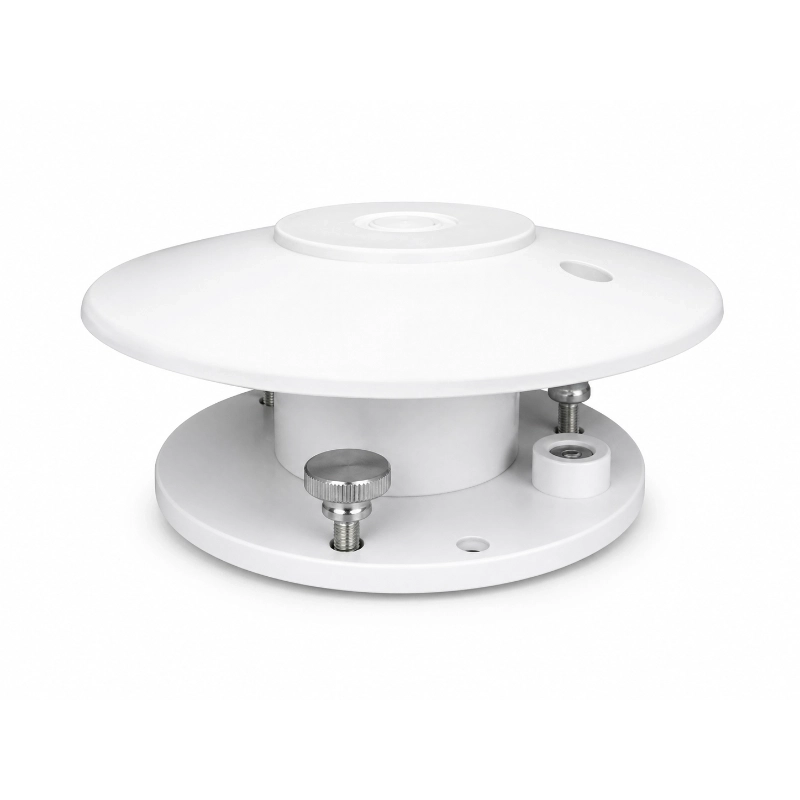
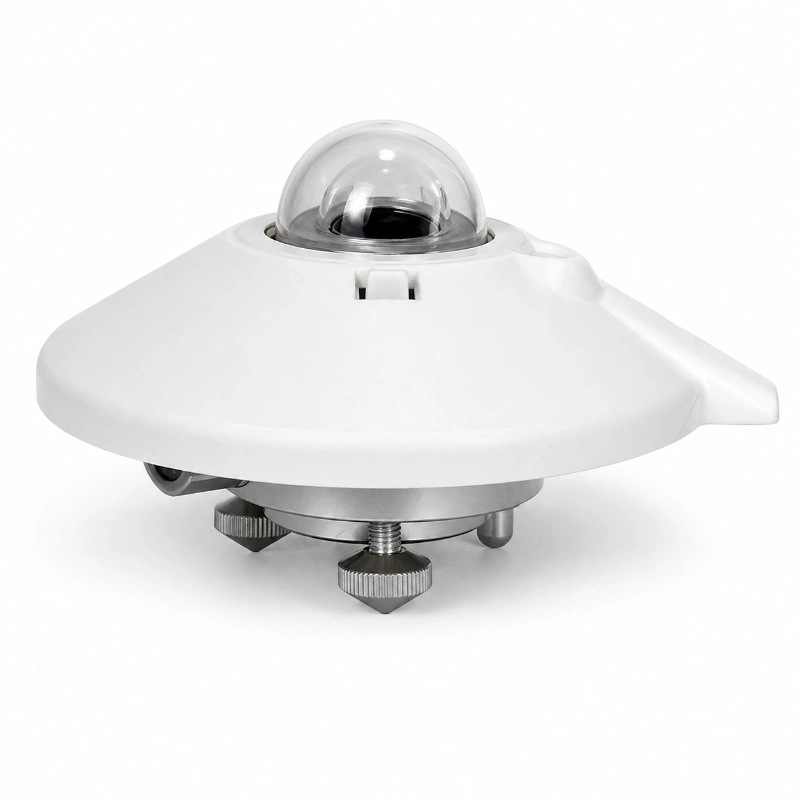
JW-TBB-1L(LC19) Albedo Sensor is a high-precision instrument designed to measure surface reflectance and albedo by comparing incoming solar radiation with reflected radiation from the ground or object surface. It is widely used in meteorological observation, agricultural assessment, road safety monitoring, building material testing, and environmental research, offering reliable outdoor performance and optional RS485 communication for easier system integration.
2. Product Overview
JW-TBB-1L(LC19) Albedo Sensor is developed for accurate reflectance measurement in outdoor environments. Based on thermopile sensing technology, it can capture the relationship between incident solar radiation and reflected radiation, helping users evaluate surface energy balance, albedo variation, and material reflectivity.
This sensor is suitable for long-term field deployment and can be installed in weather stations, agricultural monitoring systems, solar radiation projects, environmental observation sites, and scientific research platforms. With its robust structure, stable response, and optional built-in RS485 output module, it provides both precision and convenient data acquisition.
Parameter
Value
Model No.
JW-TBB-1L(LC19)
Measurement Type
Surface Reflectance and Albedo Measurement
Sensitivity
7 to 14 μV per W m²
Response Time
≤ 1 min at 99%
Spectral Response
0.28 to 50 μm
Differential Sensitivity Between Two Sides
≤ 10%
Internal Resistance
150 Ω
Weight
1.0 kg
Output Options
Analog output and optional RS485
Installation
Outdoor fixed installation
Application Environment
Meteorology agriculture research environmental monitoring
3. Output Options and Communication
The TBQ-8L albedo sensor is available with communication options suitable for different monitoring systems.
Analog output for traditional data acquisition systems
Optional built-in RS485 output module for direct digital communication
Easier integration into existing RS485 networks
Reduces the need for external converters or adapters
Supports more convenient installation, maintenance, and expansion in field monitoring projects
If your project requires digital networking, the RS485 version is especially useful for integration with data loggers, control systems, and remote monitoring platforms.
4. Application Scenarios
Meteorological Observation: Used in weather stations and climate monitoring systems to measure surface albedo and support radiation balance studies.
Agriculture and Field Research: Helps evaluate crop canopy reflectance, soil surface conditions, and land surface energy interactions.
Environmental Monitoring: Suitable for ecological monitoring, land surface studies, and long-term environmental data collection.
Road and Pavement Safety: Can be used to assess road surface reflectivity and support transportation or safety-related studies.
Building Material Testing: Useful for testing the reflectance performance of roofing materials, coatings, and other construction surfaces.
Scientific Research: Applicable in universities, laboratories, and field stations for radiation and surface property analysis.
FAQ
Q
1. What does an albedo sensor measure?
A
An albedo sensor measures the ratio between incoming solar radiation and reflected radiation from a surface. This helps determine the reflectance or albedo of the target area.
Q
2. What is the JW-TBB-1L(LC19) albedo sensor used for?
A
the JW-TBB-1L(LC19) is used for meteorological observation, agricultural assessment, environmental monitoring, building material testing, road studies, and scientific research.
Q
3. Does the JW-IoT albedo sensor support RS485 communication?
A
Yes. This product can be provided with an optional built-in RS485 output module, allowing easier integration into RS485 communication networks without additional external converters.
Q
4. What surfaces can this reflectance sensor monitor?
A
It can be used to monitor soil, crop fields, roads, roofing materials, pavements, and other natural or artificial surfaces where reflectance data is needed.
Q
5. Is the JW-TBB-1L(LC19) suitable for outdoor installation?
A
Yes. The sensor is designed for outdoor field deployment and is suitable for long-term monitoring projects.
Q
6. Why choose a JW-IoT albedo sensor for field monitoring?
A
A JW-IoT albedo sensor offers the advantages of stable measurement, convenient integration, and suitability for applications such as weather stations, agriculture, and environmental monitoring.
Q
7. What is the spectral response range of this albedo sensor?
A
The spectral response range is 0.28 to 50 μm, making it suitable for a broad range of surface radiation measurement tasks.
Q
8. How fast does the sensor respond?
A
The response time is no more than 1 minute at 99% response, which supports dependable field data collection.
Q
9. Can JW-IoT provide albedo sensors for meteorological and agricultural projects?
A
Yes. JW-IoT albedo sensors can be used in meteorological stations, agricultural monitoring systems, research platforms, and other outdoor radiation measurement applications.
 +86 13520127780
  info@jingelway.com