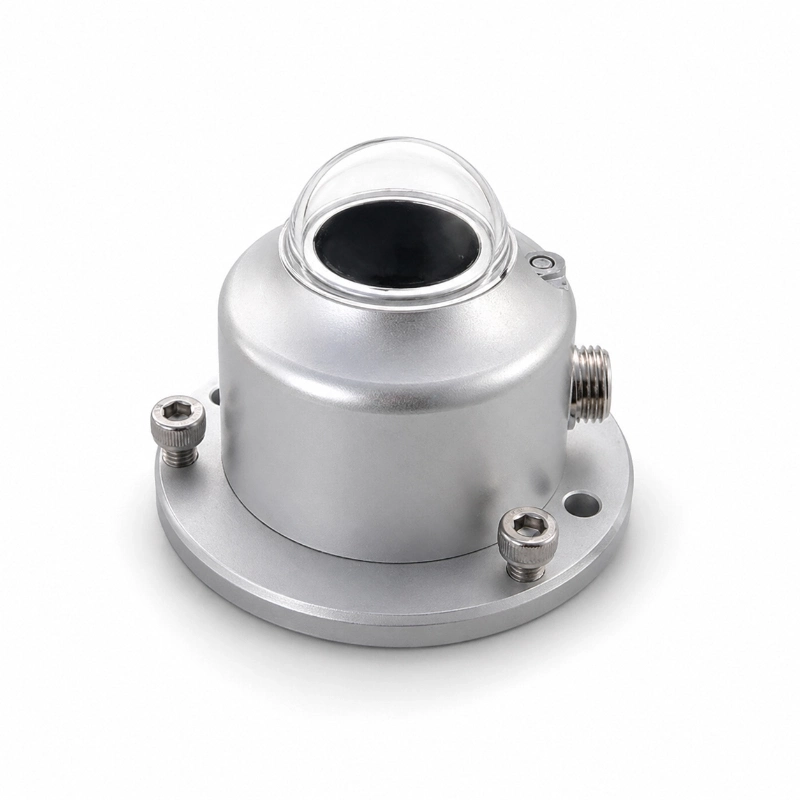
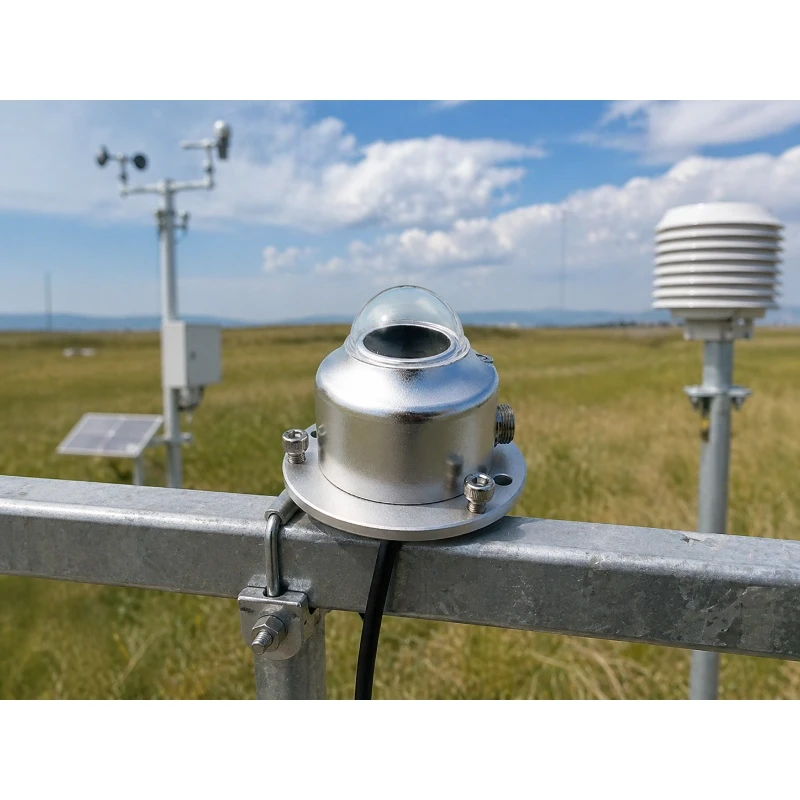
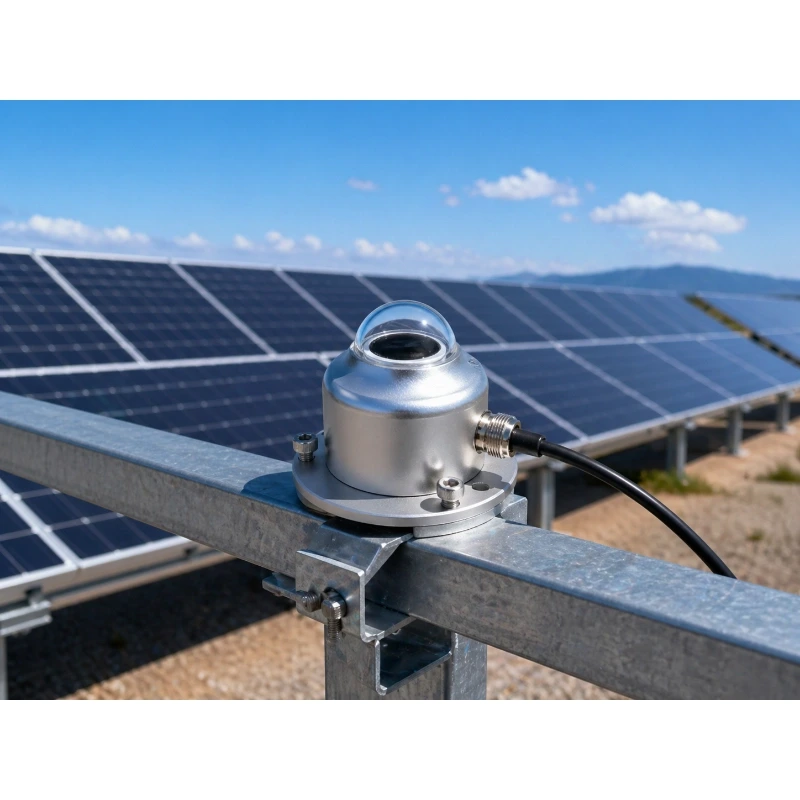
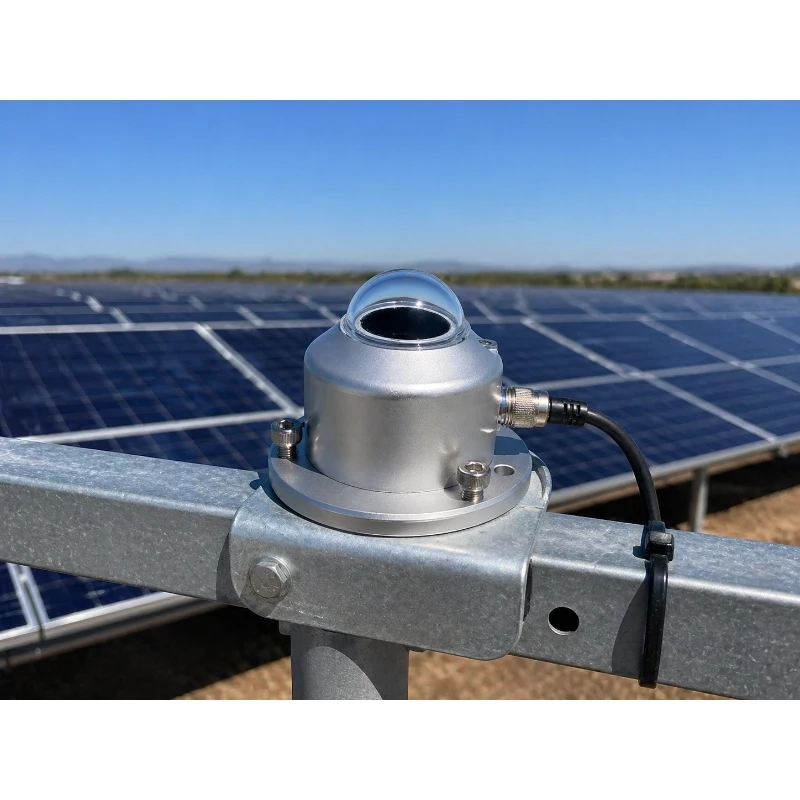
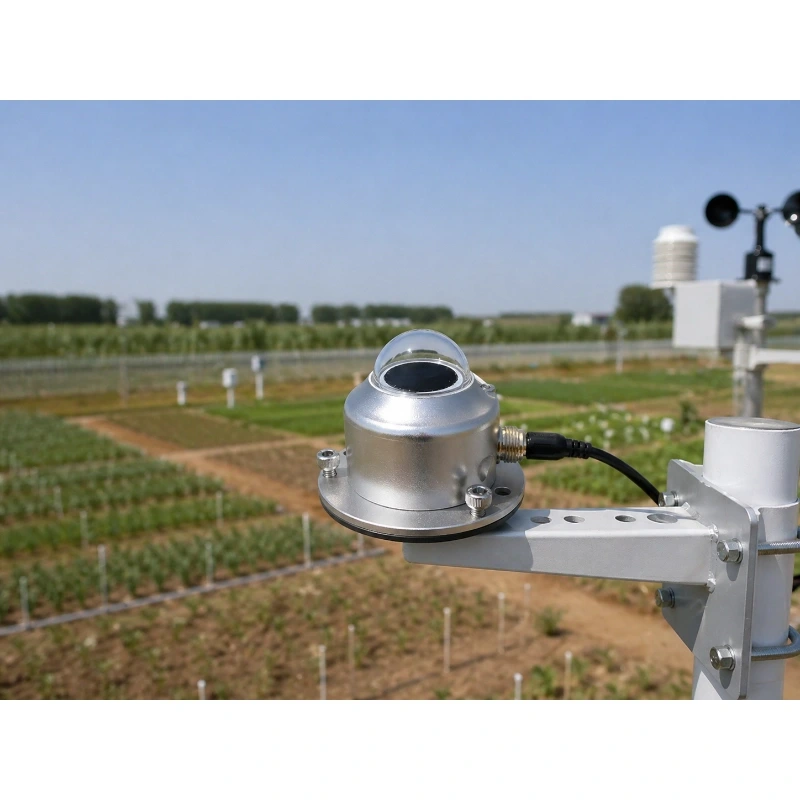
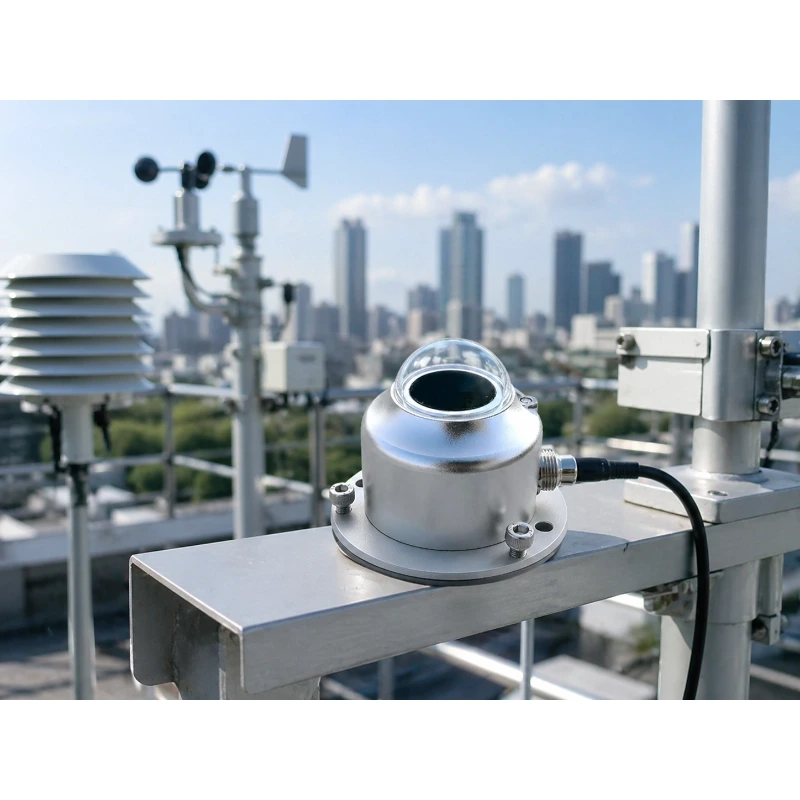
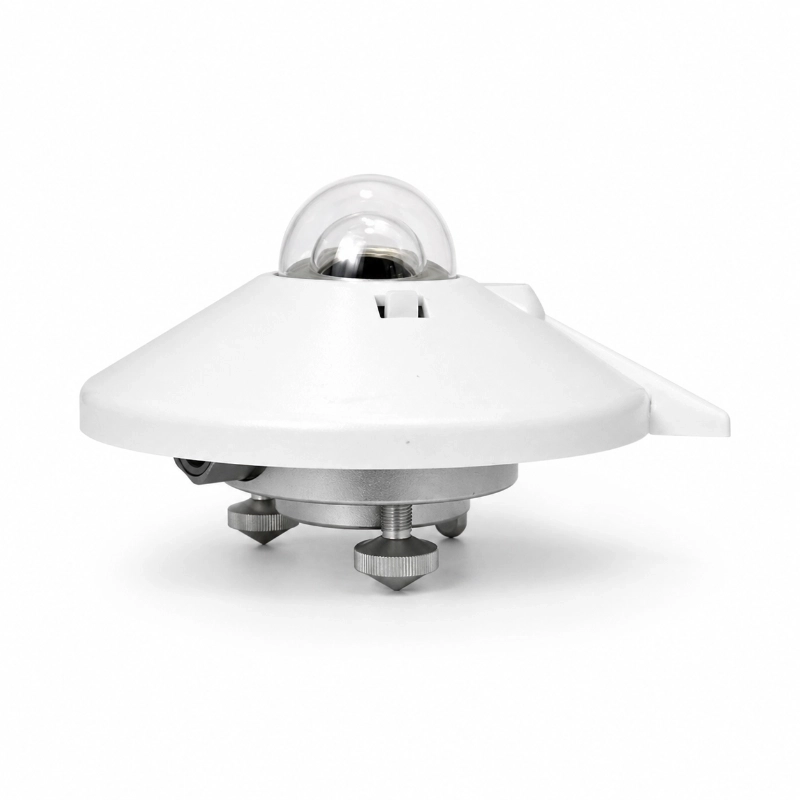
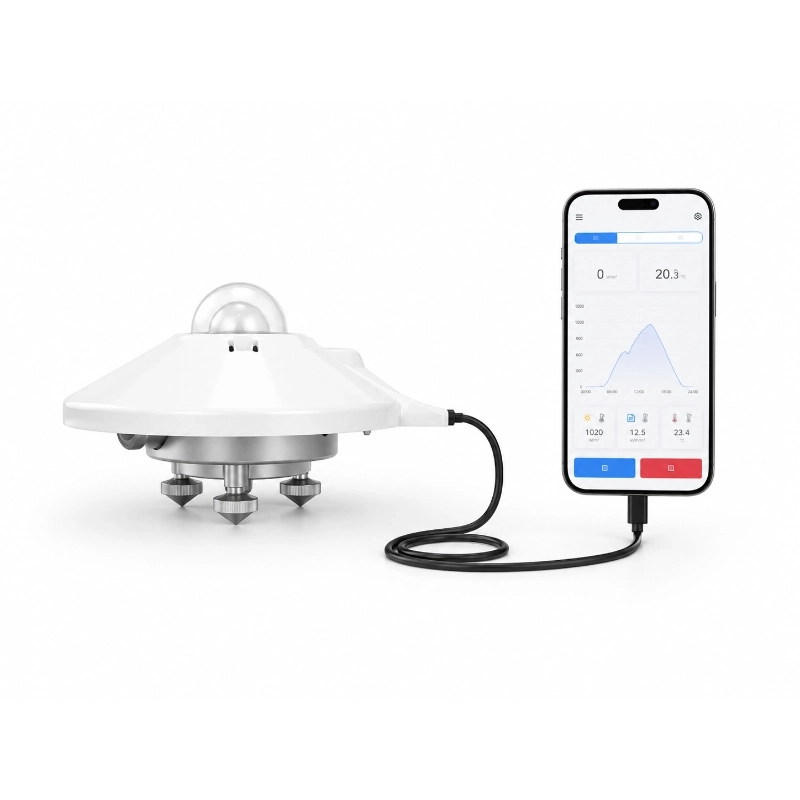
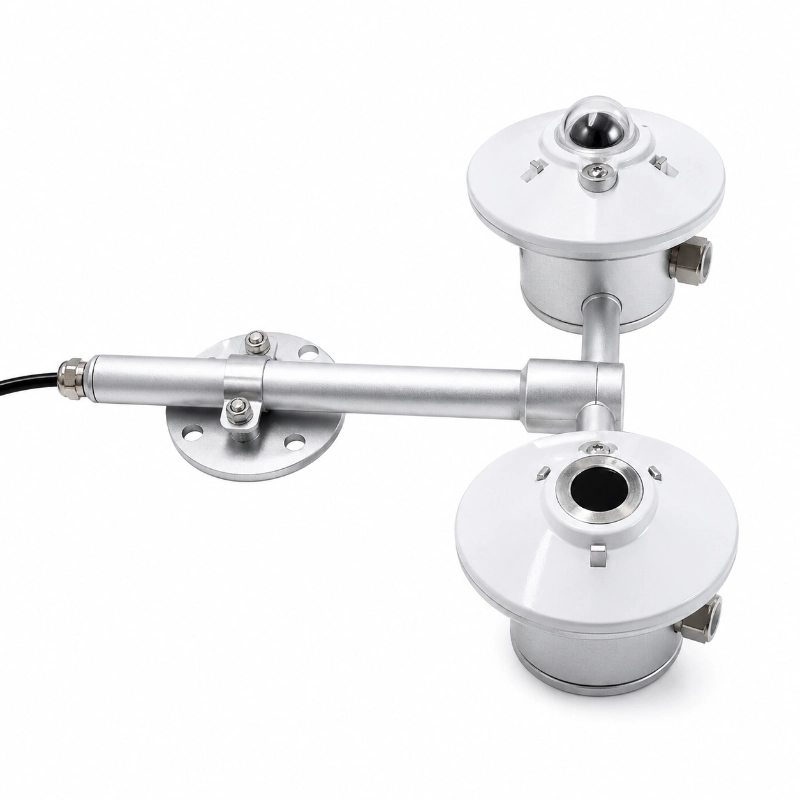
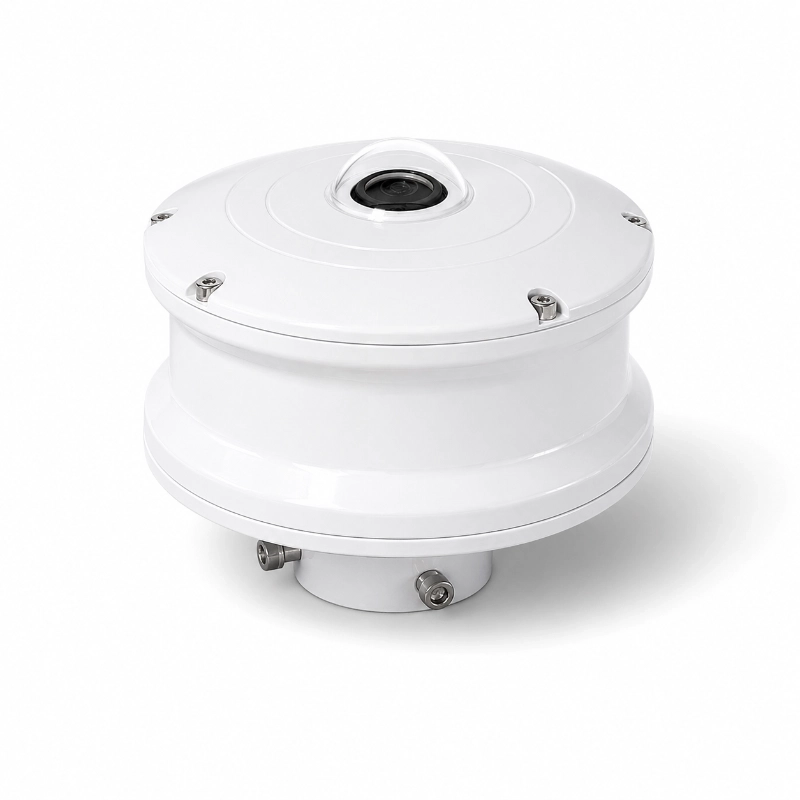
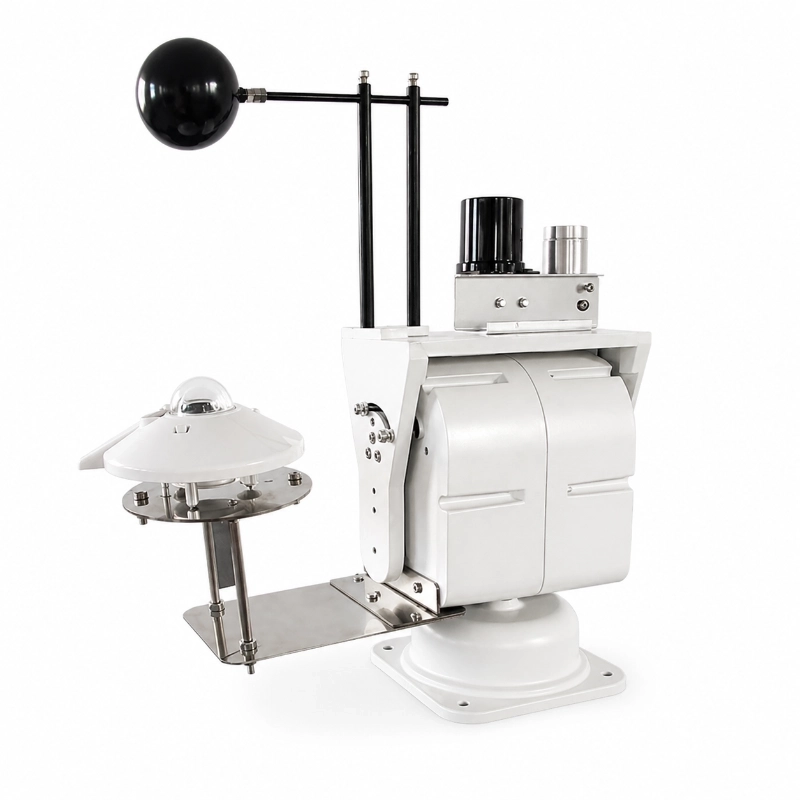
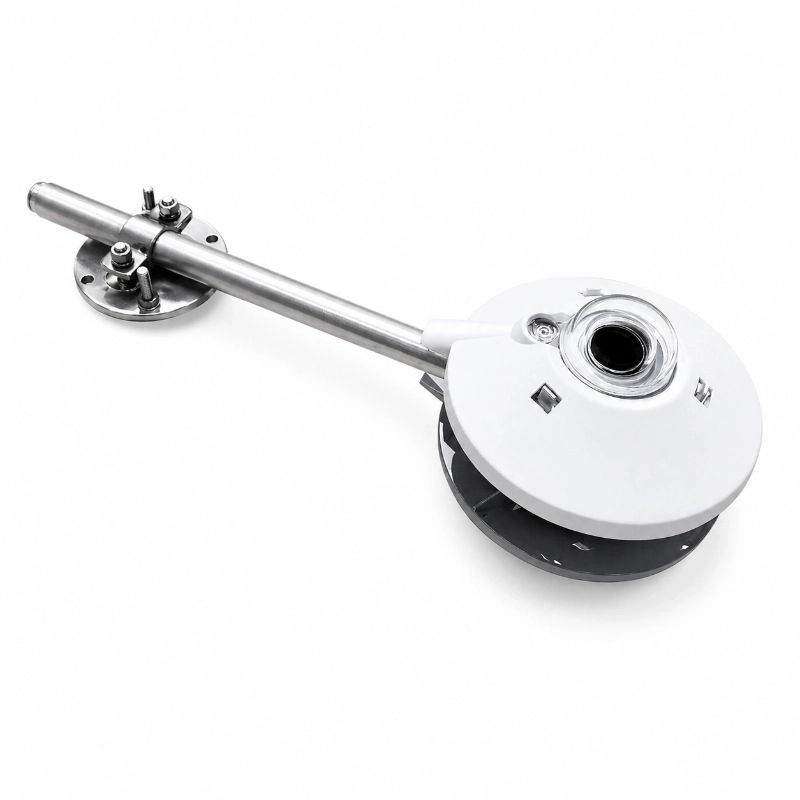
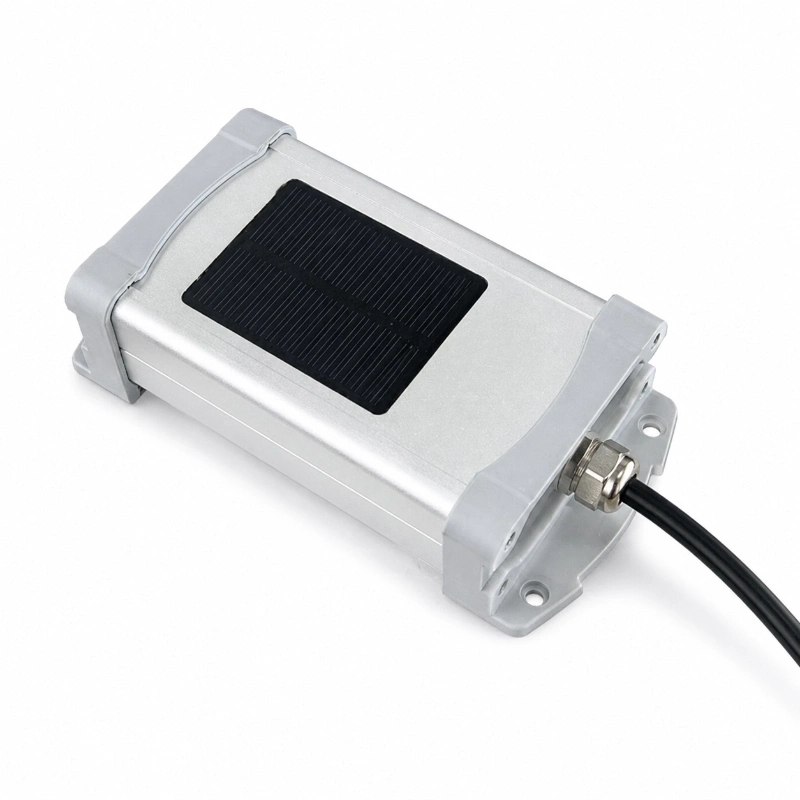
JW-TBQ-2C-1(LC28) Class C Solar Radiation Sensor is a compact and reliable instrument for measuring total solar irradiance. Designed with thermopile sensing technology, a high precision glass dome, and optional RS485 communication, it is suitable for solar energy systems, meteorological stations, agricultural monitoring, and environmental research.
2. Product Overview
JW-TBQ-2C-1(LC28)Solar Radiation Sensor is a Class C total solar radiation sensor used to measure solar irradiance intensity and energy changes in outdoor environments. It converts solar radiation into an electrical signal for monitoring, recording, and system control.
Built with advanced thermopile MEMS technology, the sensor offers high sensitivity, good consistency, and stable long-term performance. Its high precision glass dome improves light transmission, while the high absorbance coating helps reduce reflectance and improve measurement accuracy. This makes it a practical choice for users who need dependable solar radiation data in field installations.
The sensor is widely used in solar PV plants, weather stations, smart agriculture, scientific research, and environmental monitoring systems.
Parameter
Specification
Product Type
Total Solar Radiation Sensor
Model
TBQ-2C-1
Class
Class C
Measurement Range
0 to 2000 Wm2
Spectral Range
285 to 3000 nm
Sensitivity
7 to 14 μV per Wm2
Accuracy
≤5%
Resolution
1 Wm2
Output Options
0 to 20 mV optional RS485 optional selected versions may support 4 to 20 mA
Power Requirement
Passive output version does not require power RS485 version typically uses 12V
Operating Temperature
-50°C to 90°C
Operating Humidity
≤100% RH
Sensing Principle
Thermopile
Structural Features
High precision glass dome integrated compact housing
3. Output and Communication
The TBQ-2C-1 solar radiation sensor is available in multiple output configurations to meet different project needs.
0 to 20 mV output for passive measurement applications
RS485 output for digital communication and easy integration
Some promotional materials also indicate 4 to 20 mA options depending on version or customization
This flexibility makes the sensor suitable for connection with:
Cloud monitoring platforms
Data loggers
Weather station controllers
PLC systems
RTUs
IoT gateways
4. Application Scenarios
Solar PV Monitoring: Used in photovoltaic plants and solar energy systems to measure solar irradiance and support panel performance analysis, site assessment, and energy efficiency monitoring.
Meteorological Stations: Suitable for weather stations and environmental monitoring networks that require accurate solar radiation data for climate observation and data logging.
Smart Agriculture: Helps greenhouse and field operators understand solar energy conditions for crop growth, irrigation strategies, and agricultural climate control.
Environmental Research: Useful in universities, laboratories, and research projects for sunlight monitoring, radiation studies, and microclimate analysis.
Building and Outdoor Energy Projects: Can be integrated into smart building, renewable energy, and outdoor sensing projects where solar radiation data is important for system design and operation.
FAQ
Q
1. What does this solar radiation sensor measure?
A
It measures total solar radiation, also called total solar irradiance, within a range of 0 to 2000 Wm2.
Q
2. Is the TBQ-2C-1 suitable for weather stations?
A
Yes. It is suitable for weather stations, environmental monitoring stations, and solar energy monitoring systems that require reliable irradiance data.
Q
3. What output options are available?
A
Available versions include 0 to 20 mV and RS485 output. Some materials also show 4 to 20 mA as an optional configuration depending on the product version.
Q
4. Can JW-IoT integrate this solar radiation sensor into a complete monitoring system?
A
Yes. JW-IoT can integrate this solar radiation sensor with data loggers, gateways, power supply systems, and cloud platforms for complete weather station or solar monitoring solutions.
Q
5. Is this sensor suitable for solar PV projects?
A
Yes. It is widely used in solar PV applications to monitor irradiance, compare site conditions, and support energy yield analysis.
Q
6. Does JW-IoT provide RS485 based solar radiation sensor solutions?
A
Yes. JW-IoT can provide RS485 based solar radiation sensor solutions for weather stations, smart agriculture, environmental monitoring, and PV power projects.
Q
7. What is the spectral range of this sensor?
A
The spectral range is 285 to 3000 nm, which covers the main solar radiation band required for irradiance monitoring.
Q
8. Why choose JW-IoT for solar radiation monitoring projects?
A
JW-IoT supports not only sensor supply, but also full project integration including communication, mounting, power supply, and platform connection for field deployment.
Q
9. Can the sensor work outdoors in harsh environments?
A
Yes. It is designed for outdoor use with an operating temperature range of -50°C to 90°C and humidity tolerance up to 100% RH.
 +86 13520127780
  info@jingelway.com