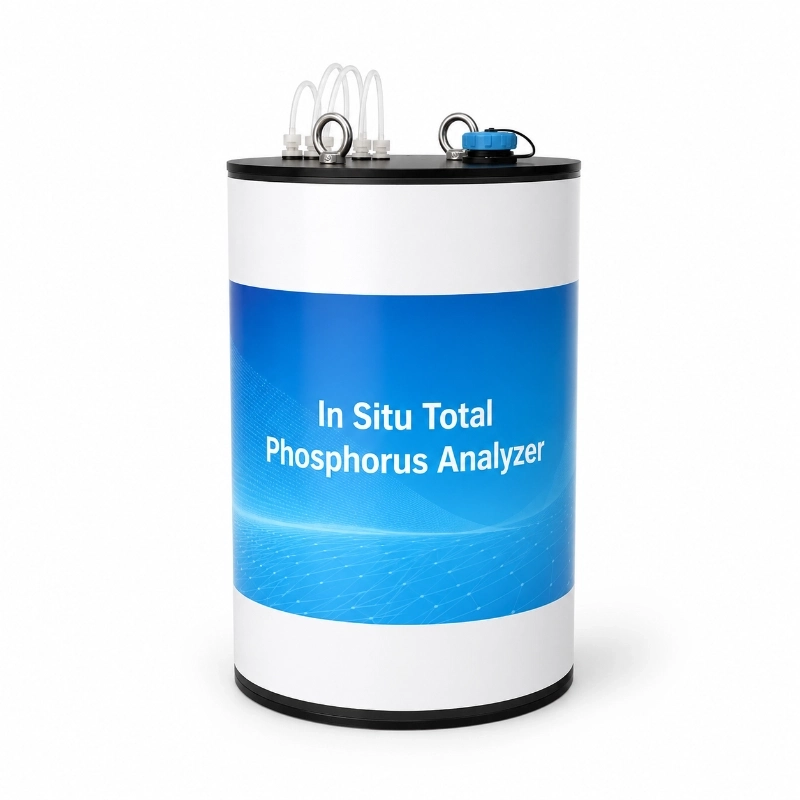
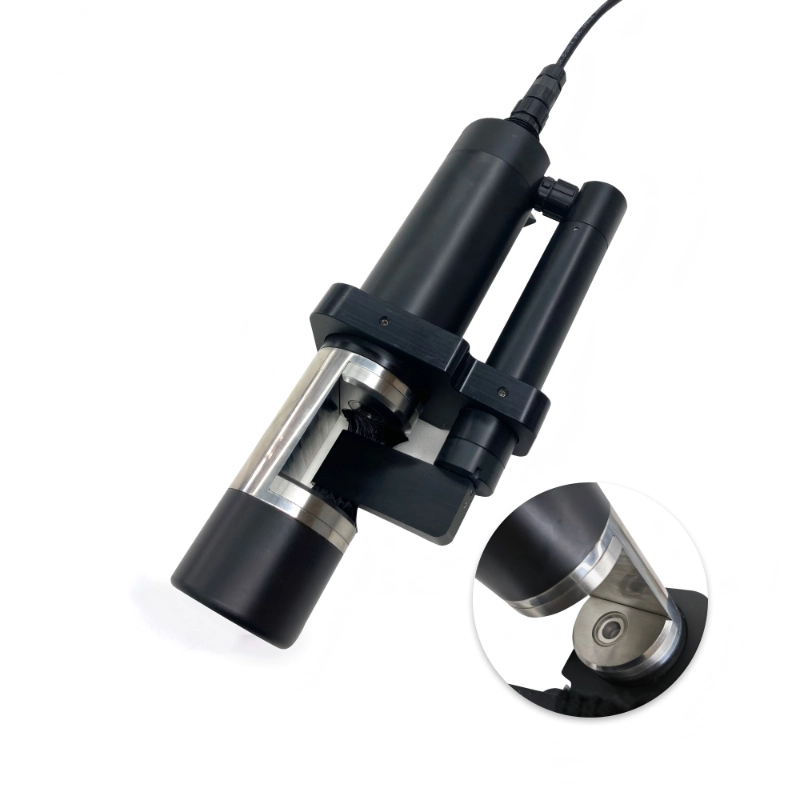
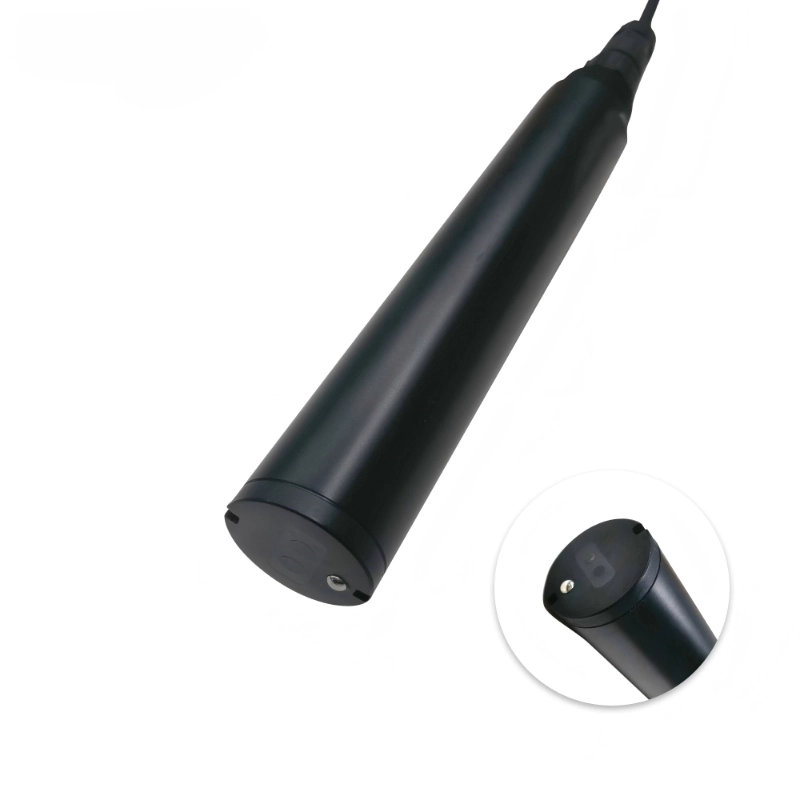
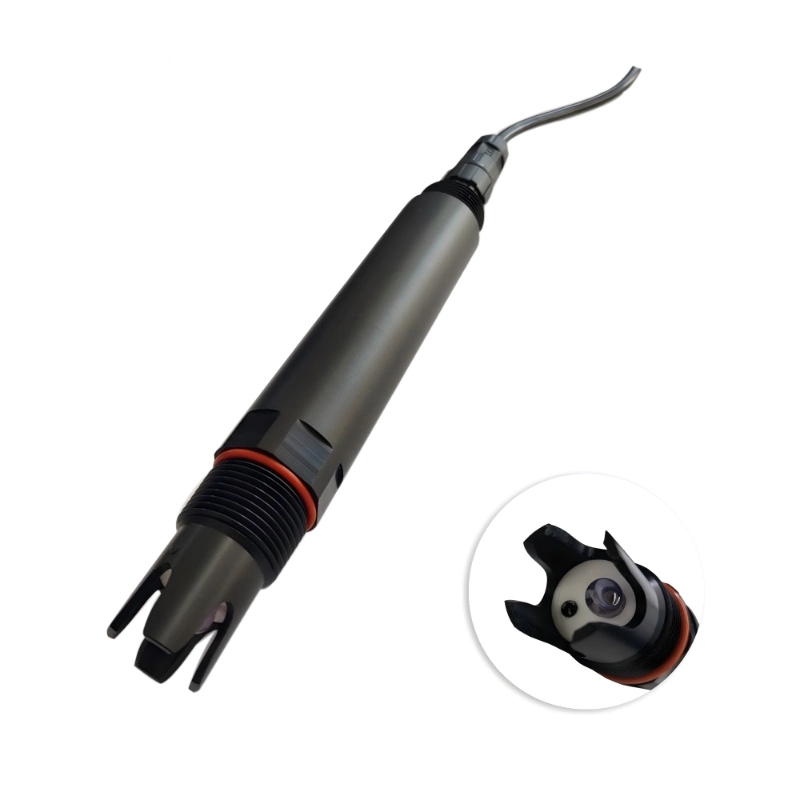
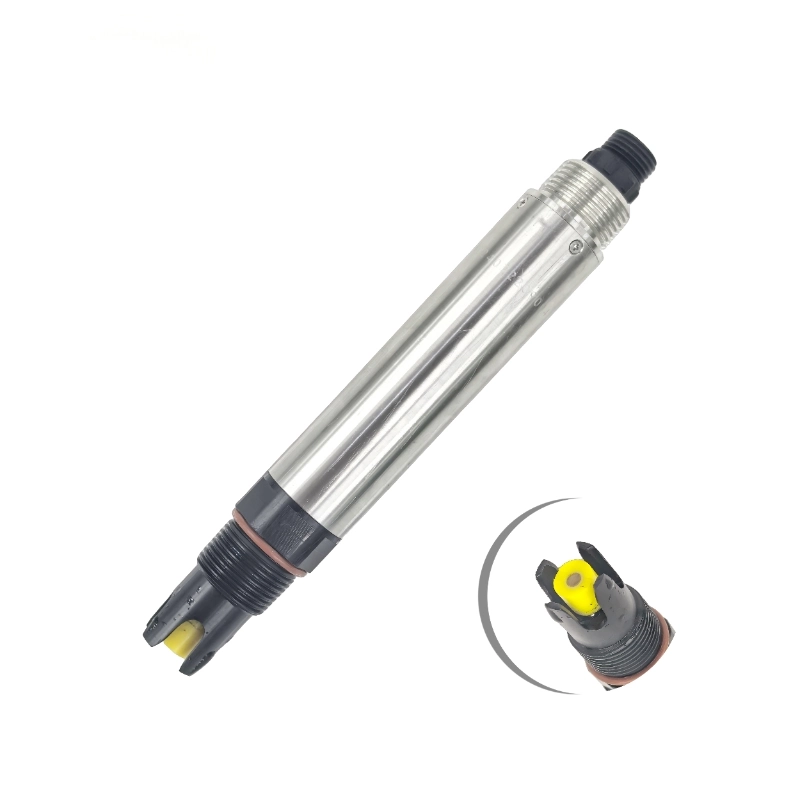
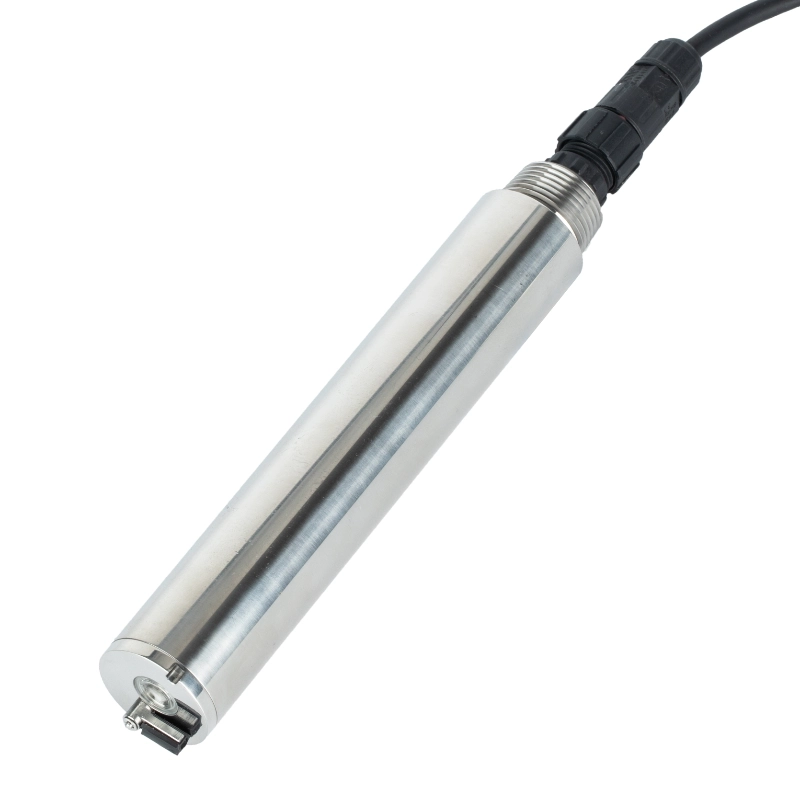
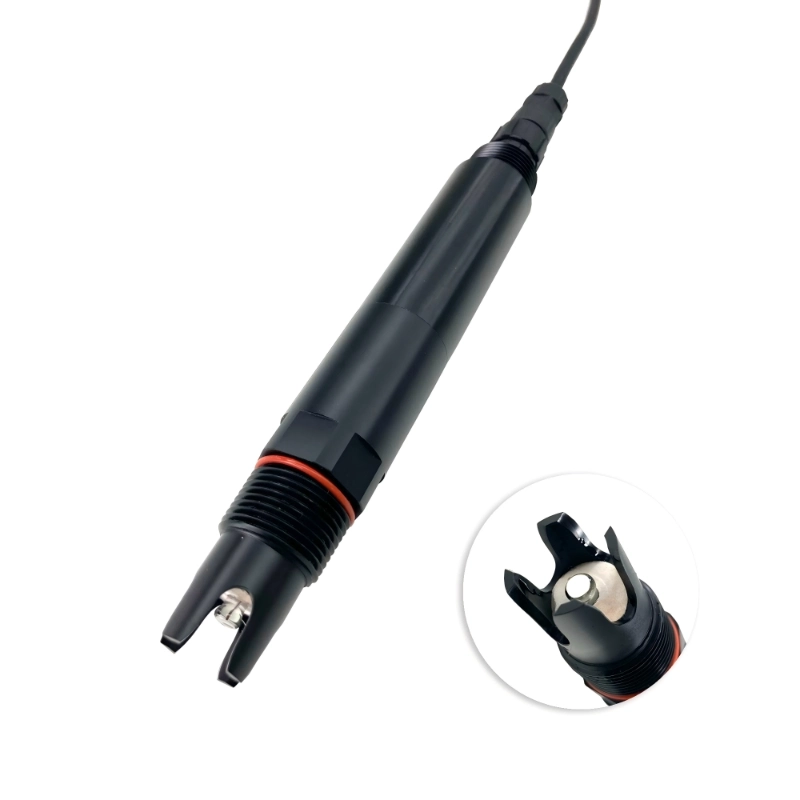
JW-TP-300(K37)The In Situ Total Phosphorus Analyzer is an IP68-rated online water quality monitoring instrument designed for continuous total phosphorus measurement in surface water, coastal waters, and estuarine environments. Based on ammonium molybdate spectrophotometry with high-temperature digestion, it delivers stable data for environmental monitoring, water quality assessment, and ecological risk warning applications.
2. Product Overview
JW-TP-300(K37)in situ total phosphorus analyzer is built for unattended field deployment and real-time water quality monitoring. It converts different phosphorus compounds in the water sample into orthophosphate through digestion at 120–124°C, then completes colorimetric detection through a molybdenum blue reaction.
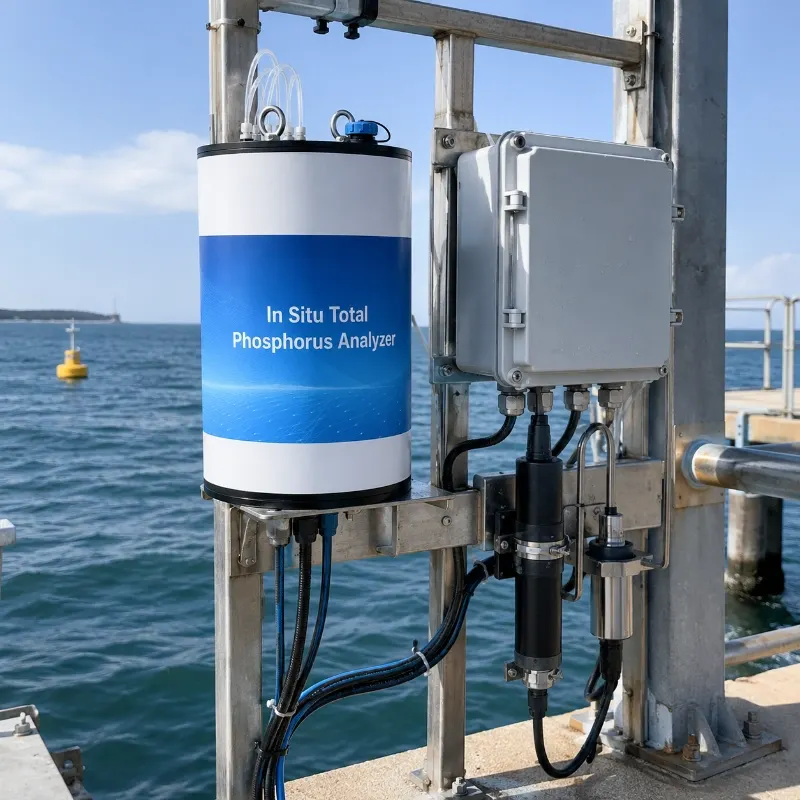
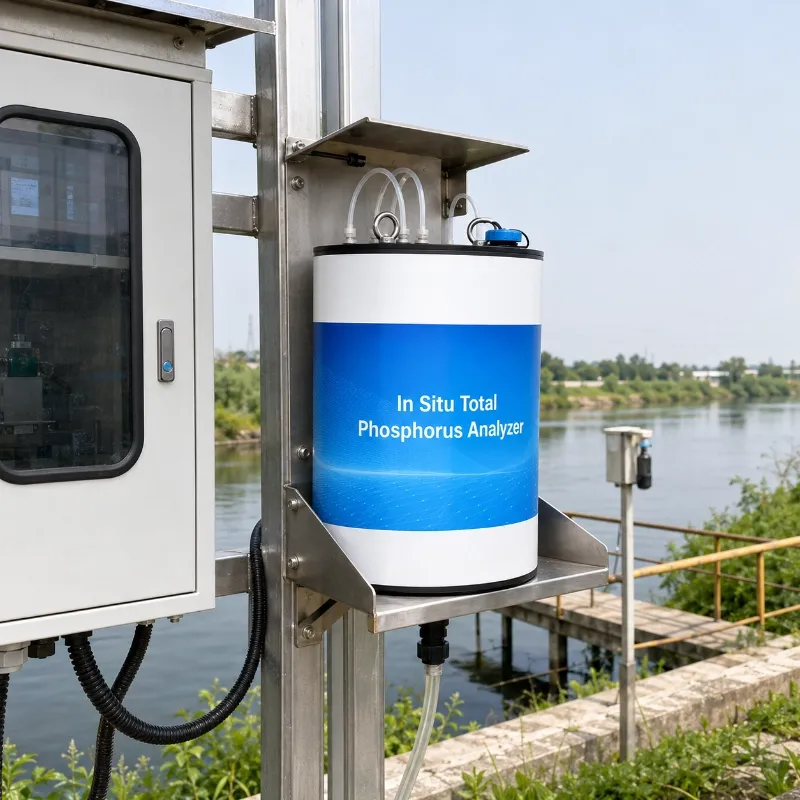
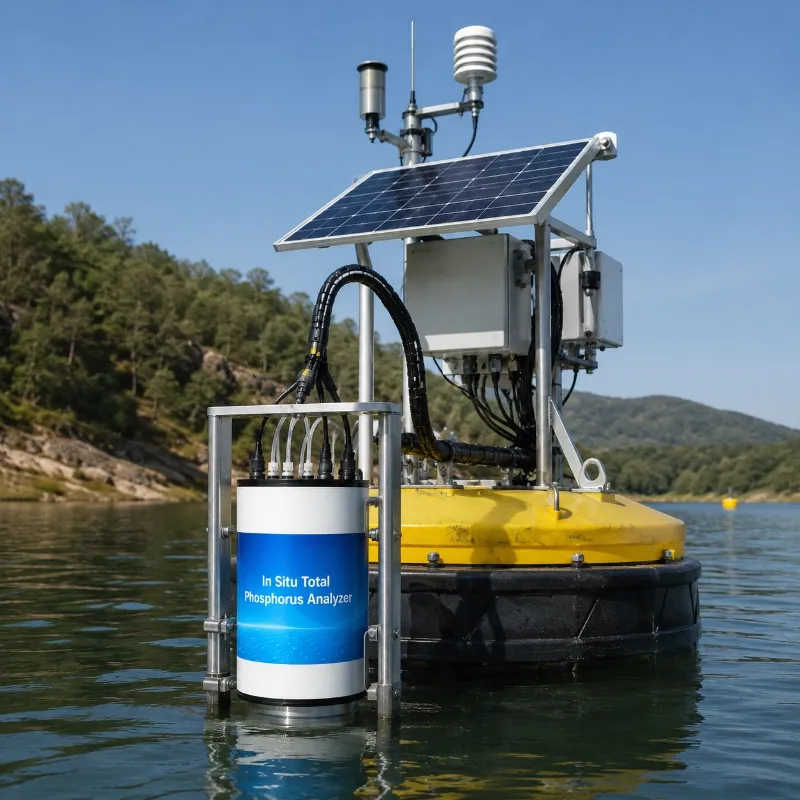
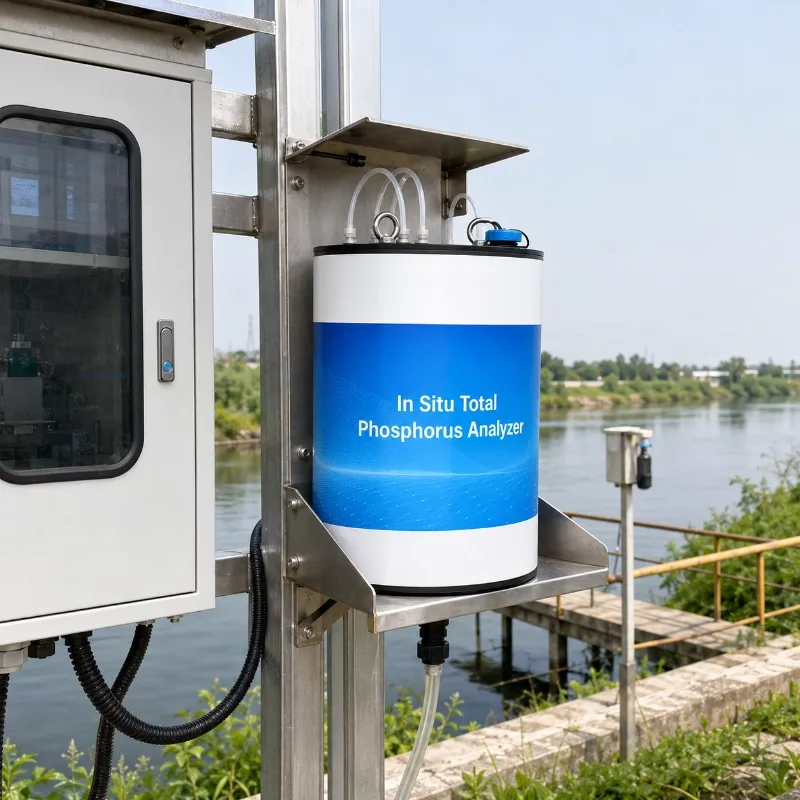
With IP68 protection, RS485 Modbus RTU output, and a compact submersible cylindrical structure, the analyzer can be integrated into buoy stations, multiparameter water monitoring systems, vessel-mounted systems, and shore-based monitoring points. It is especially suitable for long-term monitoring of phosphorus pollution trends and supporting early warning of ecological events such as red tides and green tides.
Parameter
Specification
Product Type
In Situ Total Phosphorus Analyzer
Measurement Principle
Ammonium Molybdate Spectrophotometry
Measurement Range
0–2.000 mg/L / 0–10.000 mg/L
Resolution
0.001 mg/L / 0.005 mg/L
Detection Limit
0.01 mg/L
Accuracy for 0–2.000 mg/L Range
0–0.100 mg/L: ±0.010 mg/L; 0.100–2.000 mg/L: ±10% or ±0.050 mg/L whichever is greater
The analyzer uses an improved spectrophotometric method for total phosphorus detection. During measurement:
The water sample reacts with potassium persulfate in the digestion chamber at 120–124°C.
Different phosphorus compounds are converted into orthophosphate.
Orthophosphate reacts with ammonium molybdate in the presence of antimony salt.
The resulting compound is reduced by ascorbic acid to form a blue complex.
The optical system calculates the total phosphorus concentration based on absorbance.
4. Application Scenarios
The in situ total phosphorus analyzer is suitable for:
Surface water quality monitoring
River and lake phosphorus surveillance:total phosphorus data can be combined with total nitrogen, COD, ammonia, turbidity, pH, and dissolved oxygen through an online water quality monitoring system for continuous pollution assessment.
Reservoir and watershed monitoring
Nearshore and estuarine water analysis
Marine ecological monitoring
Red tide and green tide risk warning
Environmental research projects
Buoy-based and shore-based water monitoring systems
5. Integration and Communication
The analyzer supports RS485 Modbus RTU, making it convenient to connect with data loggers, RTUs, PLCs, water quality monitoring platforms, and remote environmental monitoring systems.
The default communication format is:
Baud Rate: 9600 bps
Data Bits: 8
Parity: None
Stop Bit: 1
The device supports reading measurement value, optical signals, digestion temperature, instrument status, slope, zero calibration factor, correction factor, and other operating data through Modbus registers.
6. Installation Notes
For submerged or outdoor installation, special attention should be paid to tubing and waterproof treatment:
The analyzer is designed for submersible installation.
Air tubes must remain unblocked and protected from water ingress.
All cable joints must be waterproofed for long-term operation in water, seawater, or humid outdoor environments.
User-side cables should provide corrosion resistance.
Wiring must be carefully checked before powering on to avoid damage from incorrect connection.
7. Maintenance Guidance
For stable operation, the manufacturer recommends routine maintenance based on reagent life and testing frequency:
If the analyzer will remain unused for more than two weeks, the fluid channels should be rinsed with ultrapure water and reagents stored appropriately.
With a testing frequency of 4 times per day, the reagent capacity supports approximately 30 days of use.
The recommended maintenance interval should generally not exceed 45 days.
Reagents should be stored at 5–30°C in a cool, light-protected environment.
Reagent replacement is usually recommended once per month, adjusted according to field temperature and measurement frequency.
An inlet filter is recommended and can typically be replaced once a month depending on water turbidity.
FAQ
Q
1. What is an in situ total phosphorus analyzer used for?
A
An in situ total phosphorus analyzer is used for continuous online measurement of total phosphorus concentration in natural water bodies such as rivers, lakes, coastal waters, and estuaries.
Q
2. What measurement principle does this total phosphorus analyzer use?
A
It uses ammonium molybdate spectrophotometry combined with high-temperature digestion to convert phosphorus compounds into measurable orthophosphate.
Q
3. What measuring ranges are available for this analyzer?
A
The analyzer supports two measuring ranges: 0–2.000 mg/L and 0–10.000 mg/L, suitable for different monitoring requirements.
Q
4. Does the JW-IoT total phosphorus analyzer support integration with remote monitoring platforms?
A
Yes. The analyzer supports RS485 Modbus RTU, allowing integration with RTUs, dataloggers, PLC systems, and IoT water quality monitoring platforms.
Q
5. Is the analyzer suitable for long-term outdoor deployment?
A
Yes. With an IP68 protection rating and submerged installation design, it is suitable for long-term outdoor and water-based monitoring applications.
Q
6. How often should reagents be replaced?
A
Under a measurement frequency of about four times per day, reagents are generally used for around 30 days. The replacement interval can be adjusted based on field conditions.
Q
7. Can JW-IoT use this analyzer in buoy-based monitoring systems?
A
Yes. Its compact cylindrical structure, low-power operation, and RS485 communication make it suitable for integration into buoy stations and multiparameter monitoring systems.
Q
8. What types of water bodies can JW-IoT monitor with this total phosphorus analyzer?
A
JW-IoT can deploy this analyzer in surface water, nearshore waters, estuaries, reservoirs, and other natural water environments that require continuous phosphorus monitoring.
Q
9. What is the protection level of this online phosphorus analyzer?
A
The analyzer is rated IP68, supporting submerged use under the operating conditions defined in the product manual.
 +86 13520127780
  info@jingelway.com