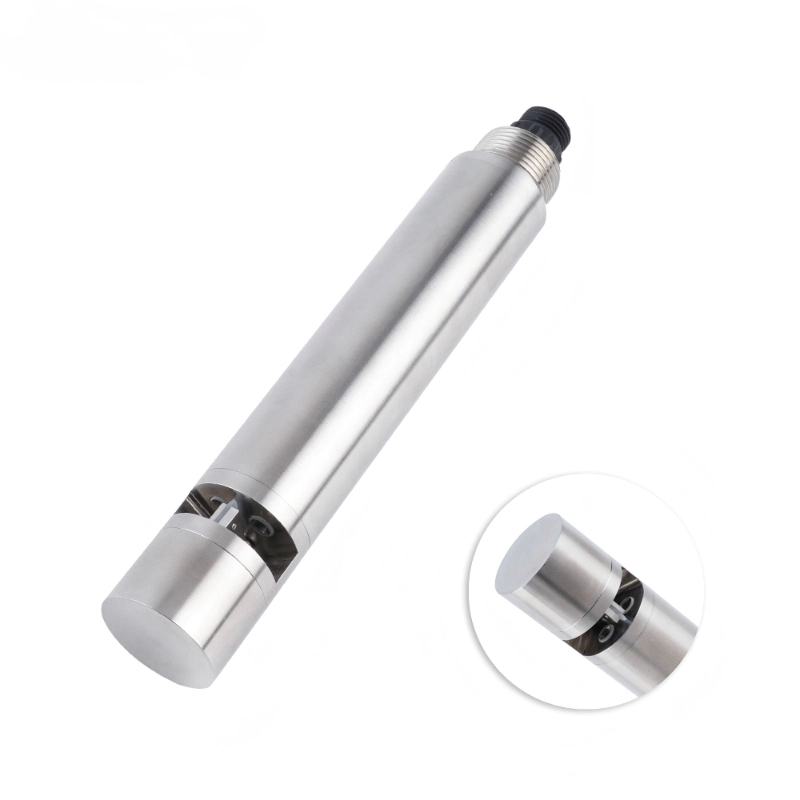
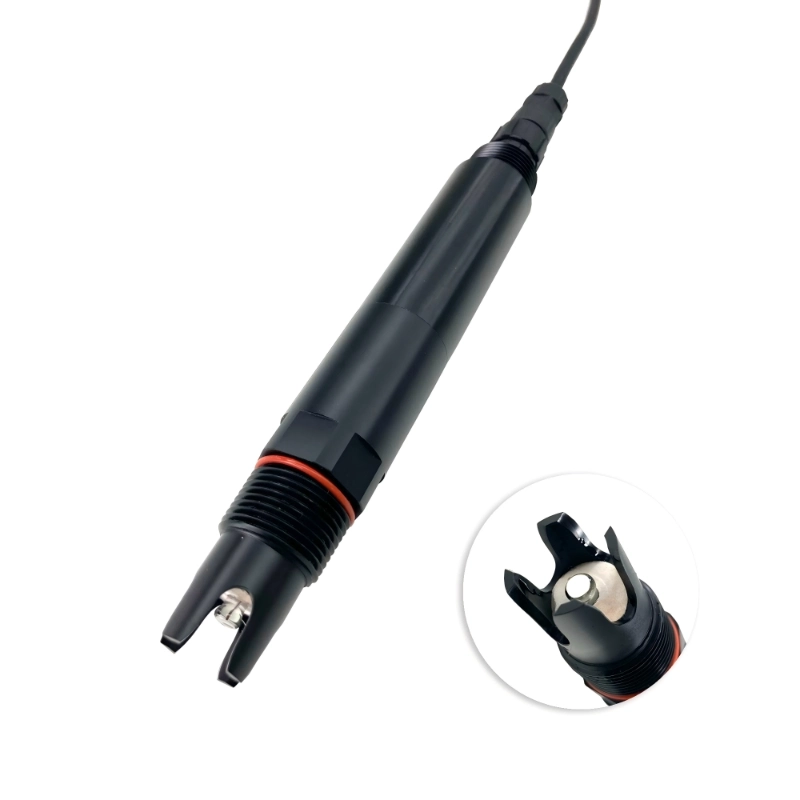
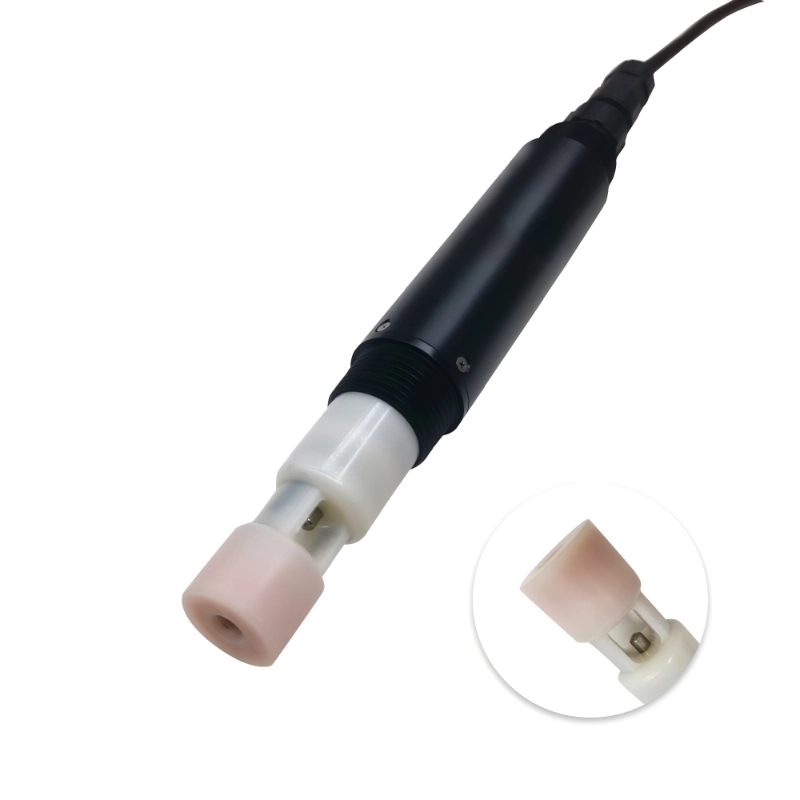
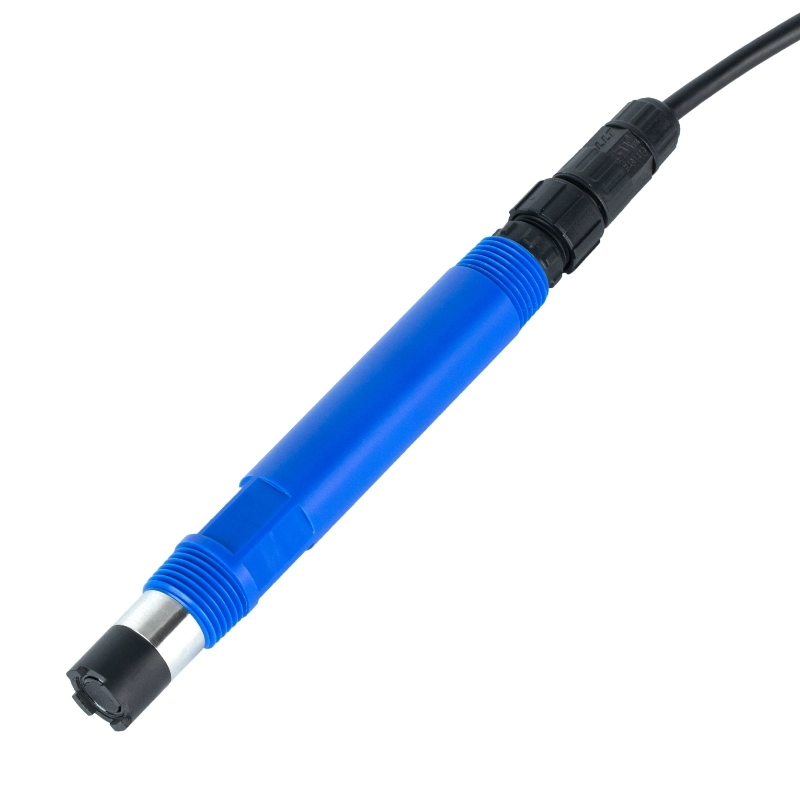
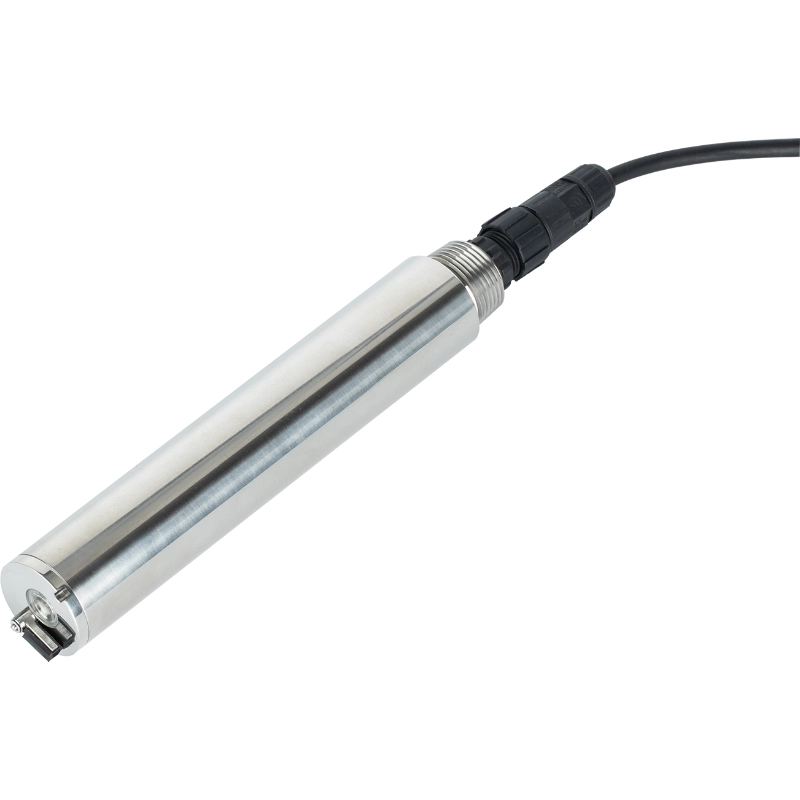
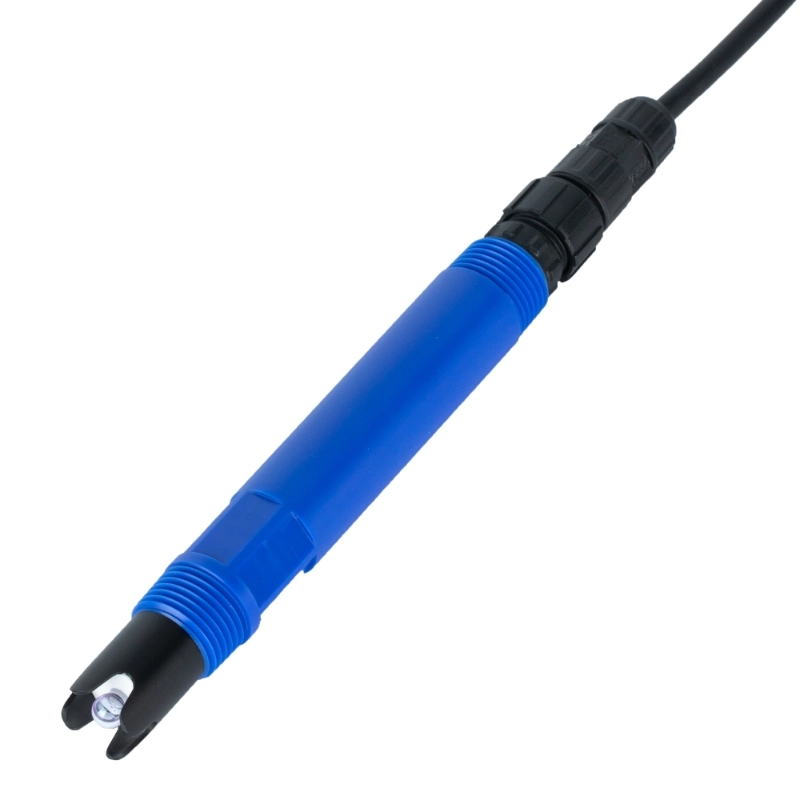
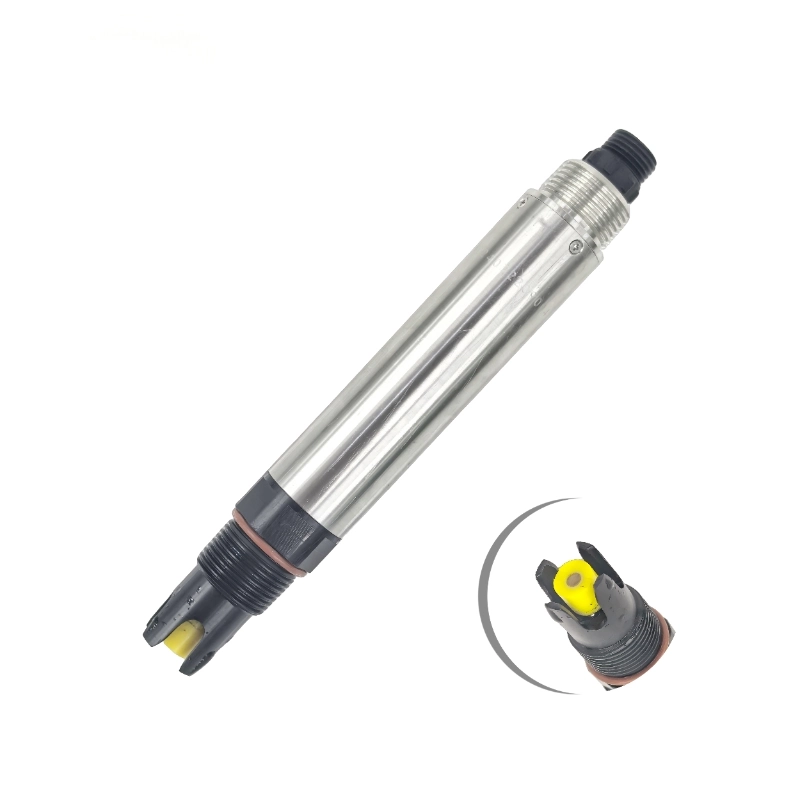
JW-COD-408(K09) Online COD Sensor is designed for continuous water quality monitoring in wastewater treatment, surface water, industrial process water, municipal discharge, environmental stations, and smart water systems. Based on dual wavelength UV absorption technology, it measures COD, turbidity, and temperature without chemical reagents. With an integrated cleaning brush, RS485 Modbus RTU, optional 4–20mA output, 316L stainless steel housing, and IP68 waterproof protection, it provides reliable online data for industrial automation and remote monitoring.
2. Product Overview
JW-COD-408(K09) online COD sensor is built for continuous monitoring of organic pollution in water. It uses a dual wavelength UV absorption method: one UV light path is used to measure COD concentration, while the reference light path is used to compensate for turbidity and optical attenuation. This design helps reduce the influence of suspended solids and improves measurement stability in real water environments.
Unlike traditional chemical COD testing, this sensor does not require reagents, reducing consumable cost, secondary pollution, and maintenance workload. The integrated cleaning brush helps reduce biofouling on the optical window, making it suitable for long term deployment in wastewater treatment plants, industrial water discharge points, rivers, reservoirs, and remote water quality monitoring stations.
Item
Specification
Product Type
Online COD Sensor
Measurement Principle
Dual wavelength UV absorption
Measured Parameters
COD turbidity temperature
COD Range
0–200.0 mg/L
COD Range
0–500.0 mg/L
COD Range
0–1500.0 mg/L
Turbidity Range
0–200.0 NTU
Turbidity Range
0–400.0 NTU
Turbidity Range
0–1000.0 NTU
Resolution
0.1
Accuracy
±5% of reading for 0–200 mg/L range
High Range Accuracy
0–1000 ±10% 1000–1500 ±5%
Temperature Accuracy
±0.3°C
Response Time
T90 less than 30 s
Detection Limit
0.2 mg/L for 0–200 mg/L range
Detection Limit
0.4 mg/L for 0–500 mg/L range
Calibration
Two point calibration
Cleaning Method
Built in cleaning brush
Temperature Compensation
Automatic Pt1000 compensation
Output
RS485 Modbus RTU
Optional Output
4–20mA
Storage Temperature
-5°C to 65°C
Working Temperature
0°C to 45°C
Working Pressure
≤0.2 MPa
Housing Material
316L stainless steel
Installation
Immersion installation 3/4 NPT
Working Power Consumption
0.4W at 12V
Cleaning Power Consumption
2W at 12V
Power Supply
12–24V DC
Protection Grade
IP68
Connector
M16 5 pin waterproof male connector
Standard Cable
5 m
3. Application Scenarios
Wastewater Treatment Monitoring: Suitable for COD monitoring in municipal wastewater plants, industrial wastewater discharge, treatment tanks, and outlet water quality supervision.
Industrial Process Water: Can be used for process water, recycled water, cooling water, and production wastewater where COD trends need to be monitored continuously.
Surface Water and River Monitoring: Useful for rivers, reservoirs, lakes, canals, and environmental monitoring stations to identify changes in organic pollution levels.
Smart Water Quality Stations: RS485 Modbus RTU and optional 4–20mA output allow integration with RTUs, telemetry terminals, gateways, PLCs, and cloud based water quality platforms.
Remote Environmental Monitoring: Low power design and reagent free operation make the sensor suitable for solar powered monitoring stations and unattended field deployments.
4. Installation Notes
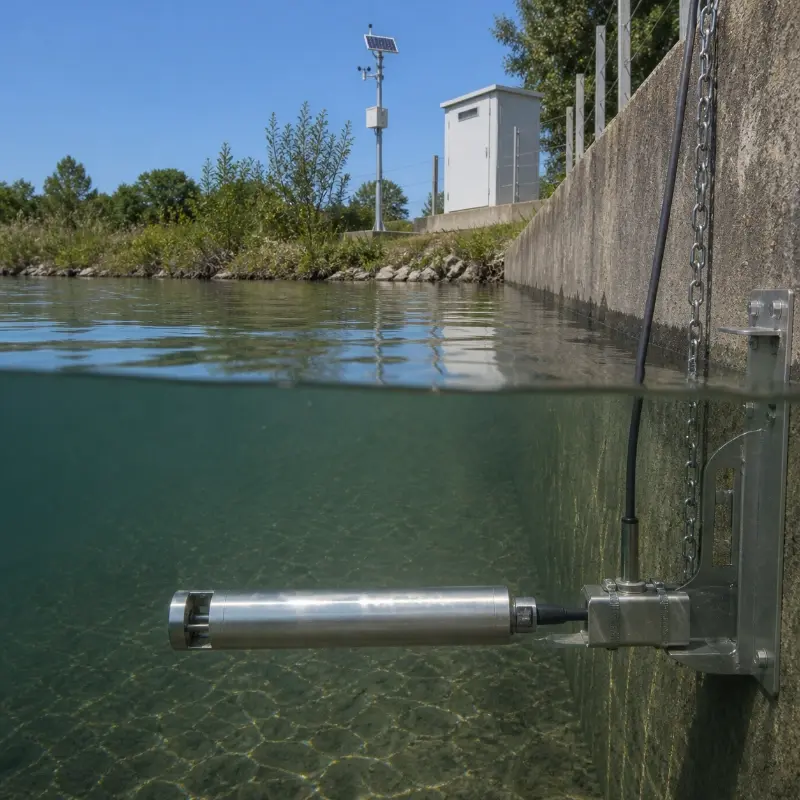
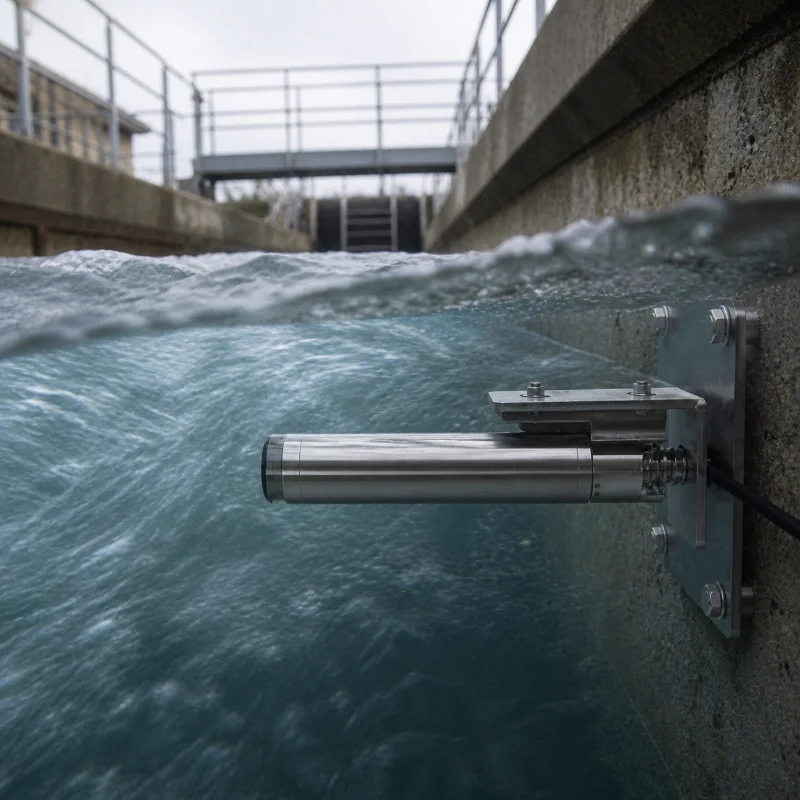
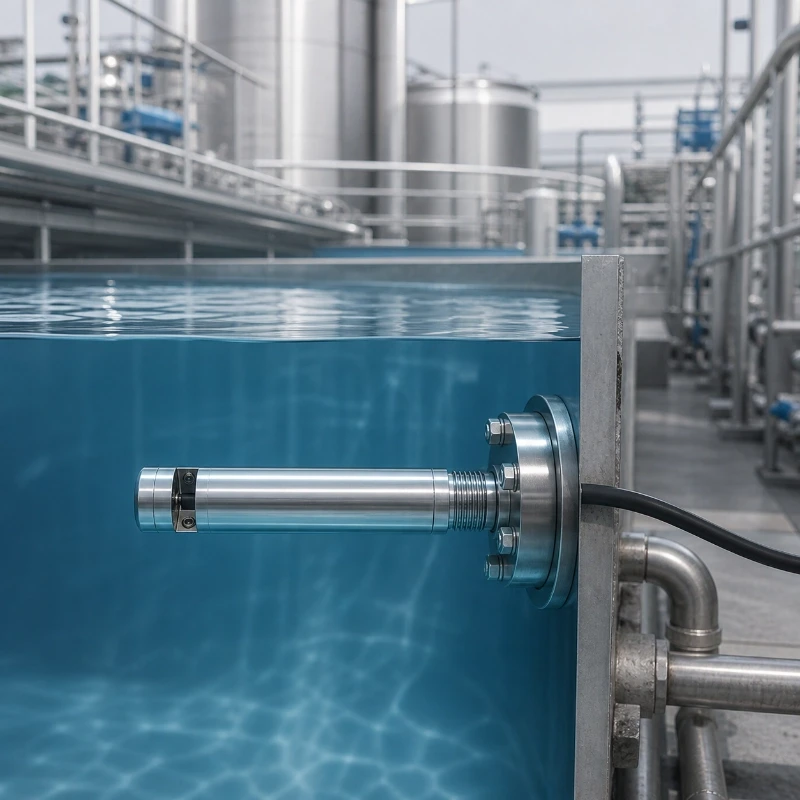
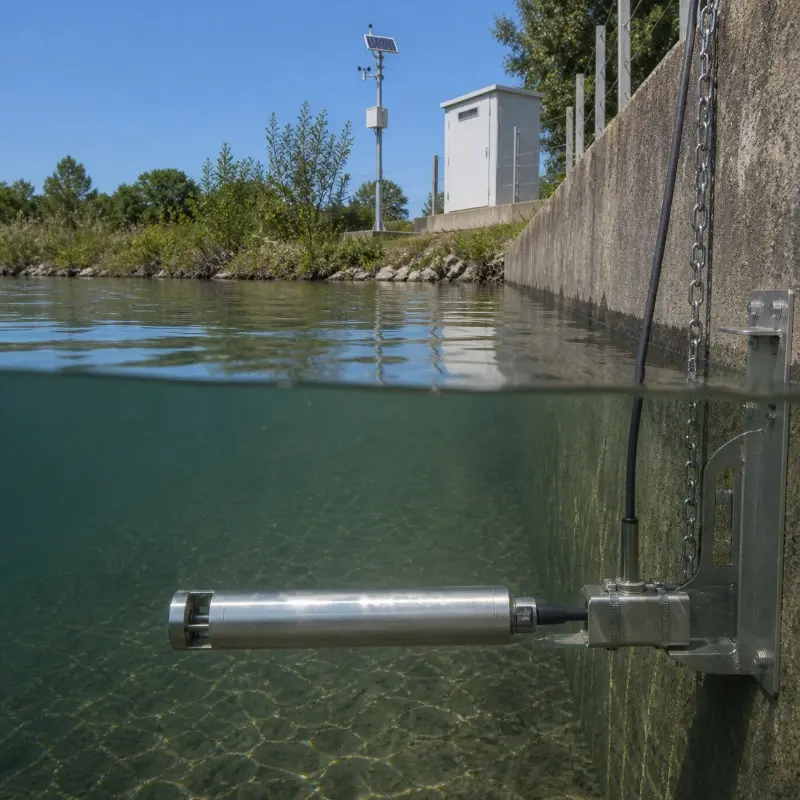
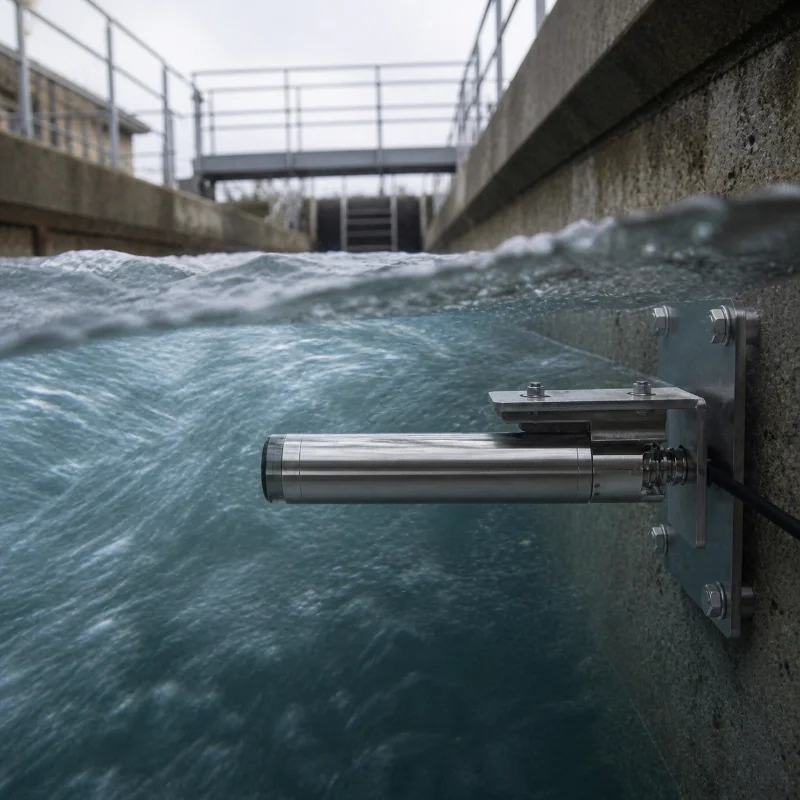
For submerged installation, the sensor should be placed below the lowest expected water level and the optical measuring area should remain fully submerged without bubbles. The installation depth from the water surface should not exceed 2 m, and the sensor should be placed at least 30 cm below the possible minimum water level. In fast flowing water, the sensor should be fixed firmly to avoid impact against walls or hydraulic structures. Horizontal installation is recommended, and the measuring area should face the water flow direction.
5. Maintenance Guide
Regular cleaning helps maintain stable and accurate measurement. The sensor surface can be rinsed with tap water and wiped with a damp soft cloth. For stubborn contamination, a small amount of household detergent can be added to the water. Check whether the measuring window is clean, whether the cable is not stretched, and whether the cleaning brush works normally. For continuous use, the manual recommends returning the unit after 18 months to replace the dynamic sealing device and inspect the self cleaning brush.
FAQ
Q
1. What is an online COD sensor used for?
A
It is used for continuous monitoring of COD in wastewater, surface water, industrial process water, municipal discharge, and environmental water quality stations.
Q
2. Does this COD sensor require chemical reagents?
A
No. It uses dual wavelength UV absorption technology, so it does not require chemical reagents for routine online monitoring.
Q
3. Can JW-IoT integrate this COD sensor into a smart water platform?
A
Yes. JW-IoT can integrate the sensor with RTUs, gateways, data loggers, cloud dashboards, alarms, and remote water quality monitoring systems.
Q
4. What parameters can the sensor measure?
A
It can measure COD, turbidity, and temperature, helping users monitor organic pollution and water clarity trends in one device.
Q
5. Does the sensor have automatic cleaning?
A
Yes. It includes a built in cleaning brush to reduce biofouling and optical window contamination during long term online monitoring.
Q
6. Does the sensor support RS485 Modbus RTU?
A
Yes. It supports RS485 Modbus RTU and optional 4–20mA output for industrial automation and remote monitoring systems.
Q
7. Why choose JW-IoT for wastewater COD monitoring projects?
A
JW-IoT can provide sensor selection, telemetry devices, power supply, platform integration, data visualization, and alarm configuration for complete wastewater monitoring solutions.
Q
8. Is the sensor suitable for submerged installation?
A
Yes. It has IP68 protection and supports immersion installation with 3/4 NPT mounting.
Q
9. Can JW-IoT support customized system integration?
A
Yes. JW-IoT can support Modbus data acquisition, cloud platform connection, customized monitoring stations, and project based water quality monitoring integration.
 +86 13520127780
  info@jingelway.com