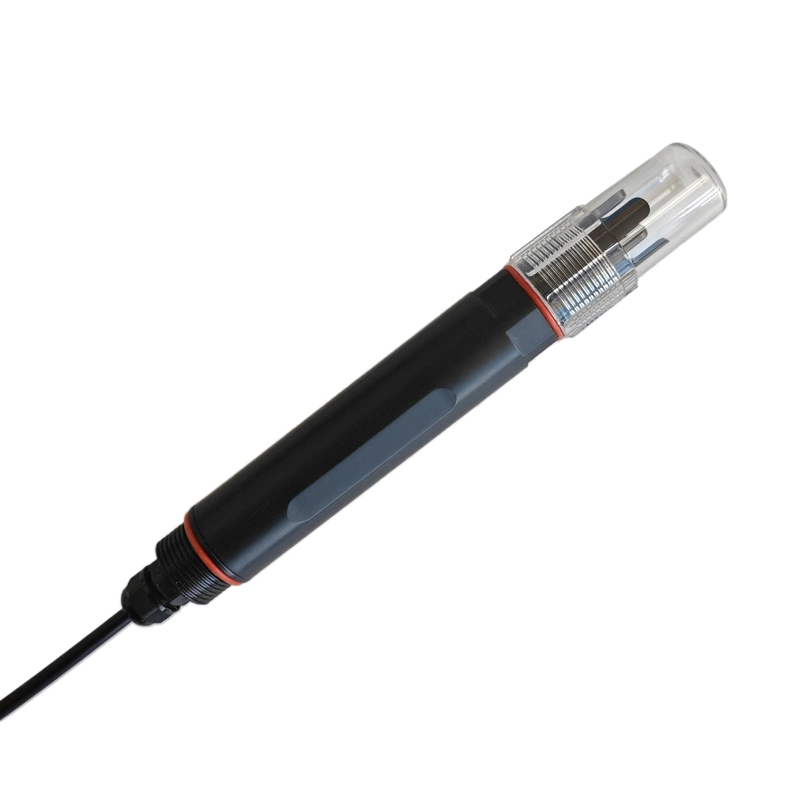
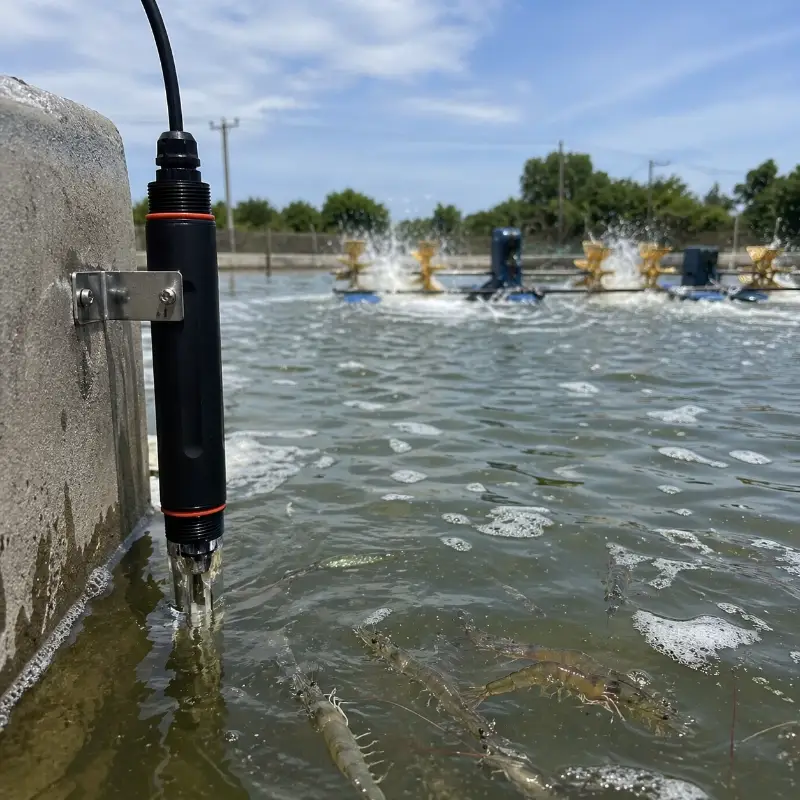
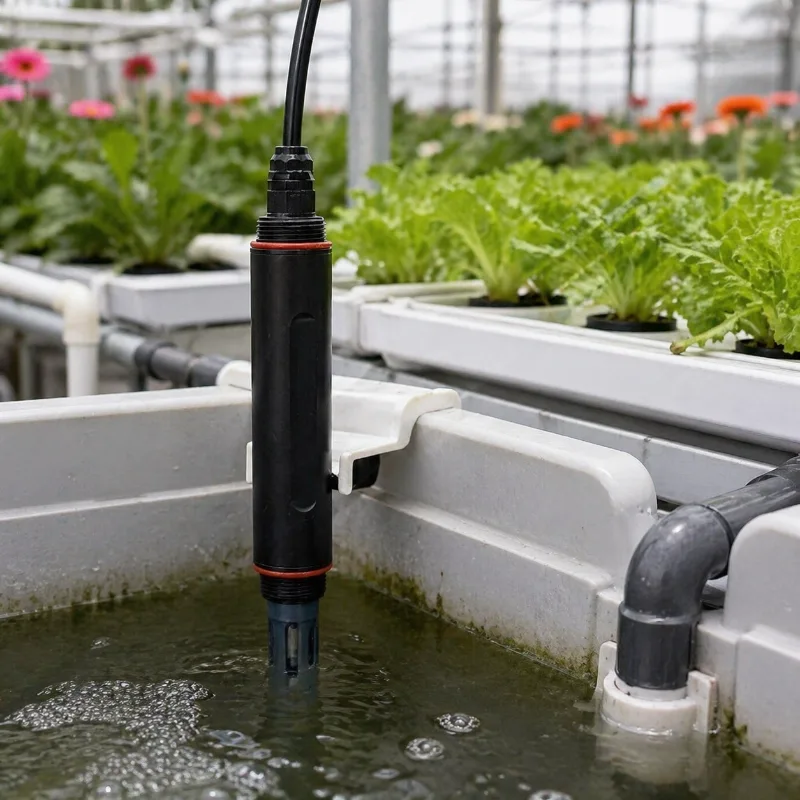
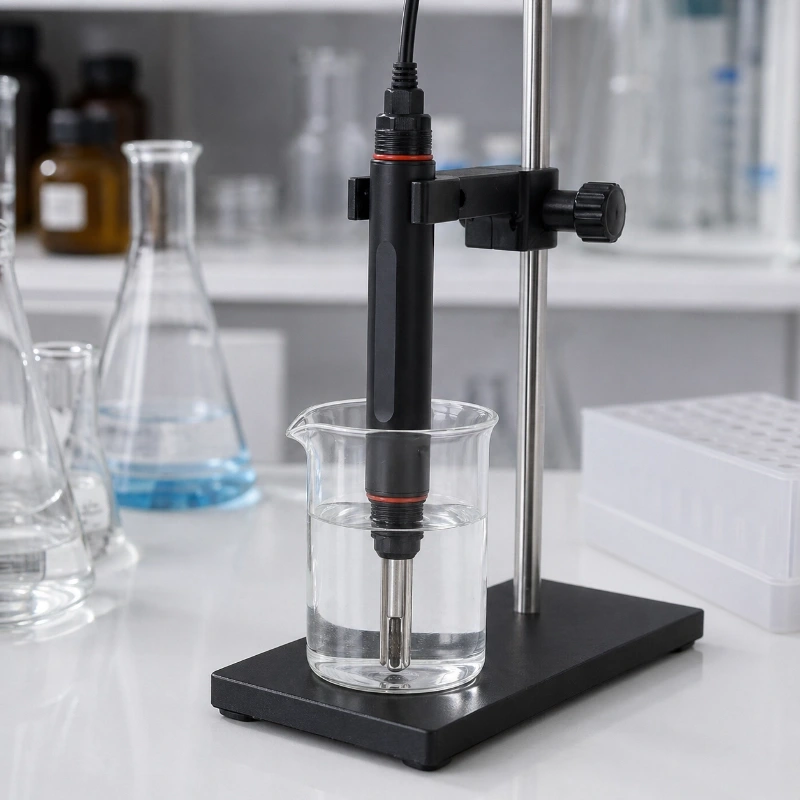
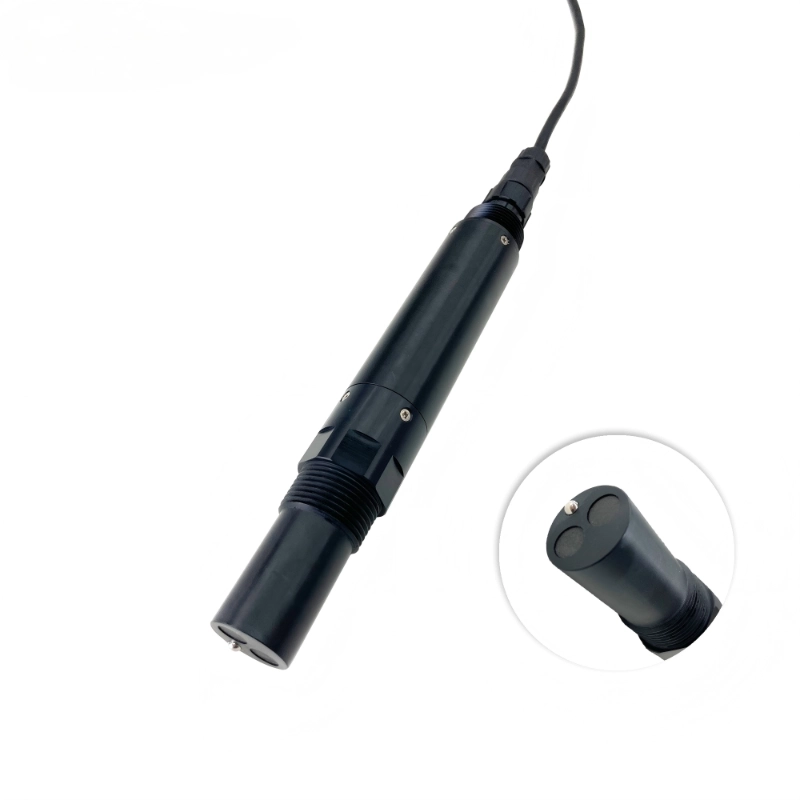
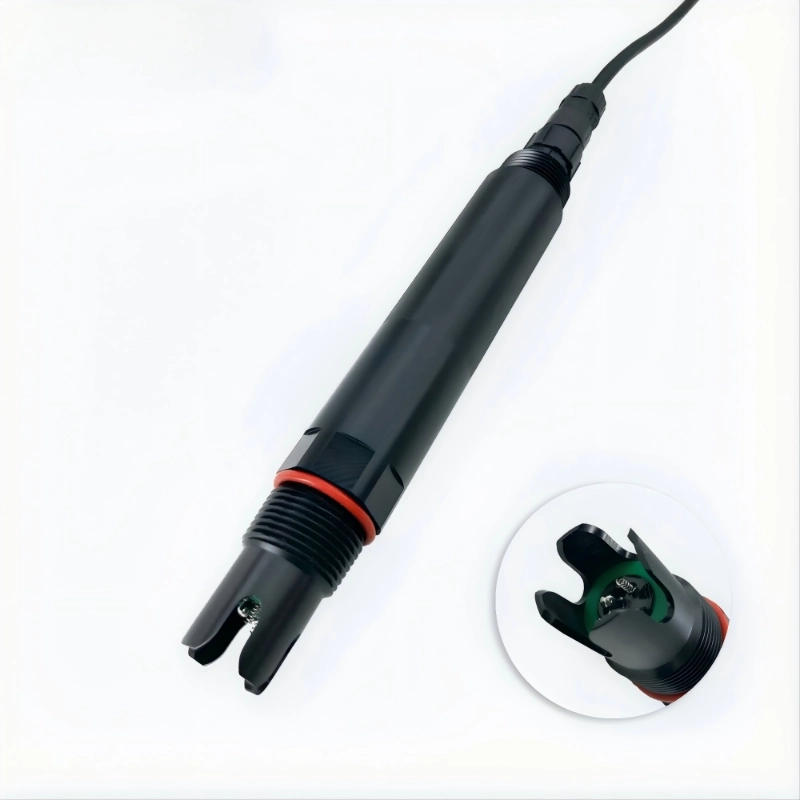
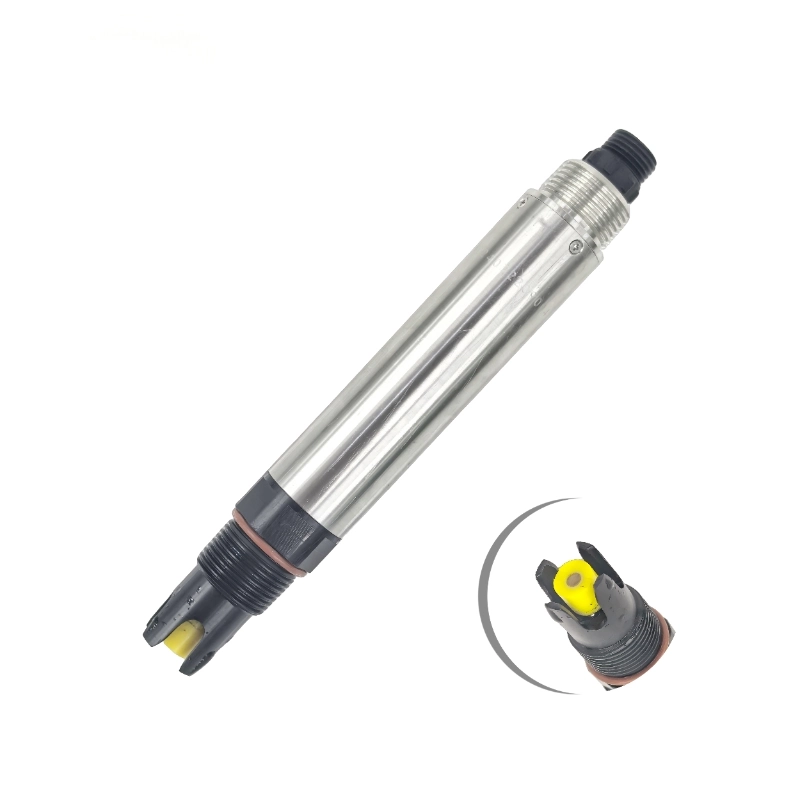
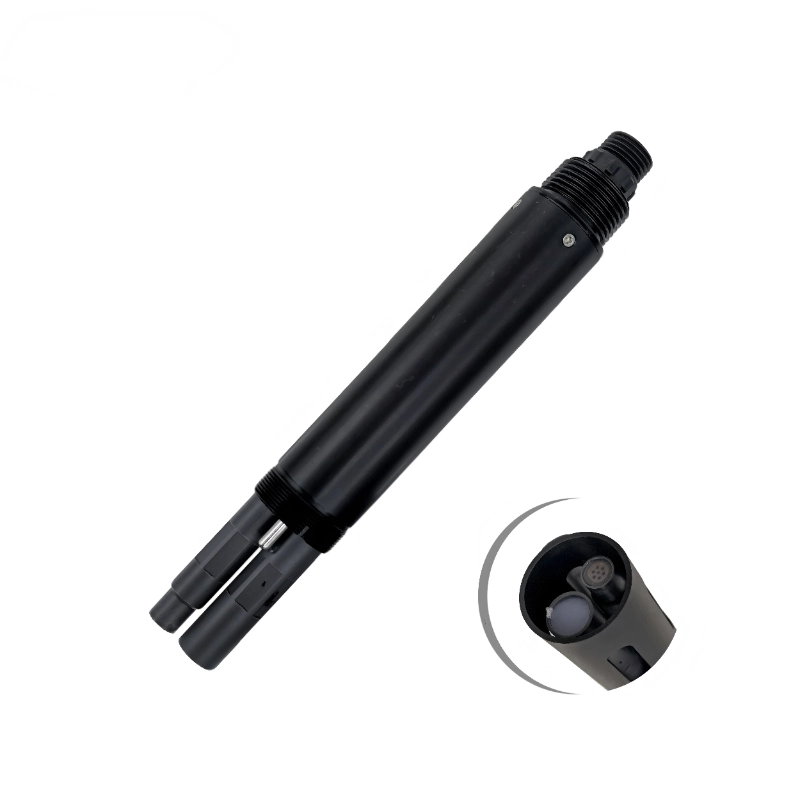
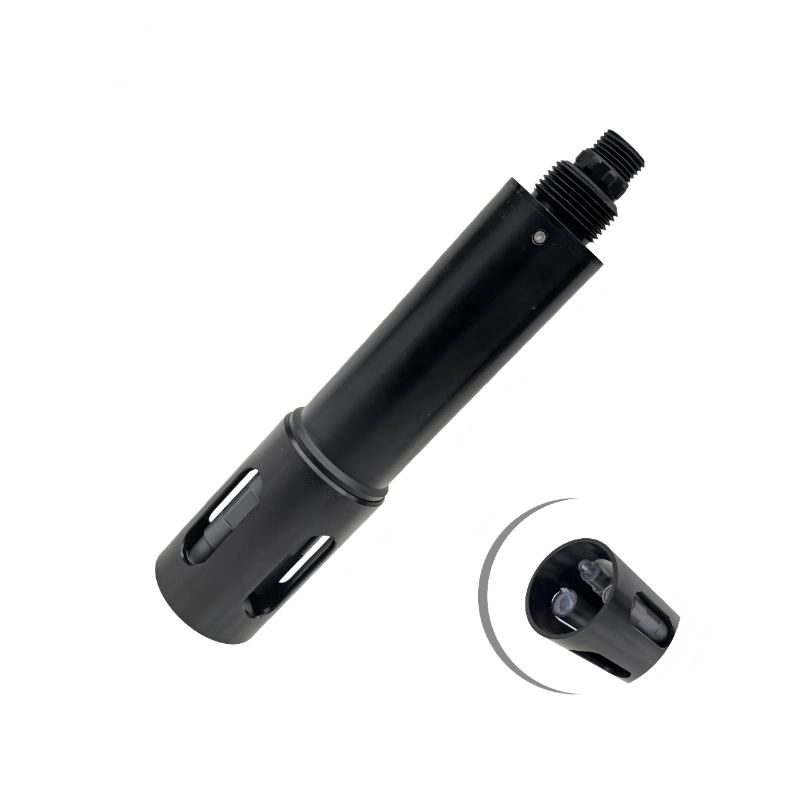
JW-ORP(Z23) ORP Water Quality Sensor is designed for continuous oxidation reduction potential monitoring in water, wastewater, irrigation systems, industrial process water, soil-related media and scientific research applications. With IP68 protection, RS485 Modbus RTU or SDI-12 output, low power consumption and a compact 3/4 NPT threaded body, it is suitable for long-term field deployment and remote water quality monitoring systems.
2. Product Overview
The ORP Water Quality Sensor is a compact digital oxidation reduction potential probe for continuous water quality monitoring. It integrates an ORP electrode and signal transmitter circuit into one rugged IP68 housing, helping system integrators reduce wiring complexity and improve long-term measurement stability.
The sensor can output data through RS485 Modbus RTU or SDI-12, making it suitable for industrial control systems, environmental data loggers, smart agriculture platforms, water treatment systems and remote IoT monitoring networks. Its small size and 3/4 NPT threaded structure allow easy installation in water tanks, pipelines, process vessels, irrigation systems and field monitoring stations.
Parameter
Model No.
JW-ORP(Z23)
Measured Parameters
ORP and Temperature
ORP Range
-2000.0 to 2000.0 mV
ORP Resolution
0.1 mV
ORP Accuracy
±20 mV
ORP Response Time
<10 seconds
Temperature Range
-40 to 80°C
Temperature Resolution
0.01°C
Temperature Accuracy
±0.5°C
Measuring Medium
Solution or semi-solid medium
Output Option
RS485 Modbus RTU or SDI-12 V1.3
Power Supply
4.5 to 28V DC
SDI-12 Power Consumption
Static current <10 μA at 12V DC, measuring current <10 mA at 12V DC
RS485 Power Consumption
Static current <5 mA at 12V DC, measuring current <10 mA at 12V DC
Protection Rating
IP68
Working Environment
0 to 80°C, 0 to 100% RH
Pressure
≤0.2 MPa
Storage Environment
-5 to 65°C, 0 to 90% RH
Cable Length
2 m standard, customizable
Dimensions
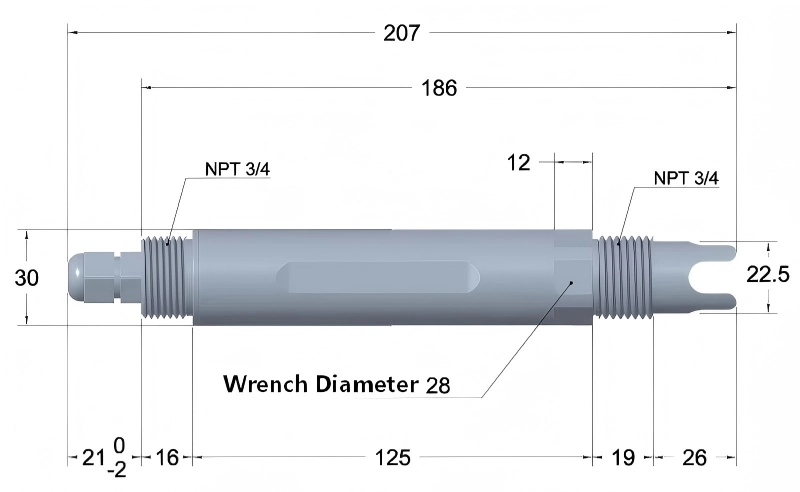
207 × 30 mm
Thread
3/4 NPT
Installation Method
Immersion, pipeline or tank installation
3. Dimension
4. Output Options and Communication
RS485 Modbus RTU Output
The RS485 version is suitable for industrial automation systems, PLCs, IoT gateways and multi-point monitoring projects. The default communication settings are 9600 bps, 8 data bits, no parity and 1 stop bit.
SDI-12 Output
The SDI-12 version is suitable for hydrological, agricultural and environmental monitoring stations. It is especially useful for low-power data acquisition systems and battery-powered field deployments.
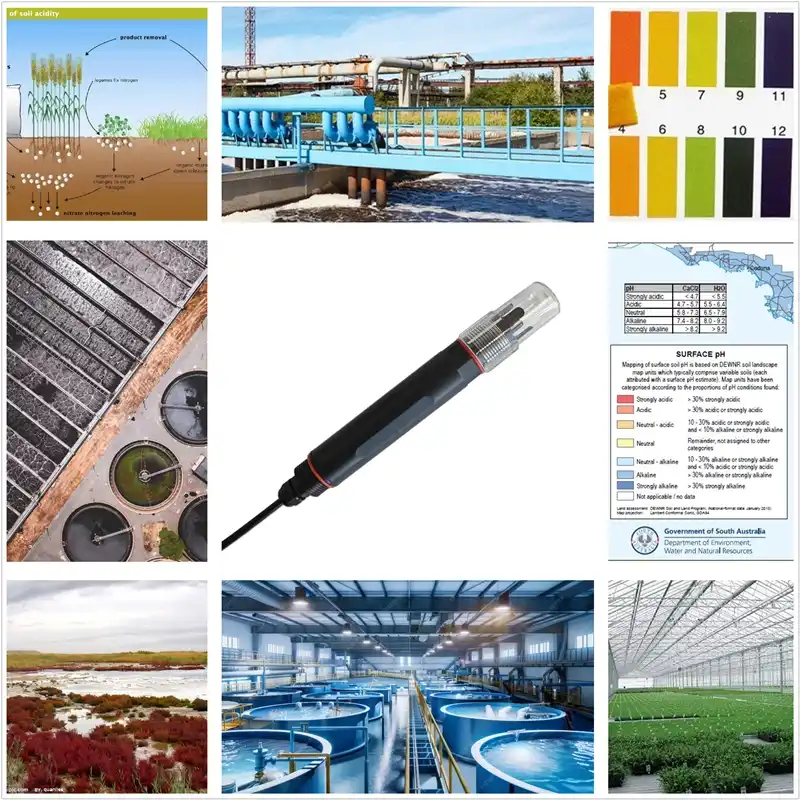
5. Application Scenarios
ORP monitoring in wastewater treatment
Industrial process water monitoring
Agricultural irrigation water quality control
Greenhouse water and nutrient solution monitoring
Hydroponic and plant cultivation systems
Environmental water quality stations
Chemical and power plant water treatment
Food and pharmaceutical process water monitoring
Laboratory and scientific research
Soil and semi-solid media monitoring
Aquaculture water quality monitoring
Remote IoT water quality monitoring systems
6.Installation Description
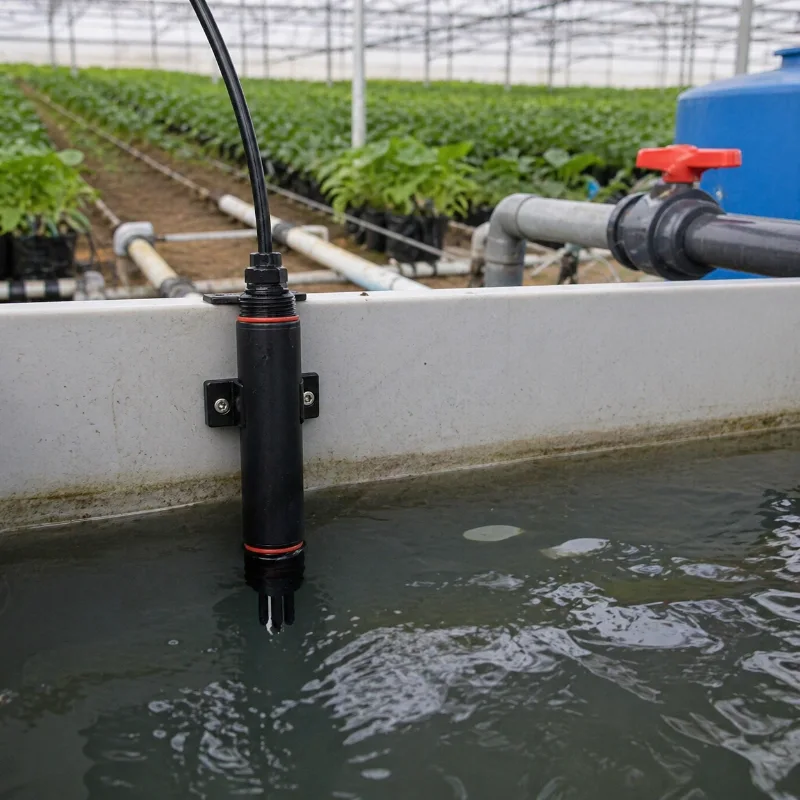
The sensor is designed with a compact cylindrical housing and 3/4 NPT thread. It can be installed by immersion, mounted into a pipeline fitting or fixed on a tank wall. For accurate ORP measurement, the electrode end should be fully immersed in the tested liquid or semi-solid medium. Vertical installation is recommended to avoid uneven reference electrolyte diffusion and to maintain stable measurement accuracy.
7.Maintenance Notes
The ORP electrode service life is typically 1 to 3 years. In harsh environments such as industrial wastewater, annual replacement may be recommended. New or long-unused electrodes should be activated in ORP standard solution, such as ZoBell solution, before use. After measuring strongly corrosive media, sulfide-rich samples, cyanide-containing solutions or strong oxidants, the electrode should be rinsed immediately with deionized water.
Monthly verification with ORP standard solution is recommended. If the deviation exceeds ±30 mV, the electrode should be cleaned or replaced.
FAQ
Q
1. What does this ORP sensor measure?
A
It measures oxidation reduction potential and temperature. The ORP range is -2000.0 to 2000.0 mV, and the temperature range is -40 to 80°C.
Q
2. What is ORP used for in water quality monitoring?
A
Yes. It is designed for long-term continuous monitoring in water, semi-solid media and soil-related applications.
Q
3. Does this ORP sensor support RS485 output?
A
Yes. The sensor can be supplied with RS485 Modbus RTU output for connection to PLCs, data loggers, IoT gateways and monitoring platforms.
Q
4. Does this ORP sensor support SDI-12 output?
A
Yes. SDI-12 output is available for environmental monitoring stations, hydrological systems and low-power field data acquisition applications.
Q
5. Is this ORP probe waterproof?
A
Yes. The sensor has an IP68 protection rating and is suitable for long-term immersion when installed correctly.
Q
6. Can JW-IoT provide this ORP sensor for wastewater treatment projects?
A
Yes. JW-IoT can supply this ORP sensor for wastewater treatment, industrial water quality monitoring and remote water quality monitoring systems.
Q
7. Can JW-IoT integrate the ORP sensor with a cloud monitoring platform?
A
Yes. JW-IoT can integrate the sensor with RS485 or SDI-12 data loggers, LoRaWAN gateways, 4G gateways and cloud-based monitoring platforms according to project requirements.
Q
8. Can JW-IoT customize the cable length or output interface?
A
Yes. JW-IoT can provide the standard 2 m cable or customized cable length. RS485 Modbus RTU and SDI-12 output options are available.
Q
9. How should the ORP sensor be installed?
A
The electrode end should be fully immersed in the tested liquid or semi-solid medium. Vertical installation is recommended for more stable measurement performance.
Q
10. How often should the ORP electrode be checked?
A
Monthly verification with ORP standard solution is recommended. If the deviation exceeds ±30 mV, the electrode should be cleaned or replaced.
Q
11. What is the typical service life of the ORP electrode?
A
The typical service life is 1 to 3 years. In harsh industrial wastewater environments, annual replacement may be recommended.
Q
12. Can this sensor be used in battery-powered systems?
A
Yes. The sensor has low power consumption and can be used in battery-powered field monitoring systems, especially with SDI-12 data loggers.
 +86 13520127780
  info@jingelway.com