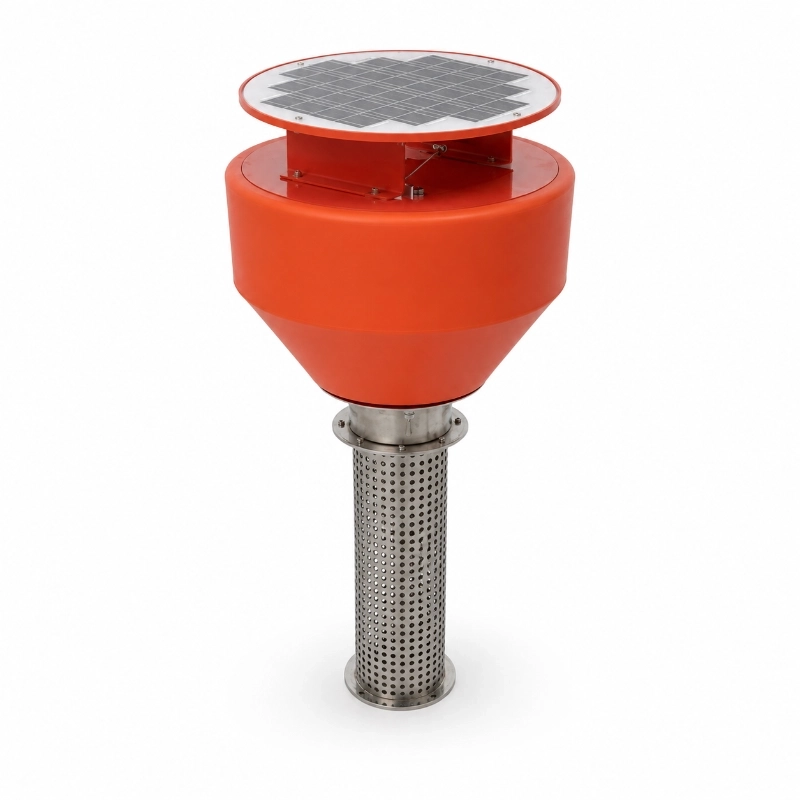
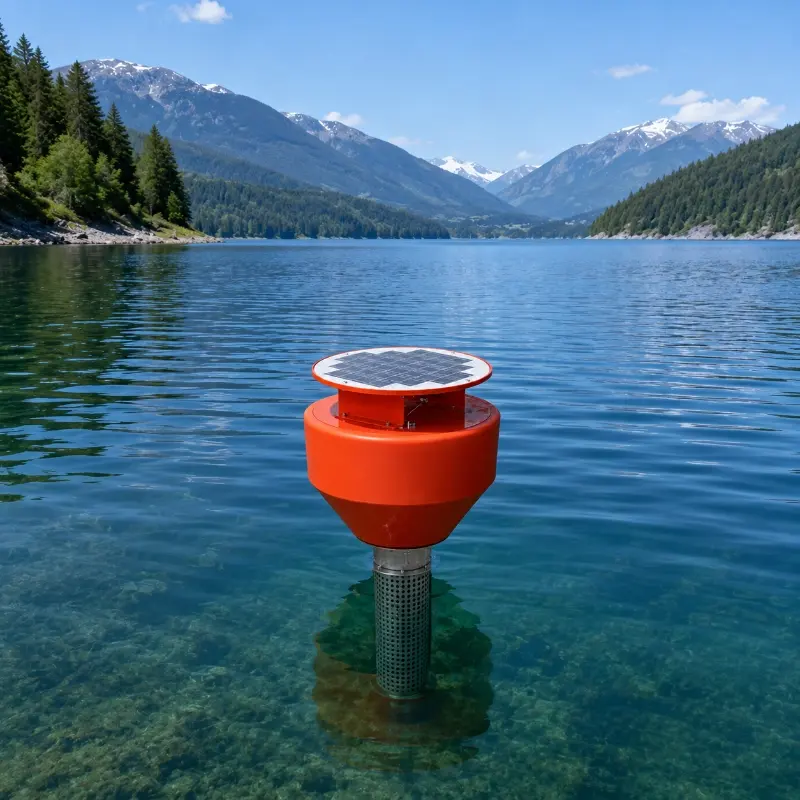
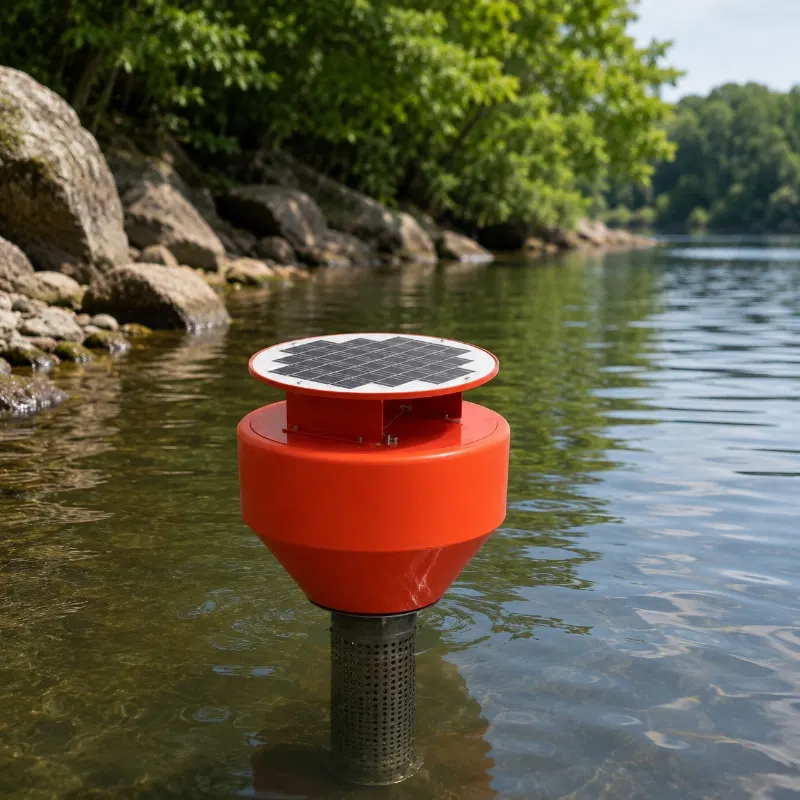
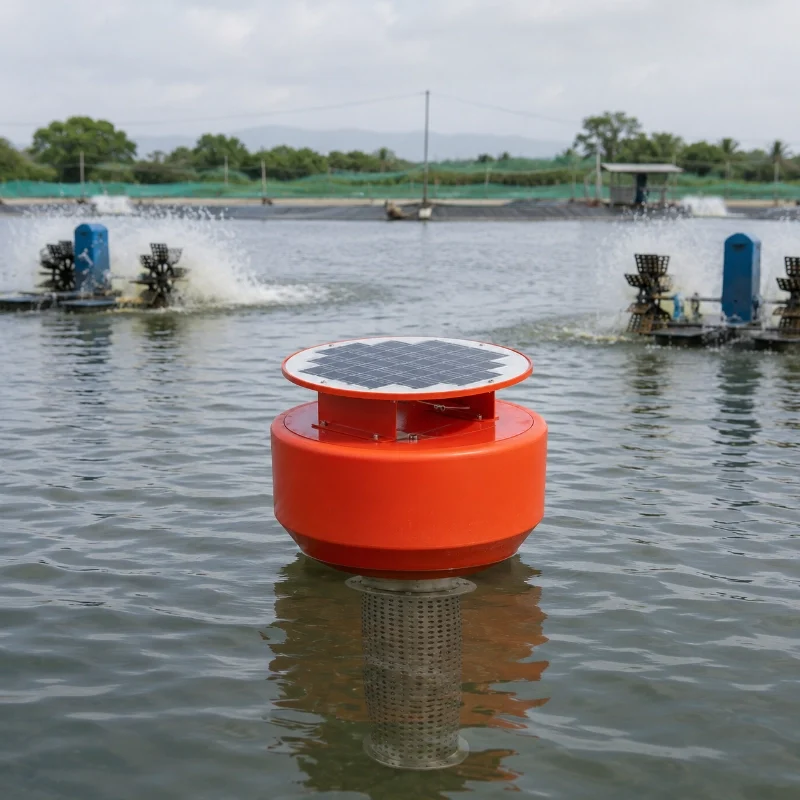
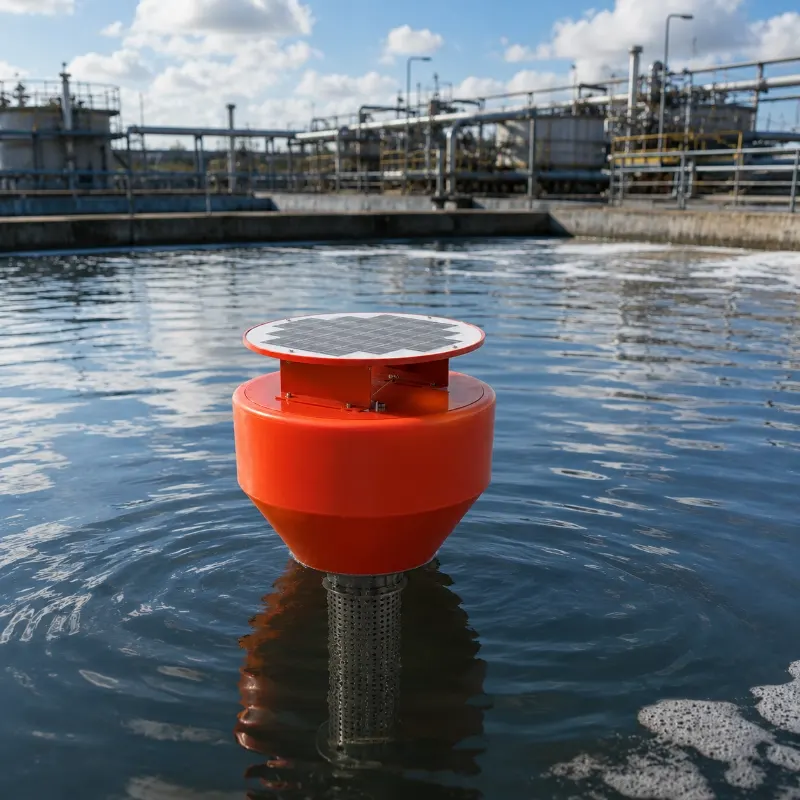
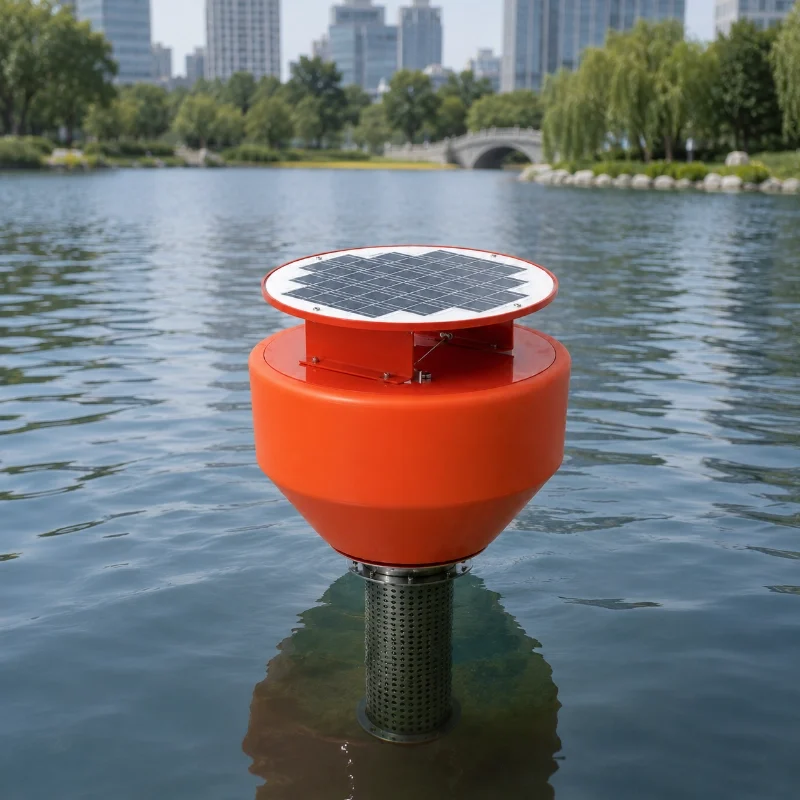
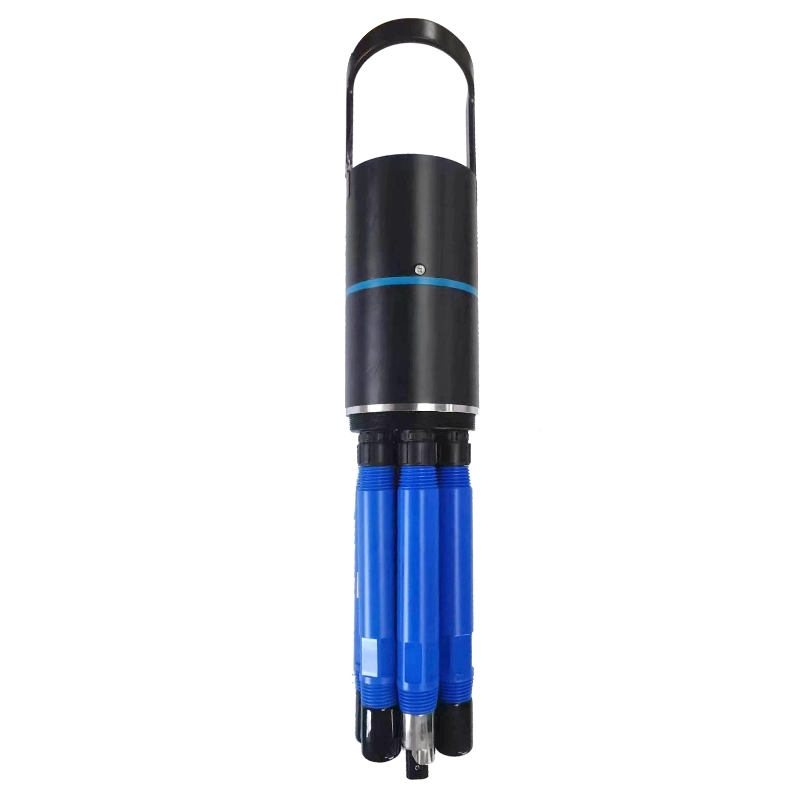
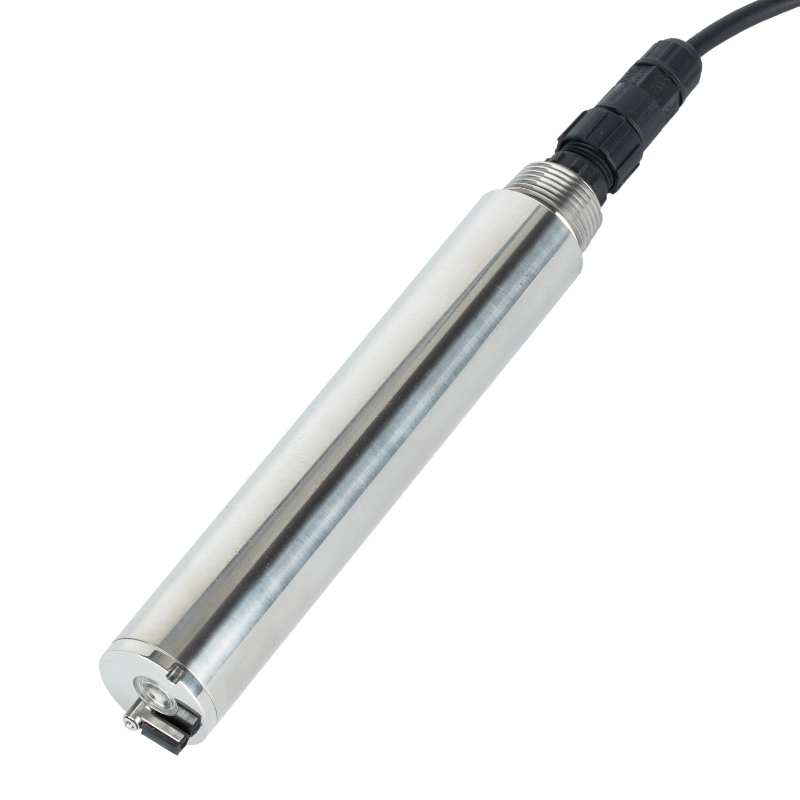
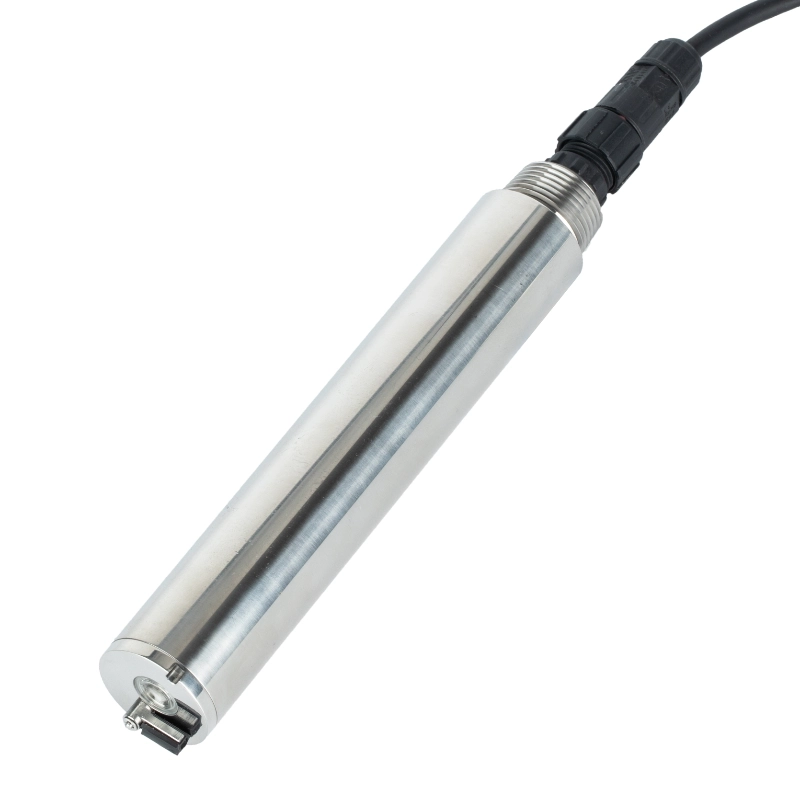
JW-MF-520(K40) Solar Powered Water Quality Monitoring Buoy is an integrated floating platform designed for continuous online water quality monitoring in rivers, lakes, reservoirs, aquaculture areas, water sources and industrial water environments.
The system combines a floating buoy, solar power supply, lithium battery, water quality sensors, data acquisition and wireless communication into one field monitoring platform.
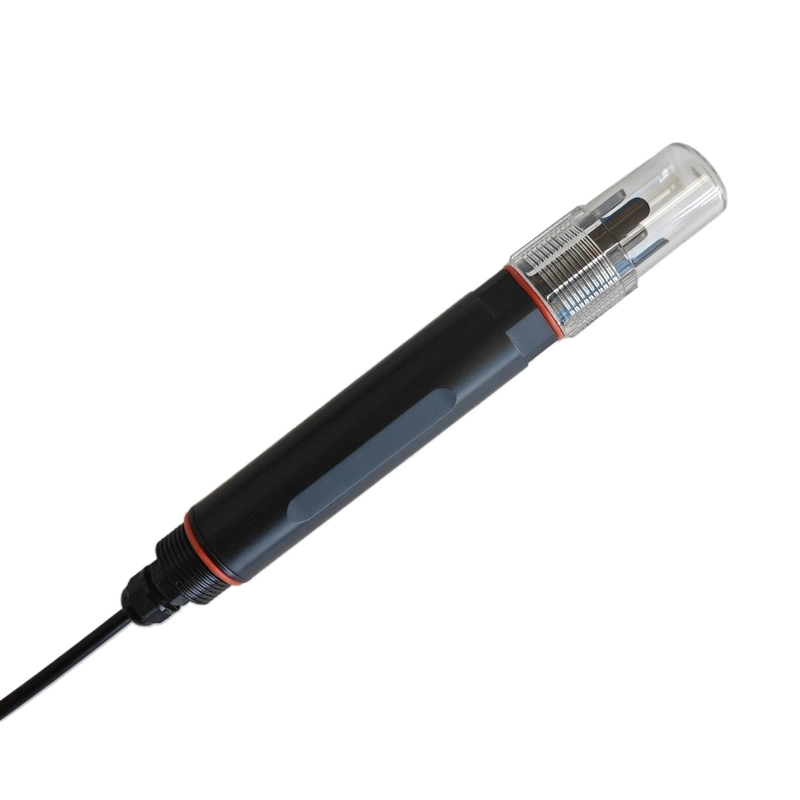
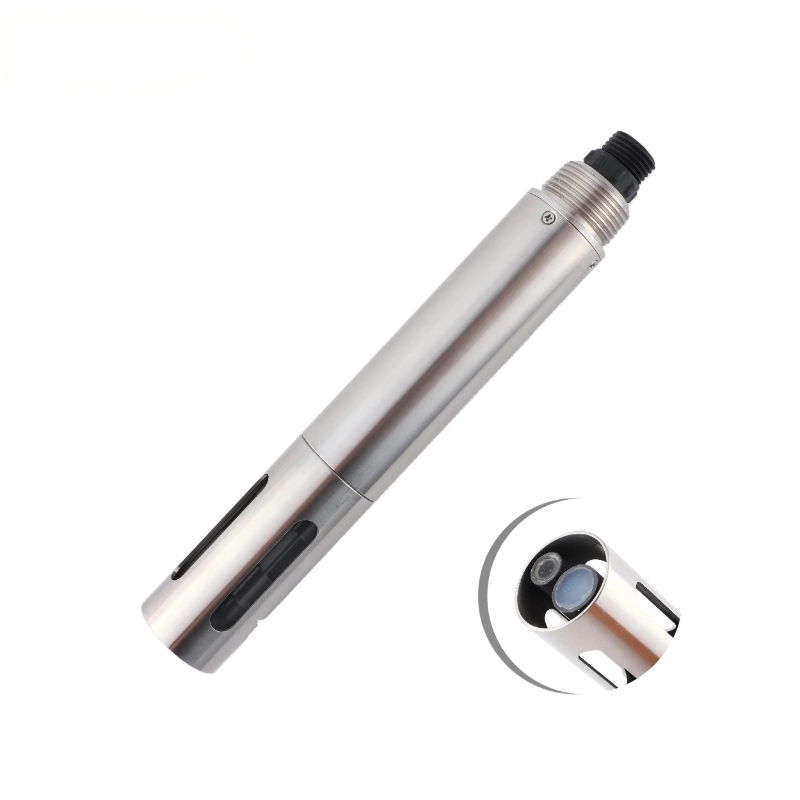
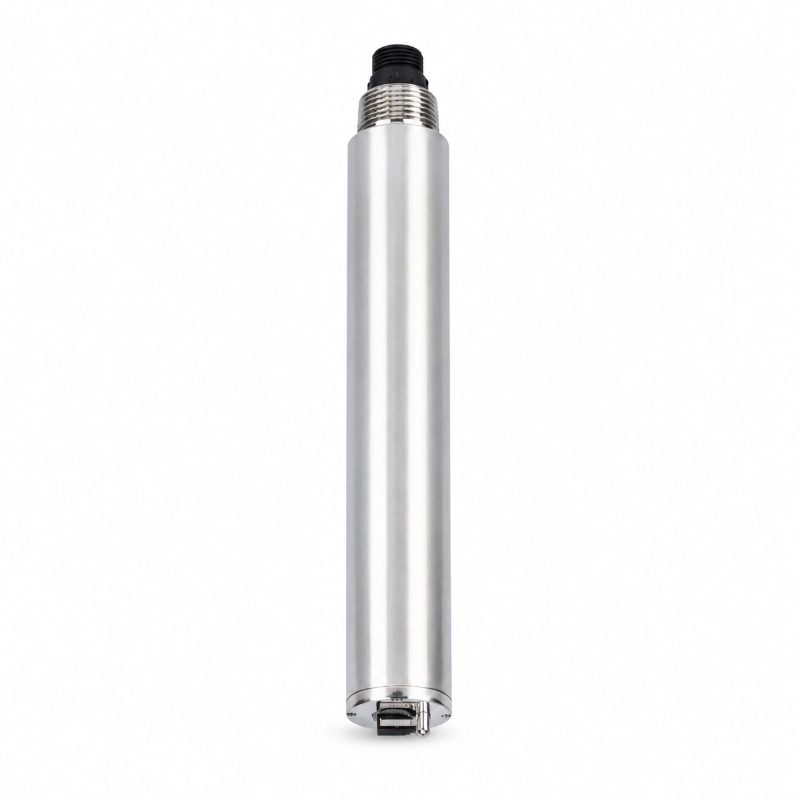
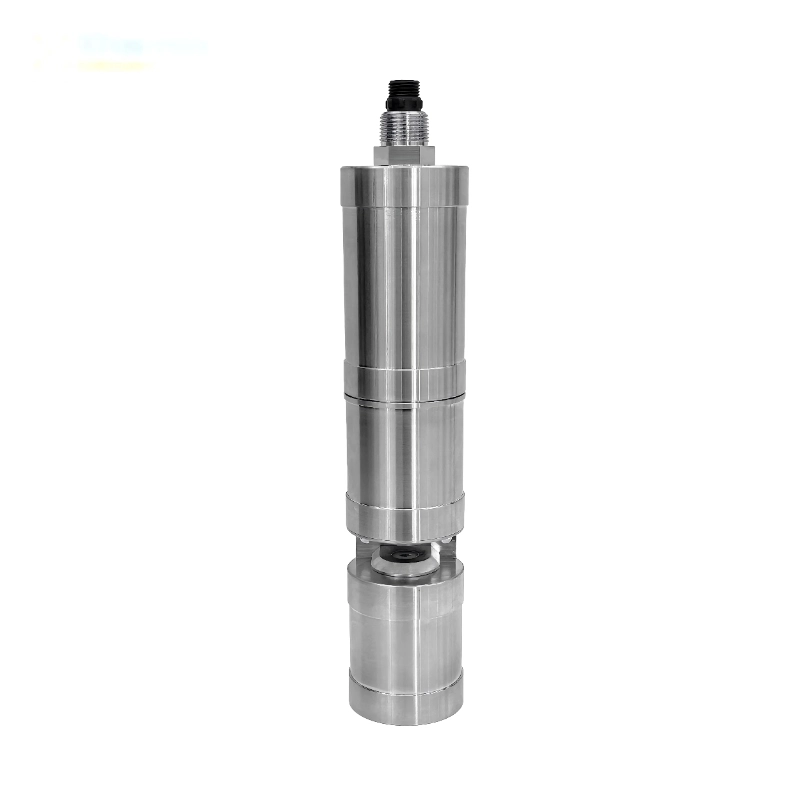
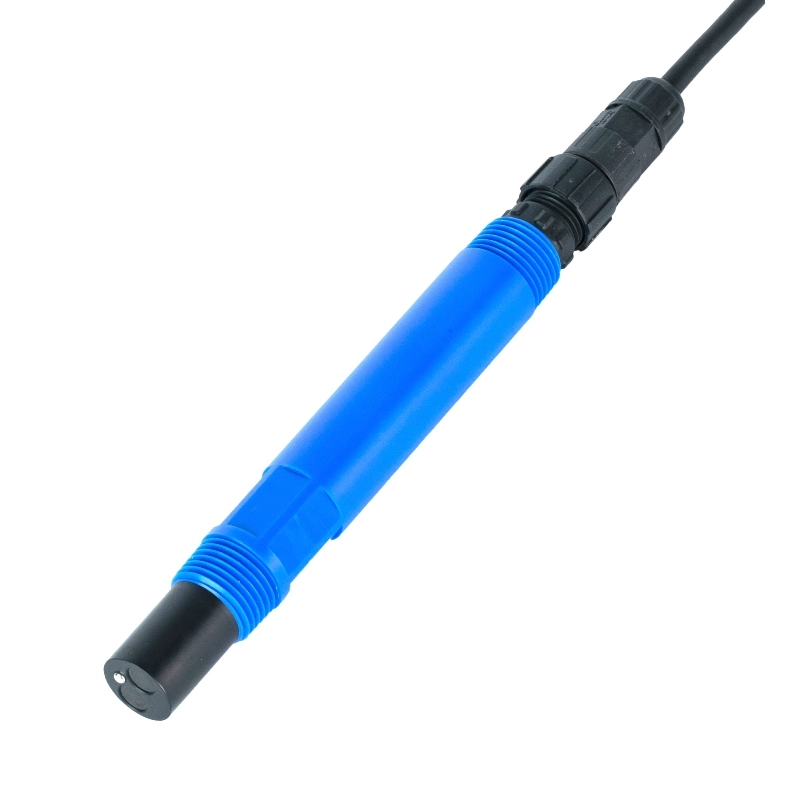
Depending on project requirements, the buoy can integrate different sensors for dissolved oxygen, pH, ORP, conductivity, turbidity, nutrients, algae and other water quality parameters.
Data can be transmitted remotely through standard 4G communication, with NB-IoT available as an option, allowing the buoy to operate as part of a wider Smart Water & Environmental Monitoring system.
1. Product Description
The JW-MF-520(K40) Online Water Quality Monitoring Buoy is designed to collect water quality data directly from rivers, lakes, reservoirs and other surface-water environments without requiring a conventional land-based monitoring station at every measurement point.
The buoy can integrate different water quality sensors according to monitoring objectives. Available parameters include:
Dissolved Oxygen (DO)
pH
ORP
Conductivity
Turbidity
COD
BOD
TOC
Total Nitrogen (TN)
Total Phosphorus (TP)
Ammonia Nitrogen
Chlorophyll
Blue-Green Algae
Residual Chlorine
Salinity
Nitrate
Fluoride
Calcium
Potassium
Copper
The final sensor configuration should be selected according to the water body, monitoring objective and project requirements rather than installing every available parameter on every buoy.
Projects requiring individual probes rather than a complete floating station can also explore JW-IoT’s full range of Water Quality Sensors.
2. How the Water Quality Monitoring Buoy Works
A water quality monitoring buoy integrates sensing, power supply, communication and field deployment into one floating monitoring point.
A typical monitoring architecture is:
Water Quality Sensors → Data Acquisition → Buoy Controller → 4G / NB-IoT → Server → Monitoring Platform
Water Quality Measurement
Selected sensors are installed on the buoy and immersed in the target water body.
Depending on the monitoring objective, the system can combine different measurements.
For example:
Dissolved oxygen for aquatic environmental monitoring
pH for acidity and alkalinity changes
Conductivity or salinity for dissolved ionic conditions
Turbidity for suspended particle changes
Chlorophyll or blue-green algae for biological monitoring
Ammonia nitrogen or nitrate for nutrient monitoring
Sensor measurements are collected by the buoy control system according to the configured monitoring interval.
The default measurement interval is 30 minutes and can be configured down to a minimum of 6 minutes when the application requires more frequent measurements.
Wireless Transmission
Collected data can be transmitted remotely through:
4G wireless communication — standard
NB-IoT — optional
The system transmits monitoring data to the server in HEX format.
Solar Power Supply
The monitoring buoy uses a 13 W, 18.2 V solar panel together with a 72 Ah lithium battery and controller.
This solar-plus-battery configuration is intended to support unattended monitoring at field sites where mains electricity may not be conveniently available.
Remote Monitoring
When connected to the JW-IoT monitoring platform, users can access functions such as:
Remote water quality monitoring
Data visualization
Historical data records
Trend graphs
Threshold alarms
Remote system management
This allows the buoy to operate as part of a wider smart water and environmental monitoring system instead of functioning only as an isolated sensor station.
3. Technical Specifications
Item
Specification
Model
JW-MF-520(K40)
Product Type
Solar Powered Water Quality Monitoring Buoy
Buoy Diameter
480 mm
Buoy Weight
Approx. 10 kg
Solar Panel
13 W, 18.2 V
Battery
72 Ah lithium battery with controller
Power Supply
Solar + lithium battery
Standard Communication
4G wireless
Frequency
Dual 900/1800 MHz
Baud Rate
9600
Sensor Interface
RS485
Communication Protocol
Modbus RTU
Default Measurement Interval
30 minutes
Minimum Configurable Interval
6 minutes
Operating Temperature
5°C to 65°C
Relative Humidity
≤90% inside battery module
Operating Pressure
86–106 kPa
Floating Body Material
PE
Sensor Housing
316L stainless steel
Protection Level
IP68
Anchoring
Bottom anchor with 10 m nylon rope
Deployment Method
Floating and anchored
Data Format
HEX
4. Multi-Parameter Water Quality Monitoring
Different water monitoring projects require different combinations of sensors.
For example, an aquaculture project may focus on parameters related to the aquatic environment, while a reservoir monitoring project may require a different combination of physical, chemical or biological indicators.
The JW-MF-520(K40) therefore uses an expandable sensor architecture rather than a fixed single-parameter configuration.
Common Monitoring Parameters
Basic physicochemical parameters
pH
ORP
Conductivity
Dissolved Oxygen
Turbidity
Salinity
Nutrient-related parameters
Ammonia Nitrogen
Nitrate
Total Nitrogen
Total Phosphorus
Organic pollution indicators
COD
BOD
TOC
Biological water quality indicators
Chlorophyll
Blue-Green Algae
Additional supported parameters can be selected according to project requirements.
When requesting a quotation, customers are recommended to specify the water body, required parameters, communication requirement and monitoring interval so that the sensor configuration can be matched to the application.
5. Why Use a Solar Powered Water Quality Monitoring Buoy?
Traditional monitoring points are often installed on riverbanks, platforms, bridges or dedicated monitoring structures. These approaches are suitable for many projects, but they are not always practical when measurements need to be collected directly from open water.
A floating monitoring buoy provides another deployment option.
Monitoring Directly on the Water
The sensors remain in contact with the target water body while the buoy stays at the selected monitoring position through its anchoring system.
Reduced Dependence on Shore-Side Infrastructure
Solar power and wireless communication reduce the need for local mains electricity and wired communication infrastructure.
Distributed Monitoring
Multiple buoys can be deployed at different locations when a project needs more than one monitoring point.
This can be useful for large reservoirs, lakes, water-source areas and other projects where water quality conditions need to be observed at different locations.
Remote Data Access
Wireless transmission allows field measurements to be collected centrally instead of relying entirely on manual site visits for data retrieval.
6. Application Scenarios
River Water Quality Monitoring
The buoy can be deployed at selected river monitoring points to collect continuous water quality data.
Depending on the project, parameters such as pH, conductivity, dissolved oxygen, turbidity or nutrient indicators can be integrated.
Lake Monitoring
Lakes can require monitoring at locations away from the shoreline.
A floating monitoring platform allows sensors to be positioned directly in the target water area while transmitting measurements remotely.
Reservoir Water Quality Monitoring
Reservoir projects may require long-term monitoring of changing water conditions.
The solar-powered buoy can provide a dedicated online monitoring point without requiring mains power at the buoy location.
Water Source Monitoring
The system can also be configured for environmental water-source monitoring projects requiring continuous measurements and remote access to data.
Aquaculture Water Monitoring
Water conditions are important to aquaculture management.
The buoy can integrate selected water quality sensors and continuously send monitoring data to a remote platform, helping operators observe changes without relying exclusively on manual sampling.
Industrial Water Monitoring
For appropriate industrial water or effluent monitoring applications, selected water quality sensors can be integrated into the buoy platform to support remote observation and historical data collection.
7. Floating and Anchored Deployment
The JW-MF-520(K40) is designed for floating deployment.
The system uses a bottom anchor together with a 10 m nylon rope to stabilize the monitoring position.
During installation, the anchoring arrangement should be selected according to the actual:
Water depth
Water-level variation
Current conditions
Monitoring location
Site environment
The rope length should be adjusted to suit the installation location so that the buoy can remain floating while maintaining the intended monitoring position.
Site conditions should always be evaluated before final deployment.
8. Solar Power for Remote Monitoring Sites
Remote environmental monitoring locations may not have convenient access to mains electricity.
The JW-MF-520(K40) integrates:
13 W / 18.2 V solar panel
72 Ah lithium battery
Power controller
The current product configuration is designed to maintain monitoring operation through combined solar generation and battery storage.
According to the existing system specification, the battery and solar configuration can support extended operation during periods of limited sunlight, although actual field autonomy will depend on factors such as communication frequency, sensor configuration, sampling interval, solar conditions and system power consumption.
For long-term deployment, the solar panel and battery system should be inspected periodically as part of routine maintenance.
9. Data Communication and System Integration
The buoy is not only a floating sensor carrier. It is designed to work as part of a remote water quality monitoring architecture.
A typical system can include:
Water Quality Sensors → Buoy Data Acquisition → 4G / NB-IoT → Server → Monitoring Platform
RS485 Modbus RTU
The RS485 Modbus RTU interface provides a standard method for integrating supported digital sensors with the buoy controller.
4G Wireless Transmission
4G is the standard remote communication option for transmitting field data to the server.
10. Maintenance Considerations
Even low-maintenance water quality monitoring systems still require periodic inspection.
Recommended field checks include:
Cleaning and checking the solar panel
Inspecting the buoy and anchoring system
Checking sensor surfaces for fouling
Inspecting the battery and power system
Checking cables and waterproof connections
Confirming data transmission
Performing sensor maintenance or calibration according to the specific sensor requirements
Optional self-cleaning sensor configurations can help reduce fouling-related maintenance for suitable applications.
Actual maintenance frequency depends on the installed sensors and water environment.
11. How to Configure the Right Monitoring Buoy
Because water quality projects differ significantly, the buoy should be configured according to the monitoring objective instead of selecting sensors only by the number of available parameters.
Before requesting a system configuration, determine the following:
1. What type of water body will be monitored?
For example:
River
Lake
Reservoir
Aquaculture pond
Water source
Industrial water environment
2. Which parameters are required?
Select only the parameters needed for the project.
3. How often should measurements be collected?
The standard interval is 30 minutes and can be configured down to 6 minutes.
4. Which communication network is available?
Confirm whether the site will use:
4G
NB-IoT
5. What is the water depth?
Water depth and water-level variation are important when determining the anchoring arrangement.
6. Is platform integration required?
Confirm whether data will be viewed through the JW-IoT platform or integrated into the customer’s monitoring architecture.
Providing this information helps determine a more suitable system configuration before quotation and deployment.
12. Water Quality Monitoring System Architecture
A complete online water monitoring project may contain more than the buoy itself.
Depending on the application, the system can combine:
Water quality sensors
Floating monitoring buoy
Solar power system
Data acquisition controller
Wireless communication
Remote monitoring platform
Historical database
Alarm management
JW-IoT also provides individual water quality sensors for projects that require sensor integration without a complete buoy platform.
For broader projects involving multiple environmental monitoring points, the buoy can be incorporated into a Smart Water & Environmental Monitoring architecture.
13. Build a Water Quality Monitoring System for Your Project
The JW-MF-520(K40) Solar Powered Water Quality Monitoring Buoy provides an integrated approach for projects that need continuous monitoring directly on rivers, lakes, reservoirs, aquaculture areas or other water bodies.
By combining configurable water quality sensors, solar power, wireless communication and remote monitoring, the buoy can serve as an independent monitoring point or as part of a wider environmental IoT network.
For projects requiring a complete solution, JW-IoT can help determine the sensor combination, communication method and monitoring architecture according to the actual application.
Contact JW-IoT with your required parameters, monitoring location, number of points and communication requirements to discuss a suitable water quality monitoring configuration.
3. Application Scenarios
River and lake environmental monitoring
Water source quality monitoring
Reservoirs and urban water management
Aquaculture and industrial water monitoring
Online environmental surveillance for real-time decision making
FAQ
Q
1. What parameters can MF-520 measure?
A
MF-520 can measure DO, pH, ORP, Conductivity, Turbidity, COD, BOD, TOC, TN, TP, NHN, Chlorophyll, and more
Q
2. How is data transmitted to the server?
A
Data is sent via 4G wireless (default) or optional NB-IoT modules in HEX format, ensuring real-time monitoring.
Q
3. Can the system operate continuously in cloudy weather?
A
Yes, with the solar panel and 72 Ah lithium battery combination, it can run continuously for up to 60 days under low sunlight.
Q
4. Is the MF-520 buoy waterproof?
A
Yes, it features IP68 protection for all sensors and modules, resistant to corrosion and water ingress.
Q
5. How does JW-IoT integrate with MF-520?
A
The JW-IoT platform supports data visualization, alerts, and remote management of MF-520 sensors in real-time.
Q
6. How do I deploy the buoy in rivers or lakes?
A
Deploy the buoy with the anchor rope adjusted to water depth; the buoy floats and is stabilized by the anchor.
Q
7. Can I expand sensors later?
A
Yes, the buoy allows additional sensors to be added for extended water quality monitoring.
Q
8. What maintenance is required?
A
Minimal; sensors are self-cleaning, and battery/solar panel inspection is recommended periodically.
Q
9. How is the data interval adjusted?
A
Default is 30 min; can be configured down to 6 min depending on monitoring requirements.
 +86 13520127780
 info@jingelway.com