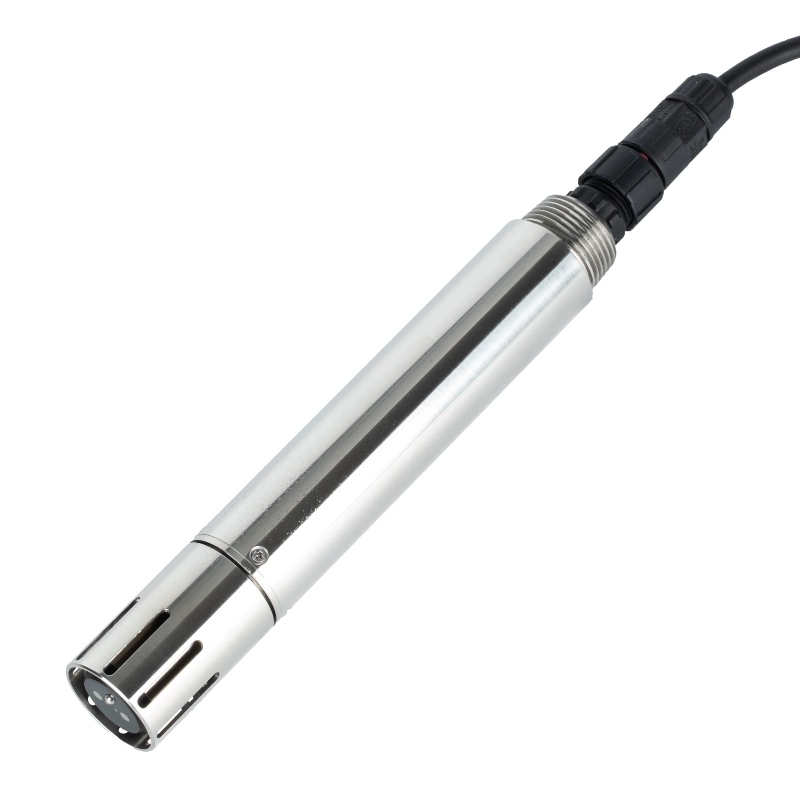
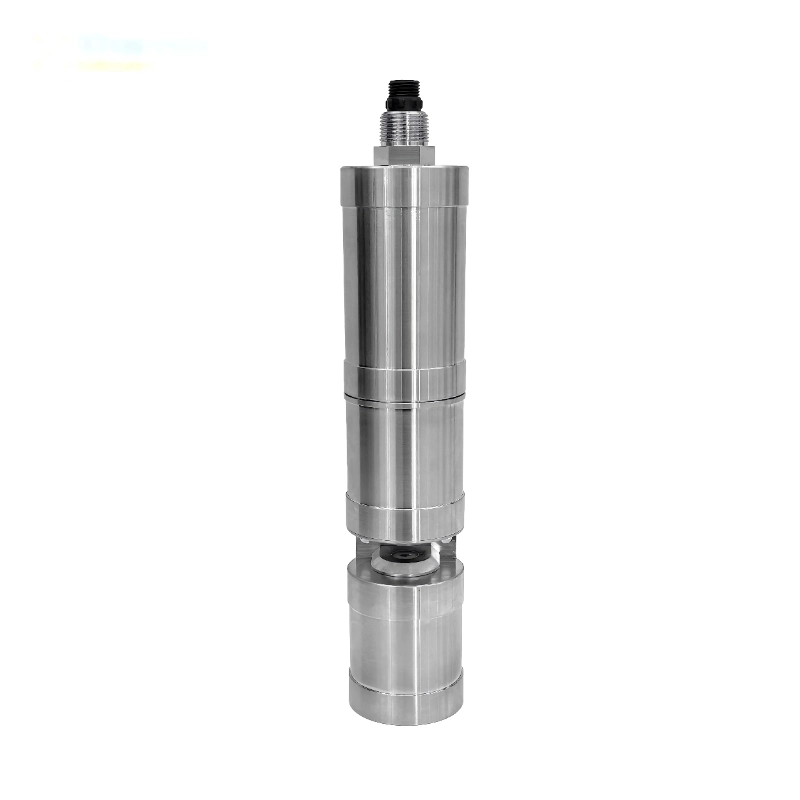
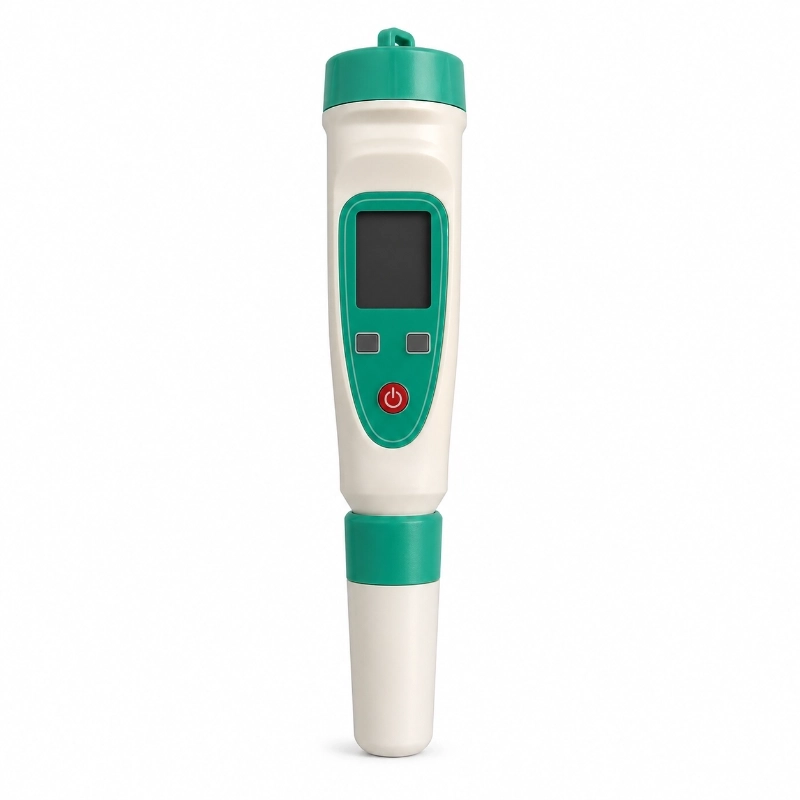
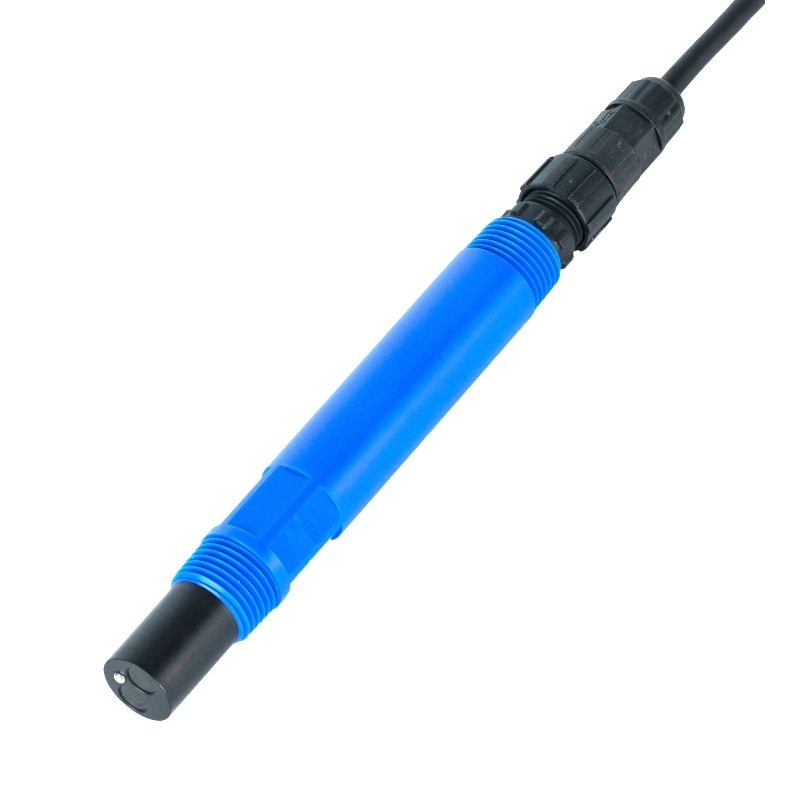
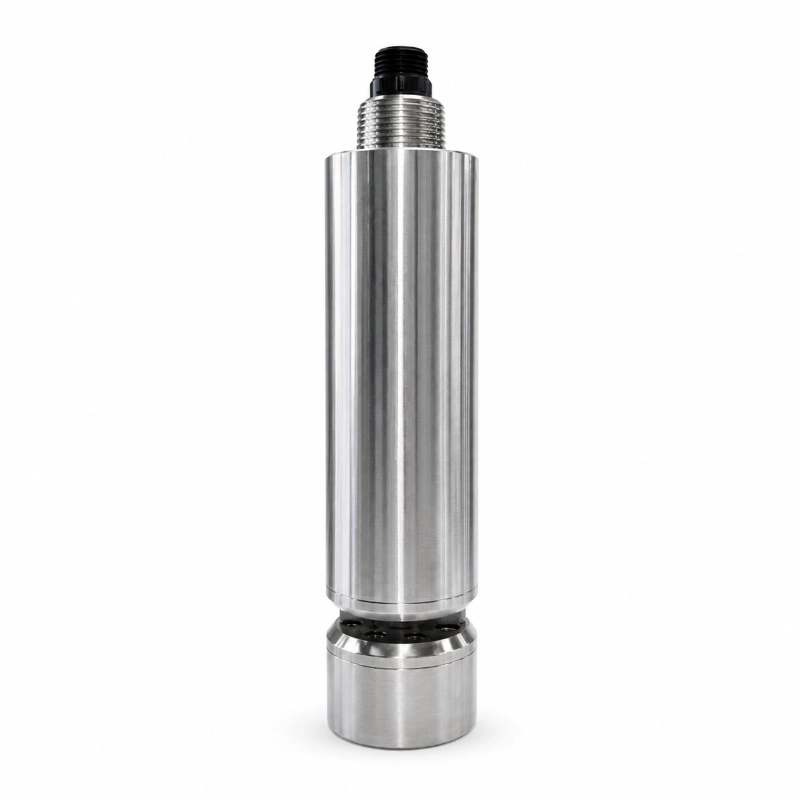
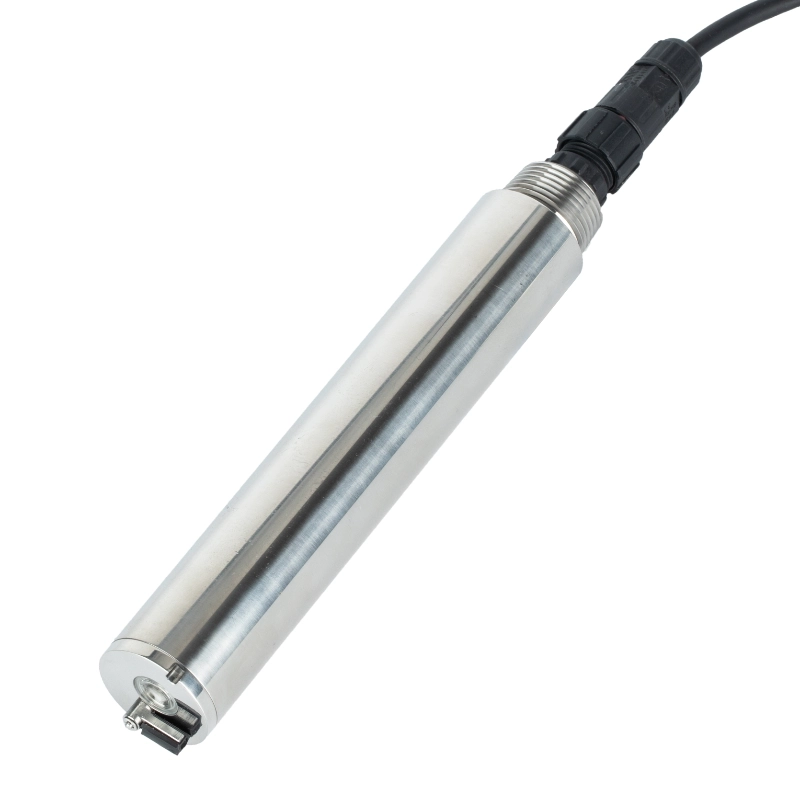
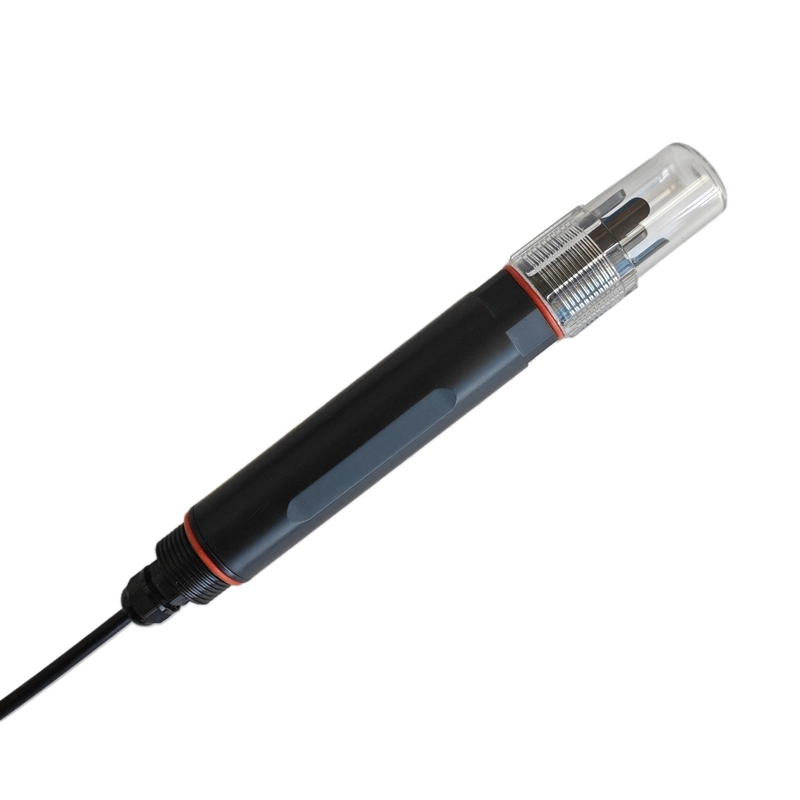
JW-DDM-406(K06) Online Conductivity Sensor is designed for continuous water quality monitoring in drinking water, surface water, industrial water treatment, water supply systems, tanks, pipelines, and environmental monitoring projects. With RS485 Modbus RTU output, optional 4–20mA signal, automatic temperature compensation, and IP68 waterproof protection, it provides stable conductivity, temperature, and TDS data for PLC, DCS, controllers, data loggers, and IoT monitoring platforms.
2. Product Overview
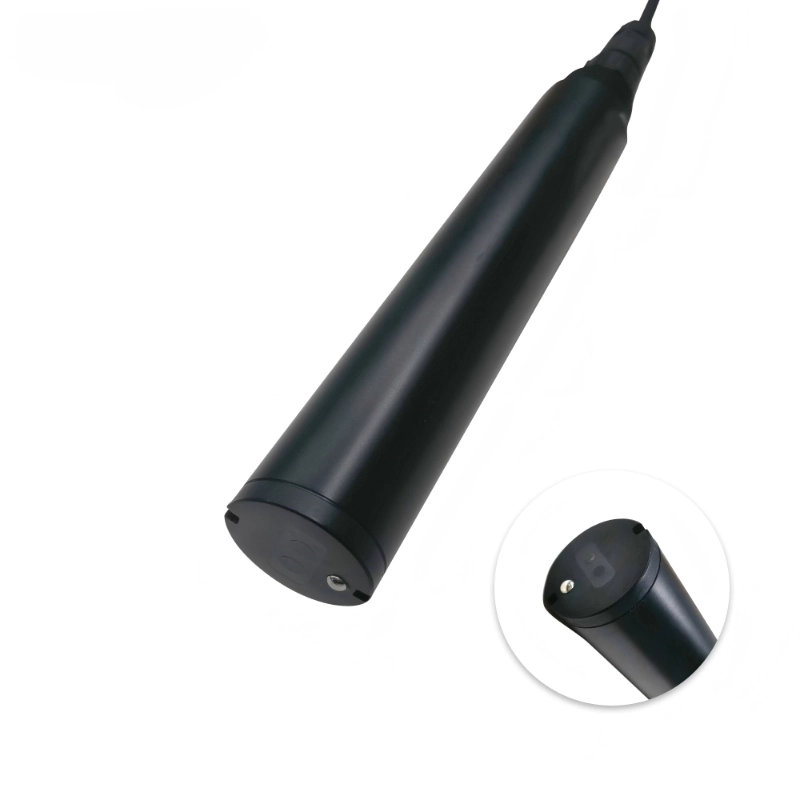
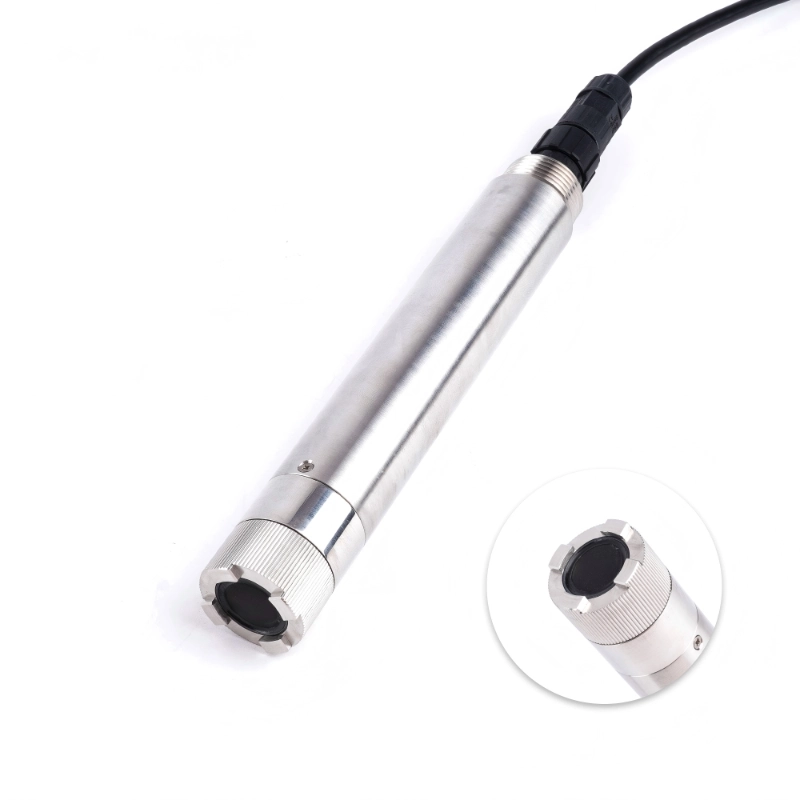
JW-DDM-406(K06) online conductivity sensor is built for continuous water quality measurement in demanding field and industrial environments. It measures conductivity using a contact electrode method and supports automatic temperature compensation to improve measurement reliability. The sensor can output conductivity, temperature, and TDS values through RS485 Modbus RTU communication, making it suitable for smart water systems, water treatment plants, environmental monitoring stations, and automated process control systems.
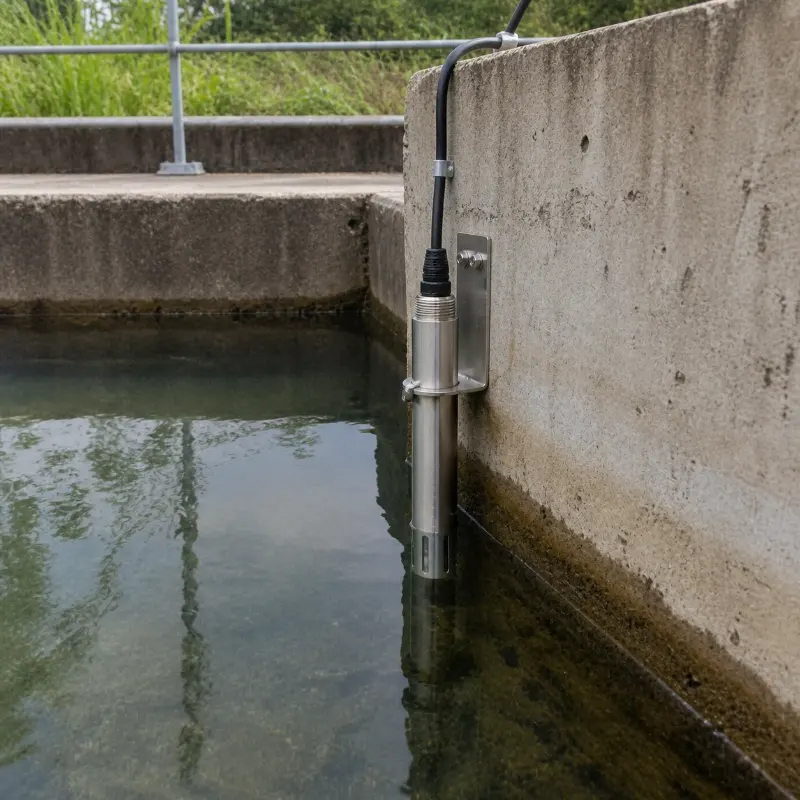
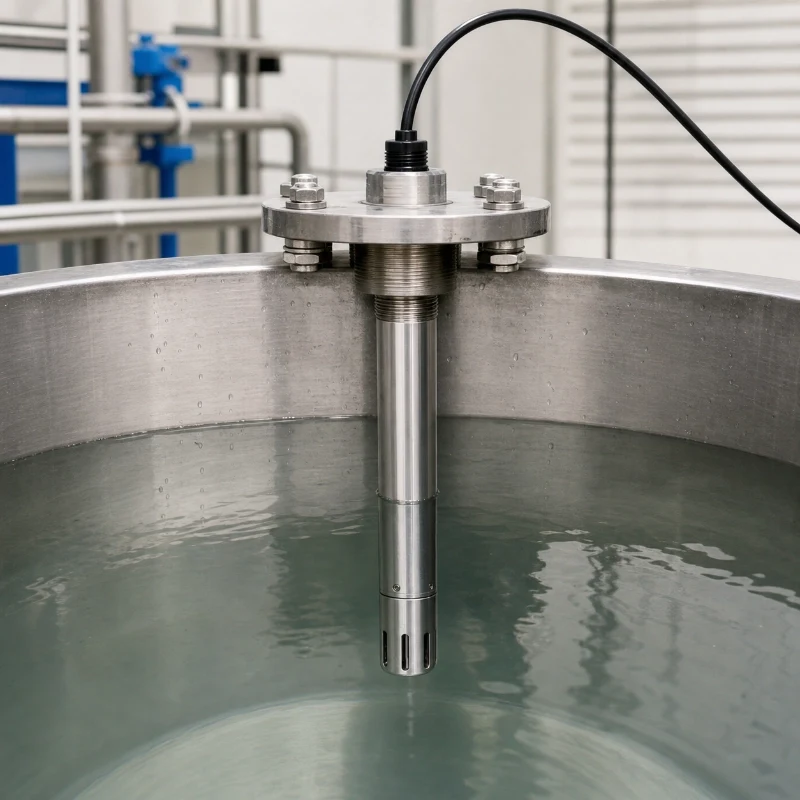
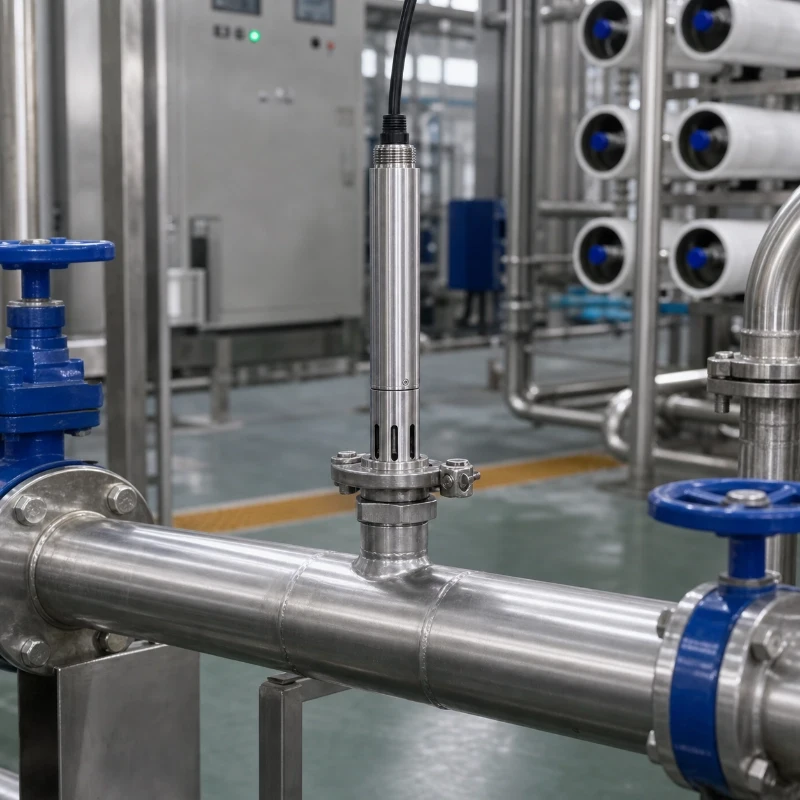
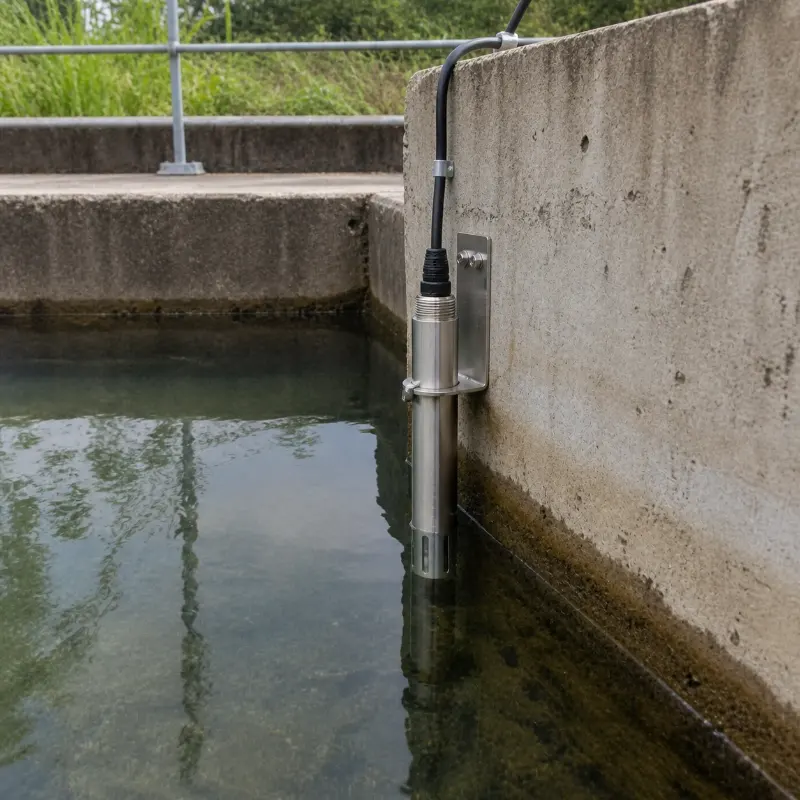
Its compact submerged design, 3/4 NPT thread, and IP68 protection allow flexible installation in tanks, pipelines, reservoirs, water channels, and treatment equipment. The sensor can be integrated with PLCs, DCS systems, industrial computers, universal controllers, paperless recorders, touch screens, and IoT data acquisition terminals.
Conductivity and TDS are often monitored together with pH, turbidity, dissolved oxygen, temperature, and other indicators. These sensors can be integrated into a remote water quality monitoring system for continuous data collection, visualization, and alarms.
Item
Specification
Product Type
Online Conductivity Sensor
Measurement Principle
Contact electrode method
Measuring Range
0–5000 μS/cm
Resolution
1 μS/cm
Accuracy
±1% of reading
Temperature Accuracy
±0.3°C
Response Time
T90 less than 30 s
Minimum Detection Limit
2 μS/cm
Calibration
Two point calibration
Temperature Compensation
Automatic Pt1000 compensation
Output
RS485 Modbus RTU
Optional Output
4–20mA
Storage Temperature
-5°C to 65°C
Working Temperature
0°C to 50°C
Working Pressure
≤0.6 MPa
Protection Grade
IP68
Waterproof Depth
Within 20 m
Installation
Submersible installation 3/4 NPT
Power Supply
12–24V DC
Power Consumption
0.2W at 12V
Housing Material
ABS and 316L stainless steel
Cable Length
Standard 5 m customizable
Connector
M16 5 pin waterproof male connector
3. Application Scenarios
Drinking Water Monitoring: The sensor can be used in drinking water systems to monitor conductivity changes and support water quality control.
Surface Water Monitoring: It is suitable for rivers, lakes, reservoirs, and environmental monitoring stations where long term conductivity data is required.
Industrial Water Treatment: The RS485 Modbus RTU and optional 4–20mA output make it practical for industrial water treatment, process water monitoring, and automated control systems.
Water Supply Systems: It can be connected to PLCs, controllers, data loggers, and SCADA systems for continuous monitoring in municipal or facility water supply networks.
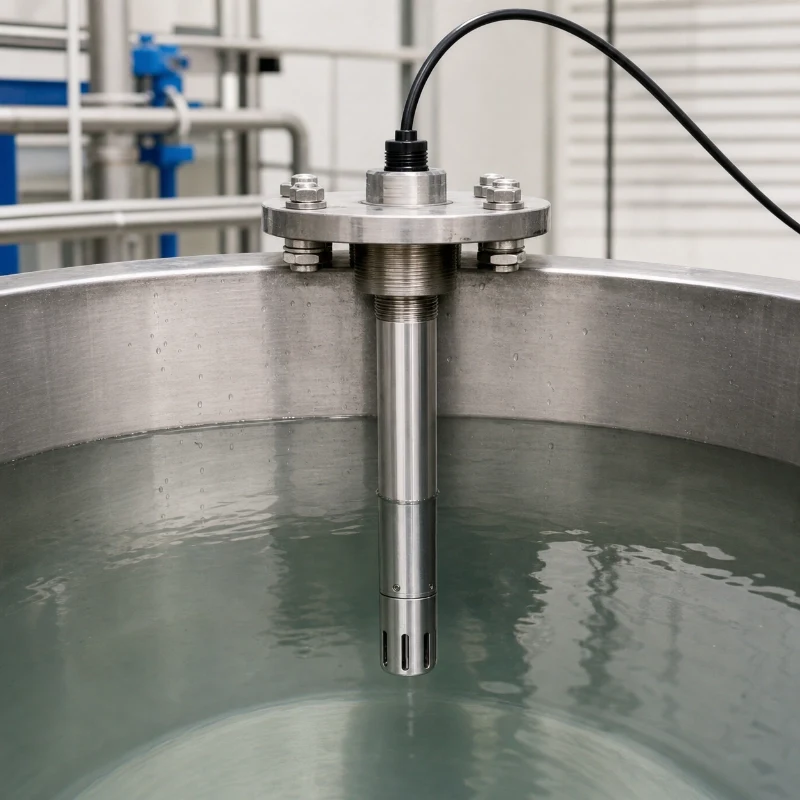
Tanks and Pipelines: With 3/4 NPT threaded installation, the sensor supports immersion mounting, pipeline mounting, tank mounting, and flow through installation.
4. Installation Notes
For accurate measurement, the sensor should be installed with enough clearance from surrounding surfaces. During installation and testing, keep the sensor at least 5 cm from the bottom of the container and at least 2 cm from the side wall. All cable connections should be waterproofed, especially when used in long term submerged environments or corrosive water conditions.
5. Communication and Integration
The sensor supports RS485 Modbus RTU communication with a default format of 9600 baud rate, no parity, 8 data bits, 1 stop bit. Through Modbus registers, the system can read conductivity, temperature, and TDS values. The default sensor address is 1 and can be modified from 1 to 255, making it suitable for multi sensor networks.
6. Maintenance and Calibration
Regular cleaning and calibration are recommended depending on the water conditions. For routine maintenance, use a soft brush to remove deposits from the electrode surface, avoid scratching the electrode, rinse with distilled water, and then perform calibration. The sensor supports zero calibration and slope calibration using standard solutions.
FAQ
Q
1. What is this online conductivity sensor used for?
A
It is used for continuous conductivity monitoring in drinking water, surface water, water supply systems, tanks, pipelines, and industrial water treatment.
Q
2. Does the sensor support RS485 Modbus RTU?
A
Yes. The sensor supports RS485 Modbus RTU output and can be connected to PLCs, DCS systems, industrial computers, controllers, data loggers, and IoT platforms.
Q
3. Can JW-IoT integrate this conductivity sensor into a water monitoring system?
A
Yes. JW-IoT can integrate the sensor with data loggers, telemetry terminals, cloud platforms, and remote water quality monitoring dashboards.
Q
4. What is the measuring range of the sensor?
A
The conductivity measuring range is 0–5000 μS/cm with 1 μS/cm resolution.
Q
5. Is the sensor suitable for submerged installation?
A
Yes. The sensor has IP68 protection and supports submerged installation within 20 m water depth.
Q
6. Does JW-IoT provide solutions for industrial water treatment monitoring?
A
Yes. JW-IoT can provide sensor integration, data acquisition, communication, alarm, and platform solutions for industrial water treatment monitoring.
Q
7. Does the sensor measure temperature and TDS?
A
Yes. Through Modbus communication, the sensor can output conductivity, temperature, and TDS values.
Q
8. How should the sensor be maintained?
A
The electrode should be cleaned regularly with a soft brush, rinsed with distilled water, and calibrated according to field conditions.
Q
9. Can JW-IoT support customized cable length or system integration?
A
Yes. JW-IoT can support customized cable length requirements and help integrate the sensor into smart water, environmental monitoring, or industrial control systems.
 +86 13520127780
  info@jingelway.com