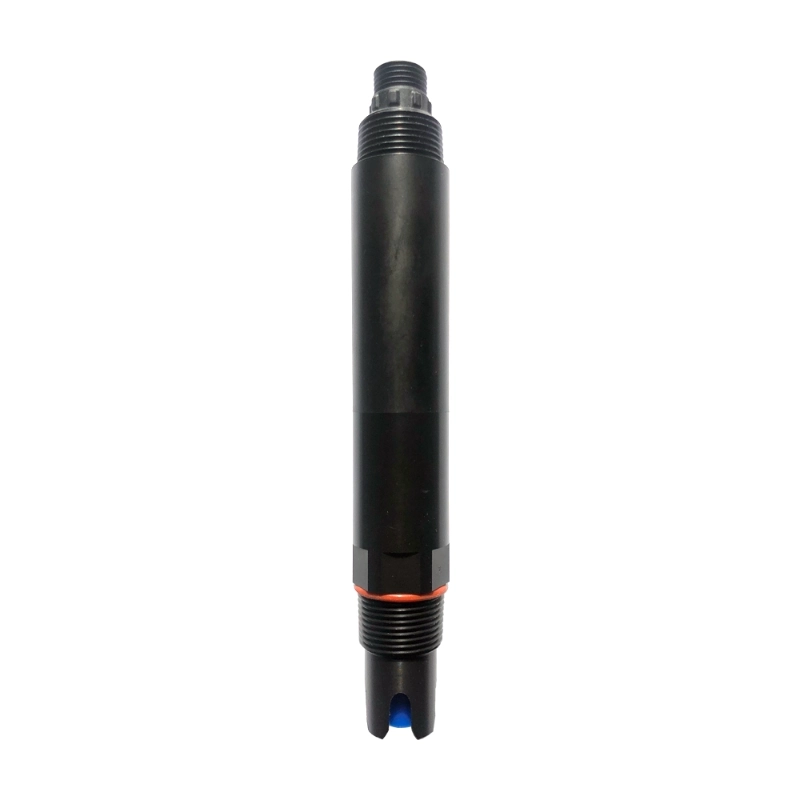
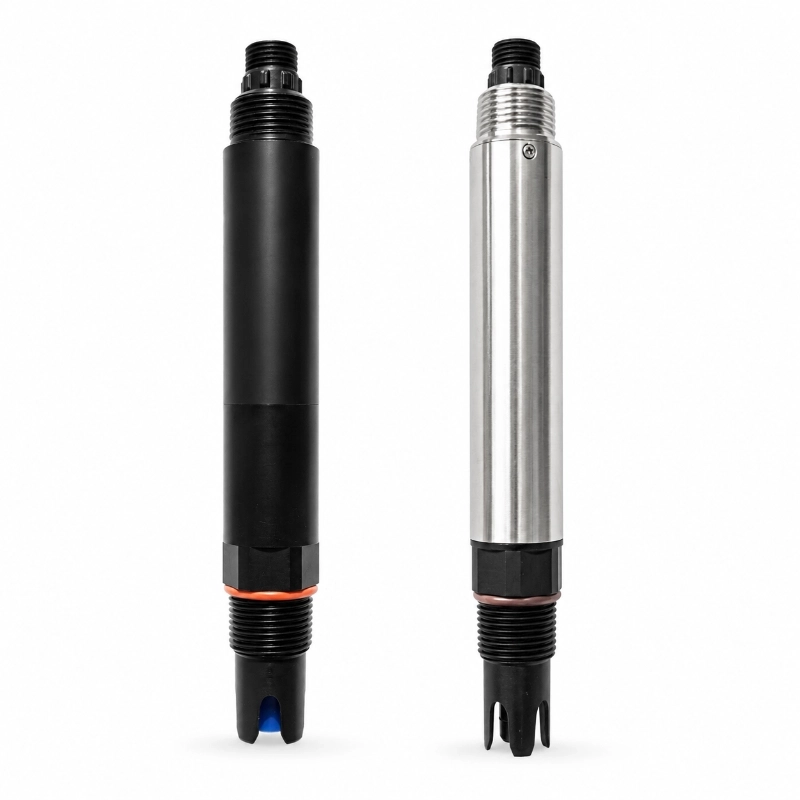
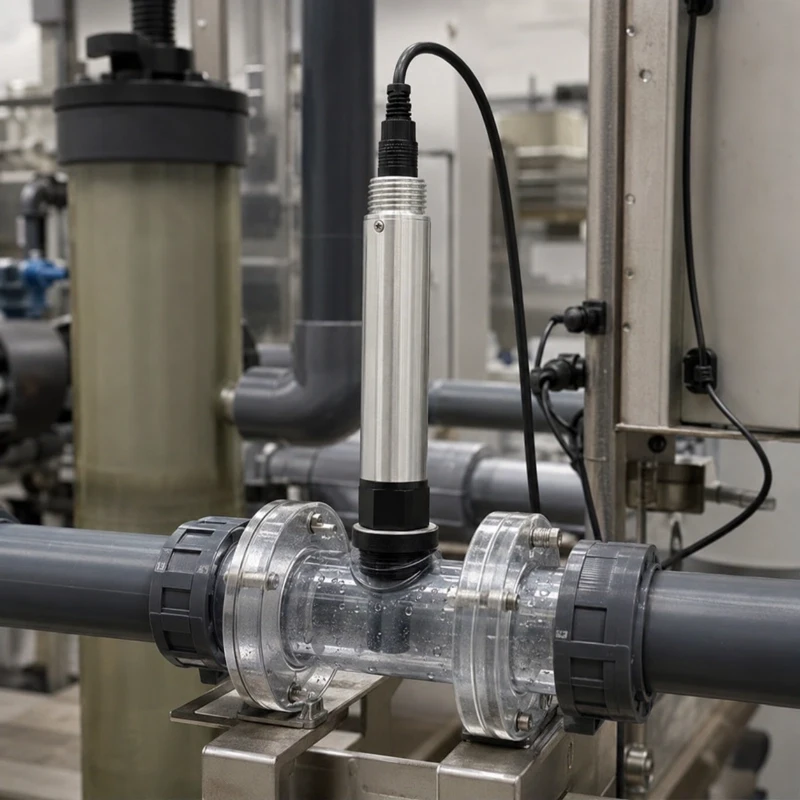
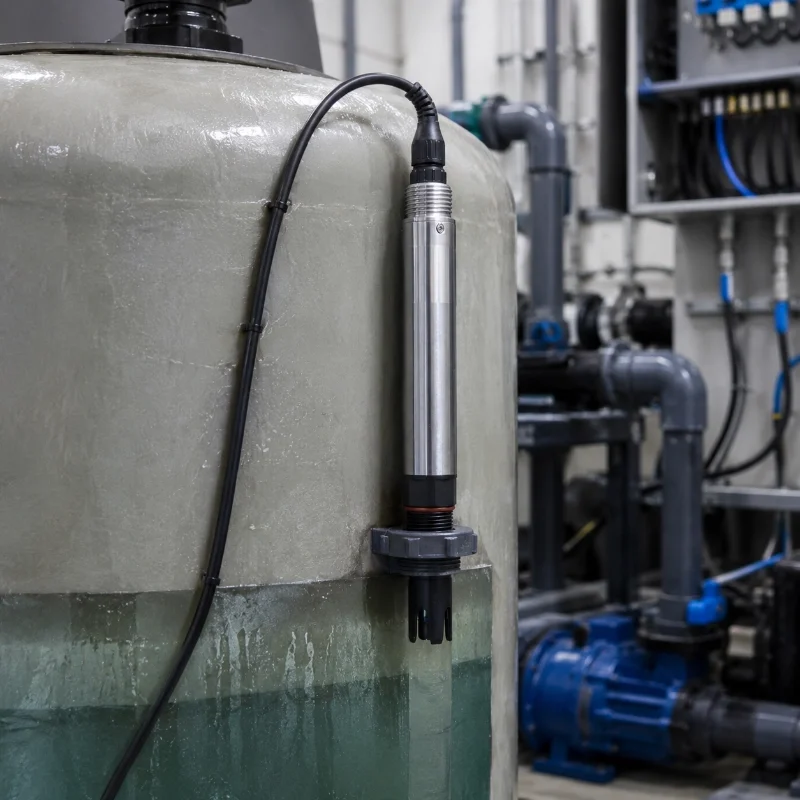
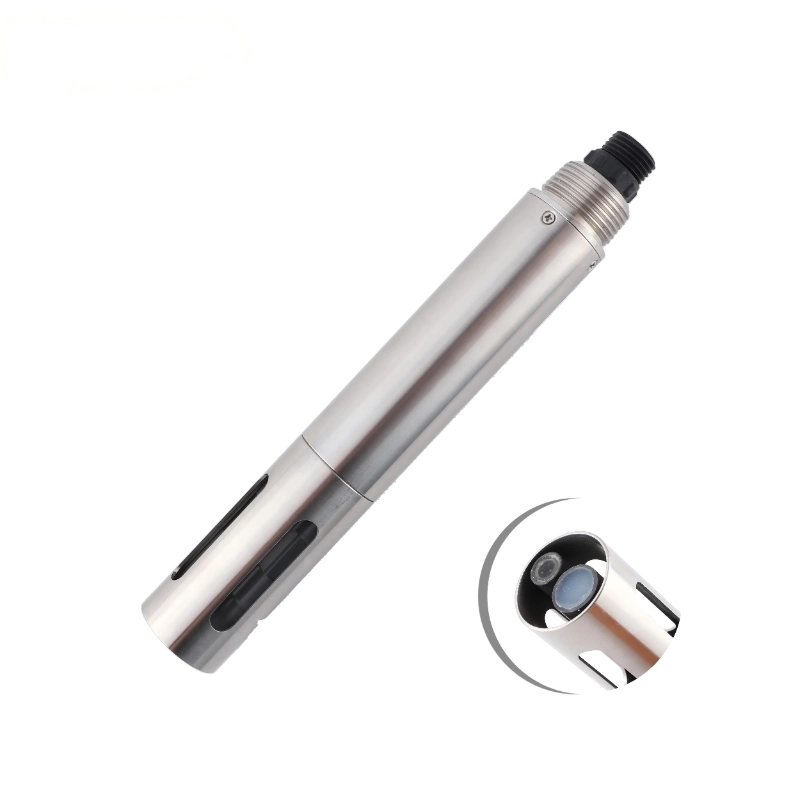
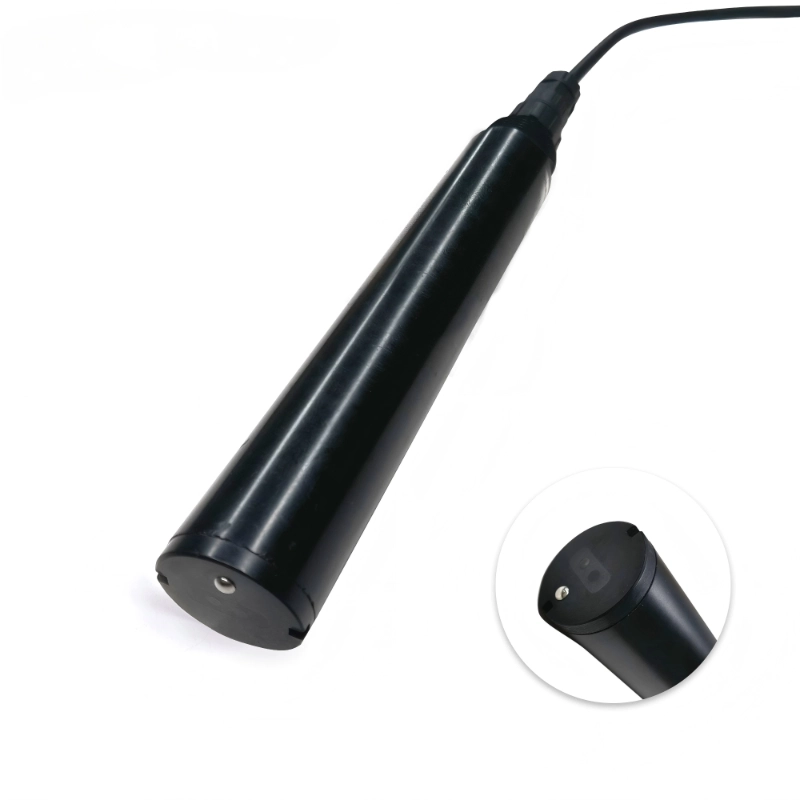
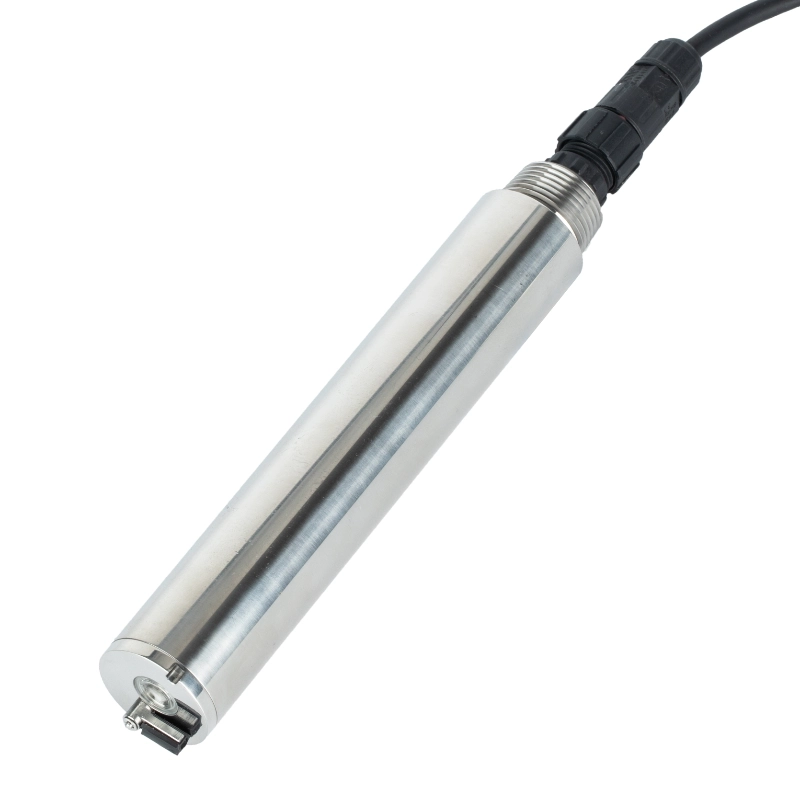
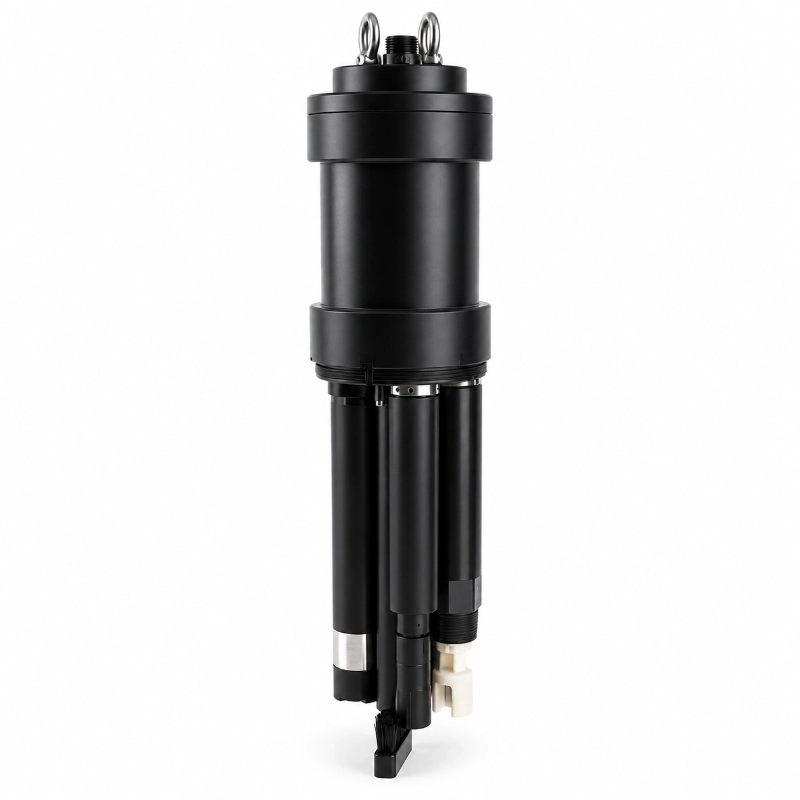
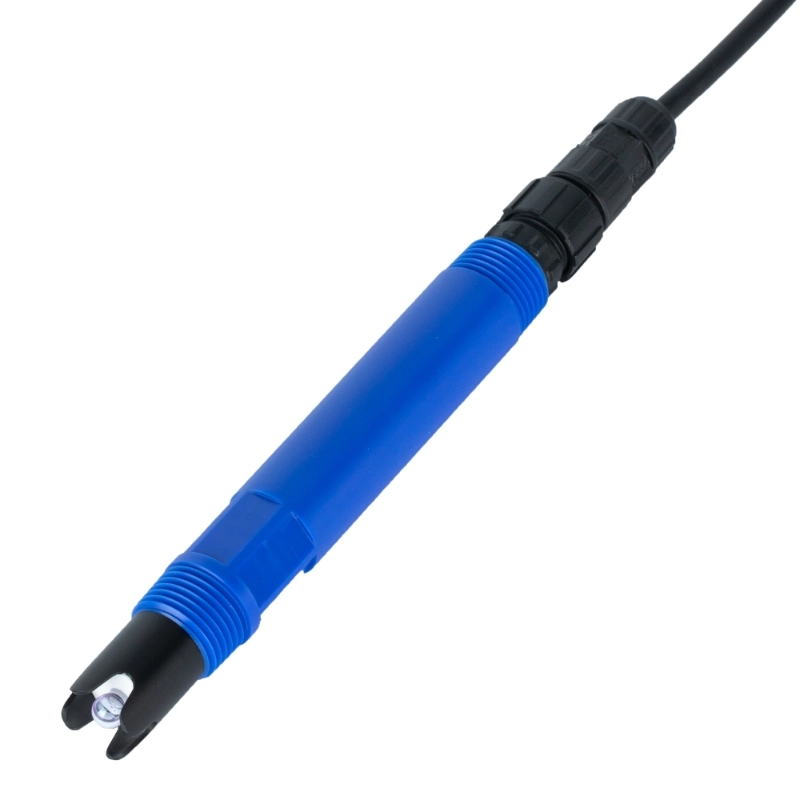
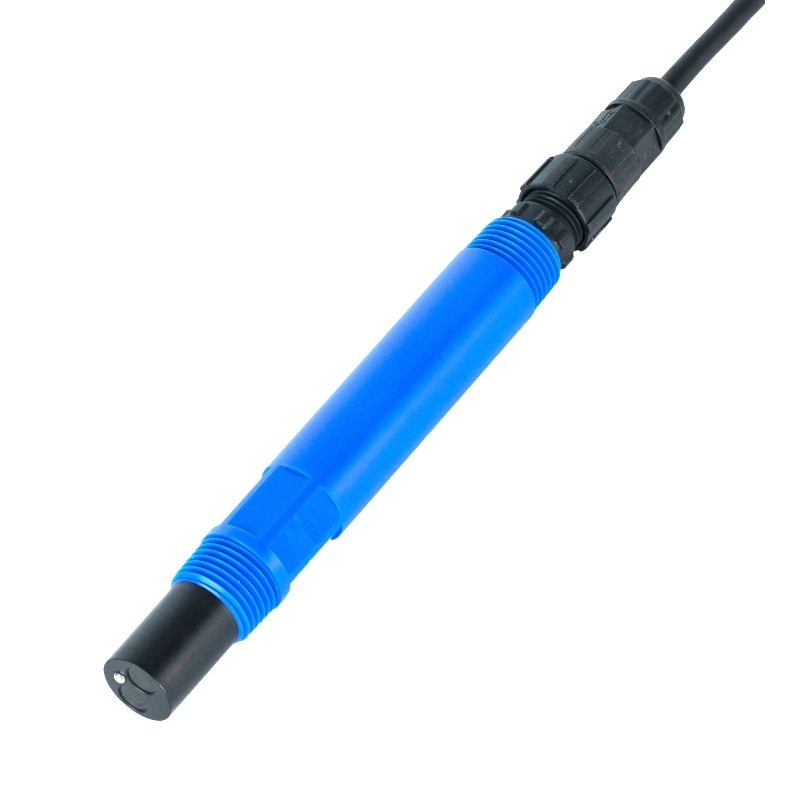
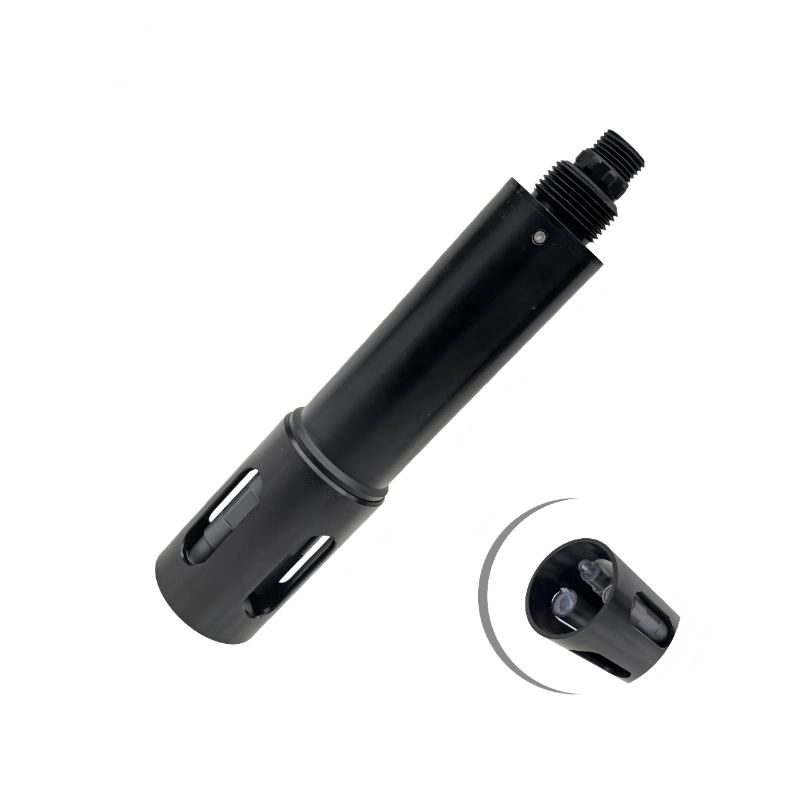
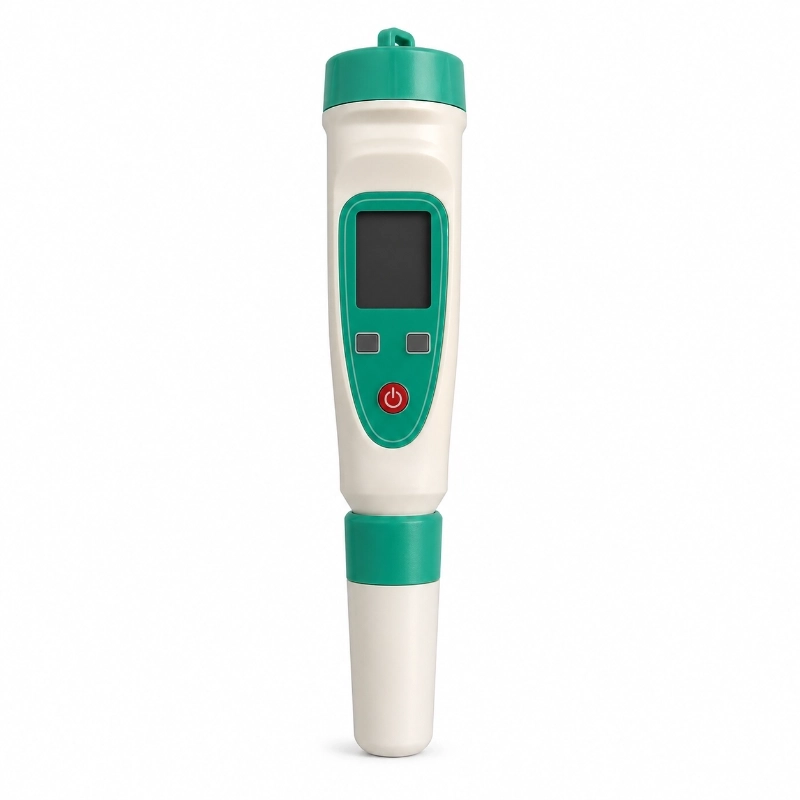
JW-GA-406(K23)online calcium ion sensor is designed for continuous calcium ion monitoring in water treatment, industrial process water, aquaculture, environmental water quality, and laboratory water systems. Based on a PVC membrane calcium ion selective electrode, it provides fast, accurate, simple, and cost-effective calcium measurement with RS485 Modbus RTU output, optional 4 to 20 mA signal, automatic temperature compensation, and IP68 protection.
2. Product Overview
JW-GA-406(K23)calcium ion sensor is an online water quality sensor used to measure calcium ion concentration in water. It adopts a PVC membrane calcium ion selective electrode and automatic temperature compensation to provide reliable calcium measurement in water treatment, industrial water, aquaculture systems, environmental monitoring, and process water applications.
The sensor supports RS485 Modbus RTU and optional 4 to 20 mA output, enabling easy integration with PLCs, DCS systems, industrial computers, universal controllers, paperless recorders, touchscreen HMIs, RTUs, IoT gateways, and cloud monitoring platforms.
Its patented calcium ion electrode uses an internal reference solution that slowly flows through a microporous salt bridge under pressure, improving reference system stability and helping extend electrode service life compared with ordinary industrial electrodes. With IP68 protection, 3/4 NPT pipe thread, and low-power operation, the sensor is suitable for submerged installation in tanks, pipelines, reservoirs, and online water quality monitoring stations.
Item
Specification
Product Type
Online Calcium Ion Sensor
Model Options
GA-406C and GA-406
Measurement Principle
PVC membrane calcium ion selective electrode
Housing Material
POM and ABS for GA-406C, POM and 316L for GA-406
Measurement Range Option 1
0 to 100.00 mg/L
Resolution Option 1
0.01 mg/L
Measurement Range Option 2
0 to 1000.0 mg/L
Resolution Option 2
0.1 mg/L
Temperature Resolution
0.1°C
Accuracy
±10% of reading or ±1 mg/L, ±0.5°C
Response Time
T90 less than 60 seconds
Minimum Detection Limit
0.09 mg/L for 0 to 100 mg/L, 0.9 mg/L for 0 to 1000 mg/L
Calibration Method
Two-point calibration
Cleaning Method
None
Temperature Compensation
Automatic temperature compensation with Pt1000
Output Signal
RS485 Modbus RTU
Optional Output
4 to 20 mA
Storage Temperature
-5 to 65°C
Working Condition
0 to 40°C, less than 0.1 MPa, 4 to 10 pH
Installation Method
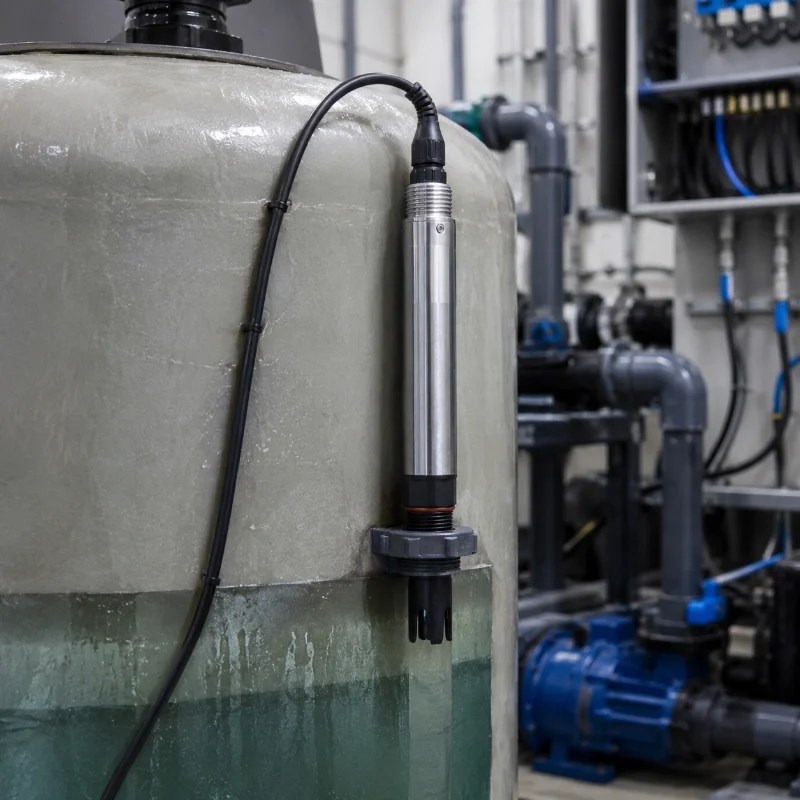
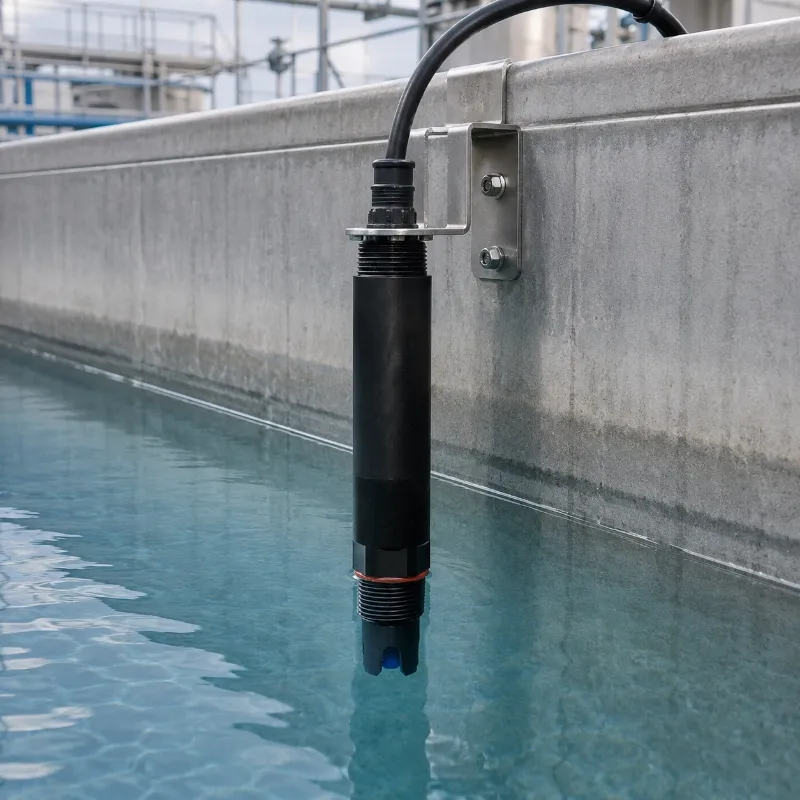
3/4 NPT pipe thread mmersion installation
Power Consumption
0.2W at 12V
Power Supply
12 to 24V DC
Protection Grade
IP68
Cable Length
5 m standard cable customizable
Connector
M16 5 pin waterproof male connector
3. Application Scenarios
Water hardness and calcium ion monitoring
Industrial process water monitoring
Boiler feed water and cooling water systems
Aquaculture water quality monitoring
Drinking water and groundwater monitoring
Environmental surface water monitoring
Chemical process water control
Desalination pretreatment monitoring
Smart water quality IoT systems
Laboratory and research water testing
4. Installation Notes
The calcium ion sensor supports immersion installation with a 3/4 NPT pipe thread, making it suitable for tanks, pipelines, and water quality monitoring stations. During installation, the sensor must not be installed upside down or horizontally. It should be installed at an inclination angle of at least 15 degrees to ensure stable measurement performance.
For long-term use in water, seawater, or humid outdoor environments, all wiring joints should be waterproofed, and the user-side cable should have corrosion-resistant protection. Before power-on, check the wiring sequence carefully to avoid communication failure or electrical damage.
5. Maintenance Notes
Before testing, soak the electrode in tap water for 24 hours to activate it, then rinse it with deionized water. If the electrode will not be used for more than two weeks, store it dry and keep the sensing element inside the protective cap.
Check whether the wiring terminal is dry before use. If contaminated, clean it with anhydrous alcohol and dry it before operation. Avoid long-term soaking in distilled water or protein solutions, and prevent contact with silicone grease. If the PVC membrane becomes translucent or covered with deposits after long-term use, rinse it with distilled or deionized water. If calibration and measurement cannot be restored after maintenance, replace the electrode.
FAQ
Q
1. What is an online calcium ion sensor used for?
A
It is used to continuously monitor calcium ion concentration in water treatment, industrial process water, aquaculture, drinking water, groundwater, and environmental water quality applications.
Q
2. What measurement principle does this calcium sensor use?
A
The sensor uses a PVC membrane calcium ion selective electrode to directly measure calcium ions in water.
Q
3. Can this calcium sensor connect to PLC or IoT systems?
A
Yes. It supports RS485 Modbus RTU and optional 4 to 20 mA output for PLC, DCS, RTU, data logger, controller, and IoT platform integration.
Q
4. How does JW-IoT use this sensor in smart water projects?
A
JW-IoT can integrate the calcium ion sensor with IoT gateways, cloud dashboards, threshold alarms, and multi-parameter water quality monitoring systems.
Q
5. Is this sensor suitable for immersion installation?
A
Yes. The sensor has IP68 protection and supports 3/4 NPT pipe thread immersion installation in tanks, pipelines, and monitoring stations.
Q
6. Can JW-IoT provide a complete water hardness monitoring solution?
A
Yes. JW-IoT can combine calcium, magnesium, conductivity, pH, temperature, turbidity, and other water quality sensors into a complete online water hardness monitoring solution
Q
7. What should be noted during installation?
A
The sensor must not be installed upside down or horizontally. It should be installed at an inclination angle of at least 15 degrees.
Q
8. Can JW-IoT customize the system integration?
A
Yes. JW-IoT can support customized cable length, RS485 Modbus integration, optional 4 to 20 mA output, gateway connection, and cloud platform configuration.
Q
9. What measurement ranges are available?
A
The sensor supports 0 to 100.00 mg/L with 0.01 mg/L resolution and 0 to 1000.0 mg/L with 0.1 mg/L resolution.
 +86 13520127780
  info@jingelway.com