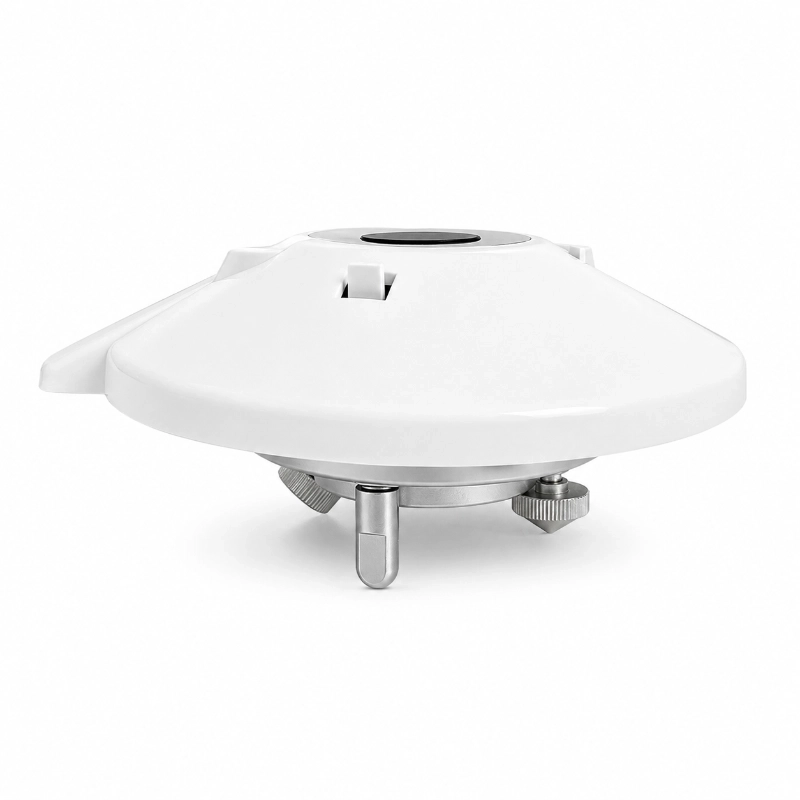
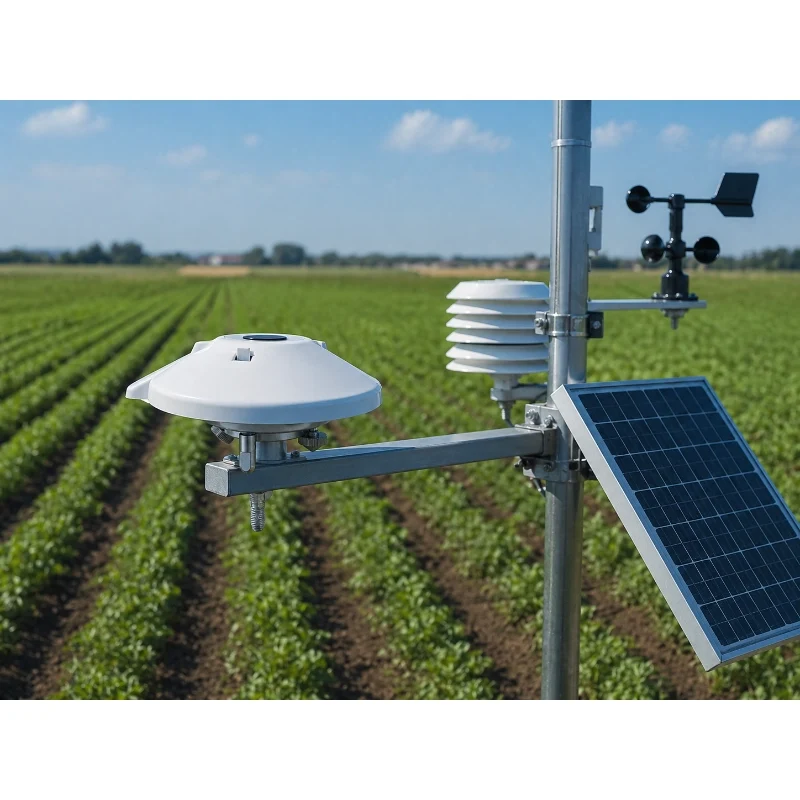
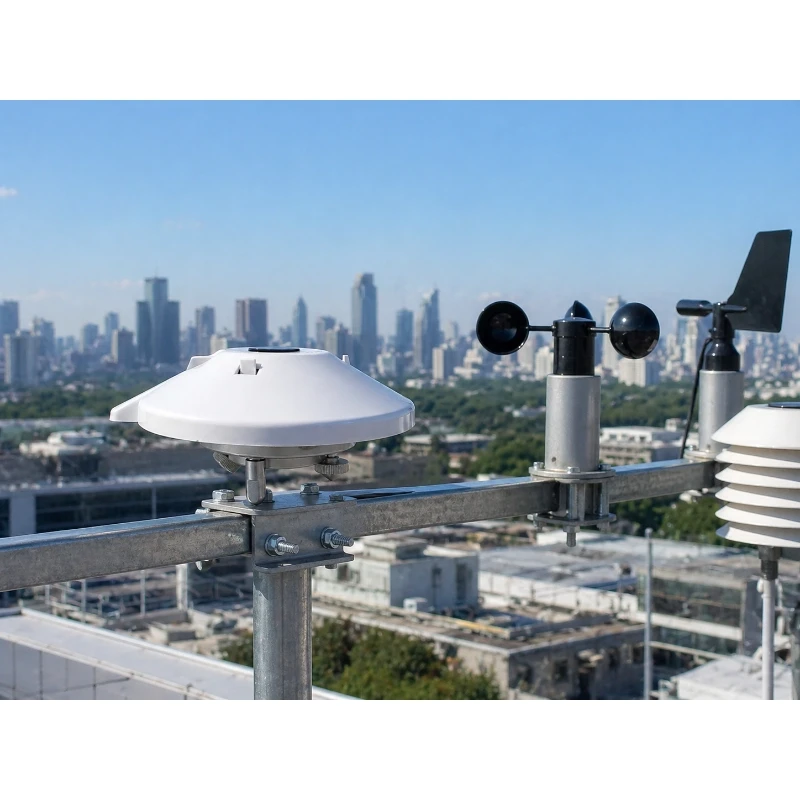
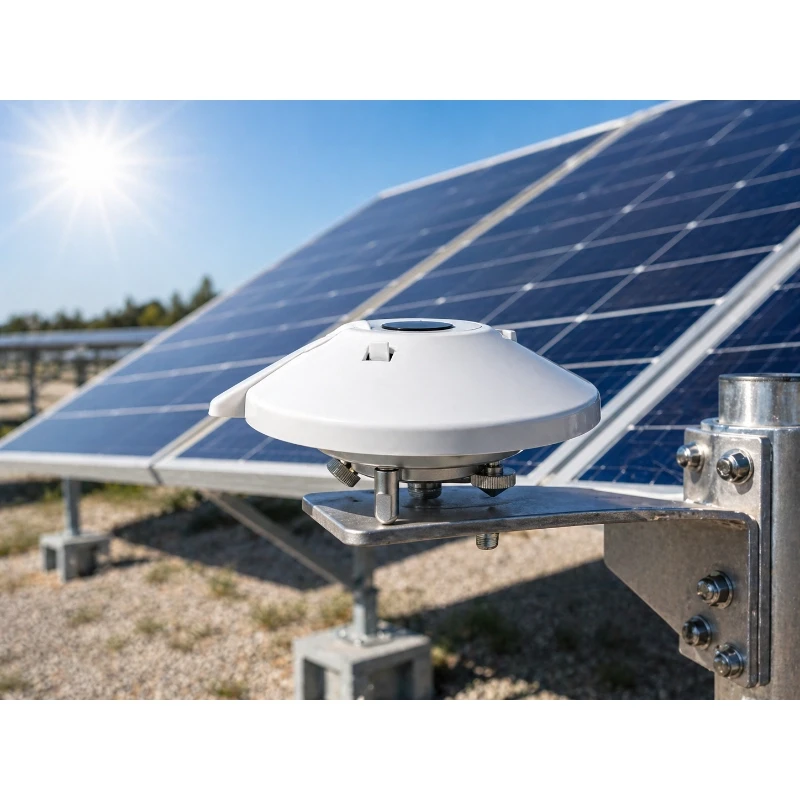
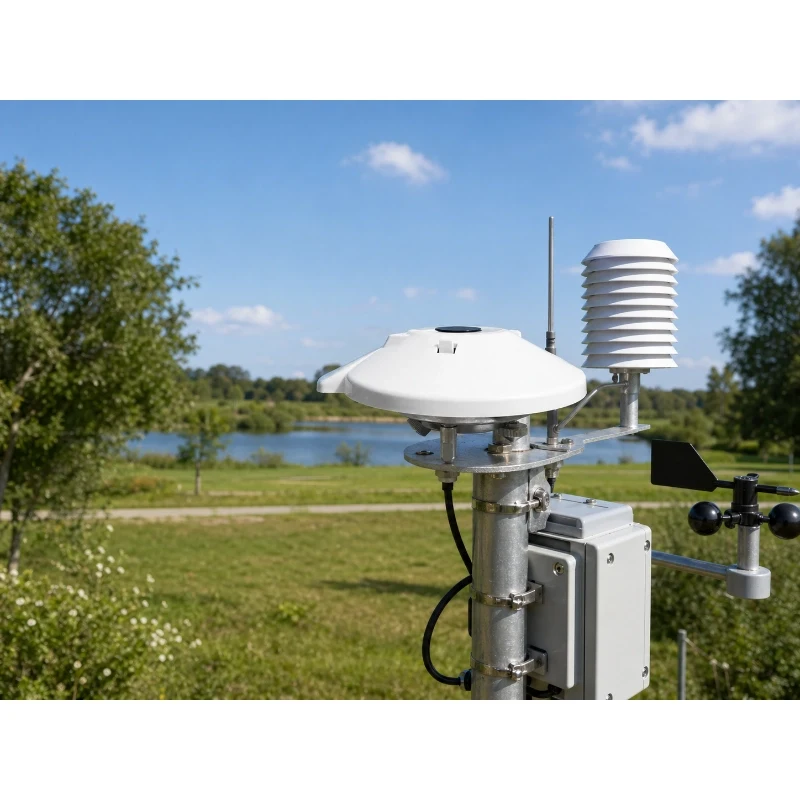
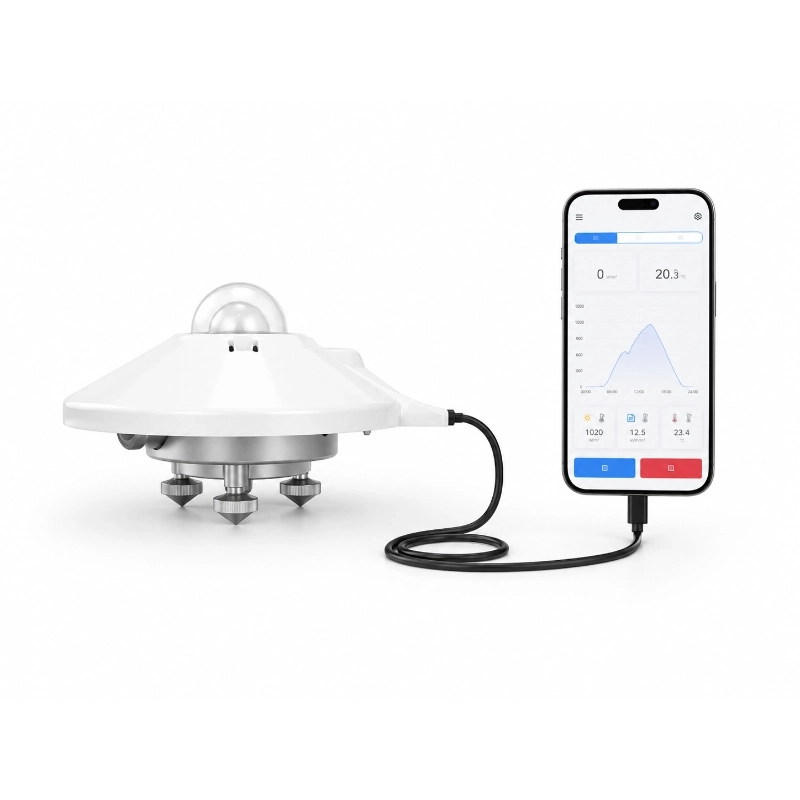
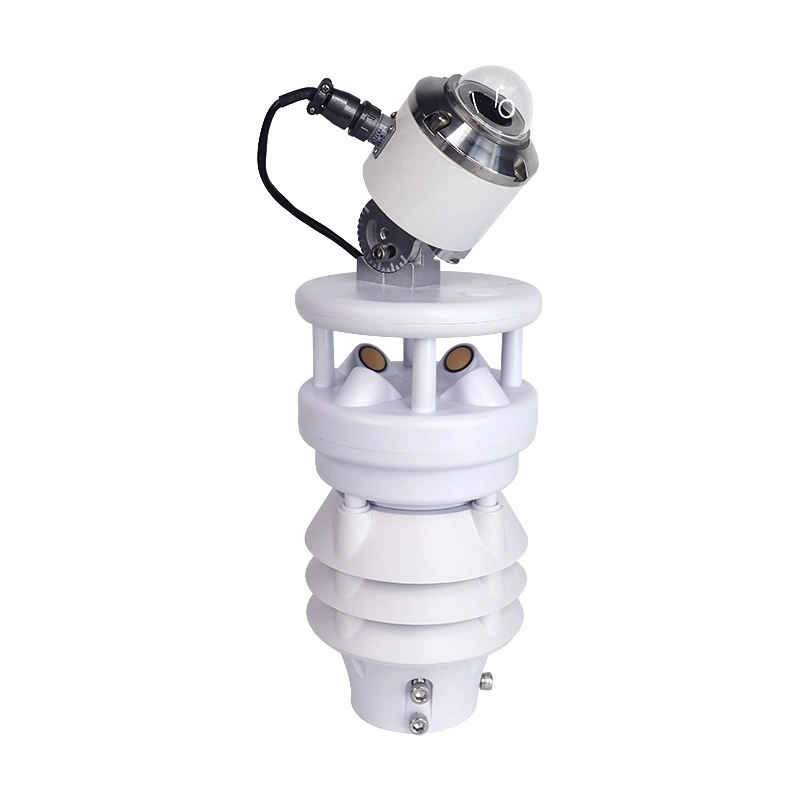
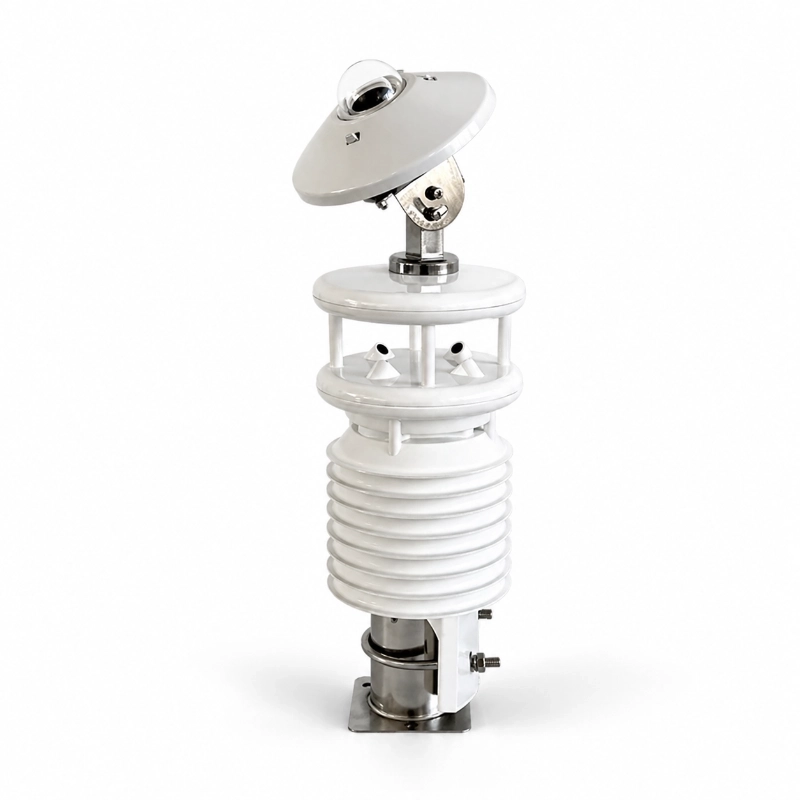
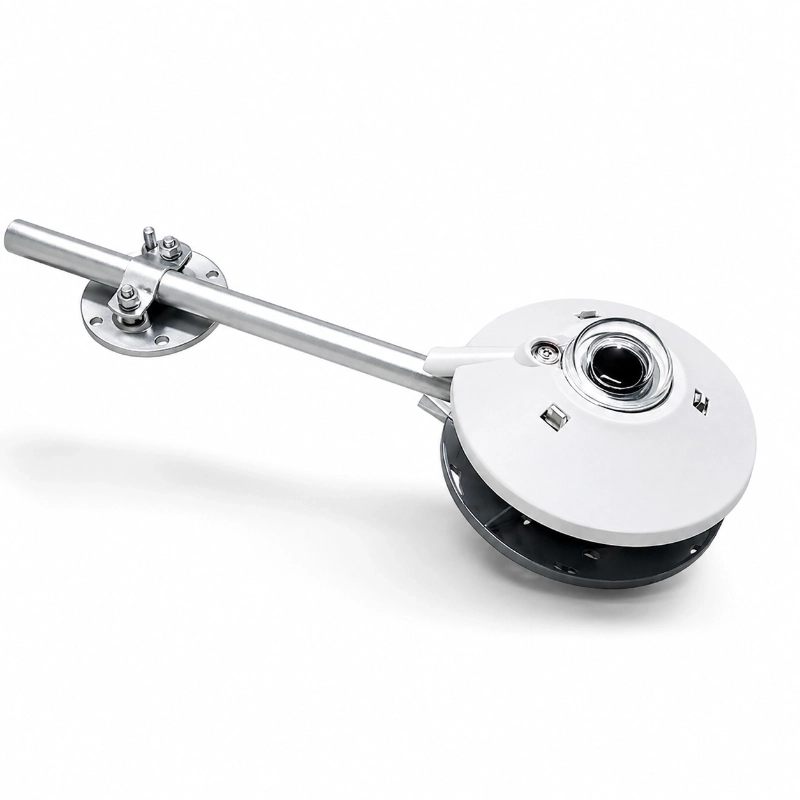
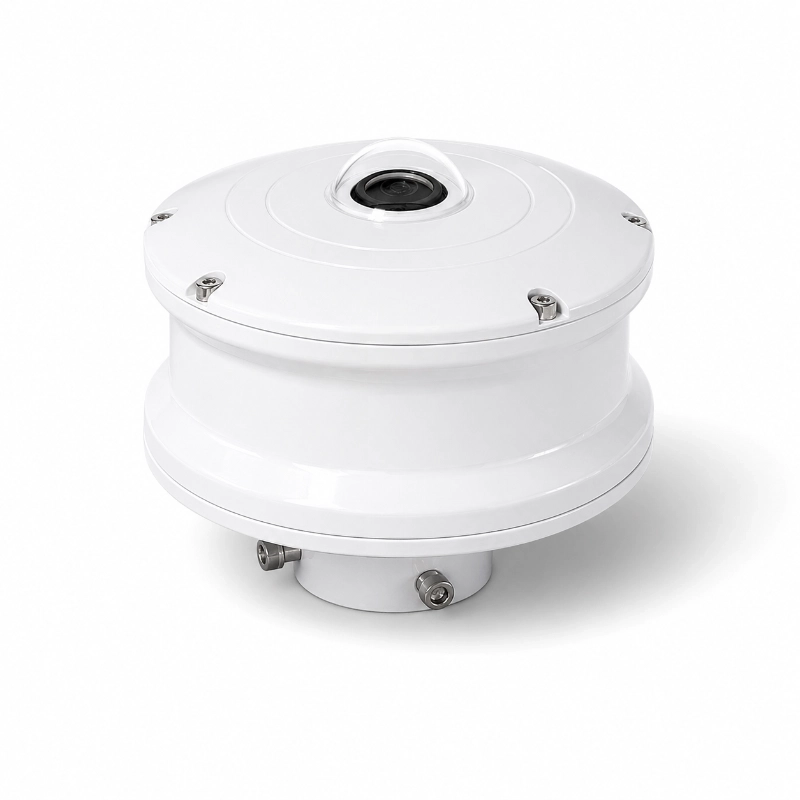
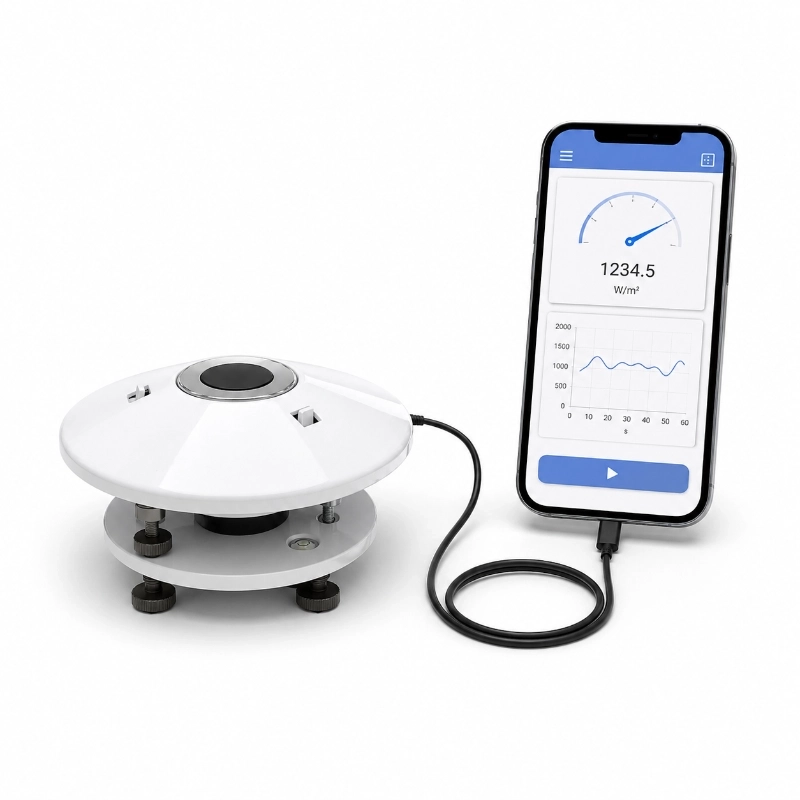
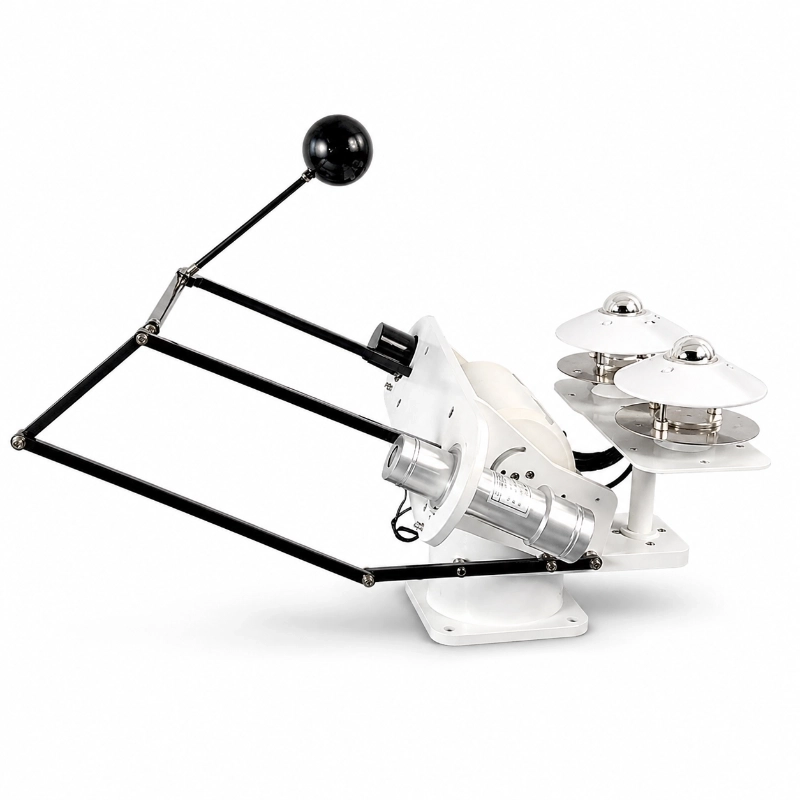
JW-TBQ-UV(LC44) high precision UV radiation sensor for measuring UVA UVB and UVAB intensity from 280 to 400nm, featuring fast response under 10 seconds, stable thermopile sensing technology, and optional 0 to 20mV 4 to 20mA or RS485 output.
2. Product Overview
JW-TBQ-UV(LC44) TBQ UV Series UV Radiation Sensor is designed to measure and record ultraviolet radiation intensity in the 280 to 400nm range. It is suitable for UVA, UVB and UVAB monitoring and offers high accuracy, fast response and stable long-term performance.
With optional 0 to 20mV, 4 to 20mA, and RS485 outputs, this UV sensor can be integrated into environmental monitoring systems, meteorological stations, outdoor safety monitoring projects, and scientific research applications. Its built-in RS485 output module allows direct communication without the need for an external converter, helping reduce installation and maintenance costs.
Parameter
Specification
Product Type
UV Radiation Sensor
Series
TBQ UV Serie
Spectral Range UVA
320 to 400nm
Spectral Range UVB
280 to 320nm
Spectral Range UVAB
280 to 400nm
Signal Range
0 to 500W/m²
Output Signal
0 to 20mV 4 to 20mA RS485
Sensitivity
<100μV/W·m⁻²
Response Time
≤10s
Internal Resistance
10 to 30Ω
Annual Stability
≤±2%
Cosine Response
≤4% at solar elevation angle 30°
Measurement Accuracy
≤5%
Temperature Error
≤2%
Operating Temperature
-40 to 80°C
Operating Humidity
0% to 100% RH
Weight
0.8kg
3.Output and Integration Overview
The TBQ UV series supports multiple output options for easier integration into different monitoring systems:
0 to 20mV output for analog signal acquisition
4 to 20mA output for industrial control systems
RS485 output for digital communication and system networking
Communication Advantages
Built-in RS485 module
No external converter required
Easier installation and maintenance
Better compatibility with monitoring platforms
Suitable for integrated environmental and weather monitoring systems
4. Application Scenarios
Meteorological observation
Environmental monitoring
Solar radiation research
Outdoor workplace safety monitoring
UV exposure assessment
Scientific and laboratory research
Agricultural climate monitoring
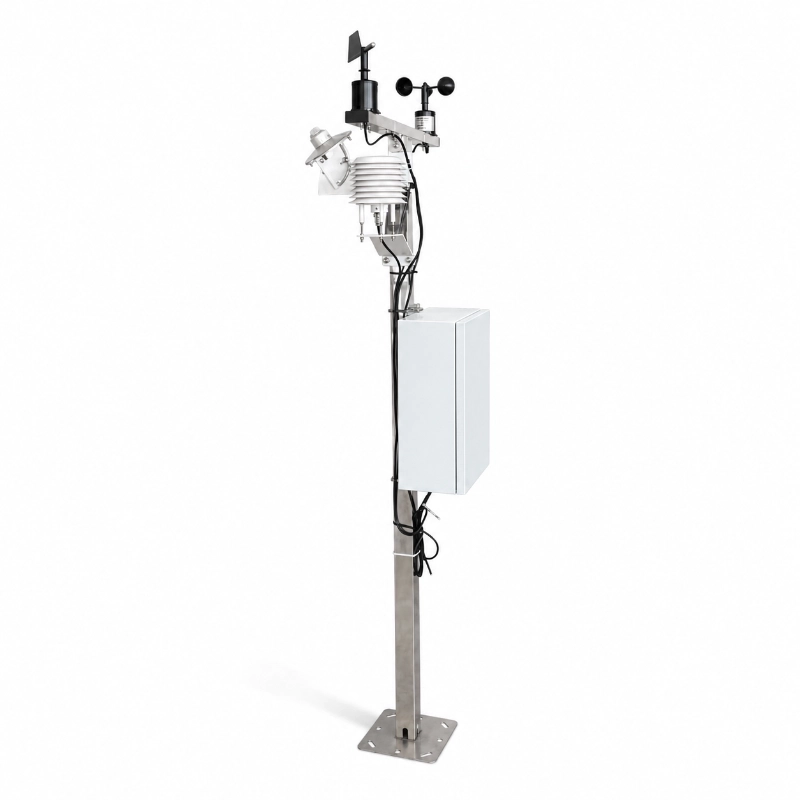
Skin health and ultraviolet researchIntegrated weather stations
FAQ
Q
1. What does this UV radiation sensor measure?
A
This sensor measures ultraviolet radiation intensity in the 280 to 400nm range, including UVA, UVB and UVAB bands.
Q
2. What output options are available?
A
The sensor supports 0 to 20mV, 4 to 20mA, and RS485 output options, making it suitable for many monitoring systems.
Q
3. What is the response time of the sensor?
A
The response time is 10 seconds or less, allowing fast and reliable UV radiation monitoring.
Q
4. Can JW-IoT Automation UV radiation sensor be integrated into an existing RS485 network?
A
Yes. JW-IoT Automation UV radiation sensor features a built-in RS485 output module, so it can be integrated directly into an RS485 network without an external converter.
Q
5. What environments is this sensor suitable for?
A
It is ideal for meteorological monitoring, environmental monitoring, outdoor safety assessment, agricultural monitoring, and scientific research.
Q
6. What is the working temperature range?
A
The sensor operates in temperatures from -40 to 80°C and can work in 0% to 100% RH humidity conditions.
Q
7. Why choose a JW-IoT Automation UV sensor for long term monitoring?
A
The JW-IoT Automation UV sensor offers annual stability of ≤±2%, temperature error ≤2%, and reliable thermopile sensing technology for long-term field deployment.
Q
8. Does this product support both analog and digital output?
A
Yes. It supports both analog outputs such as 0 to 20mV and 4 to 20mA, as well as digital RS485 output.
Q
9. Is JW-IoT Automation TBQ UV series suitable for weather stations?
A
Yes. JW-IoT Automation TBQ UV series is suitable for integration into meteorological stations and environmental monitoring systems because of its stable performance, fast response, and flexible communication options.
 +86 13520127780
  info@jingelway.com