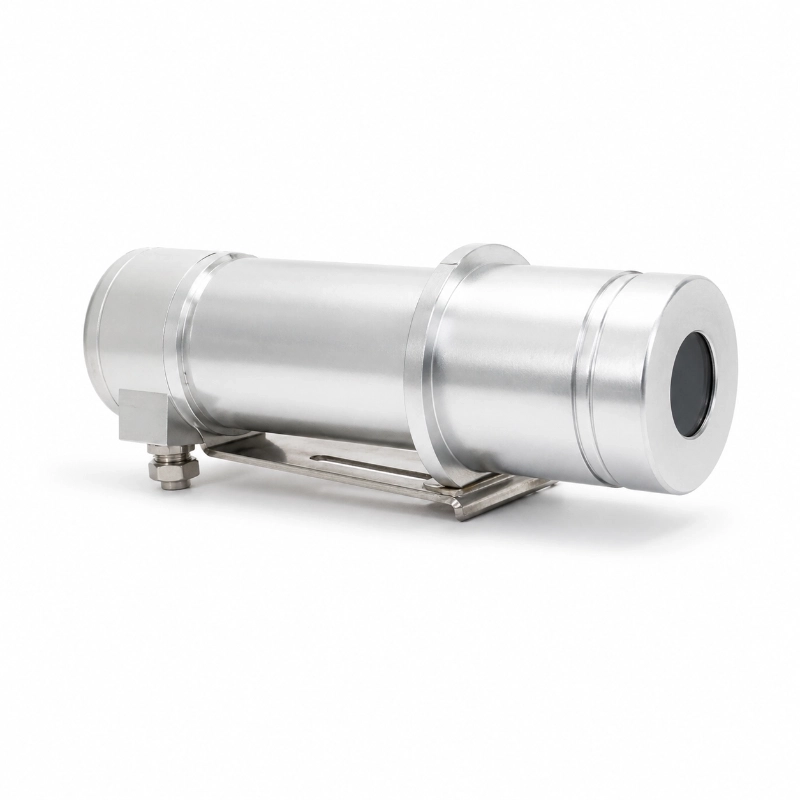
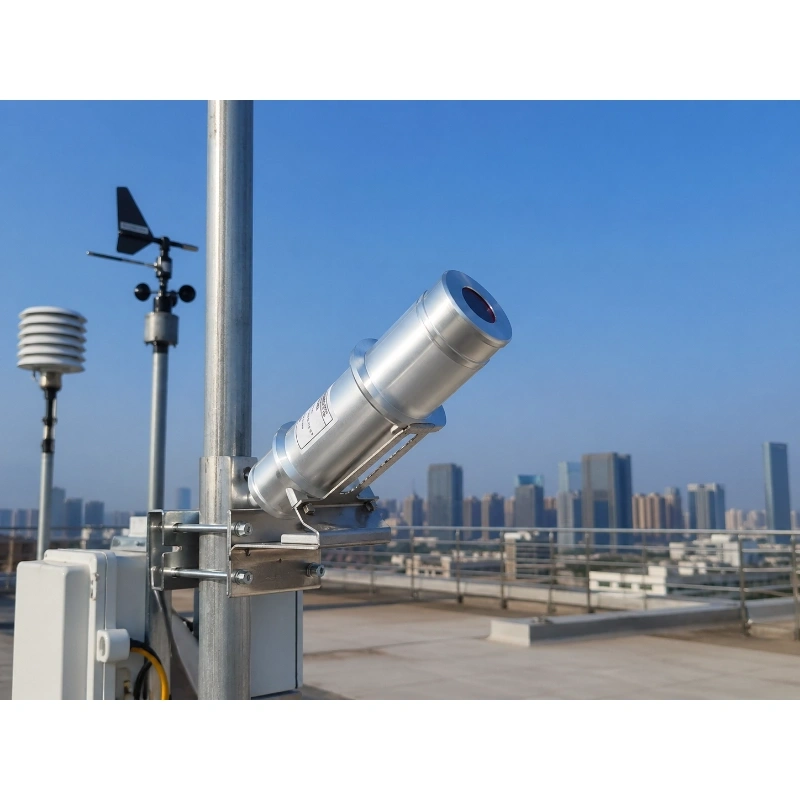
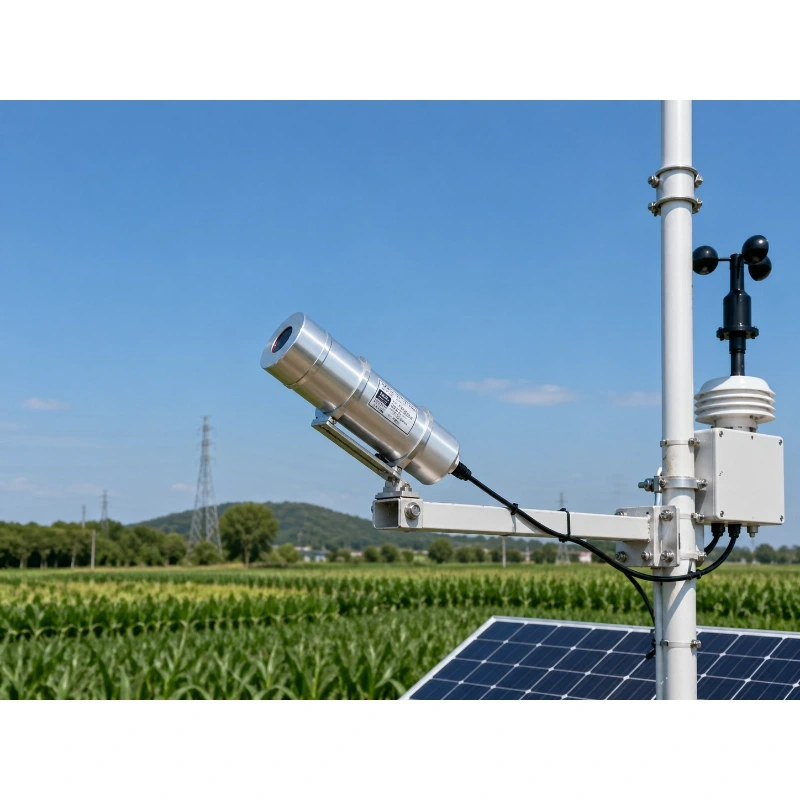
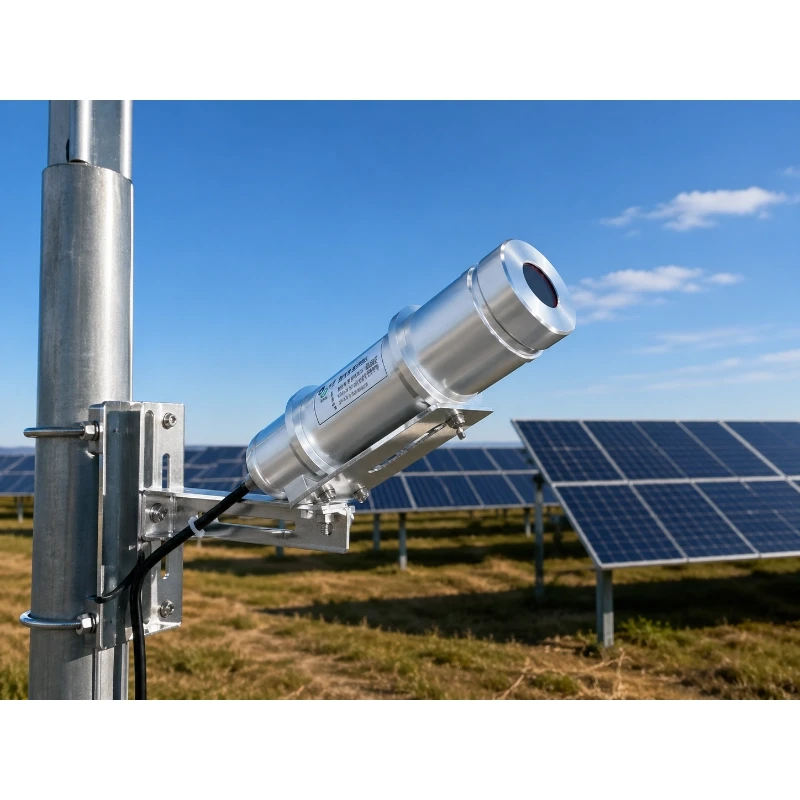
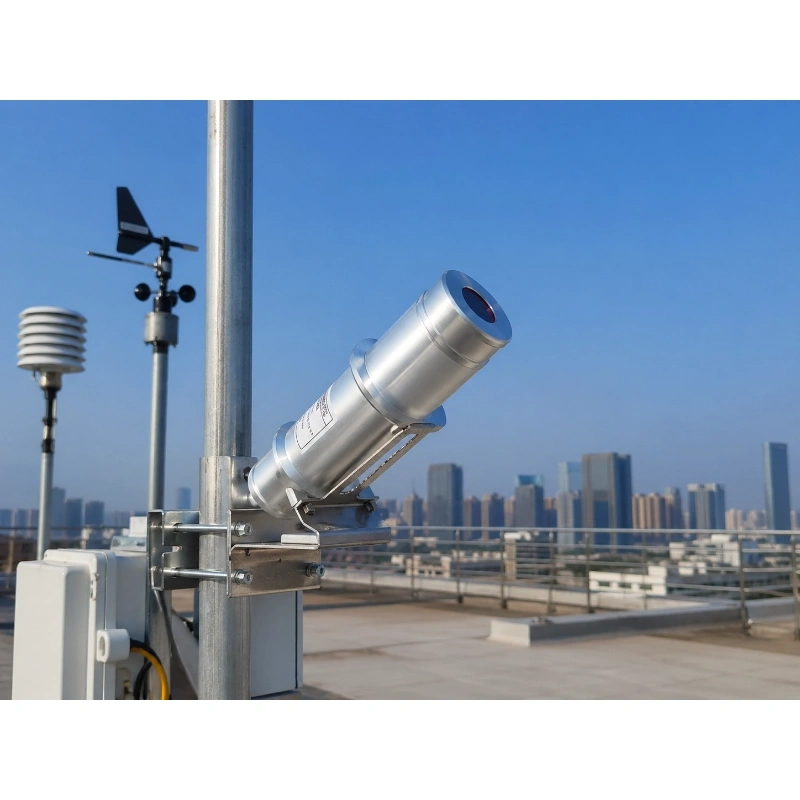
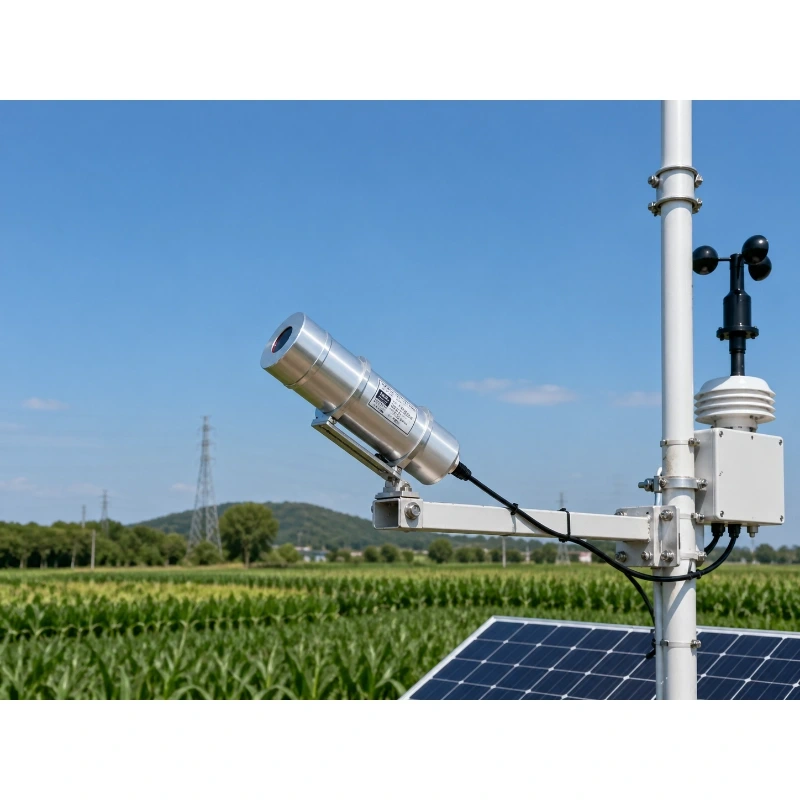
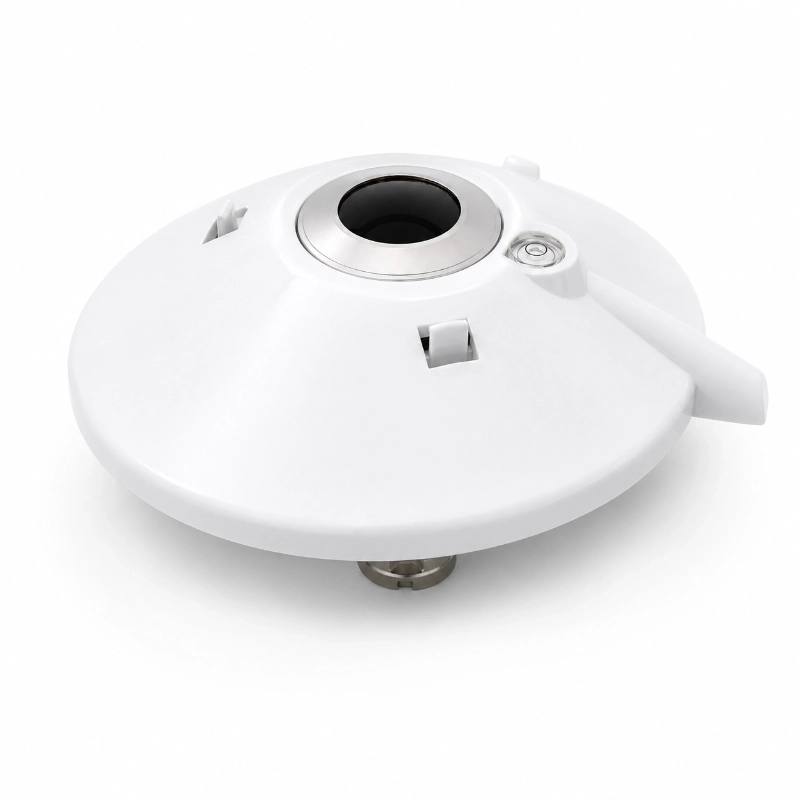
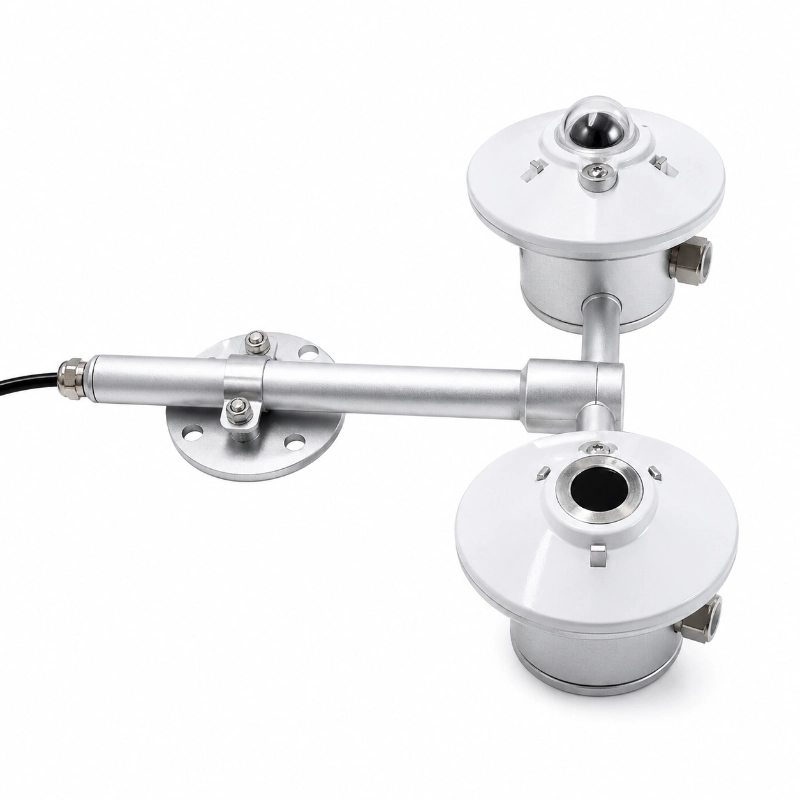
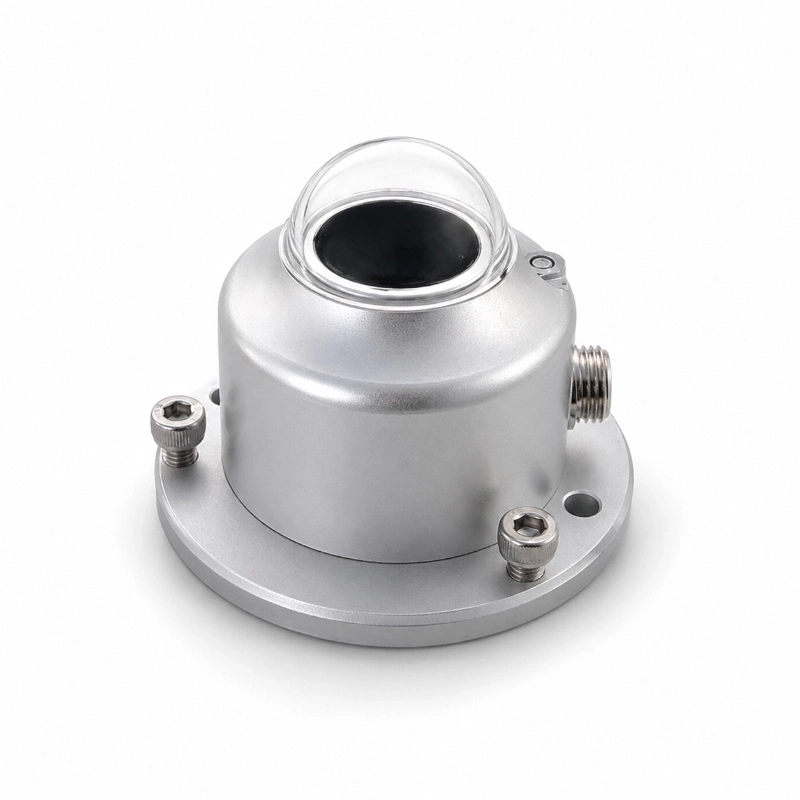
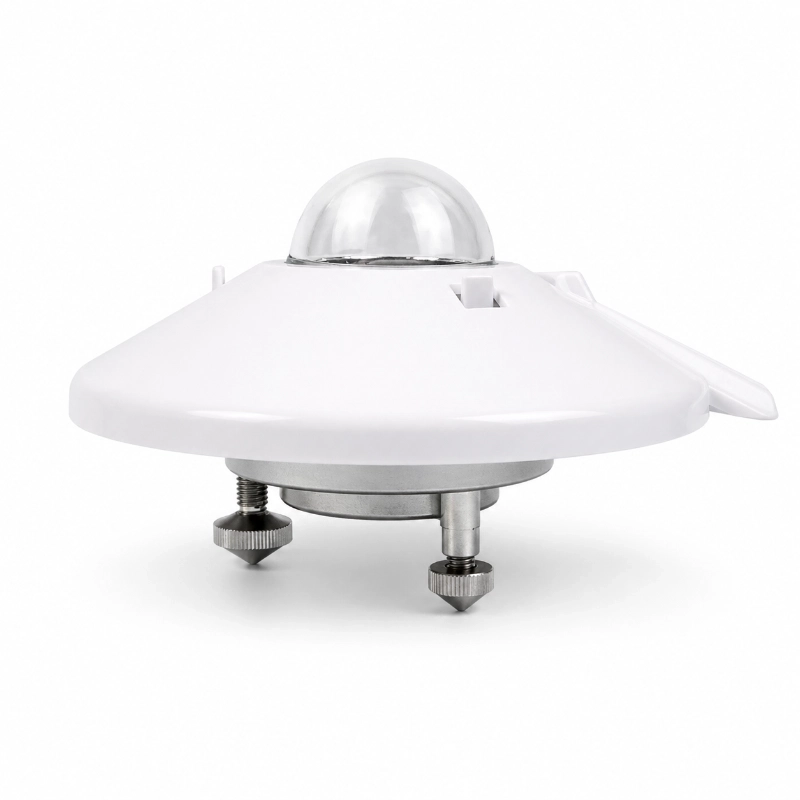
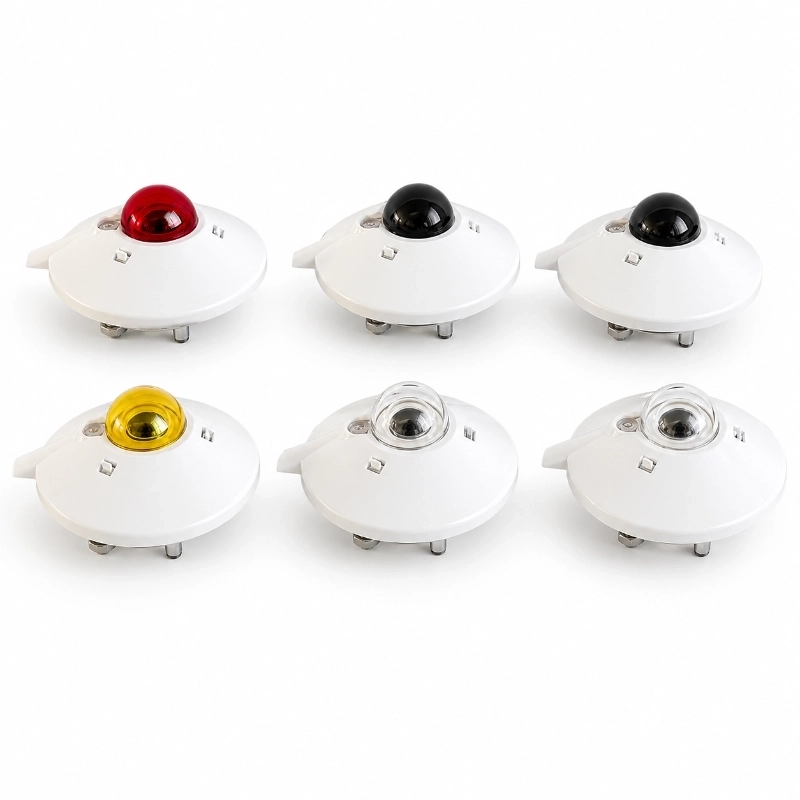
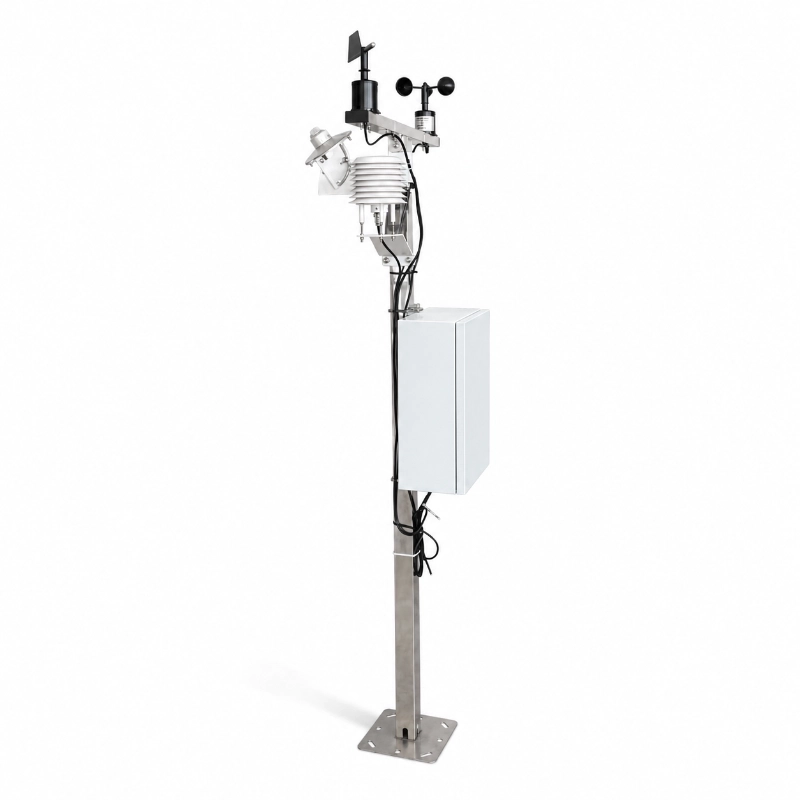
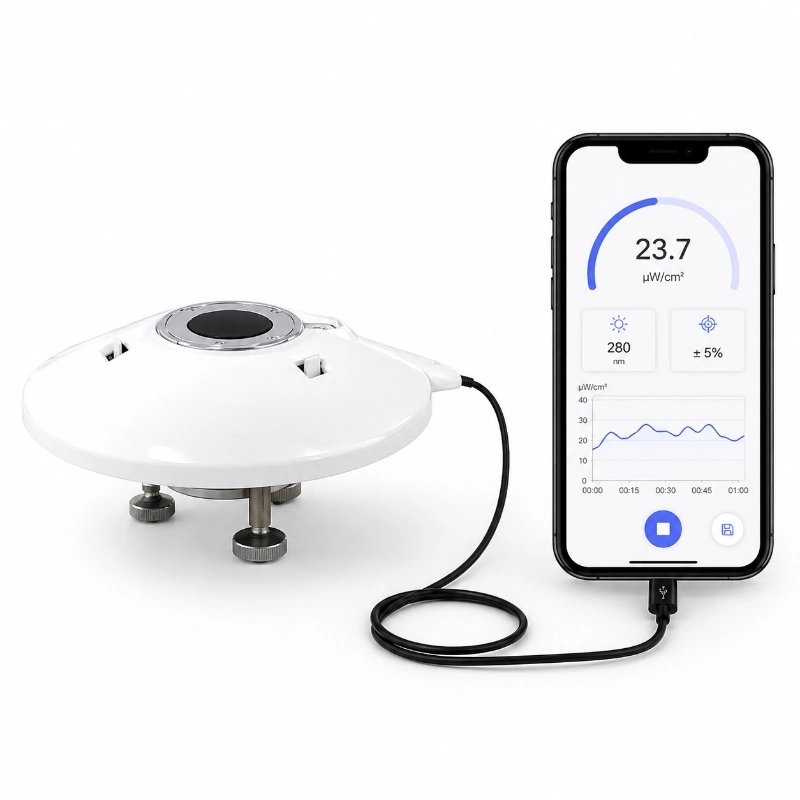
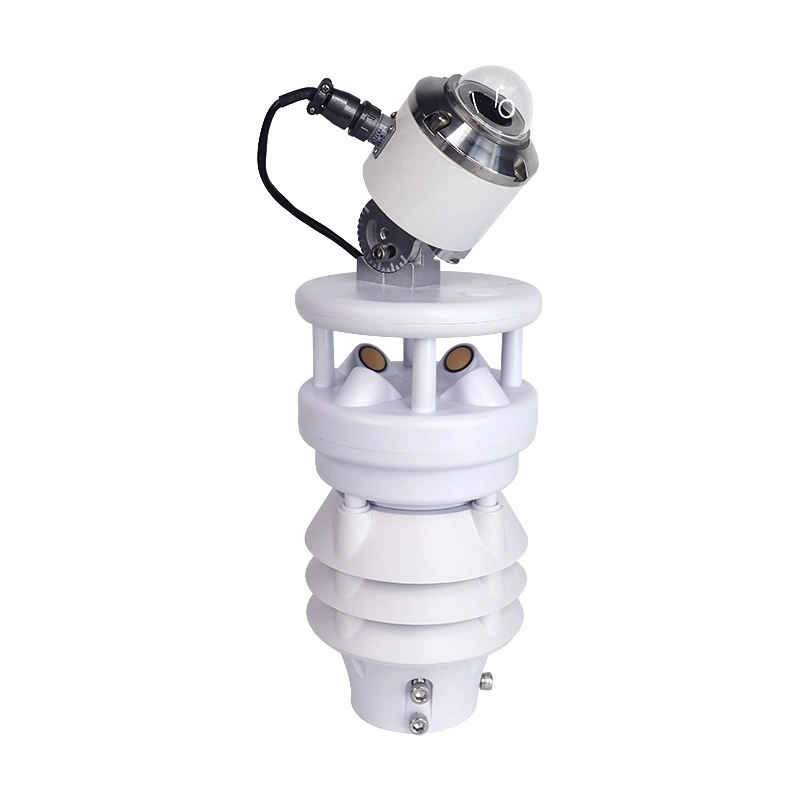
JW-TBS-2L(LC20) Direct Solar Radiation Sensor is a high-precision instrument designed to measure direct solar irradiance with excellent stability and fast response. Built with advanced thermopile sensing technology, it is ideal for photovoltaic systems, solar resource assessment, meteorological observation, environmental monitoring, and scientific research. With multiple output options including 0–20 mV, 4–20 mA, and RS485, the sensor is easy to integrate into modern monitoring systems.
2. Product Overview
JW-TBS-2L(LC20) Direct Solar Radiation Sensor is engineered for accurate measurement of direct solar radiation. It is specially developed for applications where stable and reliable solar irradiance data is essential, such as photovoltaic power stations, meteorological stations, agricultural climate studies, and environmental monitoring projects.
Using an advanced thermopile sensing principle and optimized internal design, the TBS-2L offers high sensitivity, excellent measurement consistency, and strong long-term stability. Its fast response and wide spectral range make it suitable for professional solar measurement tasks in demanding outdoor environments.
This direct radiation sensor supports 0–20 mV, 4–20 mA, and RS485 outputs, giving users flexible options for data acquisition, control systems, and remote monitoring platforms. Whether for solar energy performance analysis or weather-related research, the TBS-2L provides dependable and precise direct solar radiation data.
Parameter
Specification
Product Name
Direct Solar Radiation Sensor
Model No.
JW-TBS-2L(LC20)
Spectral Range
285–3000 nm
Measurement Range
0–4000 W/m²
Measurement Accuracy
< 1%
Sensitivity
7–14 μV/W·m²
Time Constant
≤ 5 s 99%
Aperture Angle
4°
Annual Stability
±1% sensitivity change rate
Internal Resistance
10–30 Ω
Power Supply
9–30 V DC
Output Options
0–20 mV 4–20 mA RS485
Operating Temperature
-40 to 70°C
Operating Humidity
0–100% RH
Standard Cable Length
3 m
Weight
0.5 kg excluding cable
3. Output Options and Communication
The TBS-2L Direct Solar Radiation Sensor is designed for flexible system integration and supports multiple signal output options to meet different project requirements.
0–20 mV Output Suitable for traditional radiation measurement systems and precision analog signal acquisition.
4–20 mA Output Ideal for industrial control systems, long-distance transmission, and applications requiring strong anti-interference performance.
RS485 Output Enables convenient digital communication and supports integration into automated monitoring systems, data loggers, PLCs, and remote telemetry platforms.
These output options make the TBS-2L a practical choice for solar farms, weather stations, research institutions, and industrial monitoring projects.
4. Application Scenarios
Photovoltaic power plant monitoring
Solar resource assessment
Meteorological observation stations
Agricultural meteorology
Climate and environmental monitoring
Scientific research
Solar energy system performance analysis
Outdoor radiation measurement projects
FAQ
Q
1. What is the TBS-2L Direct Solar Radiation Sensor used for?
A
The TBS-2L is used to measure direct solar radiation accurately. It is widely used in photovoltaic monitoring, solar energy assessment, meteorological observation, and environmental monitoring.
Q
2. What output signals does the sensor support?
A
The sensor supports 0–20 mV, 4–20 mA, and RS485 outputs, making it suitable for both analog and digital monitoring systems.
Q
3. Is JW-IoT direct solar radiation sensor suitable for solar power plants?
A
Yes. JW-IoT direct solar radiation sensor is well suited for solar power plants, where accurate direct irradiance data is needed for performance analysis and system optimization.
Q
4. What is the spectral range of this sensor?
A
The spectral range is 285–3000 nm, which allows the sensor to measure solar radiation effectively across a broad wavelength range.
Q
5. Can TBS-2L sensor be integrated with RS485 monitoring systems?
A
Yes. TBS-2L sensor supports RS485 communication, which makes it easy to integrate with data loggers, controllers, and remote monitoring systems.
Q
6. What is the measurement range of the TBS-2L?
A
The measurement range is 0–4000 W/m², making it suitable for outdoor solar radiation measurement in demanding applications.
Q
7. Is this direct radiation sensor suitable for outdoor environments?
A
Yes. It is designed for outdoor use and operates reliably in temperatures from -40°C to 70°C and humidity levels from 0–100% RH.
Q
8. Why choose a direct radiation sensor for meteorological monitoring?
A
A direct radiation sensor offers high precision, fast response, stable performance, and flexible output options, making it a practical choice for meteorological and solar monitoring projects.
Q
9. What is the response time of the sensor?
A
The TBS-2L features a ≤5 second time constant at 99%, enabling fast response to changing solar conditions.
Q
10. Can this sensor be used in agricultural and environmental projects?
A
Yes. The TBS-2L can be used in agricultural meteorology, environmental monitoring, and scientific research, where accurate solar radiation measurement is important.
Q
11. Does the TBS-2L support long-term monitoring?
A
Yes. The TBS-2L is designed for long-term outdoor monitoring with strong annual stability and durable construction.
Q
12. What makes this sensor suitable for PV monitoring?
A
Its high accuracy, fast response, broad spectral range, and flexible outputs make it an excellent choice for photovoltaic monitoring and solar resource analysis.
 +86 13520127780
  info@jingelway.com