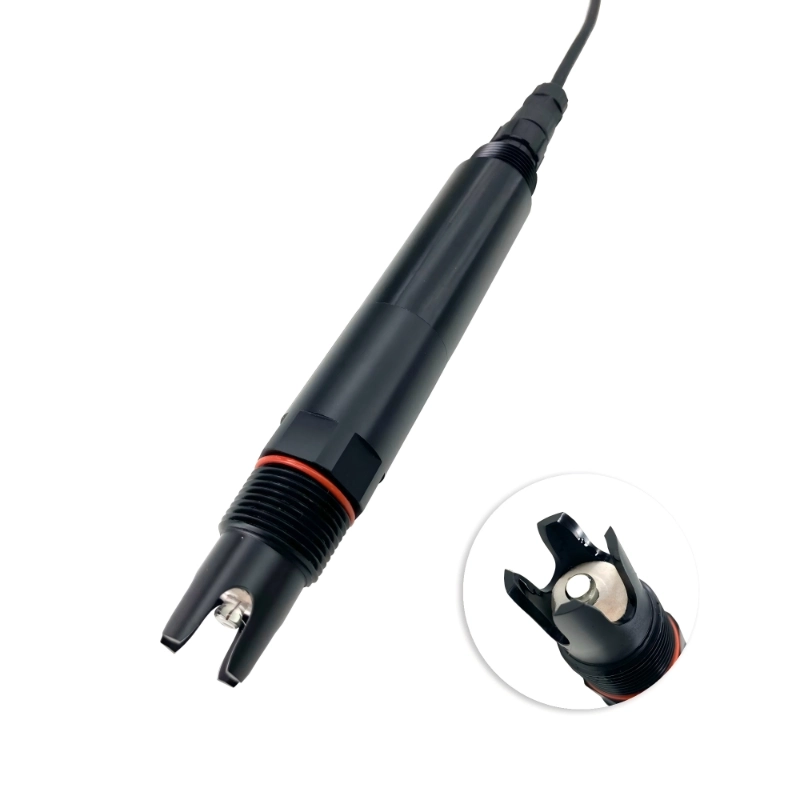
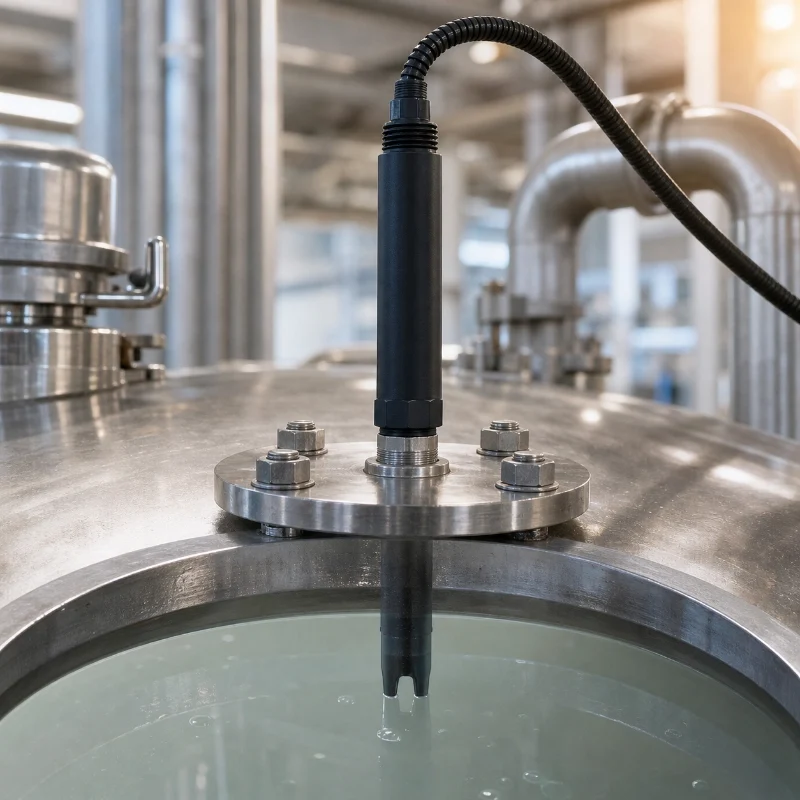
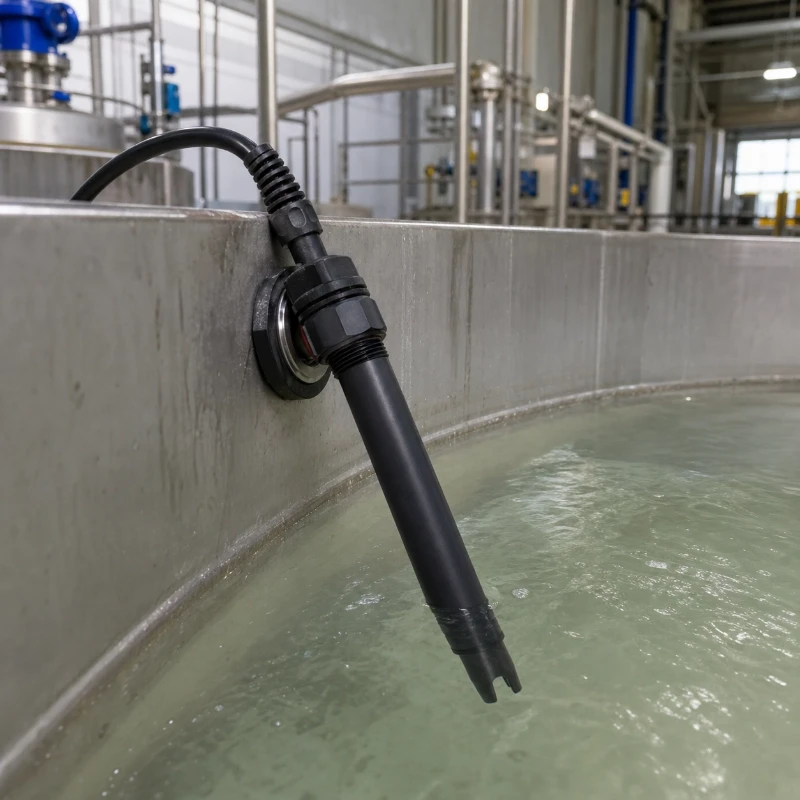
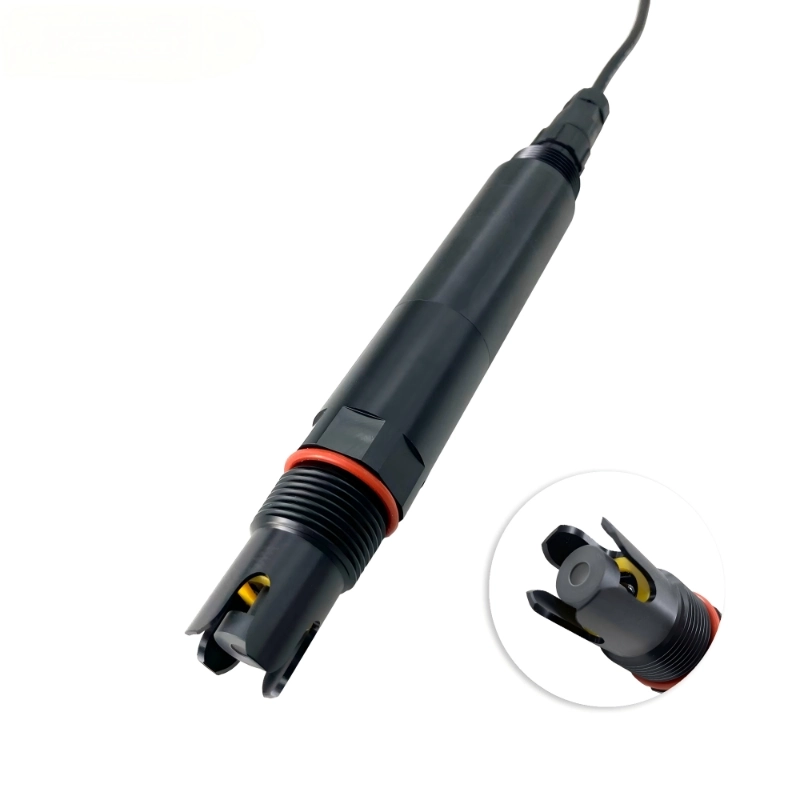
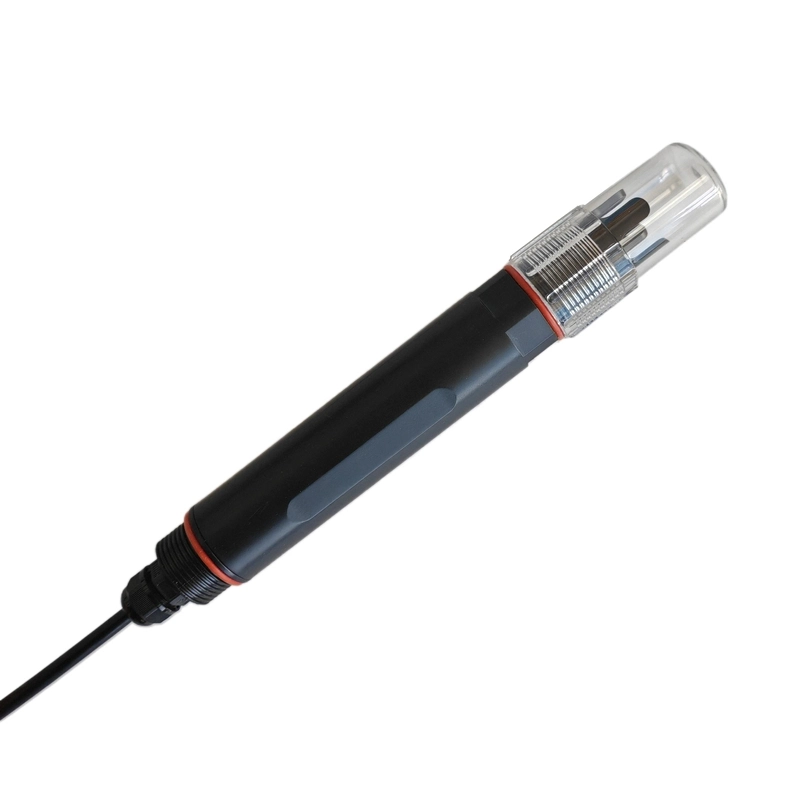
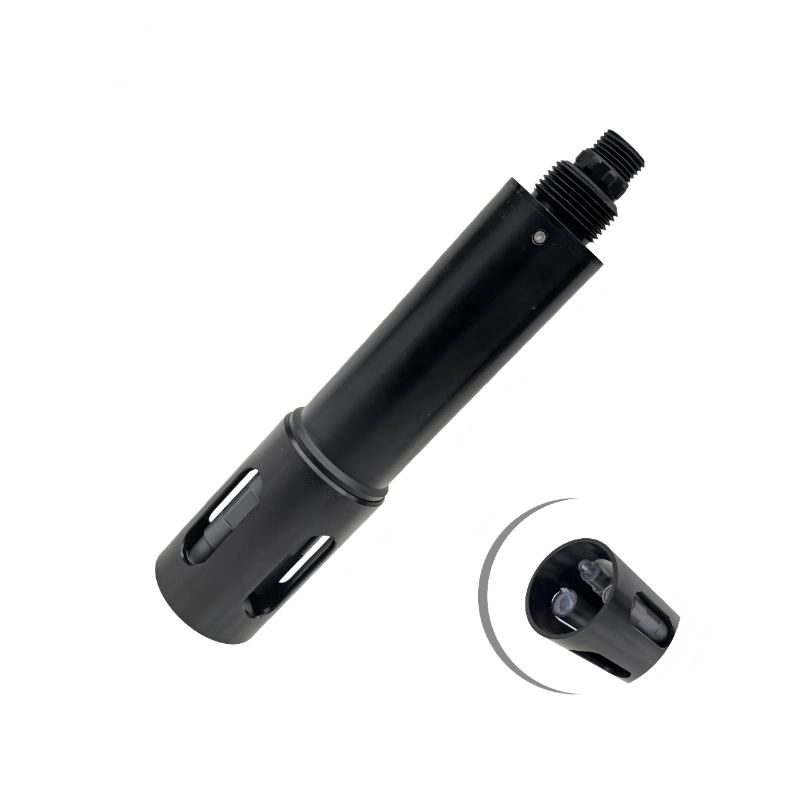
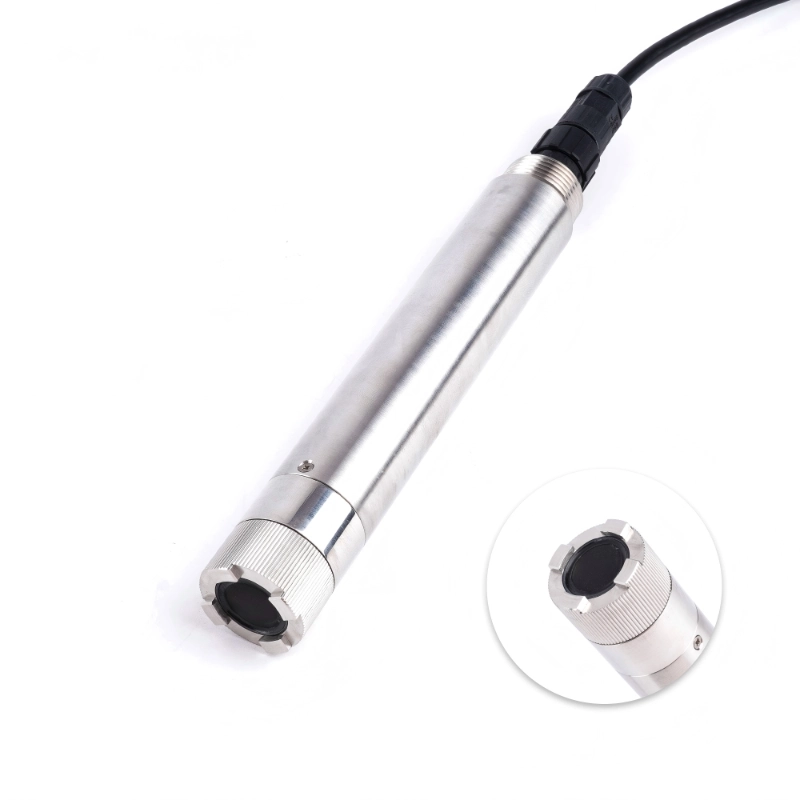
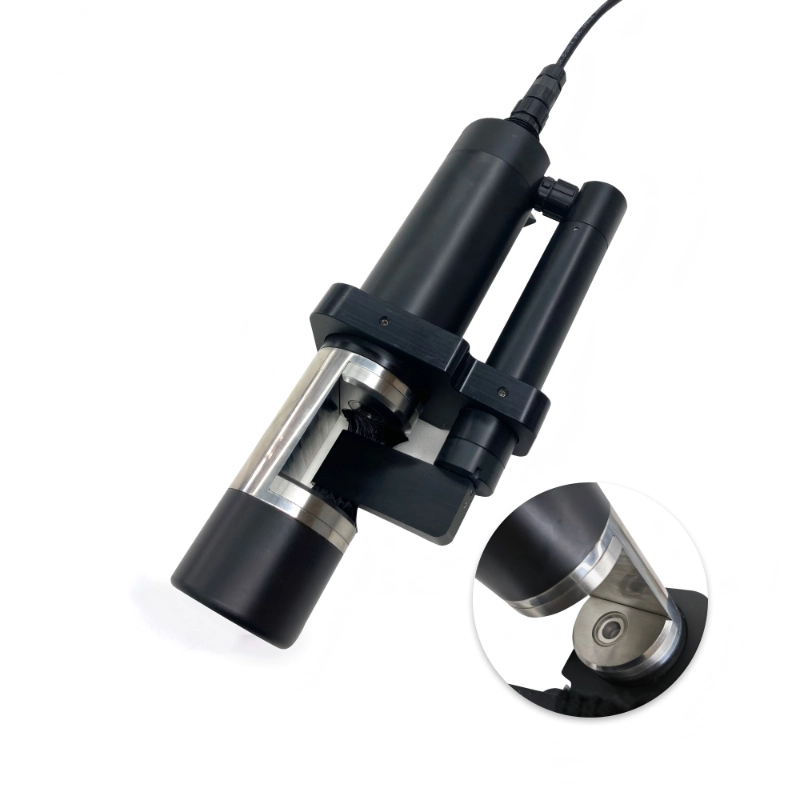
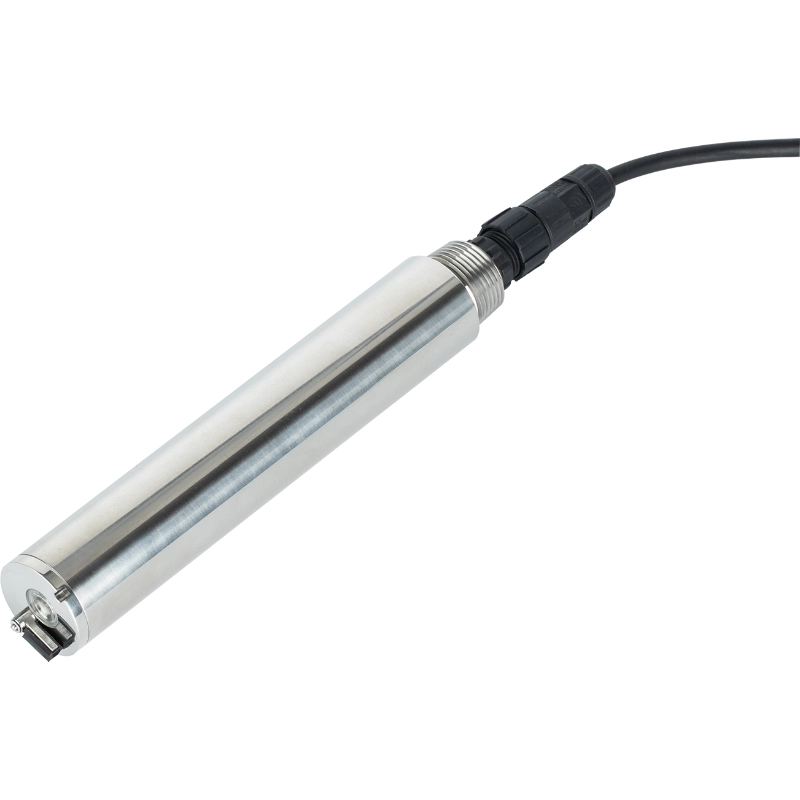
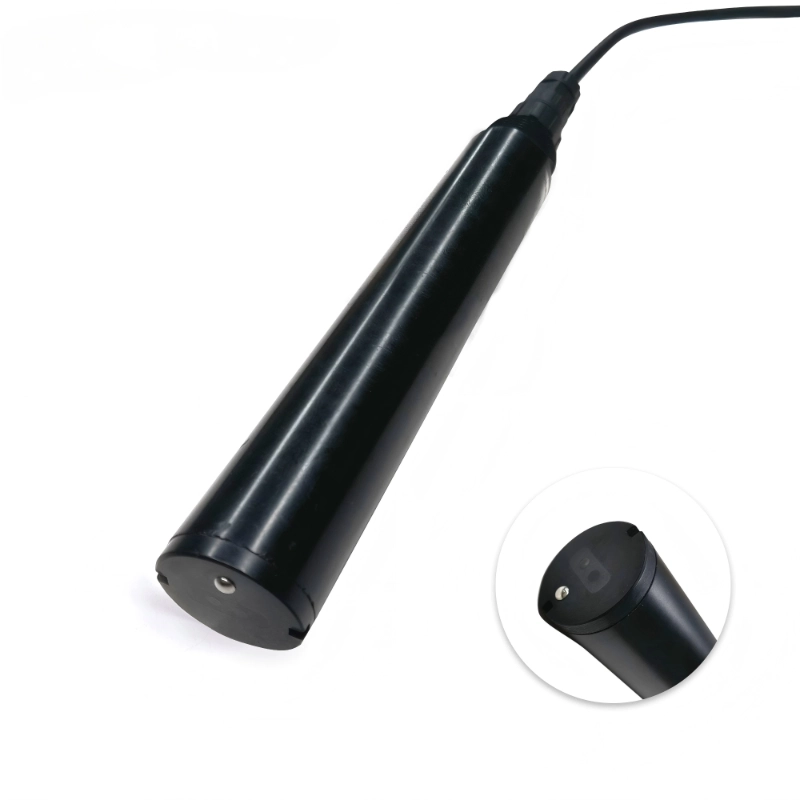
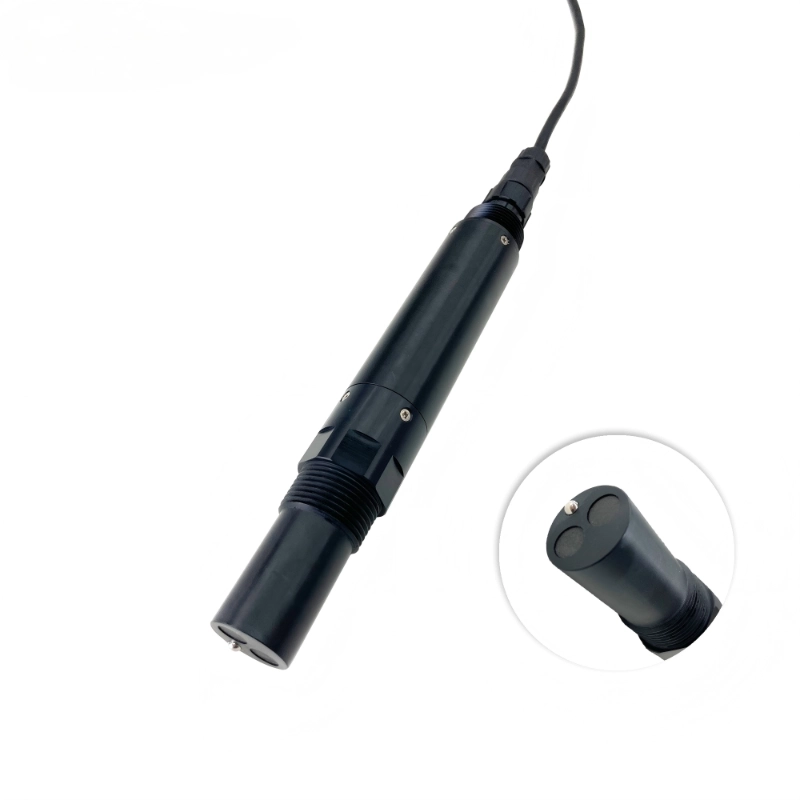
JW-ORP-206(K13) Online ORP Sensor is designed for continuous oxidation reduction potential monitoring in environmental water quality, industrial process water, chemical reaction systems, acid and alkaline solutions, salt solutions, tanks, pipelines, and smart water monitoring projects. With platinum electrode measurement, RS485 Modbus RTU output, fast response, strong anti interference performance, and IP68 protection, it provides reliable ORP data for industrial automation and online water quality control.
2. Product Overview
JW-ORP-206(K13) Online ORP Sensor is built for continuous oxidation reduction potential monitoring in industrial and environmental water applications. It uses a platinum electrode method to measure ORP values from -1500 to +1500 mV, helping users understand oxidation or reduction conditions in water treatment, chemical process control, disinfection, and environmental monitoring.
The sensor supports RS485 Modbus RTU communication, making it easy to connect with PLCs, DCS systems, industrial control computers, general controllers, paperless recorders, touch screens, RTUs, telemetry terminals, and IoT monitoring platforms. The 3/4 NPT thread allows flexible installation in submerged applications, tanks, pipelines, top flanges, side walls, and flow through assemblies.
Item
Specification
Product Type
Online ORP Sensor
Model
ORP-206
Measurement Principle
Platinum electrode method
Measuring Range
-1500 to +1500 mV
Resolution
1 mV
Accuracy
±20 mV
Response Time
T90 less than 30 s
Calibration
One point calibration
Temperature Compensation
Not required
Output
RS485 Modbus RTU
Storage Temperature
-5°C to 65°C
Working Temperature
0°C to 50°C
Working Pressure
≤0.2 MPa
Housing Material
ABS and PC alloy
Installation
Immersion installation 3/4 NPT pipe thread
Power Supply
12–24V DC
Power Consumption
0.2W at 12V
Protection Grade
IP68
Cable Length
Standard 5 m customizable
Connector
M16 5 pin waterproof male connector
3. Application Scenarios
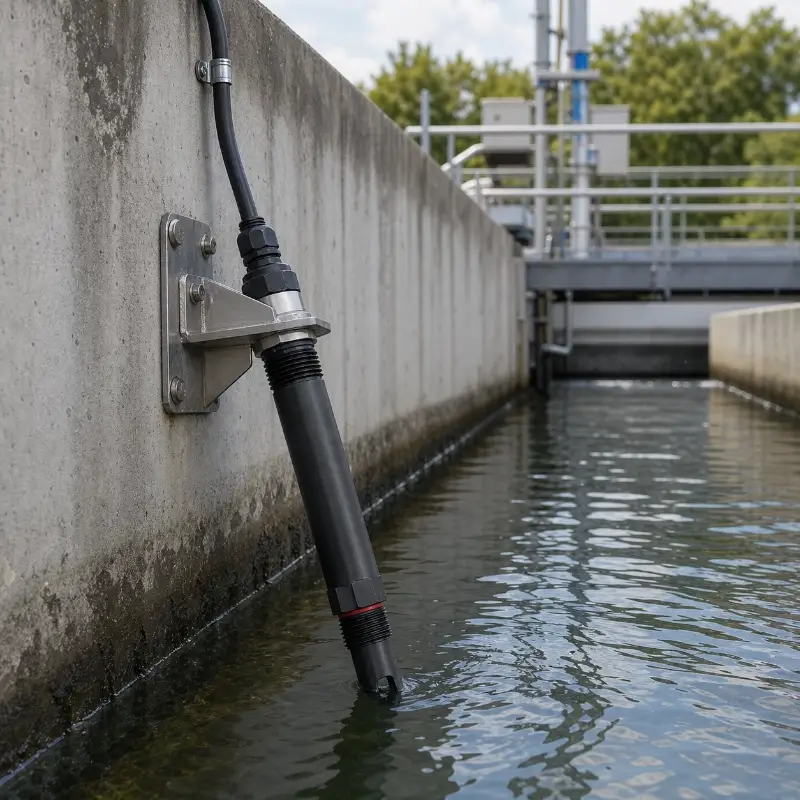
Environmental Water Quality Monitoring: Suitable for rivers, lakes, reservoirs, drainage channels, surface water stations, and environmental monitoring systems where ORP trends help evaluate water chemistry changes.
Industrial Process Water: The sensor can be used in industrial water treatment, recycling water, cooling water, process water, and wastewater control systems to monitor oxidation reduction potential continuously.
Chemical Reaction Processes: It supports ORP monitoring in chemical reaction processes, dosing systems, oxidation reduction reactions, acid alkaline solutions, and salt solution treatment.
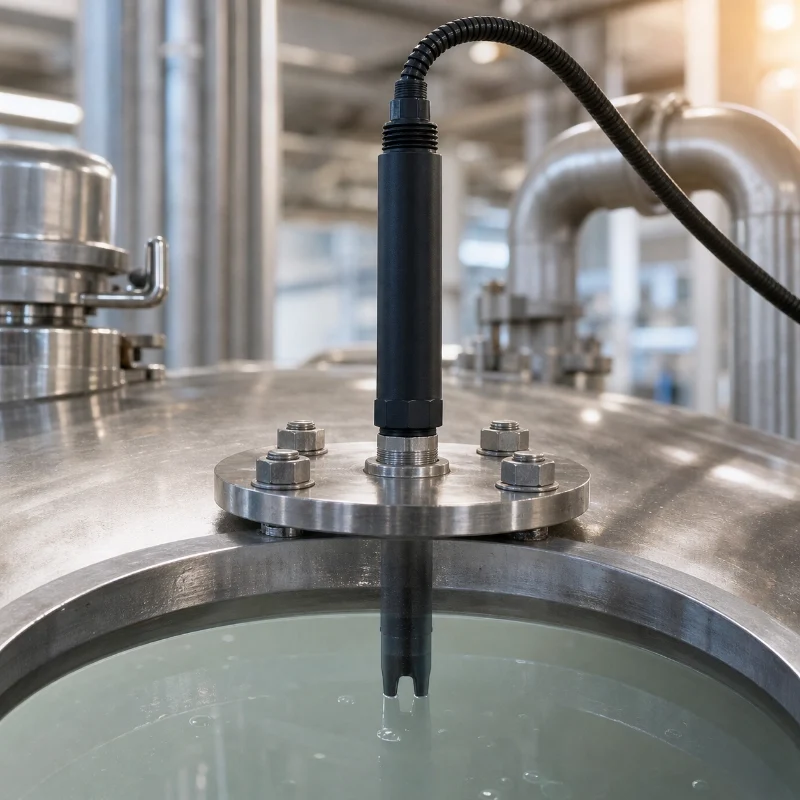
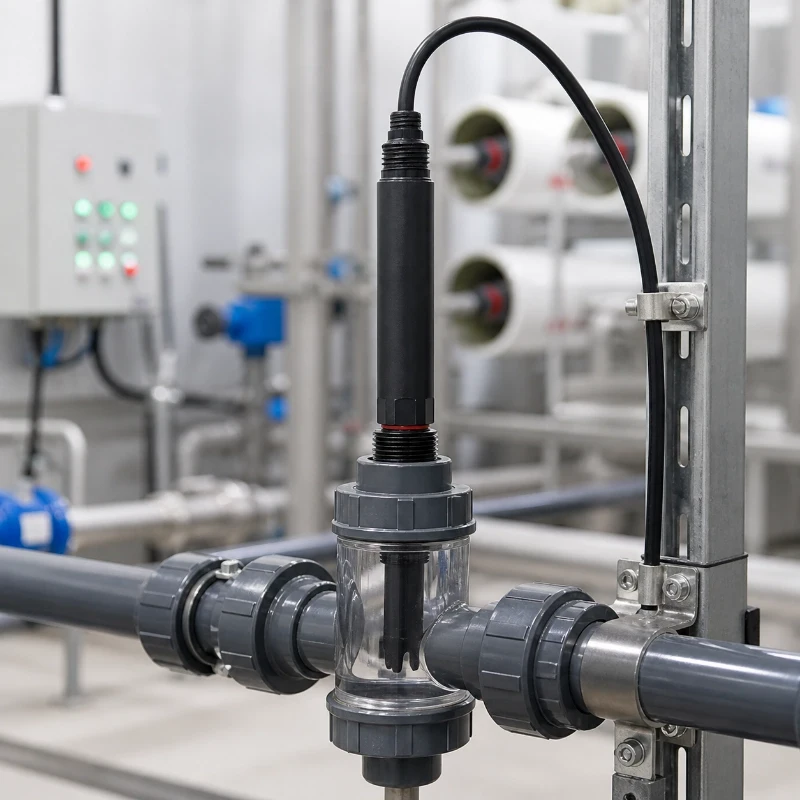
Tanks and Pipelines: With a 3/4 NPT pipe thread, the sensor can be installed in tanks, pipelines, flow cells, top flanges, side wall mounting structures, and submerged monitoring points.
Smart Water IoT Systems: The RS485 Modbus RTU output allows integration with data loggers, telemetry terminals, gateways, PLCs, SCADA systems, and cloud based smart water quality platforms.
4. Installation Notes
The sensor supports submerged installation, pipeline installation, tank installation, top flange installation, side wall installation, and flow through installation. According to the installation diagram on page 5, the sensor should not be installed upside down or horizontally. It should be installed at an angle of at least 15° to ensure stable electrode performance.
Before power on, wiring order should be checked carefully to avoid damage caused by incorrect wiring. Since the cable may be immersed in water, seawater, or exposed to air for long periods, all wiring joints should be waterproofed, and the user side cable should have corrosion resistance.
5. Maintenance Guide
Before measurement, rinse the ORP electrode with distilled or deionized water and dry it with filter paper to prevent impurities from entering the measured solution. During measurement, about one third of the electrode should be inserted into the measured solution.
When the electrode is not in use, clean it and place it into a protective cap containing 3 mol/L potassium chloride solution, or store it in a container with 3 mol/L potassium chloride solution. Terminals should be kept dry and clean. If contamination is found, wipe with absolute alcohol and dry before use.
The sensor uses one point calibration. Place the sensor in prepared 86 mV, 256 mV, or -40 mV ORP standard solution, wait 3–5 minutes until the value stabilizes, and then calibrate if the displayed value is not consistent with the standard value.
FAQ
Q
1. What is an online ORP sensor used for?
A
It is used to continuously measure oxidation reduction potential in environmental water, industrial process water, chemical reactions, acid alkaline solutions, salt solutions, tanks, and pipelines.
Q
2. What is the measuring range of this ORP sensor?
A
The sensor measures from -1500 to +1500 mV with 1 mV resolution.
Q
3. Can JW-IoT integrate this ORP sensor into a smart water monitoring platform?
A
Yes. JW-IoT can integrate the sensor with RTUs, gateways, data loggers, PLCs, cloud dashboards, alarms, and remote water quality monitoring systems.
Q
4. Does the sensor support RS485 Modbus RTU?
A
Yes. It supports RS485 Modbus RTU output and can connect to PLCs, DCS systems, controllers, recorders, touch screens, and IoT platforms.
Q
5. How should this ORP sensor be installed?
A
The sensor should not be installed upside down or horizontally. It should be installed at an angle of at least 15° and can be used for submerged, tank, pipeline, side wall, top flange, or flow through installation.
Q
6. Why choose JW-IoT for ORP monitoring projects?
A
JW-IoT can provide ORP sensors, telemetry devices, power supply, data acquisition, platform integration, alarm configuration, and complete water quality monitoring solutions.
Q
7. Does the ORP sensor need calibration?
A
Yes. It supports one point calibration using 86 mV, 256 mV, or -40 mV ORP standard solution after the value stabilizes.
Q
8. How should the ORP electrode be stored when not in use?
A
The electrode should be cleaned and stored in a protective cap or container with 3 mol/L potassium chloride solution.
Q
9. Can JW-IoT support customized cable length and system integration?
A
Yes. JW-IoT can support customized cable length, RS485 Modbus integration, corrosion resistant cabling, and complete smart water quality monitoring deployment.
 +86 13520127780
  info@jingelway.com