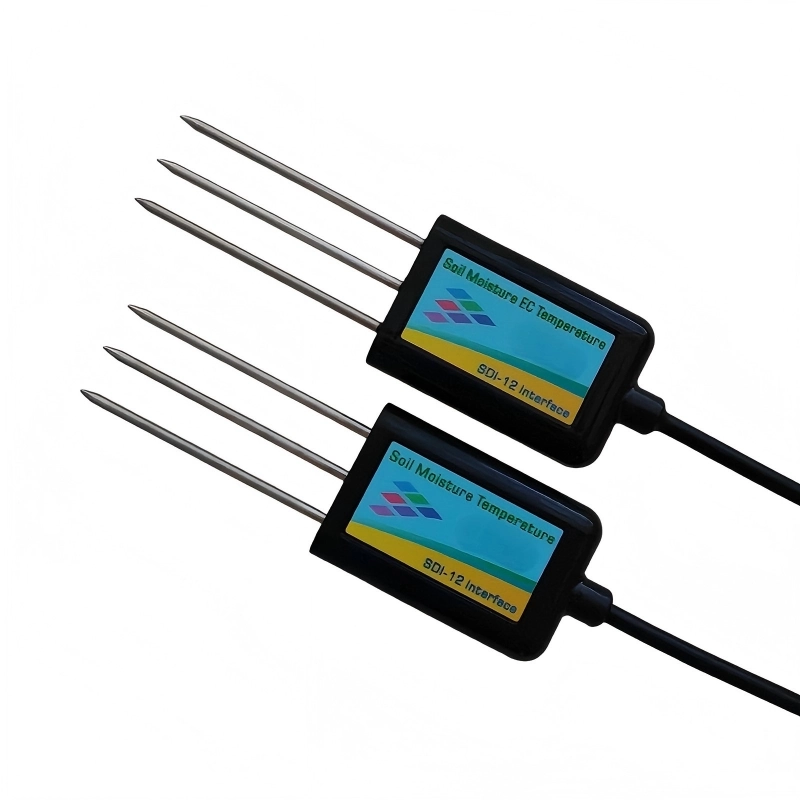
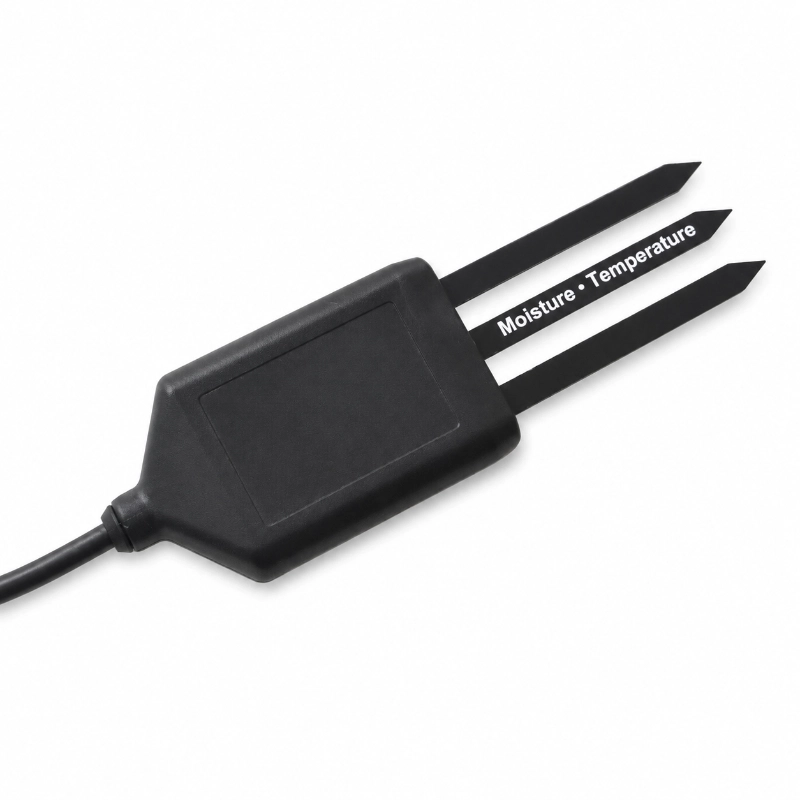
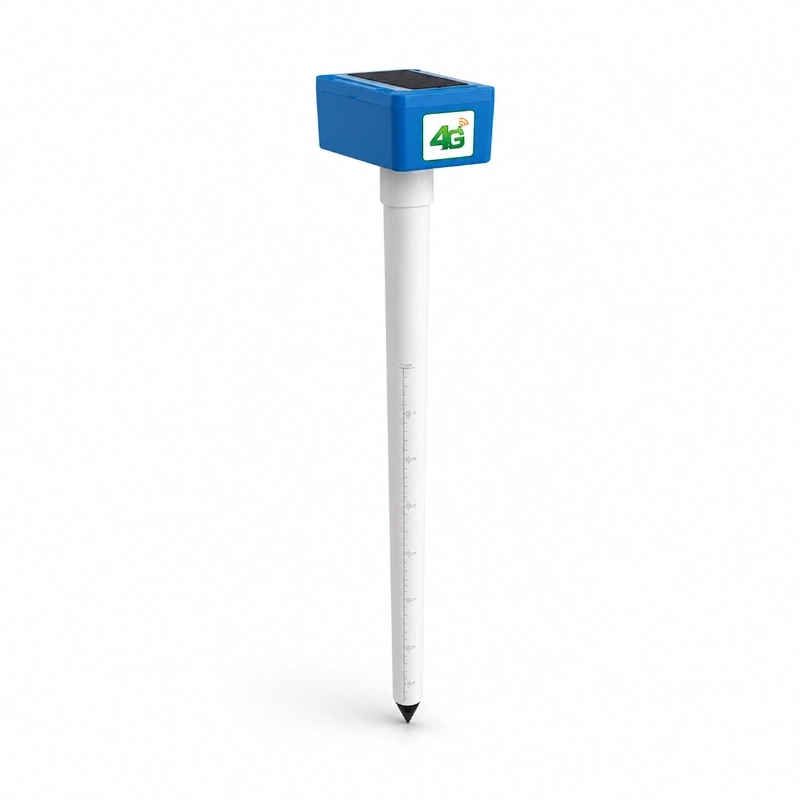
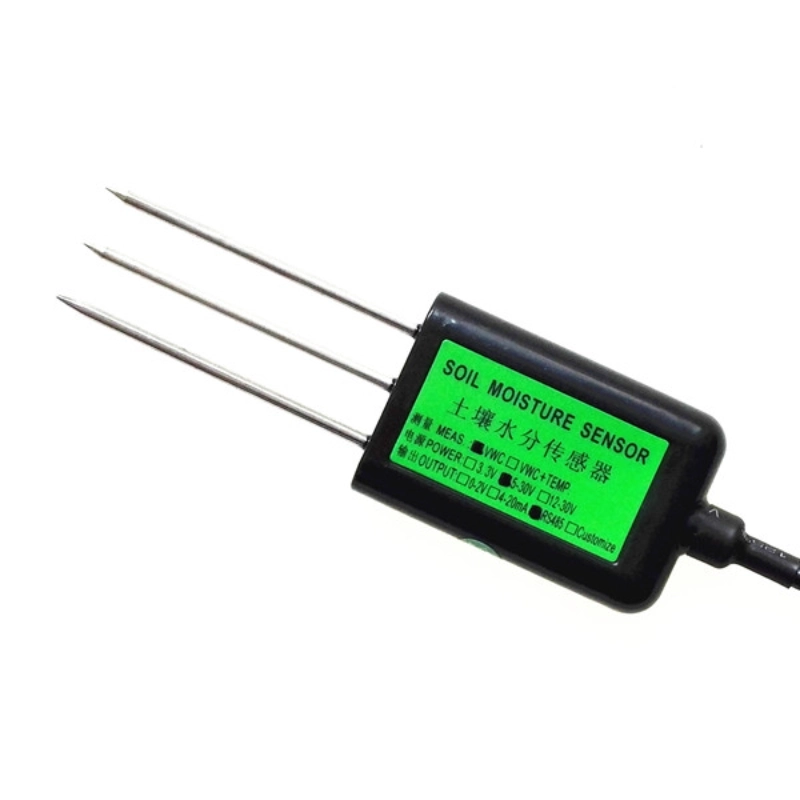
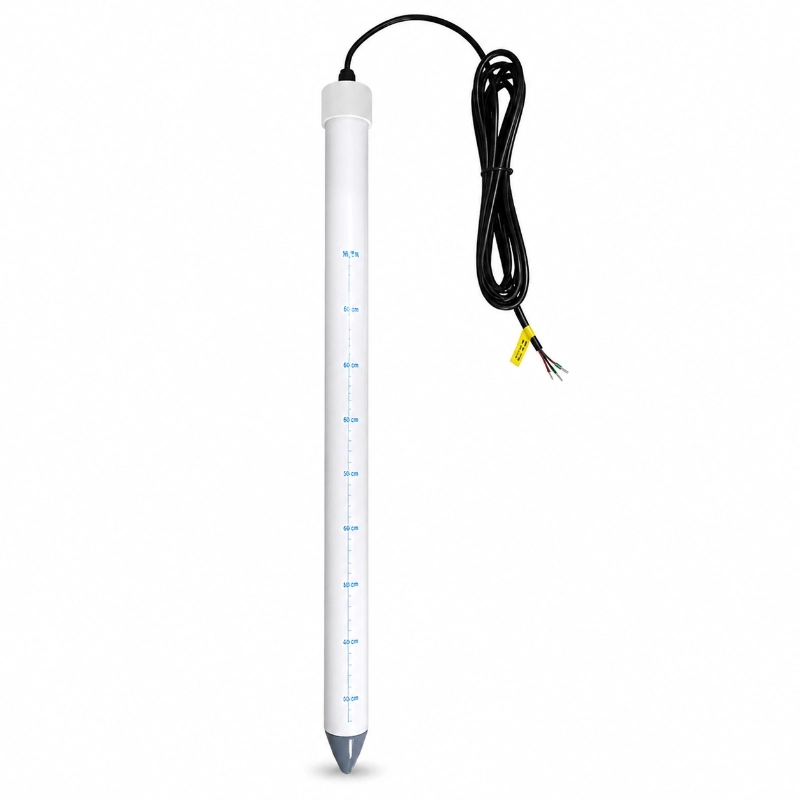
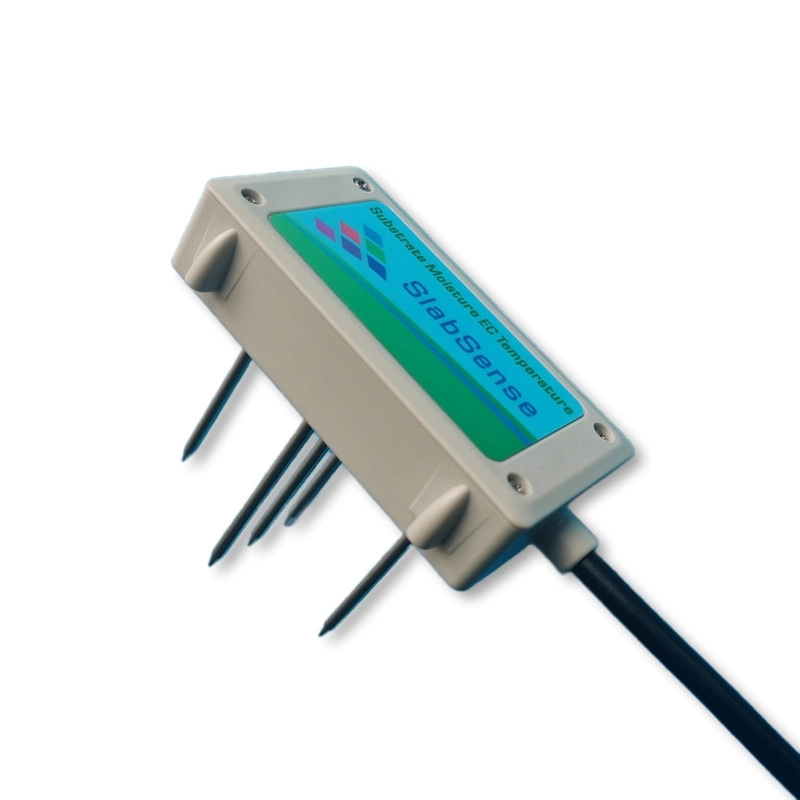
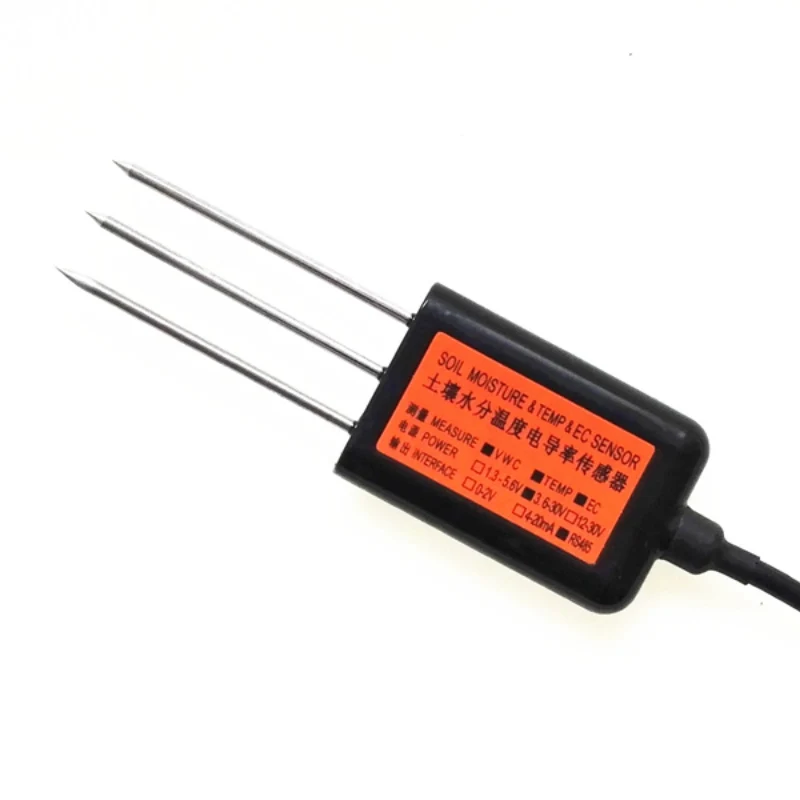
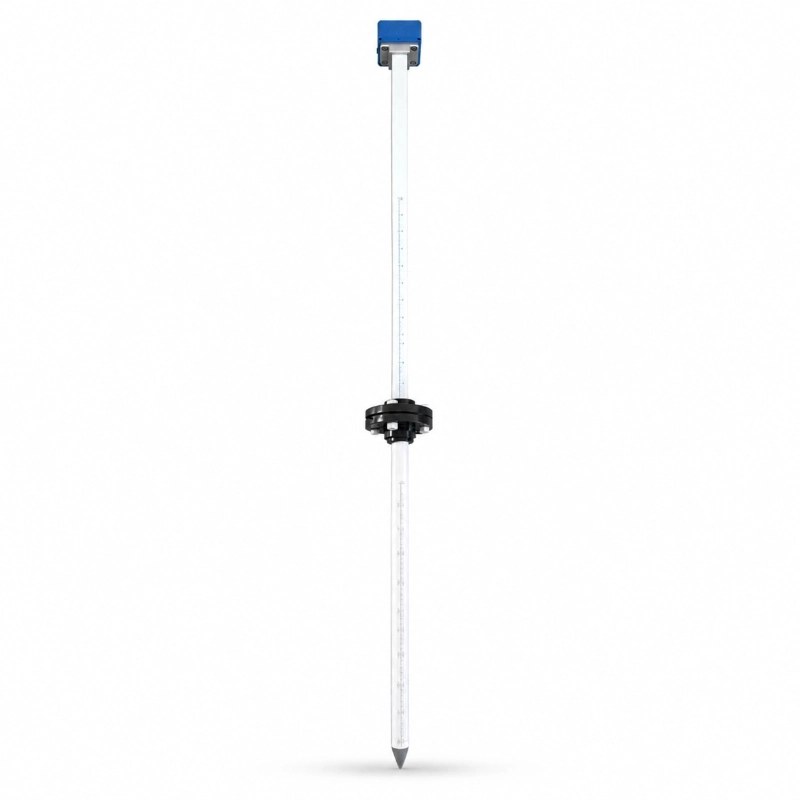
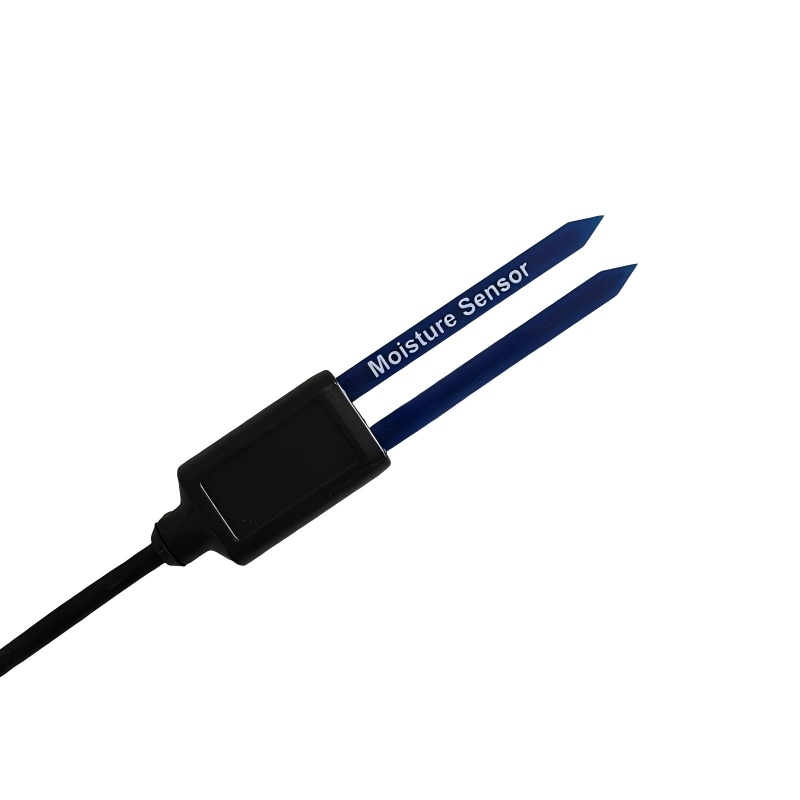
JW-S3S(Z7) Soil Moisture EC Temperature Sensor SDI-12 IP68 is designed for accurate monitoring of volumetric water content VWC, soil or substrate temperature, and bulk electrical conductivity. With a rugged epoxy resin sealed body, low power consumption, wide voltage input, and SDI-12 digital output, it is suitable for greenhouse irrigation, hydroponics, horticulture, smart agriculture, scientific research, and substrate water balance monitoring.
2. Product Overview
The Soil Moisture EC Temperature Sensor SDI12 IP68 is a professional digital probe for monitoring soil and growing substrate conditions. It provides three key parameters for crop management: volumetric water content, temperature, and electrical conductivity. These measurements help growers understand root zone moisture status, substrate salinity, irrigation timing, and fertilizer movement.
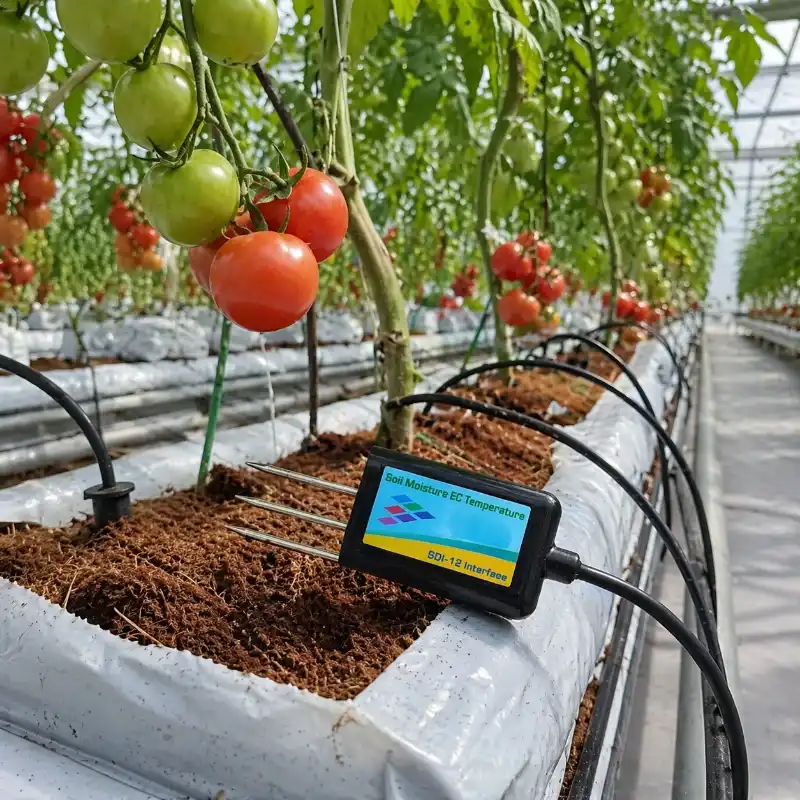
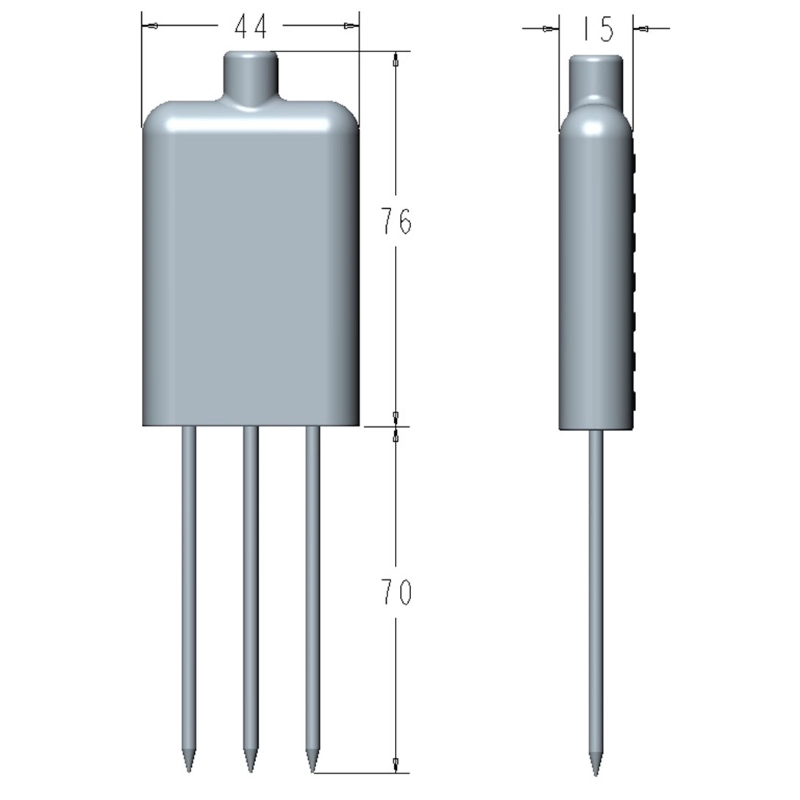
The sensor can be directly inserted into soil, potting substrate, rockwool, perlite, coco coir, or other growing media. Its stainless steel probe structure ensures good contact with the medium, while the epoxy resin sealed body improves durability in humid, wet, and corrosive agricultural environments.
With SDI-12 communication, the sensor is suitable for connection to data loggers, RTUs, irrigation controllers, LoRaWAN nodes, 4G gateways, and smart agriculture platforms.
The Soil Moisture EC Temperature Sensor supports SDI-12 V1.3 digital output, making it easy to connect with professional data loggers, RTUs, irrigation controllers, and IoT monitoring terminals. SDI-12 communication is widely used in environmental monitoring and smart agriculture systems because it supports stable digital data transmission, low power operation, and multi-sensor field deployment.
Communication Advantages
SDI-12 digital output for stable and accurate data transmission
Suitable for low power and battery powered monitoring systems
Easy integration with field data loggers and smart agriculture platforms
Supports soil and substrate monitoring networks with multiple sensors
Compatible with irrigation automation and greenhouse monitoring systems
Ideal for LoRaWAN, 4G, NB-IoT, and solar powered IoT terminals
5. Application Scenarios
Greenhouse Monitoring
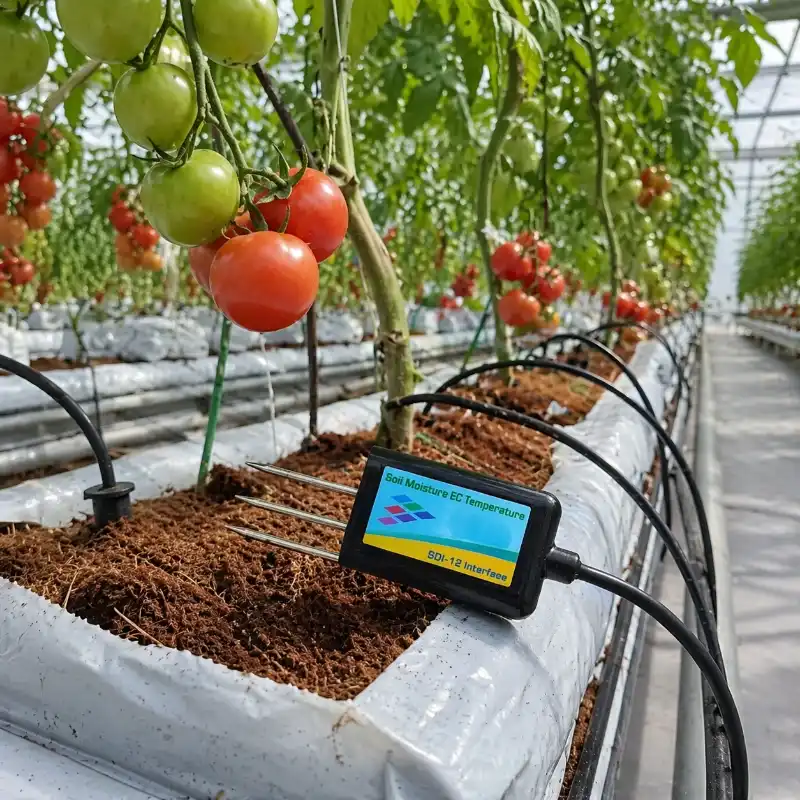
Used in commercial greenhouses to monitor substrate moisture, root zone temperature, and EC changes for vegetable, flower, berry, and herb production.
Hydroponics and Soilless Cultivation
Suitable for rockwool, perlite, peat, coco coir, and mixed substrates where irrigation and nutrient control are critical.
Smart Irrigation Management
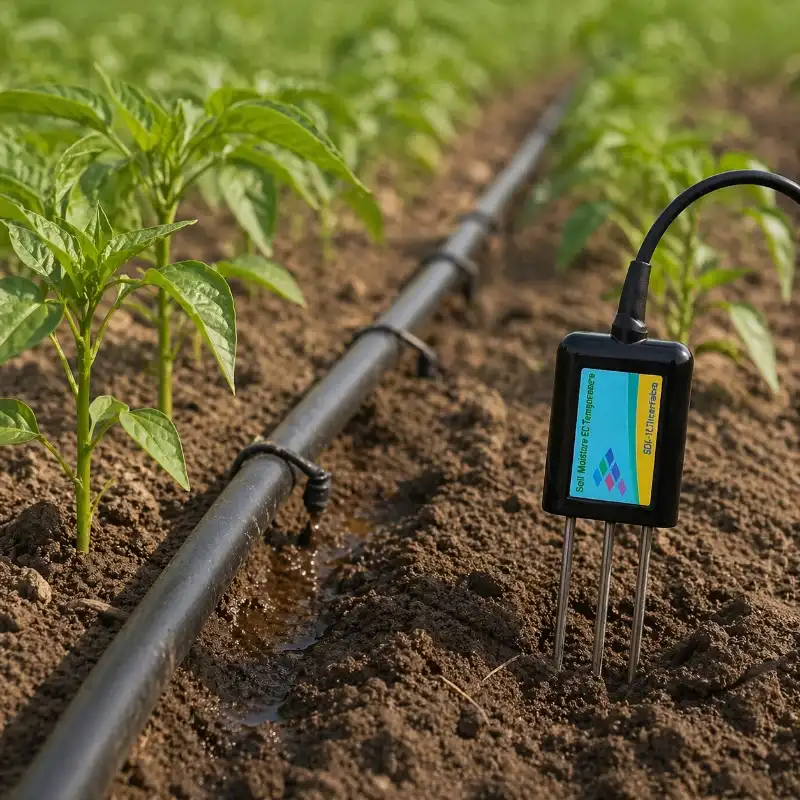
Helps determine when and how much to irrigate by monitoring real time VWC and EC values.
Fertilizer and Solute Movement
Tracks EC changes in the root zone to evaluate fertilizer movement, salt accumulation, and nutrient leaching.
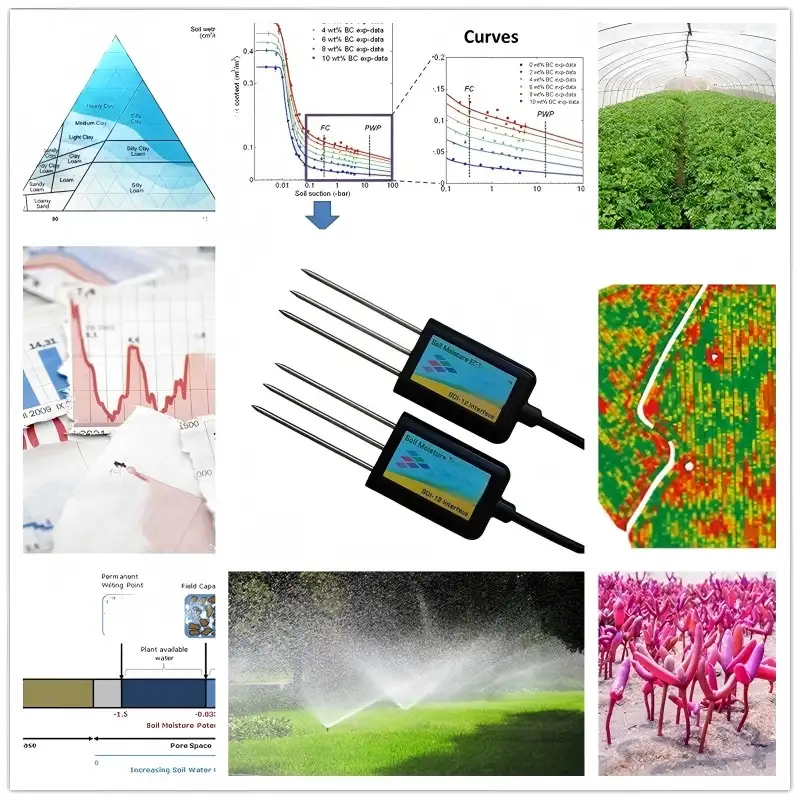
Precision Agriculture
Can be integrated into IoT based soil monitoring stations for farms, orchards, research plots, and irrigation zones.
Scientific Research
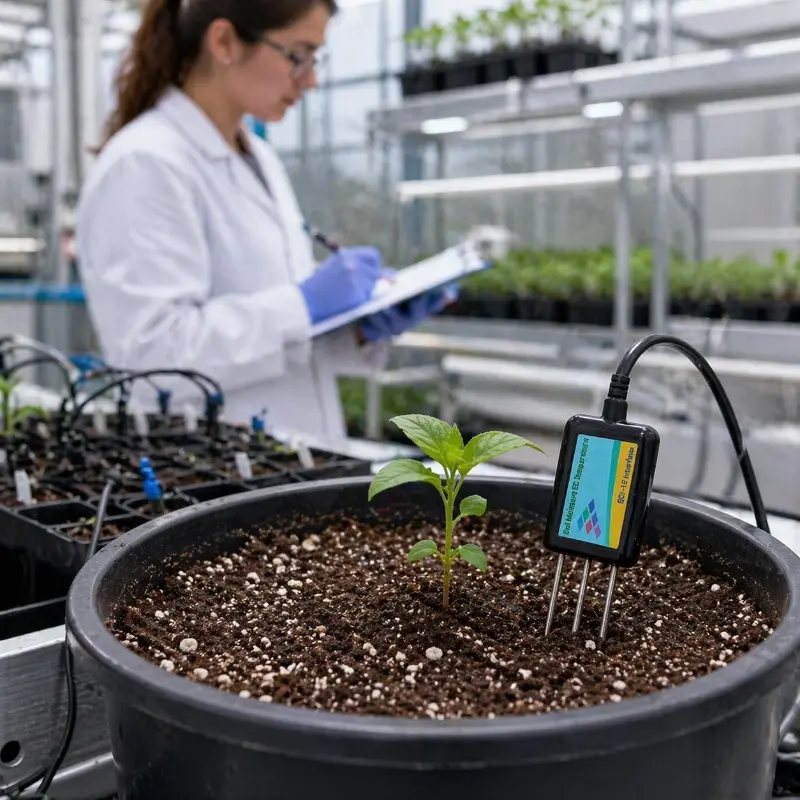
Supports crop growth studies, substrate water balance analysis, and evapotranspiration related experiments.
6.Installation and Measurement
For accurate measurement, insert the sensor probes fully into the soil or substrate and ensure good contact between the electrodes and the growing medium. Remove stones or hard particles before installation. In hard soil, pre-drilling is recommended before inserting the sensor. Do not pull the sensor out by the cable, and avoid forcing the probe into hard materials if resistance is felt.
For special substrates such as rockwool, perlite, coco coir, volcanic rock, or mixed blueberry substrate, calibration is recommended to improve measurement accuracy.
FAQ
Q
1. What does this soil sensor measure?
A
It measures volumetric water content VWC, electrical conductivity EC, and temperature. These three parameters help users understand soil or substrate moisture status, salinity changes, and root zone temperature.
Q
2. Can this sensor be used in hydroponics?
A
Yes. The sensor is suitable for hydroponics and soilless cultivation. It can be used in growing media such as rockwool, perlite, potting substrate, and other greenhouse substrates.
Q
3. Does the sensor support SDI-12 output?
A
Yes. The sensor uses SDI-12 V1.3 digital communication, which is suitable for data loggers, RTUs, IoT gateways, and smart agriculture platforms.
Q
4. Can JW-IoT integrate this sensor into a smart irrigation system?
A
Yes. JW-IoT can integrate this SDI-12 soil moisture EC temperature sensor with data acquisition devices, LoRaWAN nodes, 4G gateways, cloud platforms, and irrigation control systems.
Q
5. Is this sensor waterproof?
A
Yes. The sensor has an IP68 protection rating and an epoxy resin sealed housing, making it suitable for long term use in wet soil, substrate, greenhouse, and outdoor environments.
Q
6. What crops can this sensor be used for?
A
It can be used for vegetables, berries, flowers, herbs, fruit trees, nursery crops, and research crops. It is especially useful for crops that require precise irrigation and nutrient control.
Q
7. Can JW-IoT provide calibration support for special substrates?
A
Yes. For special growing media such as coco coir, rockwool, perlite, volcanic rock, or mixed blueberry substrate, JW-IoT can support application guidance and calibration recommendations based on the project requirements.
Q
8. What is the power supply range?
A
The sensor supports a wide 3.9–28V DC input range, which makes it suitable for different field monitoring terminals and low power data acquisition systems.
Q
9. Can the cable length be customized?
A
Yes. The standard cable length is 2 meters, and customized cable lengths can be provided according to installation requirements.
Q
10. How should the sensor be installed?
A
The probe should be inserted fully into the soil or substrate. Good contact between the sensor electrodes and the medium is important for stable measurement. Avoid stones, hard objects, or air gaps around the probe.
Q
11. Can JW-IoT use this sensor for greenhouse monitoring projects?
A
Yes. JW-IoT can use this sensor as part of greenhouse monitoring solutions for substrate moisture, EC, temperature, irrigation decision making, and crop root zone management.
Q
12. Is this sensor suitable for battery powered systems?
A
Yes. The sensor has low power consumption, with standby current below 30 μA, making it suitable for battery powered data loggers and solar powered monitoring stations.
 +86 13520127780
  info@jingelway.com