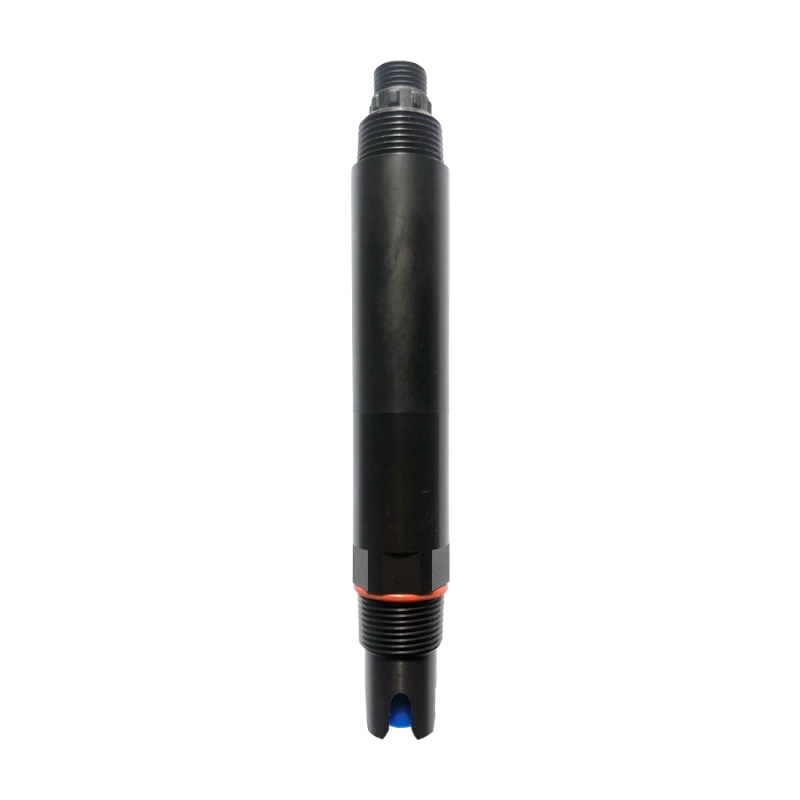
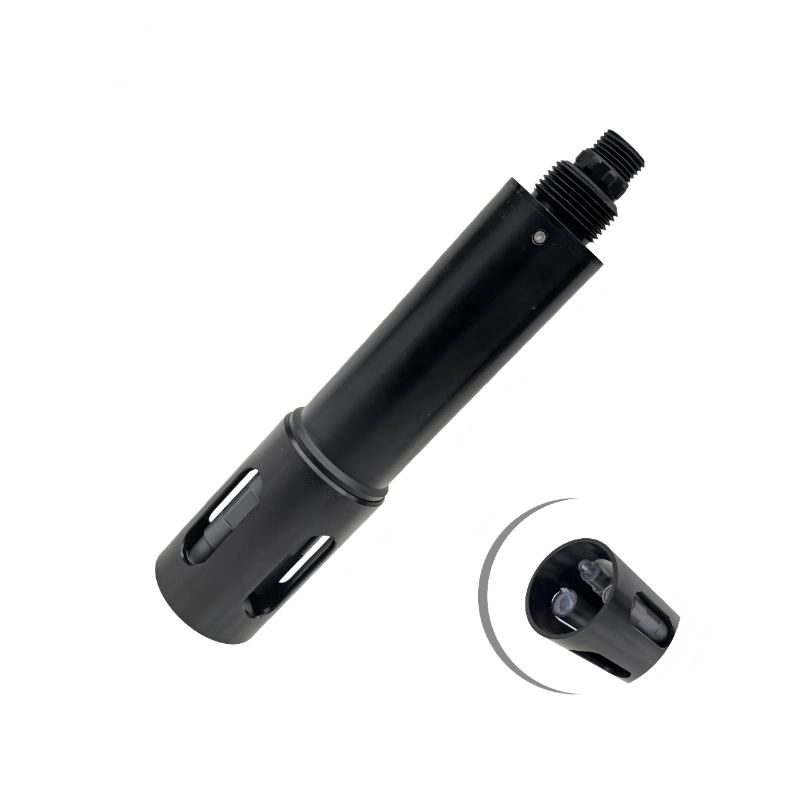
HomeProductsWater SensorsSludge Concentration Sensor for Online Wastewater Monitoring
  • Online sludge concentration sensor for wastewater treatment

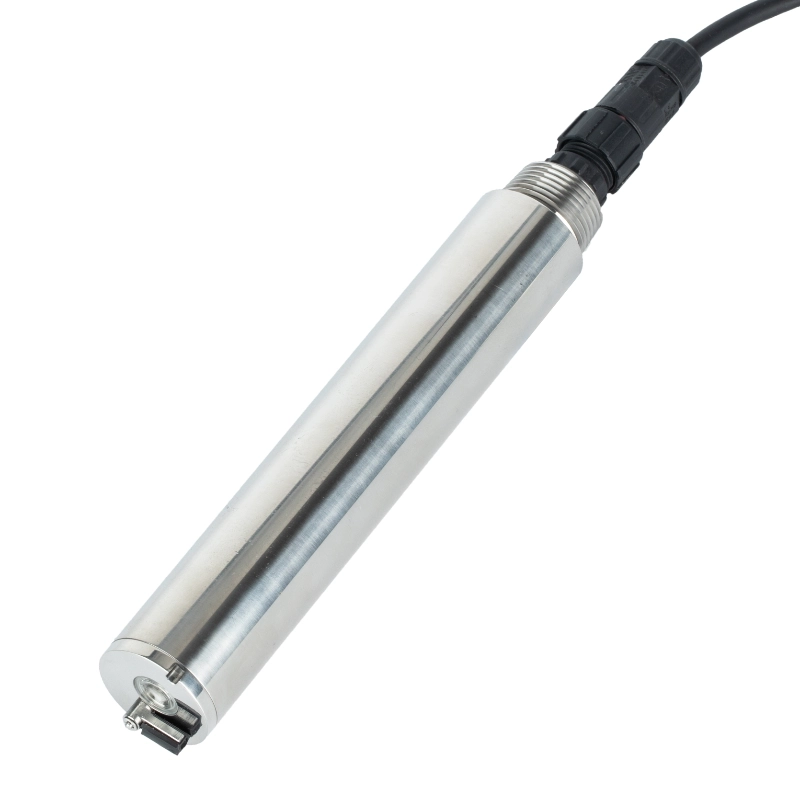
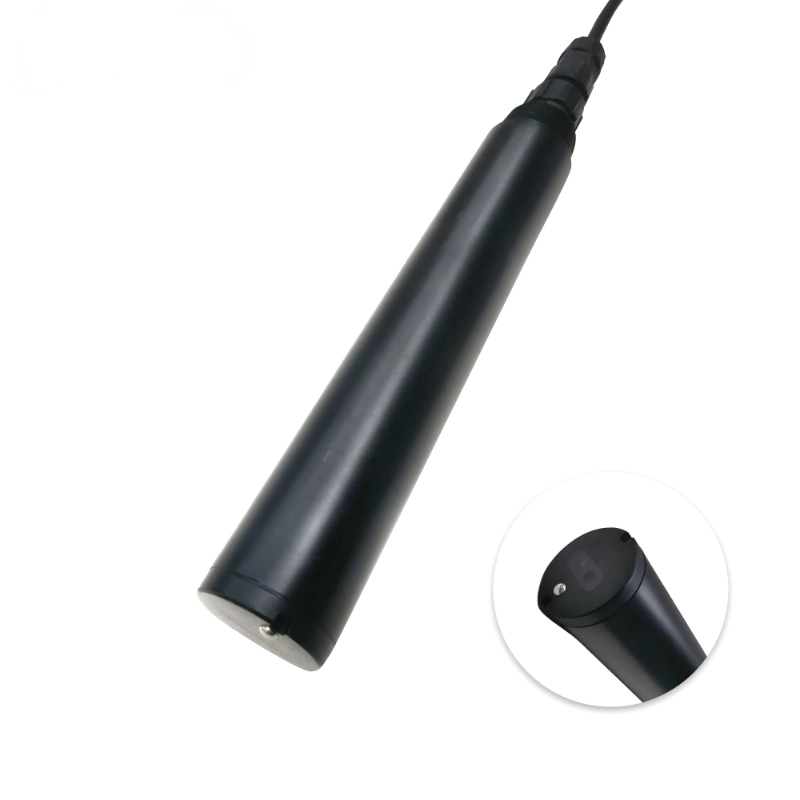
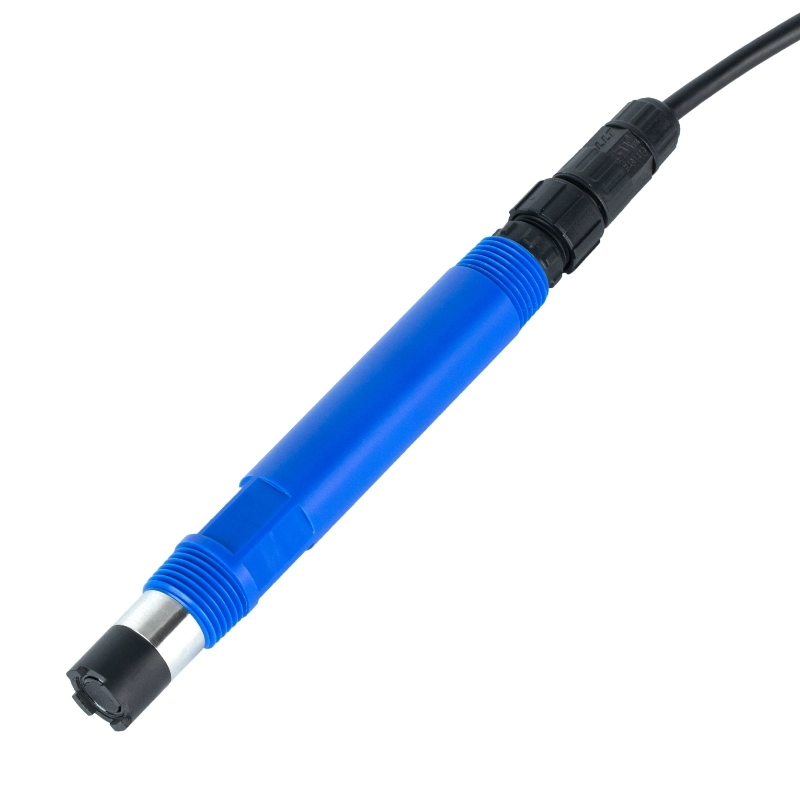
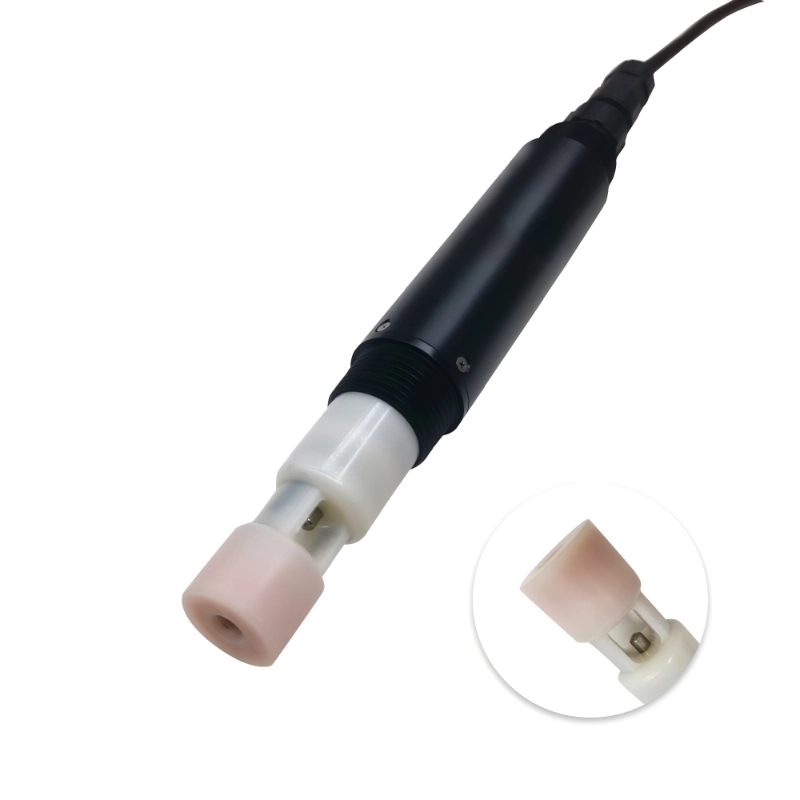
Sludge Concentration Sensor for Online Wastewater Monitoring

Key Features

  • Online sludge concentration monitoring for wastewater and sludge process control
  • Scattered light measurement method for reliable MLSS detection
  • 0 to 20.000 g/L measurement range with 0.001 g/L resolution
  • Built-in temperature sensor with Pt1000 automatic temperature compensation
  • Pure quartz optical path for strong resistance to external light interference
  • Infrared LED light source for stable optical measurement
  • Fast response time under 30 seconds for real-time process monitoring
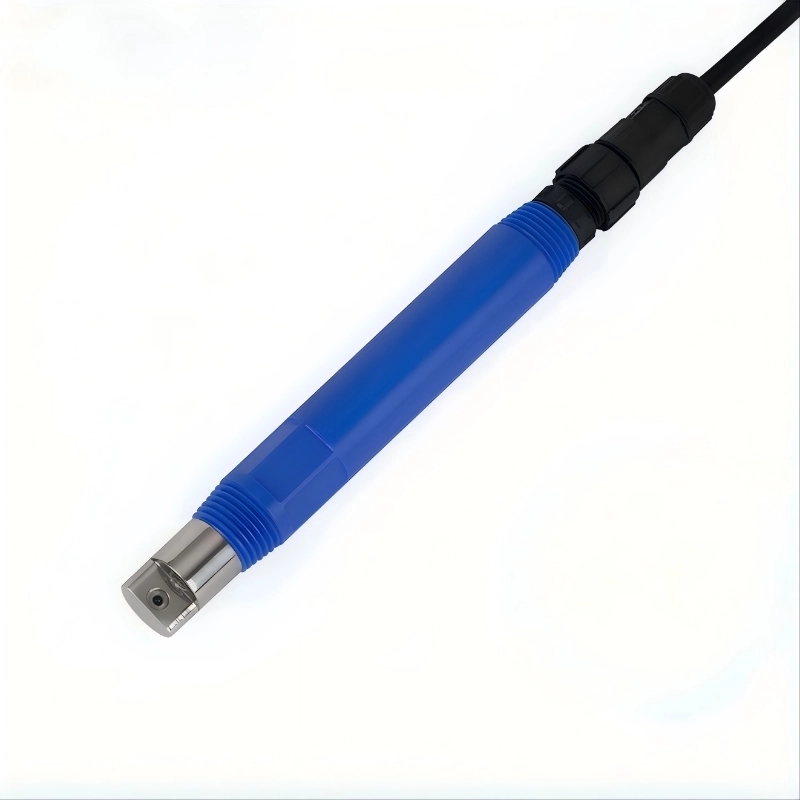
  • Built-in cleaning brush for automatic optical window cleaning
  • RS485 Modbus RTU output for PLC, RTU, controller, data logger, and IoT gateway integration
  • Optional 4 to 20 mA output for industrial control systems
  • 316L stainless steel housing for wastewater and industrial environments
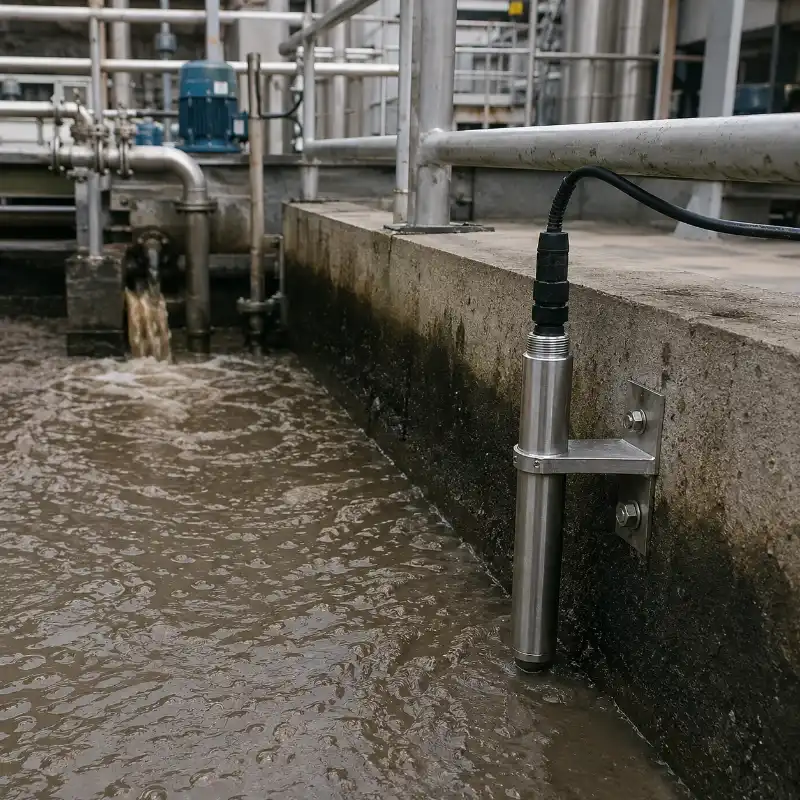
  • IP68 waterproof protection for submerged installation within 20 m water depth
  • 3/4 NPT immersion installation for tanks, basins, and treatment systems
  • 12 to 24V DC power supply with low power consumption of 0.2W at 12V

Product Description

MLSS, TSS and Suspended Solids Sensor for Sludge Treatment Systems and Industrial Processes

JW-MLSS-406(K25) sludge concentration sensor is designed for continuous monitoring of suspended solids concentration in wastewater treatment systems, sludge treatment processes and industrial wastewater applications.

The sensor measures sludge concentration, MLSS (Mixed Liquor Suspended Solids) and TSS (Total Suspended Solids) values to help operators optimize wastewater treatment processes and improve operational efficiency.

Using optical measurement technology, the sludge concentration sensor provides reliable online measurement without frequent manual sampling.

With RS485 Modbus communication, waterproof construction and easy integration capability, the sensor can be connected with RTUs, PLC systems, data loggers and cloud-based wastewater monitoring platforms.

Typical applications include:

  • Environmental monitoring stations
  • Municipal wastewater treatment plants
  • Industrial wastewater processes
  • Activated sludge systems
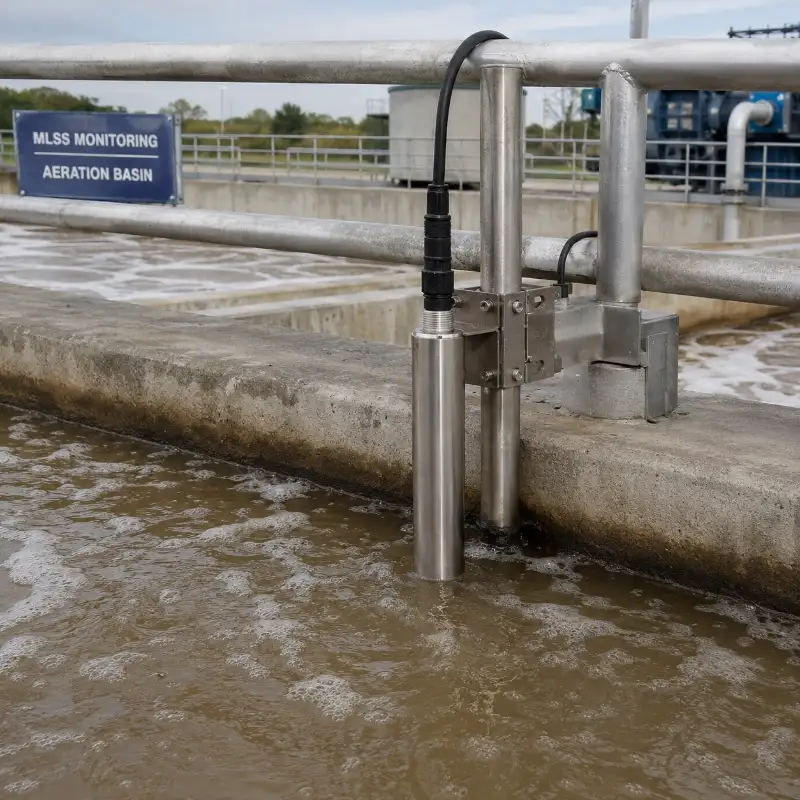
  • Aeration tanks
  • Sludge concentration monitoring

What Is a Sludge Concentration Sensor?

A sludge concentration sensor is a device used to measure the concentration of suspended solids in wastewater.

In wastewater treatment processes, sludge concentration is an important parameter because it directly affects:

  • Biological treatment efficiency
  • Aeration control
  • Sludge return processes
  • Treatment stability
  • Operating costs

Traditional wastewater testing methods often require:

  • Manual sampling
  • Laboratory analysis
  • Delayed results

An online sludge concentration sensor provides continuous real-time measurement, allowing operators to understand process changes immediately.

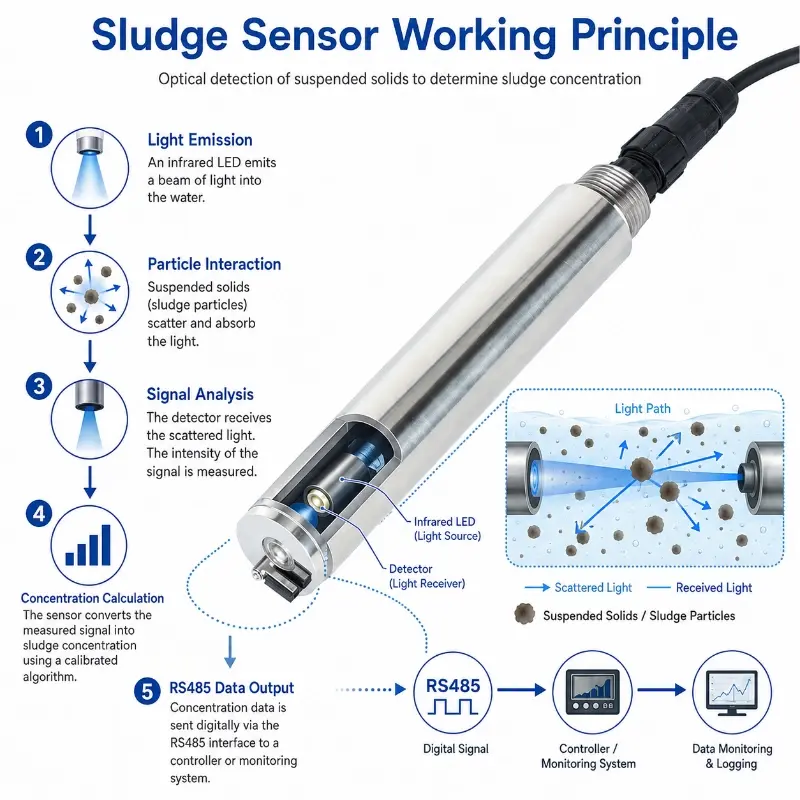
How Does a Sludge Concentration Sensor Work?

JW-IoT sludge concentration sensors use optical measurement technology.

The working principle includes:

1. Light Emission

The sensor emits light into the wastewater.

2. Particle Interaction

Suspended solids particles affect the transmitted or scattered light.

3. Signal Analysis

The sensor analyzes optical changes.

4. Concentration Calculation

The internal algorithm converts optical signals into sludge concentration values.

5. Data Transmission

Measurement results are transmitted through RS485 Modbus communication.

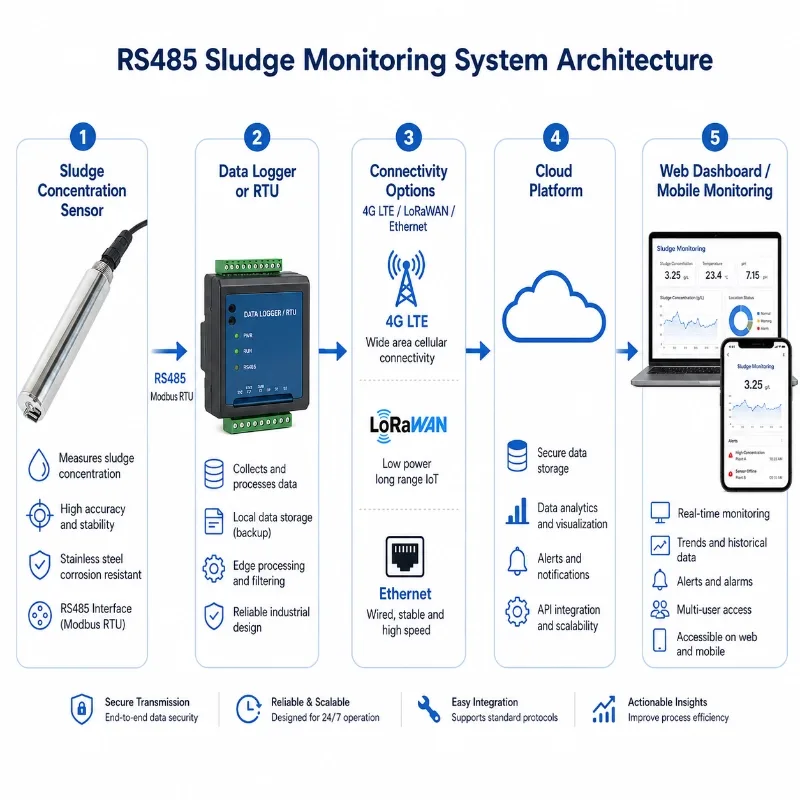
System structure:

Sludge Concentration Sensor

↓

RS485 Modbus

↓

RTU / Data Logger

↓

4G / Ethernet / LoRaWAN

↓

Cloud Monitoring Platform

Why Monitor Sludge Concentration Online?

Continuous sludge concentration monitoring helps wastewater operators:

Optimize Aeration Control

MLSS data helps maintain suitable biomass concentration in biological treatment systems.

Improve Treatment Efficiency

Real-time monitoring allows faster adjustment of treatment processes.

Reduce Manual Testing

Automatic monitoring reduces dependence on laboratory sampling.

Improve Operational Decisions

Historical sludge concentration trends help identify abnormal conditions.

Applications of Sludge Concentration Sensor

Municipal Wastewater Treatment Monitoring

Municipal wastewater plants rely on sludge concentration measurement for stable operation.

Typical installation points include:

  • Aeration tanks
  • Activated sludge systems
  • Return activated sludge lines
  • Secondary clarifiers

The sensor helps operators monitor:

  • MLSS concentration
  • Sludge settling conditions
  • Biological treatment performance

Industrial Wastewater Monitoring

Industrial wastewater processes often experience changing pollutant loads.

Applications include:

  • Food processing wastewater
  • Chemical wastewater
  • Pharmaceutical wastewater
  • Paper mill wastewater
  • Mining wastewater

Online sludge monitoring helps maintain stable treatment performance and improve process control.

Activated Sludge Process Monitoring

The activated sludge process requires accurate biomass concentration control.

The sludge concentration sensor can support:

  • Aeration optimization
  • Sludge return control
  • Process adjustment
  • Treatment efficiency analysis

Sludge Treatment System Monitoring

During sludge treatment processes, concentration measurement helps operators understand sludge characteristics before:

  • Thickening
  • Dewatering
  • Transportation
  • Disposal

RS485 Modbus Sludge Sensor Integration

For industrial applications, RS485 Modbus communication provides reliable long-distance data transmission.

The sensor can connect with:

  • PLC systems
  • SCADA systems
  • Industrial controllers
  • IoT gateways
  • Cloud platforms

Typical architecture:

Sludge Concentration Sensor

↓

RS485 Modbus

↓

Industrial RTU

↓

Communication Gateway

↓

Cloud Platform

↓

Web Dashboard

Online Wastewater Monitoring System

A complete sludge monitoring solution may include:

1. Sludge Concentration Sensor

Measures MLSS and suspended solids concentration.

2. Data Acquisition Device

Collects sensor data.

3. Communication Module

Options:

  • 4G LTE
  • LoRaWAN
  • Ethernet
  • WiFi

4. Monitoring Platform

Provides:

  • Real-time data display
  • Historical trends
  • Alarm notifications
  • Remote management

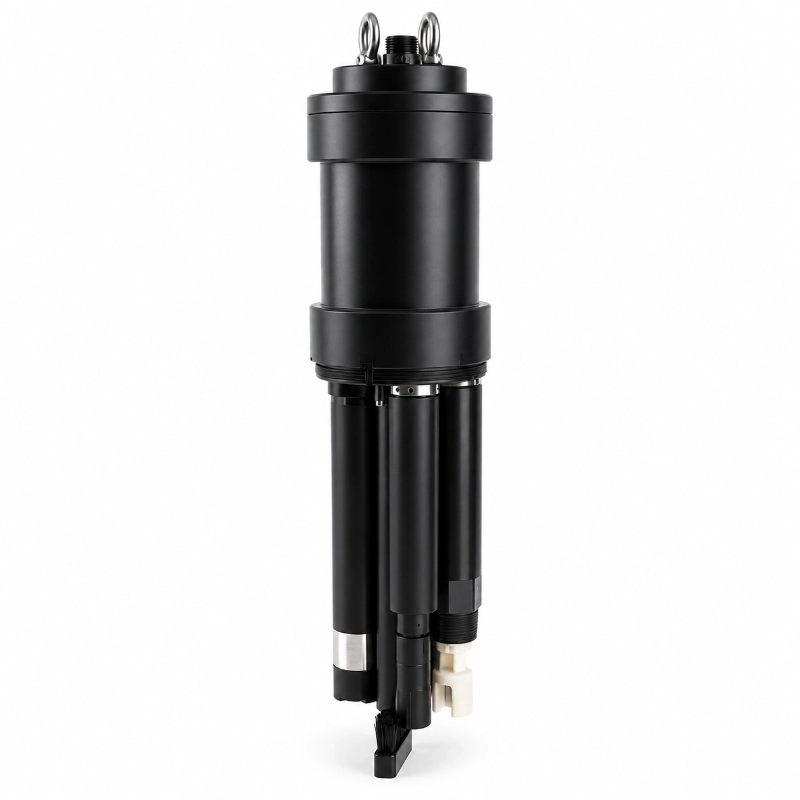
JW-IoT provides complete environmental monitoring solutions including sensors, communication equipment and IoT platforms.

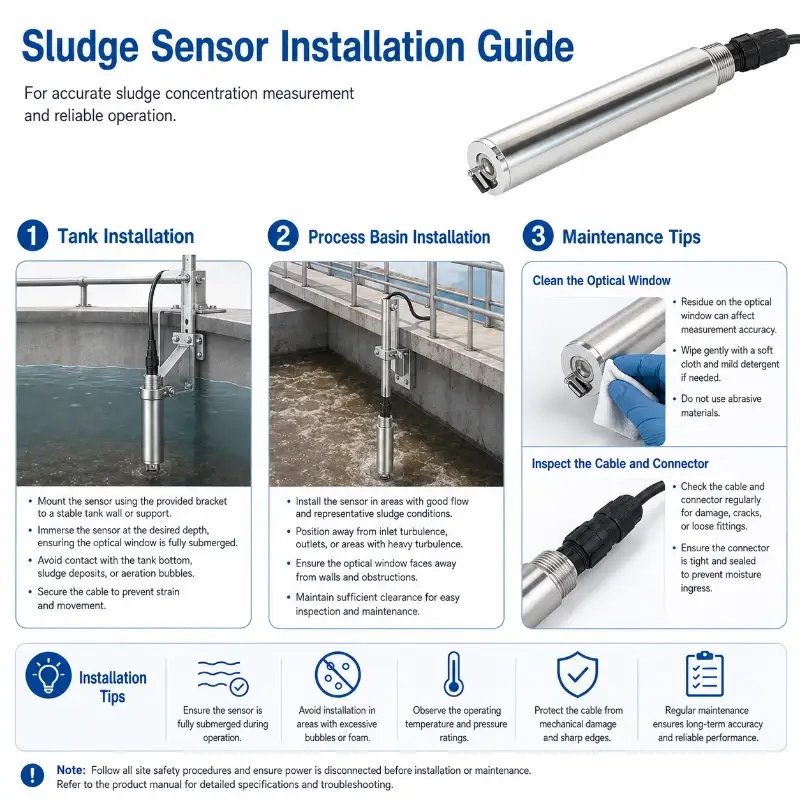
Installation Guide

For accurate sludge concentration measurement:

Installation Location

Recommended:

  • Representative flow area
  • Stable water conditions
  • Proper immersion depth

Avoid:

  • Excessive bubbles
  • Direct sunlight exposure
  • Strong vibration areas

Sensor Maintenance

Recommended:

  • Clean optical surface regularly
  • Check cable condition
  • Verify calibration when required

Technical Specifications

Item Specification
Product Type Online Sludge Concentration Sensor
Model MLSS-408
Measurement Principle Scattered light method
Measurement Range 0 to 20.000 g/L
Resolution 0.001 g/L
Accuracy ±5% of reading depending on sludge homogeneity, ±0.3°C
Response Time T90 less than 30 seconds
Minimum Detection Limit 1 mg/L
Calibration Method Two-point calibration
Cleaning Method Built-in cleaning brush
Temperature Compensation Automatic temperature compensation with Pt1000
Output Signal RS485 Modbus RTU
Optional Output 4 to 20 mA
Storage Temperature -5 to 65°C
Working Condition 0 to 60°C less than or equal to 0.2 MPa
Housing Material 316L stainless steel
Installation Method Immersion installation 3/4 NPT
Power Consumption 0.2W at 12V
Power Supply 12 to 24V DC
Protection Grade IP68
Water Depth Within 20 m
Cable Length 5 m standard cable customizable
Connector M16 5 pin waterproof male connector

How to Choose a Sludge Concentration Sensor?

Before selecting a sensor, consider:

1. Measurement Range

Different wastewater processes require different concentration ranges.

2. Installation Environment

Consider:

  • Tank depth
  • Flow condition
  • Maintenance accessibility

3. Communication Requirement

Common options:

  • RS485 Modbus
  • 4-20mA
  • Digital communication

4. Integration System

Confirm compatibility with:

Cloud monitoring platform

PLC

SCADA

Data logger

Request Sludge Concentration Monitoring Solution

Need an online sludge monitoring system?

Send JW-IoT:

  • Wastewater type
  • Measurement range
  • Installation location
  • Communication method
  • Project requirements

Our engineering team will recommend a suitable sludge concentration monitoring solution.

Contact JW-IoT:

https://www.jw-iot.com/contact-us

FAQ

  • Q

    1. What is an online sludge concentration sensor used for?

    A

    It is used to continuously monitor sludge concentration or MLSS in wastewater treatment plants, aeration tanks, sedimentation tanks, clarifiers, and sludge treatment processes.

  • Q

    2. What measurement principle does this MLSS sensor use?

    A

    The sensor uses the scattered light method, measuring backscattered light caused by suspended sludge particles in the water sample.

  • Q

    3. What is the measurement range of this sludge sensor?

    A

    The sensor measures sludge concentration from 0 to 20.000 g/L with 0.001 g/L resolution.

  • Q

    4. Does this sensor include a cleaning function?

    A

    Yes. It has a built-in cleaning brush to help keep the optical measurement window clean during long-term online monitoring.

  • Q

    5. How does JW-IoT use this sensor in wastewater projects?

    A

    JW-IoT can integrate the sludge concentration sensor with IoT gateways, cloud dashboards, threshold alarms, and wastewater process monitoring platforms.

  • Q

    6. Can this sensor connect to PLC or IoT systems?

    A

    Yes. It supports RS485 Modbus RTU and optional 4 to 20 mA output for PLC, RTU, data logger, controller, and IoT platform integration.

  • Q

    7. Can JW-IoT provide a complete wastewater monitoring solution?

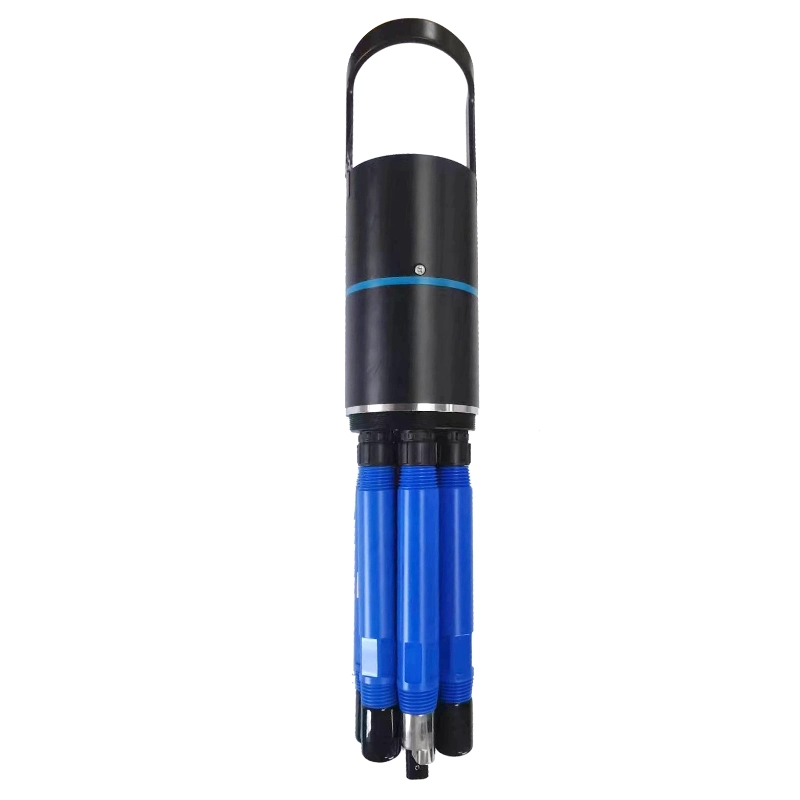
    A

    Yes. JW-IoT can combine MLSS, suspended solids, turbidity, pH, dissolved oxygen, conductivity, ORP, ammonia nitrogen, and flow sensors into a complete smart wastewater monitoring system.

  • Q

    8. What installation distance should be maintained?

    A

    The sensor should be installed at least 5 cm from side walls and at least 10 cm from the bottom to reduce measurement interference.

  • Q

    9. Can JW-IoT customize the system integration?

    A

    Yes. JW-IoT can support RS485 Modbus integration, optional 4 to 20 mA output, customized cable length, gateway connection, dashboard configuration, and multi-site monitoring.

WhatsApp

Leave a message!

Leave a message!