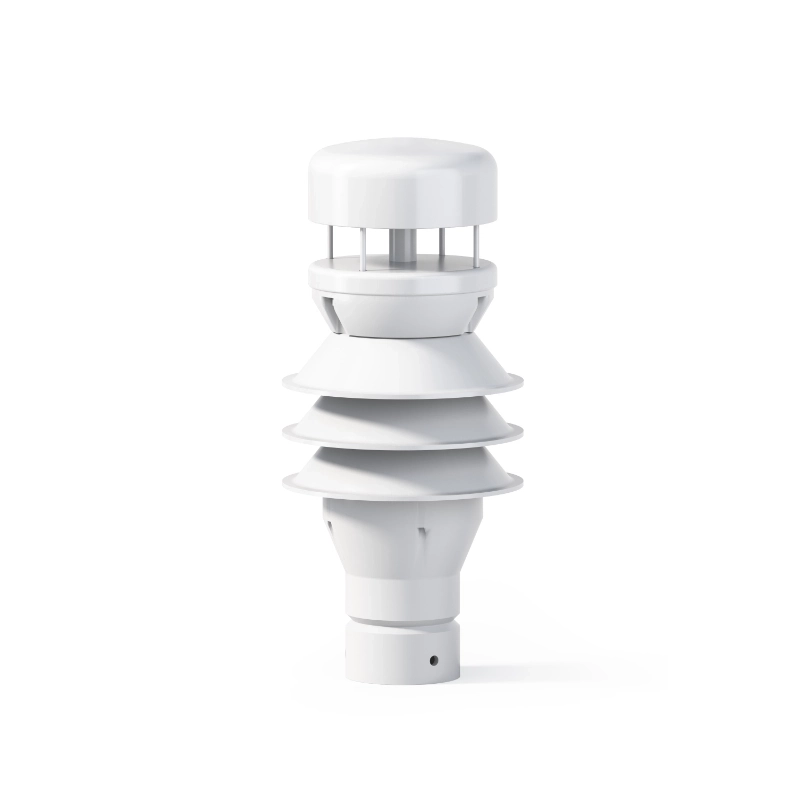
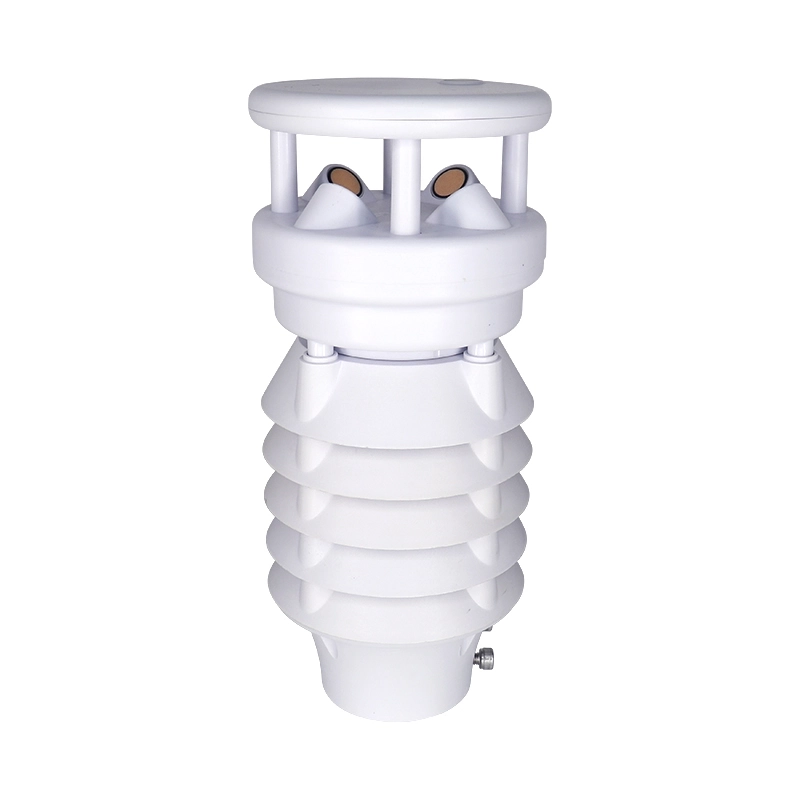
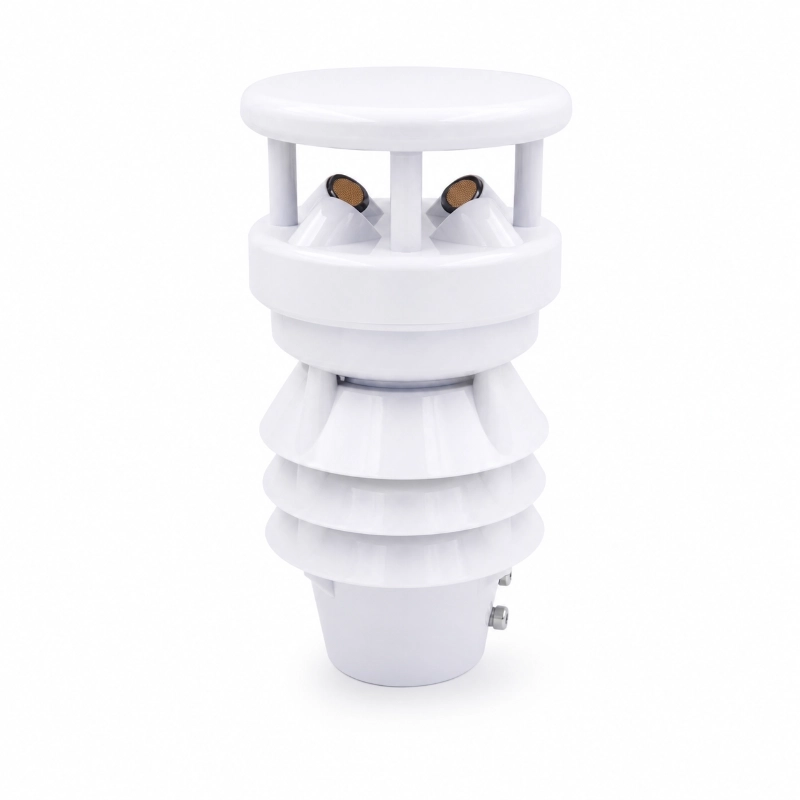
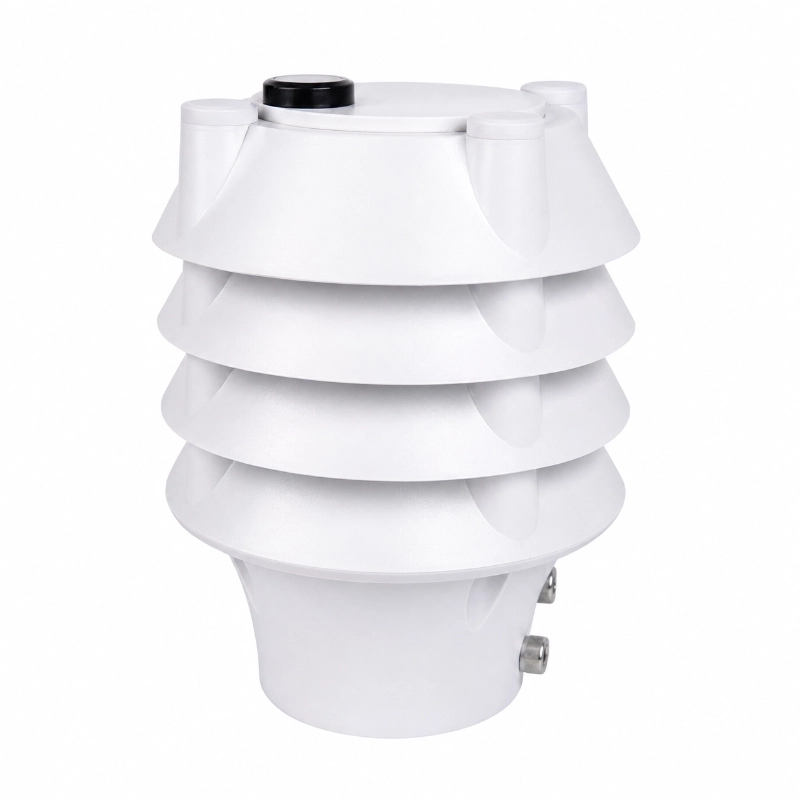
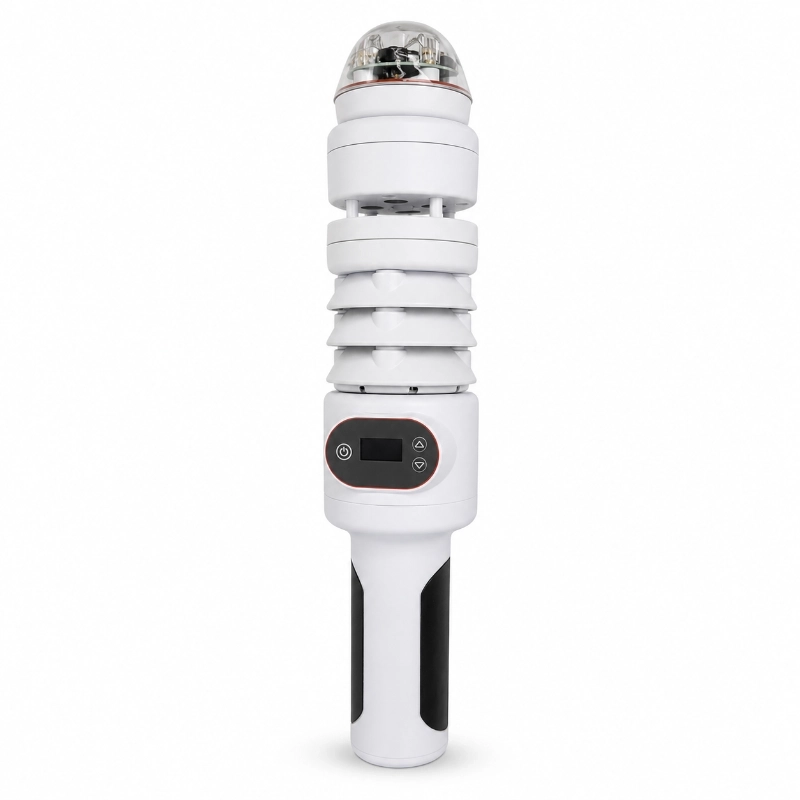
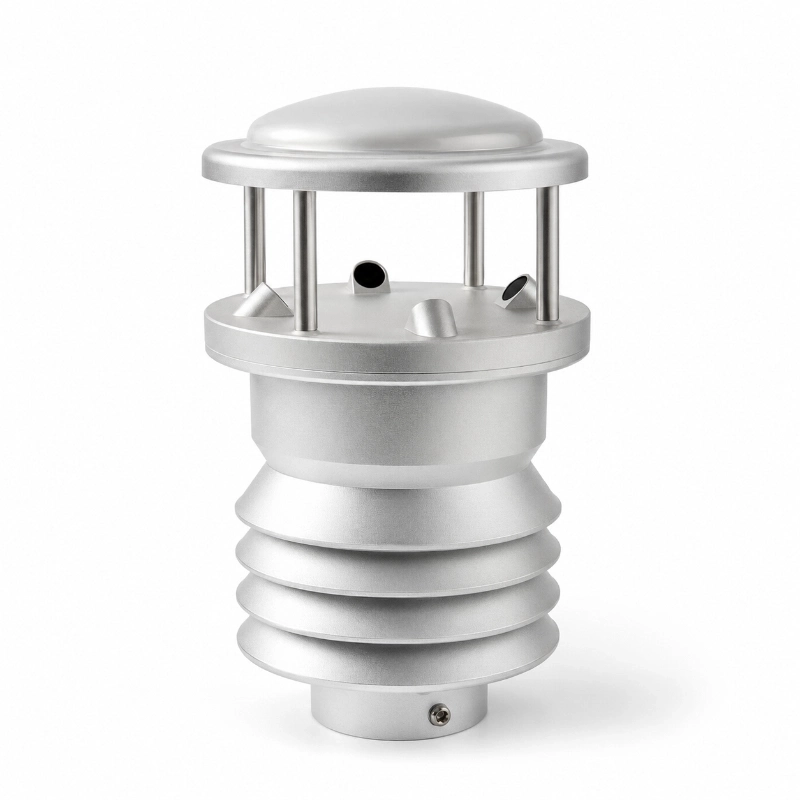
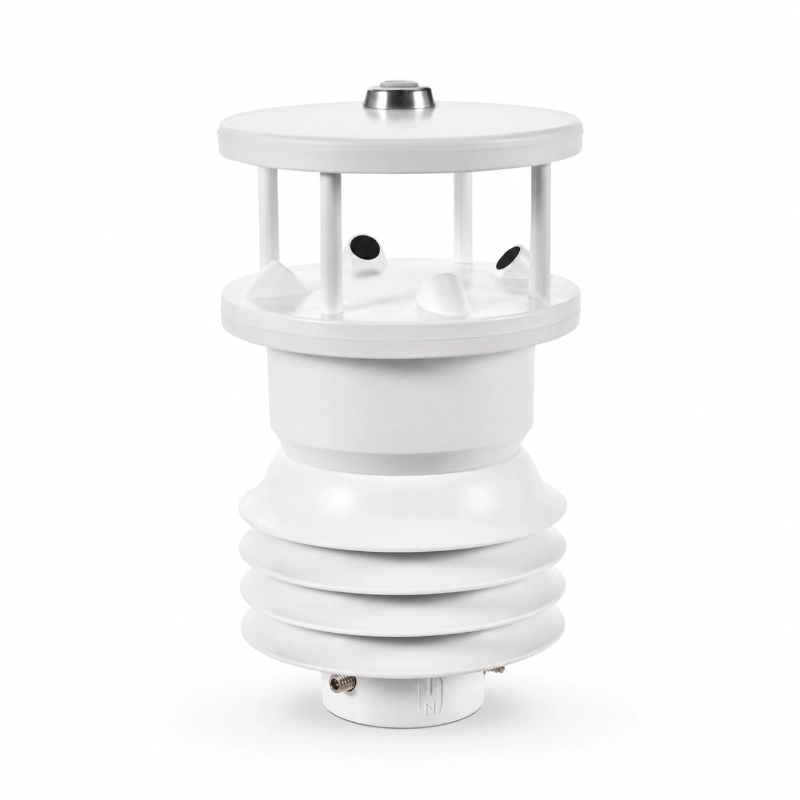
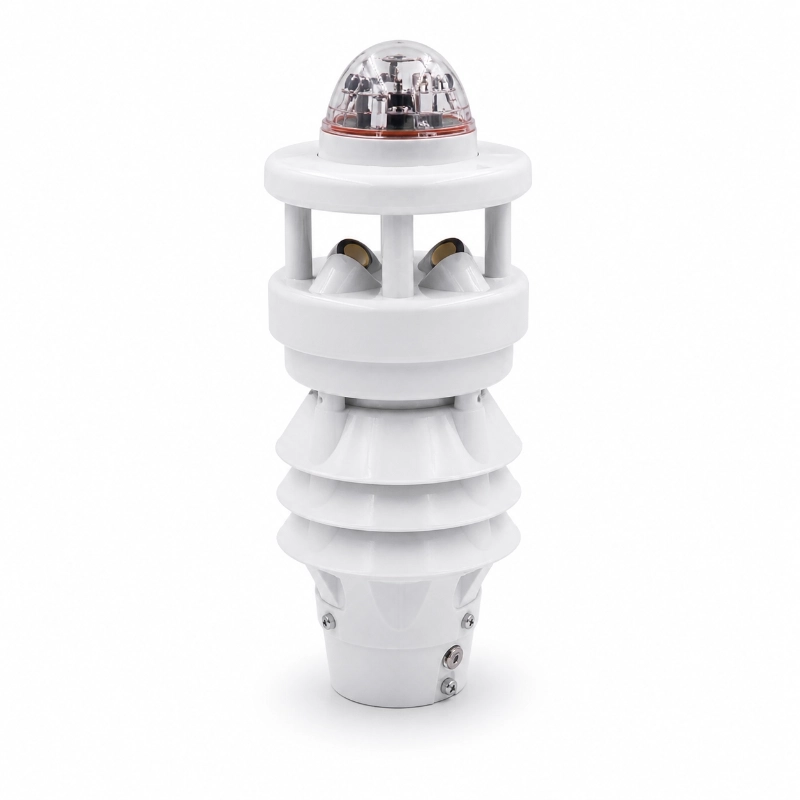
The JW-WDC9(HY10) Low-power Micro Automatic Weather Station is a compact multi-parameter weather monitoring device designed for smart agriculture, farmland microclimate monitoring, smart city applications, environmental observation and distributed IoT weather networks.
Depending on the selected configuration, the station can measure wind speed, wind direction, air temperature, relative humidity, atmospheric pressure, rainfall, visibility, PM2.5 and PM10, with optional modules for solar radiation, illumination and UV radiation.
With a 12–24 VDC power supply, IP65 protection, compact ASA engineering plastic housing and support for RS232, RS485 and optional SDI-12, it is suitable for field monitoring systems where installation space, power consumption and system integration are important considerations.
The JW-WDC9(HY10) combines several meteorological measurements in one compact field device, helping reduce the number of separately installed sensors at one monitoring point.
Standard or commonly configured parameters include:
Wind speed
Wind direction
Air temperature
Relative humidity
Atmospheric pressure
Rainfall
Optional parameters include:
Solar radiation
Illumination
UV radiation
PM2.5
PM10
Visibility
This modular configuration allows the weather station to be selected according to the actual monitoring requirements of different projects.
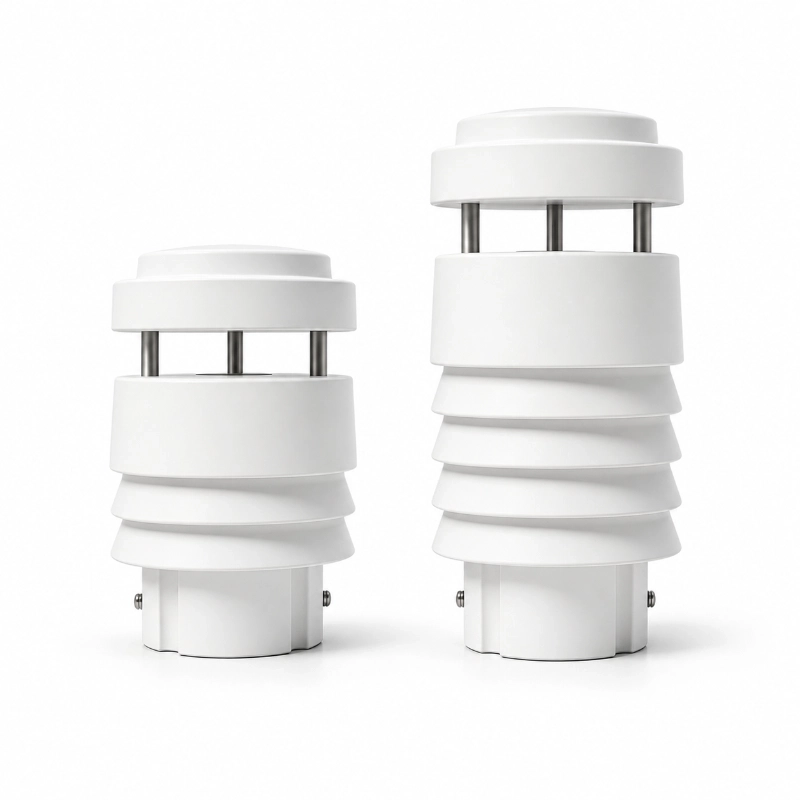
Note: The final product height, sensor combination and power consumption depend on the selected modules. Please confirm the final configuration before ordering.
Communication and System Integration
The station supports RS232, RS485 and optional SDI-12, allowing it to connect with compatible:
Data loggers
RTUs
IoT gateways
Industrial controllers
Environmental monitoring systems
A typical monitoring architecture can be:
Micro Weather Station → RS485 / RS232 / SDI-12 → Data Logger or IoT Gateway → Communication Network → Monitoring Platform
This makes the JW-WDC9(HY10) suitable for OEM projects and system integrators that need to incorporate local weather data into a larger monitoring system.
Smart Agriculture Applications
Local weather conditions can vary between fields and growing areas. A compact weather station allows agricultural projects to collect environmental data directly from the actual monitoring location.
Typical applications include:
Farmland microclimate monitoring
Smart agriculture IoT systems
Crop environment observation
Greenhouse external weather monitoring
Irrigation-related environmental monitoring
Agricultural research stations
Remote field monitoring
Temperature, humidity, rainfall and wind data can provide useful environmental context for agricultural decision-support systems.
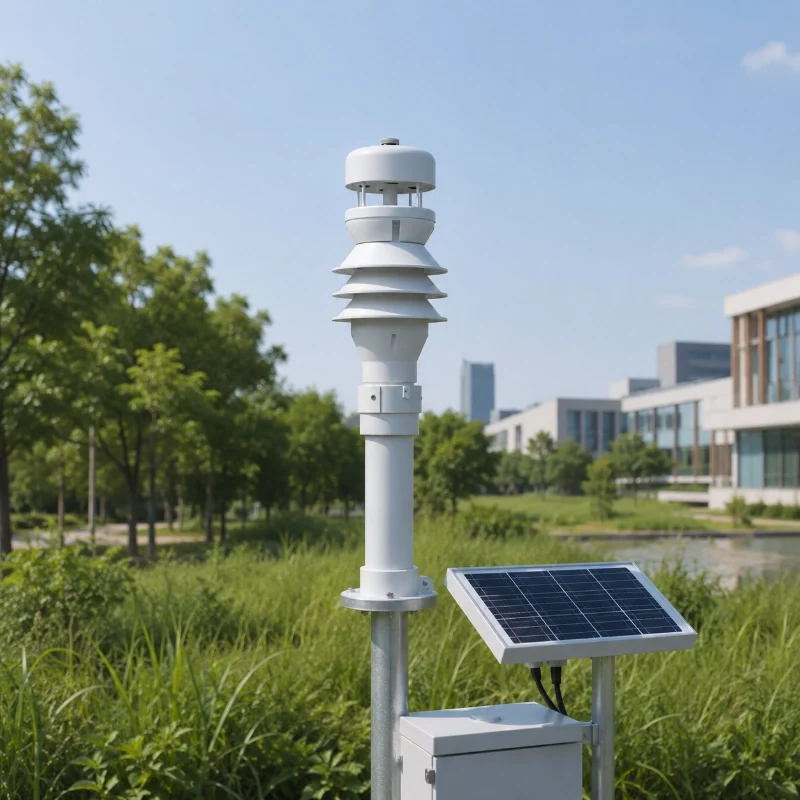
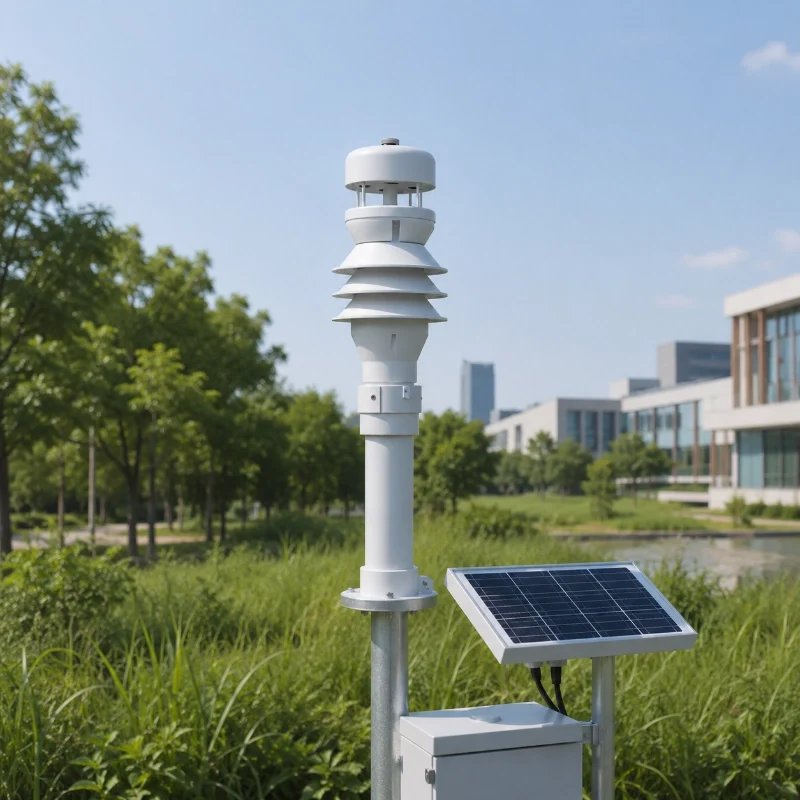
The low-power design of the JW-WDC9(HY10) makes it suitable for integration into properly designed solar-powered or battery-supported monitoring systems.
This is useful for remote fields and environmental monitoring points where mains power is not available.
When designing a solar-powered system, the total power budget should also include:
Data logger
Communication device
Gateway
Battery
Solar charging system
Other connected sensors
Solar panel and battery capacity should therefore be determined according to the complete monitoring system, not the weather sensor alone.
Smart City and Environmental Monitoring
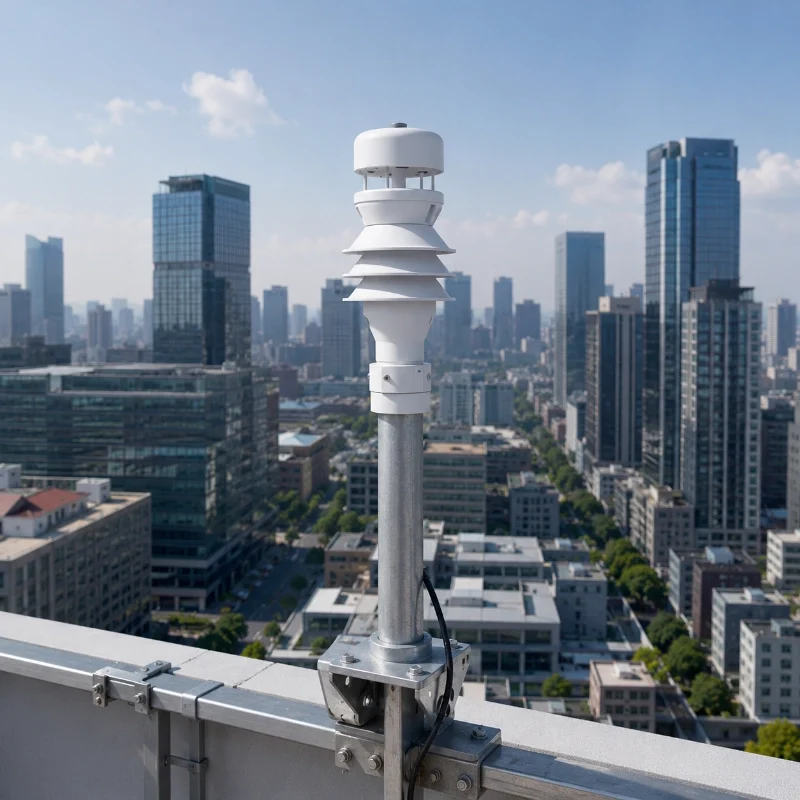
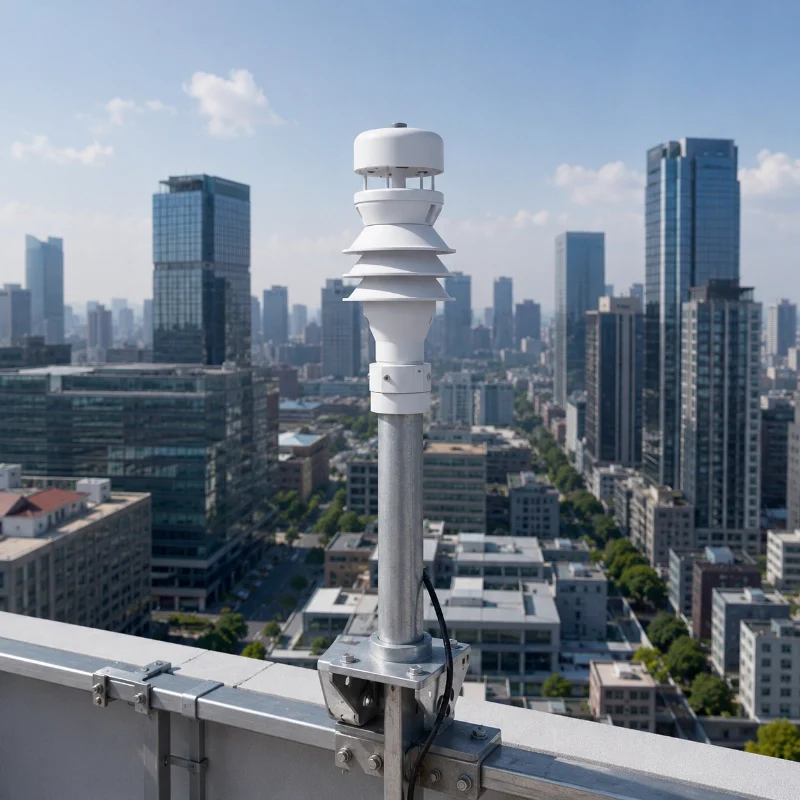
The compact design also makes this station suitable for distributed urban and environmental monitoring.
Possible deployment locations include:
Parks
Campuses
Residential communities
Roadsides
Rooftops
Public infrastructure sites
Environmental monitoring points
Optional PM2.5, PM10 and visibility monitoring can be added where additional environmental parameters are required.
Installation Considerations
For reliable field measurements:
Install the station at a representative monitoring location
Avoid unnecessary obstruction from nearby buildings or trees
Consider airflow and rainfall exposure when selecting the mounting position
Plan power supply, communication and cable routing together
Confirm the required sensor modules before finalizing the installation structure
Because station height changes according to the selected parameter modules, the final configuration should be confirmed before installation.
How to Select the Right Configuration
Before requesting a quotation, please provide:
Application
Required weather parameters
Required communication interface
Power supply
Installation location
Number of monitoring points
Whether solar power is required
Whether PM2.5, PM10, UV, illumination or solar radiation are required
Type of data logger, RTU or gateway to be connected
Platform or system integration requirements
This information helps determine the appropriate station configuration for the project.
Typical Applications
The JW-WDC9(HY10) can be used for:
Smart agriculture
Farmland microclimate monitoring
Greenhouse external weather monitoring
Environmental observation
Smart city monitoring
Campus and park monitoring
Solar-powered remote monitoring
IoT weather networks
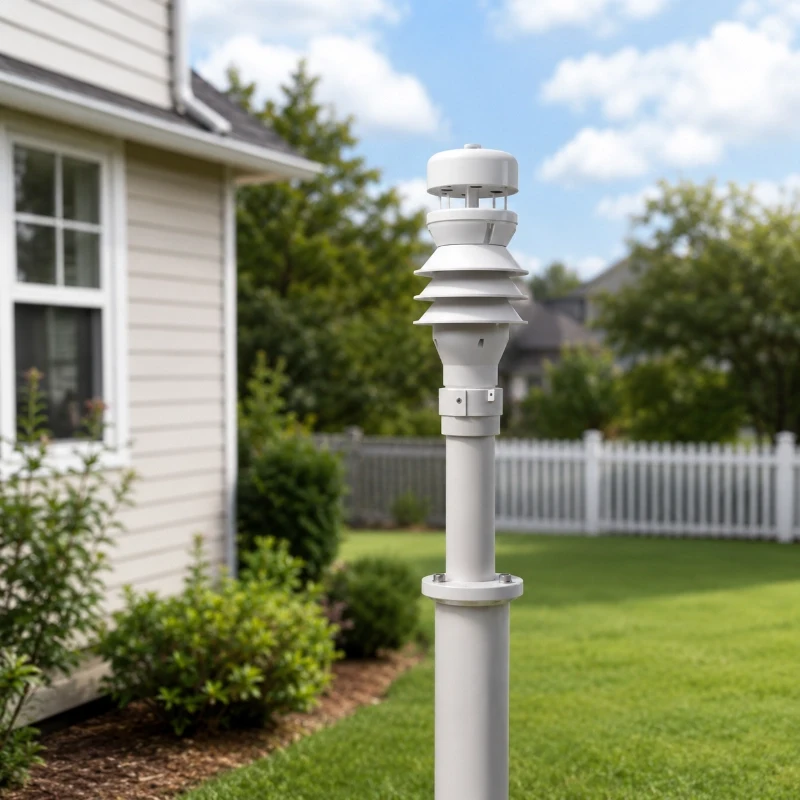
Community weather observation
Request a Configuration
The JW-WDC9(HY10) supports different combinations of meteorological and environmental parameters.
Send us your:
Required parameters
Application
Communication interface
Power supply
Quantity
Installation conditions
Data acquisition requirements
Contact JW-IoT for product configuration, technical information and project support.
FAQ
Q
1. What is JW-WDC9(HY10) micro automatic weather station used for?
A
It is used for smart city weather monitoring, home weather stations, agricultural environment monitoring, and outdoor environmental data collection.
Q
2. What parameters can this micro weather station measure?
A
It can measure wind speed, wind direction, temperature, humidity, atmospheric pressure, rainfall, visibility, PM2.5, and PM10. Optional modules include solar radiation, illumination, and UV radiation.
Q
3. Is this weather station suitable for solar-powered systems?
A
Yes. JW-WDC9(HY10) adopts a low-power design and is suitable for solar-powered or battery-powered field monitoring systems.
Q
4. Can JW-IoT integrate this micro weather station with an IoT platform?
A
Yes. JW-IoT can integrate JW-WDC9(HY10) with IoT gateways, cloud platforms, data loggers, and smart agriculture monitoring systems.
Q
5. What communication interfaces are supported?
A
The device supports RS232, RS485, and optional SDI-12 digital output, with a baud rate from 1200 to 115200.
Q
6. What is the protection rating of the product?
A
It has an IP65 protection rating and uses white ASA engineering plastic housing for outdoor deployment.
Q
7. Can JW-IoT provide this product for agriculture monitoring projects?
A
Yes. JW-IoT can provide JW-WDC9(HY10) for farmland microclimate monitoring, greenhouse weather monitoring, crop environment monitoring, and solar-powered field stations.
Q
8. What is the operating temperature range?
A
The operating temperature range is -40°C to +80°C, with working humidity from 0–95% RH.
Q
9. Does JW-IoT support customized parameter configuration?
A
Yes. JW-IoT can support customized sensor module configuration based on project needs, including radiation, illumination, UV, PM2.5, PM10, and data communication options.
 +86 13520127780
 info@jingelway.com