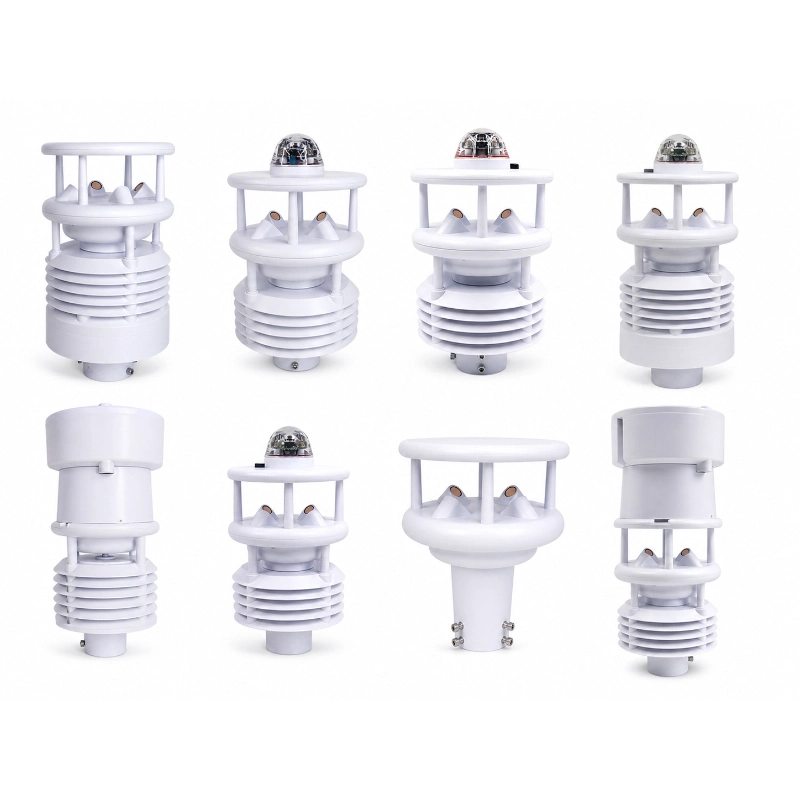
HomeProductsWeather StationUltrasonic Wind Speed Direction Sensor for Weather Monitoring
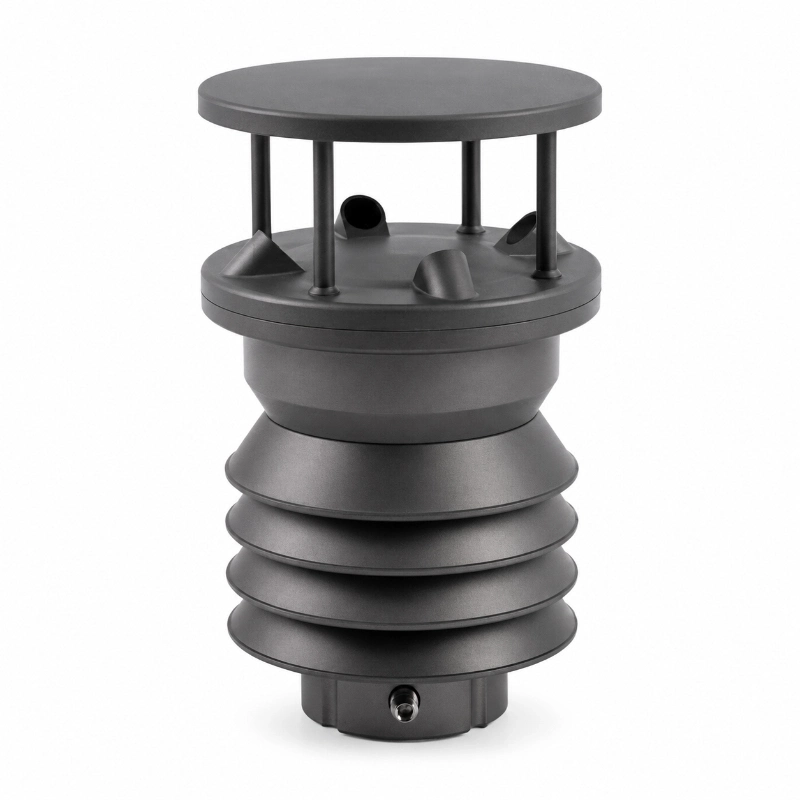
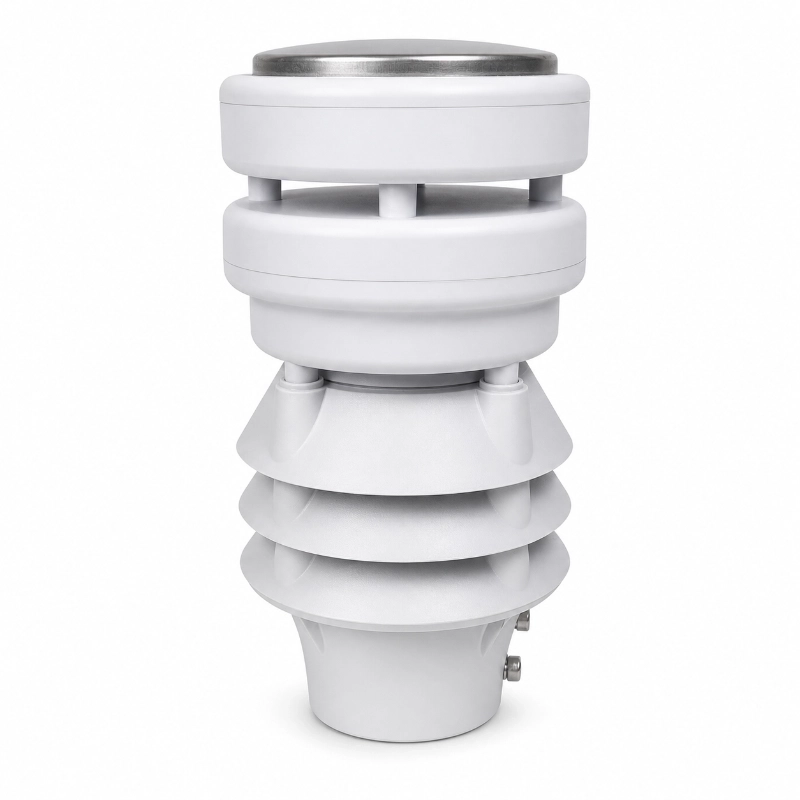
  • Ultrasonic wind speed direction sensor for weather monitoring
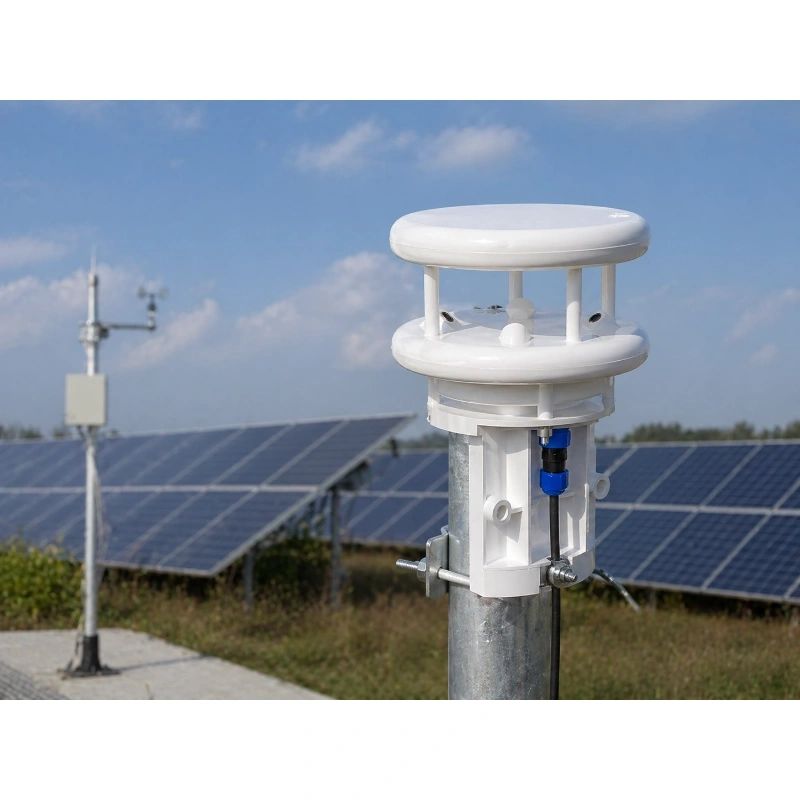
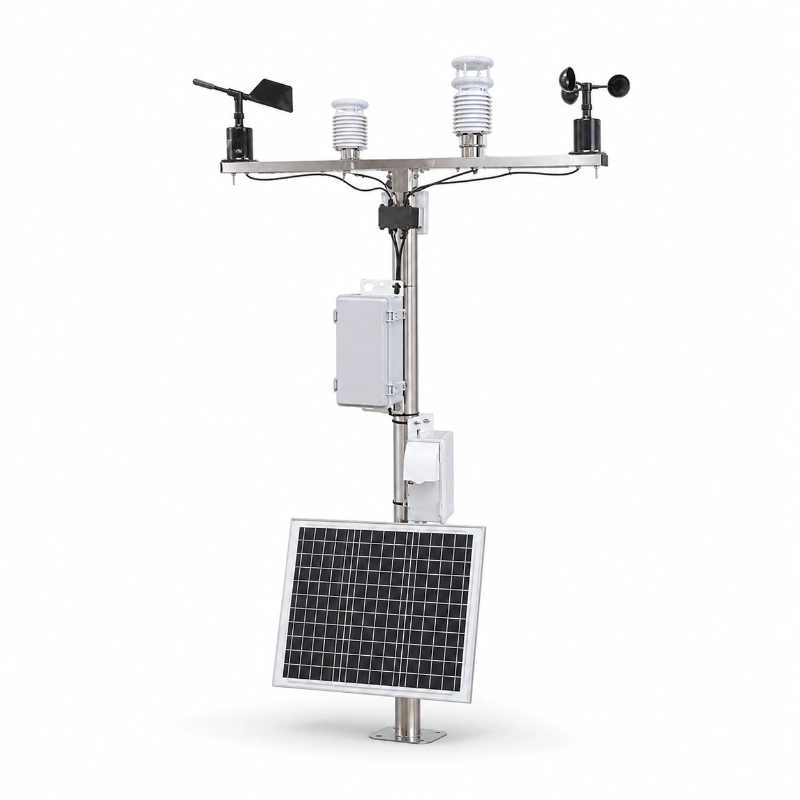
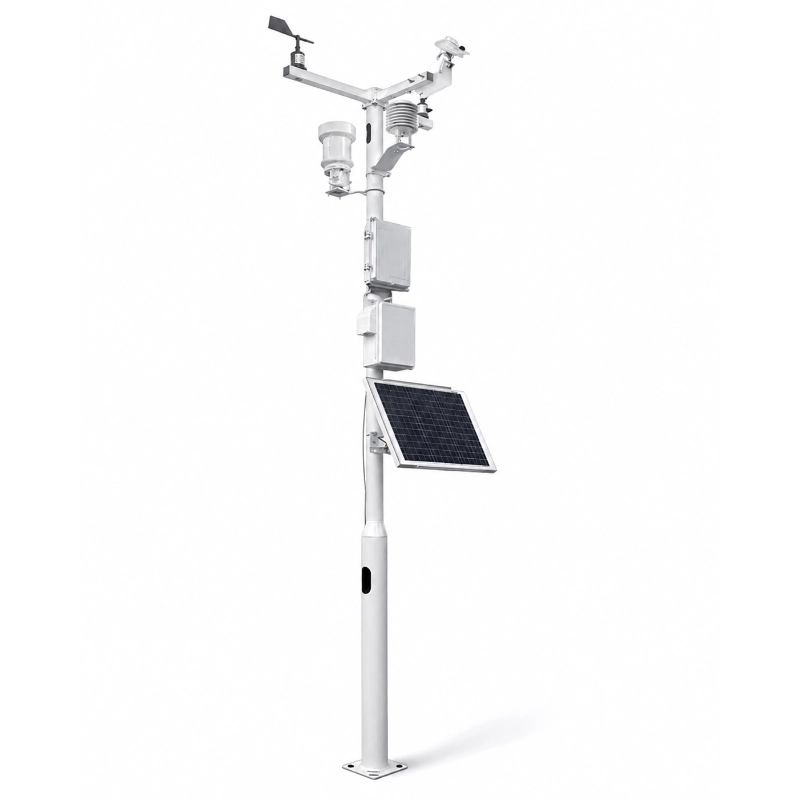
  • Ultrasonic wind sensor for solar PV weather station
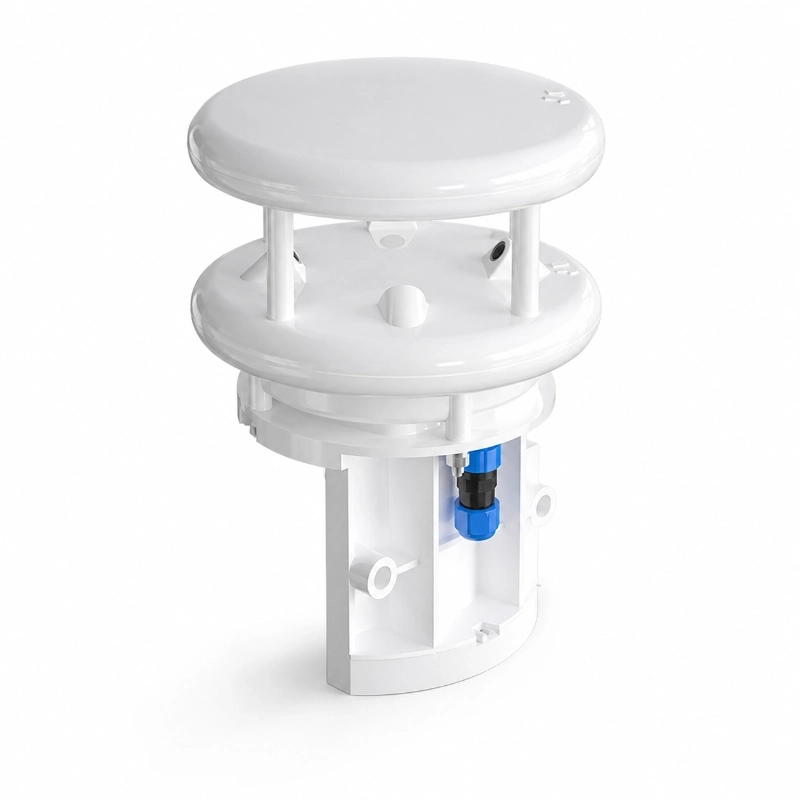
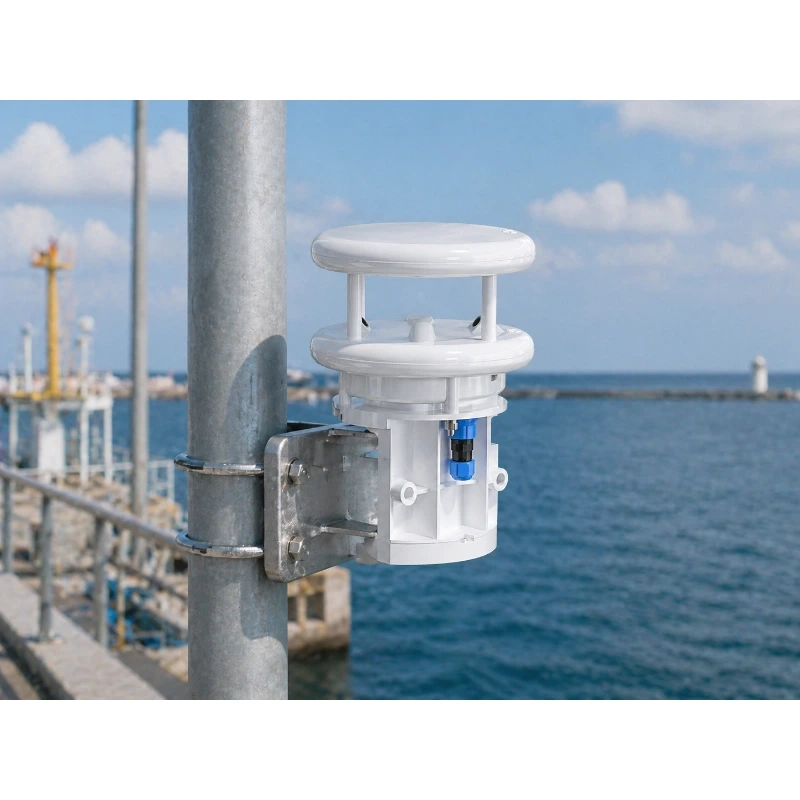
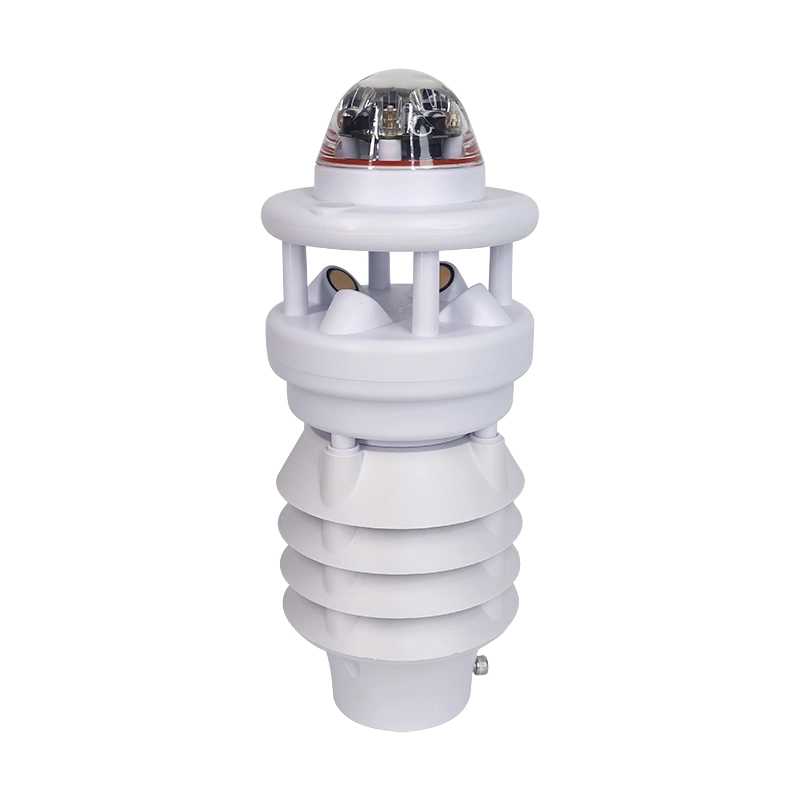
  • Compact ultrasonic wind sensor with IP68 waterproof housing

Ultrasonic Wind Speed Direction Sensor for Weather Monitoring

Key Features

  • Accurate Wind Speed and Direction Measurement: Uses ultrasonic sensing technology to measure wind speed and wind direction in real time without mechanical wear. It provides stable data for long-term outdoor monitoring.
  • No Moving Parts for Low Maintenance: The non-mechanical structure reduces failure caused by bearing wear, dust, salt spray, rain, snow, and long-term outdoor exposure, making it suitable for unattended monitoring stations.
  • Wide Wind Speed Measurement Range: Supports wind speed measurement from 0 to 75 m/s, making it suitable for normal weather monitoring and high-wind environments.
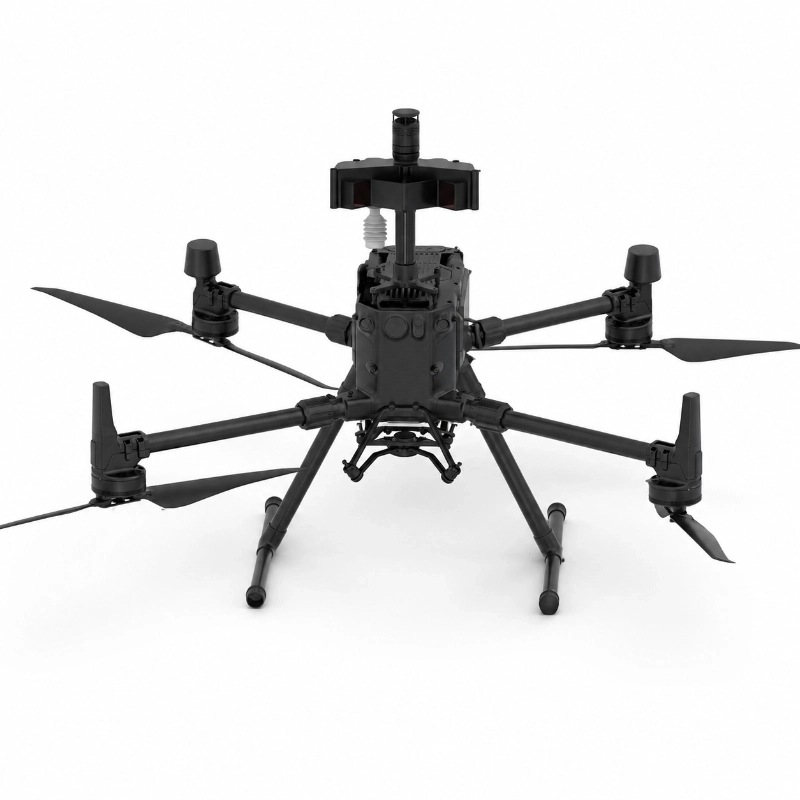
  • 360 Degree Wind Direction Detection: Measures wind direction across the full 0 to 360° range with electronic compass support, helping users obtain reliable direction data even in mobile or complex installation scenarios.
  • IP68 Waterproof Protection: The integrated sealed housing and waterproof coating design provide excellent protection against rain, water immersion, salt spray, and harsh outdoor environments.
  • Strong Anti-Interference Design: Special shielding materials and high-quality shielded cable improve resistance to electromagnetic interference, supporting stable signal transmission in industrial and outdoor environments.
  • Optional Heating Function: Optional heating helps reduce the impact of ice, frost, and snow, improving measurement continuity in cold climates.
  • RS485 Modbus RTU Output: Standard RS485 output with Modbus RTU protocol allows easy integration with data loggers, RTUs, weather stations, SCADA systems, IoT gateways, and cloud platforms.
  • Flexible Communication Options: Supports RS485, RS232, USB, Ethernet, WiFi, and BeiDou transmission options depending on system configuration, providing flexible data acquisition for different projects.
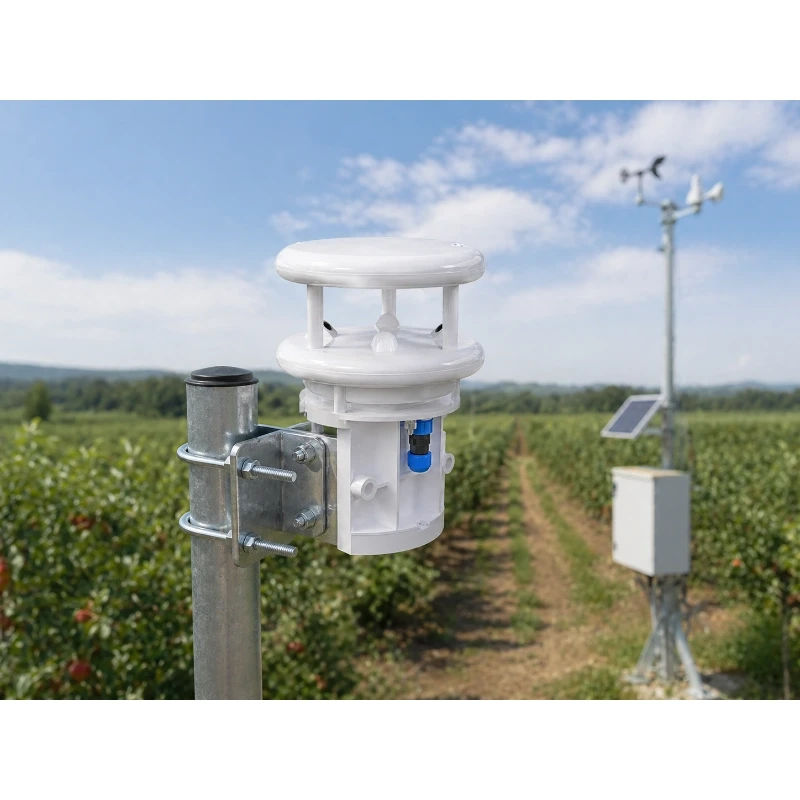
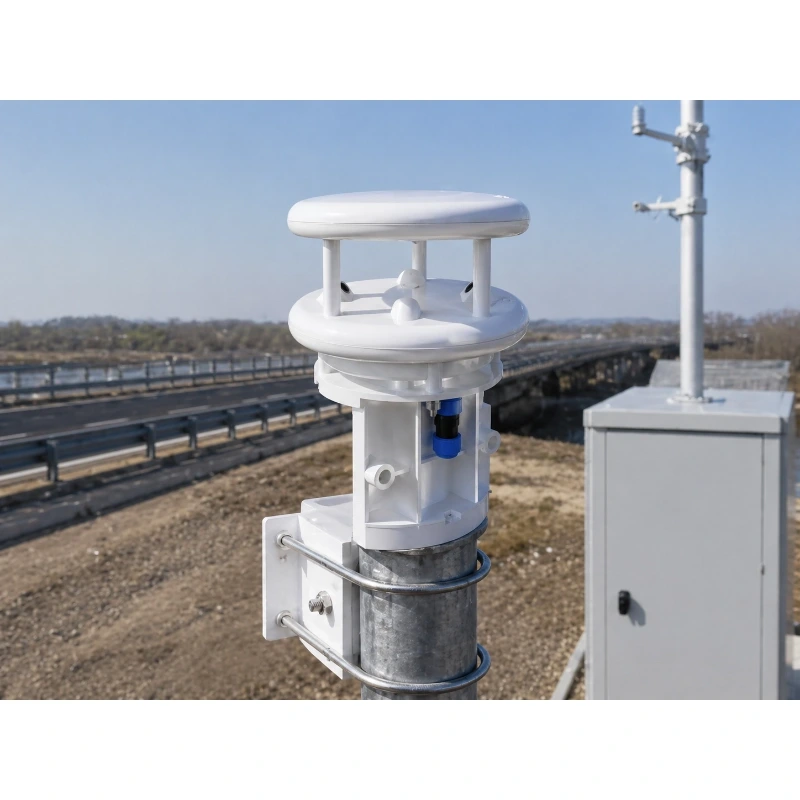
  • Easy Installation: The compact structure supports installation on a 50 to 70 mm round pipe with a U-bolt mounting kit, reducing on-site installation complexity.

Product Description

1. Description

JW-IWS-DC-21(LC32) Ultrasonic Wind Speed Direction Sensor is a compact all-in-one wind monitoring device designed for accurate real-time measurement of wind speed and wind direction. With no moving mechanical parts, IP68 protection, RS485 Modbus RTU output, optional heating, and strong anti-interference performance, it is suitable for meteorological stations, solar PV plants, wind energy sites, marine platforms, agriculture, transportation, environmental monitoring, and industrial weather applications.

2. Product Overview

JW-IWS-DC-21(LC32) Ultrasonic Wind Speed Direction Sensor measures real-time wind speed and direction using non-contact ultrasonic technology. With no moving parts, it offers stable performance, low maintenance, and reliable operation in harsh outdoor environments.

It supports 0 to 75 m/s wind speed measurement, 0 to 360° wind direction detection, RS485 Modbus RTU output, IP68 waterproof protection, and optional heating for cold weather use.

This compact sensor is suitable for weather stations, solar PV plants, wind farms, marine platforms, smart agriculture, transportation weather monitoring, and industrial environmental monitoring systems.

Parameter Specification
Model No. JW-IWS-DC-21(LC32)
Product Type Ultrasonic wind speed and direction sensor
Wind Speed Range 0 to 75 m/s
Wind Speed Accuracy ±0.5 m/s ≤20 m/s or ±3% >20 m/s
Wind Speed Resolution <0.1 m/s
Wind Direction Range 0 to 360°
Wind Direction Accuracy ±2°
Wind Direction Resolution <1°
Operating Temperature -40°C to 80°C
Operating Humidity 0 to 100% RH
Output Signal RS485 Modbus RTU
Power Supply DC12 to 24V DC12V recommended
Average Power Consumption 170 mA at 12V without heating 750 mA at 12V with heating
Communication Options RS485 RS232 USB Ethernet WiFi BeiDou
Baud Rate 4800 to 115200 default 9600
Data Receiving Options Cloud platform APP PC web wired software secondary development interface
Protection Grade IP68
Connector IP68 SP13-6
Sensor Expansion Supported
Mounting Options Fixed bracket portable mobile bracket vehicle ship tower offshore platform

3. Output and Communication

The sensor supports RS485 Modbus RTU as the standard output, which is widely used in industrial monitoring and IoT systems. It can be connected to RTUs, PLCs, edge gateways, weather data loggers, wireless telemetry terminals, and cloud platforms.

For different project requirements, communication can be expanded to RS232, USB, Ethernet, WiFi, BeiDou, wired transmission, wireless transmission, optical fiber, and network port transmission. Data can be received through a cloud platform, mobile APP, PC terminal, web dashboard, wired standalone software, or secondary development interface.

4. Application Scenarios

  • Meteorological Monitoring: Ideal for automatic weather stations, climate observation networks, research stations, and environmental data collection systems.
  • Solar PV Weather Stations: Provides wind data for photovoltaic power plants, solar resource monitoring, panel safety assessment, and energy operation management.
  • Wind Energy Sites: Supports wind resource assessment, wind farm monitoring, turbine safety evaluation, and local weather data collection.
  • Marine and Offshore Monitoring: The IP68 housing and anti-corrosion design make it suitable for coastal weather stations, offshore platforms, ships, buoys, and marine research.
  • Smart Agriculture: Can be used in farmland, greenhouses, orchards, livestock areas, irrigation control systems, and agricultural weather monitoring.
  • Transportation Weather Monitoring: Suitable for highways, railways, airports, bridges, and roadside weather monitoring systems where real-time wind data is required.
  • Industrial and Environmental Monitoring: Works for factories, laboratories, campuses, environmental protection stations, mining areas, and industrial safety monitoring projects.

FAQ

  • Q

    1. What does this ultrasonic wind sensor measure?

    A

    It measures real-time wind speed and wind direction. It can also support data such as average wind speed, instantaneous wind speed, maximum wind speed, real-time wind level, real-time wind direction, synthetic wind speed, and standard deviation depending on system configuration.

  • Q

    2. Why choose an ultrasonic wind sensor instead of a mechanical anemometer?

    A

    An ultrasonic wind sensor has no moving parts, so it avoids bearing wear, mechanical jamming, and frequent maintenance. It is better suited for long-term outdoor monitoring and unattended stations.

  • Q

    3. Can JW-IoT integrate this wind sensor into a weather monitoring system?

    A

    Yes. JW-IoT can integrate the sensor with weather stations, data loggers, RTUs, IoT gateways, cloud platforms, web dashboards, and project-specific monitoring systems.

  • Q

    4. Is the sensor suitable for solar PV power plants?

    A

    Yes. It is suitable for solar PV weather stations and renewable energy monitoring systems where accurate wind data is needed for site safety, equipment protection, and environmental analysis.

  • Q

    5. What is the wind speed measurement range?

    A

    The sensor supports wind speed measurement from 0 to 75 m/s, covering most weather, industrial, and renewable energy monitoring scenarios.

  • Q

    6. Does this sensor support RS485 Modbus RTU?

    A

    Yes. The standard output is RS485 Modbus RTU, which is widely compatible with data loggers, PLCs, RTUs, IoT gateways, and industrial monitoring systems.

  • Q

    7. Can JW-IoT provide cloud platform access for this sensor?

    A

    Yes. JW-IoT can support cloud platform access, APP monitoring, PC terminals, web dashboards, and secondary development interfaces according to project requirements.

  • Q

    8. Is the sensor waterproof?

    A

    Yes. The sensor has an IP68 waterproof rating and is designed for rain, humidity, water exposure, salt spray, and harsh outdoor environments.

  • Q

    9. Can it be used in cold regions?

    A

    Yes. The sensor supports an optional heating function, which helps reduce the impact of ice, frost, snow, and freezing rain on measurement performance.

  • Q

    10. What installation method does it use?

    A

    The sensor can be installed on a 50 to 70 mm round pipe using a U-bolt bracket. It supports fixed brackets, portable brackets, vehicle mounting, ship mounting, tower installation, and offshore platform installation.

  • Q

    11. Can JW-IoT customize communication methods for projects?

    A

    Yes. In addition to RS485, JW-IoT can support project-based communication options such as RS232, USB, Ethernet, WiFi, BeiDou, wired transmission, wireless transmission, and optical fiber integration.

  • Q

    12. Which industries can use this wind sensor?

    A

    It can be used in meteorology, marine monitoring, scientific research, solar PV, wind energy, smart agriculture, livestock farming, forestry, highways, railways, airports, power transmission lines, campuses, laboratories, and environmental monitoring.

WhatsApp

Leave a message!

Leave a message!