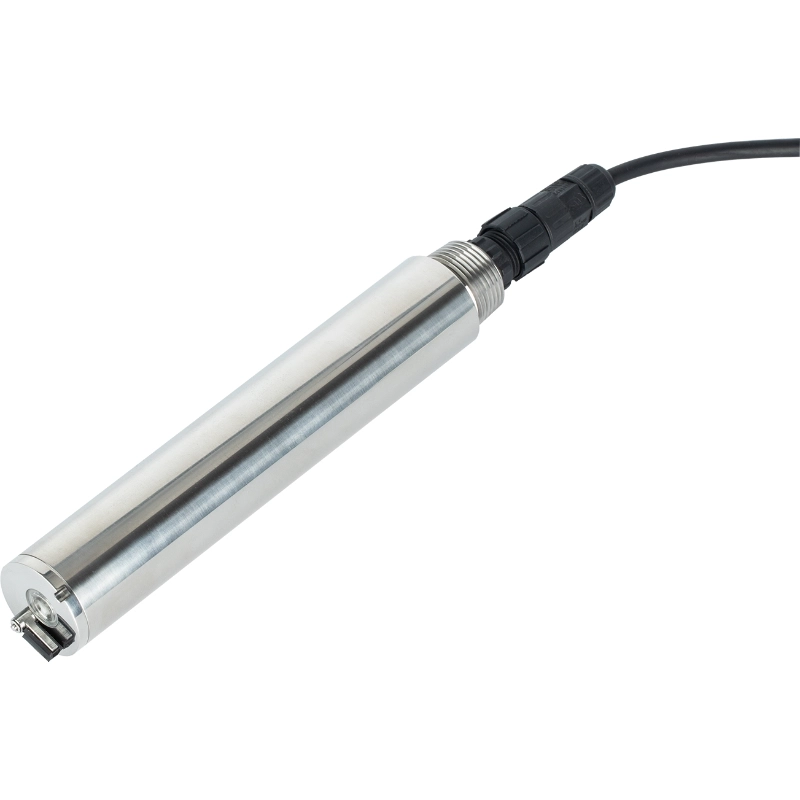
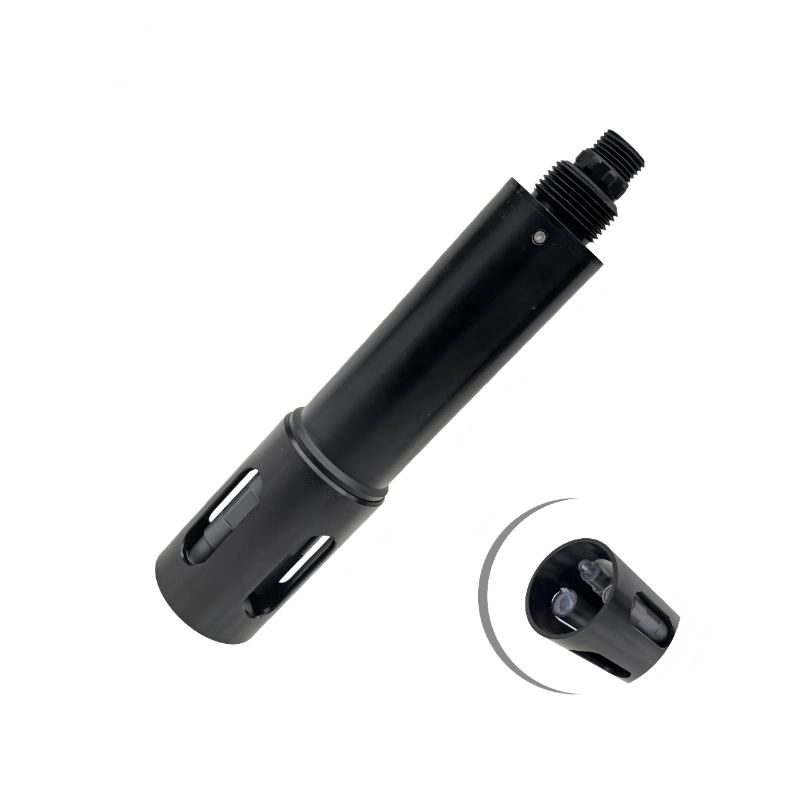
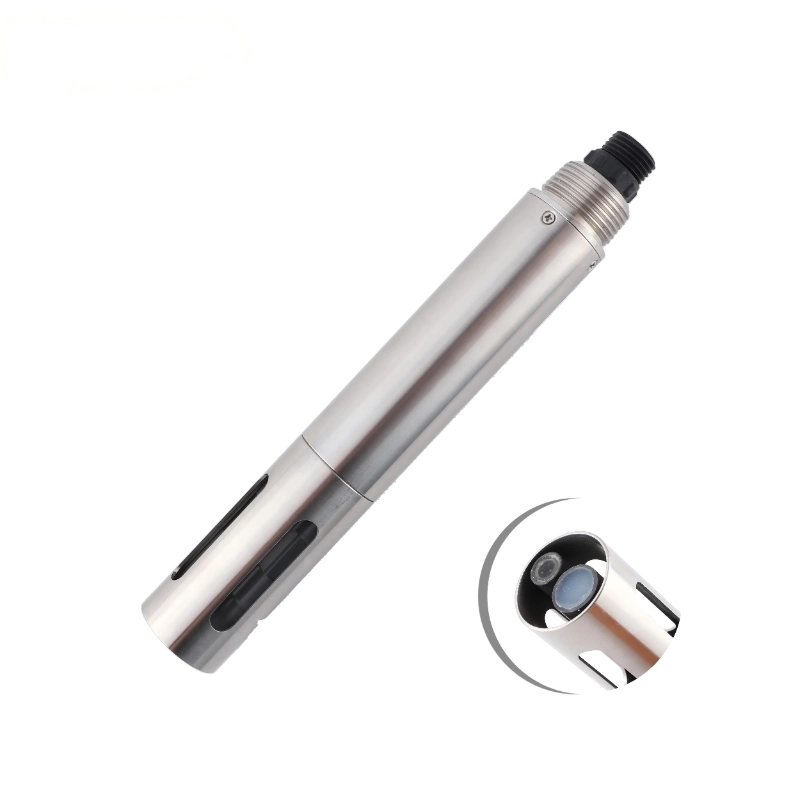
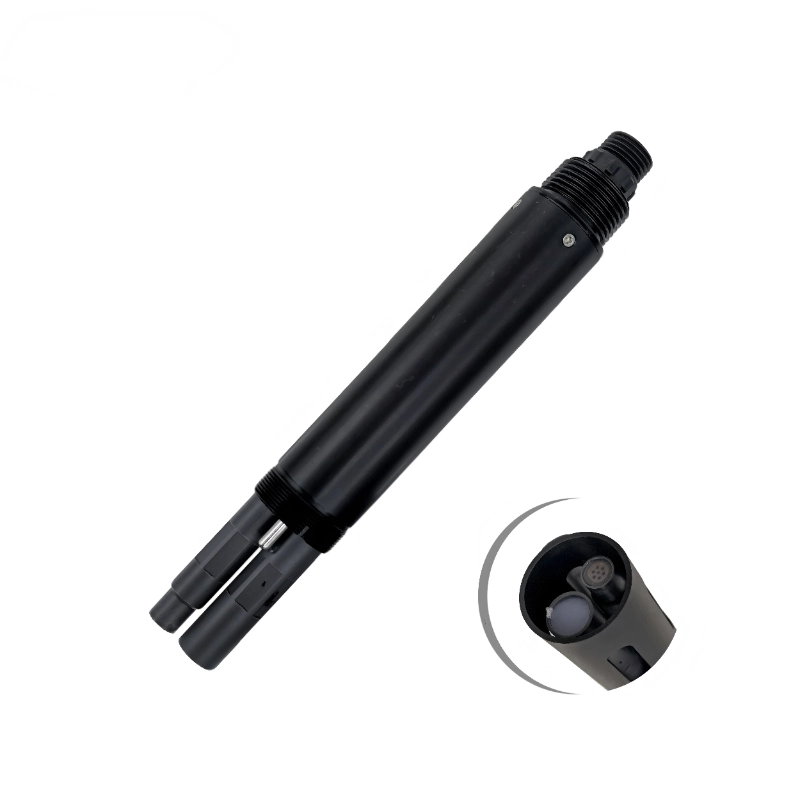
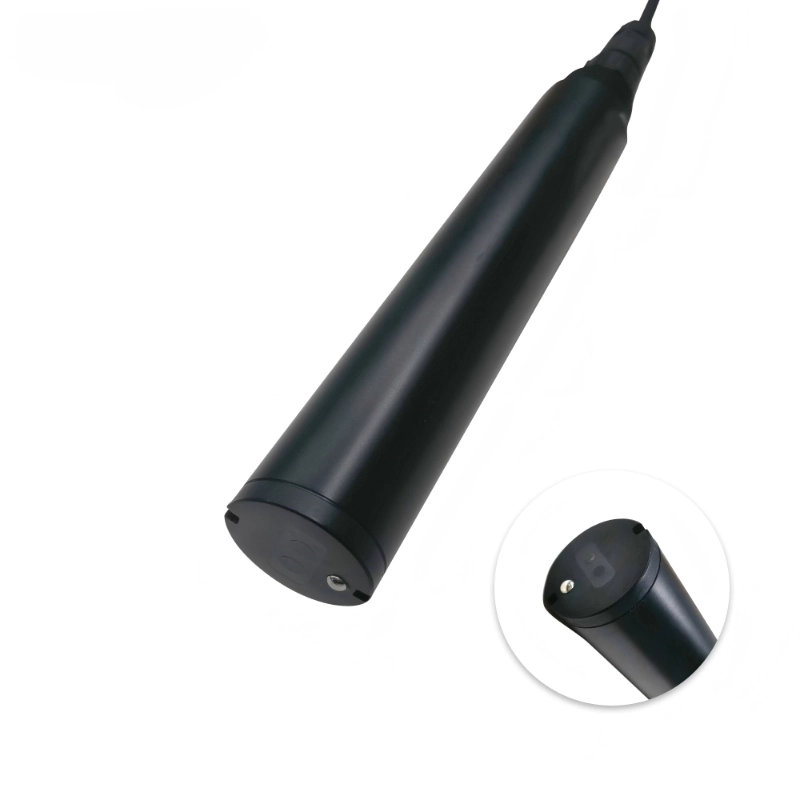
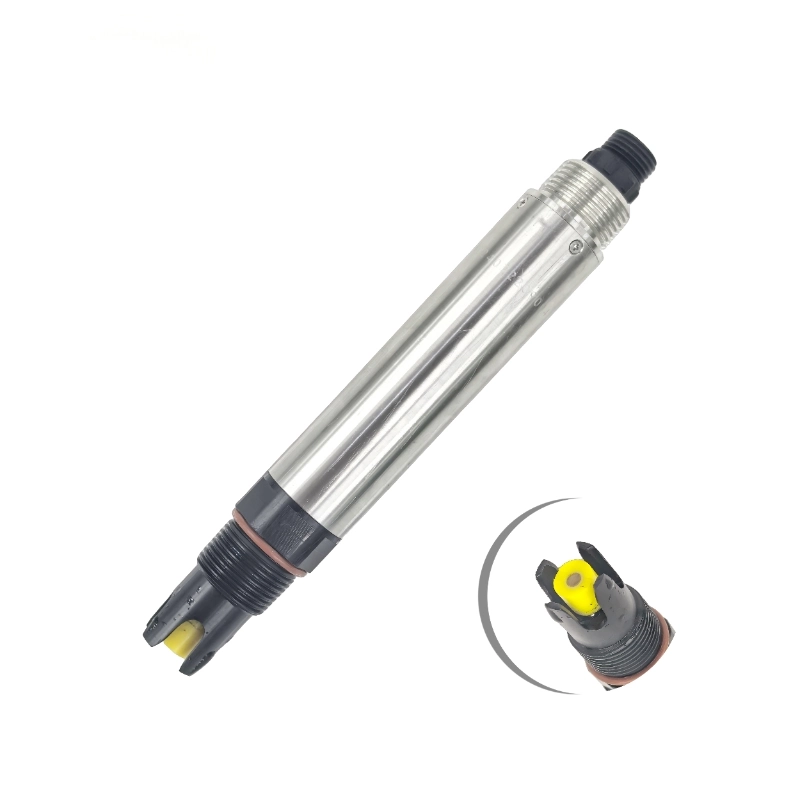
JW-ZS-406(K08) Online Turbidity Sensor is designed for continuous turbidity monitoring in drinking water, surface water, wastewater treatment, industrial process water, tanks, pipelines, and environmental monitoring systems. Built with a 90° scattered light measurement principle, infrared LED light source, pure quartz optical path, RS485 Modbus RTU output, and optional 4–20mA signal, it provides stable turbidity and temperature data for smart water quality monitoring and industrial automation.
2. Product Overview
JW-ZS-406(K08) online turbidity sensor is engineered for continuous water clarity and suspended solids monitoring in industrial and environmental water applications. It uses the scattered light method: when an infrared light beam enters the water sample, suspended particles scatter the light, and the sensor calculates turbidity by measuring the scattered light intensity at a 90° angle to the incident light.
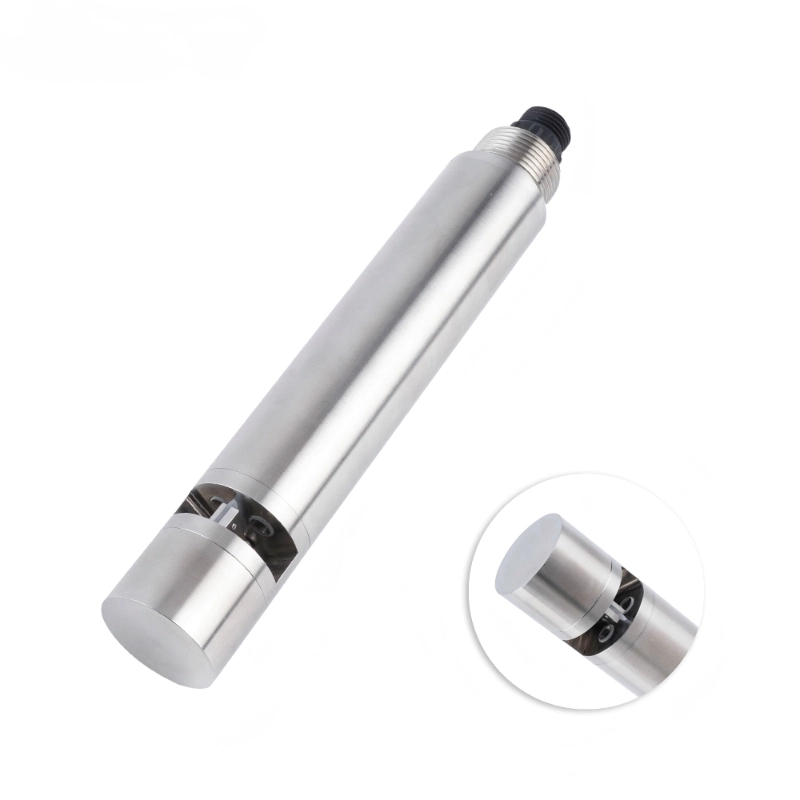
The sensor is built with a 316L stainless steel housing and a pure quartz optical path to support stable operation in demanding water quality monitoring environments. With RS485 Modbus RTU communication and optional 4–20mA output, it can be integrated into PLC systems, DCS platforms, SCADA systems, data loggers, remote terminal units, and smart water IoT platforms.
Item
Specification
Product Type
Online Turbidity Sensor
Measurement Principle
Scattered light method
Optical Principle
90° scattered light
Light Source
Infrared LED
Optical Path
Pure quartz optical path
Housing Material
316L stainless steel
Measuring Range
0–20.00 NTU
Measuring Range
0–200.0 NTU
Measuring Range
0–1000.0 NTU
Measuring Range
0–4000.0 NTU
Resolution
0.01 NTU or 0.1 NTU depending on range
Accuracy
±3% or ±1.5 NTU whichever is greater
Accuracy
±3% or ±2 NTU whichever is greater
Accuracy
±5% or ±3 NTU whichever is greater
High Range Accuracy
0–200 NTU ±20 NTU 200–4000 NTU ±5%
Temperature Accuracy
±0.3°C
Response Time
T90 less than 30 s
Minimum Detection Limit
0.01 NTU for 0–20 NTU range
Minimum Detection Limit
0.3 NTU
Calibration
Two point calibration
Temperature Compensation
Automatic Pt1000 compensation
Output
RS485 Modbus RTU
Optional Output
4–20mA
Storage Temperature
-5°C to 65°C
Working Temperature
0°C to 60°C
Working Pressure
≤0.2 MPa
Installation
Submersible installation 3/4 NPT
Power Supply
12–24V DC
Power Consumption
0.2W at 12V
Protection Grade
IP68
Waterproof Depth
Within 20 m
Cable Length
Standard 5 m customizable
Connector
M16 5 pin waterproof male connector
3. Application Scenarios
Drinking Water Monitoring: Suitable for turbidity monitoring in water plants, clean water tanks, distribution systems, and drinking water treatment processes.
Wastewater Treatment: The wide measuring range up to 4000 NTU makes the sensor suitable for wastewater treatment tanks, sedimentation processes, discharge monitoring, and process control points.
Surface Water Monitoring: The sensor can be used in rivers, reservoirs, lakes, canals, and outdoor environmental stations to track turbidity changes caused by rainfall, runoff, sediment, or pollution events.
Industrial Process Water: It supports online turbidity control in filtration systems, cooling water circulation, industrial water recycling, and production water treatment.
Smart Water IoT Systems: RS485 Modbus RTU and optional 4–20mA output allow easy integration with telemetry terminals, gateways, PLCs, SCADA systems, and cloud monitoring dashboards.
4. Installation Notes
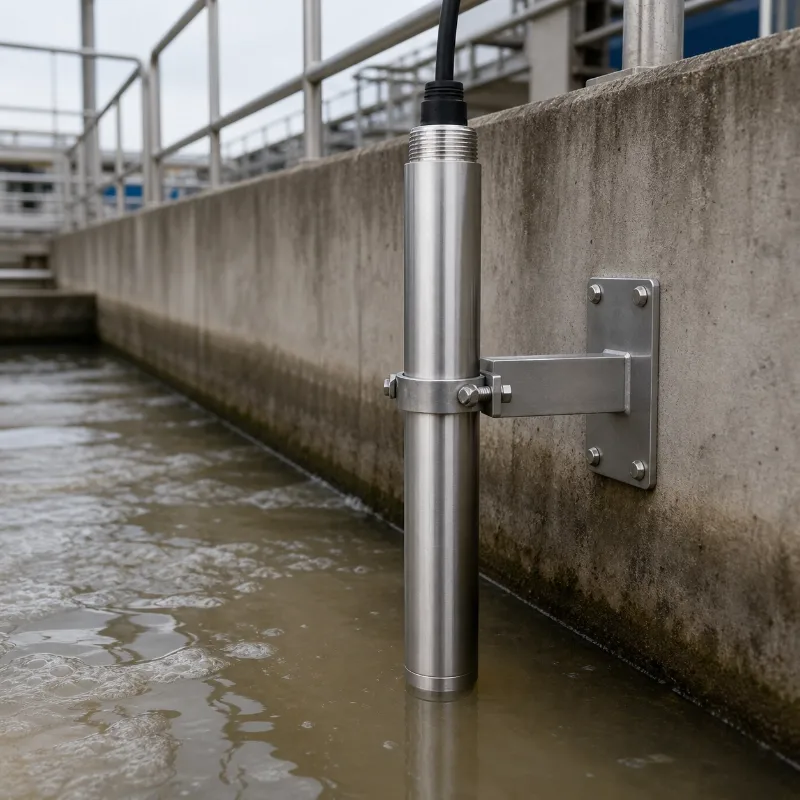
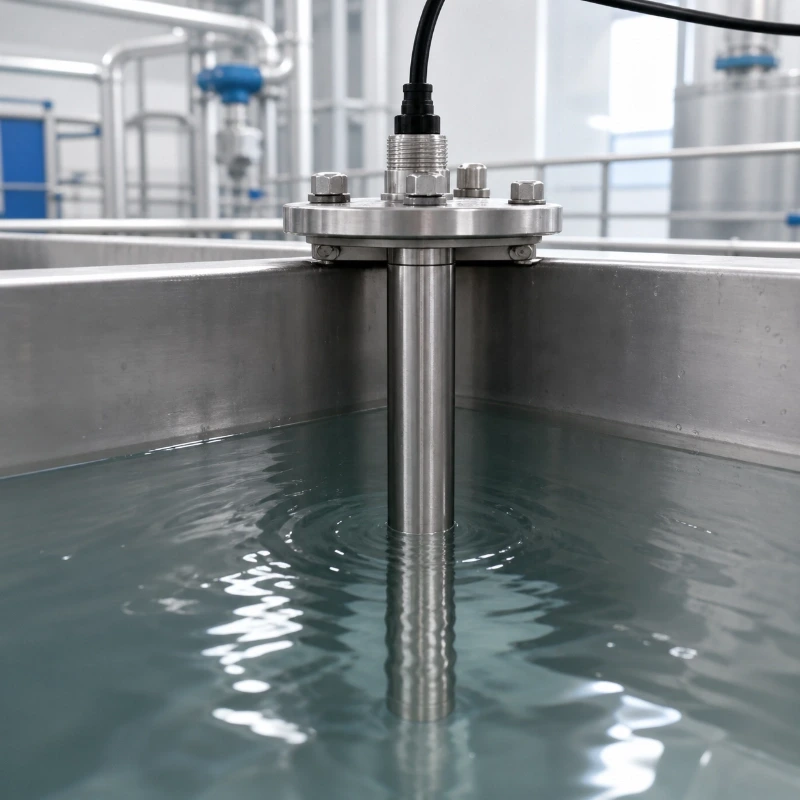
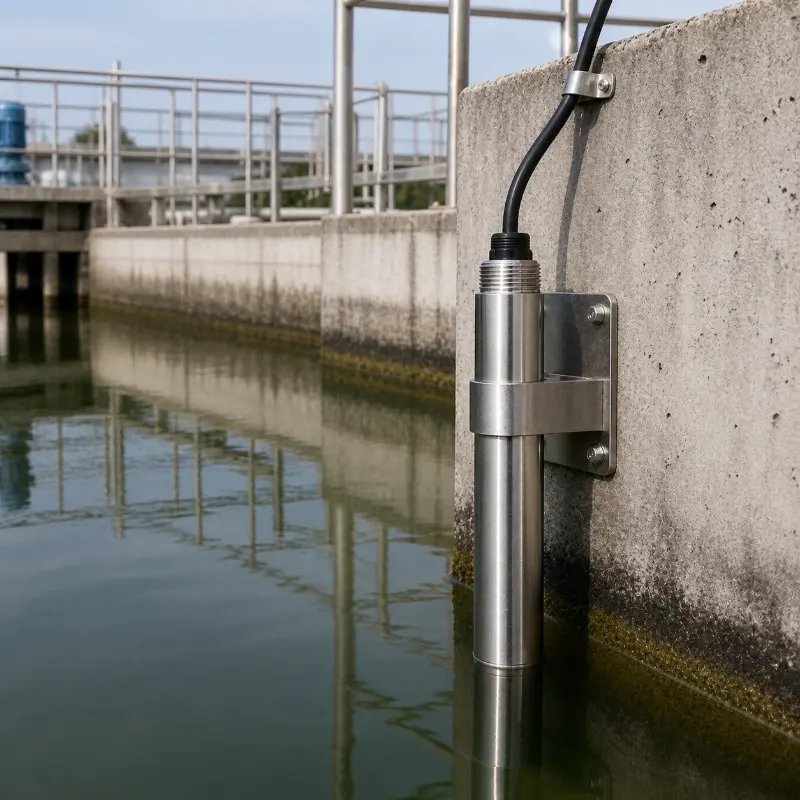
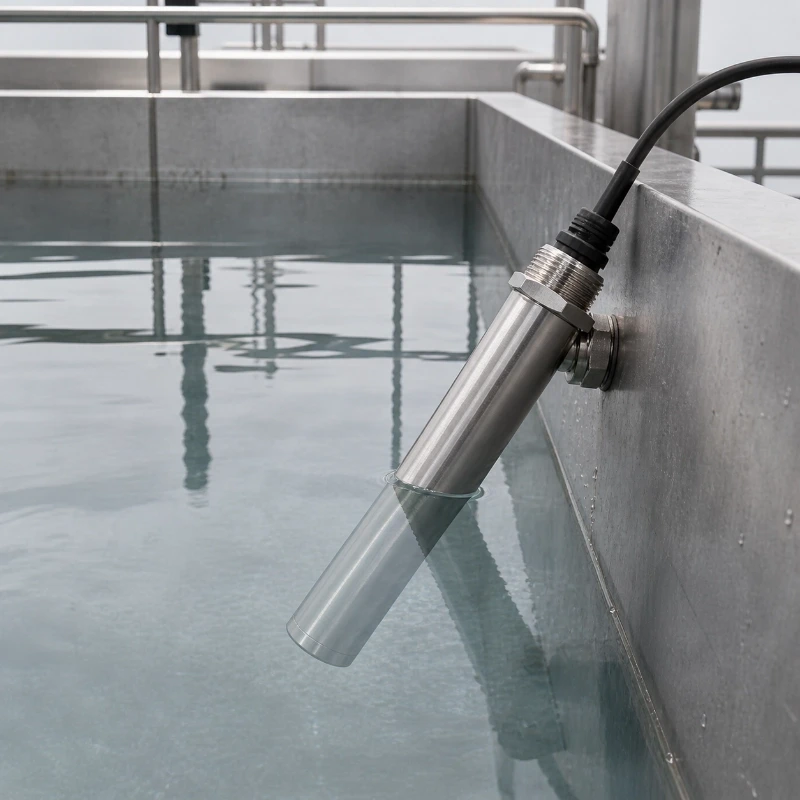
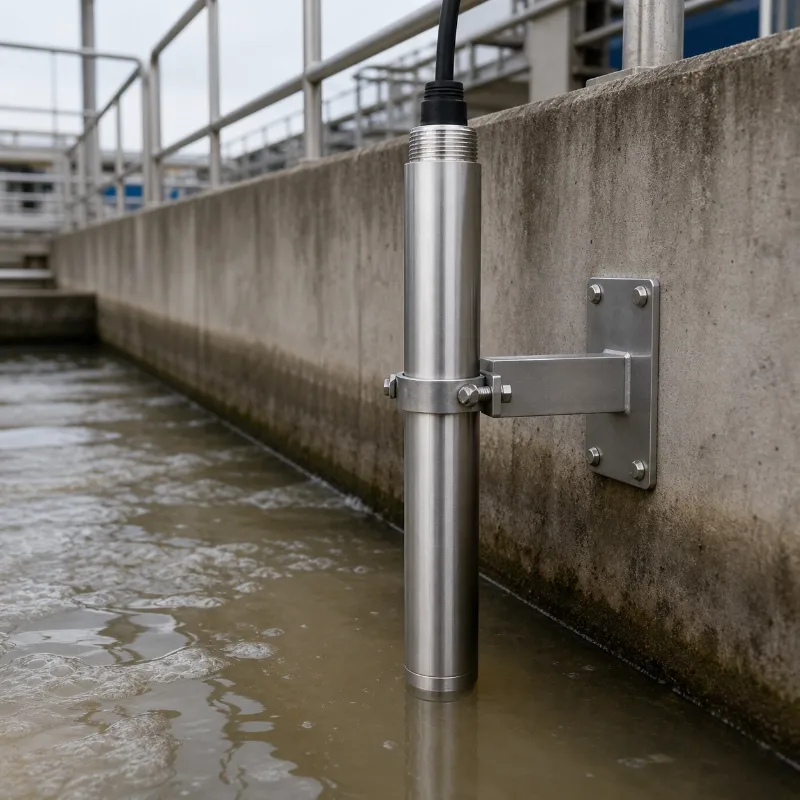
The sensor supports submerged installation with a 3/4 NPT thread. During installation, the measuring end should be kept more than 5 cm from the side wall and more than 10 cm from the bottom to reduce reflection and sediment interference. All cable joints should be waterproofed, especially for long term submerged use, seawater exposure, or outdoor installation.
5. Maintenance Guide
The cleanliness of the optical measuring window is critical for accurate turbidity readings. Clean the sensor surface with tap water. If debris remains, wipe gently with a damp soft cloth. For stubborn dirt, a small amount of household detergent can be added to water. The cable should not be stretched during operation, and the optical window should be checked regularly for contamination. Avoid strong mechanical impact because the sensor contains sensitive optical and electronic components.
FAQ
Q
1. What is this online turbidity sensor used for?
A
It is used for continuous turbidity monitoring in drinking water, wastewater, surface water, industrial process water, tanks, and pipelines.
Q
2. What is the maximum measuring range of this turbidity sensor?
A
The sensor supports multiple ranges up to 4000 NTU, making it suitable for both low turbidity and high turbidity water monitoring.
Q
3. Can JW-IoT integrate this turbidity sensor into a smart water platform?
A
Yes. JW-IoT can integrate the sensor with data loggers, telemetry terminals, cloud dashboards, alarms, and remote water quality monitoring systems.
Q
4. Does the sensor support RS485 Modbus RTU?
A
Yes. It supports RS485 Modbus RTU communication and can be connected to PLCs, DCS systems, controllers, gateways, and IoT platforms.
Q
5. Is 4–20mA output available?
A
Yes. The sensor supports optional 4–20mA current output for industrial analog monitoring systems.
Q
6. Is this sensor suitable for submerged installation?
A
Yes. It has IP68 protection and supports submerged installation within 20 m water depth.
Q
7. What makes JW-IoT turbidity monitoring suitable for wastewater projects?
A
JW-IoT can combine high range turbidity sensors, telemetry devices, power systems, data platforms, and alarms to build complete wastewater monitoring solutions.
Q
8. How should the turbidity sensor be maintained?
A
Keep the optical measuring window clean, rinse the surface with tap water, wipe with a soft damp cloth, and calibrate according to the project maintenance schedule.
Q
9. Can JW-IoT support customized cable length and project integration?
A
Yes. JW-IoT can support customized cable length, system integration, Modbus data acquisition, and cloud platform connection for water quality monitoring projects.
 +86 13520127780
  info@jingelway.com