 +86 13520127780
  info@jingelway.com









Solutions
Driven by reliability, precision, and global compatibility, JW-IoT aims to become a trusted global partner in IoT sensing and smart solution integration.
Offshore Platform Weather Monitoring System
Real-Time Marine Weather Monitoring • Wind and Wave Condition Tracking • Offshore Safety Support • LoRaWAN 4G Satellite Connectivity • Cloud-Based Weather Data Management
Challengesin Offshore Platform Weather Monitoring
Offshore oil and gas platforms, marine engineering sites, offshore wind farms, ports, and ocean research facilities operate in harsh and rapidly changing marine environments. Accurate and continuous weather monitoring is essential for operational safety, personnel protection, equipment maintenance, and emergency response. Traditional manual observation methods cannot provide real-time, high-frequency, and site-specific weather data for offshore decision-making. Offshore platforms need reliable, rugged, and connected weather monitoring systems that can operate continuously under salt spray, high humidity, strong wind, heavy rain, and corrosive marine conditions.
-
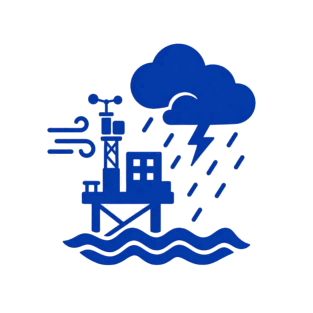
Rapidly Changing Marine Weather
Offshore platforms are exposed to sudden changes in wind speed, wind direction, rainfall, atmospheric pressure, temperature, humidity, visibility, and storm conditions. Without real-time weather data, it is difficult to make timely decisions for crane operation, helicopter landing, vessel docking, and outdoor maintenance.
-

High Safety Risk for Offshore Operations
Strong wind, lightning, heavy rain, low visibility, and extreme weather can directly affect personnel safety, lifting operations, drilling activities, marine transport, and emergency evacuation planning.
-
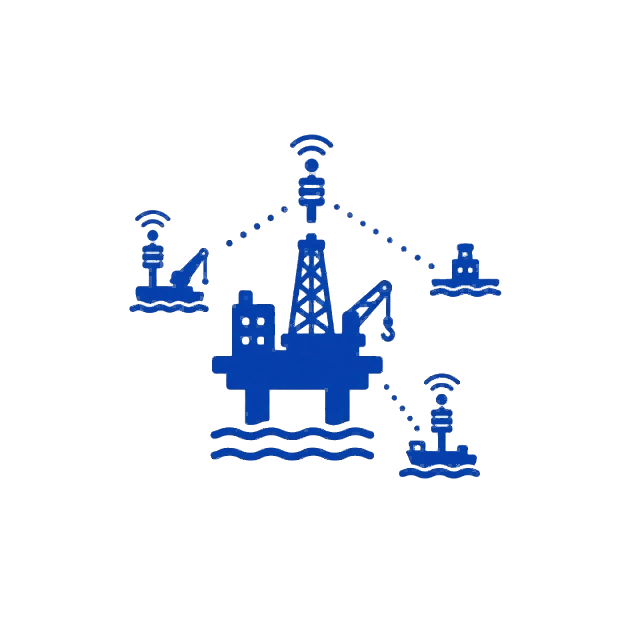
Limited On-Site Monitoring Coverage
Many offshore facilities rely on a small number of fixed weather instruments or manual reporting. This may not provide sufficient data coverage for different working zones, helipads, loading areas, flare towers, accommodation areas, and vessel approach points.
-

Harsh Marine Environment
Offshore monitoring equipment must withstand salt fog, corrosion, vibration, humidity, UV exposure, and unstable power conditions. Ordinary weather stations may have short service life or high maintenance frequency in marine environments.
-
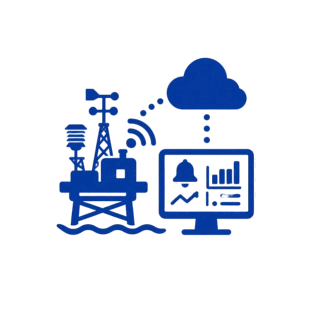
Data Integration and Remote Management
Offshore weather data often needs to be shared with central control rooms, safety departments, marine operation teams, emergency response centers, and third-party management platforms. A modern IoT-based platform is required for centralized data display, alarm notification, historical records, and API integration.
JW-IoT Offshore Platform Weather Monitoring Solution
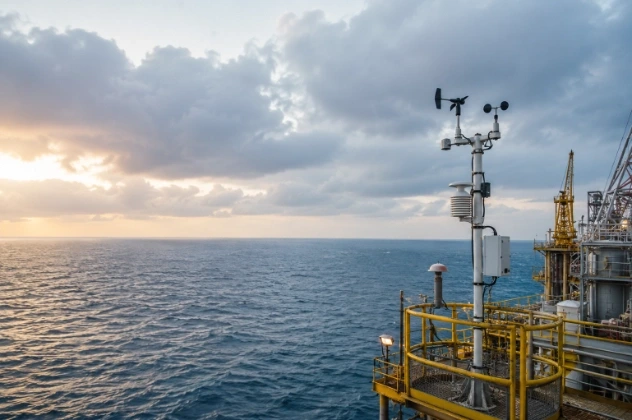
JW-IoT provides a complete IoT-based offshore platform weather monitoring system designed for offshore oil and gas platforms, offshore wind farms, marine engineering projects, ports, coastal stations, and ocean monitoring sites. The system integrates marine-grade weather sensors, IoT data loggers, wireless communication, edge data acquisition, cloud platform, alarm notification, and data analysis tools to support real-time offshore weather monitoring and operational decision-making.
-
Offshore Weather Monitoring
· Wind speed
· Wind direction
· Air temperature
· Relative humidity
· Atmospheric pressure
· Rainfall
· Solar radiation
· Visibility
· Wave height
· Wave direction
· Rainfall
· Sea surface temperature
· Water level
· GPS location
· Equipment status -
Wind Monitoring for Offshore Safety
· Crane lifting operation safety
· Helicopter landing support
· Vessel docking and approach management
· Outdoor maintenance planning
· Emergency evacuation assessment
· Offshore wind resource reference -
Rainfall Pressure and Microclimate Monitoring
· Rainfall intensity and accumulated rainfall
· Atmospheric pressure trend
· Temperature and humidity
· Solar radiation
· Dew point reference
· Weather trend analysis -
Marine Environmental Monitoring
· Wave height monitoring
· Wave direction monitoring
· Water level monitoring
· Sea surface temperature
· Salinity monitoring
· Current speed and direction
· Tide level reference
· Floating buoy data integration -
Communication Options
· 4G LTE for nearshore or platform areas with cellular coverage
· LoRaWAN for distributed monitoring points across large offshore facilities
· LoRaWAN gateway with 4G backhaul
· Satellite communication for remote offshore platforms
· RS485 Modbus sensor integration
· Ethernet for fixed platform control systems
· MQTT HTTP API integration with third-party platforms
· Solar power or platform power supply options -
Cloud Platform Features
· Real-time weather monitoring dashboard
· Map-based offshore monitoring points
· Wind speed and wind direction trend analysis
· Historical data curves
· Alarm threshold configuration
· Multi-platform and multi-site management
· Data export and reporting
· Mobile app access
· API integration with offshore operation platforms
· User role and permission management
· Remote device status monitoring
ArchitectureOverview
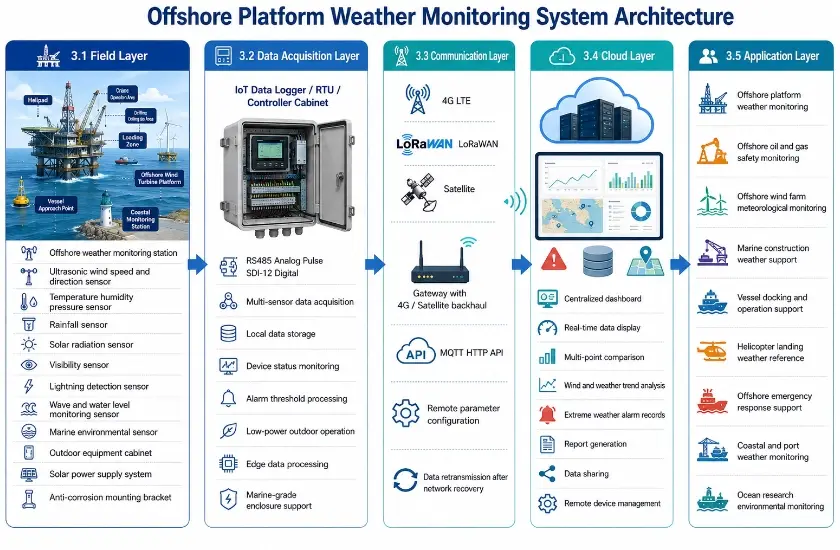
Sensors → IoT Data Logger → LoRaWAN 4G Satellite Gateway → Cloud Server → Web Mobile App → Alarm Report Decision Support
-
Field Layer
Marine-grade sensors are deployed on offshore platforms, helipads, crane operation areas, loading zones, drilling areas, vessel approach points, offshore wind turbine platforms, and coastal monitoring stations.
-
Data Acquisition Layer
IoT data loggers collect sensor data from offshore field devices through RS485, analog signals, pulse signals, SDI-12, or digital communication protocols.
-
Communication Layer
The system supports flexible communication according to offshore site conditions and project scale.
-
Cloud Layer
The cloud platform receives, stores, analyzes, and visualizes offshore weather and marine environmental data.
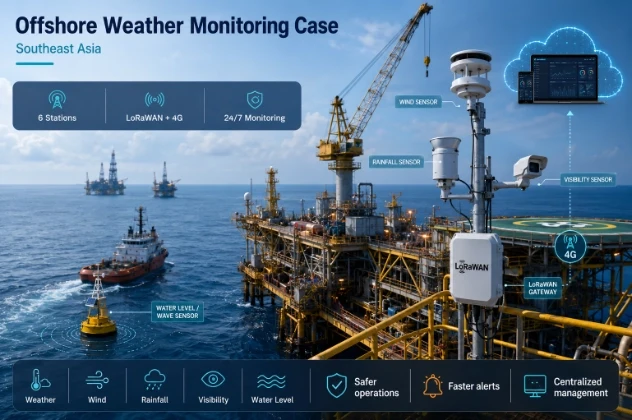
Case Study– Offshore Platform Weather Monitoring Project
Driven by reliability, precision, and global compatibility, JW-IoT aims to become a trusted global partner in IoT sensing and smart solution integration.
Project Type: Real-Time Weather and Marine Condition Monitoring for Offshore Platform Safety
Project Scale: Offshore platform deck, helipad, crane operation zone, vessel docking area, and marine approach area
Communication:LoRaWAN + 4G Gateway + Optional Satellite Backup
-
Deployment:
· 6 Offshore Weather Monitoring Stations
· 6 Ultrasonic Wind Speed and Direction Monitoring Points
· 4 Rainfall Monitoring Points
· 4 Temperature Humidity Pressure Sensors
· 2 Visibility Monitoring Points
· 2 Lightning Detection Points
· 2 Marine Water Level Monitoring Points
· 2 Wave Monitoring Points
· 3 Solar-Powered Outdoor Cabinets
· 2 LoRaWAN Gateways with 4G Backhaul
· 1 Cloud-Based Offshore Weather Monitoring Platform
-
Results:
✔ 24-hour real-time monitoring of offshore weather conditions
✔ Improved safety support for crane lifting and outdoor operations
✔ Faster identification of strong wind, storm, rainfall, and pressure changes
✔ Better weather reference for vessel docking and helicopter landing
✔ Reduced manual weather observation workload
✔ Centralized management of multiple offshore monitoring points
✔ Real-time alarm notification for extreme weather conditions
✔ Improved offshore operation planning and emergency response efficiency
Why Choose JW-IoT?
Empower Your Smart Solutions
Empower Your Smart Solutions
-

Scenario-Driven Architecture
-

Compatible With Existing Greenhouse Motors
-

OEM / White Label Support
-

Multi-Protocol Integration
-

Modular & Scalable Design
-

Remote Technical Support
Empower Your Smart Solutions
-
Scenario-Driven Architecture
-
Compatible With Existing Greenhouse Motors
-
OEM / White Label Support
-
Multi-Protocol Integration
-
Modular & Scalable Design
-
Remote Technical Support
Scopeof Applications
JW-IoT aims to become a trusted global partner in IoT sensing and smart solution integration.
-
 Offshore oil and gas platforms
 -
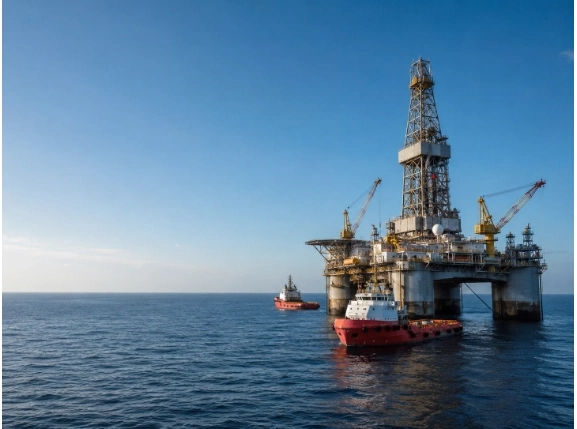 Offshore drilling platforms
 -
 Offshore production platforms
 -
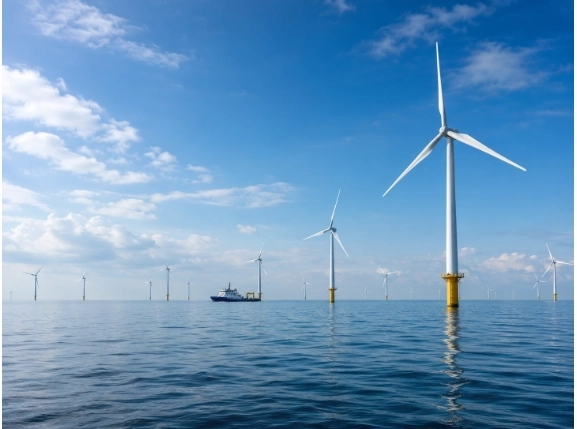 Offshore wind farms
 -
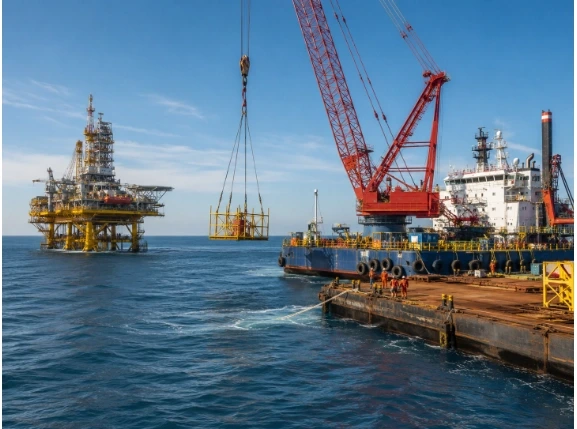 Marine engineering projects
 -
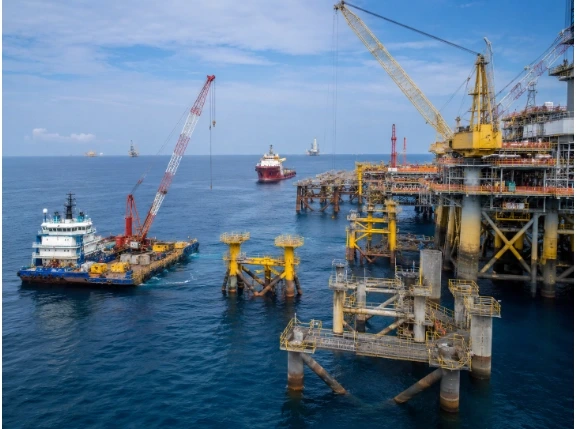 Offshore construction sites
 -
 Ports and coastal terminals
 -
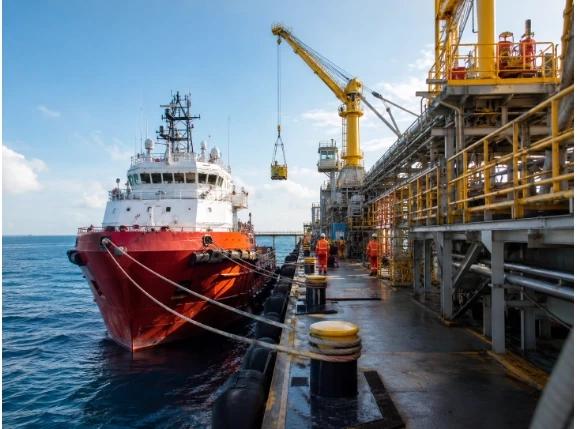 Vessel docking and loading areas
 -
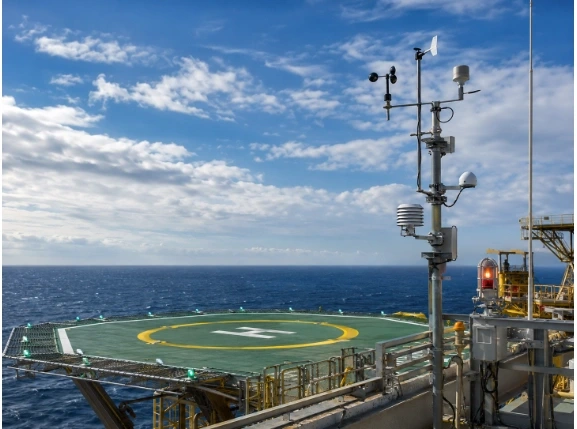 Helipad weather monitoring points
Ready to Your Offshore Weather Monitoring Network?
- Get Free System Design
- Request Quotation
- Speak with Technical Engineer
RecommendedProducts
Precision Monitoring. Reliable Data. Intelligent Decisions.
-
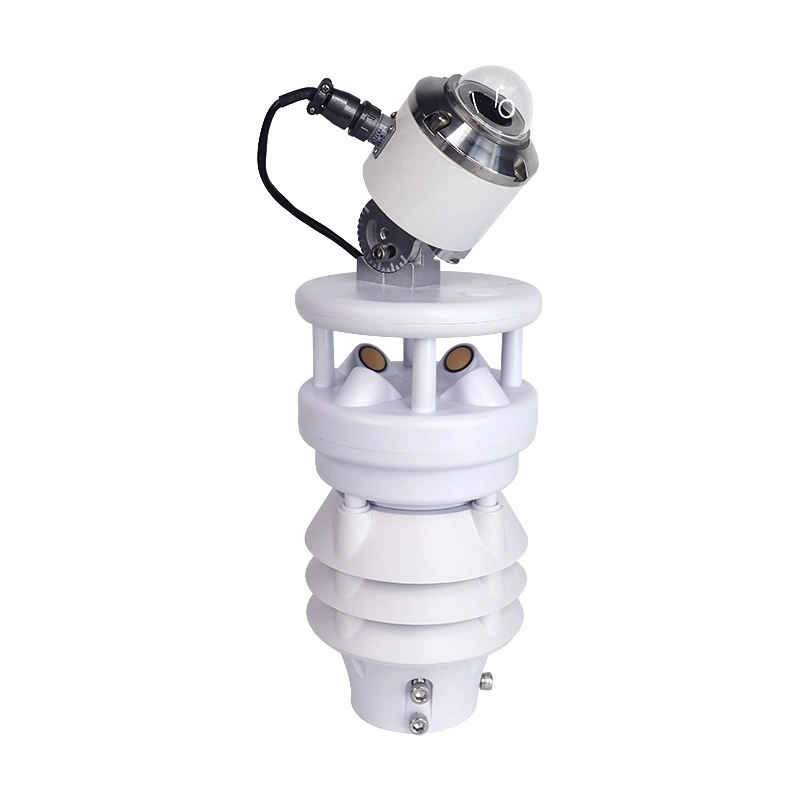
Solar PV Weather Station for Power Plant Monitoring
Learn More

-
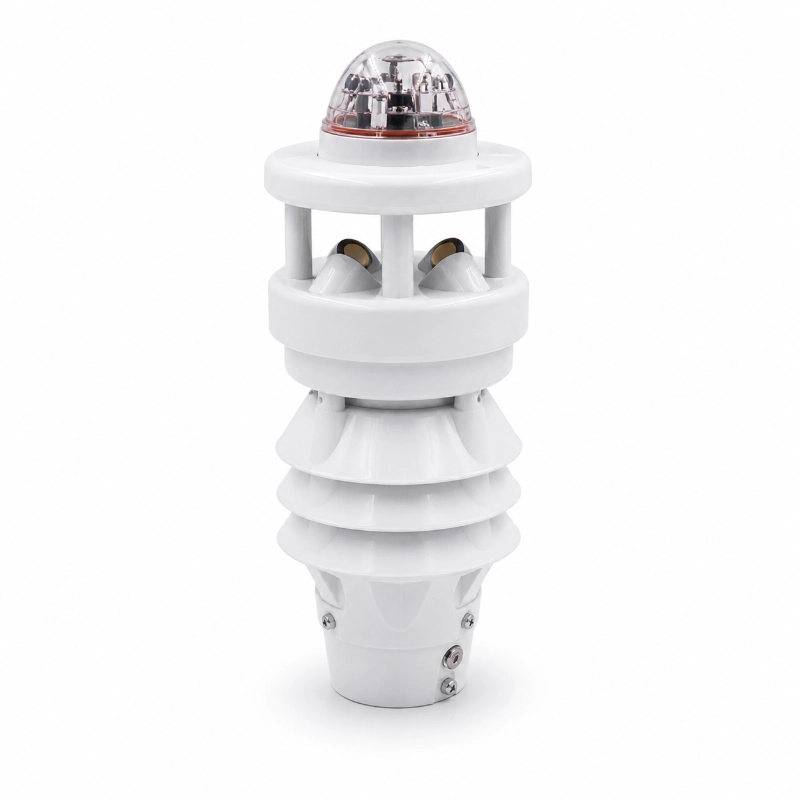
Seven Parameter Weather Station for Environmental Monitoring
Learn More
-
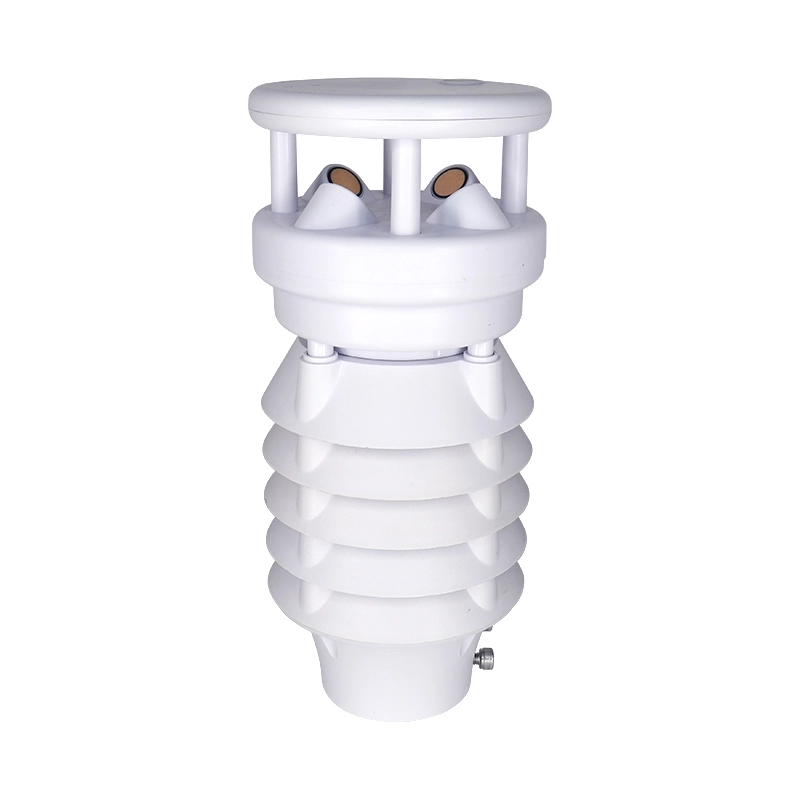
13-in-1 Compact Weather Station with Gas and PM Monitoring
Learn More
-
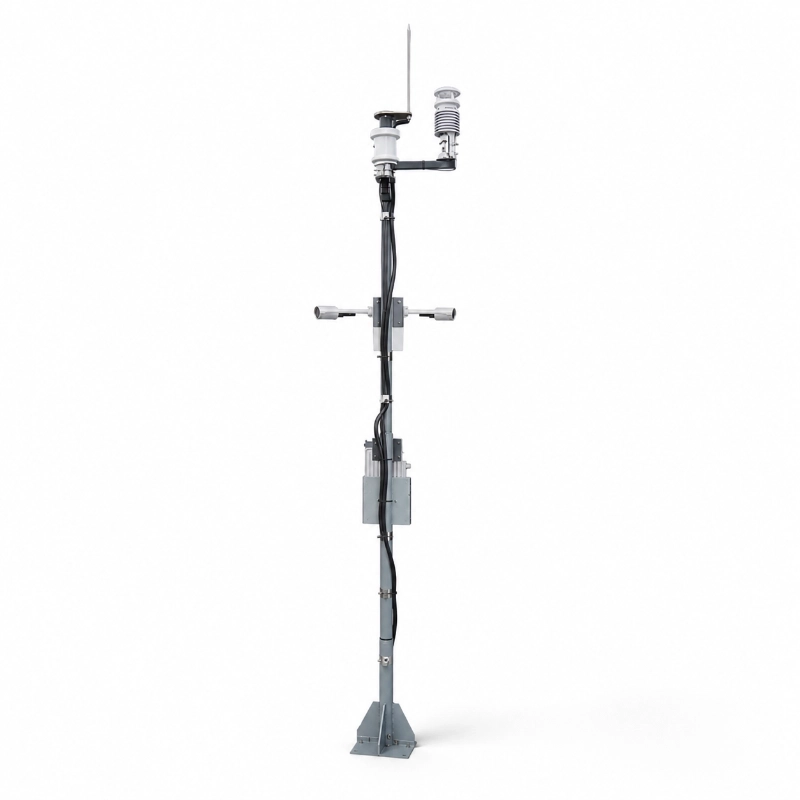
Marine Weather Station for Offshore Monitoring
Learn More
-
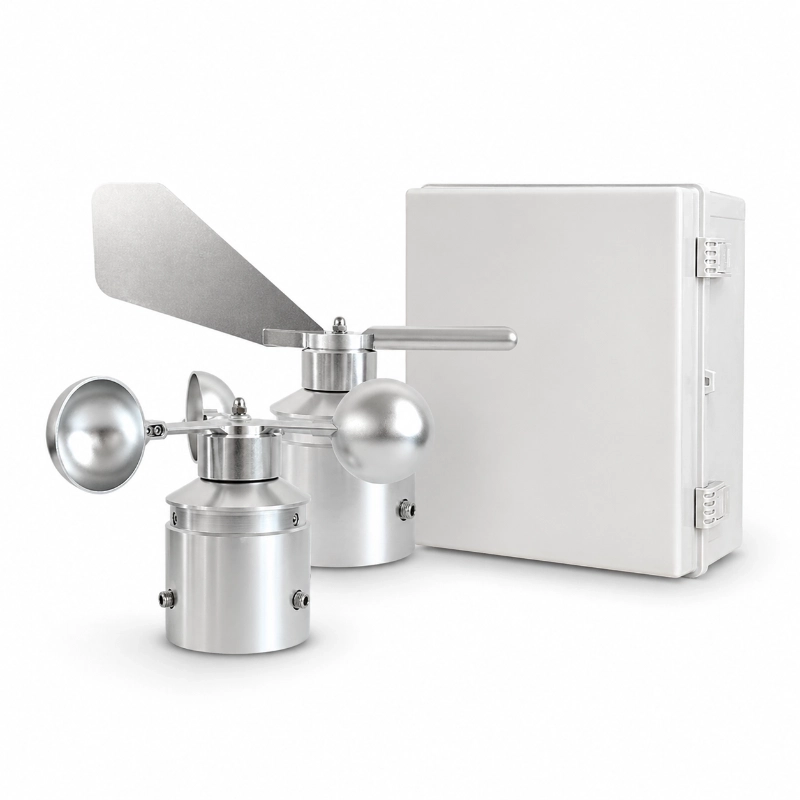
Wind Speed Direction Sensor for Wind Energy Monitoring
Learn More
-
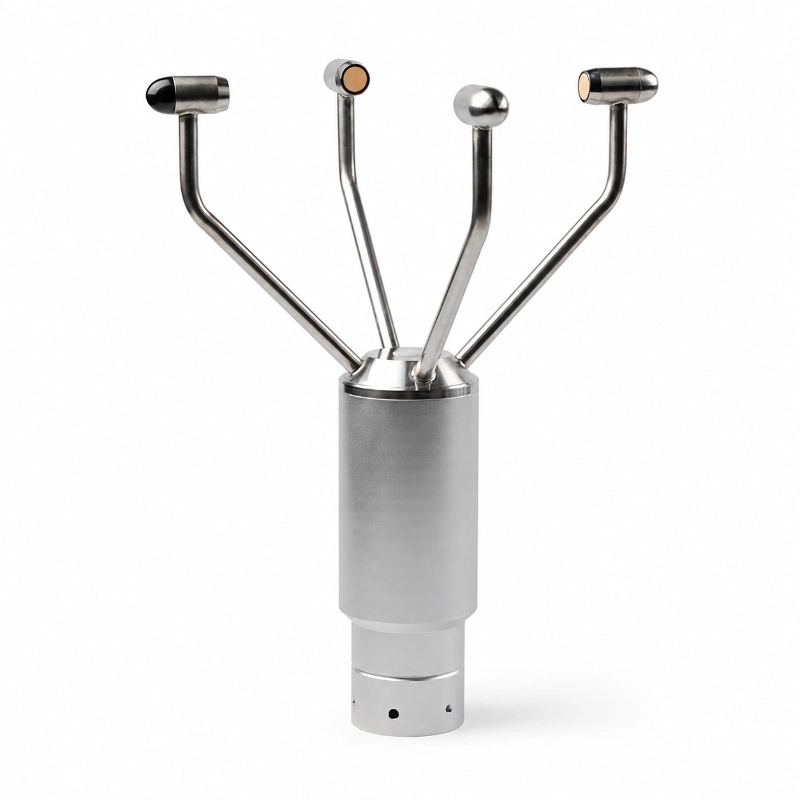
High-Precision Ultrasonic Wind Speed and Direction Sensor
Learn More
-
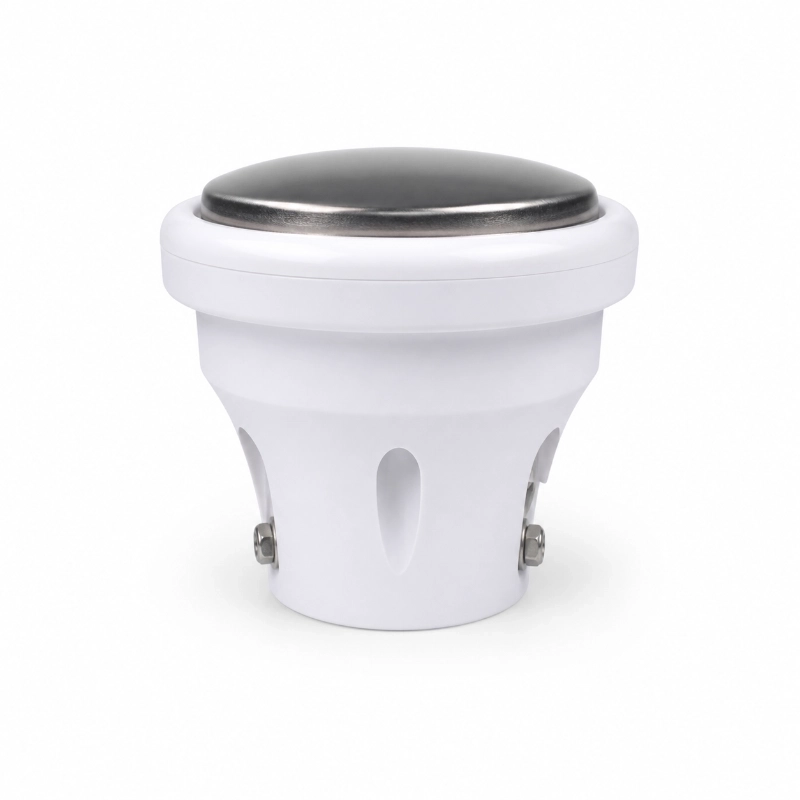
Piezoelectric Rain Gauge for Outdoor Rainfall Monitoring
Learn More
-
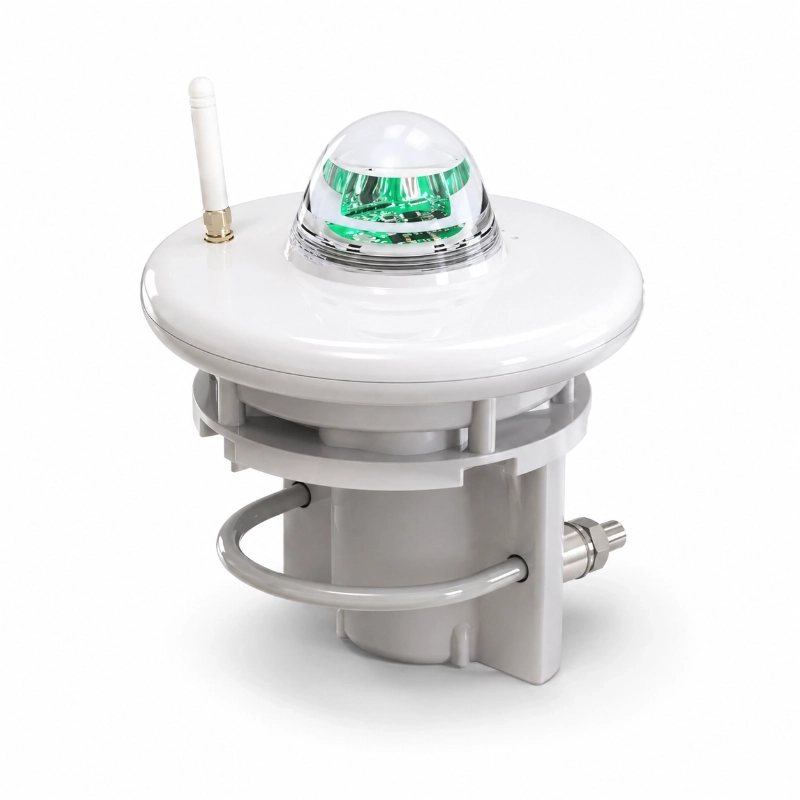
Optical Rain Gauge Sensor for Flood Warning Monitoring
Learn More