Reliable 2D Wind Measurement for Harsh Outdoor Environments
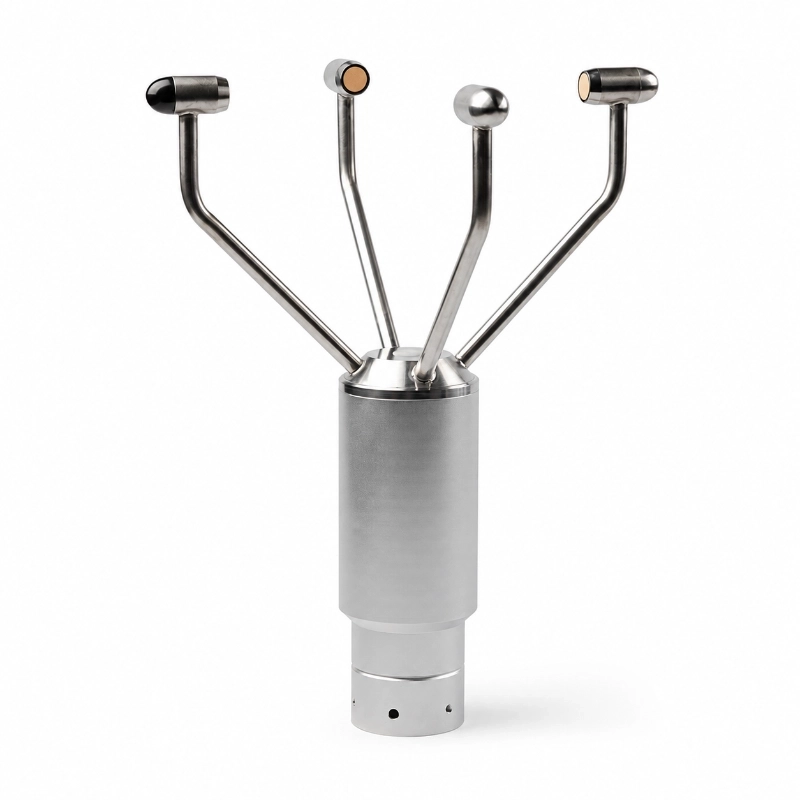
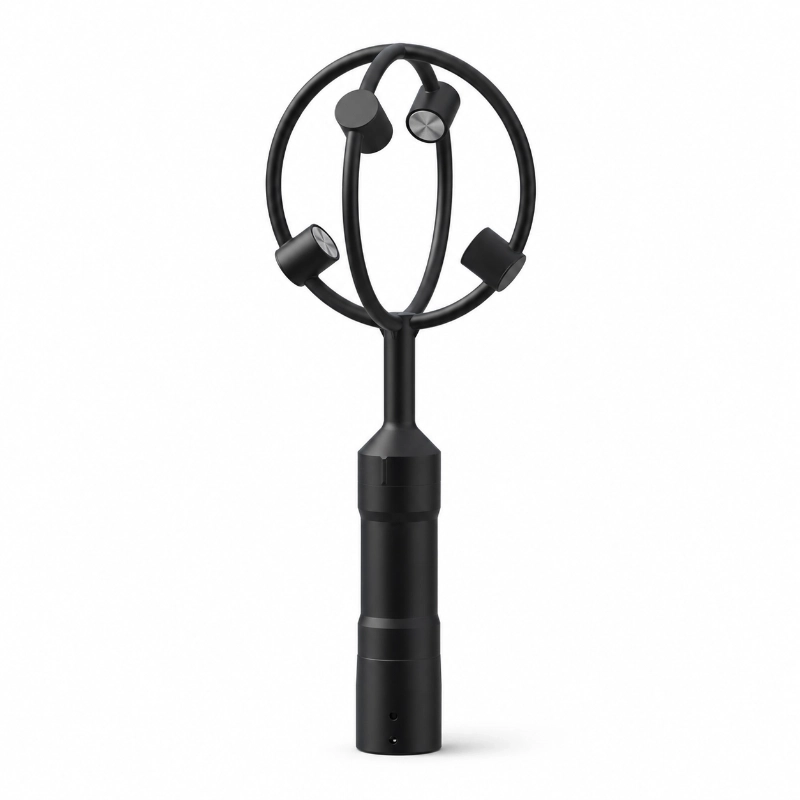
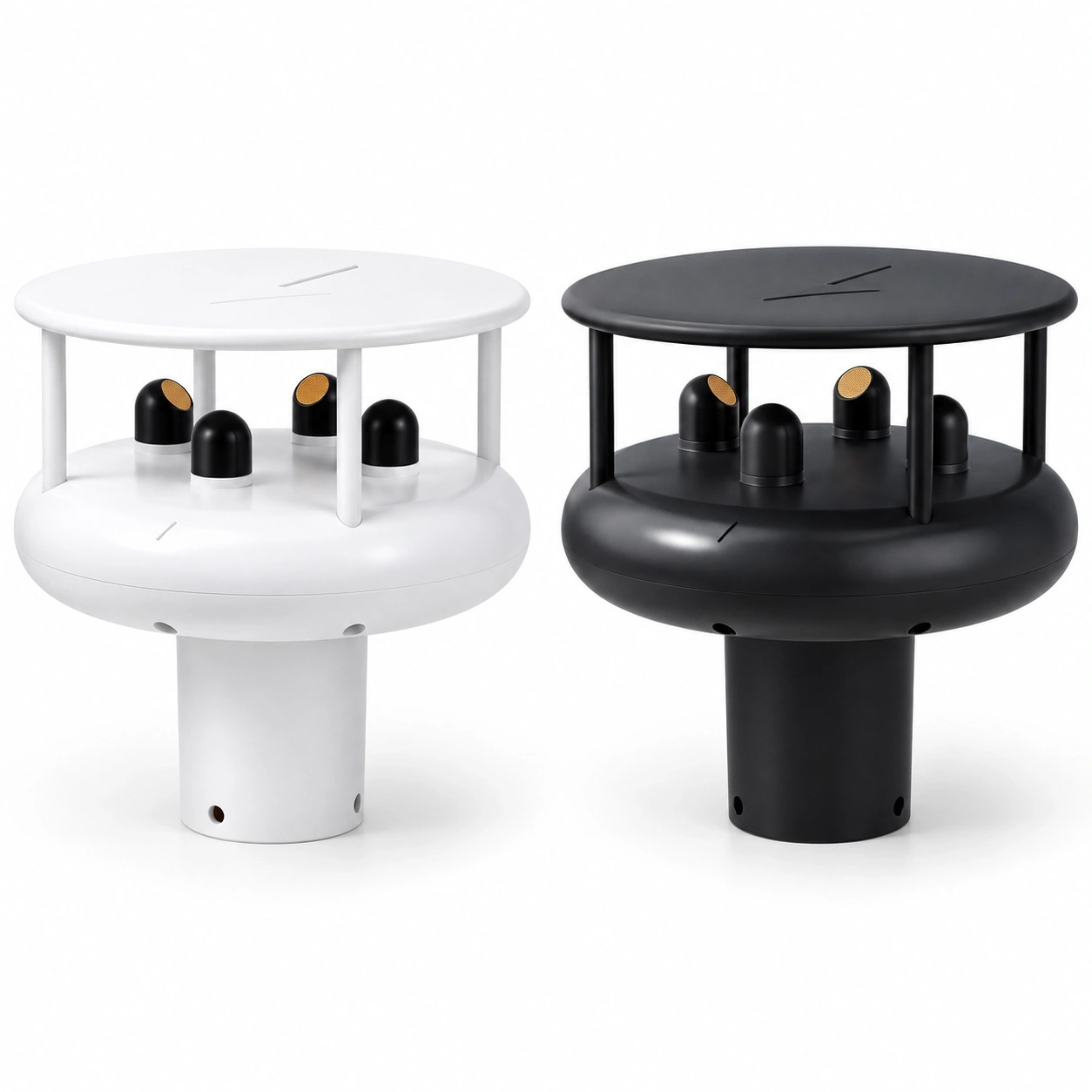
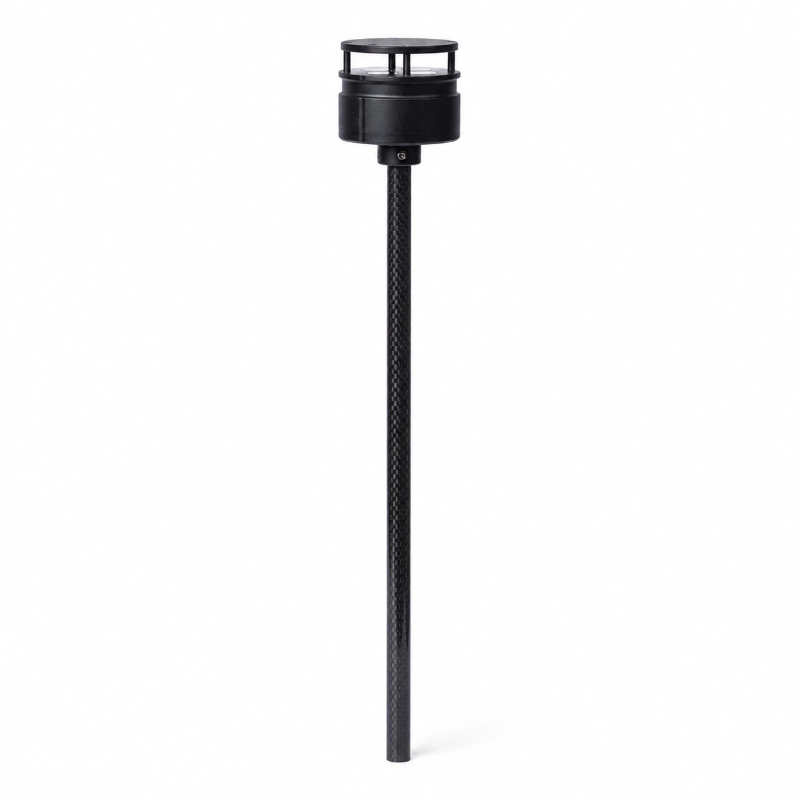
The JW-WDSS2(HY05) High Precision Ultrasonic Wind Speed and Direction Sensor is a high-precision 2D ultrasonic anemometer designed for continuous wind monitoring in demanding meteorological, industrial, marine and infrastructure applications.
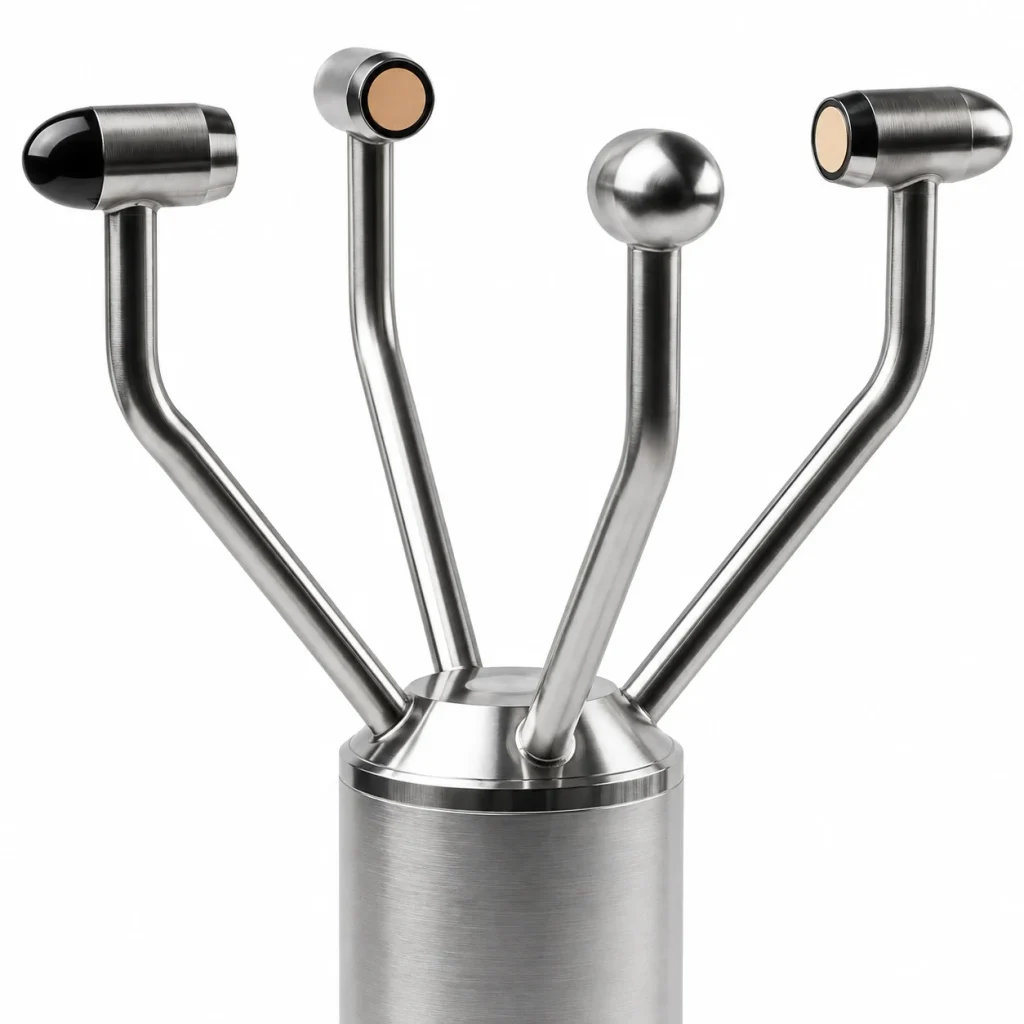
Using ultrasonic time-of-flight measurement technology, the sensor measures both wind speed and wind direction without relying on traditional rotating cups or a mechanical wind vane.
It provides a wind speed measurement range of 0–60 m/s, ±2% wind speed accuracy and 0–359° wind direction measurement.
A rugged stainless-steel and aluminum-alloy structure, IP65 protection and an integrated heating system of up to 120 W make the sensor suitable for environments involving low temperatures, ice and severe outdoor weather.
Communication options include RS485, RS232 and MODBUS, with optional SDI-12 and 4–20 mA analog outputs for integration with automatic weather stations, data loggers and environmental monitoring systems.
The sensor measures:
Wind speed range: 0–60 m/s
Wind speed accuracy: ±2%
Wind speed resolution: 0.01 m/s
Wind direction range: 0–359°
Wind direction accuracy: ±3°
Wind direction resolution: 1°
This makes the sensor suitable for applications requiring continuous and precise wind-condition monitoring.
An ultrasonic anemometer measures wind by analysing how airflow affects the travel time of ultrasonic signals between acoustic transducers.
When wind moves in the same direction as an ultrasonic signal, the signal reaches the opposite transducer faster. When the signal travels against the wind, its travel time increases.
By comparing these ultrasonic transit times along different measurement paths, the sensor calculates the corresponding wind vector and determines both:
Wind speed
Wind direction
Because this measurement method does not require rotating cups or a mechanical wind vane, ultrasonic technology is well suited to automated and long-term wind monitoring systems.
JW-WDSS2(HY05) supports output of average wind and gust data in accordance with the product’s WMO-related measurement configuration.
This makes the sensor particularly suitable for professional meteorological and environmental monitoring systems where both average wind conditions and short-duration wind events need to be recorded.
Typical Applications
Automatic Weather Stations
The sensor can be integrated into an automatic weather station together with temperature, humidity, barometric pressure, rainfall and solar-radiation sensors.
RS485, RS232 and MODBUS interfaces make it suitable for connection to compatible weather-station data loggers and monitoring platforms.
JW-WDSS2(HY05) can be integrated into an automatic weather stationtogether with temperature, humidity, barometric pressure, rainfall and solar radiation sensors.
Meteorological Monitoring Stations
High wind-speed resolution, wide measurement range and average/gust data output make JW-WDSS2(HY05) suitable for professional meteorological observation.
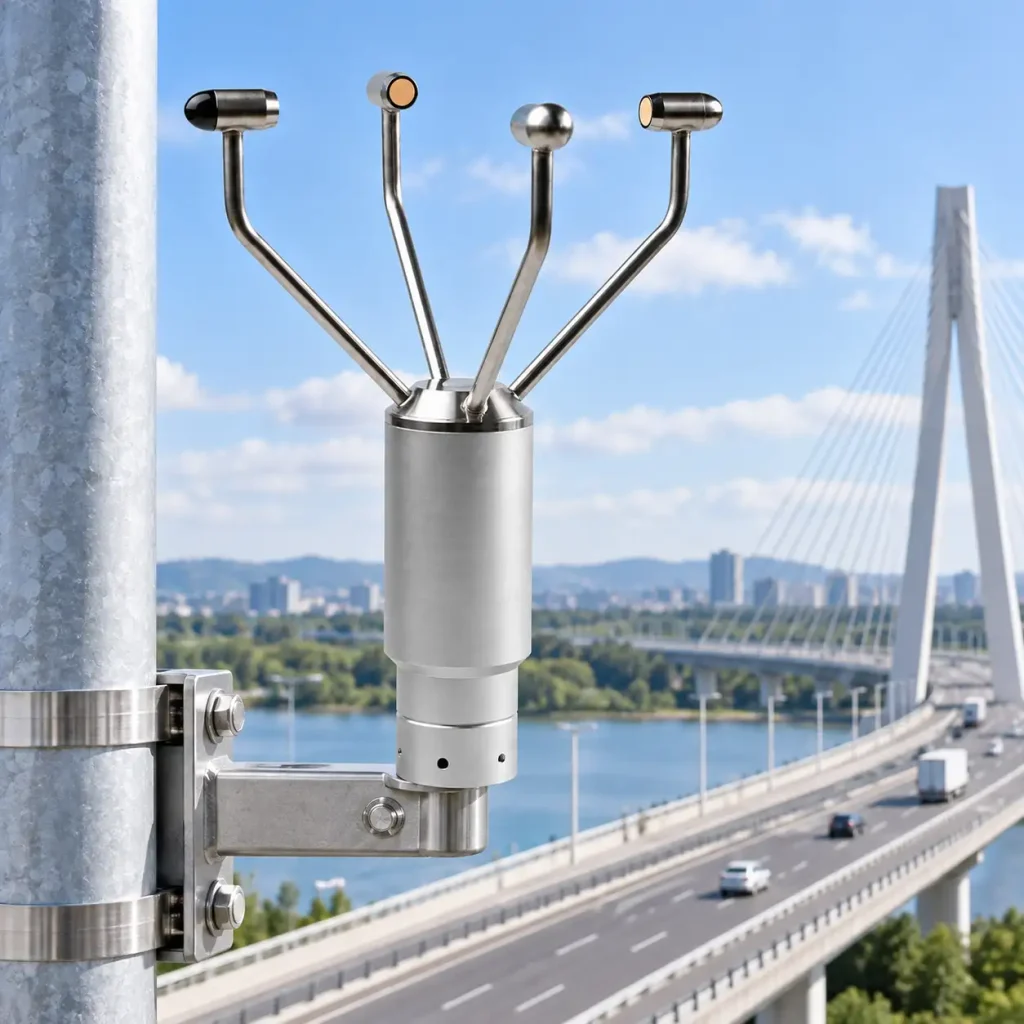
Highways and Bridges
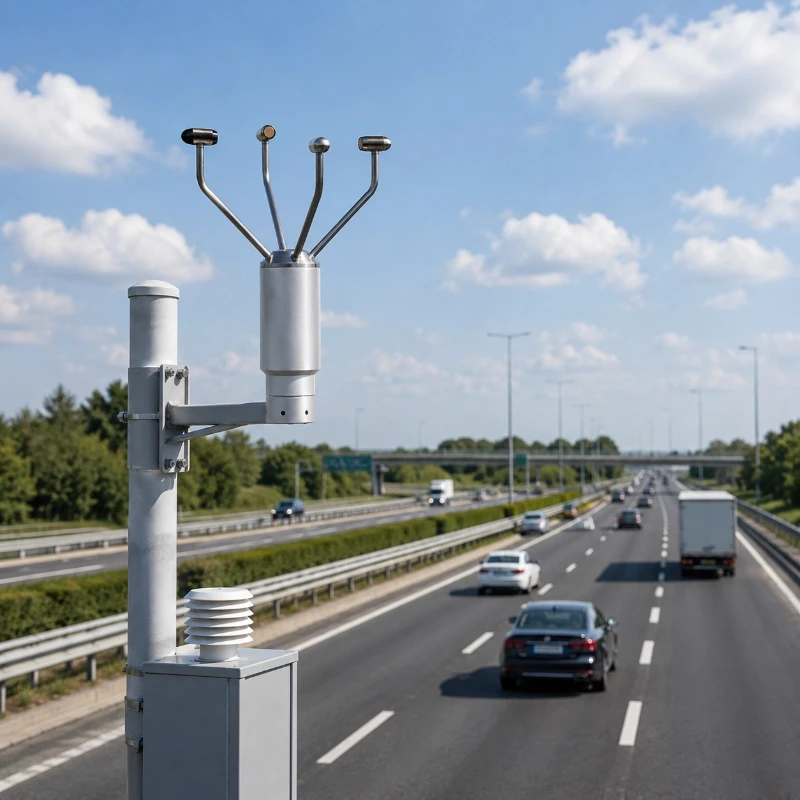
Wind conditions can directly affect transportation safety on exposed highways, elevated roads and bridges.
A high-precision wind speed and direction sensor can provide continuous wind information for roadside weather monitoring and infrastructure monitoring systems.
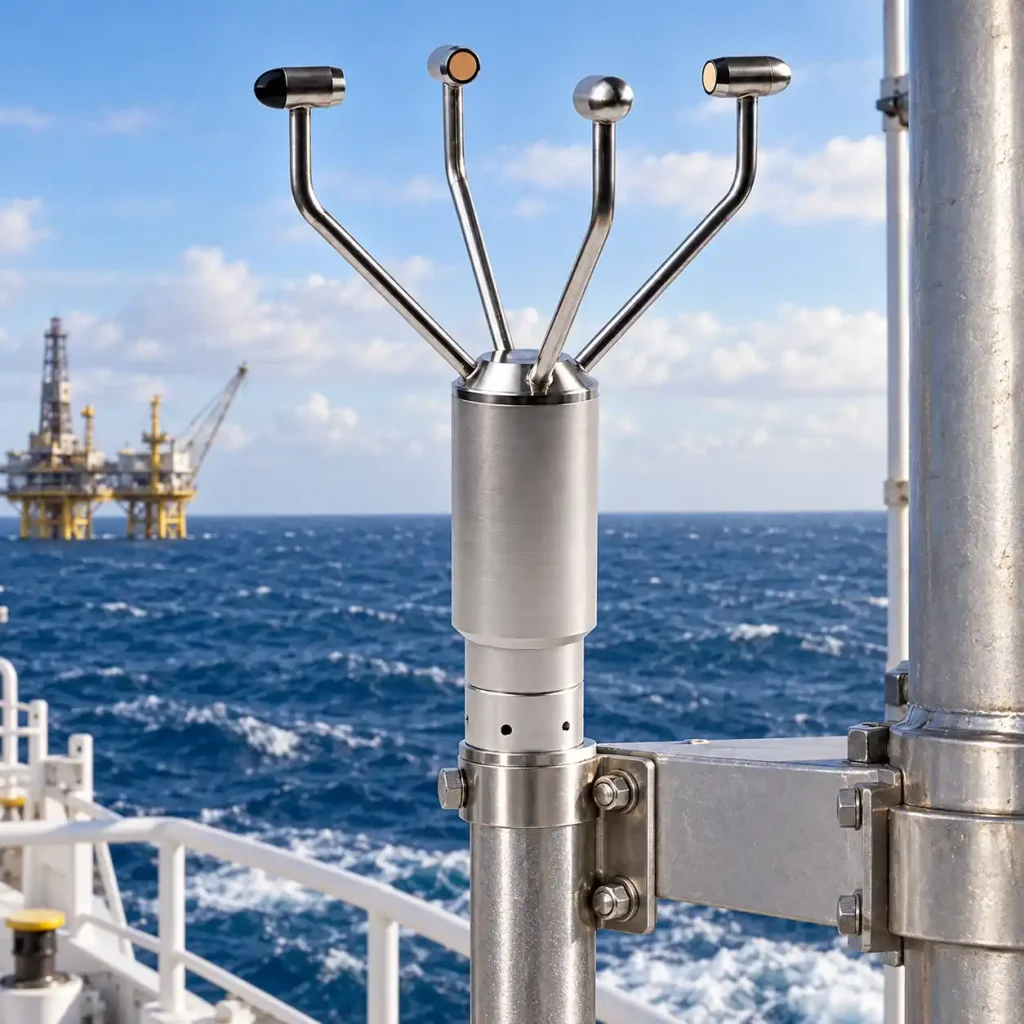
Offshore Platforms and Drilling Rigs
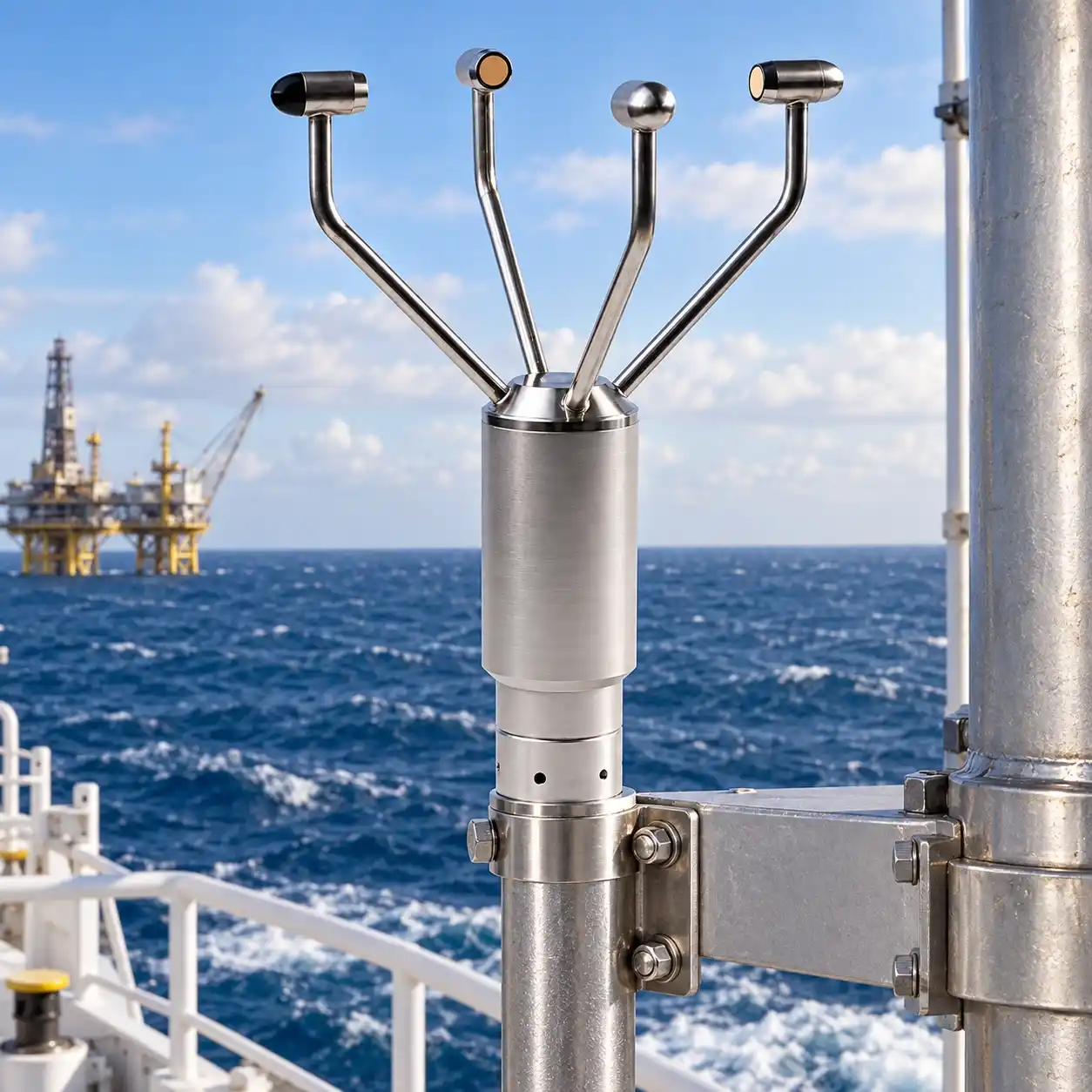
Offshore monitoring systems operate in environments where wind, salt exposure and severe weather conditions are common.
The rugged metallic construction and ultrasonic measurement principle make the sensor suitable for offshore environmental monitoring applications.
Ports and Marine Monitoring
Wind direction and wind speed are important environmental parameters at:
Ports
Harbors
Coastal monitoring stations
Marine facilities
Ships
The sensor can provide data in both conventional meteorological units and marine units such as knots.
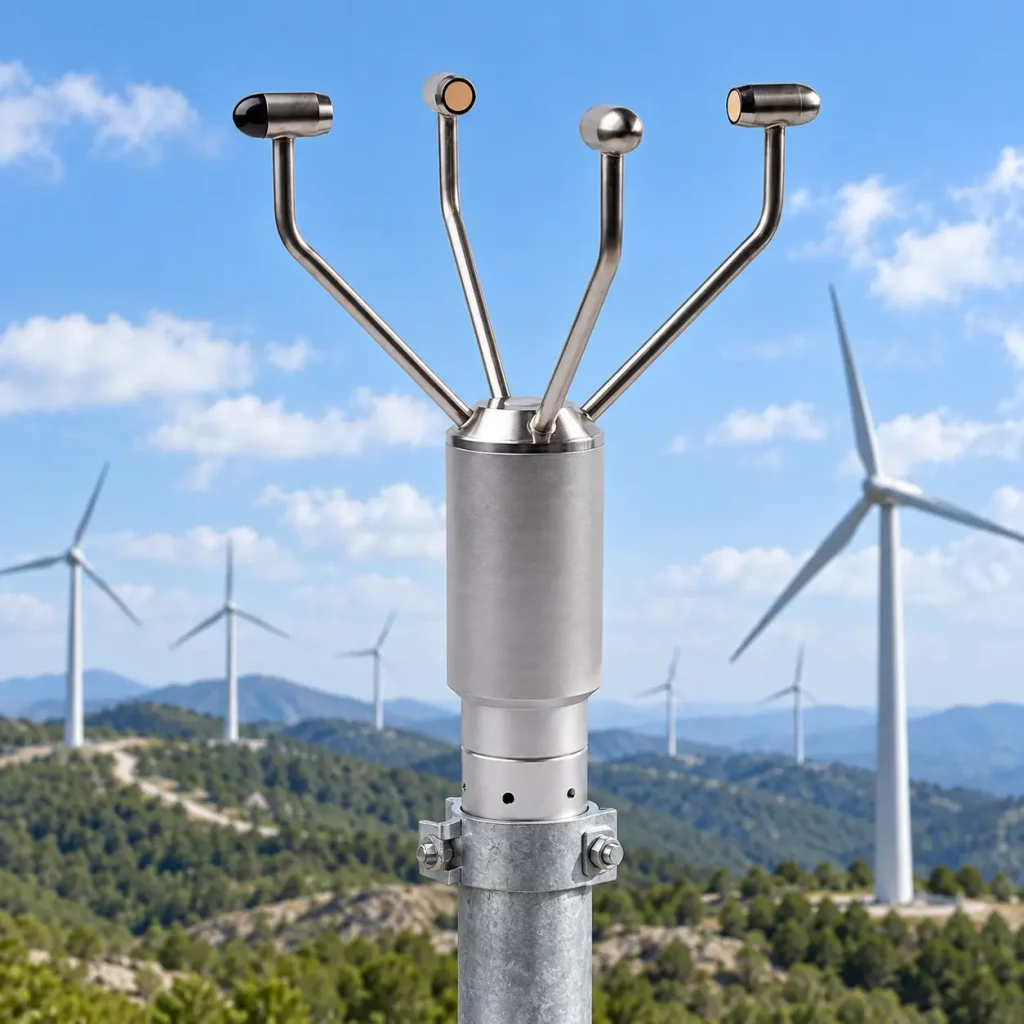
Wind Farms
Wind-speed and wind-direction data can be incorporated into environmental and operational monitoring systems at wind-power sites.
Aviation Monitoring
Real-time wind measurement can also form part of aviation meteorological monitoring systems where wind speed, direction and gust conditions need to be continuously observed.
Ultrasonic Anemometer vs Mechanical Anemometer
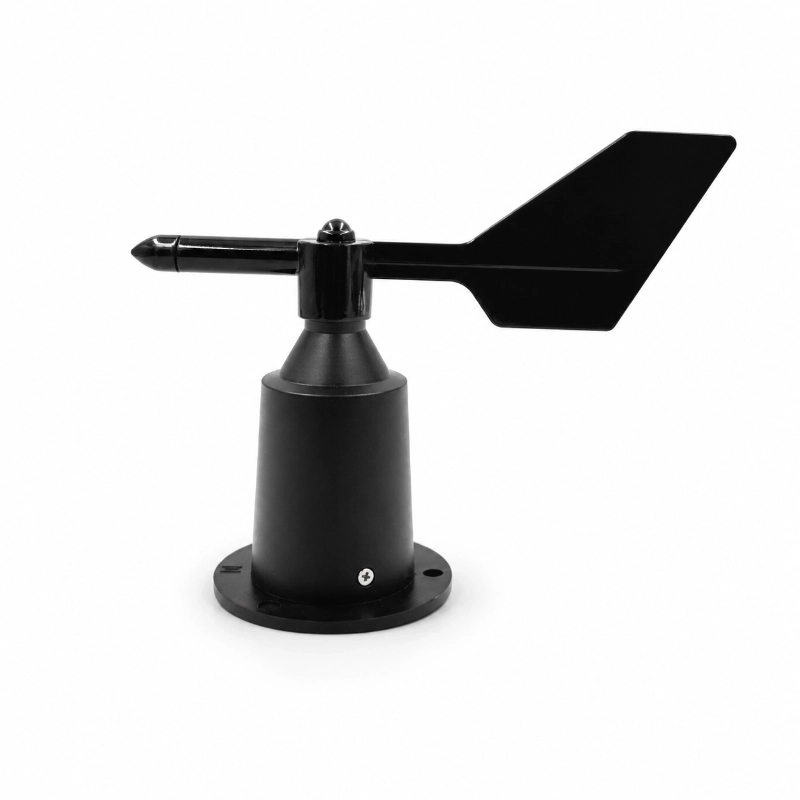
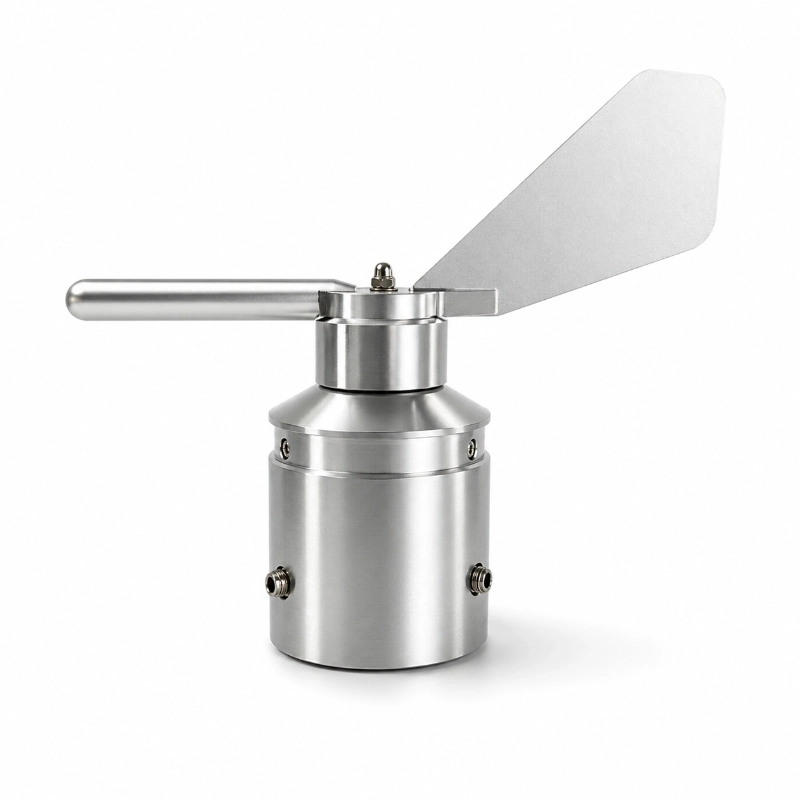
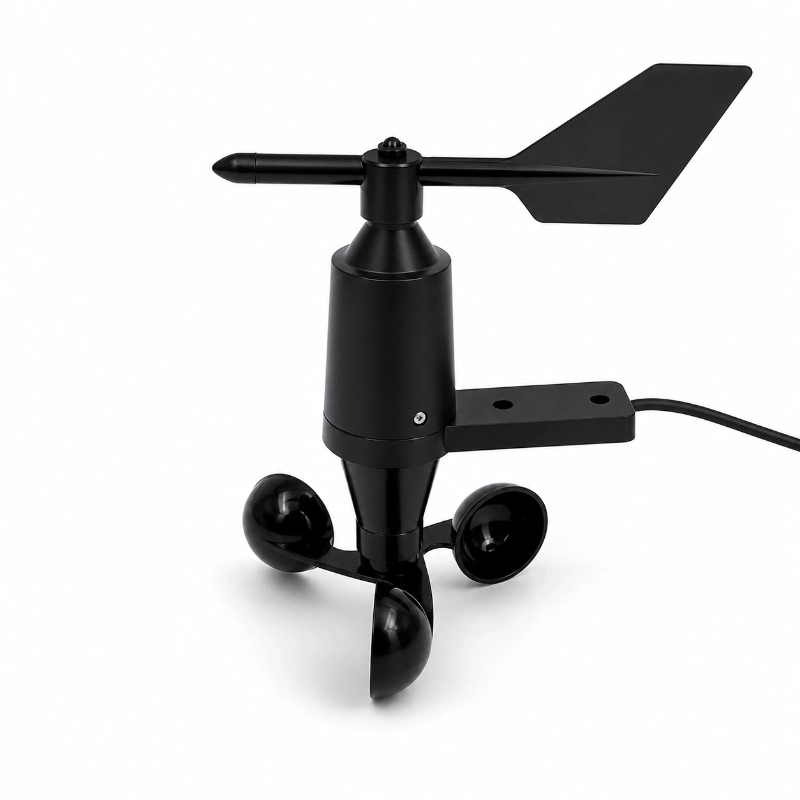
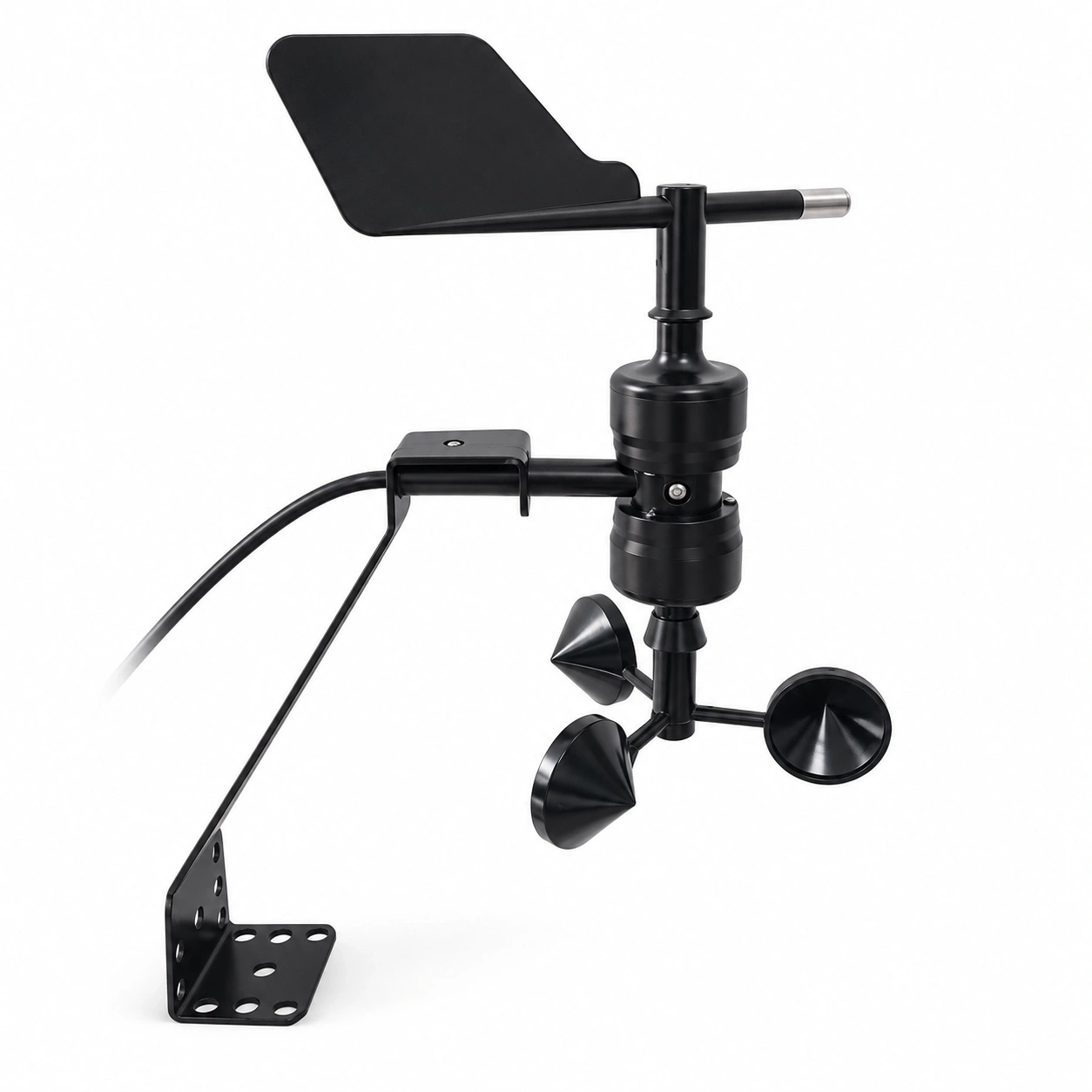
Traditional wind monitoring systems often use a cup anemometer for wind speed and a wind vane for wind direction.
An ultrasonic anemometer measures both parameters using ultrasonic signals.
The main difference is the measurement principle.
Mechanical systems rely on moving parts, while ultrasonic systems measure changes in acoustic travel time caused by airflow.
For projects involving:
Extreme cold
Ice
Remote monitoring
High-frequency measurement
Long-term automatic operation
Harsh outdoor environments
an ultrasonic solution may provide operational advantages.
However, sensor selection should always consider measurement requirements, installation environment, interface compatibility and project budget.
System Integration
A typical monitoring architecture can be configured as:
JW-WDSS2(HY05) Ultrasonic Wind Sensor → RS485 / RS232 → Data Logger or RTU → Communication Network → Monitoring Platform
For larger meteorological systems, wind measurement can also be combined with:
Air temperature
Relative humidity
Atmospheric pressure
Rainfall
Solar radiation
Visibility
Other environmental parameters
This allows system integrators to build a complete remote weather monitoring system according to project requirements.
For system integrators, the official Modbus protocol specifications provide additional information about protocol implementation and interoperability.
High-Precision Wind Monitoring for Demanding Projects
The JW-WDSS2(HY05) High Precision Ultrasonic Wind Speed and Direction Sensor combines high-resolution wind measurement, rugged construction, multiple communication interfaces and a powerful integrated heating system.
It is designed for monitoring systems where reliable wind data is required under challenging environmental conditions.
For project selection, please provide:
Installation environment
Expected wind-speed range
Minimum operating temperature
Required communication interface
Data acquisition system
Required output frequency
Power-supply conditions
JW-IoT can then recommend the appropriate sensor configuration and integration solution.
FAQ
Q
1. What is the measurement range of JW-WDSS2(HY05)?
A
Wind speed: 0–60 m/s, wind direction: 0–359°.
Q
2. Is the sensor suitable for extreme cold environments?
A
Yes, the built-in heating module allows operation down to -50 °C.
Q
3. Which communication protocols are supported?
A
MODBUS over RS485/RS232, SDI-12 optional, 4–20 mA analog output.
Q
4. Can JW-WDSS2(HY05) be used for offshore wind farms?
A
Yes, its IP65-rated housing and corrosion-resistant materials make it suitable for marine environments.
Q
5. What units of measurement are supported?
A
m/s, knots, mph, kph, ft/min.
Q
6. How fast is the ultrasonic output frequency?
A
Standard 1 Hz, optional 4 Hz.
Q
7. Is JW-IoT compatible with this anemometer?
A
Yes, JW-WDSS2(HY05) is fully compatible with JW-IoT platforms for data integration.
Q
8. What is the protection rating?
A
IP65, with high EMC compliance (EN61000-6-2).
Q
9. Does it require maintenance for moving parts?
A
No, the integrated moving components are maintenance-free.
 +86 13520127780
 info@jingelway.com