JW-LWM(S02) | LWH Rod-Type Linear Position Sensor for Industrial Machinery
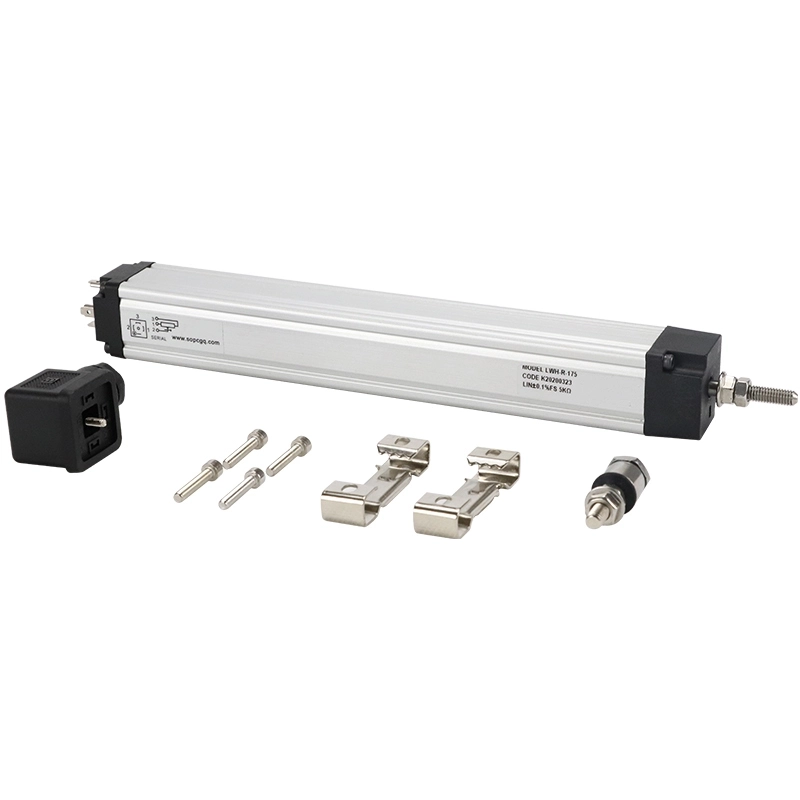
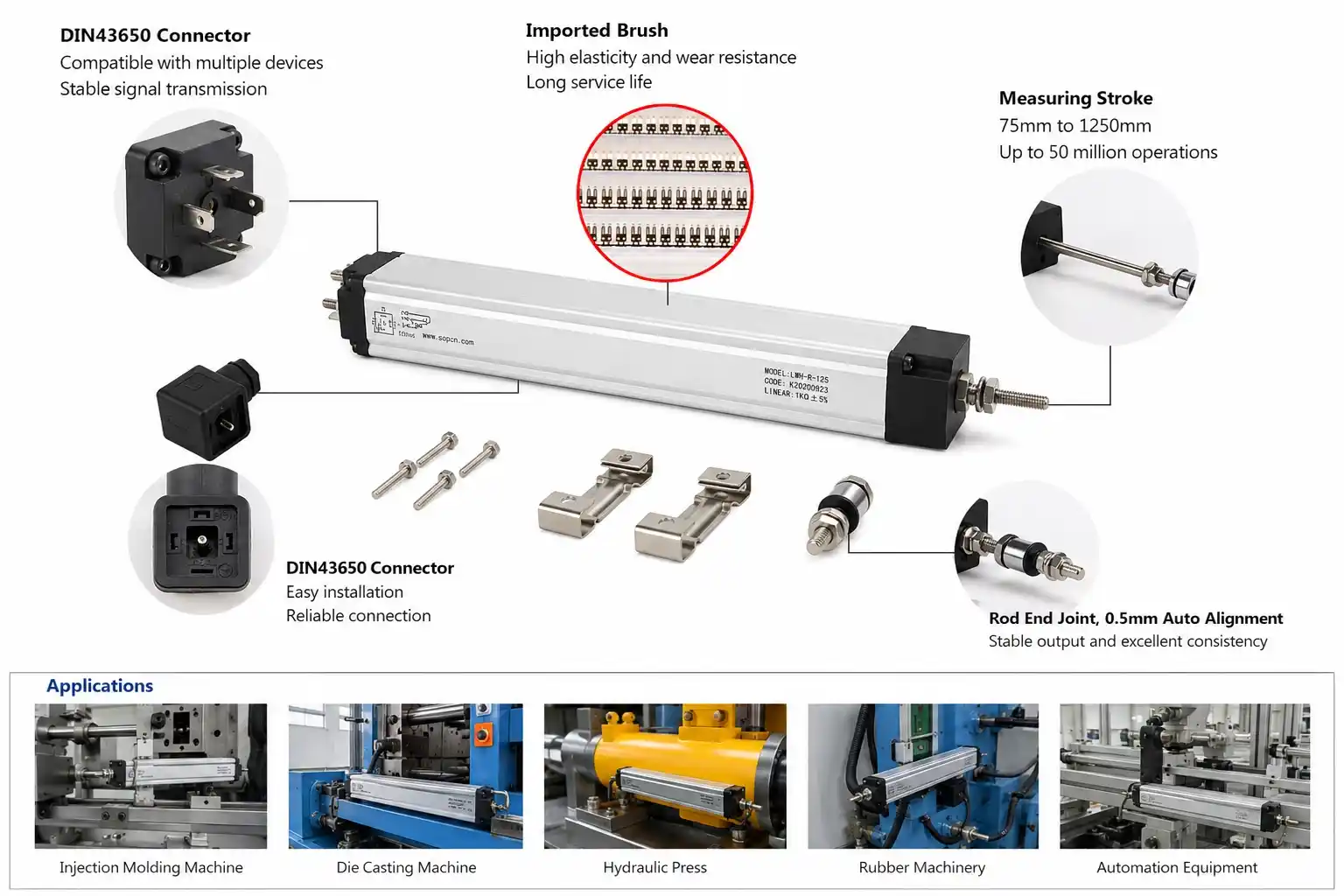
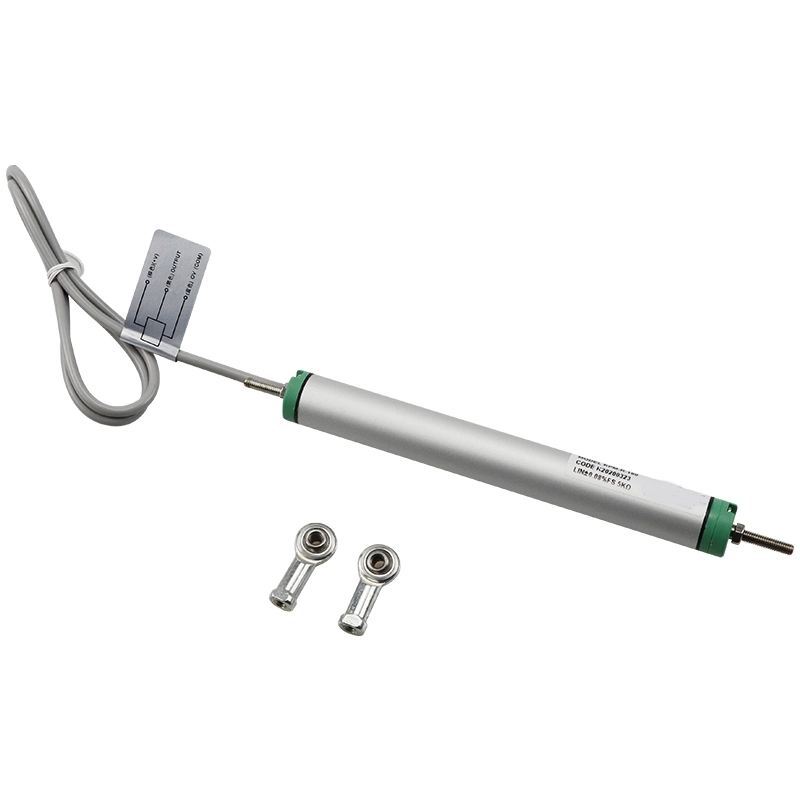
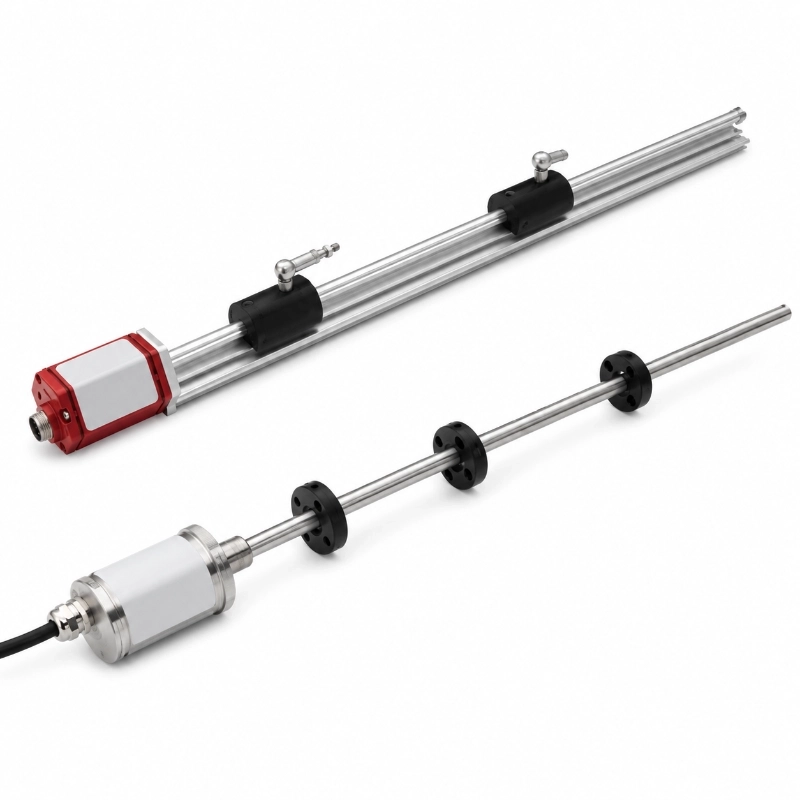
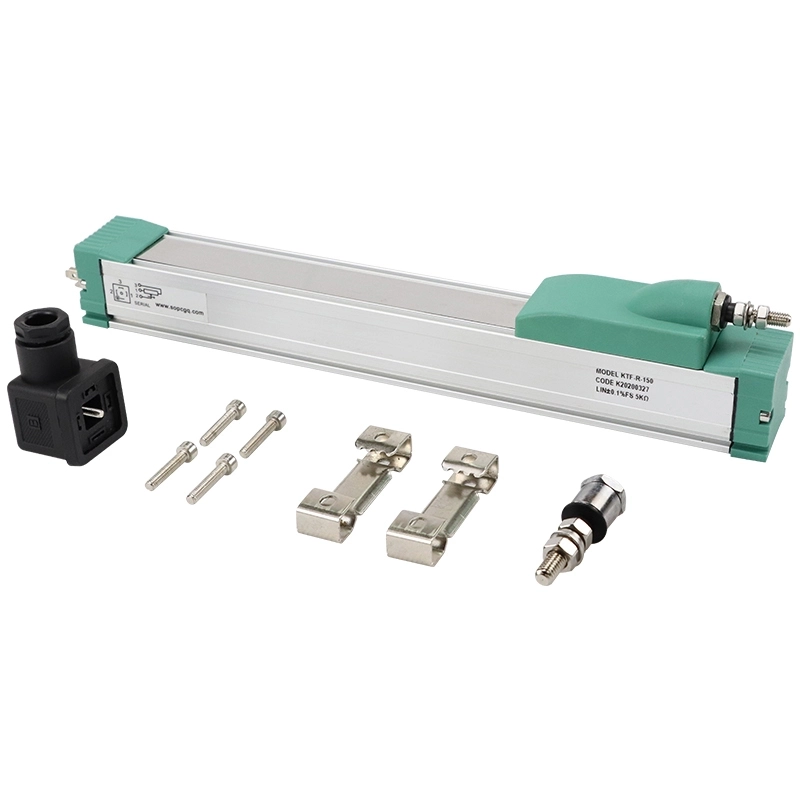
The JW-LWM(S02) LWH Linear Displacement Sensor is a rod-type linear potentiometer designed for continuous position and stroke measurement in industrial machinery.
Featuring a conductive plastic resistive element, stainless steel measuring shaft, long bearing support, and multi-finger wiper structure, this sensor converts linear mechanical movement into a position-related electrical signal.
With selectable measuring strokes from 75mm to 1250mm, IP65 protection, and optional signal-conditioning modules, it is suitable for injection molding machines, die casting equipment, hydraulic presses, rubber processing machinery, and industrial automation systems.
1. Working Principle of the LWH Linear Displacement Sensor
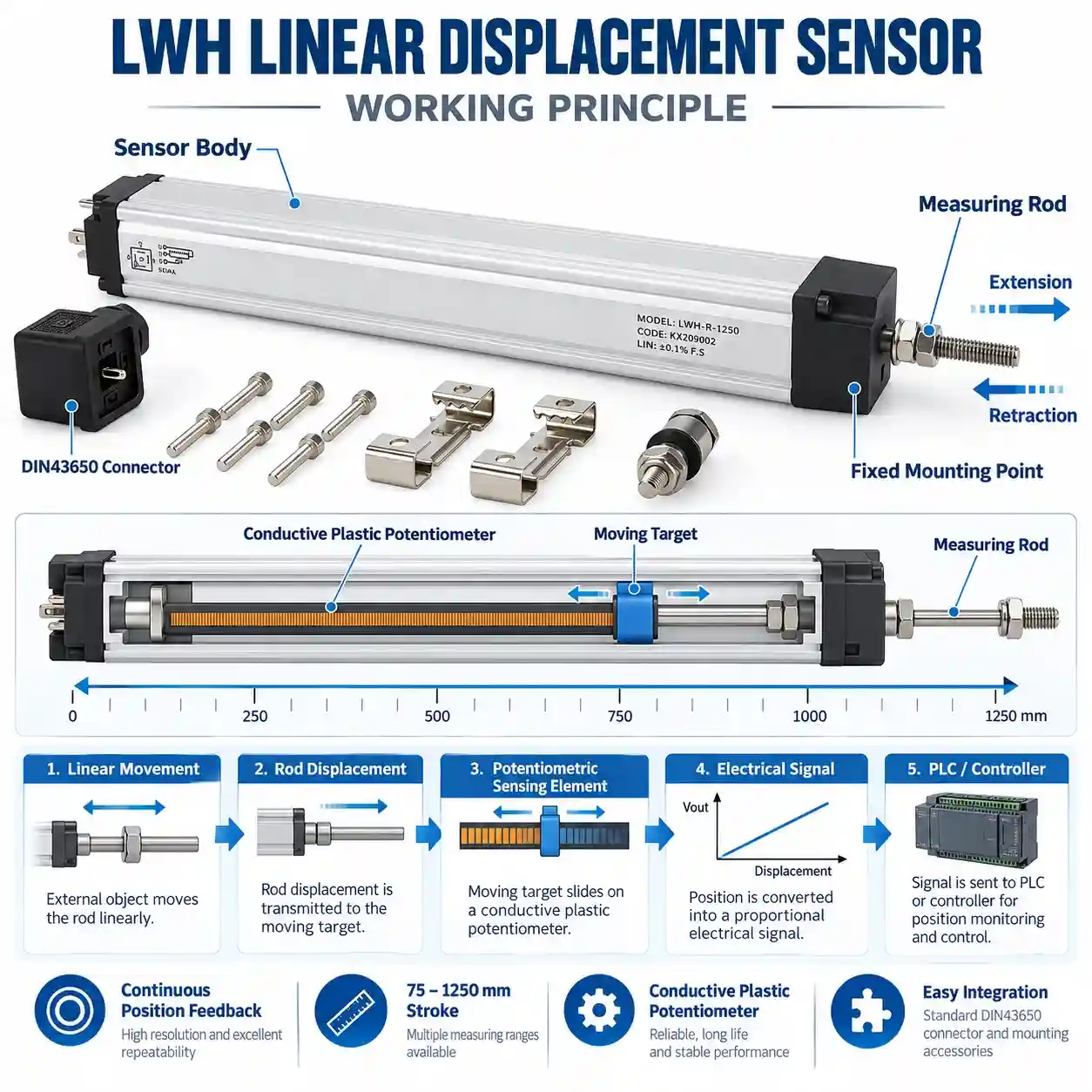
The LWH linear position sensor operates using a conductive plastic potentiometer.
When the measuring rod moves, an internal sliding contact changes its position along the resistive element. This produces a proportional electrical response representing the rod’s position.
Rod Movement → Potentiometer Position Change → Electrical Output → PLC or Controller
Unlike incremental encoders, potentiometric sensors provide direct position-related feedback without requiring pulse counting.
The sensing element offers continuous analog resolution. Actual measurement performance depends on the sensor configuration, signal acquisition electronics, and installation conditions.
2. Technical Specifications
Item
Specification
Product Type
Pull Rod Linear Displacement Sensor
Measuring Stroke
Standard 75–1250 mm customizable
Service Life
Long service life
Resolution
Better than 0.01 mm
Operating Speed
High speed operation
Linearity
Excellent linearity
Connector Type
DIN43650 standard plug and socket
Protection Grade
IP65
Output Configuration
Configurable voltage and current modules
Wiring Options
2 wire 3 wire
Resistance Output
5 kΩ 10 kΩ
Current Output
4–20 mA
Voltage Output
0–5 V 0–10 V
Customization
Supported
Warranty
1 year
Note: Linearity, repeatability, and resolution describe different performance characteristics. Confirm specifications for the selected stroke and output version before ordering.
3. Electrical Outputs and PLC Integration
Potentiometric Resistance Output
The standard sensing principle provides position-dependent resistance or voltage-divider feedback. Listed resistance options include 5kΩ and 10kΩ.
A compatible signal acquisition circuit is required to interpret the sensor output.
Voltage Output
Optional signal-conditioning modules provide 0–5V or 0–10V output for controllers with matching analog voltage inputs.
4–20mA Current Output
A 4–20mA option is available for industrial current-input systems.
This configuration can be used to transmit stroke-position feedback to compatible PLCs or data acquisition equipment.
Typical integration:
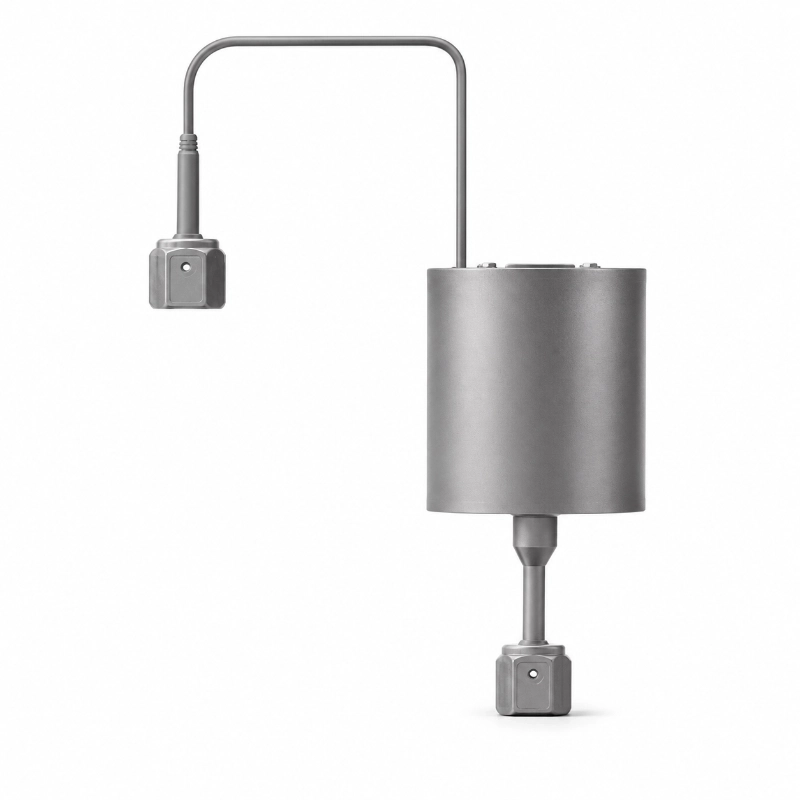
Linear Position Sensor → Signal Conditioning → PLC / Controller → HMI
Output availability and electrical requirements depend on the ordered configuration. The sensor itself does not provide cloud connectivity.
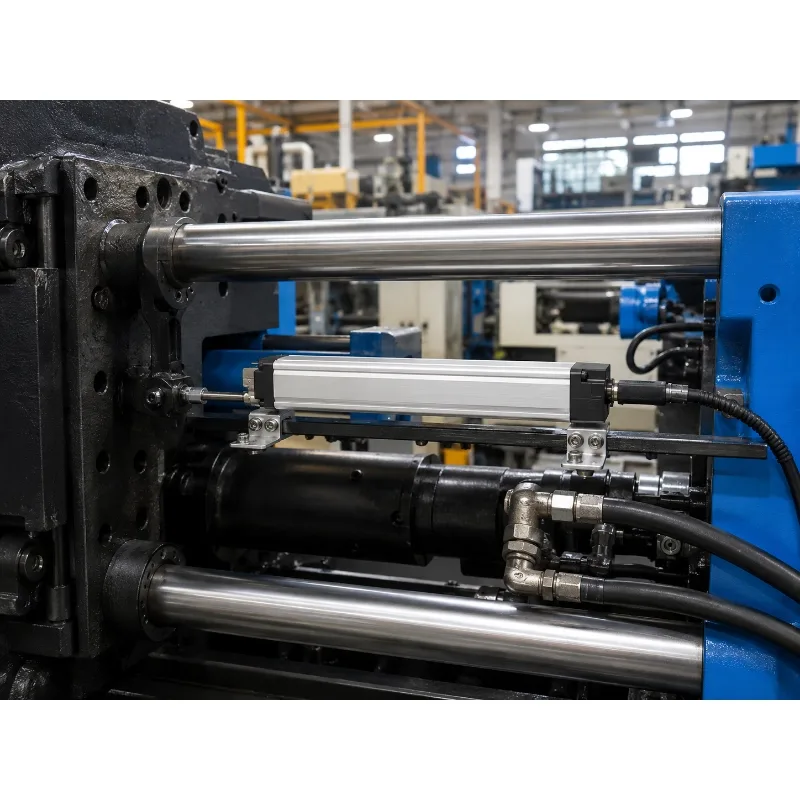
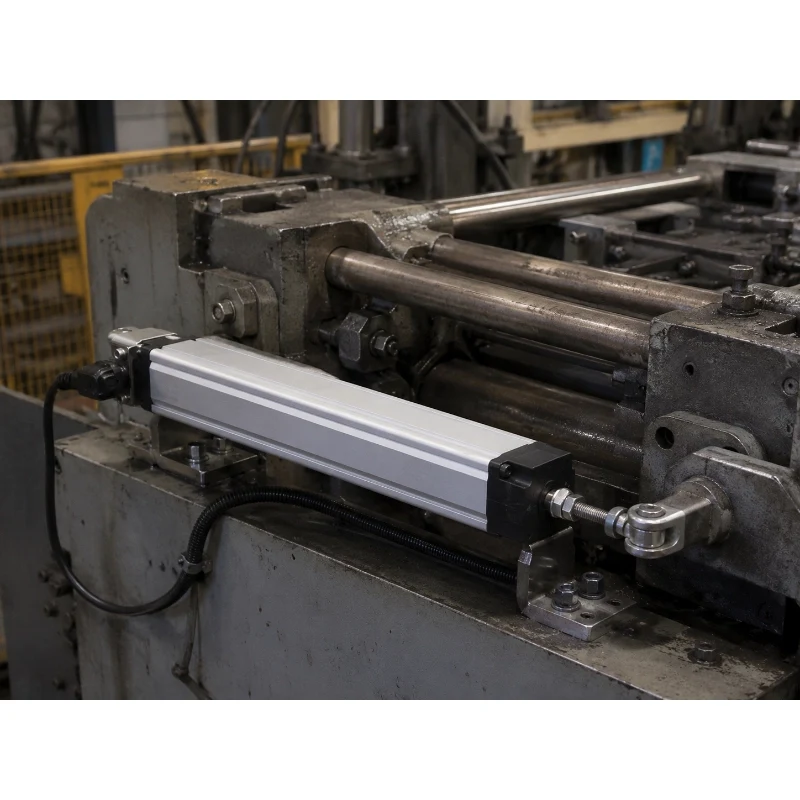
Injection molding machines use position feedback for mechanical movements such as mold opening, clamping-unit travel, and ejector stroke.
The LWH sensor can monitor movement where its measuring rod can be mechanically connected to the moving component.
4.2 Die Casting Machines
Die casting equipment requires repeatable position measurement during machine operation.
The LWH rod-type sensor provides continuous movement feedback for compatible mechanical assemblies and machine control systems.
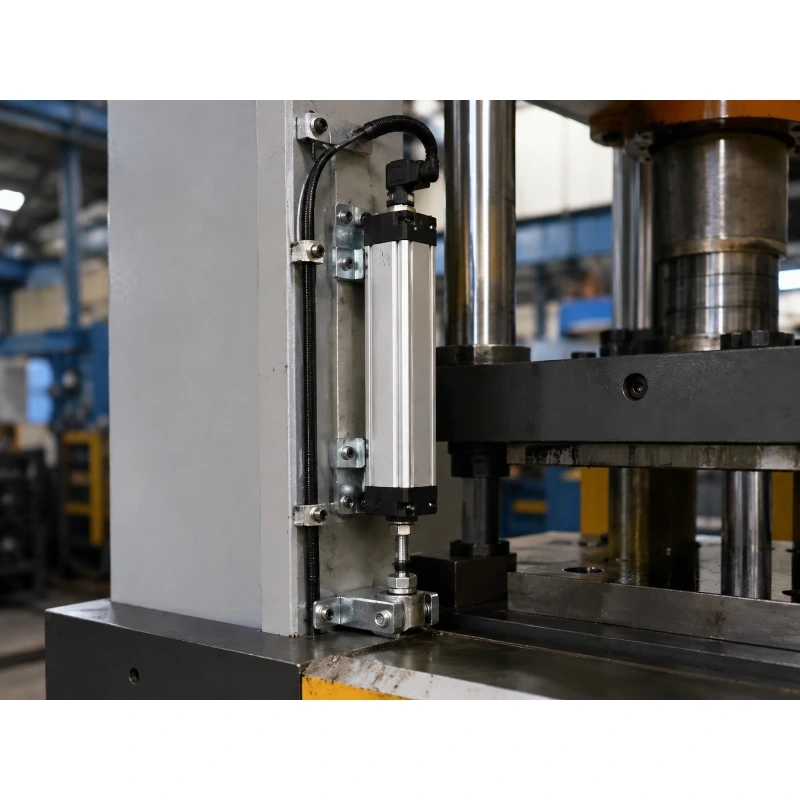
4.3 Hydraulic Press Position Measurement
Hydraulic presses use displacement feedback to monitor moving platens and mechanical stroke.
A rod-type linear displacement sensor can measure external mechanical movement when proper alignment and sufficient installation clearance are available.
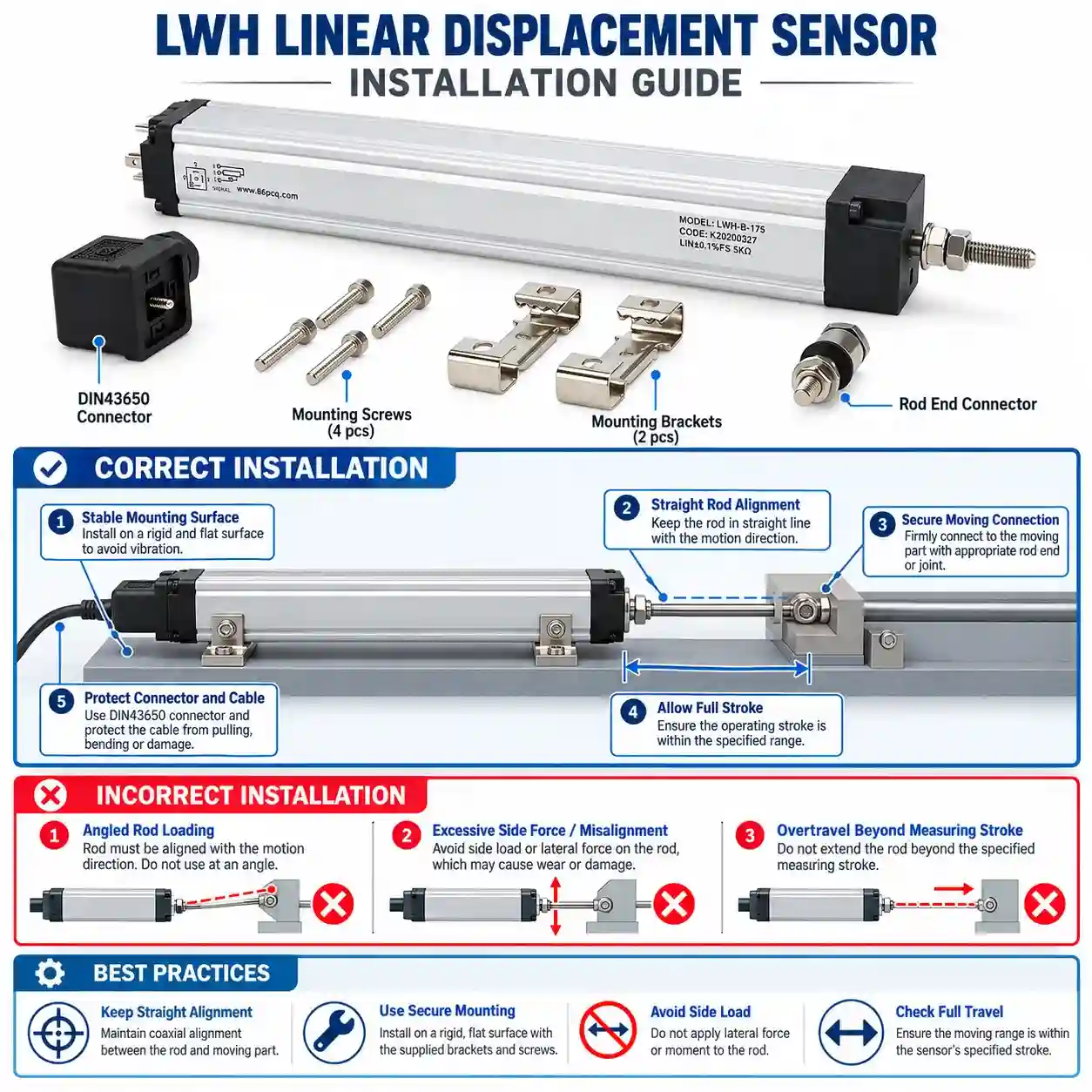
Correct mechanical installation is essential for reliable position feedback.
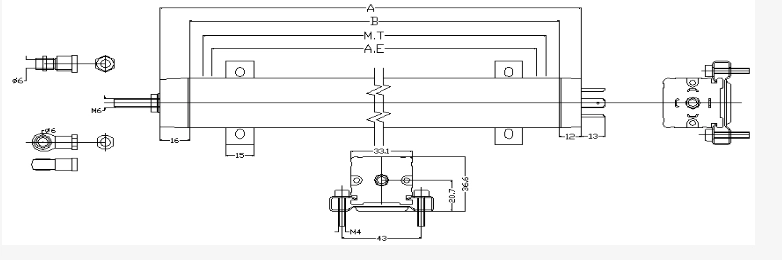
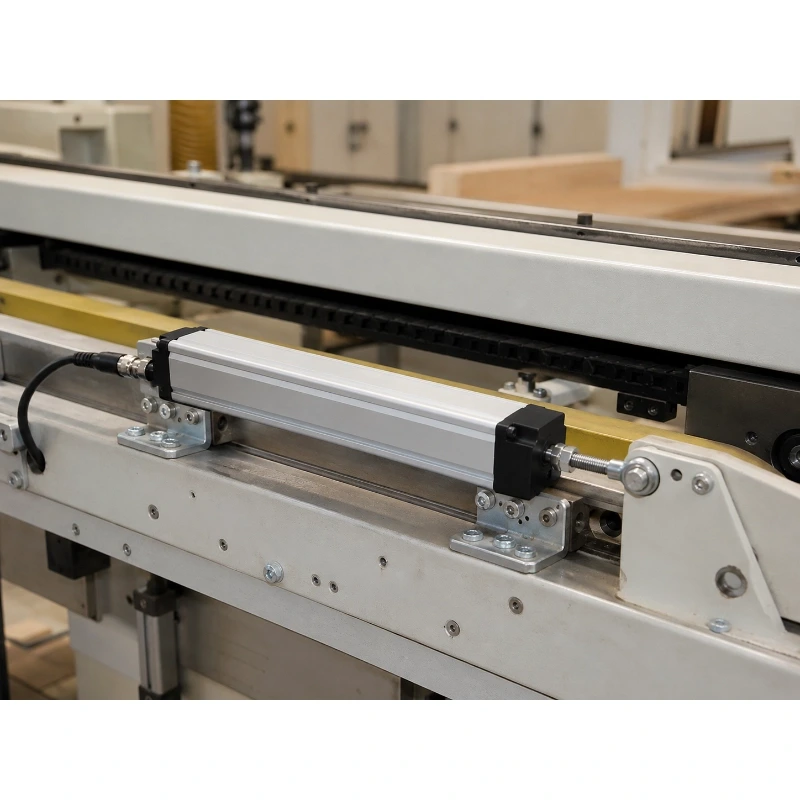
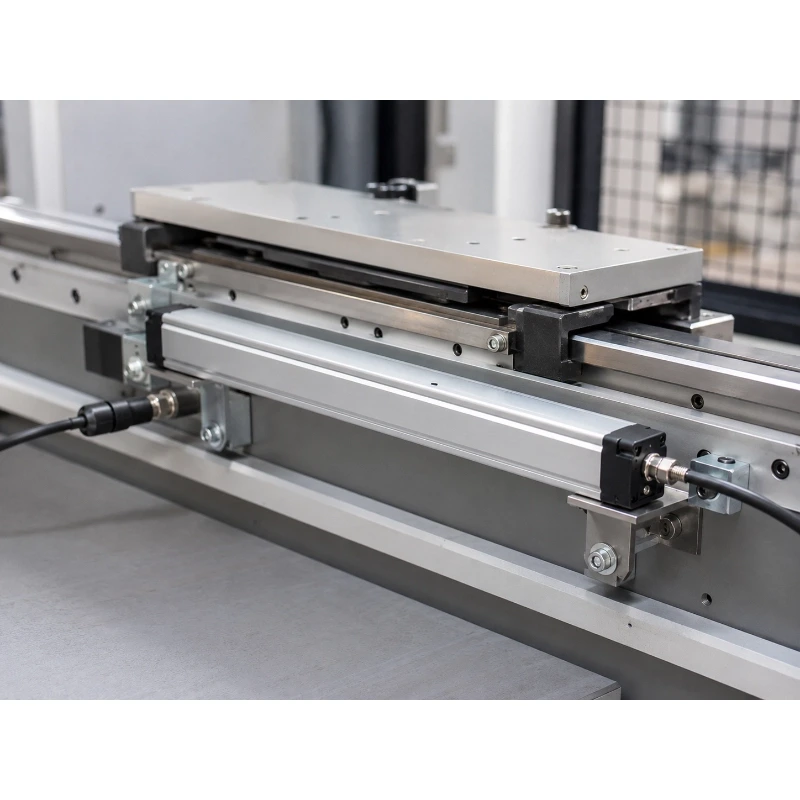
Maintain rod alignment. The measurement rod should move along the intended sensing axis. Avoid excessive side loading and bending forces.
Secure the mounting points. Install the sensor body on a stable machine structure and connect the rod to the moving assembly using suitable hardware.
Check the complete stroke. Ensure the machine’s maximum movement does not exceed the sensor’s permissible measuring travel.
Protect electrical connections. Use the appropriate DIN43650 connector configuration and follow the supplied wiring instructions.
Verify signal scaling. Confirm the electrical output at known mechanical positions before commissioning the machine.
Inspect mechanical movement. Periodically check rod alignment, mounting stability, connector condition, and smooth travel.
7. How to Select the Right LWH Sensor
Before ordering, confirm:
Measurement stroke: Select a range that covers the complete machine travel.
Mechanical installation: Check available length, rod alignment, and mounting clearance.
Output signal: Choose 5kΩ, 10kΩ, 0–5V, 0–10V, or 4–20mA as applicable.
Linearity requirement: Confirm performance for the selected stroke.
Operating conditions: Consider movement speed, vibration, dust, and moisture.
Controller compatibility: Verify electrical connections and signal requirements.
The correct selection depends on both measurement performance and mechanical compatibility.
8. Request Technical Specifications and Quotation
Looking for an LWH linear displacement sensor 75–1250mm for industrial machinery or automation equipment?
JW-IoT can assist with measurement stroke selection, output configuration, and project integration requirements.
Please provide the required stroke, output type, installation environment, mechanical connection requirements, and purchase quantity.
Contact JW-IoT for product specifications and quotation support.
FAQ
Q
1. What is an LWH linear displacement sensor?
A
An LWH linear displacement sensor is a rod-type potentiometric transducer that converts linear mechanical movement into an electrical position signal.
Q
2. What measuring range does JW-LWM(S02) support?
A
The product offers selectable measuring strokes from 75mm to 1250mm.
Q
3. Does the sensor support 4–20mA output?
A
Yes. A 4–20mA signal-conditioning option is listed, along with resistance and voltage output configurations.
Q
4. Can this sensor connect to a PLC?
A
Yes. The appropriate output version can interface with a compatible PLC analog input or signal acquisition module.
Q
5. What is the difference between LWH and draw wire sensors?
A
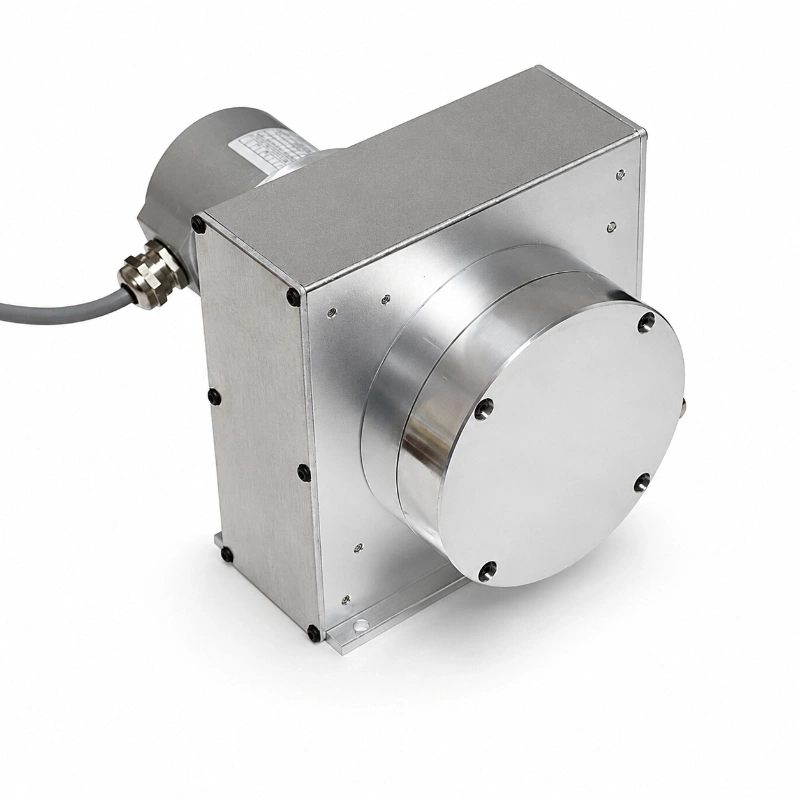
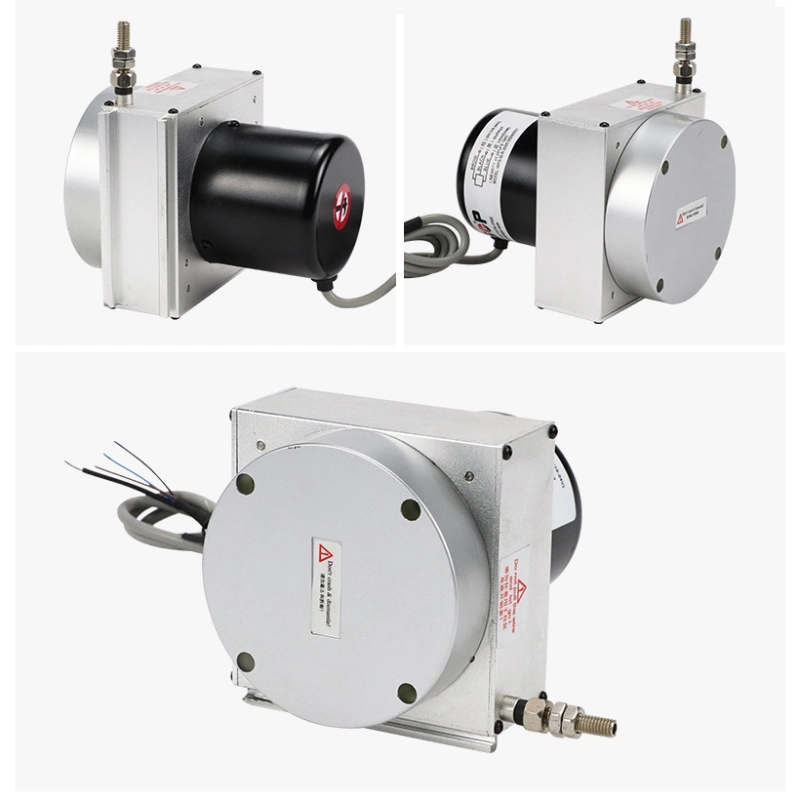
An LWH sensor measures direct rod movement. A draw wire sensor uses a retractable cable connected to a moving target, making it suitable for different installation geometries.
Q
6. Is the LWH sensor suitable for injection molding machines?
A
Yes. Its rod-type measurement design is suitable for compatible injection molding machinery, die casting equipment, hydraulic presses, and industrial automation systems.
Q
7. Is the sensor waterproof?
A
The sensor has an IP65 protection rating. This does not mean it is suitable for submersion or every outdoor environment.
Q
8. Does the sensor provide absolute position measurement?
A
The potentiometric output represents the rod's current position within its calibrated measuring stroke without requiring incremental pulse counting.
 +86 13520127780
 info@jingelway.com