HomeProductsIndustrial Automatic SensorsLong Stroke Linear Displacement Sensor 75-1250mm with Potentiometer Output
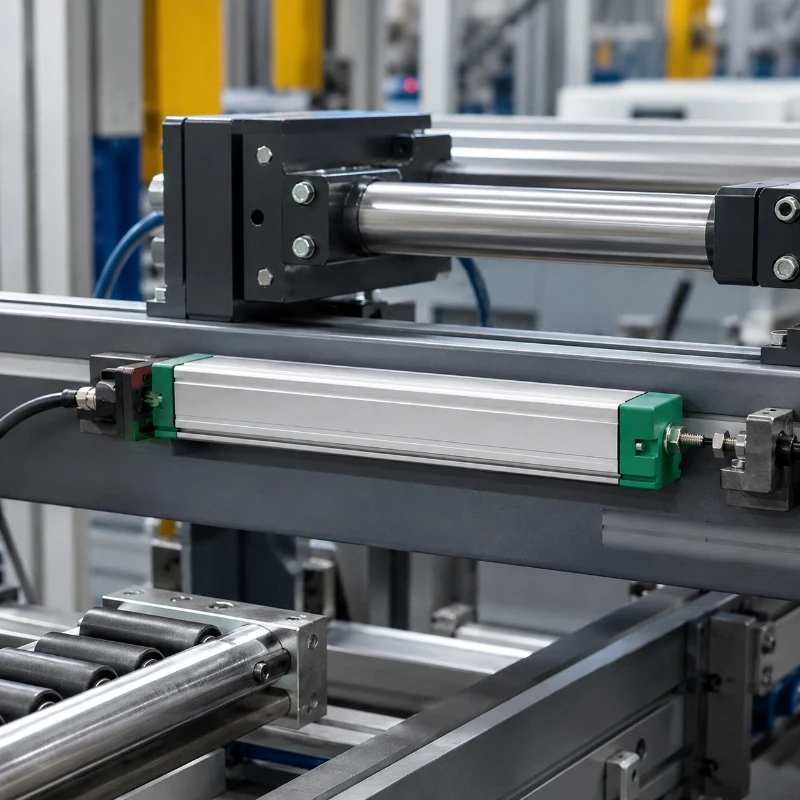
  • Linear displacement sensor for industrial machine position feedback

Long Stroke Linear Displacement Sensor 75-1250mm with Potentiometer Output

Key Features

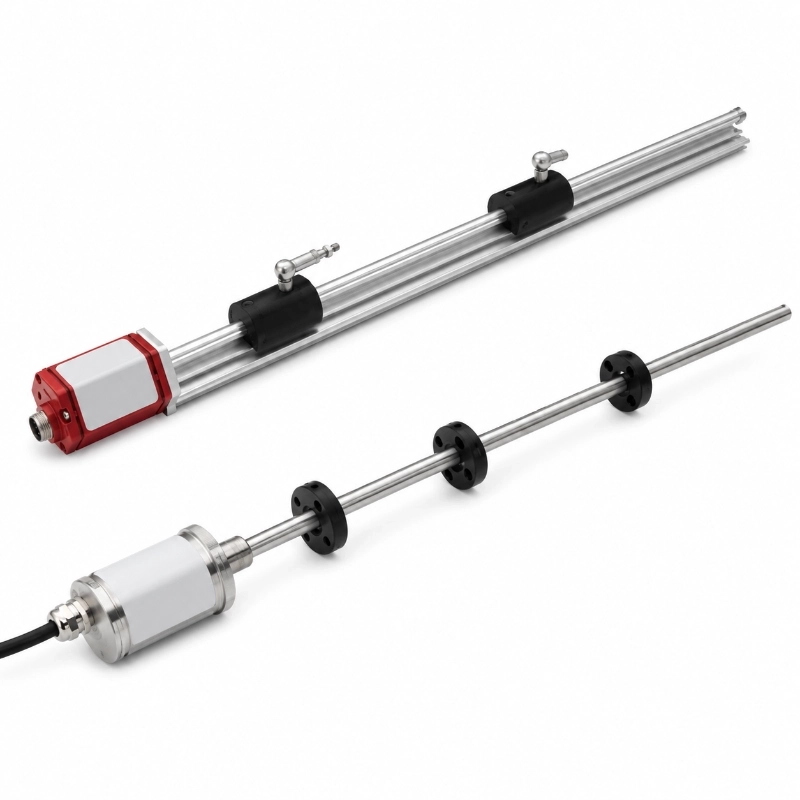
  • Rod type linear displacement sensor for direct position measurement
  • Stroke range available from 70mm to 1250mm
  • Potentiometric measuring principle with 0 to 100% input voltage output
  • Infinite resolution for continuous displacement feedback
  • High repeatability up to ±0.01mm
  • Excellent linearity for accurate machine position control
  • Maximum operating speed up to 10m/s
  • Durable anodized aluminum housing for industrial environments
  • Stainless steel shaft and smooth sliding structure for stable operation
  • Optional protection grade versions for different installation conditions
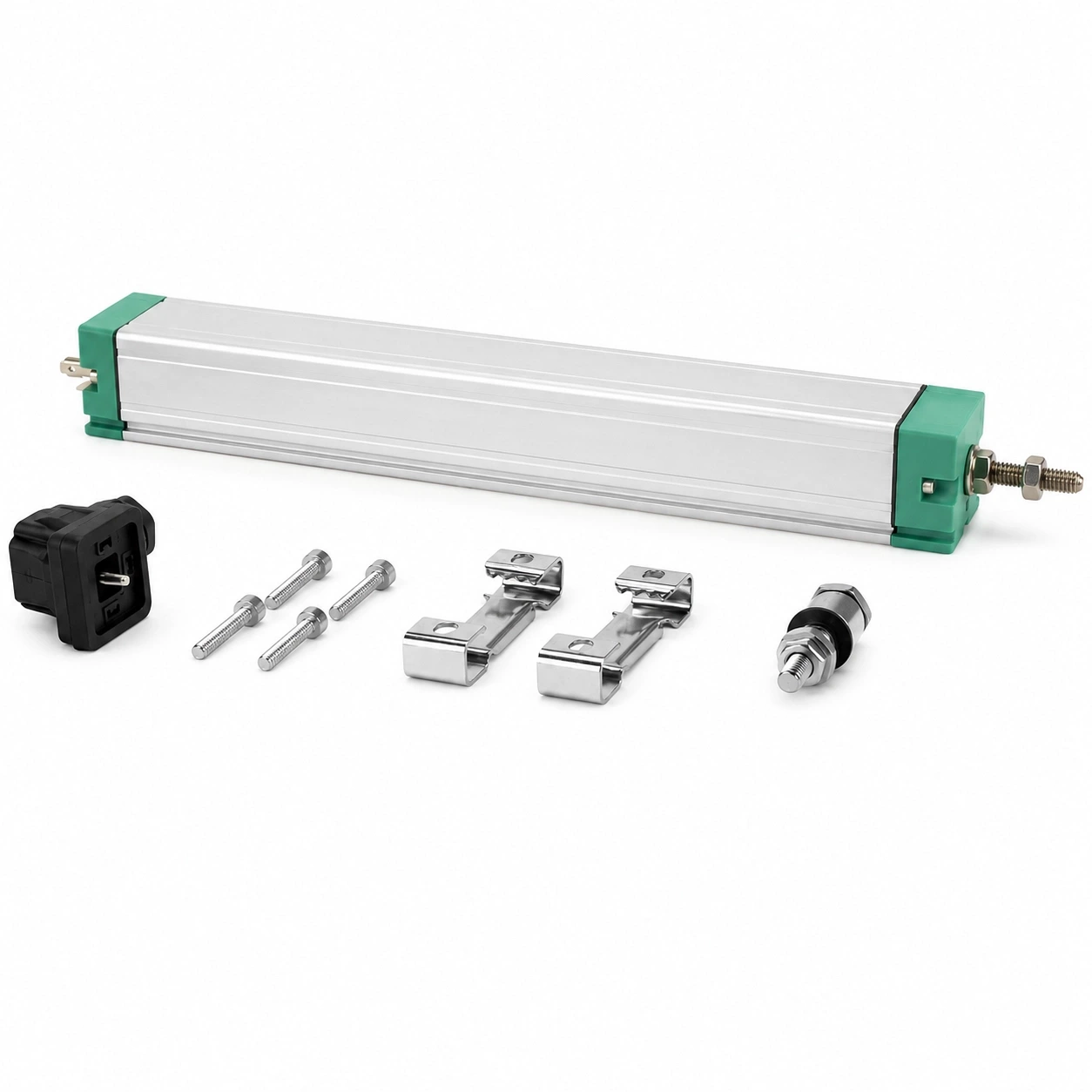
  • Suitable for direct mounting without additional racks or gears
  • Designed for injection molding machines, hydraulic presses, die casting machines, rubber machines, and automation equipment

Product Description

Product Overview

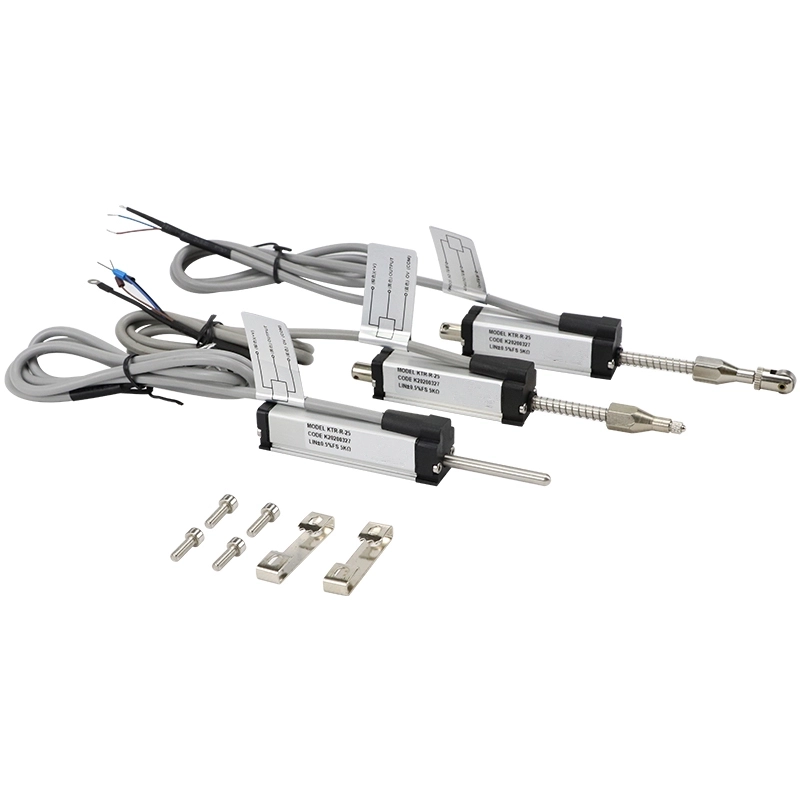
JW-KTC(S01) Linear Displacement Sensor with 75-1250mm measuring range is designed for long stroke position measurement and continuous displacement feedback in industrial applications.

Unlike compact displacement sensors designed for short movement ranges, this potentiometer-based linear displacement sensor is optimized for applications requiring larger travel distance and stable position measurement.

The sensor converts mechanical movement into a proportional electrical signal through a precision potentiometer element.

Typical applications include:

  • Industrial machinery
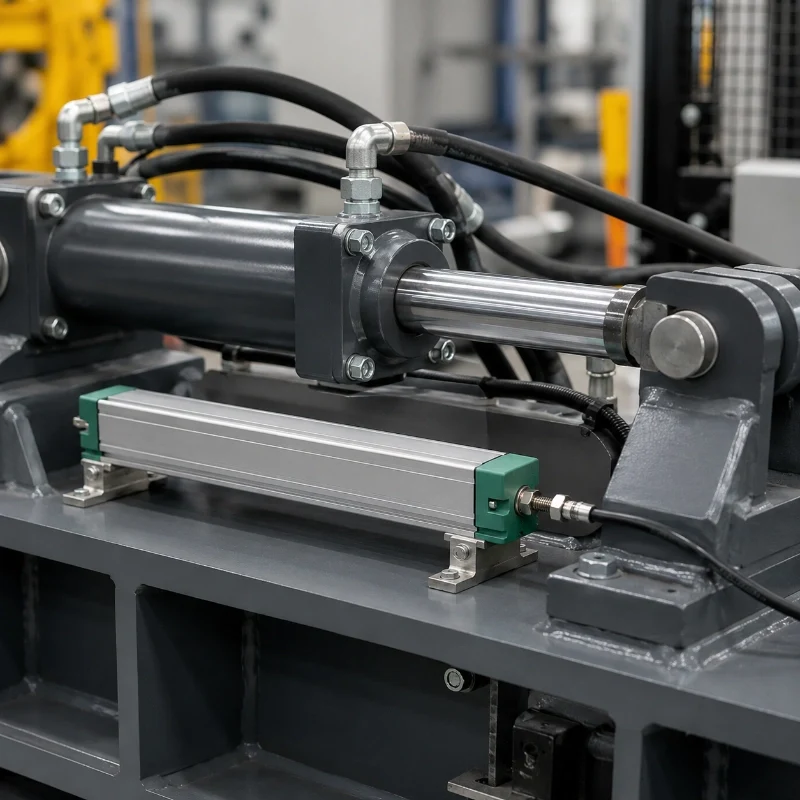
  • Hydraulic cylinder position measurement
  • Automation equipment
  • Testing systems
  • Motion control equipment
  • Mechanical positioning systems

The sensor supports:

  • Resistance output
  • Potentiometer output
  • Analog signal conversion options depending on configuration

JW-IoT provides a complete displacement measurement product range:

  • Mini linear displacement sensors
  • Linear position sensors
  • Long stroke displacement sensors
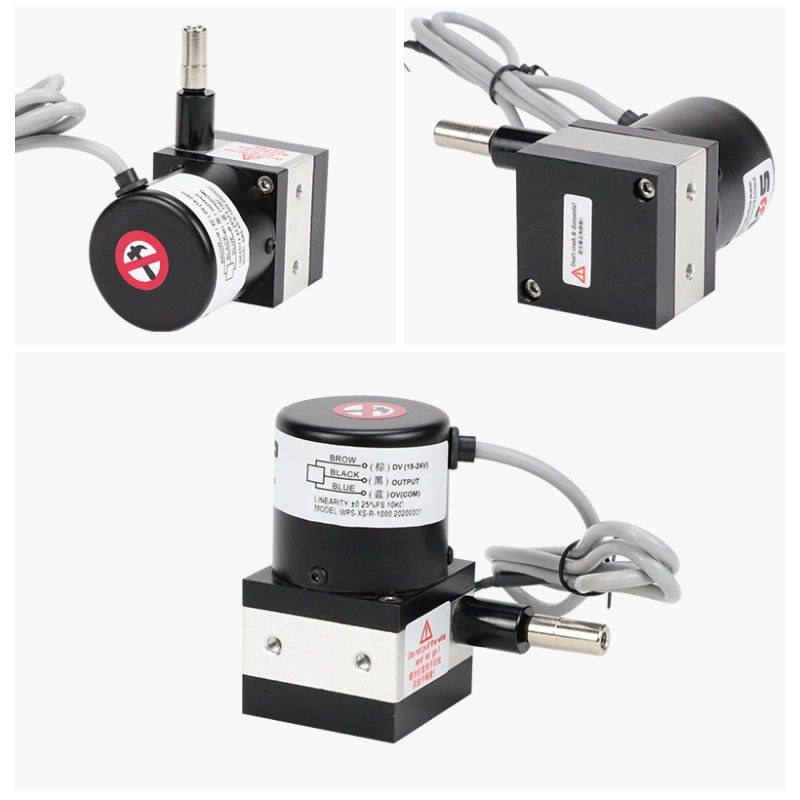
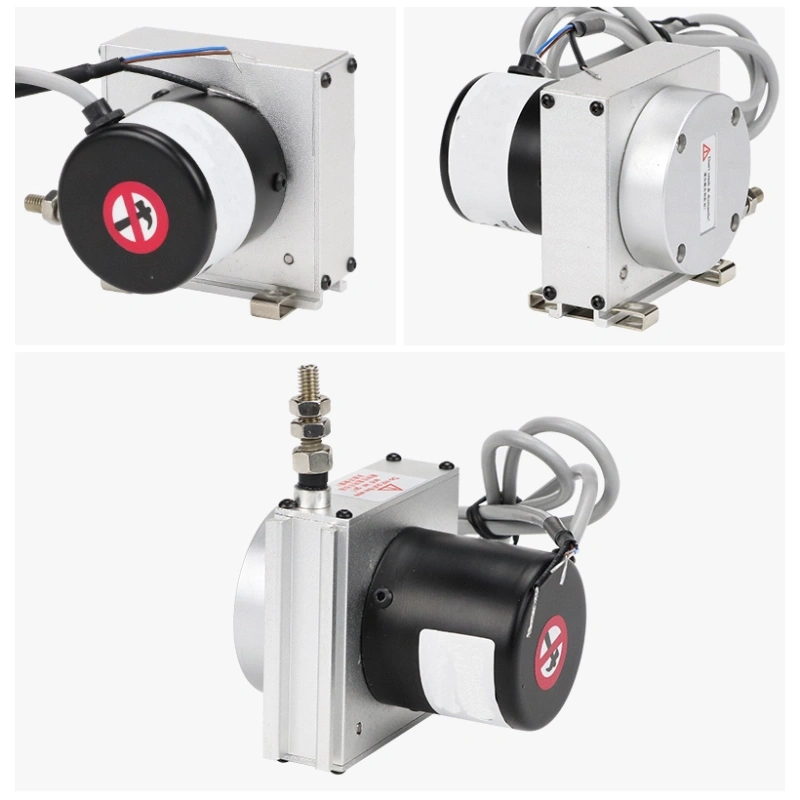
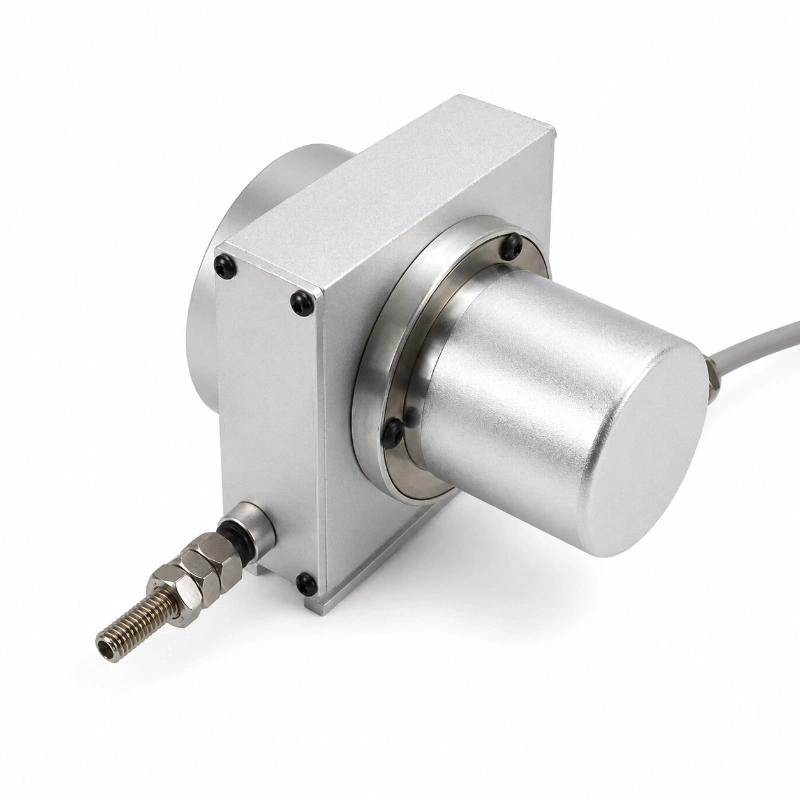
  • Draw wire displacement sensors

Related products:

Mini Linear Displacement Sensor 25-300mm

Draw Wire Displacement Sensor

What Is a Linear Displacement Sensor?

A linear displacement sensor measures the movement distance of a mechanical object along a straight line.

The sensor is mechanically connected between a fixed point and a moving component.

When the component moves, the sensing element changes its electrical output according to the displacement position.

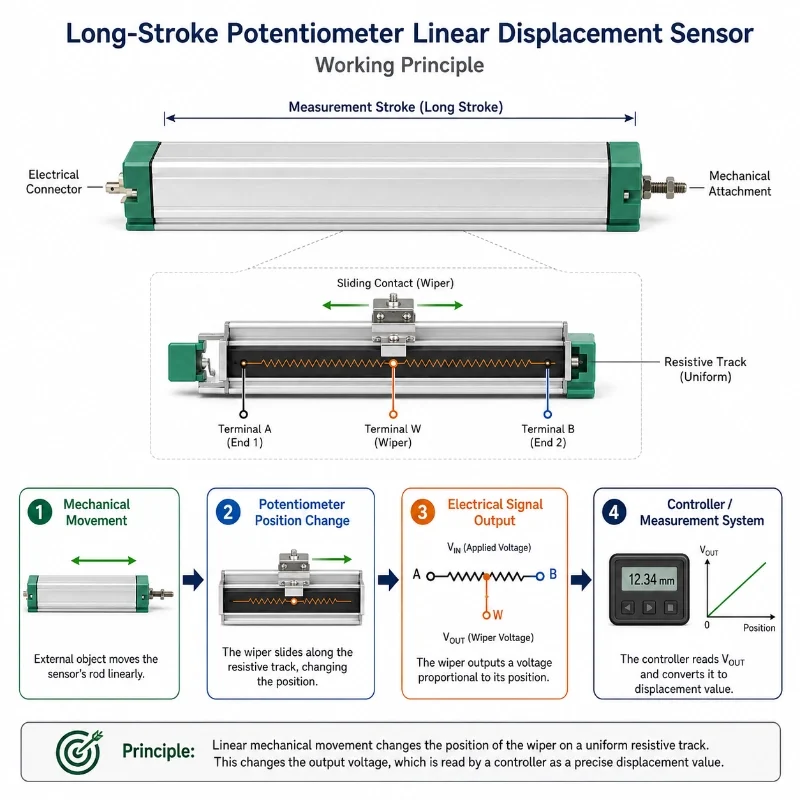
The measurement process:

Mechanical Movement

↓

Potentiometer Position Change

↓

Electrical Signal Output

↓

Controller / Measurement System

Linear displacement sensors are commonly used when continuous position feedback is required instead of simple end-position detection.

How Does a Potentiometer Linear Displacement Sensor Work?

Potentiometer Measurement Principle

A potentiometer displacement sensor uses a resistive element and sliding contact mechanism.

When the measuring rod moves:

  1. The slider position changes
  2. Resistance value changes
  3. Electrical output changes proportionally
  4. The controller calculates displacement position

This simple measurement principle provides:

  • Stable output
  • Good repeatability
  • Easy integration
  • Long service life

Technical Specifications

Item Specification
Product Series KTC Pull Rod Linear Sensor
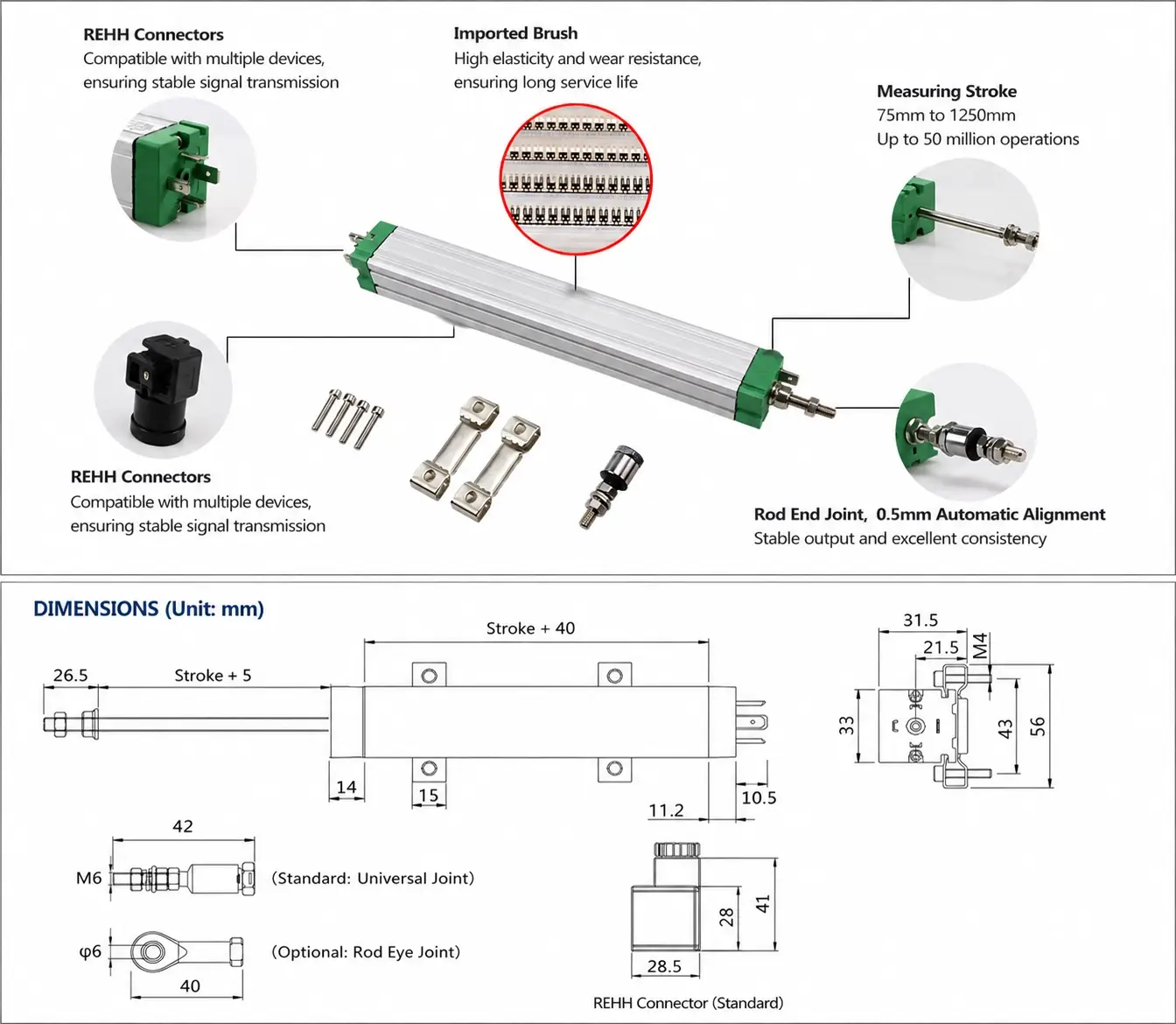
Measuring Stroke 75–1250 mm standard range customizable
Repeatability 0.01 mm
Linearity Excellent linearity
Resolution Better than 0.01 mm
Operating Speed High speed operation
Connector Type DIN43650 standard plug and socket
Protection Grade IP65
Optional Output Module Resistance current voltage output options
Resistance Options 5 kΩ 10 kΩ
Current Output 4–20 mA
Voltage Output 0–5 V 0–10 V
Wiring Options 2 wire 3 wire
Service Life Long service life
Typical Application Linear displacement measurement industrial position feedback machine stroke monitoring

Applications

Hydraulic Cylinder Position Measurement

Hydraulic systems require accurate monitoring of cylinder extension and retraction.

The sensor can measure:

  • Cylinder stroke
  • Actuator position
  • Hydraulic movement

Applications include:

  • Hydraulic machinery
  • Construction equipment
  • Industrial presses

Industrial Automation Equipment

Long stroke linear displacement sensors are used in automation equipment requiring accurate movement feedback.

Typical applications:

  • CNC equipment
  • Assembly machines
  • Processing equipment
  • Motion control systems

Mechanical Testing Systems

In testing applications, displacement measurement is important for:

  • Material testing
  • Structural testing
  • Mechanical analysis

The sensor provides continuous position data during movement.

Linear Displacement Sensor vs Mini Linear Sensor

Comparison 75-1250mm Sensor Mini Linear Sensor
Measurement Range 75-1250mm 10-300mm
Application Long stroke movement Compact measurement
Typical Use Machinery, hydraulics Automation equipment
Main Advantage Large travel distance Small installation size

Linear Displacement Sensor vs Draw Wire Sensor

  Linear Displacement Sensor Draw Wire Sensor
Measurement Method Direct mechanical movement Cable extension
Accuracy High direct measurement Flexible long distance
Installation Requires alignment Flexible mounting
Application Machines and actuators Large structures

Related product:https://www.jw-iot.com/draw-wire-displacement-sensor-0-to-2500mm/

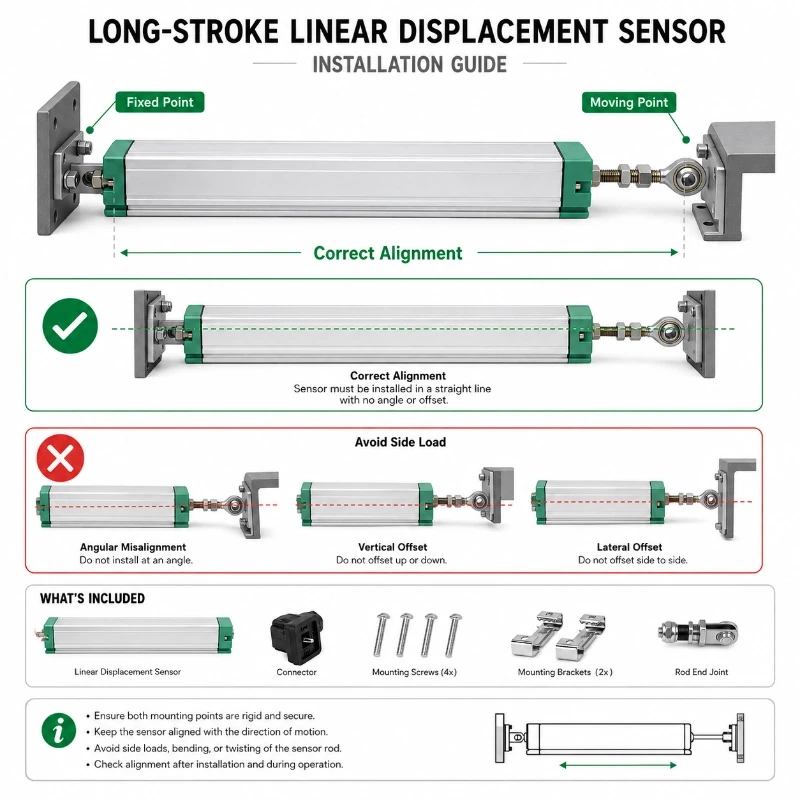
Installation Guidelines

Correct installation improves accuracy and service life.

Maintain Linear Alignment

The moving direction should match the sensor measurement axis.

Avoid Side Loading

Side force may affect:

  • Output stability
  • Mechanical lifetime

Secure Mechanical Connection

Ensure:

  • Fixed mounting point
  • Proper linkage
  • Smooth movement

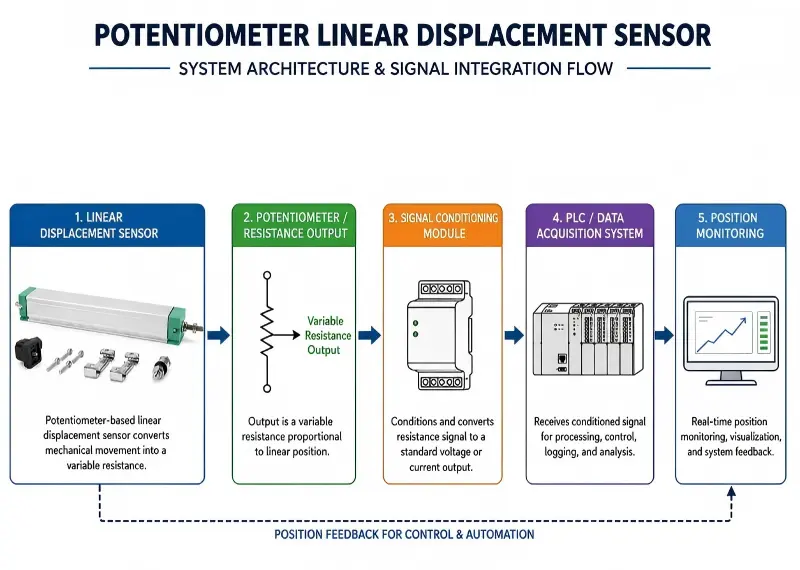
Signal Integration Example

Linear Displacement Sensor

Potentiometer / Resistance Output

Signal Conditioning Module

PLC / Data Acquisition System

Position Monitoring

How to Select a Long Stroke Linear Displacement Sensor?

Before selection, consider:

1. Required Stroke Length

Select a range larger than the maximum expected movement.

2. Output Requirement

Confirm:

  • Resistance output
  • Analog conversion requirement
  • Controller compatibility

3. Installation Space

Check:

  • Mounting method
  • Mechanical movement direction
  • Available space

4. Working Environment

Consider:

  • Temperature
  • Dust
  • Vibration
  • Mechanical impact

Request Long Stroke Linear Displacement Sensor Quote

JW-IoT provides linear displacement sensors for:

  • Machine manufacturers
  • Automation integrators
  • Industrial equipment suppliers
  • Measurement system developers

Please provide:

  • Required stroke range
  • Output type
  • Accuracy requirement
  • Installation conditions

Contact:

https://www.jw-iot.com/contact-us

FAQ

  • Q

    1. What is a linear displacement sensor used for?

    A

    A linear displacement sensor is used to measure the straight line movement of a machine part and convert that movement into an electrical signal for position feedback.

  • Q

    2. Is this sensor suitable for injection molding machines?

    A

    Yes. This rod type linear displacement sensor is commonly used for injection molding machines, hydraulic presses, die casting machines, rubber machinery, and other industrial equipment.

  • Q

    3. What output signal does this potentiometer sensor provide?

    A

    It provides a proportional analog output, typically 0 to 100% of the input voltage, based on the measured displacement position.

  • Q

    4. Can JW-IoT supply this sensor for automation projects?

    A

    Yes. JW-IoT can provide linear displacement sensors for industrial automation, machine position feedback, hydraulic equipment, and OEM integration projects.

  • Q

    5. What stroke lengths are available?

    A

    Common stroke options include multiple ranges from 75mm to 1250mm, depending on project requirements and installation space.

  • Q

    6. Does the sensor provide high repeatability?

    A

    Yes. The sensor can achieve repeatability up to ±0.01mm, making it suitable for precise industrial position monitoring.

  • Q

    7. Can JW-IoT support custom system integration?

    A

    Yes. JW-IoT can support sensor selection, wiring guidance, signal matching, and integration with data acquisition or industrial control systems.

  • Q

    8. What machines can use this rod type displacement sensor?

    A

    It can be used in injection molding machines, die casting machines, hydraulic presses, rubber machines, shoe machines, woodworking machines, and automated production lines.

  • Q

    9. Why choose JW-IoT for linear position sensing solutions?

    A

    JW-IoT provides industrial sensor options, application matching, and solution support for customers who need reliable displacement measurement in automation and machine monitoring projects.

WhatsApp

Leave a message!

Leave a message!