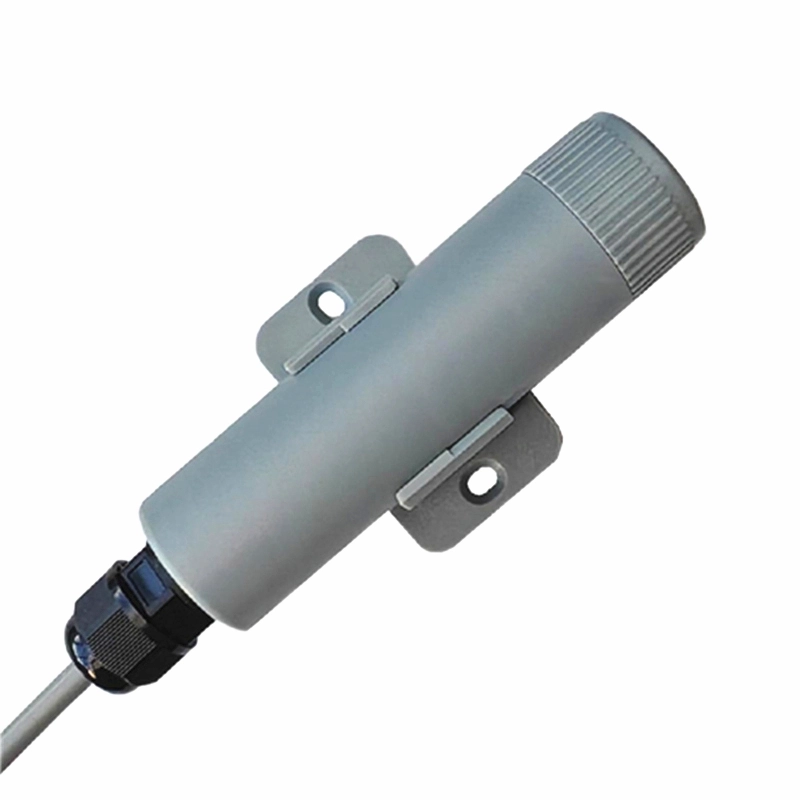
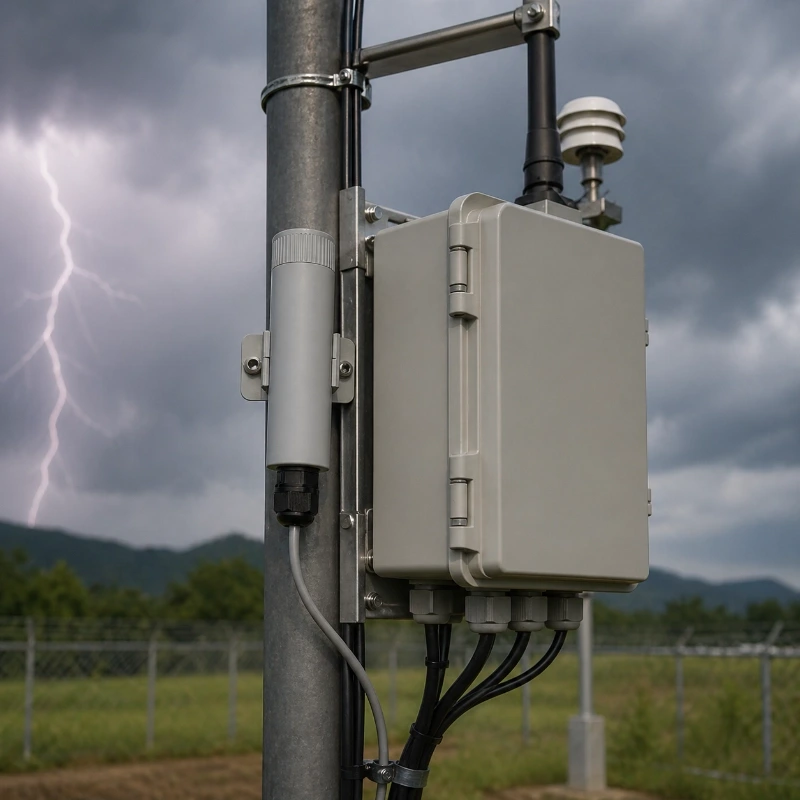
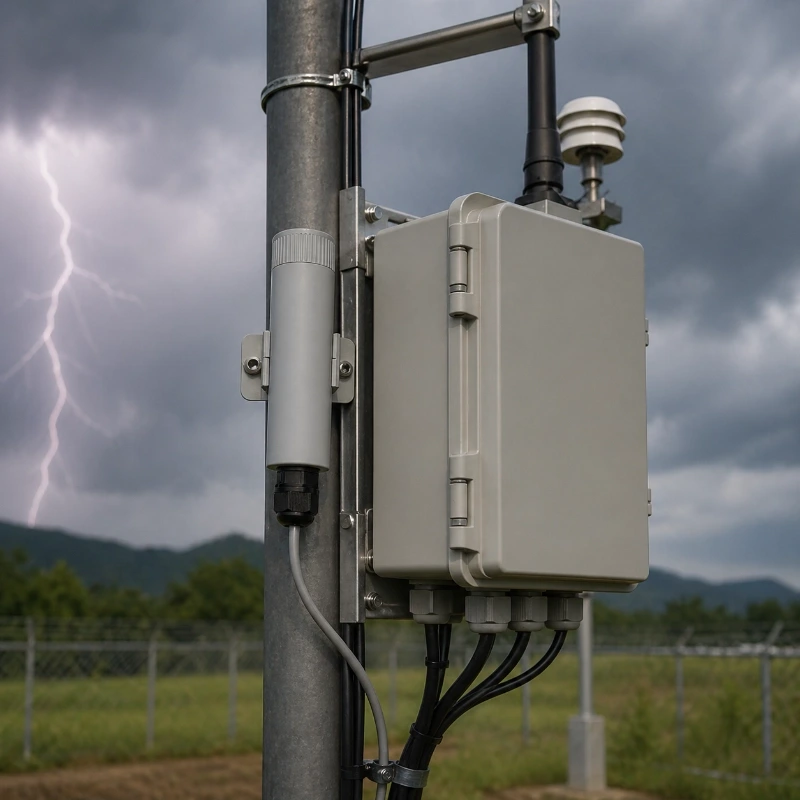
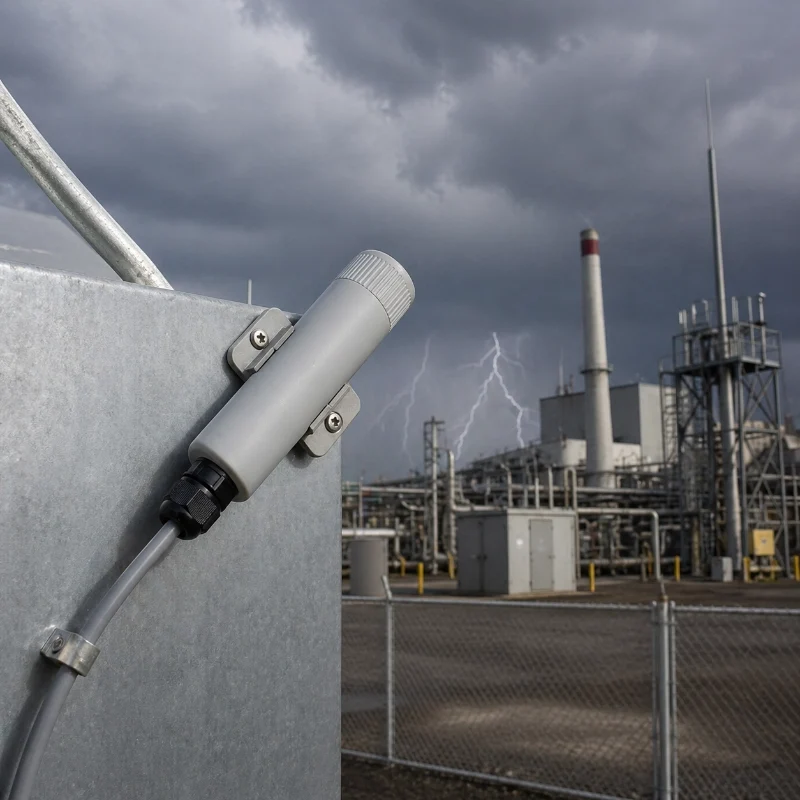
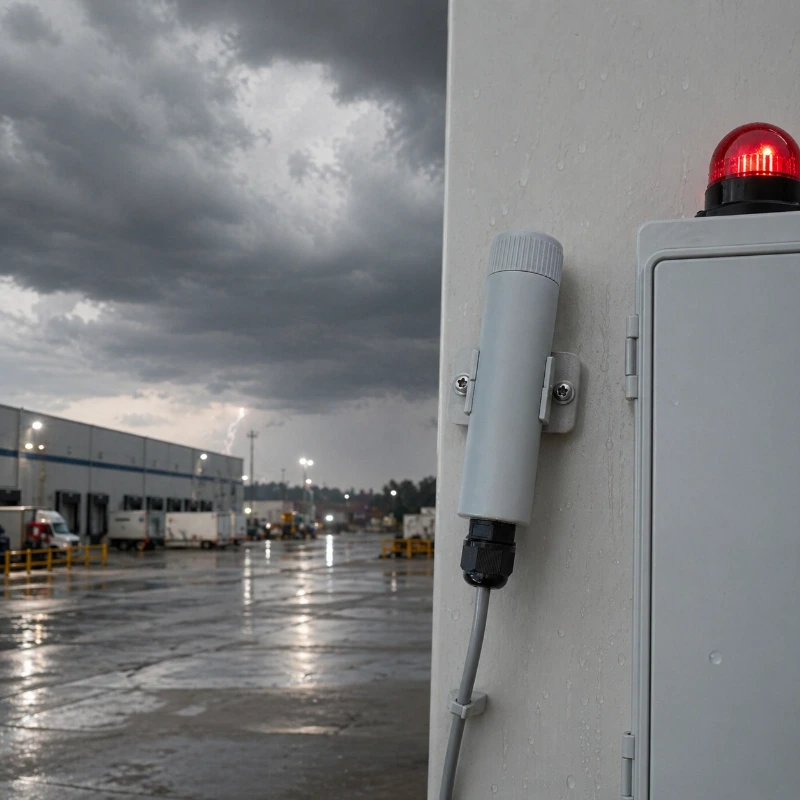
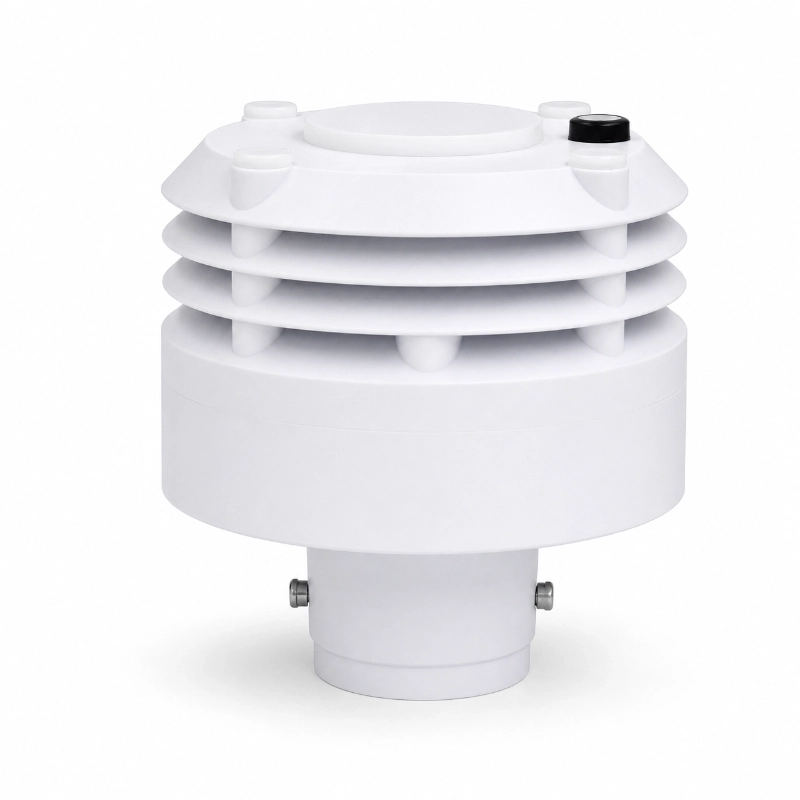
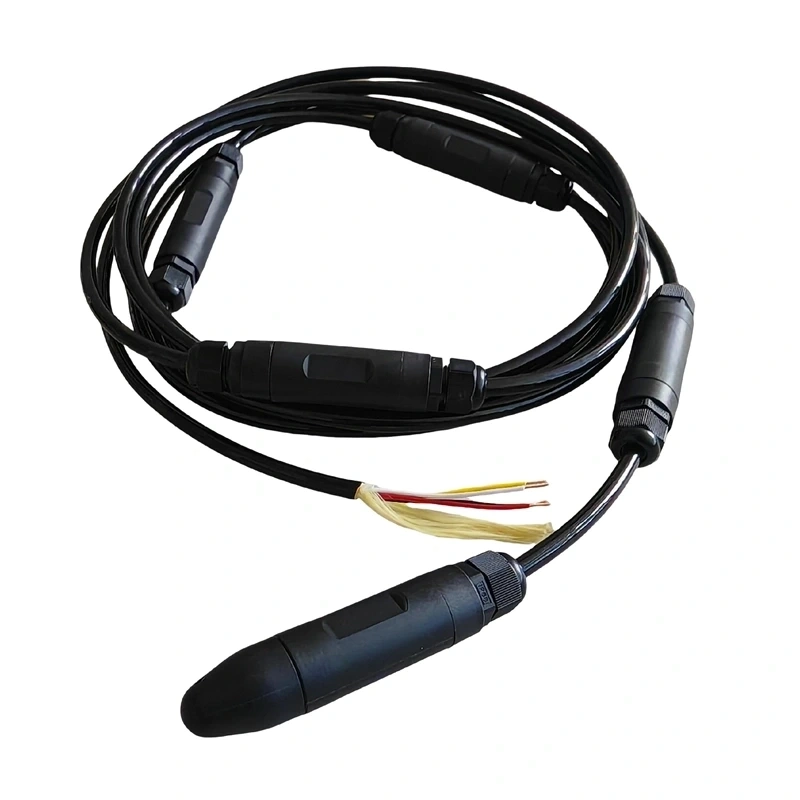
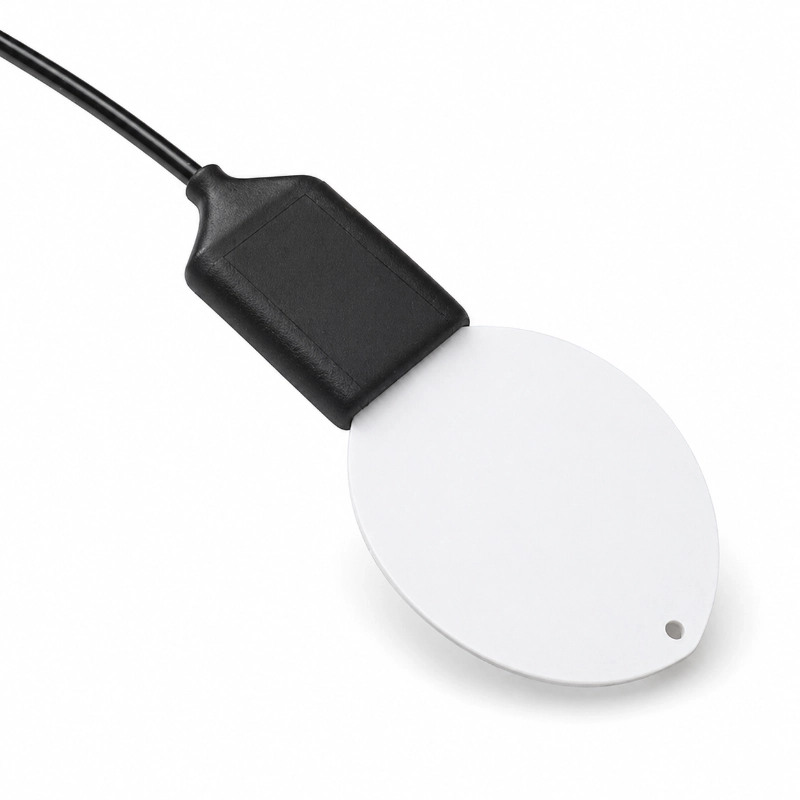
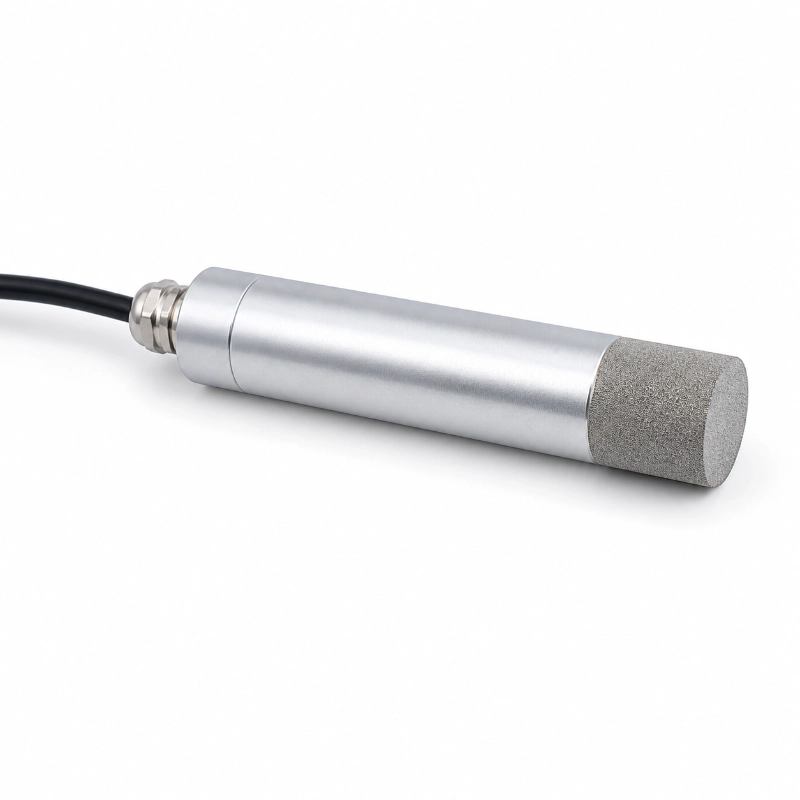
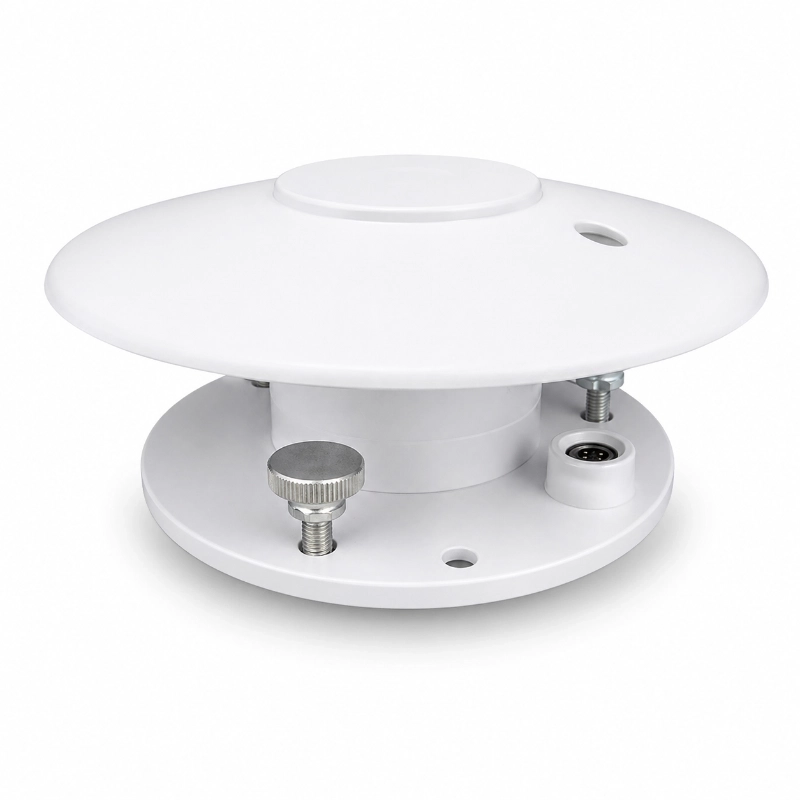
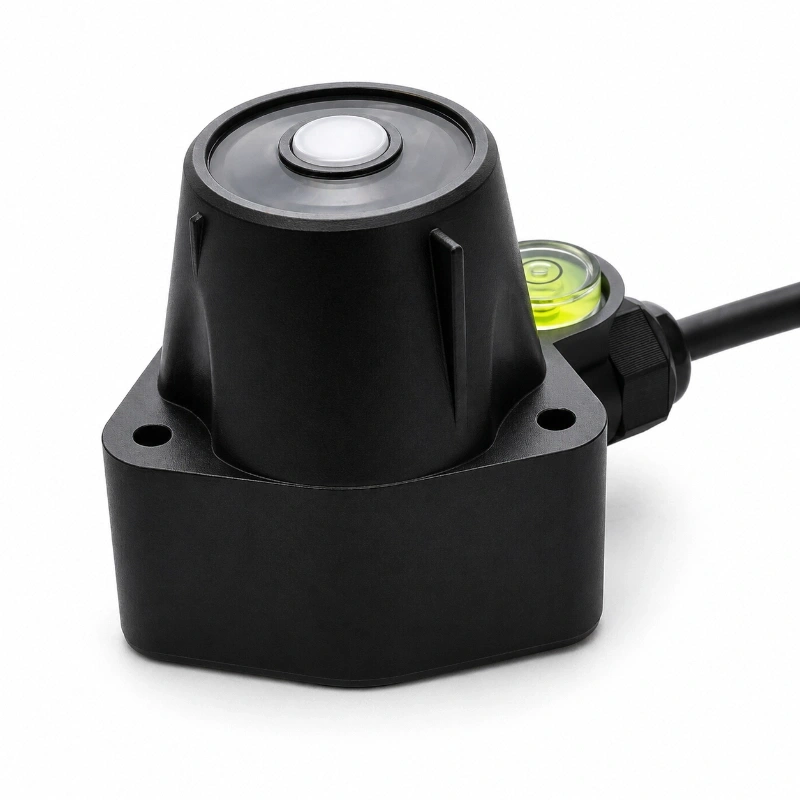
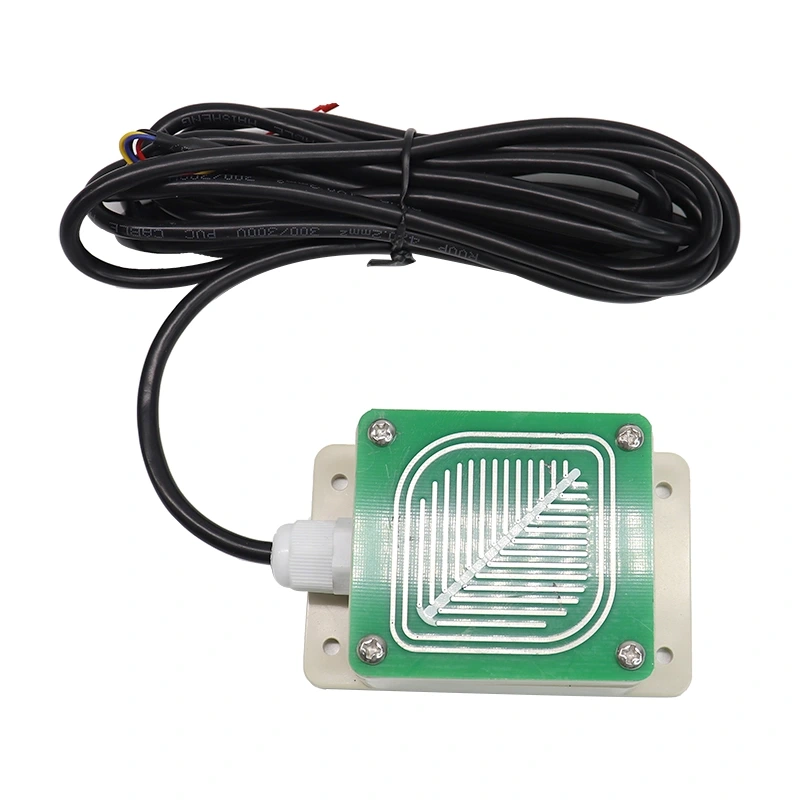
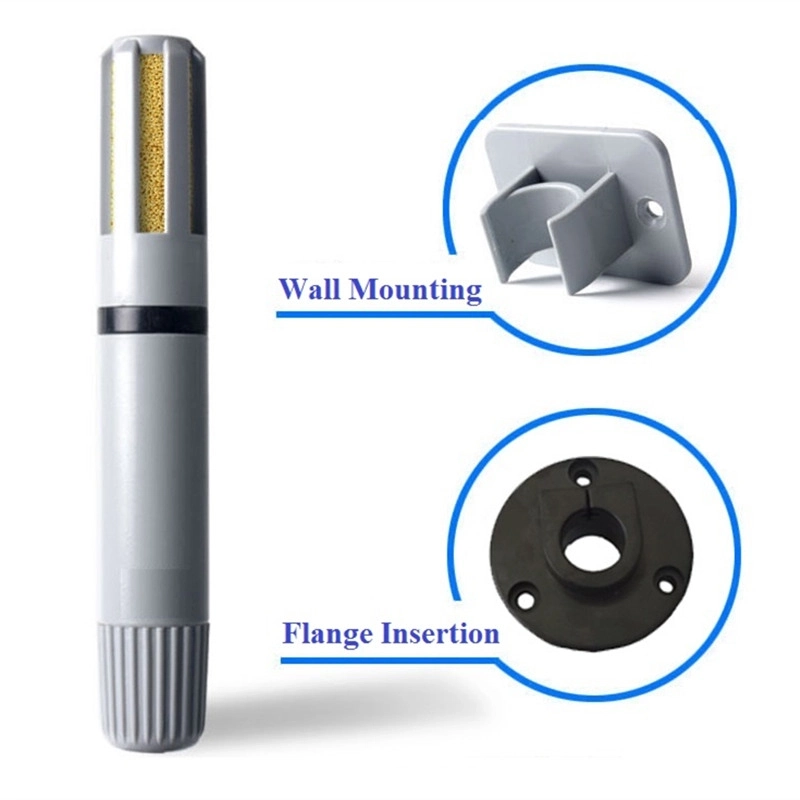
JW-LTN(Z18) Lightning Sensor is a compact digital lightning detection sensor designed for weather monitoring, industrial safety, environmental monitoring, and storm activity detection systems. It detects cloud-to-ground, intra-cloud, and cloud-to-cloud lightning activity within a warning radius of up to 40 km.
With integrated AMS AS3935 lightning sensor technology, programmable detection sensitivity, built-in disturbance rejection, and optional RS485 Modbus RTU or SDI-12 V1.3 output, this lightning sensor is easy to integrate with data loggers, IoT gateways, weather stations, and remote monitoring platforms.
2. Product Overview
JW-LTN(Z18) Lightning Sensor is designed to detect lightning discharge events and provide useful storm activity data for monitoring and decision-support systems. It can detect cloud-to-ground and cloud-to-cloud discharge events and output data such as lightning count, latest lightning distance estimate, lightning energy, noise count, and disturbance count.
The sensor supports both SDI-12 and RS485 Modbus RTU communication, making it suitable for integration with weather stations, hydrometeorological monitoring systems, industrial monitoring stations, and safety management platforms. According to the supplier manual, the sensor provides lightning distance estimation from 0 to 40 km, supports low power operation, and has an IP68 protection rating.
Parameter
Model No.
JW-LTN(Z18)
Detection Type
Lightning activity detection
Integrated Sensor
AMS AS3935
Lightning Types
Cloud-to-ground and intra-cloud discharge
Warning Radius
Up to 40 km
Distance Estimate
0–40 km
Distance Output Range
0–63 km, 63 means out of range
Detection Interval
1 second
Detection Efficiency
Approximately 40%, environment dependent
Output Option 1
SDI-12 V1.3
Output Option 2
RS485 Modbus RTU
Power Supply
5–28 V DC
SDI-12 Static Current
<400 μA @ 12 V DC
SDI-12 Max Current
<5 mA @ 12 V DC during lightning detection
RS485 Static Current
<1.2 mA @ 12 V DC
RS485 Max Current
<6 mA @ 12 V DC during lightning detection
Working Temperature
-40 to 80°C
Working Humidity
0–95% RH non-condensing
Protection Rating
IP68
Installation Method
Wall-mounted
Default Cable Length
2 m
Max Custom Cable Length
5 m
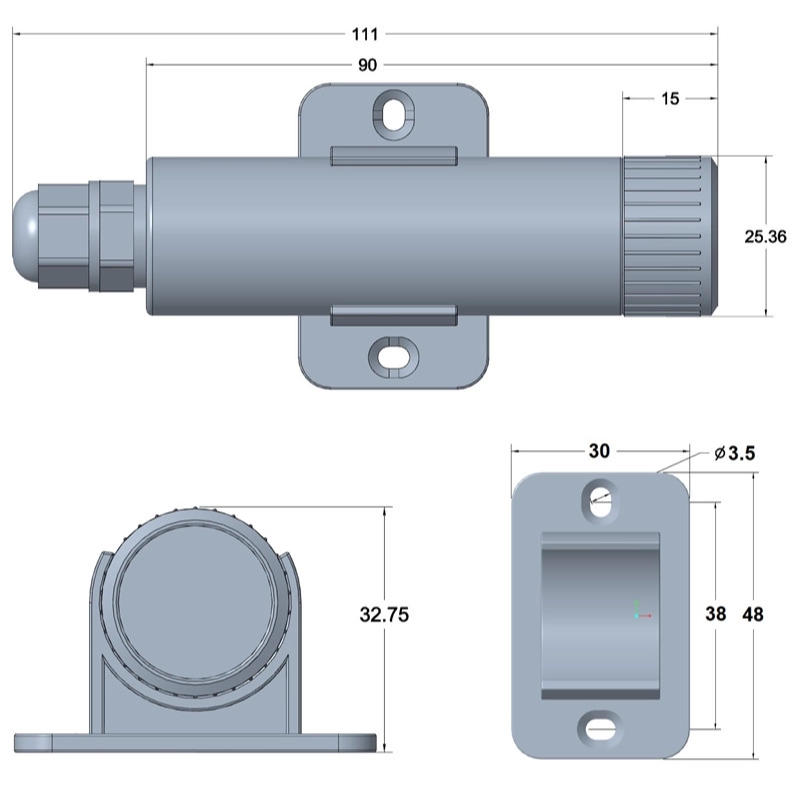
Sensor Body Size
111 × 25.5 mm
OEM ODM
Available
3. Dimension
4. Communication and Integration
RS485 Modbus RTU Output
The RS485 version supports Modbus RTU and is suitable for industrial IoT systems, weather station controllers, PLC systems, data acquisition units, and cloud monitoring platforms. The default communication setting is 9600 bps, 8 data bits, no parity, and 1 stop bit.
SDI-12 Output
The SDI-12 version is suitable for low-power field monitoring stations, hydrological stations, meteorological data loggers, and environmental monitoring systems. It can output lightning count, distance estimate, energy, noise count, disturbance count, and rolling event statistics.
Detection Parameters
Parameter
Description
Lightning Count Since Last Read
Number of lightning events detected since the last data read
Noise Count Since Last Read
Number of noise events detected since the last data read
Disturber Count Since Last Read
Number of disturbance events detected since the last data read
Latest Distance Estimate
Estimated distance of the latest lightning event
Latest Strike Energy
Relative energy value of the latest lightning event
10 Minute Strike Count
Rolling lightning count over the last 10 minutes
30 Minute Strike Count
Rolling lightning count over the last 30 minutes
60 Minute Strike Count
Rolling lightning count over the last 60 minutes
60 Minute Noise Count
Rolling noise count over the last 60 minutes
60 Minute Disturber Count
Rolling disturbance count over the last 60 minutes
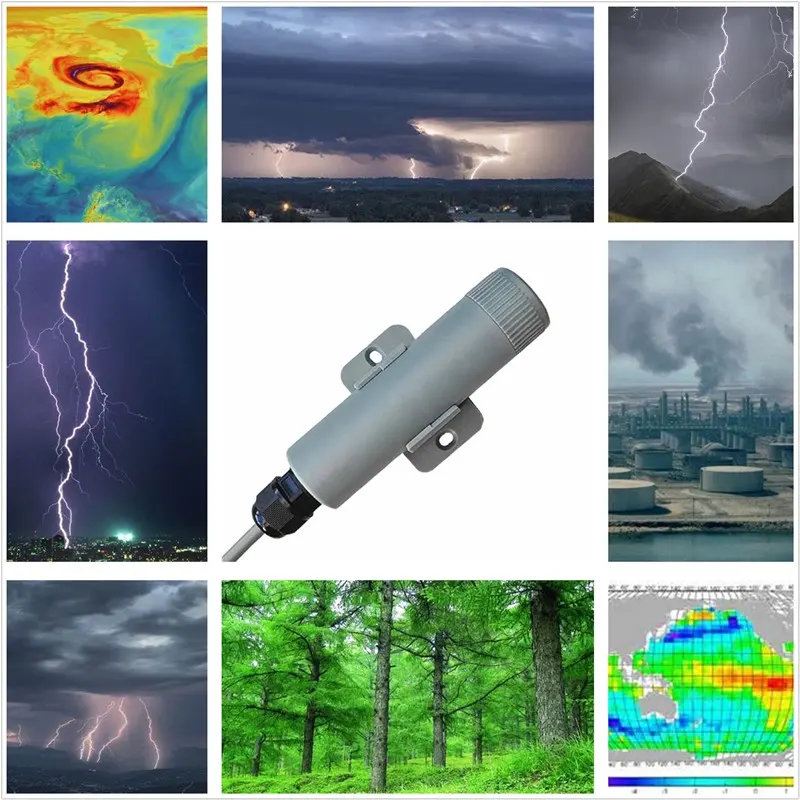
5. Application Scenarios
Weather monitoring stations
Storm activity monitoring
Environmental monitoring systems
Industrial safety management
Outdoor equipment risk monitoring
Lightning warning support systems
Remote field monitoring stations
Smart agriculture weather monitoring
Hydrometeorological monitoring
Wind farm and solar farm monitoring
System integration for safety decision support
Research and meteorological data collection
FAQ
Q
1. What does JW-LTN(Z18) Lightning Sensor detect?
A
JW-LTN(Z18) Lightning Sensor detects lightning discharge events, including cloud-to-ground and intra-cloud lightning activity. It can output lightning count, estimated distance, relative energy, noise count, and disturbance count.
Q
2. What is the detection range of this lightning sensor?
A
The sensor can detect thunderstorm activity within a warning radius of up to 40 km. The distance estimate output range is 0 to 63 km, where 63 indicates that the event is outside the evaluation range.
Q
3. Does JW-LTN(Z18) Lightning Sensor support RS485 Modbus RTU?
A
Yes. JW-LTN(Z18) Lightning Sensor supports RS485 Modbus RTU, making it suitable for weather stations, industrial IoT systems, PLCs, gateways, and monitoring platforms.
Q
4. Can JW-LTN(Z18) Lightning Sensor work with SDI-12 data loggers?
A
Yes. JW-LTN(Z18) Lightning Sensor supports SDI-12 V1.3, making it suitable for meteorological data loggers, hydrological stations, and low-power remote monitoring systems.
Q
5. Is this sensor a lightning protection device?
A
No. This sensor is not a lightning protection device. It only provides lightning detection data and should not be used as a replacement for certified lightning protection systems.
Q
6. Can the sensor detect every lightning strike?
A
No. The sensor cannot detect all lightning strikes. Detection performance depends on installation conditions, surrounding electromagnetic noise, user settings, and the local environment.
Q
7. Can JW-LTN(Z18) Lightning Sensor predict lightning strikes?
A
No. JW-LTN(Z18) Lightning Sensor cannot predict lightning strikes. It detects lightning activity that has already occurred and provides distance estimation and event statistics.
Q
8. What data does the sensor output?
A
The sensor outputs lightning count since last read, noise count, disturbance count, latest distance estimate, latest lightning energy, 10-minute strike count, 30-minute strike count, 60-minute strike count, 60-minute noise count, and 60-minute disturbance count.
Q
9. Is JW-LTN(Z18) Lightning Sensor suitable for battery-powered systems?
A
Yes. The sensor has a low-power design. The SDI-12 version has a static current of less than 400 μA @ 12 V DC, making it suitable for battery-powered and solar-powered field stations.
Q
10. What does the disturbance rejection function do?
A
The disturbance rejection function helps reduce false detection caused by man-made electromagnetic noise. Users can adjust parameters such as noise floor level, watchdog threshold, and spike rejection.
Q
11. Where can this lightning sensor be installed?
A
It can be used in weather stations, environmental monitoring stations, industrial sites, farms, solar farms, wind farms, hydrological stations, and other outdoor monitoring systems.
Q
12. Does JW-LTN(Z18) Lightning Sensor support OEM or ODM customization?
A
Yes. JW-LTN(Z18) Lightning Sensor supports OEM and ODM customization, including communication interface, cable length, labeling, installation accessories, and system integration requirements.
 +86 13520127780
  info@jingelway.com