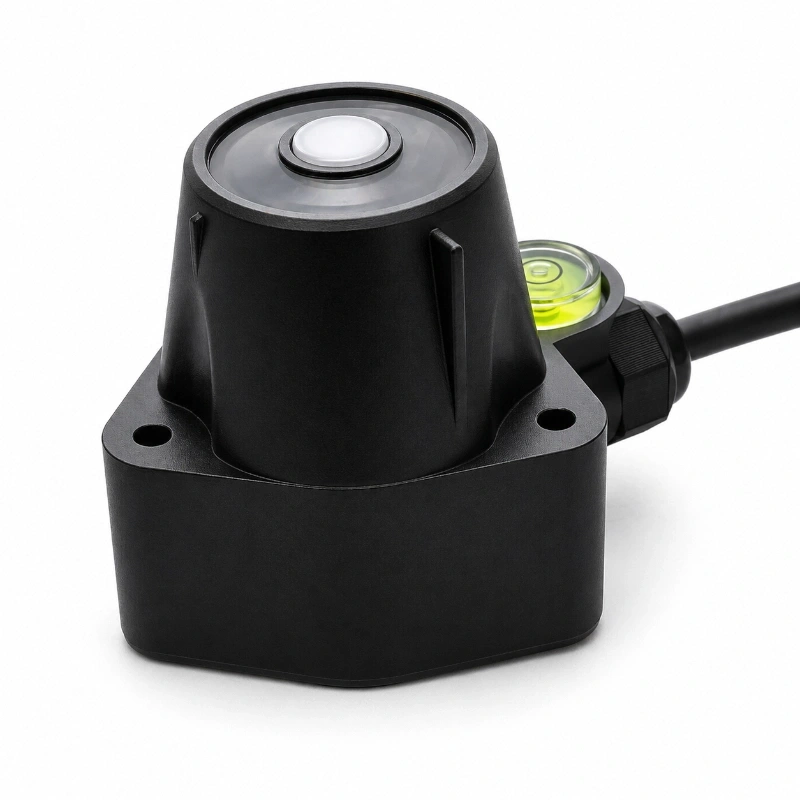
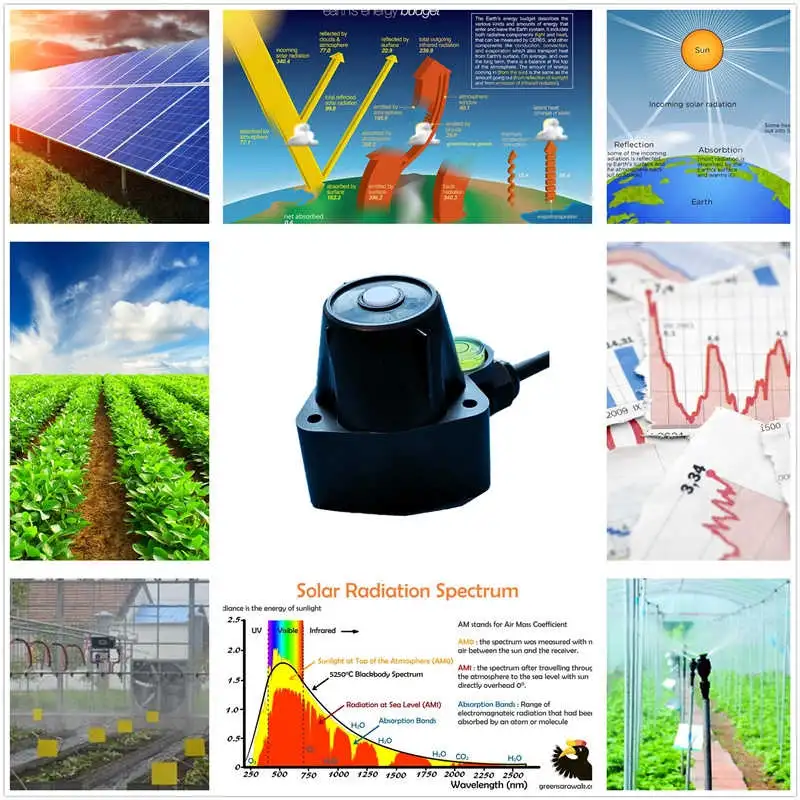
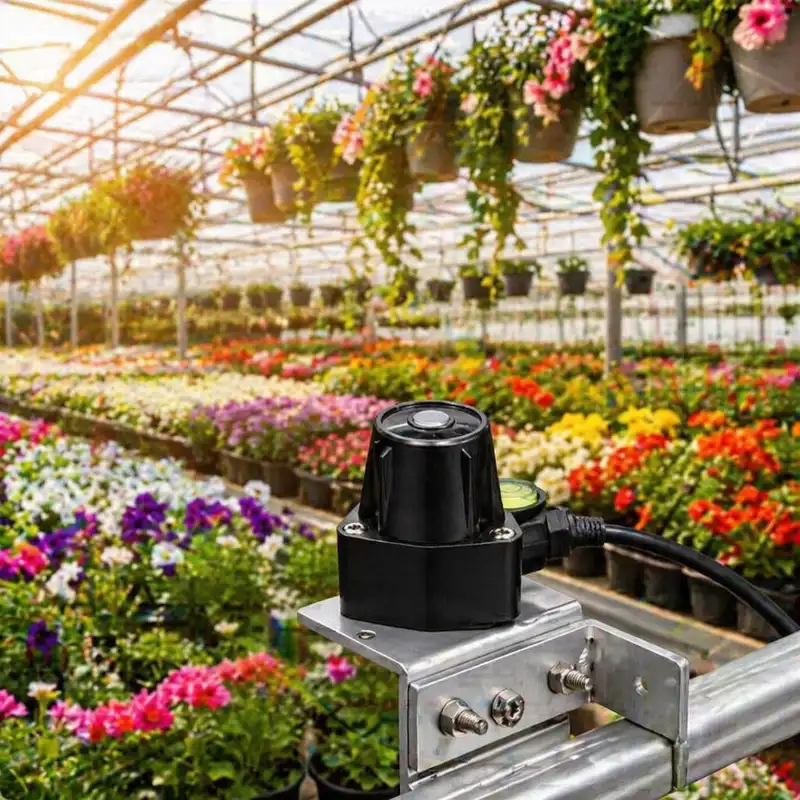
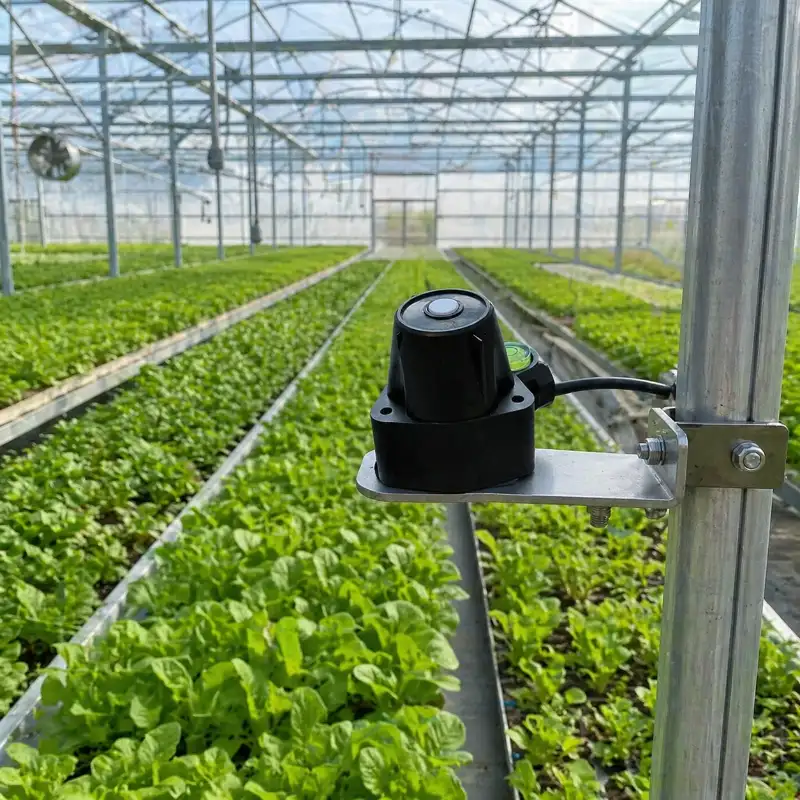
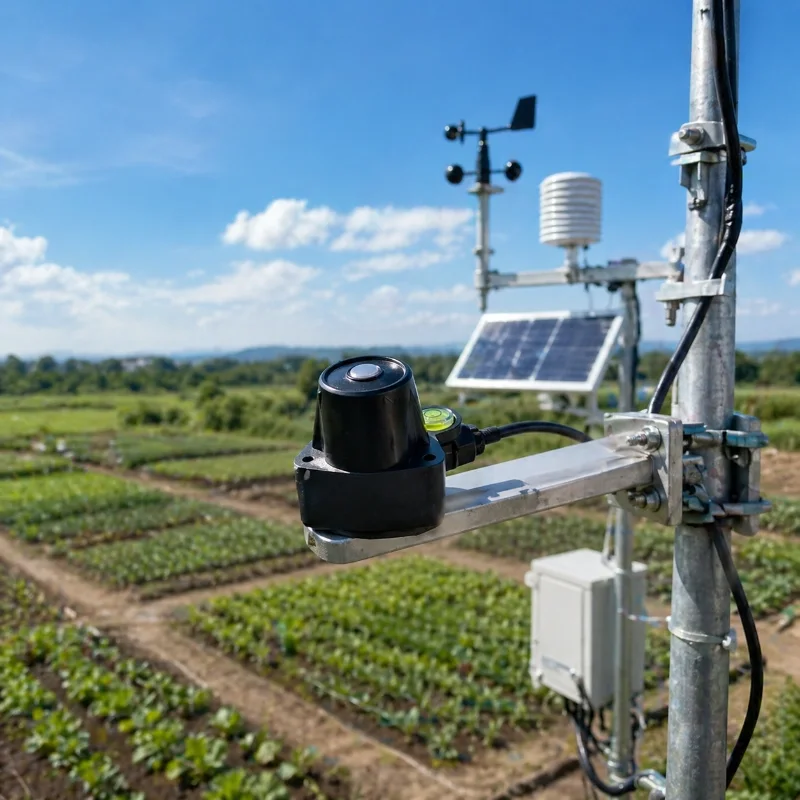
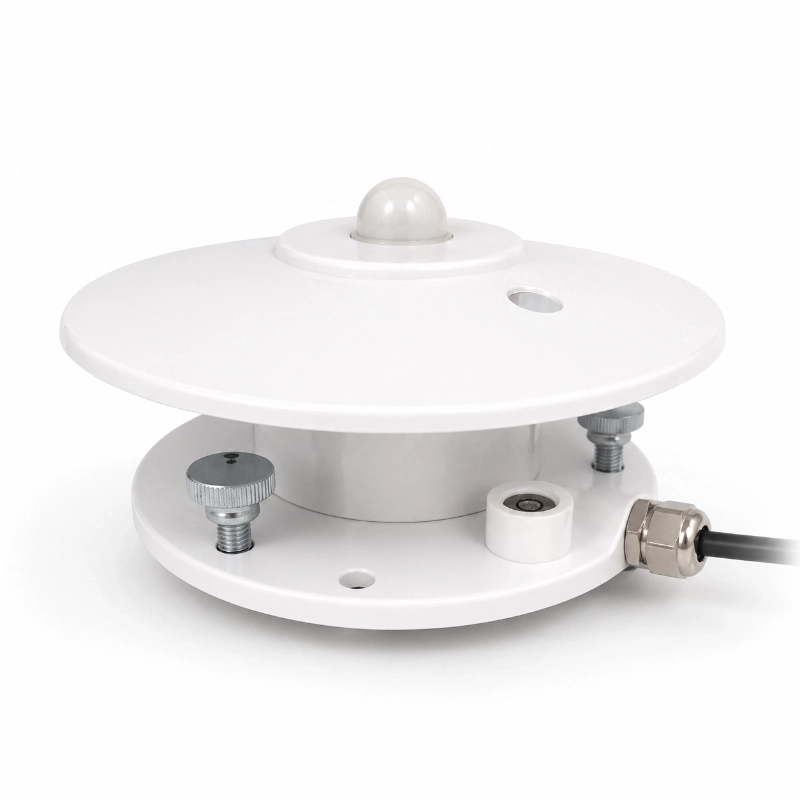
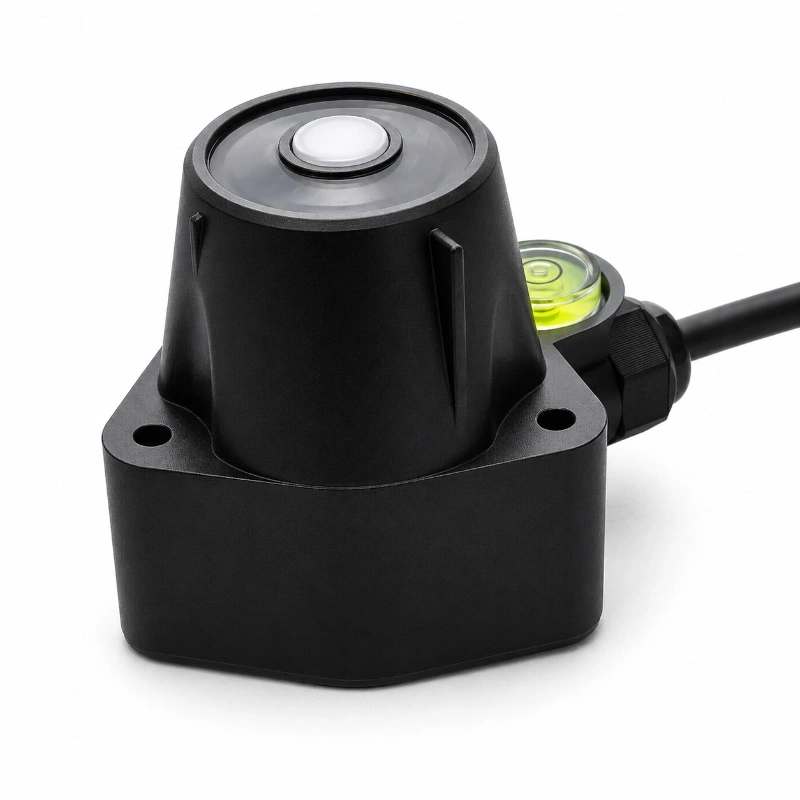
JW-ALS20(Z26) Light Intensity Sensor is designed for real-time illuminance monitoring in greenhouses, smart agriculture, outdoor weather stations, urban lighting systems and environmental monitoring projects. With multiple measuring ranges up to 200000 Lux, IP66 protection, RS485 Modbus, 4–20mA or 0–2V output options, it provides stable light measurement for plant growth control, solar radiation reference, lighting management and IoT data acquisition systems.
2. Product Overview
JW-ALS20(Z26) Light Intensity Sensor is a compact illuminance monitoring device designed for continuous light measurement in agricultural, environmental and industrial applications. It uses a high-precision light sensing element with an optical filter and signal conditioning circuit to provide stable and reliable Lux data.
The sensor is available with multiple output options, including RS485 Modbus RTU, 4–20mA analog output and 0–2V voltage output, allowing easy integration with data loggers, PLC systems, IoT gateways, greenhouse controllers and lighting management platforms.
With IP66 protection, a low-power design and a built-in level bubble, the sensor is suitable for outdoor weather stations, greenhouse roof structures, plant growth monitoring systems and urban lighting control projects.
±5% for 0–2000 to 0–100000 Lux, ±6% for 0–200000 Lux
Spectral Range
400–1100nm
Output Options
0–2V, 4–20mA, RS485 Modbus RTU
Voltage Output Power Supply
3.9–30V DC
Current Output Power Supply
12–30V DC
RS485 Power Supply
3.9–30V DC
Static Power Consumption
7mA at 24V DC for voltage or RS485 output
Current Output Consumption
30mA at 24V DC when current output is 20mA
Protection Rating
IP66
Operating Temperature
-40 to 85°C
Cable Length
2 m standard, customizable
Dimensions
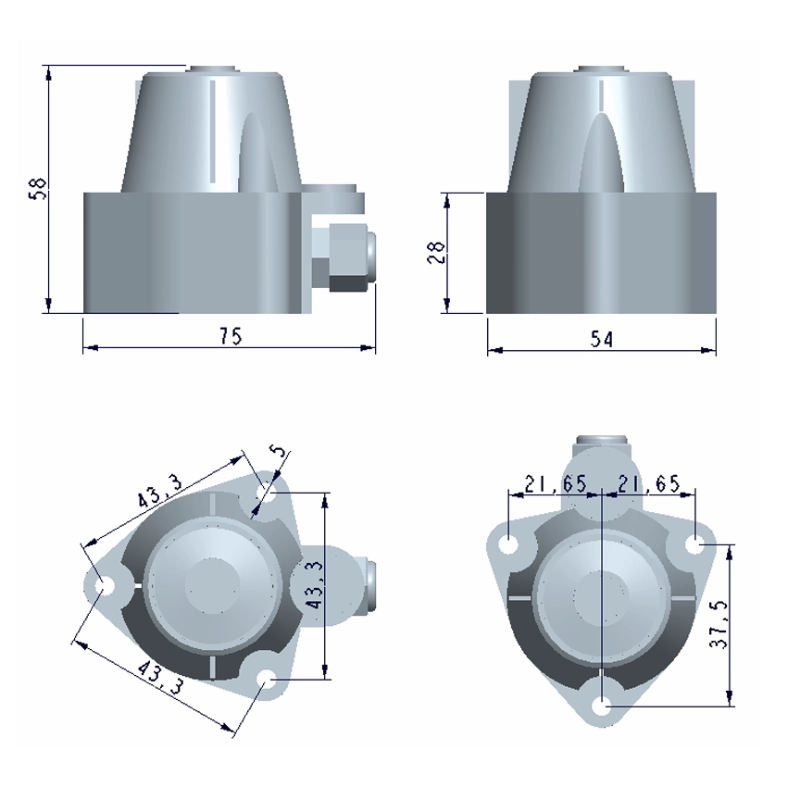
75 × 55 × 58 mm
Installation
Horizontal mounting with level bubble adjustment
3. Dimension
4. Output Options and Communication
RS485 Modbus RTU Output
The RS485 version is suitable for IoT gateways, weather stations, greenhouse controllers, PLC systems and multi-point light monitoring networks. The default communication setting is 9600 bps, no parity, 8 data bits and 1 stop bit.
4–20mA Analog Output
The 4–20mA version is suitable for industrial controllers and long-distance analog signal acquisition systems. It is useful when the customer’s control system already supports standard current input.
0–2V Voltage Output
The 0–2V version is suitable for data acquisition devices with voltage input channels. It provides a linear output corresponding to the selected Lux range.
5. Application Scenarios
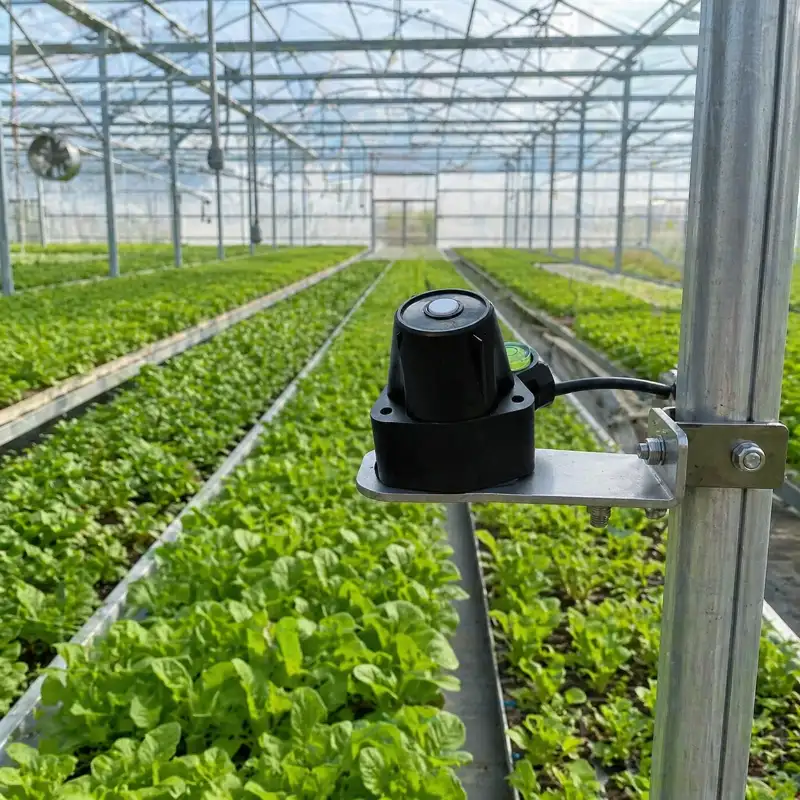
Greenhouse light intensity monitoring
Smart agriculture and plant growth monitoring:For indoor farms using artificial lighting, this sensor can be integrated into a vertical farming light monitoring system to compare illuminance across racks and growing zones.
Outdoor environmental monitoring stations
Urban lighting control systems Solar radiation reference monitoring
Agricultural weather stations
Horticulture and nursery management
Crop light environment analysis
Research on plant photosynthesis and light response
IoT-based Lux monitoring systems
Building lighting and daylight monitoring
Industrial lighting supervision
6.Installation and Maintenance
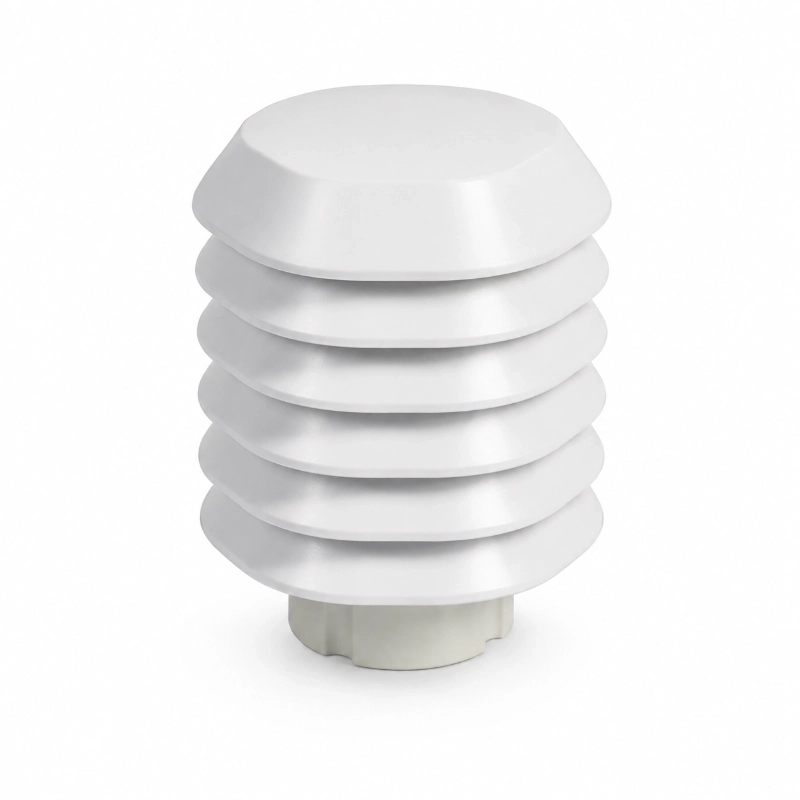
The sensor should be installed horizontally according to the built-in level bubble. The top white optical filter should face upward and remain unobstructed. During installation, avoid shading from brackets, cables, greenhouse frames or nearby equipment, as this may affect the measured Lux value.
For outdoor or greenhouse installations, the sensor should be mounted in a stable position where it can represent the actual light condition of the monitored area.
To maintain measurement accuracy, keep the white optical filter on the top of the sensor clean. Avoid scratching the filter with hard objects. Regularly wipe the filter gently with a soft cloth and check whether the sensor remains level.
FAQ
Q
1. What does this light intensity sensor measure?
A
It measures illuminance in Lux. Different range options are available from 0–2000 Lux to 0–200000 Lux.
Q
2. What applications is this Lux sensor suitable for?
A
It is suitable for greenhouse monitoring, smart agriculture, plant growth research, outdoor environmental monitoring, urban lighting and IoT-based light data acquisition.
Q
3. Does this light intensity sensor support RS485 output?
A
Yes. The sensor can support RS485 Modbus RTU output for connection to data loggers, PLCs, IoT gateways and monitoring platforms.
Q
4. Can the sensor provide analog output?
A
Yes. The sensor supports 0–2V voltage output and 4–20mA current output, depending on the selected model.
Q
5. Is this illuminance sensor waterproof?
A
Yes. The sensor has an IP66 protection rating and can be used for outdoor or greenhouse applications when properly installed.
Q
6. Can JW-IoT provide this sensor for greenhouse light monitoring?
A
Yes. JW-IoT can supply this light intensity sensor for greenhouse light monitoring, plant growth analysis and smart agriculture control systems.
Q
7. Can JW-IoT integrate the Lux sensor with a cloud platform?
A
Yes. JW-IoT can integrate the RS485 Modbus version with data loggers, LoRaWAN gateways, 4G gateways and cloud monitoring platforms according to project requirements.
Q
8. Can JW-IoT customize the measuring range or cable length?
A
Yes. JW-IoT can provide different Lux ranges and customized cable length based on the monitoring environment and installation requirements.
Q
9. How should the sensor be installed?
A
The sensor should be installed horizontally using the built-in level bubble. The top optical filter should face upward and should not be shaded.
Q
10. How should the sensor be maintained?
A
The white optical filter should be kept clean. It should be wiped gently with a soft cloth, and the installation level should be checked regularly.
Q
11. Which output is better for IoT monitoring projects?
A
RS485 Modbus RTU is generally recommended for IoT monitoring projects because it supports digital communication and multi-point data acquisition.
Q
12. Can this sensor be used for outdoor sunlight monitoring?
A
Yes. With range options up to 200000 Lux and IP66 protection, it can be used for outdoor sunlight and environmental light monitoring.
 +86 13520127780
  info@jingelway.com