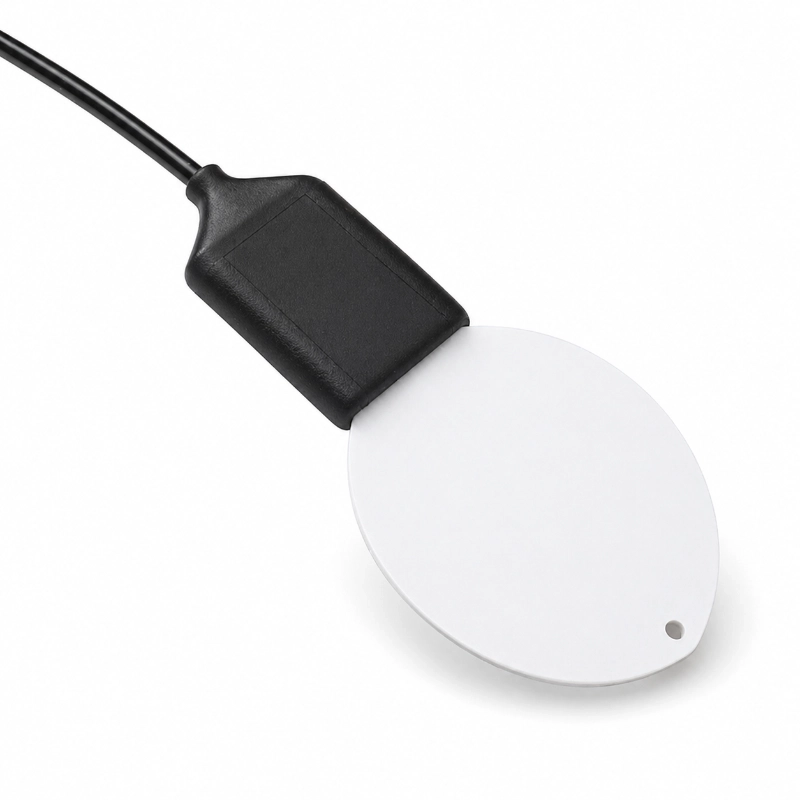
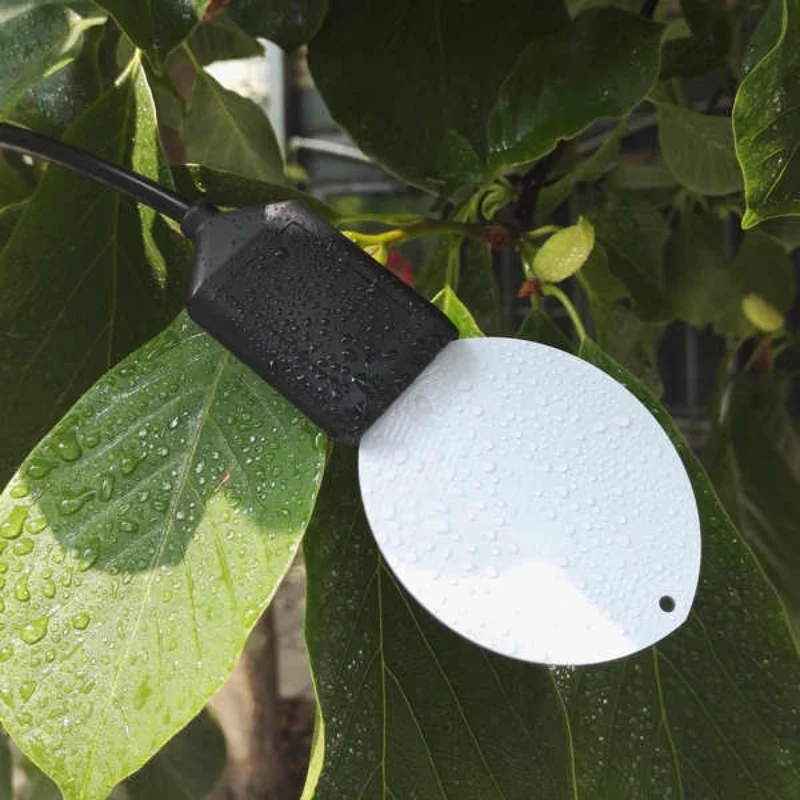
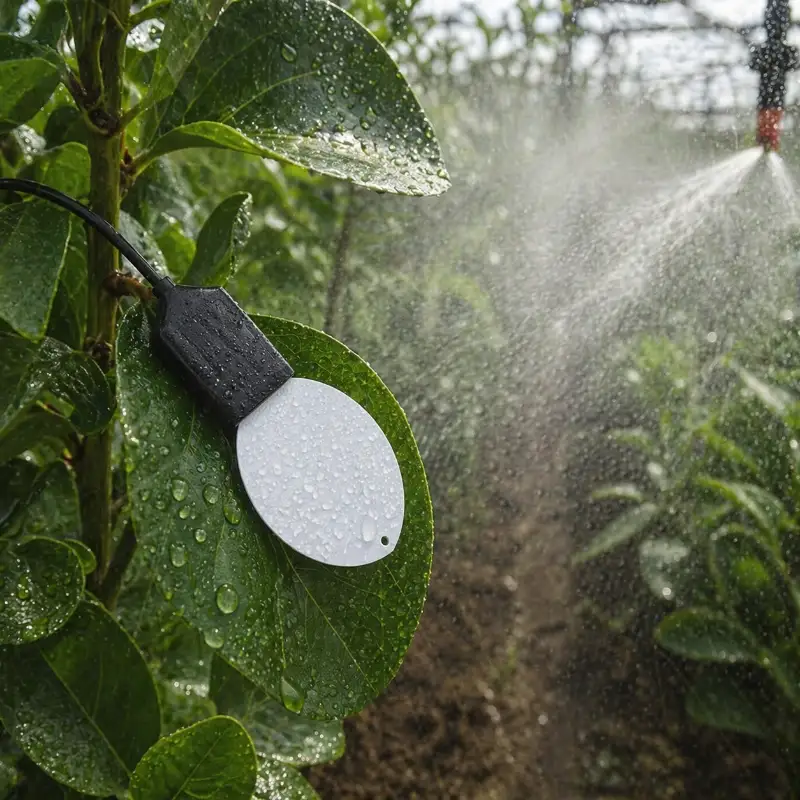
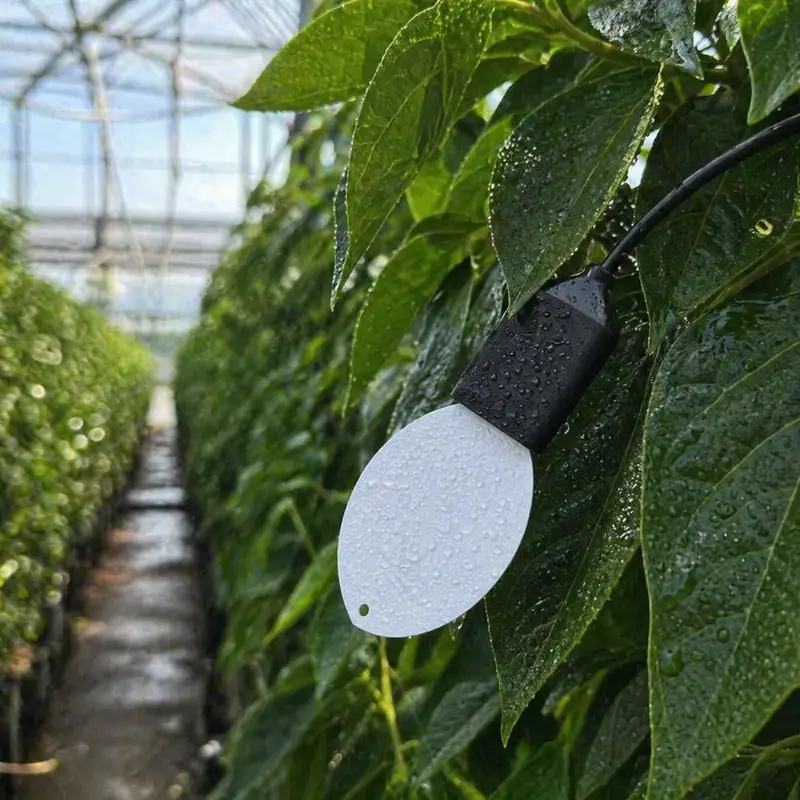
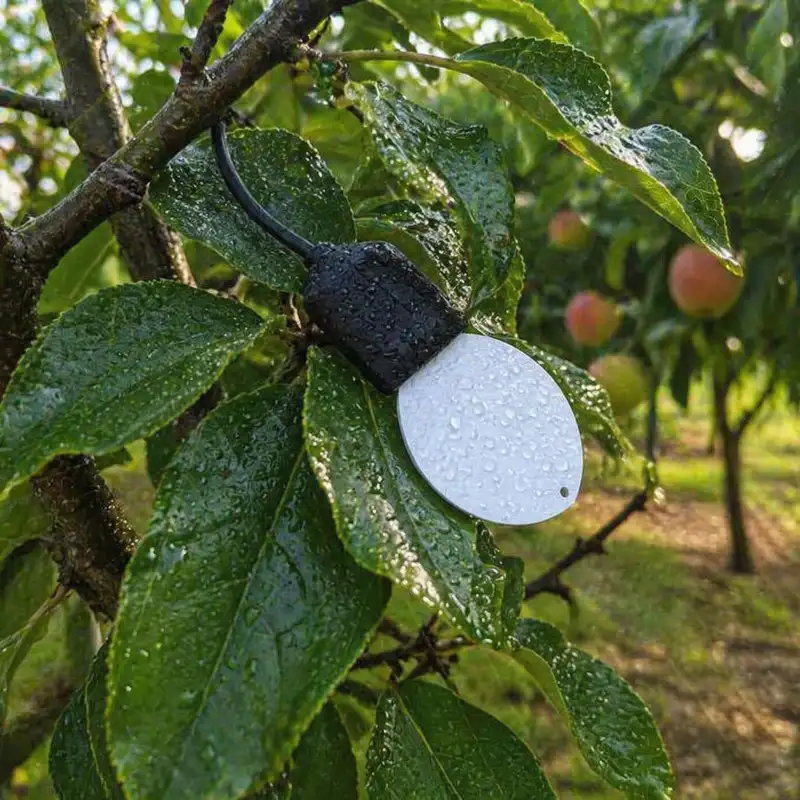
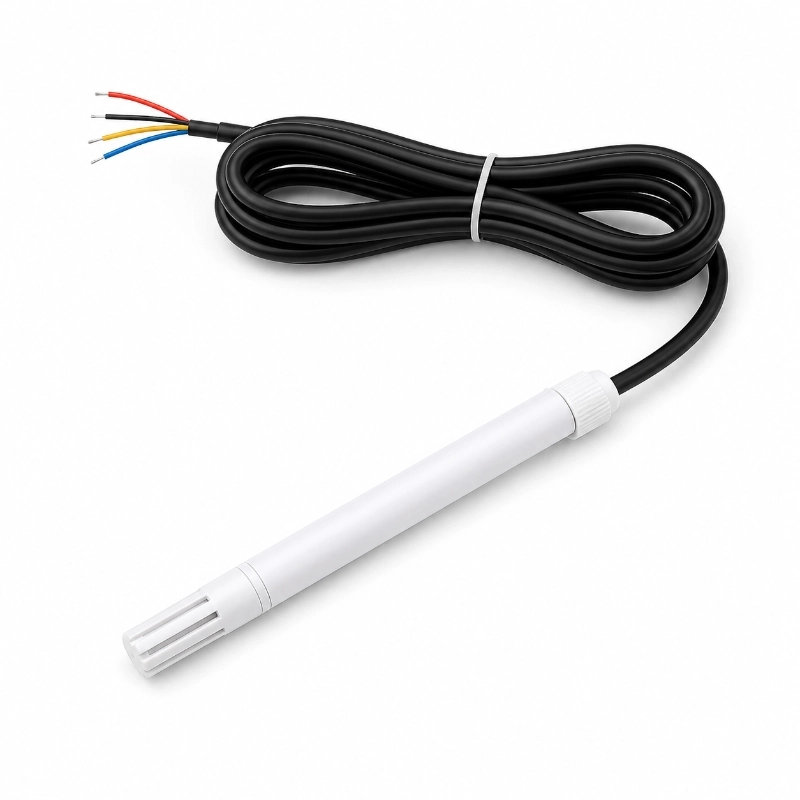
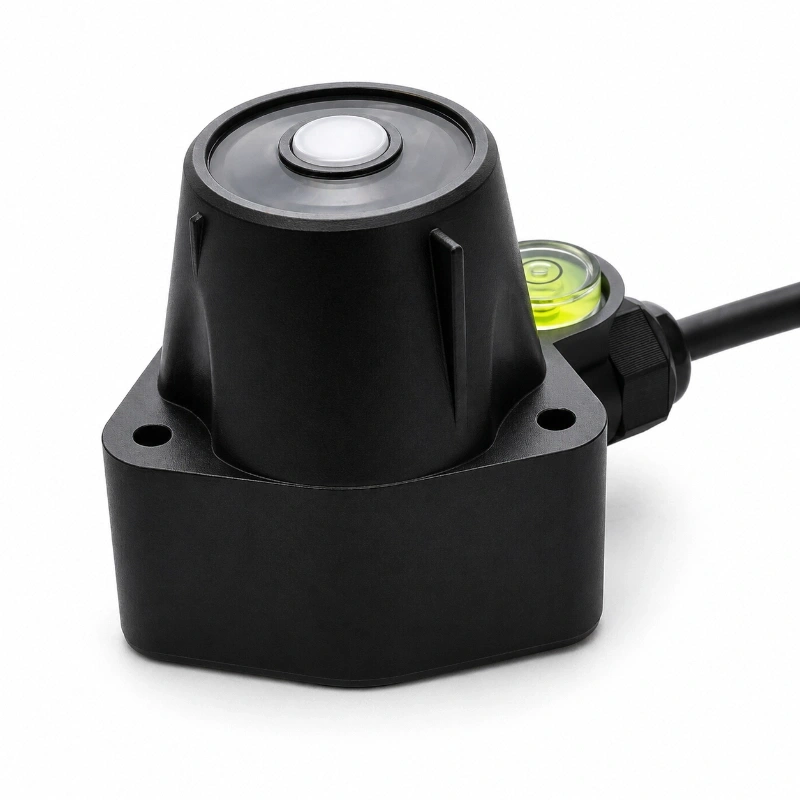
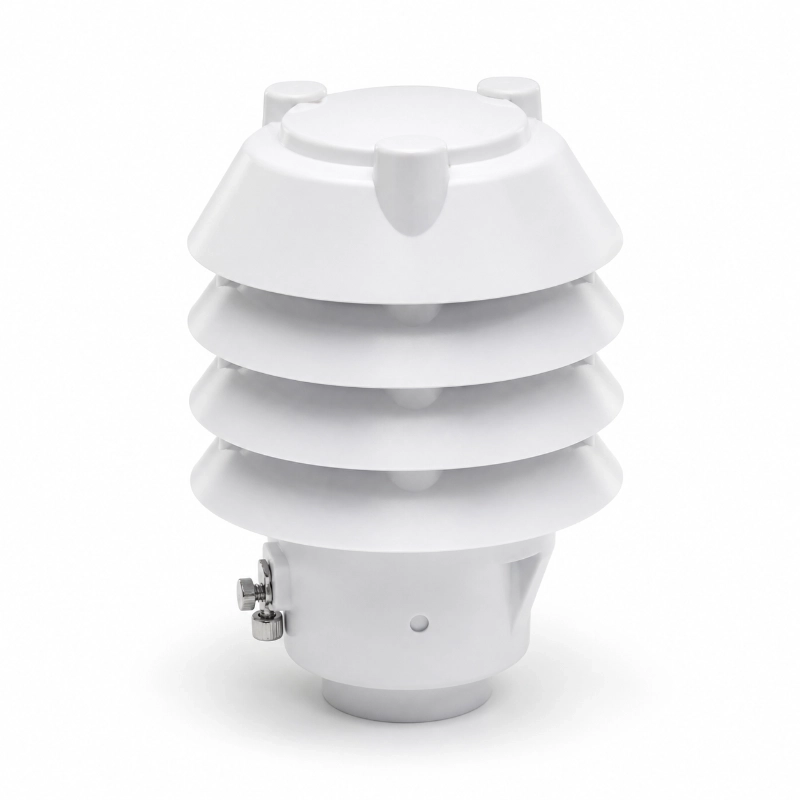
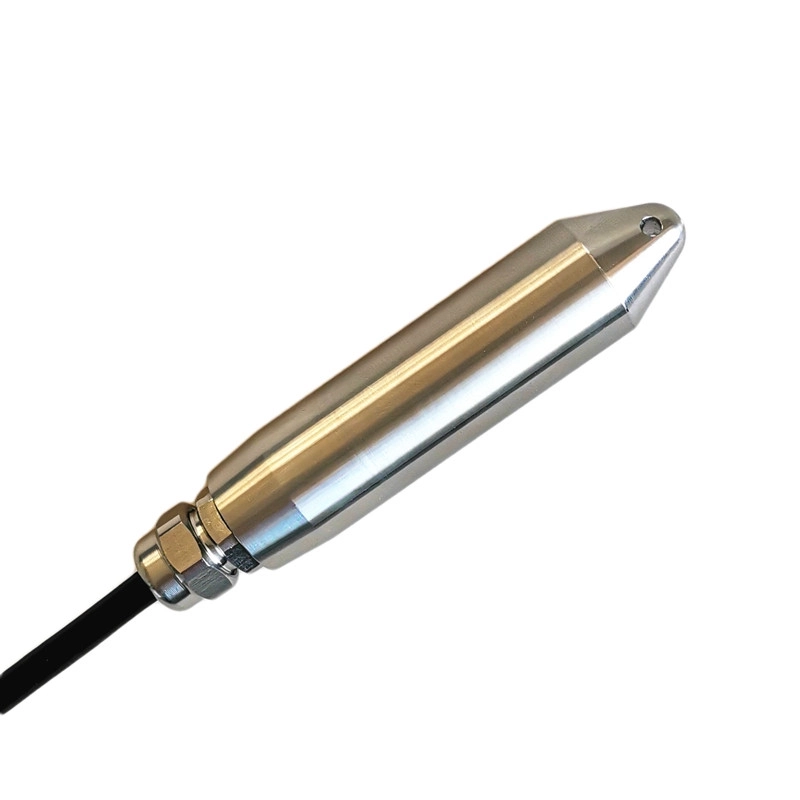
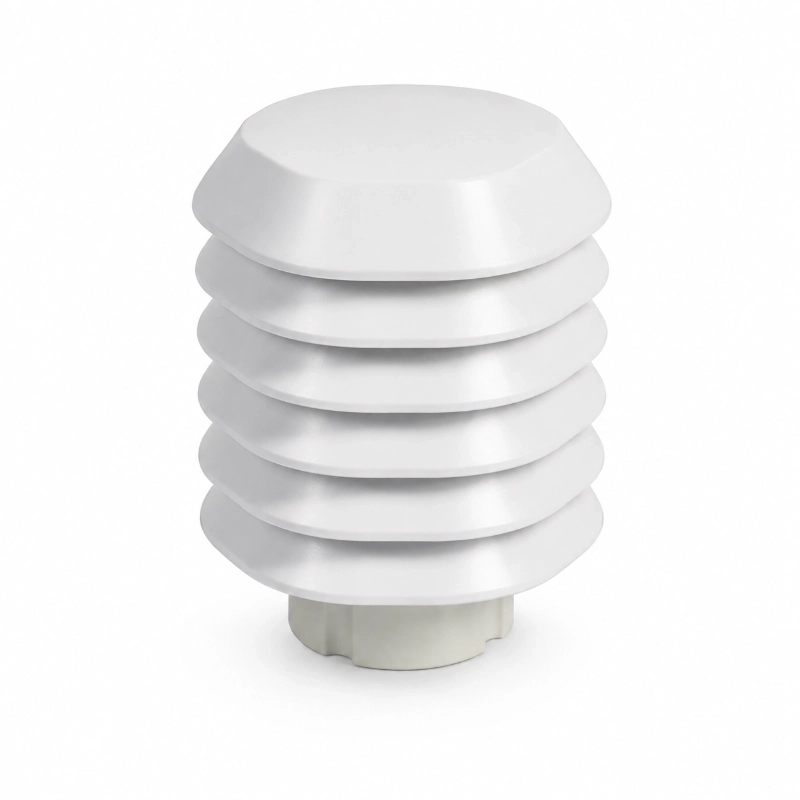
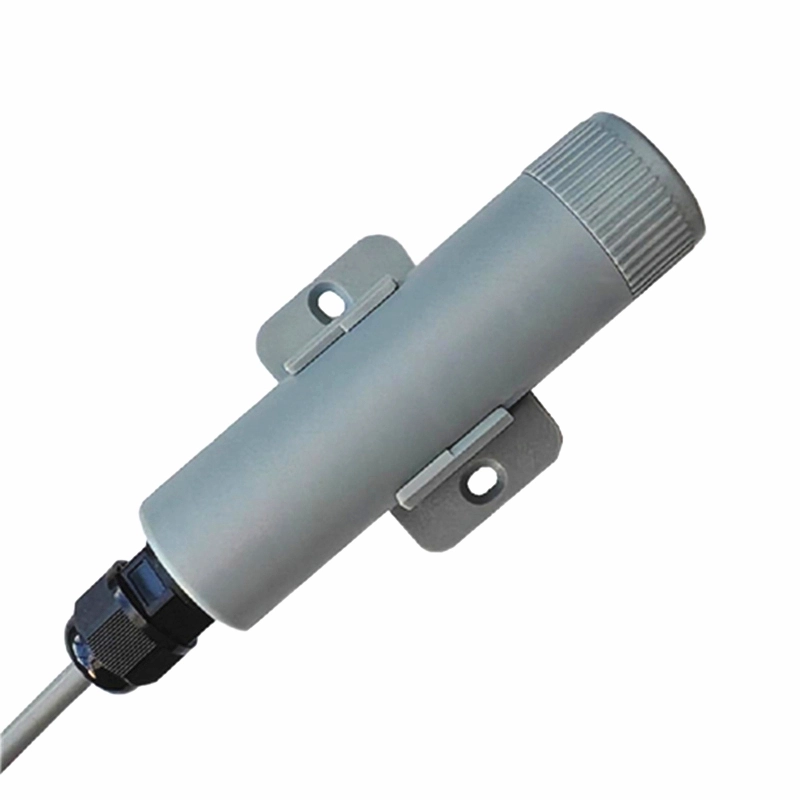
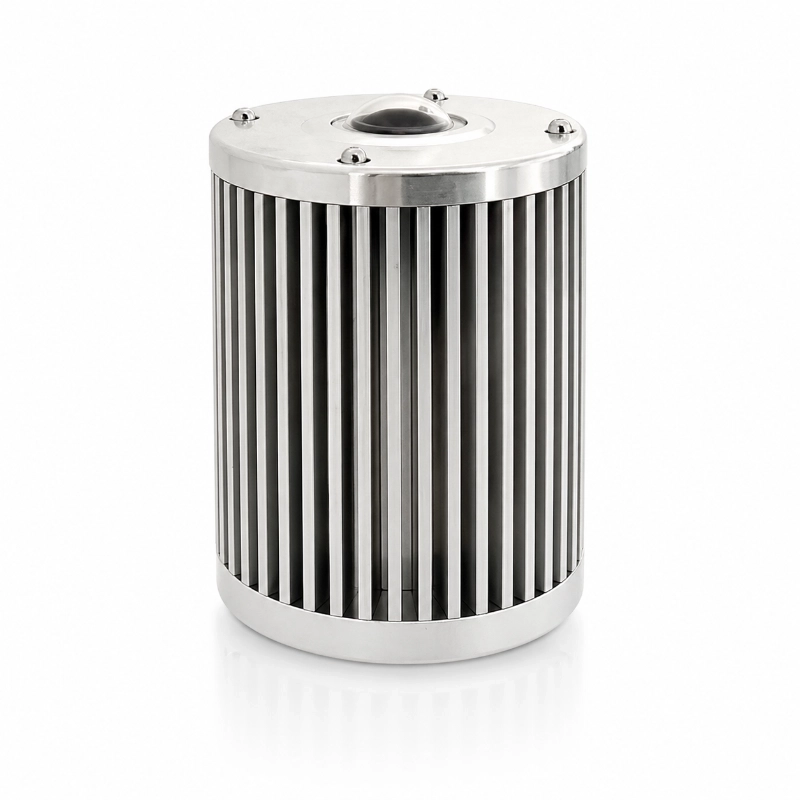
JW-LWS(Z21) Leaf Wetness Sensor is designed to monitor the presence and duration of moisture on plant leaf surfaces. With a leaf-like sensing surface, it simulates real leaf characteristics to detect dew, fog, rainfall, frost, and ice residue. It is ideal for greenhouse disease prevention, crop protection research, irrigation control, spraying evaluation, and precision agriculture monitoring.
2. Product Overview
JW-LWS(Z21) Leaf Wetness Sensor is a reliable tool for monitoring the moisture condition of plant leaf surfaces. Leaf wetness plays an important role in crop disease development, especially fungal and bacterial infections. When leaves remain wet for extended periods, the risk of disease infection increases significantly.
This sensor helps growers and researchers understand how long water remains on the leaf surface after dew, rainfall, irrigation, misting, or spraying. By tracking leaf wetness duration, users can optimize irrigation schedules, improve pesticide application timing, and support early disease warning systems.
Unlike resistance-based leaf wetness sensors, the LWS10 uses changes in the dielectric properties of its leaf-like sensing surface to detect water, fog, dew, and ice. It does not require painting or frequent calibration, making it suitable for long-term agricultural and meteorological monitoring.
Parameter
Model No.
JW-LWS(Z21)
Wetness Range
0–100%
Wetness Accuracy
±5%
Temperature Range
-40°C to 80°C
Temperature Resolution
0.1°C
Temperature Accuracy
±0.5°C
Output Options
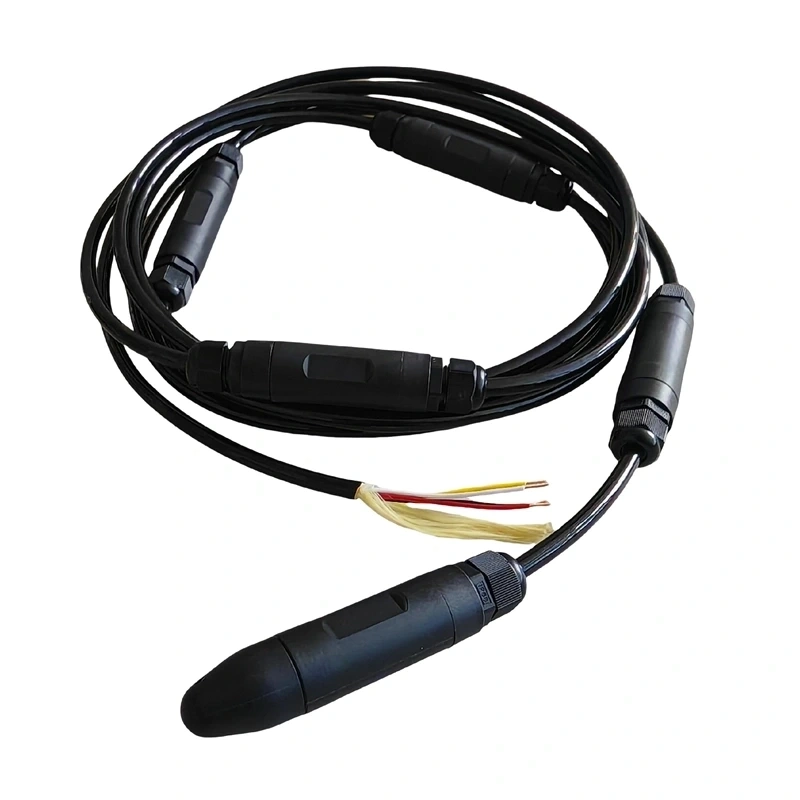
0–2V 4–20mA RS485 Modbus SDI-12 optional
Power Supply for Voltage Output
3.6–30V DC
Power Supply for Current Output
12–30V DC
Power Supply for RS485 Output
3.6–30V DC
Static Power Consumption
6mA at 24V DC for voltage or RS485 output
Current Output Power Consumption
30mA at 24V DC when current output is 20mA
Protection Rating
IP65
Operating Environment
-40°C to 85°C
Default Cable Length
2 m customizable
Dimensions
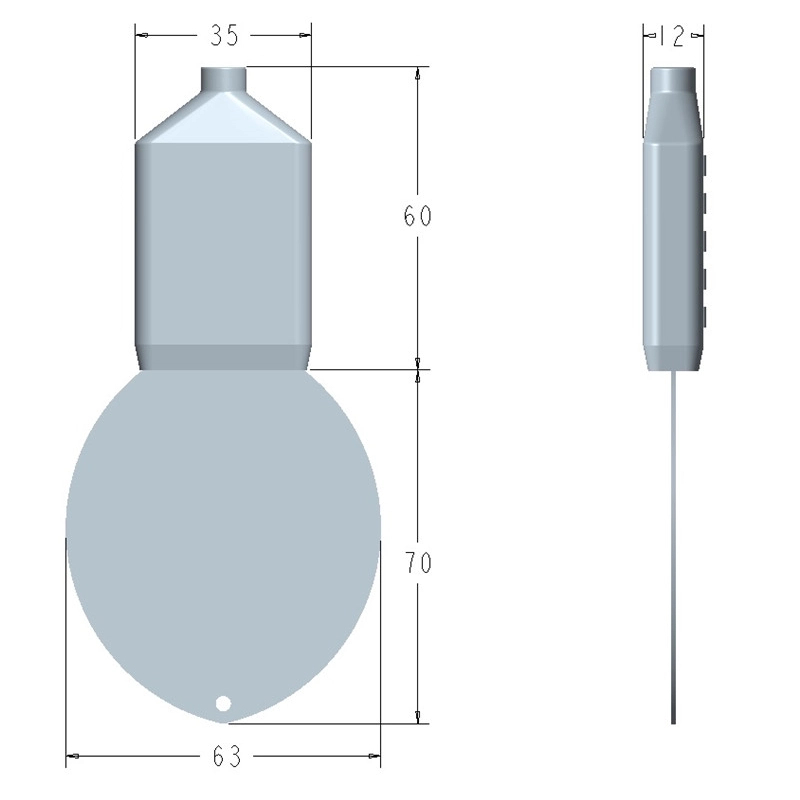
65 × 13 × 145 mm
Communication Protocol
Modbus RTU for RS485 version
3. Dimension
4. Communication and Integration
The sensor is available with multiple output configurations for different monitoring systems. The 0–2V voltage output is suitable for analog data loggers. The 4–20mA current output is suitable for industrial monitoring systems and longer-distance analog signal transmission. The RS485 Modbus RTU version is ideal for digital IoT systems, weather stations, smart agriculture platforms, and multi-sensor networks.
The RS485 version supports temperature and wetness register reading through Modbus protocol. Default communication settings are 9600 bps, 8 data bits, no parity, 1 stop bit, and Modbus RTU protocol.
5. Application Scenarios
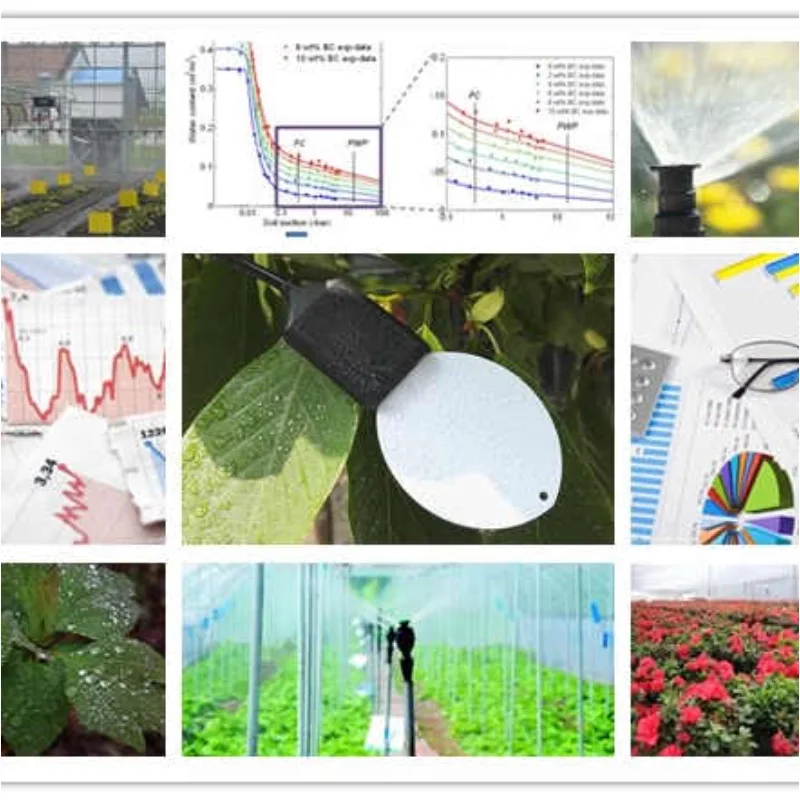
Greenhouse crop disease prevention
Precision agriculture monitoring
Leaf wetness duration research
Plant pathology and crop growth studies
Pesticide spraying effect evaluation
Foliar fertilization monitoring
Irrigation and misting control
Outdoor weather station integration
Orchard and vineyard disease warning
Smart agriculture IoT monitoring systems
Explore how leaf wetness, temperature, humidity, light, soil, and irrigation data can be integrated into a complete smart greenhouse monitoring system.
FAQ
Q
1. What does a leaf wetness sensor measure?
A
A leaf wetness sensor measures the presence and duration of moisture on a plant leaf surface. It helps users understand when leaves are wet due to dew, fog, rainfall, irrigation, misting, or spraying.
Q
2. How does JW-LWS(Z21) Leaf Wetness Sensor help prevent crop disease?
A
Many fungal and bacterial diseases develop when leaves remain wet for a long time. It helps monitor leaf wetness duration, allowing growers to assess disease risk and take preventive action earlier.
Q
3. Can JW-IoT integrate this leaf wetness sensor into a greenhouse monitoring system?
A
Yes. JW-IoT can integrate the leaf wetness sensor with greenhouse monitoring systems, data loggers, RS485 Modbus gateways, and smart agriculture platforms for real-time crop environment monitoring.
Q
4. What output signals are available?
A
The sensor supports 0–2V voltage output, 4–20mA current output, RS485 Modbus, and optional SDI-12 depending on the selected model.
Q
5. Can this sensor detect ice or frost on leaves?
A
Yes. The sensor can detect dew, fog, rain, frost, and ice residue on the simulated leaf surface.
Q
6. Is the sensor suitable for outdoor use?
A
Yes. The sensor has an IP65 protection rating and can be used in outdoor agricultural environments, weather stations, greenhouses, orchards, and field monitoring systems.
Q
7. Can JW-IoT provide this sensor for smart agriculture IoT projects?
A
Yes. JW-IoT can supply the sensor as part of a smart agriculture IoT solution, including field data collection, wireless transmission, cloud monitoring, and disease warning applications.
Q
8. Where should the sensor be installed?
A
It can be installed in a greenhouse, on a weather station mast, or near the crop canopy. The sensing surface should face upward and be positioned at an angle similar to the surrounding leaves.
Q
9. Can the sensor be used for pesticide spraying evaluation?
A
Yes. It can help evaluate leaf surface wetness after spraying, foliar fertilization, misting, or irrigation. Multiple sensors can be installed at different canopy heights for better coverage analysis.
Q
10. What is the measurement range of the leaf wetness sensor?
A
The leaf wetness measurement range is 0–100%, with ±5% accuracy.
Q
11. Does JW-IoT support RS485 Modbus integration?
A
Yes. JW-IoT can support RS485 Modbus integration, including communication parameter configuration, data register reading, gateway connection, and platform data display.
Q
12. What crops can use this sensor?
A
It is suitable for greenhouse vegetables, fruits, flowers, orchards, vineyards, field crops, and research crops where leaf wetness duration is important for disease management and irrigation control.
 +86 13520127780
  info@jingelway.com