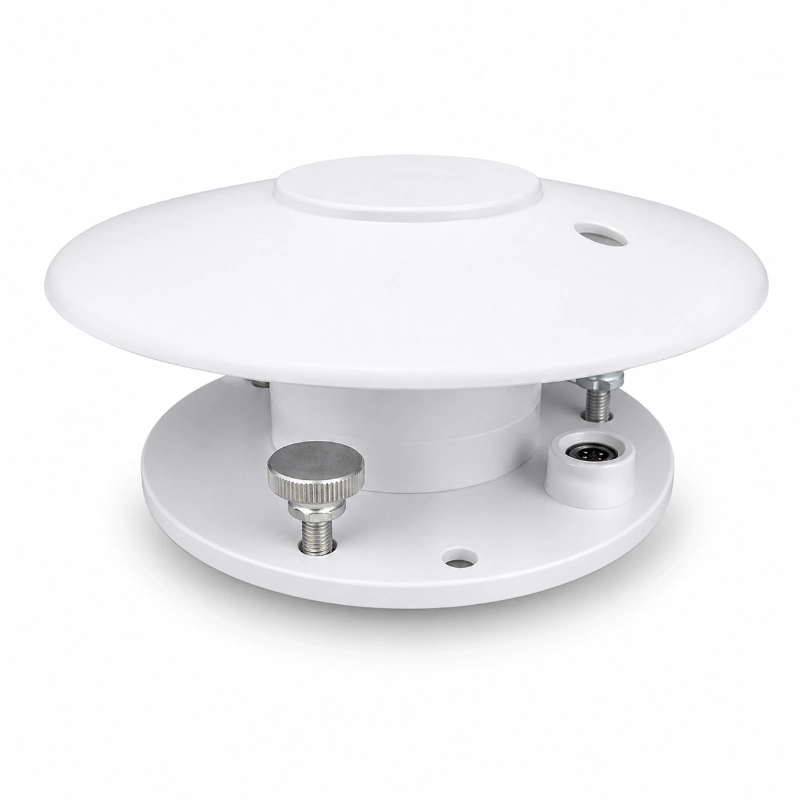
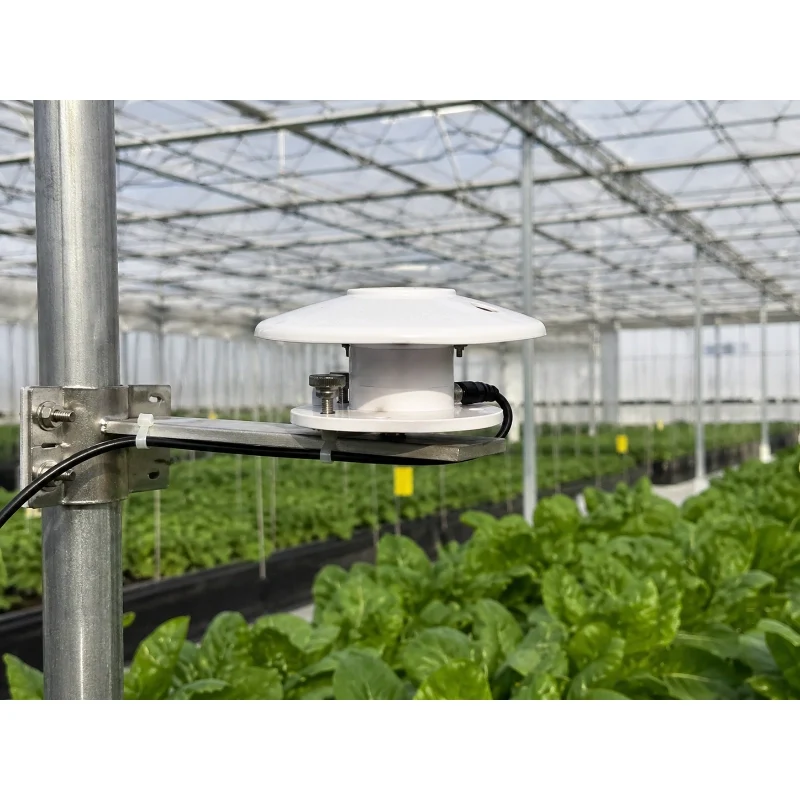
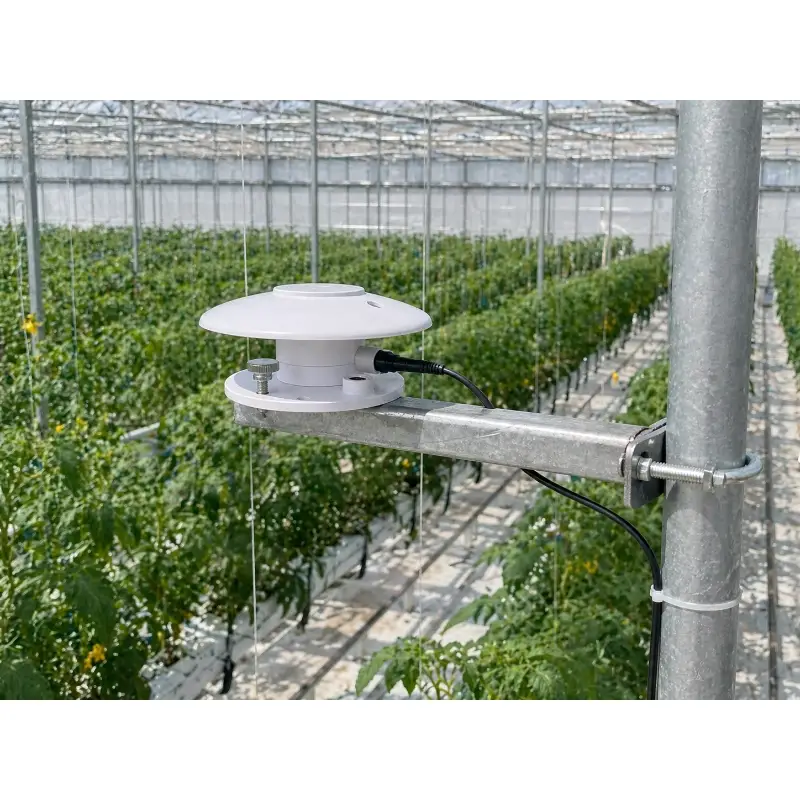
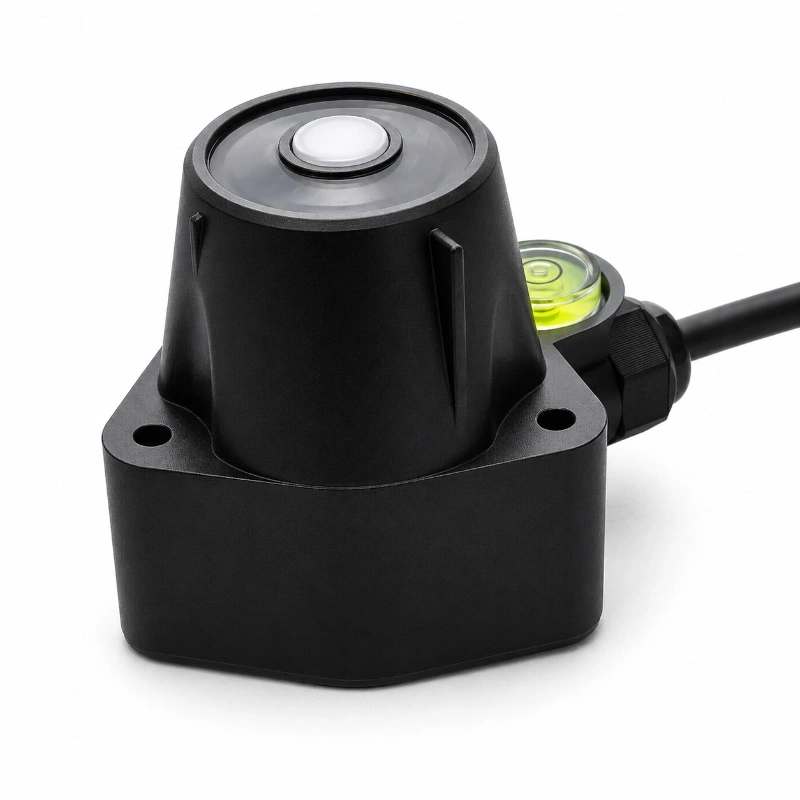
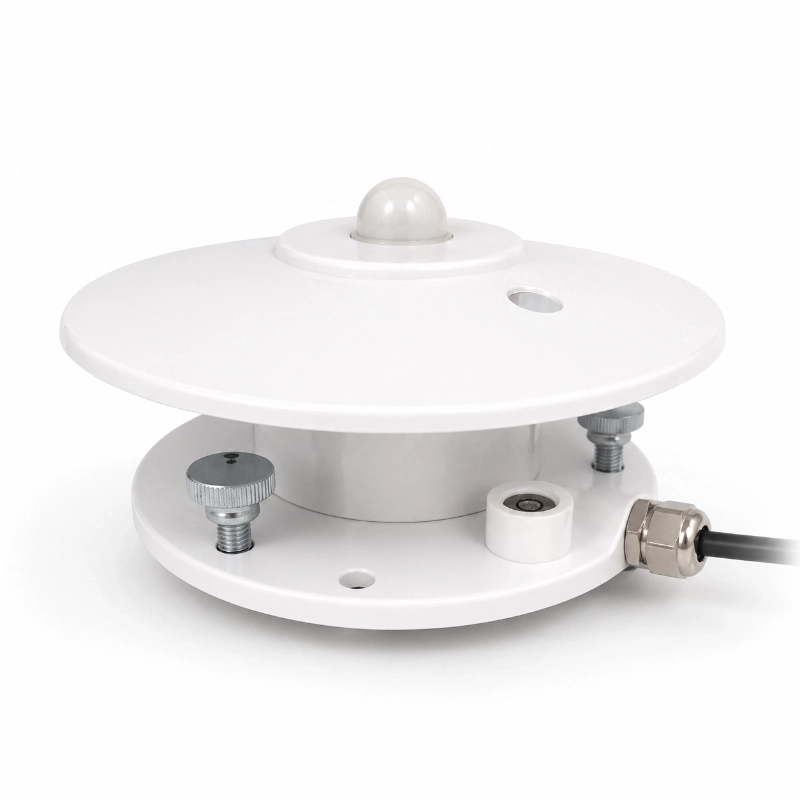
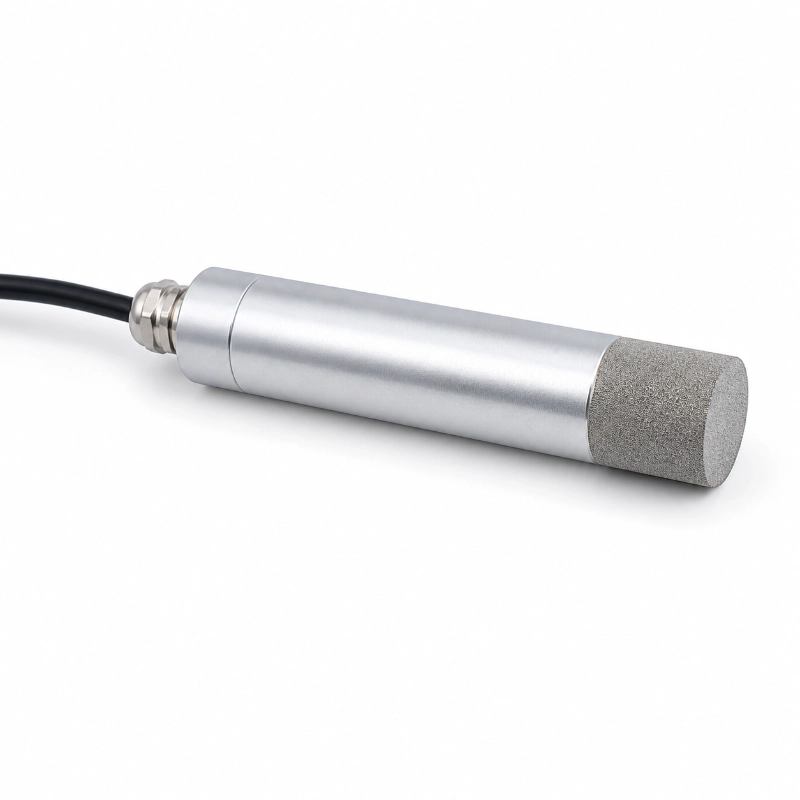
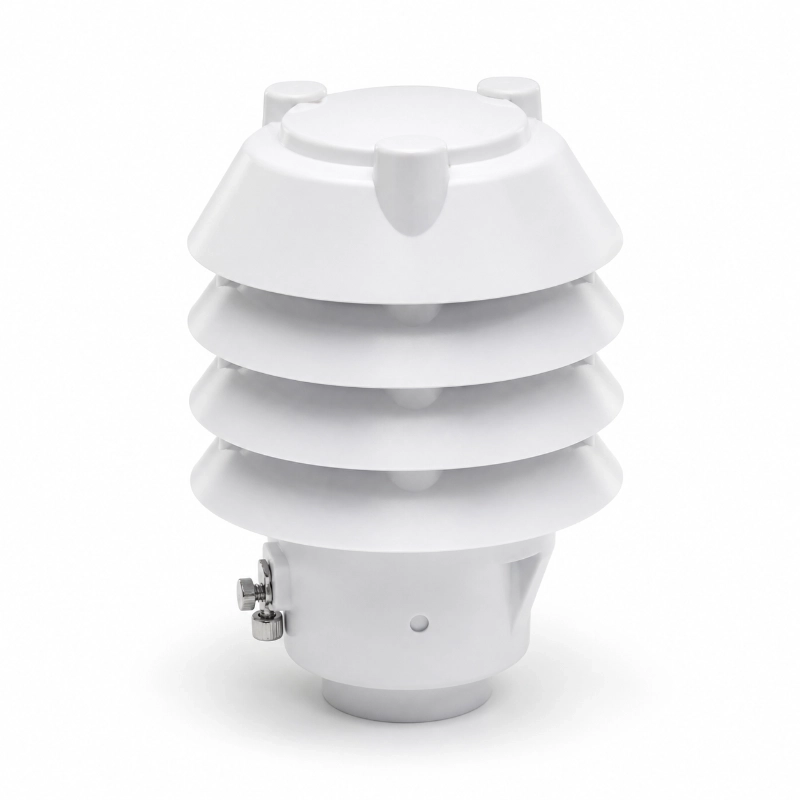
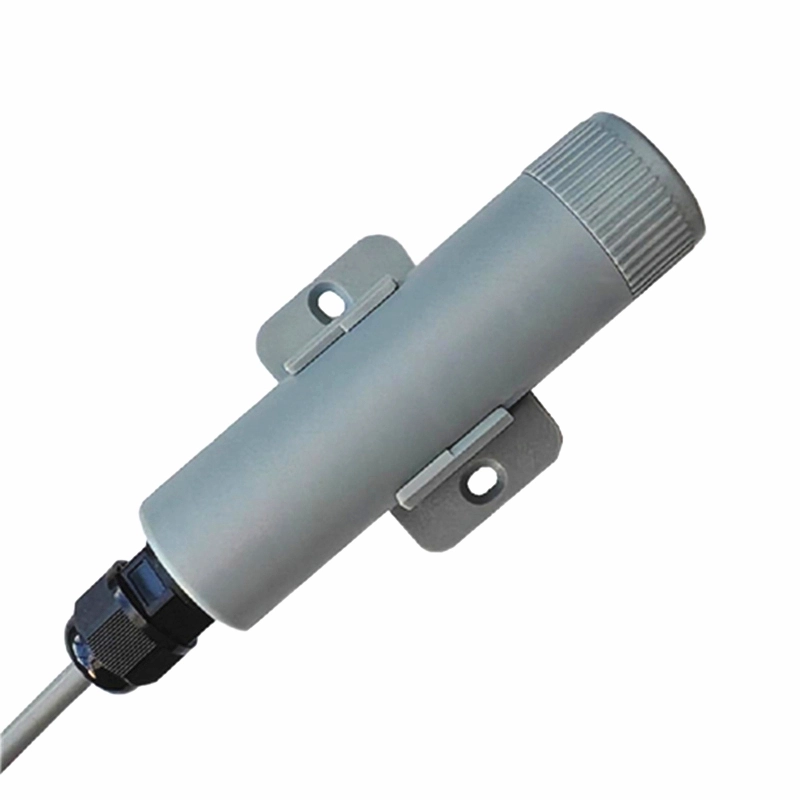
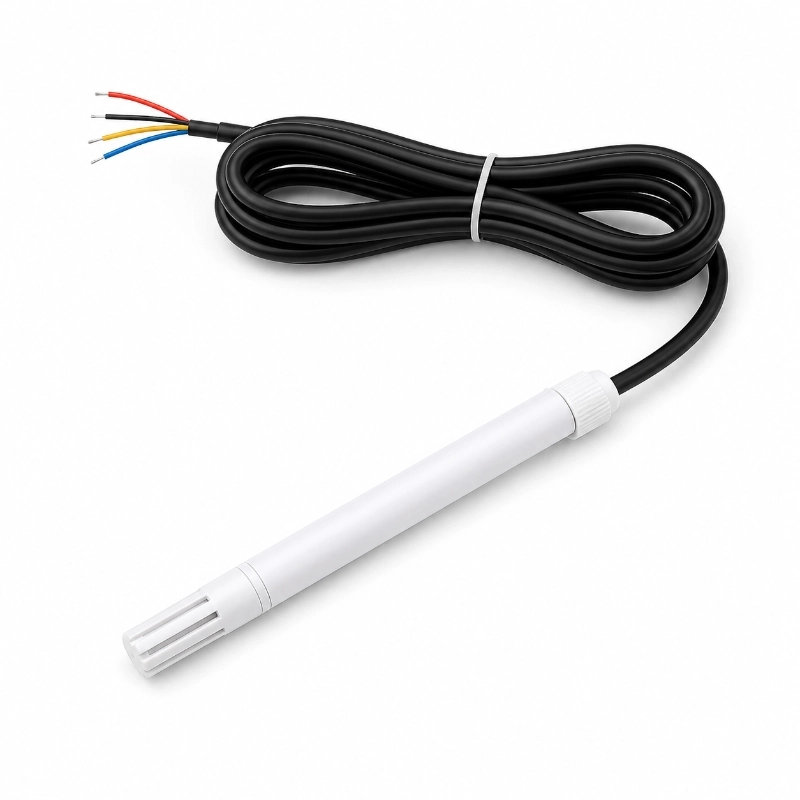
Photosynthetically Active Radiation Sensor for Greenhouse Plant Growth Monitoring
Key Features
Designed for PAR Measurement: Measures photosynthetically active radiation within the 370–700 nm spectral range, which is the key light band used in plant photosynthesis.
Wide Measurement Range: Supports a measurement range of 0–2500 μmol/m²·s, making it suitable for greenhouse, research, and agricultural lighting environments.
Fast Response Performance: Offers a response time of ≤1 second at 99% response, helping users capture fast changes in light intensity.
Multiple Output Options: Available with 0–20 mV, 4–20 mA, and RS485 outputs for flexible integration into different monitoring systems.
Built in RS485 Output Module: The RS485 version features an integrated output module, reducing the need for external conversion devices and simplifying installation.
Low Internal Resistance Design: Internal resistance is controlled at 10–30 Ω, which helps improve response speed and measurement stability.
Advanced MEMS Thermopile Technology: Uses modern thermopile manufacturing technology for improved consistency, reliability, and sensor durability.
Good Accuracy and Linearity: Provides ±5% rdg + 10 dgts accuracy and ±3% linearity for dependable PAR monitoring.
Suitable for Harsh Environments: Designed for operation in -40 to 65°C and 0–100%RH, supporting long term outdoor or greenhouse use.
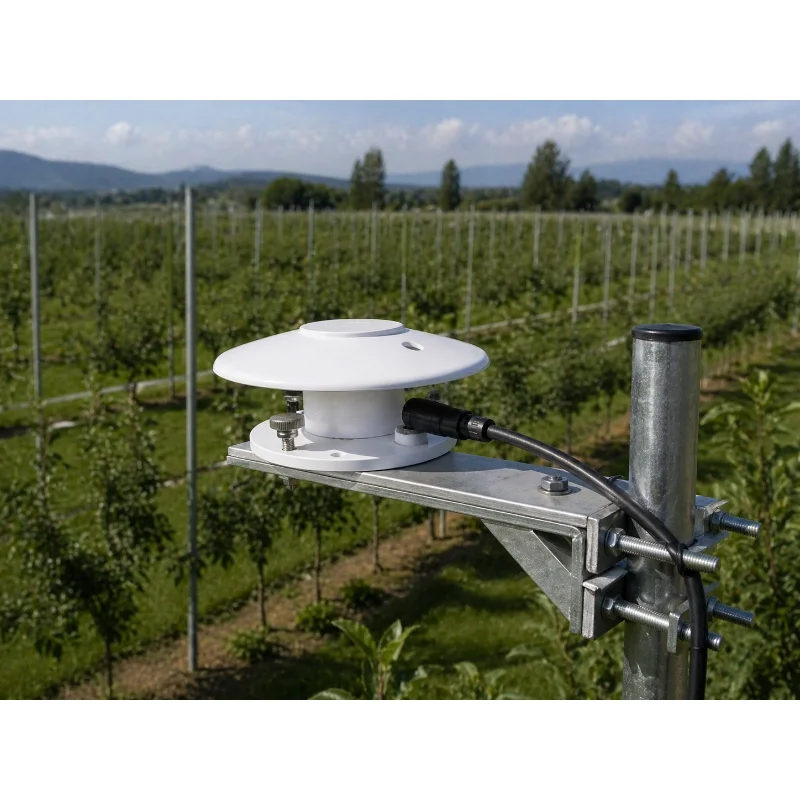
Compact and Easy to Install: The low profile design makes the sensor easy to deploy in greenhouses, research setups, weather stations, and controlled environment agriculture systems.
JW-TBQ-5L(LC40) photosynthetically active radiation sensor is designed to measure PAR light intensity accurately within the 370–700 nm spectral range. It is widely used for plant growth research, greenhouse lighting control, horticulture, vertical farming, and agricultural environmental monitoring. With fast response, high consistency, and multiple output options including 0–20 mV, 4–20 mA, and RS485, this sensor is ideal for precise PPFD monitoring and photosynthesis analysis.
2. Product Overview
JW-TBQ-5L(LC40) photosynthetically active radiation sensor is a professional light measurement device developed for monitoring the radiation that plants use for photosynthesis. It measures light within the 370–700 nm spectral range and converts it into accurate PAR data for crop research, greenhouse control, and plant growth optimization.
Built with advanced MEMS thermopile technology, the sensor offers fast response, good linearity, high reliability, and long term stability. It is suitable for research institutions, commercial greenhouses, smart agriculture systems, vertical farms, plant factories, and horticultural applications where accurate light measurement is essential.
This PAR sensor supports 0–20 mV, 4–20 mA, and RS485 outputs, allowing easy integration into data loggers, controllers, IoT gateways, and monitoring platforms.
Parameter
Specification
Product Type
Photosynthetically Active Radiation Sensor
Spectral Range
370–700 nm
Measurement Range
0–2500 μmol/m²·s
Accuracy
±5% rdg + 10 dgts
Linearity
±3%
Output Options
0–20 mV 4–20 mA RS485
Sensitivity
5–50 μV per μmol·m⁻²·s⁻¹
Response Time
≤1 second 99% response
Cosine Response
≤10%
Operating Temperature
-40 to 65°C
Operating Humidity
0–100%RH
Internal Resistance
10–30 Ω
Wiring Definition
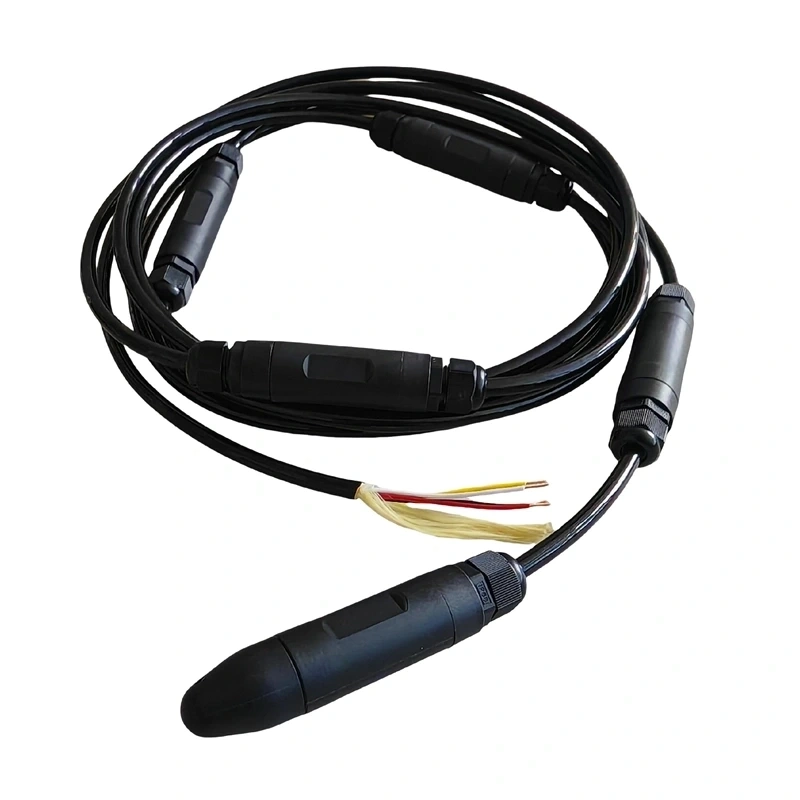
Pin 1 signal positive Pin 2 signal negative
Power Supply
None
3.Output and Integration Overview
The photosynthetically active radiation sensor supports several common output modes, making it suitable for different industrial and agricultural systems.
Available Output Options
0–20 mV
4–20 mA
RS485
Communication Advantages
Easy integration with PLCs and data loggers
Compatible with agricultural control systems
Suitable for IoT gateways and cloud platforms
RS485 version reduces the need for external converters
Supports stable long distance signal transmission
For modern smart agriculture and greenhouse automation systems, the RS485 output is particularly valuable because it simplifies installation and improves system compatibility.
4. Why Use a PAR Sensor
Photosynthetically active radiation is one of the most important factors affecting plant growth. A PAR sensor helps growers and researchers understand the usable light energy reaching plant surfaces, which is more meaningful than general illumination measurements.
By monitoring PAR accurately, users can:
Improve lighting efficiency
Optimize greenhouse climate control
Support crop growth modeling
Reduce energy waste in supplemental lighting systems
Improve research quality in plant physiology and agronomy
5. Application Scenarios
Greenhouse Monitoring: This PAR sensor is ideal for greenhouse crop production where accurate light measurement helps optimize supplemental lighting, shading strategies, and plant growth management.
Plant Growth Research: Used in universities, laboratories, and research institutions to study light intensity, photosynthesis efficiency, and the influence of PAR on plant development.
Horticulture and Nurseries: Suitable for flowers, vegetables, seedlings, and ornamental plants where consistent PAR monitoring supports better cultivation decisions.
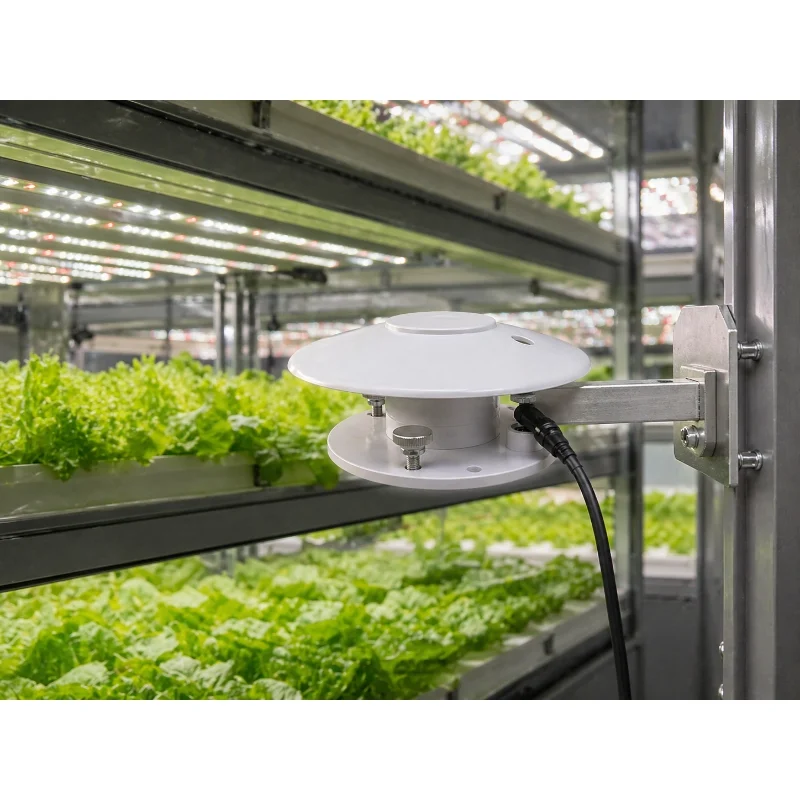
Vertical Farming: An excellent solution for indoor farms and plant factories that require accurate PPFD and PAR data for artificial lighting control.PAR data from each growing level can be connected to a vertical farming IoT solution for lighting control, PPFD comparison, crop recipe management, and abnormal light detection.
Smart Agriculture: Can be integrated into agricultural IoT systems for real time environmental data collection and automated crop management.
Environmental and Meteorological Monitoring: Can be used as part of solar radiation monitoring systems and agricultural weather stations for broader environmental observation.
FAQ
Q
1. What does a photosynthetically active radiation sensor measure?
A
It measures PAR light within the 370–700 nm spectral range, which is the part of the light spectrum used by plants for photosynthesis.
Q
2. What is the measurement range of this PAR sensor?
A
The measurement range is 0–2500 μmol/m²·s, making it suitable for greenhouse, research, and horticultural applications.
Q
3. What output options are available?
A
This sensor supports 0–20 mV, 4–20 mA, and RS485 outputs.
Q
4. Is this sensor suitable for greenhouse use?
A
Yes. It is widely used in greenhouses for monitoring plant light intensity, optimizing supplemental lighting, and improving crop growth conditions.
Q
5. Can JW-IoT provide this sensor for smart agriculture projects?
A
Yes. JW-IoT can provide this photosynthetically active radiation sensor for greenhouse automation, agricultural IoT systems, and plant growth monitoring projects.
Q
6. What is the response time of the sensor?
A
The response time is ≤1 second at 99% response, allowing fast and reliable light measurement.
Q
7. Can it be used in vertical farming and indoor plant factories?
A
Yes. This PAR sensor is suitable for vertical farms, hydroponic systems, controlled environment agriculture, and indoor plant production.
Q
8. Does JW-IoT support RS485 PAR sensor integration?
A
Yes. JW-IoT supports RS485 PAR sensor solutions for data loggers, controllers, cloud platforms, and smart agriculture monitoring systems.
Q
9. What is the operating environment of the sensor?
A
The sensor can work in temperatures from -40 to 65°C and humidity from 0 to 100%RH.
Q
10. Why choose JW-IoT for PAR light monitoring solutions?
A
JW-IoT offers practical sensor solutions for agricultural monitoring, greenhouse climate control, and IoT based environmental data collection.
Q
11. What industries can use this sensor?
A
It is suitable for horticulture, greenhouses, plant research, smart agriculture, vertical farming, nurseries, and agricultural meteorological monitoring.
Q
12. Can JW-IoT customize a complete PAR monitoring solution?
A
Yes. JW-IoT can support complete PAR monitoring solutions including sensors, communication interfaces, data acquisition, and cloud platform integration.
 +86 13520127780
  info@jingelway.com