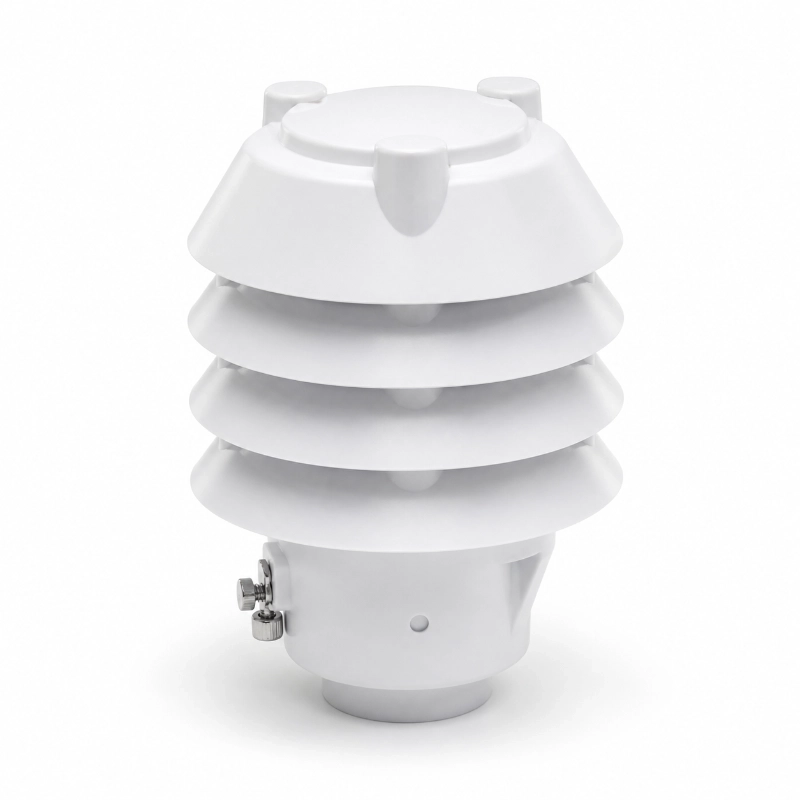
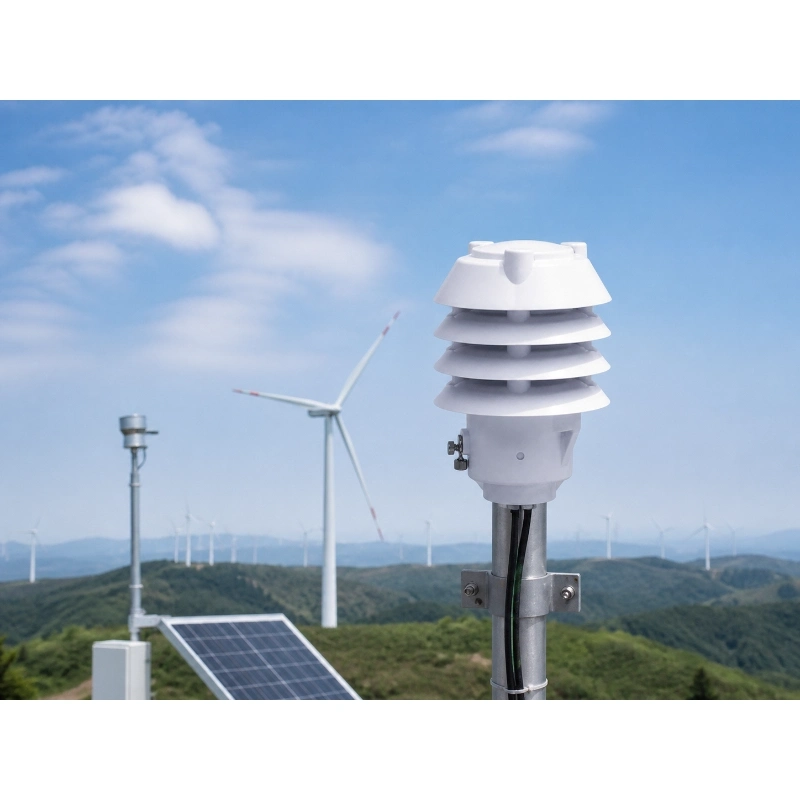
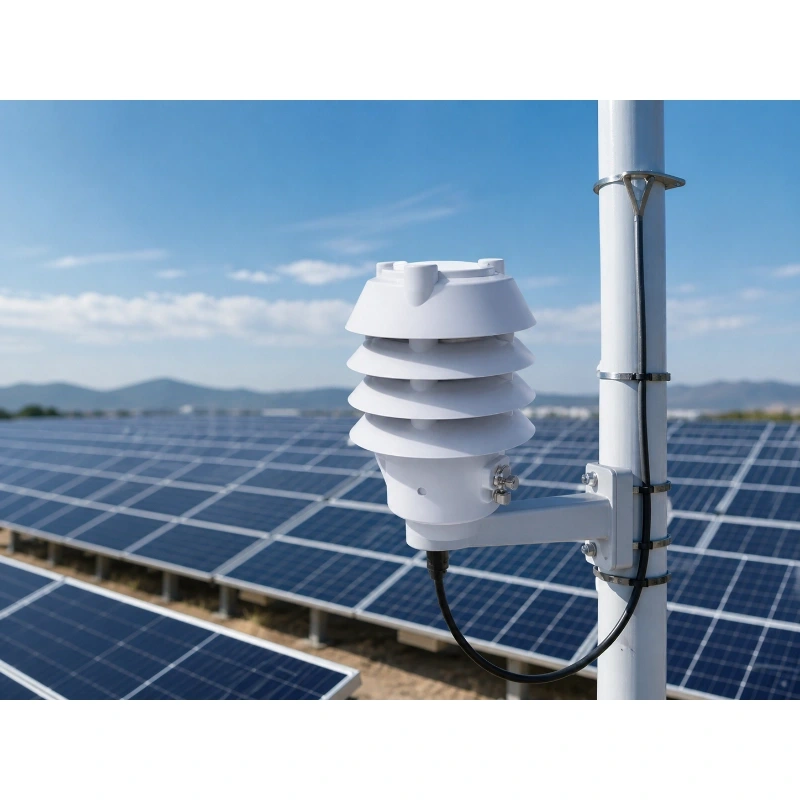
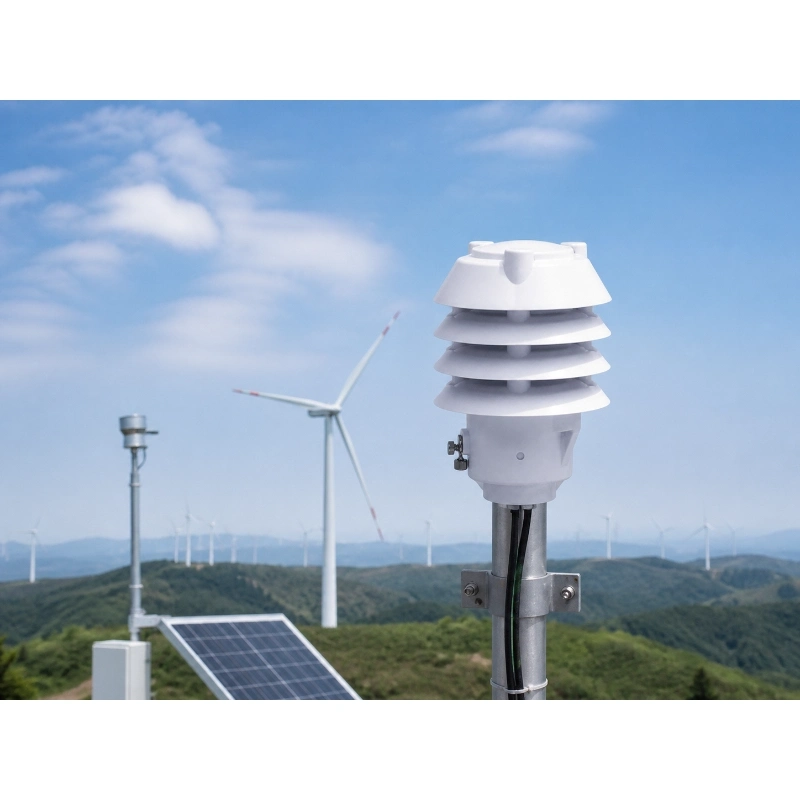
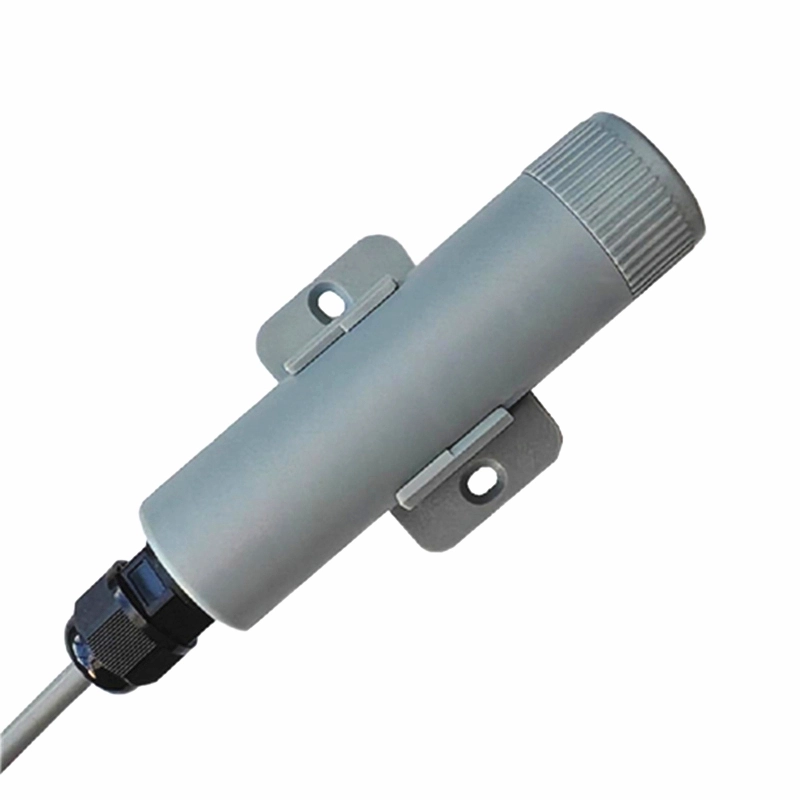
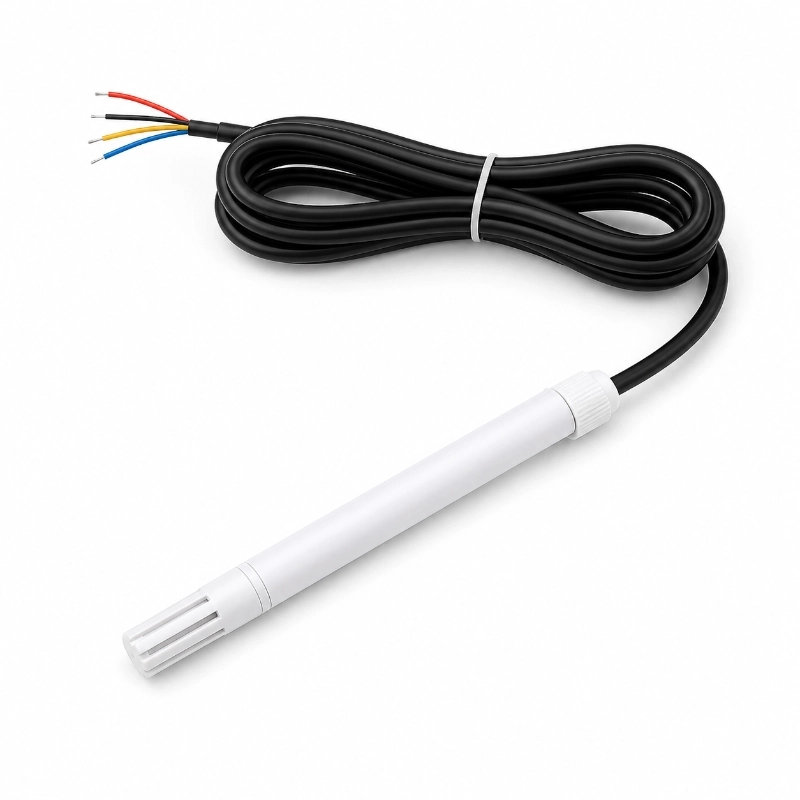
Temperature Humidity Pressure Sensor RS485 Outdoor Weather Monitoring
Key Features
3 in 1 weather parameter monitoring: Measures air temperature, relative humidity, and atmospheric pressure in one integrated sensor.
RS485 Modbus RTU communication: Standard RS485 output with Modbus RTU protocol for easy connection to data loggers, RTUs, PLCs, and IoT gateways.
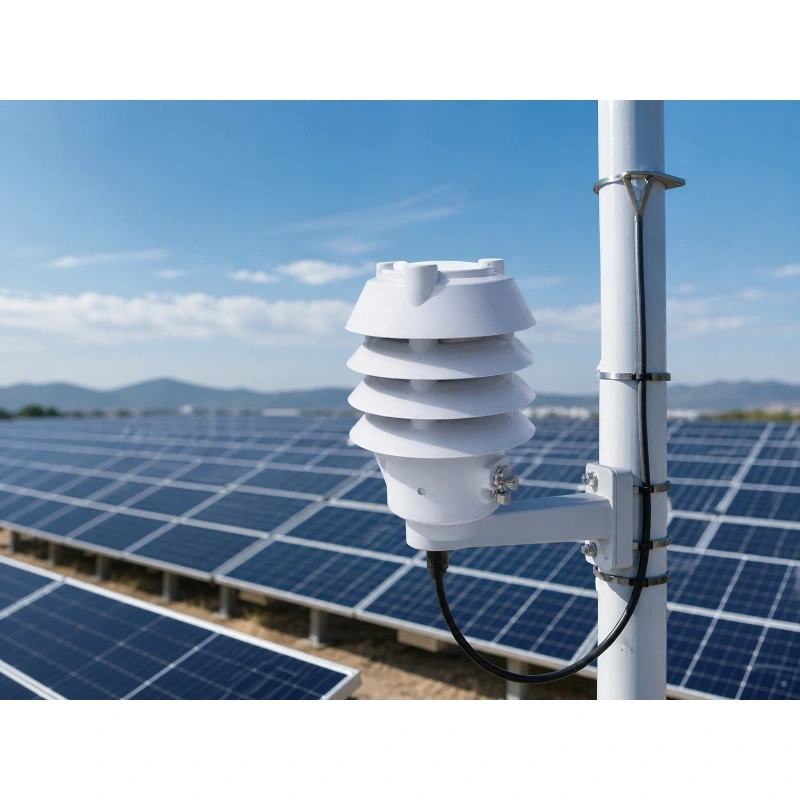
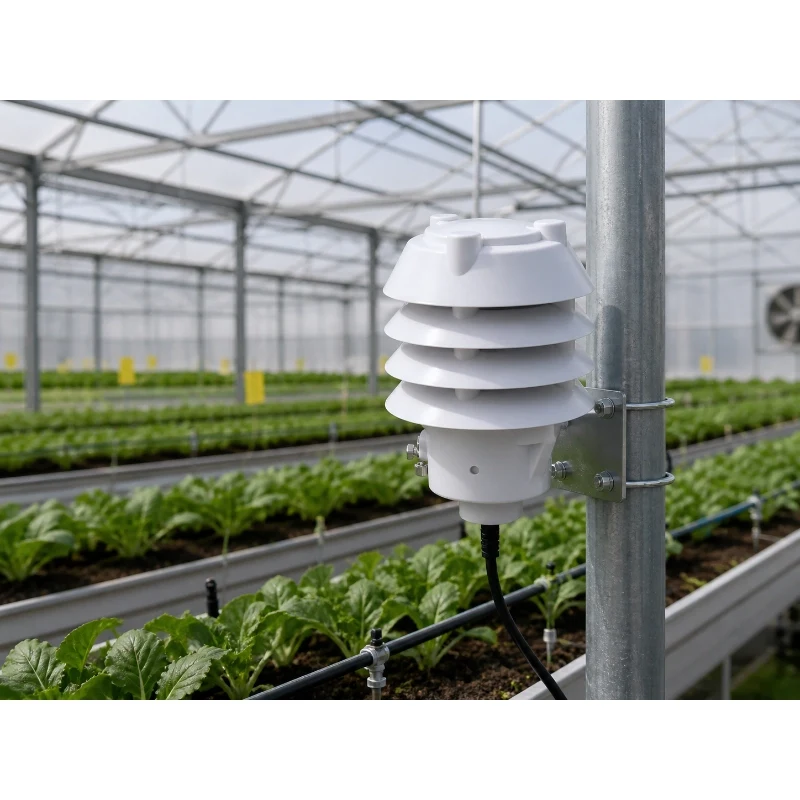
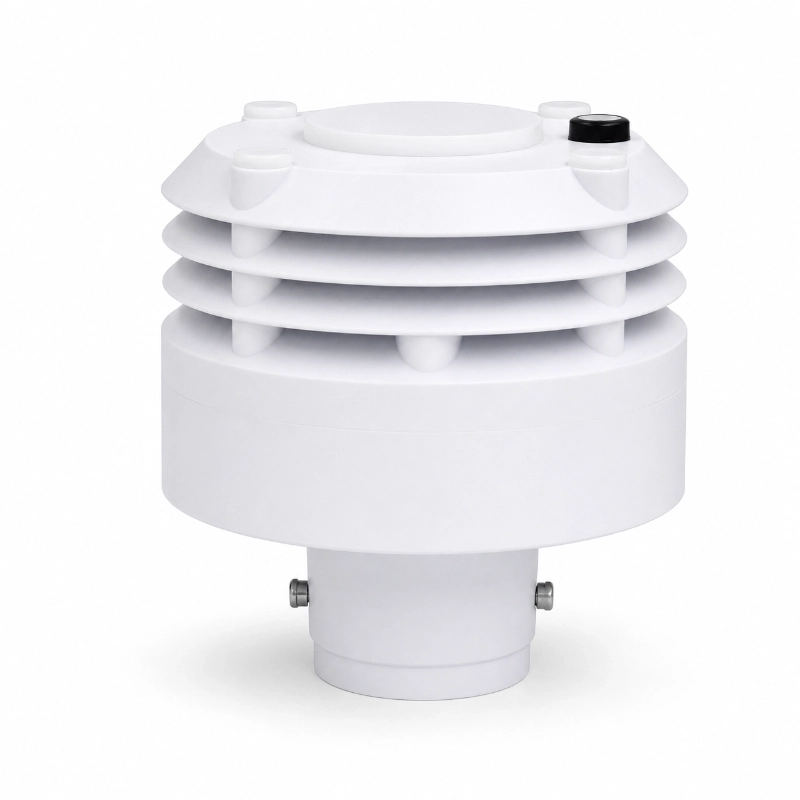
Outdoor radiation shield design: The sensor is housed inside a multi-layer radiation shield to reduce solar radiation influence and improve outdoor measurement stability.
Wide working temperature range: Operates reliably from -40°C to 80°C, suitable for harsh outdoor environments.
High measurement resolution: Temperature resolution reaches 0.01°C, humidity resolution 0.01%RH, and pressure resolution 0.1hPa.
Low power consumption structure: Designed for remote monitoring sites powered by solar panels, batteries, or low-power IoT terminals.
No moving parts: Modular design without moving components helps improve long-term stability and reduce maintenance needs.
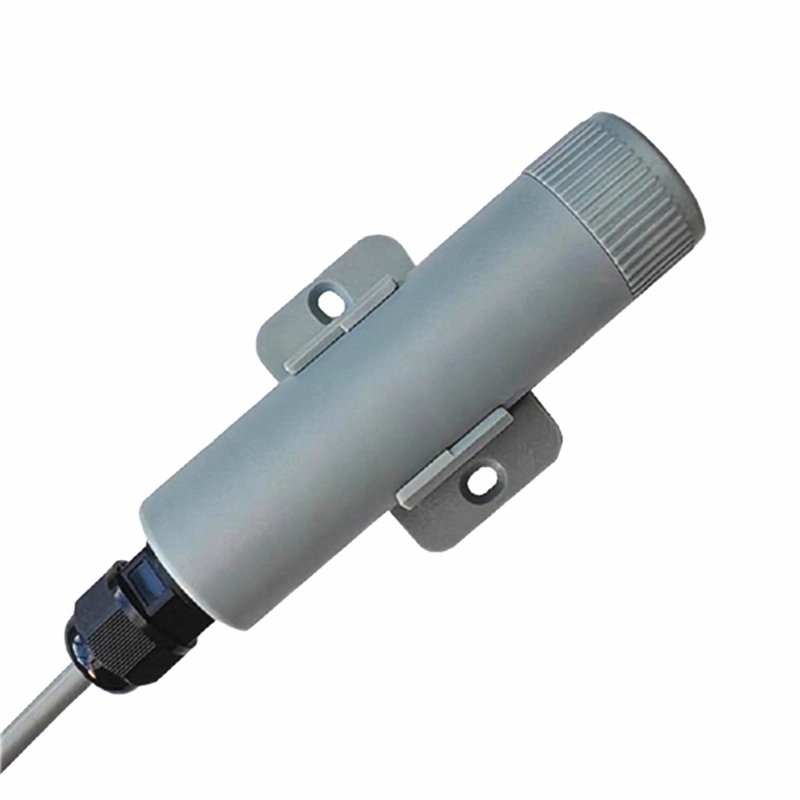
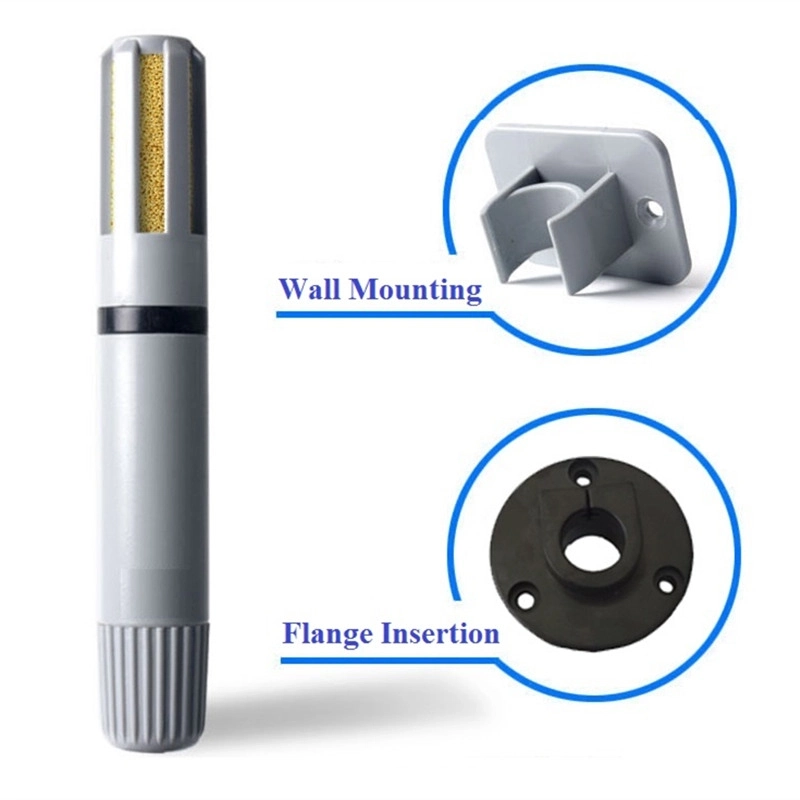
Flexible installation options: Standard sleeve mounting is supported, with optional flange mounting or bent plate mounting for different site structures.
IP65 outdoor protection: Suitable for long-term outdoor deployment in agriculture, weather, traffic, solar energy, and environmental monitoring projects.
JW-XF103(YN18) temperature humidity pressure sensor is an industrial-grade environmental monitoring device designed for continuous outdoor weather data acquisition.
The sensor integrates three essential meteorological parameters:
Air temperature
Relative humidity
Atmospheric pressure
With RS485 Modbus RTU communication, the sensor can be directly connected to IoT data loggers, RTUs, PLC systems, LoRaWAN gateways, 4G LTE terminals and cloud monitoring platforms.
It is widely used in outdoor weather monitoring, smart agriculture, greenhouse climate monitoring, solar PV environmental monitoring, smart city projects and industrial IoT applications.
Compared with traditional standalone sensors, this integrated temperature humidity pressure sensor simplifies installation, reduces wiring complexity and provides a reliable solution for distributed environmental monitoring networks.
JW-IoT provides configurable environmental monitoring solutions including sensors, communication devices, data acquisition terminals and cloud-based monitoring platforms.
How Does a Temperature Humidity Pressure Sensor Work?
A temperature humidity pressure sensor uses integrated sensing elements to measure changes in surrounding atmospheric conditions.
The temperature sensing element detects variations in ambient temperature, while the humidity sensing element measures moisture changes in the air.
The pressure sensing module measures atmospheric pressure variations caused by weather changes and altitude differences.
After measurement, the sensor converts environmental data into digital signals and transmits them through RS485 Modbus RTU communication to a data acquisition device or IoT platform.
This allows users to remotely monitor environmental conditions and analyze climate trends.
Technical Specifications
Parameter
Specification
Product Type
Outdoor Temperature Humidity Pressure Sensor
Measured Parameters
Air temperature relative humidity atmospheric pressure
Temperature Range
-40°C to 85°C
Temperature Accuracy
≤ ±0.3°C at 25°C typical
Temperature Resolution
0.01°C
Humidity Range
0 to 100%RH
Humidity Accuracy
≤ ±3%RH at 25°C 10% to 80%RH typical
Humidity Resolution
0.01%RH
Pressure Range
500 to 1100hPa
Pressure Accuracy
≤ ±0.3hPa at 25°C 950 to 1050hPa
Pressure Resolution
0.1hPa
Working Temperature
-40°C to 80°C
Output Signal
RS485 Modbus RTU standard
Optional Output
SDI 12 with additional module
Power Supply
9 to 30V
Protection Grade
IP65
Standard Cable
3 m cable
Optional Cable
10 m communication cable
Mounting Method
Sleeve mounting standard flange or bent plate optional
Optional Bracket
1.5 m or 1.8 m mounting bracket
Application Scenarios
Smart Agriculture and Precision Farming
Agricultural production is highly affected by temperature and humidity changes.
The sensor can be installed in:
Open-field agriculture
Greenhouses
Plant factories
Irrigation monitoring systems
Real-time environmental data helps farmers optimize:
Irrigation strategies
Crop growing conditions
Climate management
For complete agricultural monitoring solutions, JW-IoT also provides:
The sensor can be integrated into automatic weather stations for continuous environmental observation.
Typical applications include:
Meteorological monitoring stations
Research stations
Remote weather observation points
Environmental monitoring networks
JW-IoT weather monitoring solutions support multiple sensors including temperature, humidity, pressure, wind speed, rainfall and solar radiation sensors.
Solar PV Environmental Monitoring
Environmental conditions directly influence photovoltaic system performance.
The temperature humidity pressure sensor can be integrated with PV monitoring systems together with:
Solar irradiance sensors
PV module temperature sensors
Data loggers
Remote monitoring platforms
It helps operators analyze environmental conditions around solar power plants and improve operation management.
Cities require distributed environmental monitoring networks to understand local climate conditions.
The sensor can be deployed in:
Urban environmental monitoring stations
Smart poles
Parks
Public facilities
Roadside monitoring points
The RS485 output allows easy connection with city-level IoT monitoring platforms.
Industrial Outdoor Monitoring
Industrial facilities often require continuous monitoring of surrounding environmental conditions.
The sensor can be used around:
Manufacturing plants
Storage areas
Mining sites
Remote industrial facilities
It provides reliable environmental data for industrial IoT management.
FAQ
Q
1. What does this temperature humidity pressure sensor measure?
A
It measures air temperature, relative humidity, and atmospheric pressure in one integrated outdoor sensor.
Q
2. Does the sensor support RS485 Modbus RTU output?
A
Yes. The standard version supports RS485 communication with Modbus RTU protocol, making it suitable for data loggers, RTUs, and IoT gateways.
Q
3. Can JW-IoT integrate this sensor into a weather monitoring system?
A
Yes. JW-IoT can integrate this sensor into automatic weather stations, smart agriculture systems, photovoltaic monitoring systems, and environmental monitoring platforms.
Q
4. Is this sensor suitable for outdoor installation?
A
Yes. The sensor has an IP65 protection rating and is designed with an outdoor radiation shield for long-term field deployment.
Q
5. What power supply does the sensor require?
A
The sensor supports DC9–30V power input, which is suitable for solar-powered and standard outdoor monitoring systems.
Q
6. Can JW-IoT provide different installation accessories?
A
Yes. The stainless steel housing and IP65 protection make it suitable for long-term outdoor rainfall monitoring.
Q
7. What are the main applications of this sensor?
A
It is suitable for meteorological monitoring, agricultural weather monitoring, traffic weather stations, photovoltaic sites, wind farms, smart city networks, and micro-environment monitoring.
Q
8. Does the sensor have moving parts?
A
No. The sensor uses a modular structure without moving parts, which helps reduce maintenance and improve long-term measurement stability.
Q
9. Can JW-IoT support platform integration for this sensor?
A
Yes. JW-IoT can support RS485 Modbus data integration with cloud platforms, local monitoring software, RTUs, and third-party IoT systems.
 +86 13520127780
  info@jingelway.com