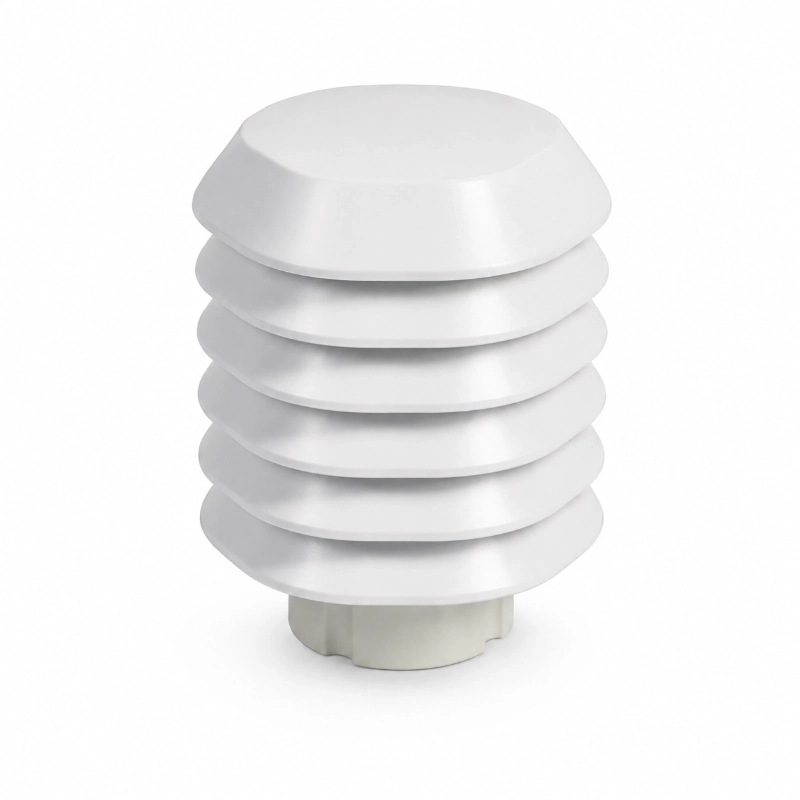
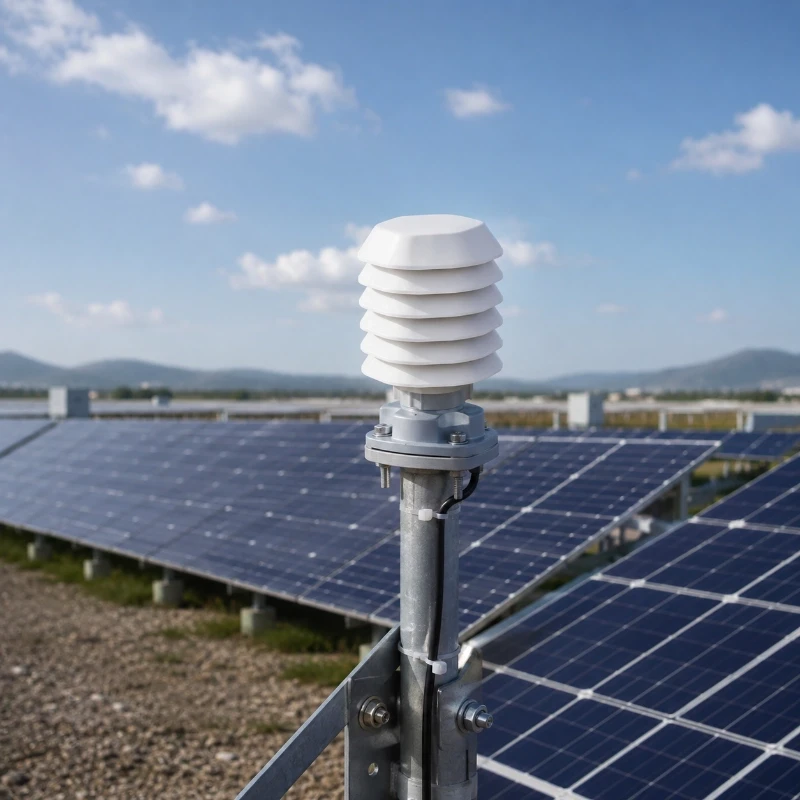
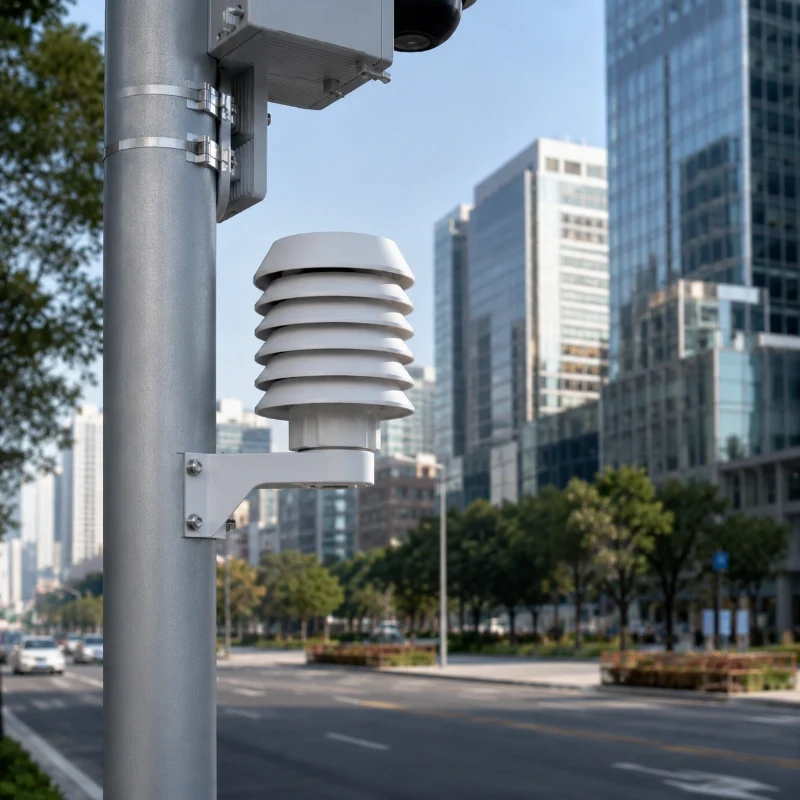
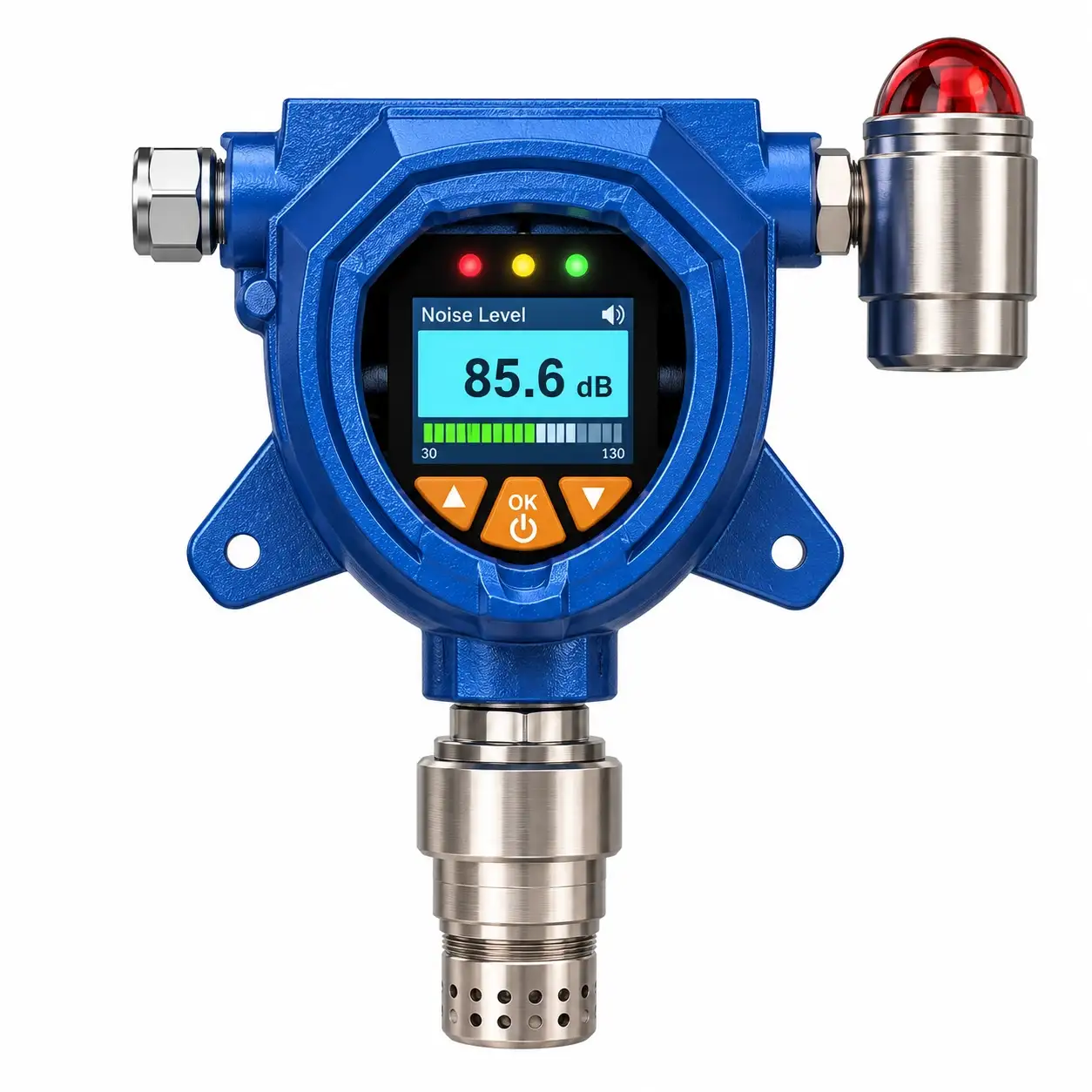
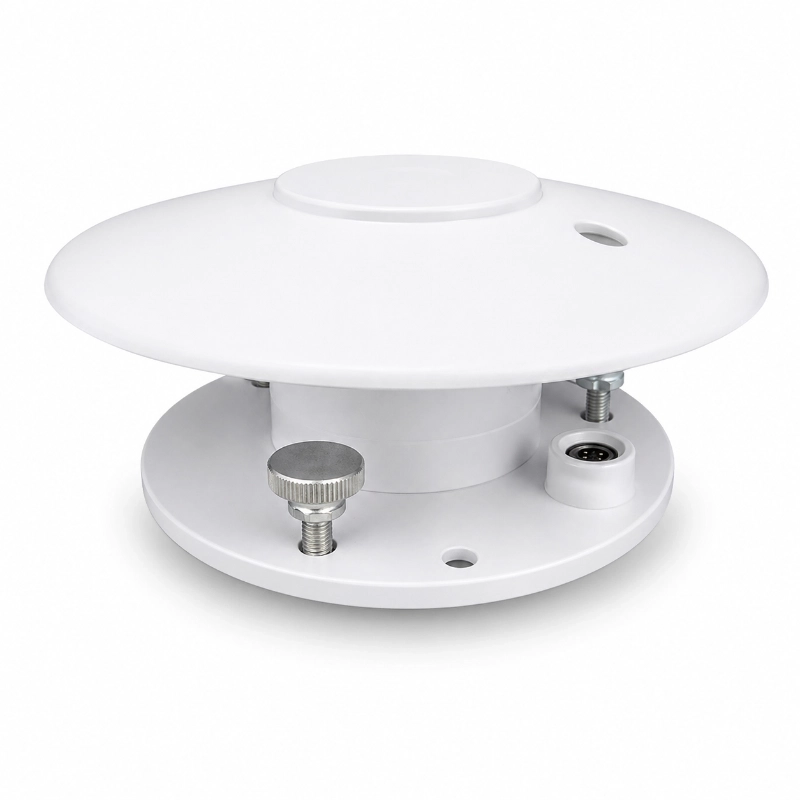
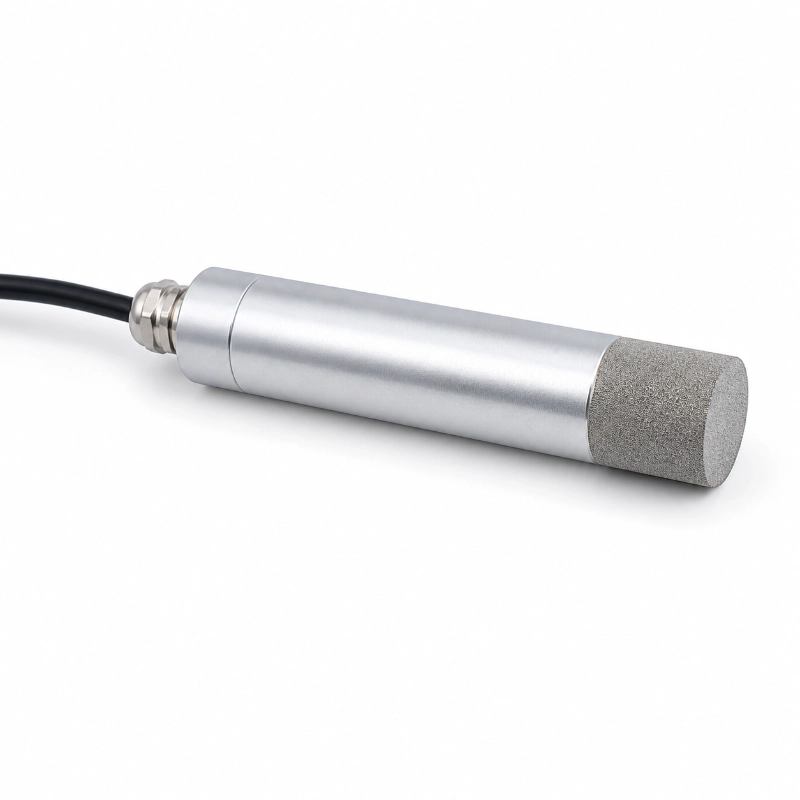
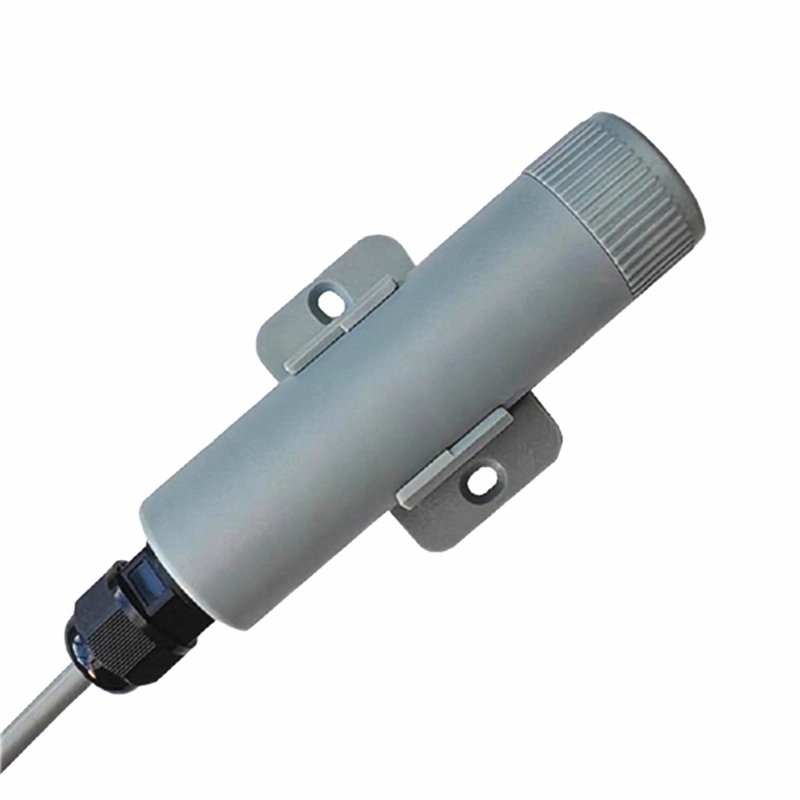
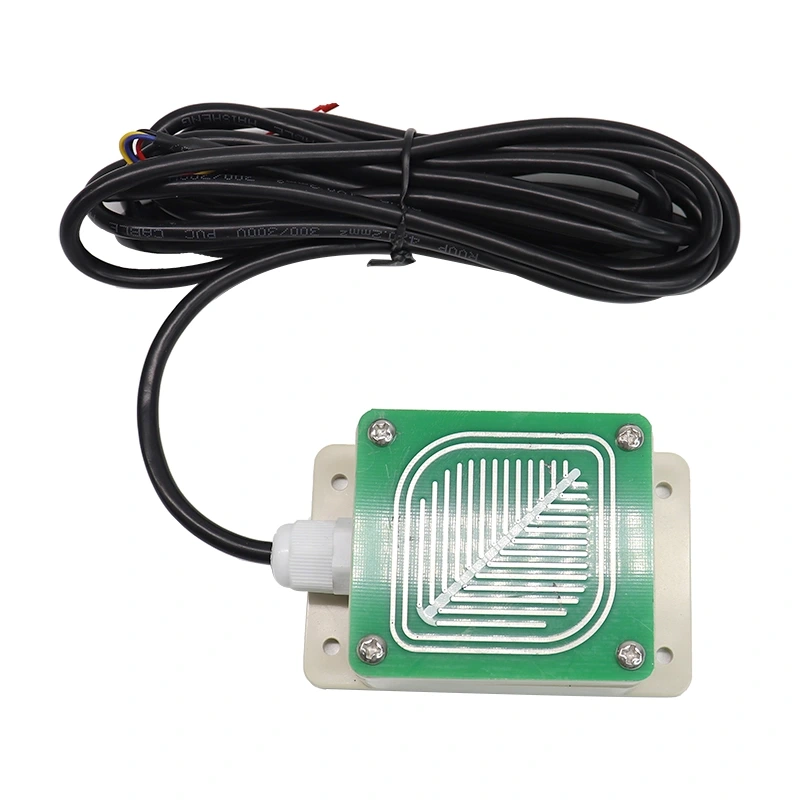
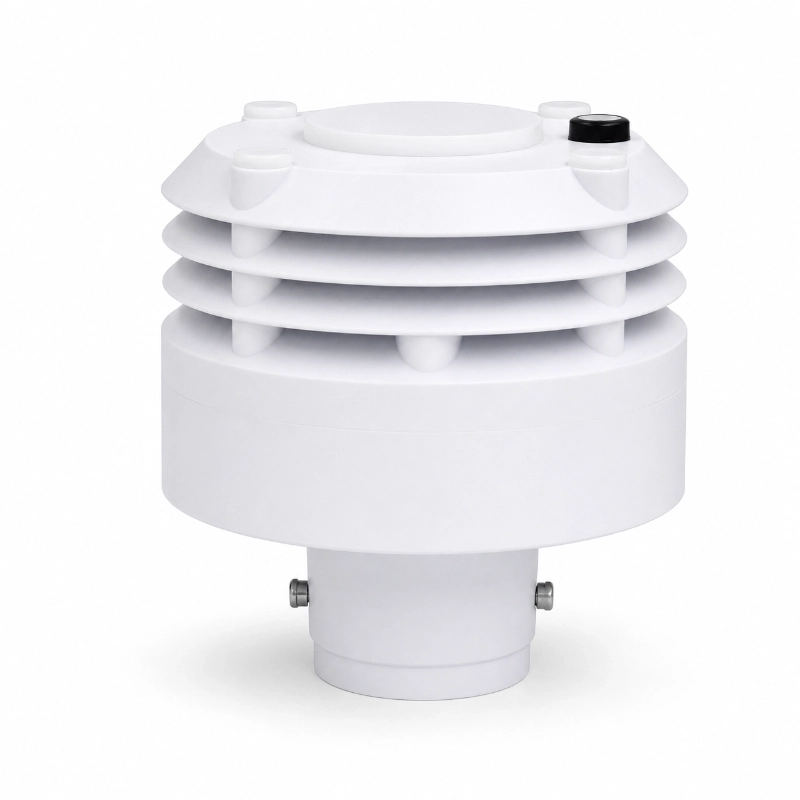
JW-THP300(SW03) micro weather sensor is a compact and high accuracy environmental monitoring device designed for measuring air temperature relative humidity and atmospheric pressure. With RS485 digital output IP66 protection and an 8–30VDC power supply range it is suitable for outdoor weather monitoring power infrastructure smart city agriculture photovoltaic and industrial environmental applications.
2. Product Overview
JW-THP300(SW03) micro weather sensor is designed for projects that require reliable local environmental data in a compact installation space. It integrates three key meteorological parameters including air temperature relative humidity and atmospheric pressure into one durable sensor body.
Compared with traditional separated sensors this integrated micro weather sensor helps reduce installation complexity wiring workload and maintenance cost. It supports RS485 digital output and can be connected to data loggers RTUs IoT gateways PLC systems and cloud monitoring platforms.
The sensor housing is compact and suitable for harsh outdoor environments. With IP66 protection C5-M corrosion resistance and wide operating temperature range it can be used in power transmission lines substations smart lamp poles photovoltaic stations agriculture fields and industrial monitoring systems.
Technical Specifications
Item
Specification
Product Type
Micro Weather Sensor
Measured Parameters
Air Temperature Relative Humidity Atmospheric Pressure
Dimensions
144.5 mm × 110.5 mm
Weight
0.52 kg
Working Voltage
8–30VDC
Power Consumption
12VDC max 0.06VA
Digital Output
RS485
Baud Rate
1200–57600
Housing Material
Plastic
Protection Grade
IP66
Corrosion Resistance
C5-M
Surge Protection Level
Level 4
Connector
5-pin M12 connector
Power Supply Cable
8–30VDC DC power supply
Measurement Performance
Parameter
Range
Accuracy
Resolution
Air Temperature
-50°C to +85°C or -55°C to +85°C
±0.2°C
0.1°C
Relative Humidity
0–100%RH
±2%RH
1%RH
Atmospheric Pressure
200–1200hPa
±0.5hPa at -10°C to +50°C
0.1hPa
Reliability and Environmental Tests
The micro weather sensor is designed for long-term outdoor use and has been developed with reference to multiple reliability and environmental test standards.
Test Item
Reference Standard
Drop Test
Height 1.5 m one corner three edges six sides
Electrostatic Discharge Test
GB/T17626.2-2006
Surge Immunity Test
GB/T17626.5-2008
Electrical Fast Transient Burst Test
GB/T 17626.4-2008
Conducted Disturbance Immunity Test
GB/T 17626.6-2008
IP Protection Test
GB 4208-2008
Wind Tunnel Test
JJG 0001-1992
Vibration Test
GB5170.14-85
Low and High Temperature Storage Test
GB/T2423.2-2008 GB/T2423.1-2008
Low and High Temperature Operation Test
GB/T2423.2-2008 GB/T2423.1-2008
Salt Mist Test
ISO6270-1:1998 ISO7253:2001 ISO12944-6:1998
Output and Communication
The sensor supports RS485 digital output, making it suitable for industrial data acquisition and IoT monitoring systems. It can be connected with:
RTU data loggers
4G IoT gateways
LoRaWAN gateways with RS485 interface
PLC systems
SCADA systems
Smart city monitoring platforms
Weather monitoring cloud platforms
For IoT projects the RS485 output allows multiple sensors to be integrated into one data acquisition system. This makes the sensor suitable for distributed monitoring points where stable communication and low maintenance are important.
Application Scenarios
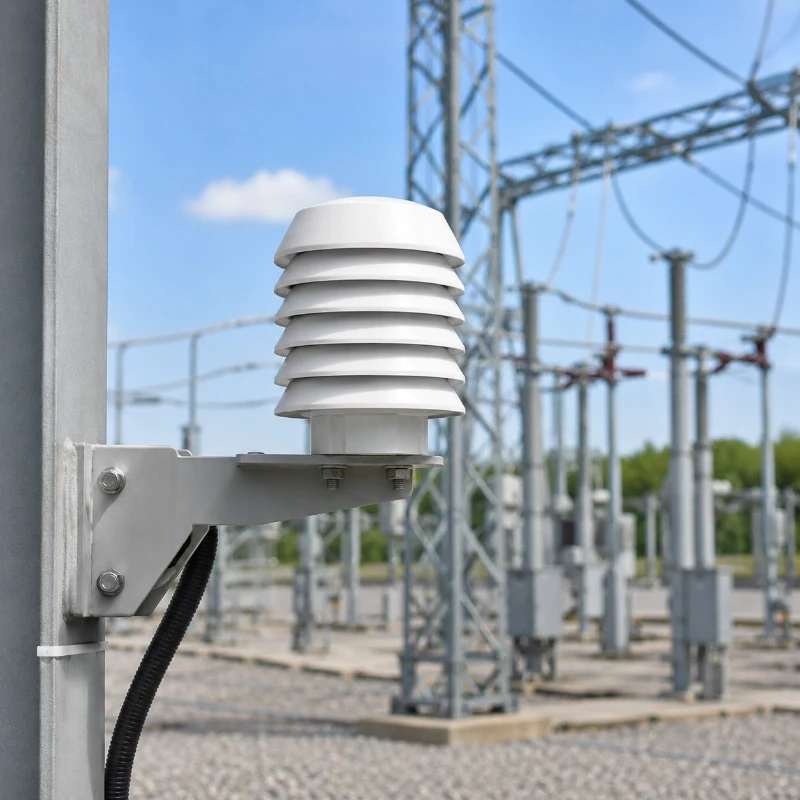
Power Infrastructure Monitoring: The micro weather sensor can be installed near transmission lines substations transformer areas and outdoor power cabinets to monitor local temperature humidity and atmospheric pressure conditions.
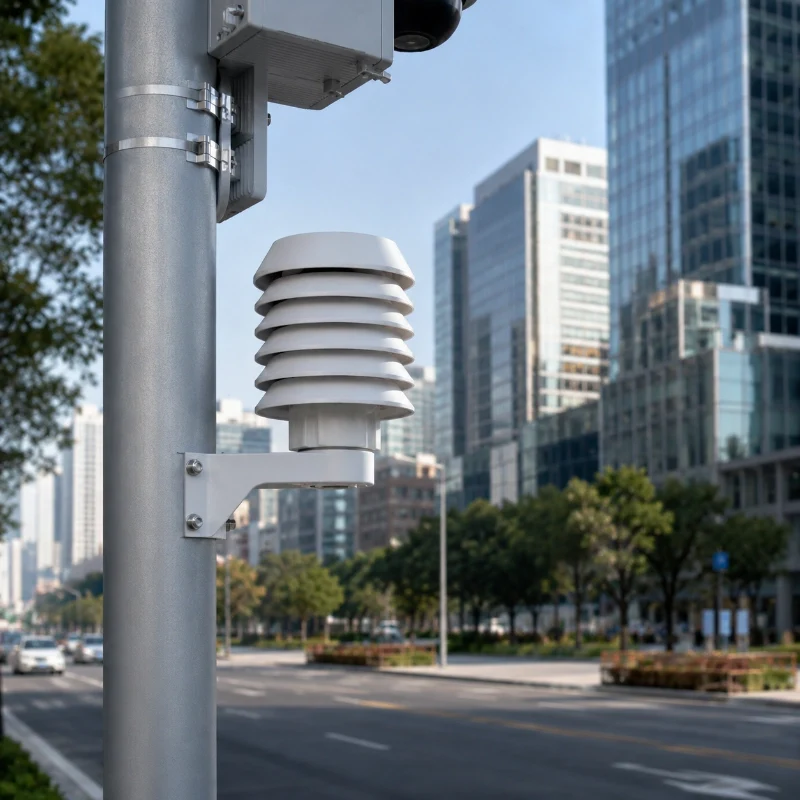
Smart City Environmental Monitoring: It can be integrated into smart lamp poles urban monitoring cabinets and city IoT terminals to collect basic microclimate data for environmental analysis.
Photovoltaic Power Plants: In solar PV projects the sensor provides ambient temperature humidity and pressure data to support PV plant environmental monitoring and performance evaluation.
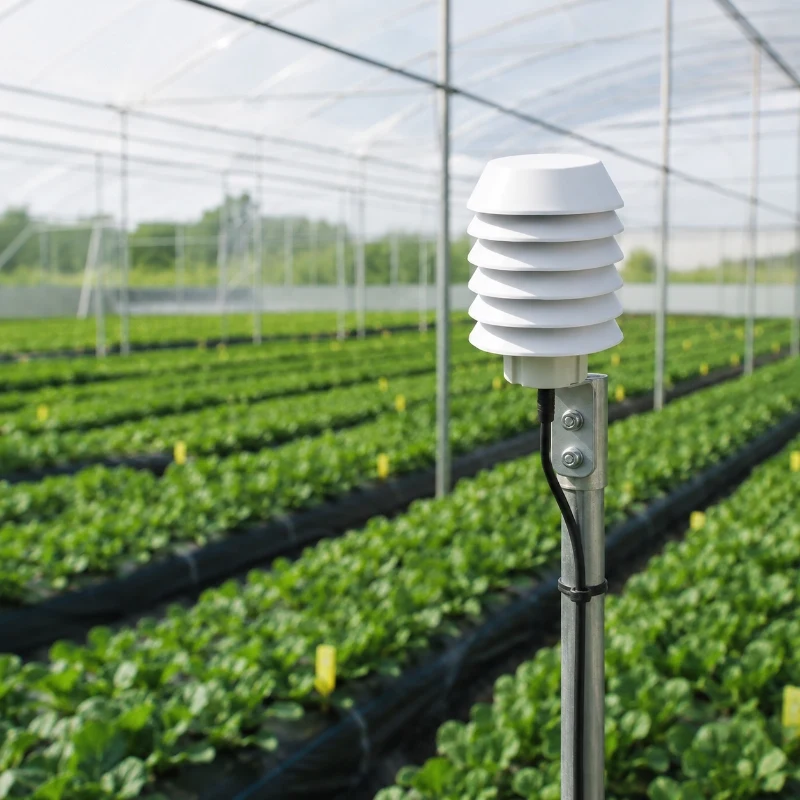
Agriculture and Greenhouse Monitoring: The sensor helps collect outdoor or greenhouse environmental data for irrigation decisions crop climate analysis and farm IoT systems.
Industrial Environmental Monitoring: It is suitable for factories storage areas outdoor equipment stations and industrial parks where reliable weather data is needed for safety and process management.
What Is a Micro Weather Sensor?
A micro weather sensor is a compact environmental monitoring device that measures key atmospheric parameters in a small integrated structure. Unlike a full weather station that may include wind rainfall solar radiation and other sensors a micro weather sensor focuses on essential climate data such as air temperature humidity and atmospheric pressure.
This type of sensor is commonly used when the project requires local environmental data but has limited installation space.
Why Temperature Humidity and Pressure Matter?
Air temperature affects equipment operation crop growth solar panel efficiency and human comfort. Relative humidity is important for corrosion risk equipment protection greenhouse climate control and industrial storage. Atmospheric pressure helps support weather trend analysis altitude compensation and microclimate monitoring.
When these three parameters are monitored together users can better understand the local environmental condition of a site.
Why RS485 Is Commonly Used in Weather Sensors?
RS485 is widely used in industrial sensors because it supports stable digital communication over longer cable distances compared with many analog signals. It also allows multiple devices to communicate on the same bus when configured properly.
For outdoor weather monitoring projects RS485 is especially useful because it works well with RTUs data loggers gateways and automation systems.
Difference Between Micro Weather Sensor and Full Weather Station
A micro weather sensor usually measures basic atmospheric parameters such as temperature humidity and pressure. A full weather station may also measure wind speed wind direction rainfall solar radiation visibility PM2.5 or other parameters.
For projects that only need basic environmental data a micro weather sensor is more compact cost effective and easier to install. For complete meteorological monitoring a full weather station may be more suitable.
Recommended Installation
The sensor should be installed in an open and representative monitoring location. Avoid installing it too close to heat sources exhaust outlets walls large metal surfaces or other objects that may affect air circulation.
For outdoor applications it is recommended to install the sensor on a stable pole bracket cabinet top smart pole or monitoring station structure. The installation position should allow natural air flow and avoid direct mechanical impact.
FAQ
Q
1. What parameters does this micro weather sensor measure?
A
This micro weather sensor measures air temperature relative humidity and atmospheric pressure. It is suitable for basic environmental and microclimate monitoring applications.
Q
2. Does the sensor support RS485 output?
A
Yes. The sensor supports RS485 digital output which makes it suitable for connection with RTUs data loggers IoT gateways PLC systems and cloud platforms.
Q
3. Can JW-IoT provide this sensor for outdoor IoT projects?
A
Yes. JW-IoT can provide this micro weather sensor for outdoor IoT monitoring projects including smart city power infrastructure agriculture photovoltaic and industrial applications.
Q
4. What is the protection grade of the sensor?
A
The sensor has an IP66 protection grade which helps protect it from dust and water spray in outdoor environments.
Q
5. Is this sensor suitable for photovoltaic monitoring?
A
Yes. It can be used in PV monitoring systems to collect ambient temperature humidity and pressure data for environmental analysis and PV performance support.
Q
6. Can JW-IoT integrate this sensor with a monitoring platform?
A
Yes. JW-IoT can integrate the sensor with RTU gateways cloud platforms and project monitoring systems depending on communication and deployment requirements.
Q
7. What power supply does the sensor require?
A
The sensor supports 8–30VDC power input and has low power consumption which makes it suitable for remote monitoring systems.
Q
8. Where can this micro weather sensor be installed?
A
It can be installed on power transmission lines substations smart poles weather stations photovoltaic sites agricultural fields industrial parks and outdoor monitoring cabinets.
Q
9. Does JW-IoT support customized weather sensor solutions?
A
Yes. JW-IoT can support customized weather monitoring solutions based on project requirements including sensor selection communication method data platform and installation scenario.
 +86 13520127780
  info@jingelway.com