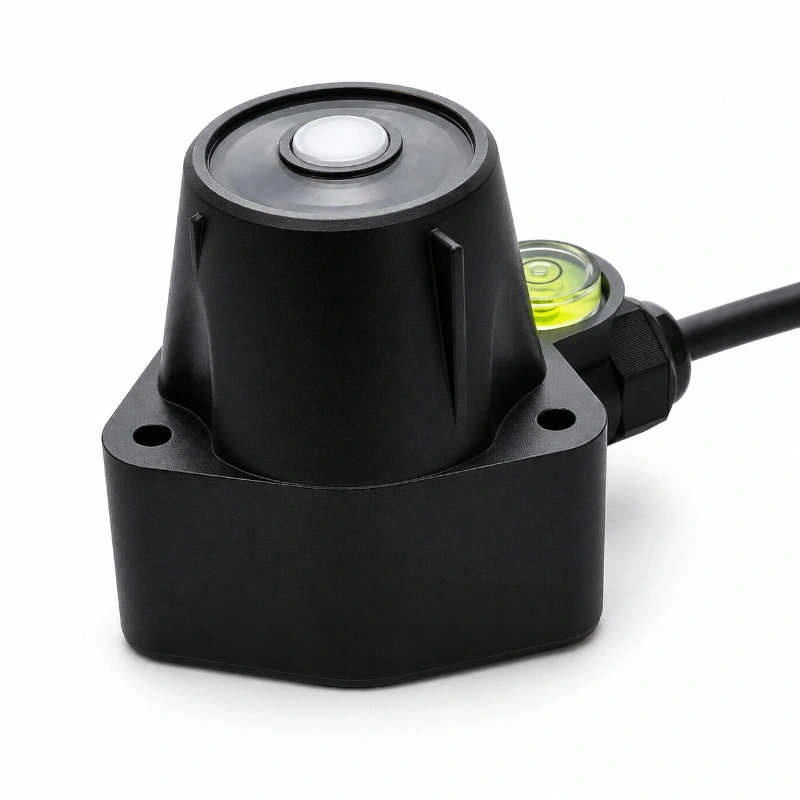
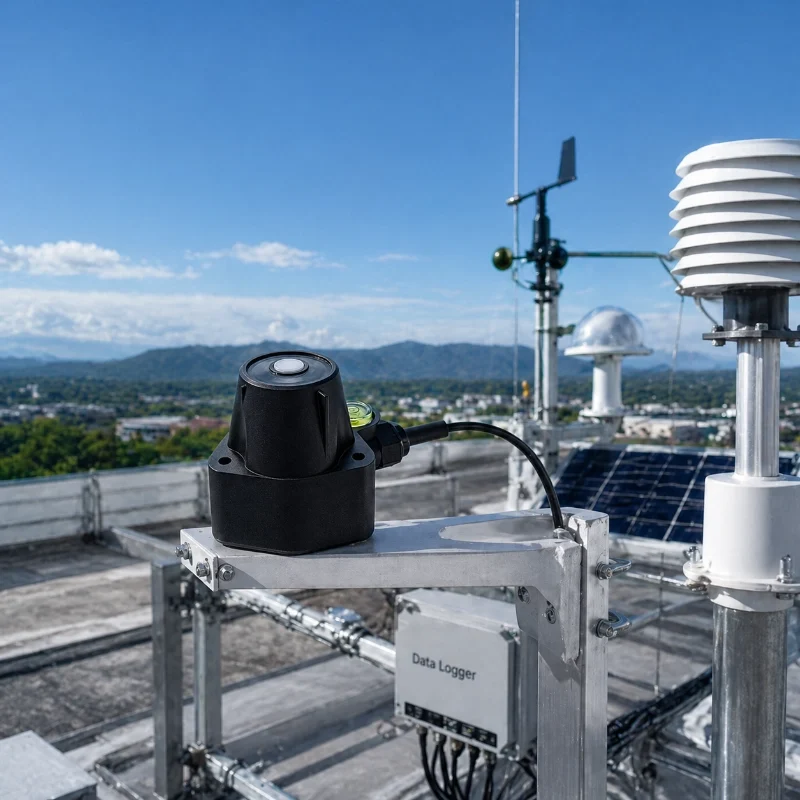
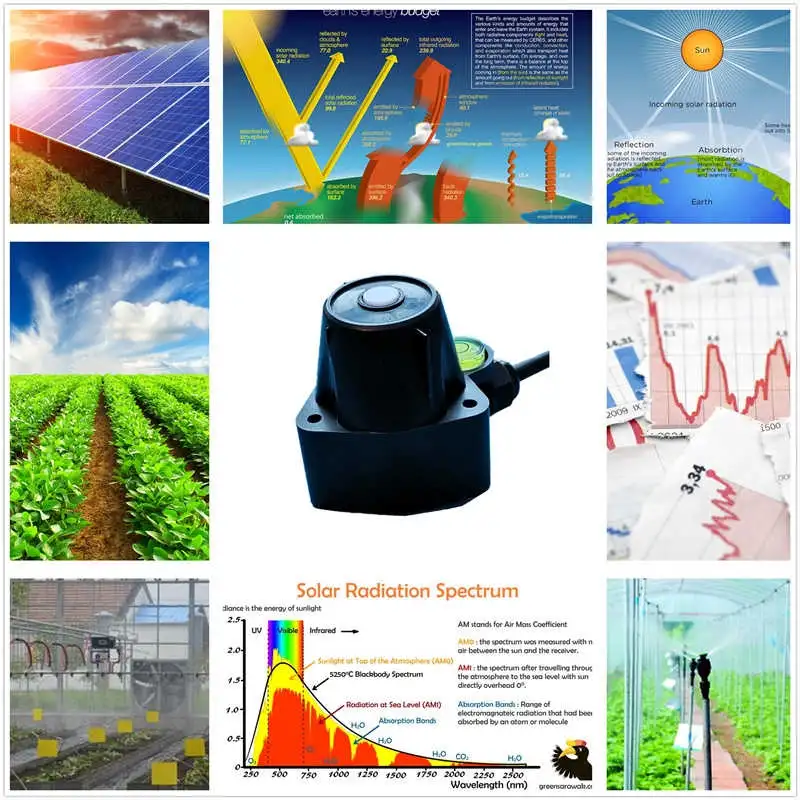
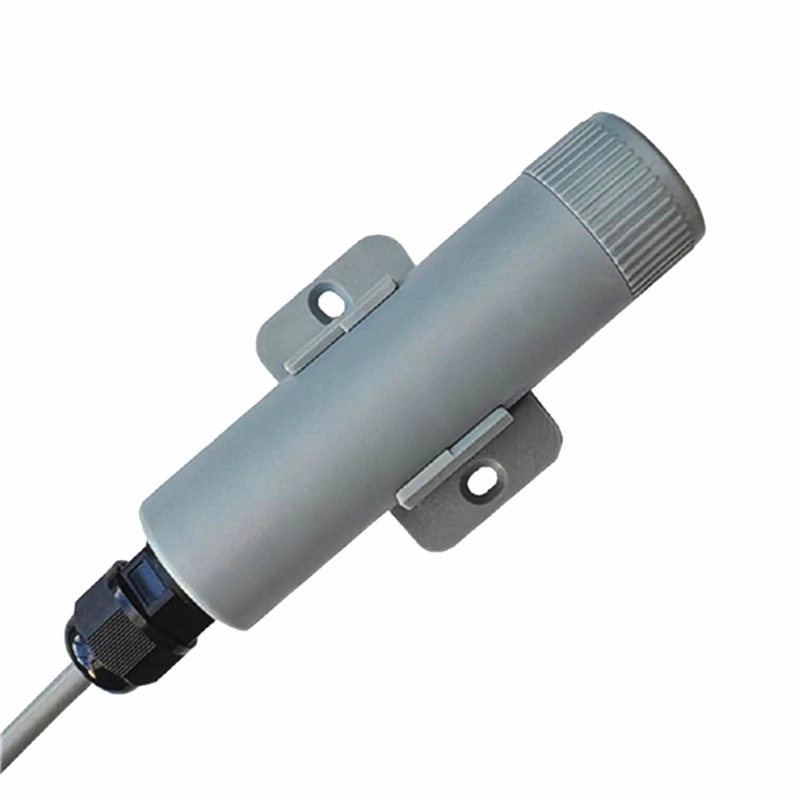
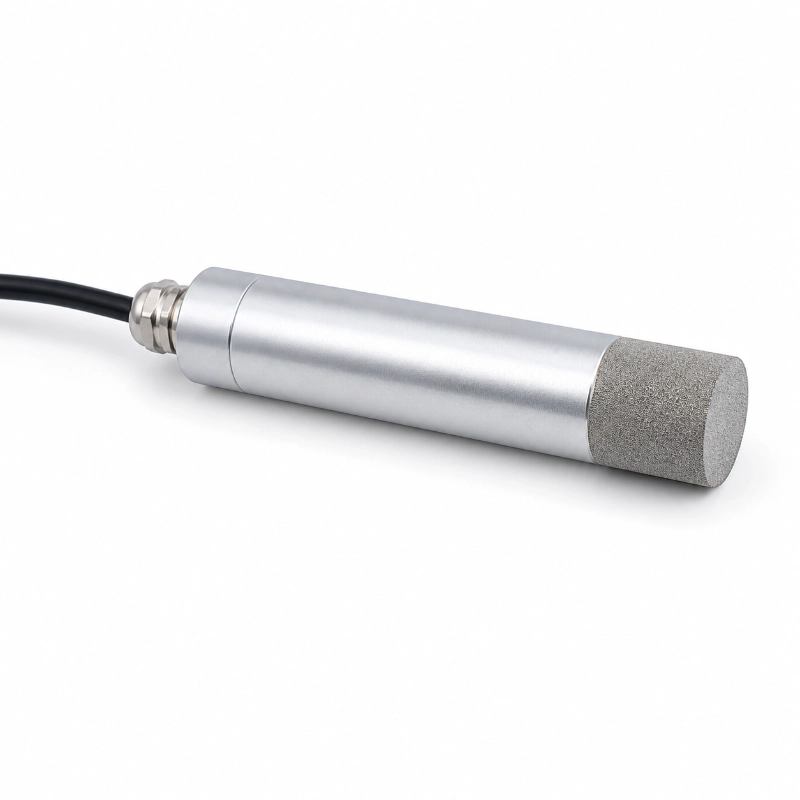
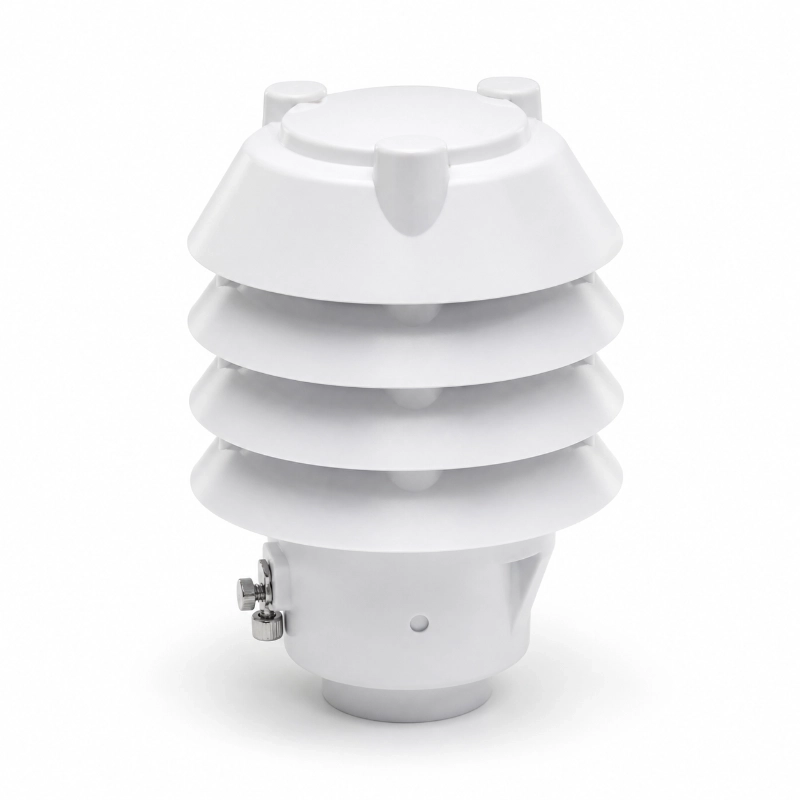
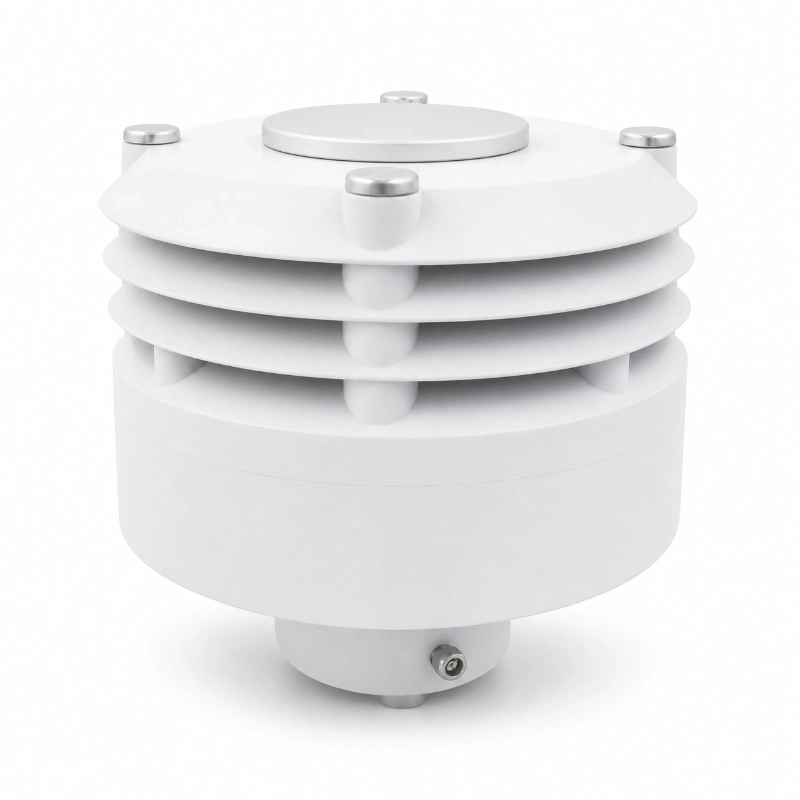
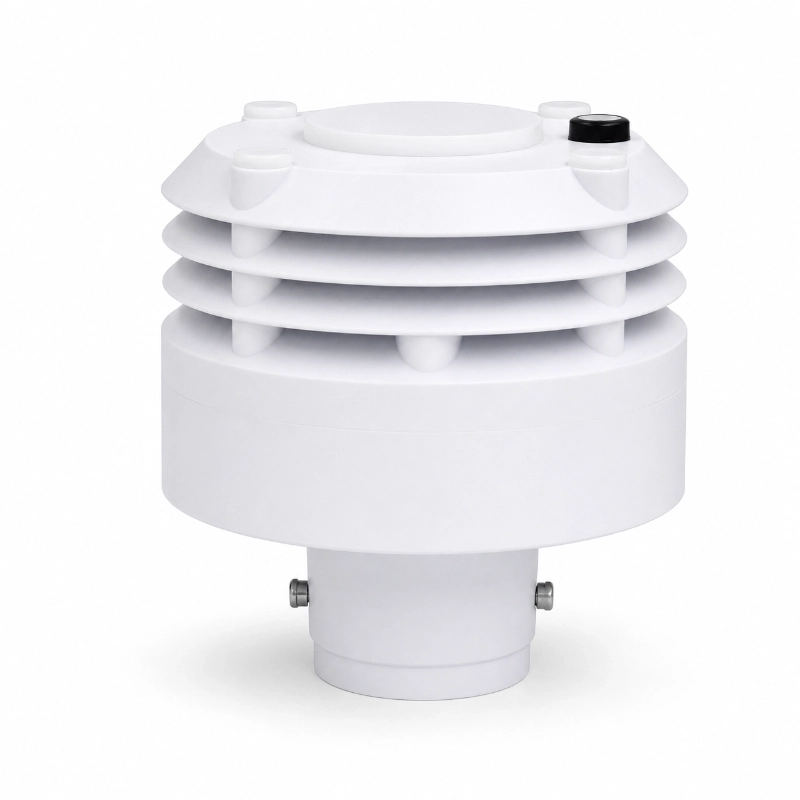
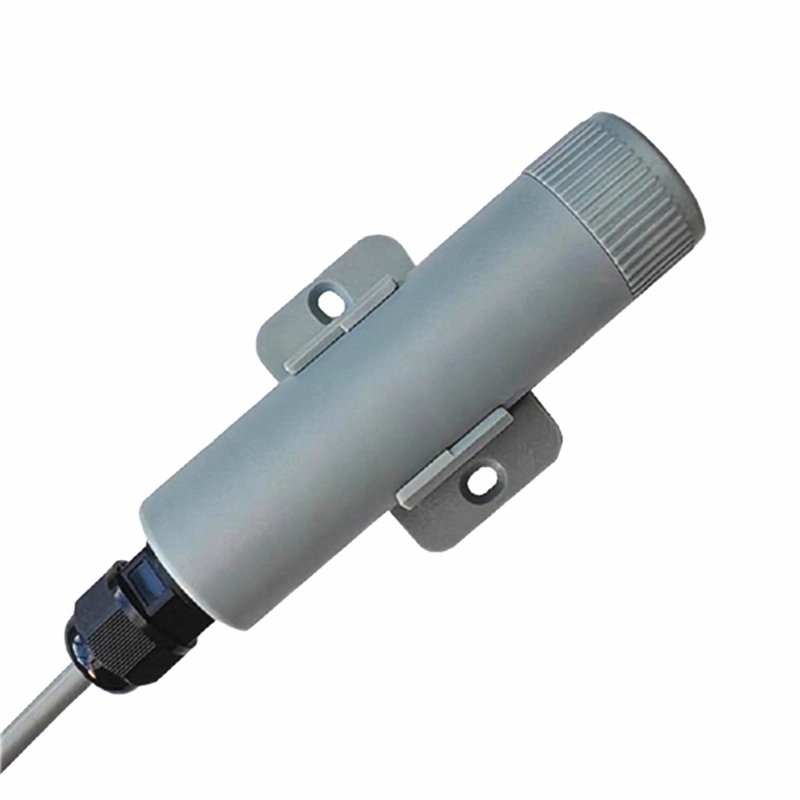
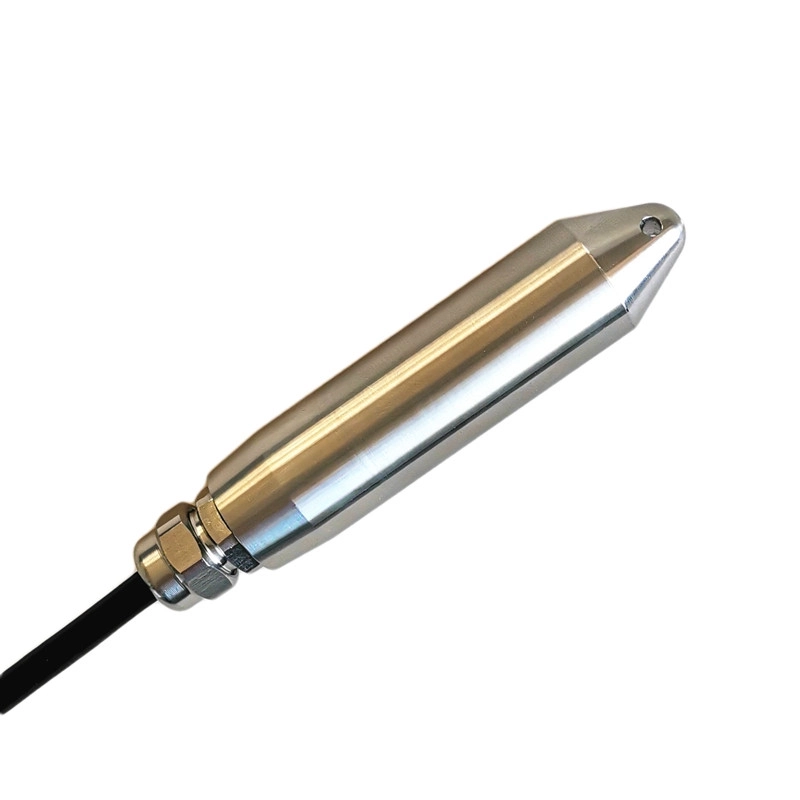
JW-PYR20(Z25) Solar Radiation Sensor is designed for real-time global solar radiation monitoring in agriculture, photovoltaic power generation, weather stations, solar energy assessment, and climate research. With a 0–2000 W/m² range, 1 W/m² resolution, IP66 waterproof housing, and multiple output options including RS485 Modbus, 0–2V, and 4–20mA, it provides reliable solar irradiance data for outdoor monitoring systems.
Product Overview
JW-PYR20(Z25) Solar radiation is one of the most important environmental parameters for renewable energy generation and agricultural production.
A reliable solar radiation sensor helps measure the amount of solar energy received at a specific location, providing essential data for photovoltaic performance analysis, solar resource assessment, greenhouse management, and precision agriculture.
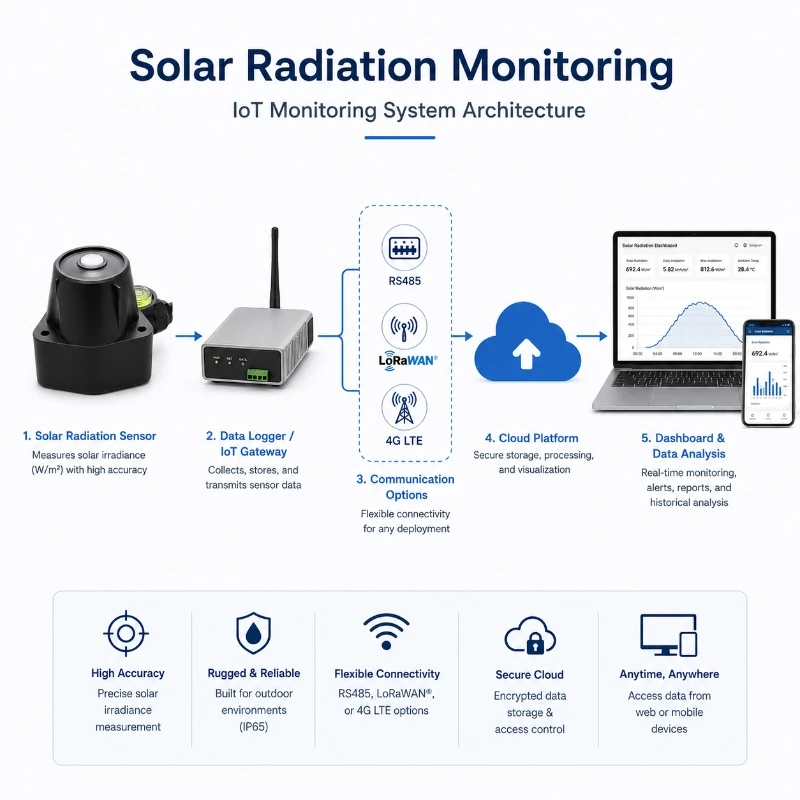
JW-IoT solar radiation sensors are designed for long-term outdoor monitoring applications, supporting integration with IoT platforms, data loggers, weather stations, and industrial monitoring systems.
By collecting real-time solar irradiance data, users can better evaluate solar availability, analyze PV system efficiency, and optimize environmental conditions for crop growth.
For complete solar monitoring solutions, JW-IoT also provides integrated systems including solar irradiance monitoring, PV weather stations, communication gateways, and cloud-based platforms.
What Is a Solar Radiation Sensor?
A solar radiation sensor is an environmental measurement device used to detect the intensity of solar radiation reaching a surface.
The measured data is commonly used for:
Solar PV performance monitoring
Solar resource evaluation
Photovoltaic system efficiency analysis
Greenhouse climate control
Agricultural environmental monitoring
Weather station applications
The measurement unit is typically expressed as:
W/m² (Watts per square meter)
Compared with relying only on regional weather information, on-site solar radiation measurement provides more accurate environmental data for project operation and decision-making.
Technical Specification
Parameter
Description
Model No.
JW-PYR20(Z25)
Measuring Range
0–2000 W/m²
Accuracy
5%
Resolution
1 W/m²
Wavelength Range
400–1100 nm
Cosine Response
±3% at 0° to ±70° incidence angle
Extended Cosine Response
±10% at ±70° to ±85° incidence angle
Output Options
0–2V 4–20mA RS485 Modbus SDI-12 optional
Voltage Output Power Supply
3.9–30V DC
Current Output Power Supply
12–30V DC
RS485 Output Power Supply
3.9–30V DC
Static Power Consumption
7mA at 24V DC for voltage or RS485 output
Current Output Power Consumption
30mA at 24V DC when current output is 20mA
Protection Rating
IP66
Operating Environment
-40°C to 85°C
Default Cable Length
2 m customizable
Dimensions
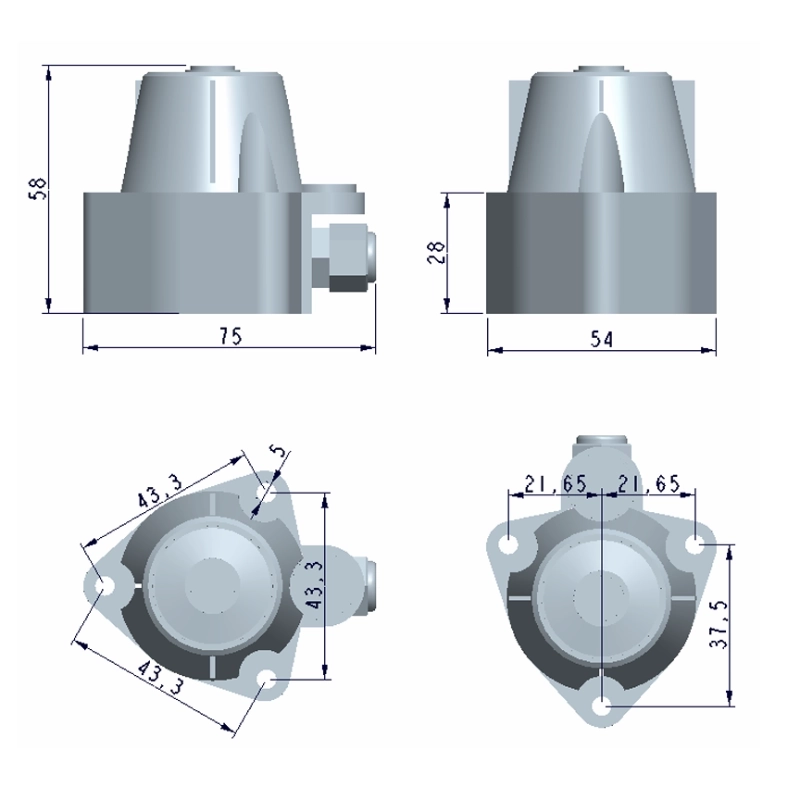
75 × 55 × 58 mm
Communication Protocol
Modbus RTU for RS485 version
Default RS485 Setting
9600 bps 8 data bits no parity 1 stop bit
Output Options and Communication
The PYR20 Solar Radiation Sensor supports several output types for different monitoring scenarios. The 0–2V analog output is suitable for common data loggers and weather monitoring terminals. The 4–20mA output is useful for industrial control and longer-distance analog transmission. The RS485 Modbus RTU output is recommended for digital weather stations, smart agriculture IoT systems, PV monitoring platforms, and multi-sensor networks.
For the RS485 version, the solar radiation value can be read directly through the Modbus register. The default communication setting is 9600 bps, no parity, 8 data bits, and 1 stop bit.
Why Solar Radiation Monitoring Is Important
1. Improve Solar PV Performance Analysis
Solar photovoltaic output is directly affected by solar irradiance.
However, PV operators cannot accurately evaluate system performance only by checking electricity generation data.
A solar radiation sensor provides real-time reference data to compare:
Available solar energy
Actual PV output
System efficiency
Performance ratio
This helps identify potential issues such as:
Dust accumulation
Module degradation
Partial shading
Abnormal equipment operation
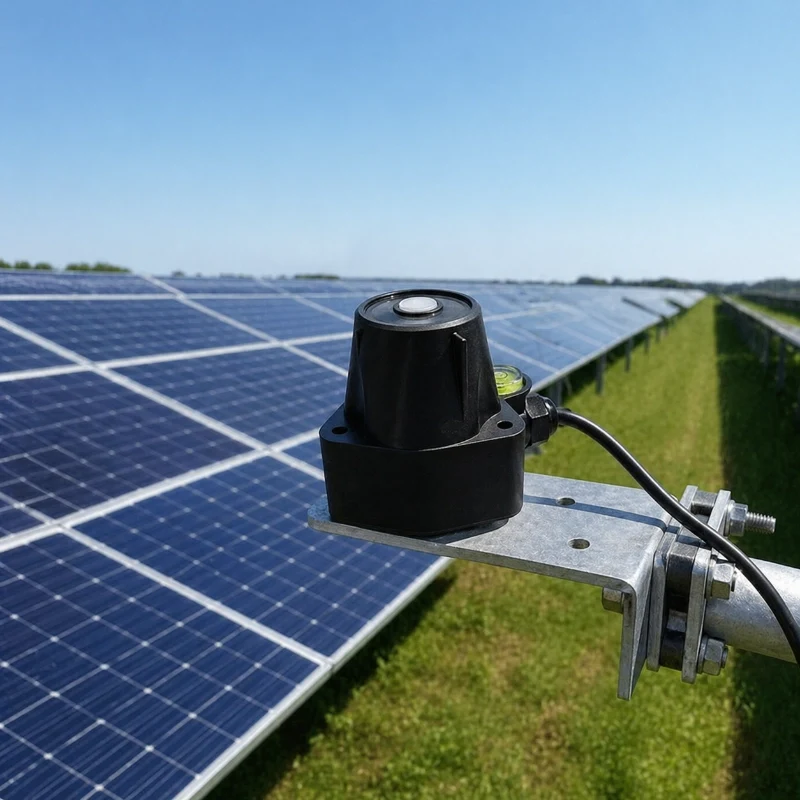
For larger PV projects, JW-IoT can integrate solar radiation sensors with PV weather stations and cloud monitoring platforms to support centralized operation and maintenance.
2. Optimize Greenhouse and Agricultural Management
Solar radiation directly influences:
Photosynthesis
Crop growth
Greenhouse temperature
Irrigation demand
Artificial lighting requirements
In smart agriculture applications, solar radiation data can be combined with:
Soil moisture sensors
Temperature and humidity sensors
CO₂ sensors
Weather stations
to create a complete agricultural environmental monitoring system.
Farm operators can use real-time sunlight data to improve:
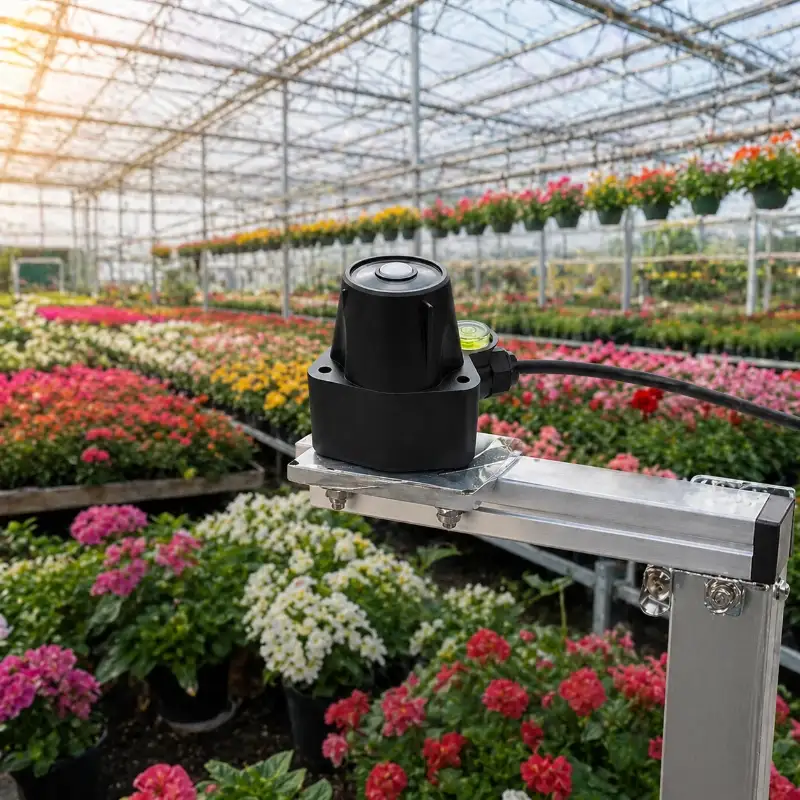
Greenhouse operators can monitor sunlight conditions and combine solar radiation data with climate sensors.
Applications include:
Greenhouse environmental control
Crop growth analysis
Supplemental lighting management
Precision Agriculture
Solar radiation monitoring provides important environmental information for:
Field microclimate analysis
Smart irrigation
Crop monitoring
Agricultural weather stations
How to Install a Solar Radiation Sensor?
Correct installation is essential for accurate solar radiation measurement.
Installation Location
The sensor should be installed:
In an open area
Without shading obstacles
With unobstructed sunlight exposure
Avoid installation near:
Buildings
Trees
Equipment shadows
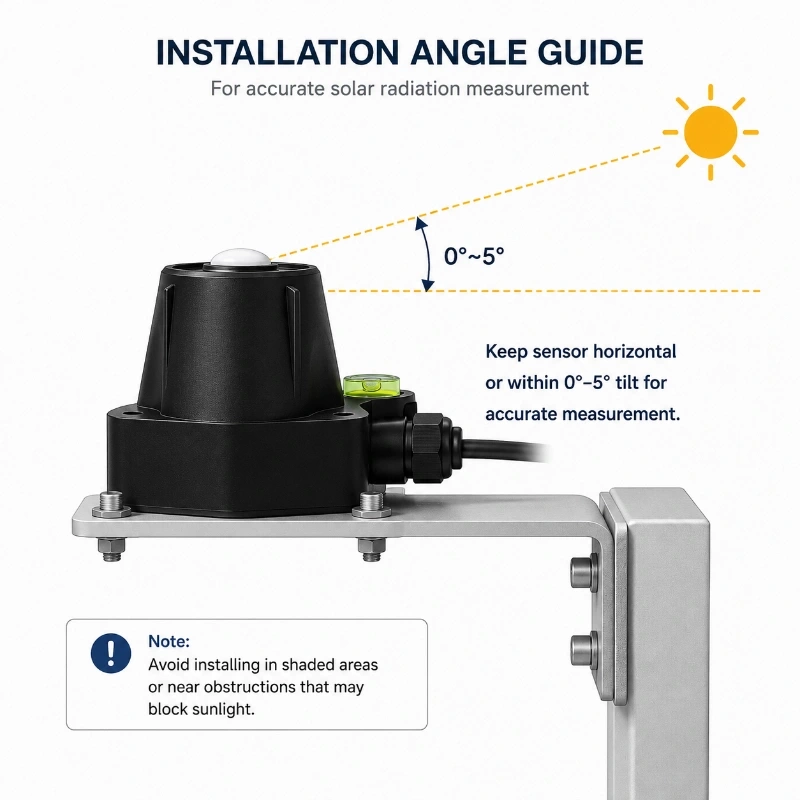
Installation Angle
For PV monitoring applications, the sensor installation angle should match the photovoltaic panel orientation whenever possible.
Incorrect installation may result in inaccurate solar resource evaluation.
Regular Maintenance
To maintain measurement accuracy:
Clean the sensor surface regularly
Check mounting stability
Verify communication status
Compare data trends periodically
Solar Radiation Sensor vs Weather Station
Item
Solar Radiation Sensor
PV Weather Station
Main Function
Measure solar irradiance
Multi-parameter monitoring
Parameters
Solar radiation
Radiation + weather data
Application
Single parameter monitoring
Complete PV environmental monitoring
Cost
Lower
Higher
Deployment
Simple
System-level installation
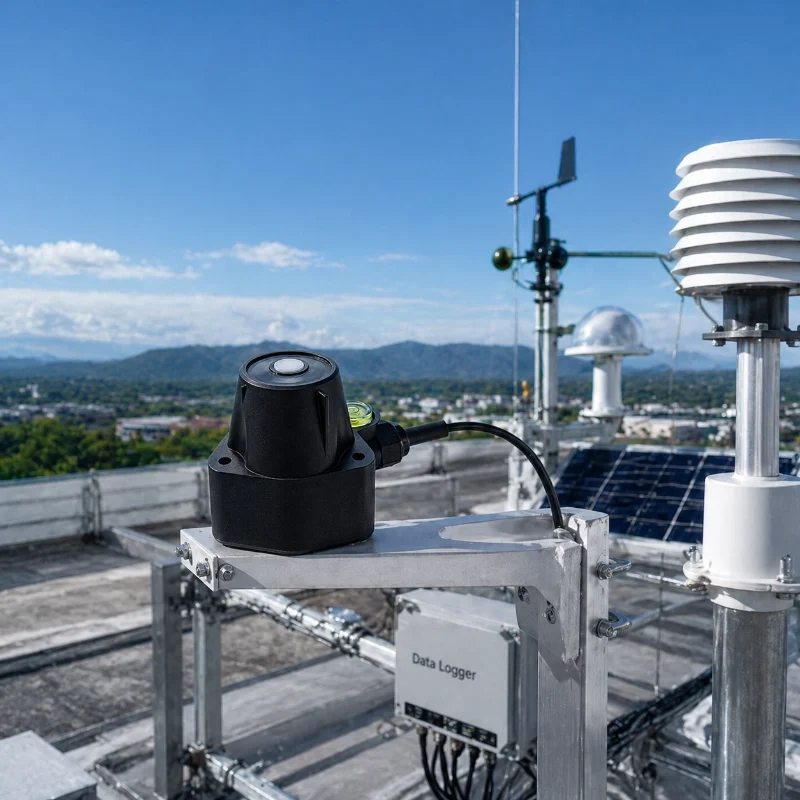
For complete PV environmental monitoring, JW-IoT provides PV weather station solutions integrating solar radiation, temperature, humidity, wind, rainfall and communication systems.
Request Solar Radiation Sensor Solution
Whether you are developing a solar PV monitoring project, greenhouse automation system, or agricultural IoT platform, JW-IoT can provide suitable solar radiation sensing solutions.
Contact JW-IoT for:
Product selection
Technical consultation
System integration
OEM cooperation
FAQ
Q
1. What does a solar radiation sensor measure?
A
A solar radiation sensor measures the intensity of solar irradiance reaching a surface, usually expressed in W/m². It is used to evaluate sunlight conditions, solar energy resources, crop light availability, and PV system performance.
Q
2. What is the measuring range of JW-PYR20(Z25) Solar Radiation Sensor?
A
JW-PYR20(Z25) measures solar radiation from 0 to 2000 W/m², with a resolution of 1 W/m².
Q
3. Can JW-IoT integrate this sensor into a smart agriculture system?
A
Yes. JW-IoT can integrate the PYR20 Solar Radiation Sensor into smart agriculture systems, greenhouse monitoring platforms, weather stations, and IoT data acquisition networks.
Q
4. What output signals are available?
A
The sensor supports 0–2V voltage output, 4–20mA current output, RS485 Modbus, and optional SDI-12 output depending on the selected model.
Q
5. Is this sensor suitable for photovoltaic monitoring?
A
Yes. It can be used for solar resource assessment, PV power plant monitoring, solar system performance analysis, and long-term solar irradiance data collection.
Q
6. Can the sensor be used outdoors?
A
Yes. The PYR20 has an IP66 waterproof rating and can operate in outdoor environments from -40°C to 85°C.
Q
7. Does JW-IoT support RS485 Modbus configuration?
A
Yes. JW-IoT can support RS485 Modbus configuration, including baud rate setup, Modbus address setting, register reading, gateway connection, and cloud platform integration.
Q
8. Why is solar radiation monitoring important for agriculture?
A
Solar radiation affects photosynthesis, crop yield, plant temperature, and light-use efficiency. Monitoring solar radiation helps growers optimize crop management, greenhouse control, and irrigation strategies.
Q
9. How should the sensor be installed?
A
The sensor should be installed horizontally. The built-in bubble level should be used during installation to ensure accurate leveling.
Q
10. How should the sensor be maintained?
A
The top optical filter should be kept clean. It should be gently wiped with a soft cloth, and users should avoid scratching the filter surface.
Q
11. Can JW-IoT provide this sensor with a weather station solution?
A
Yes. JW-IoT can provide the PYR20 Solar Radiation Sensor as part of a weather station solution, including data logger, wireless communication, power supply, mounting accessories, and cloud monitoring.
Q
12. What industries can use this product?
A
It is suitable for photovoltaic energy, agriculture, greenhouse cultivation, meteorology, climate research, solar system monitoring, plant cultivation, grassland monitoring, and scientific experiments.
 +86 13520127780
  info@jingelway.com