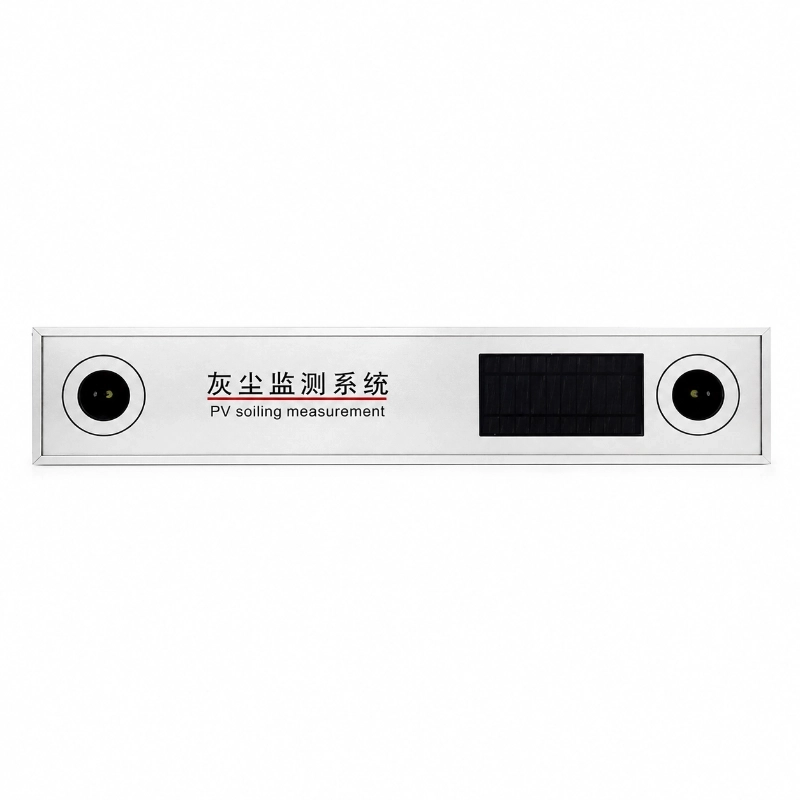
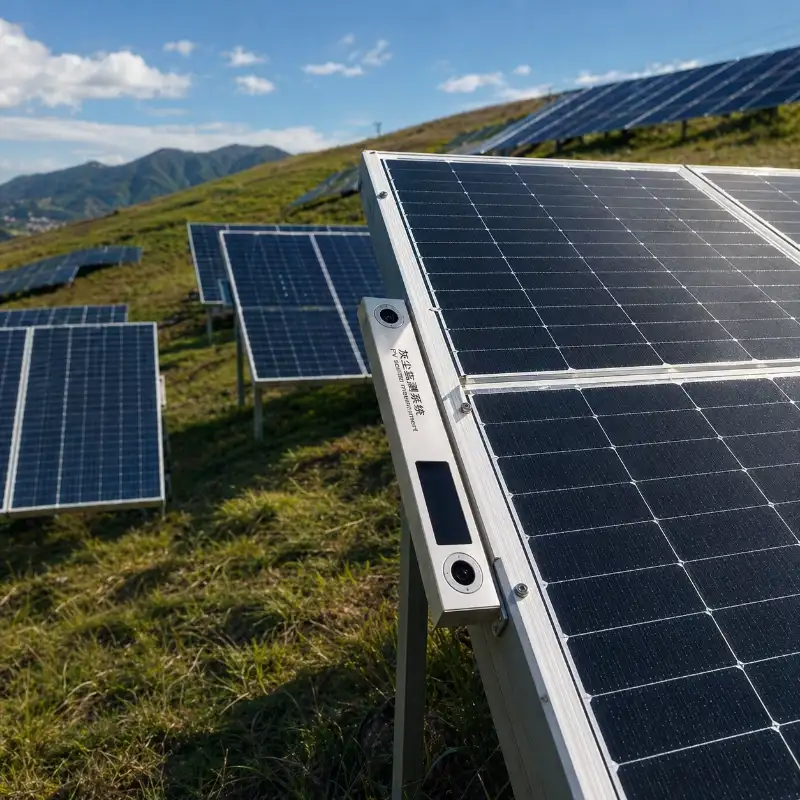
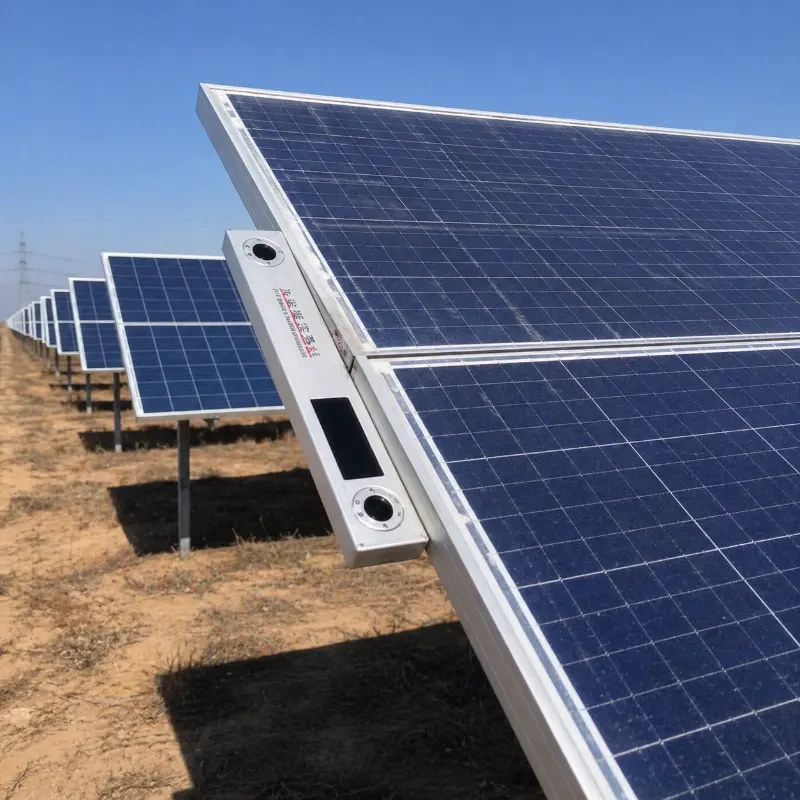
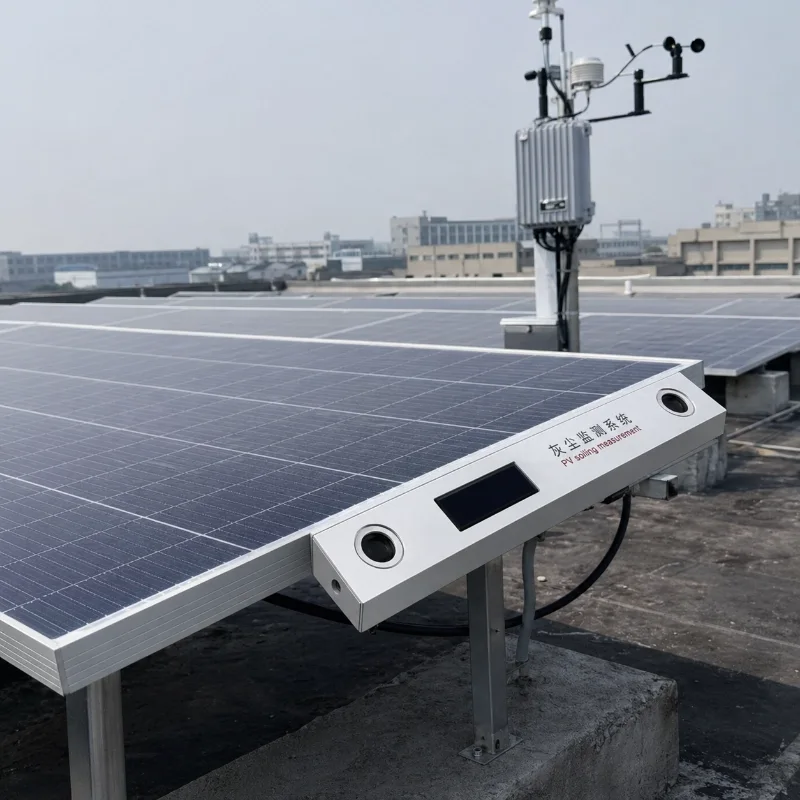
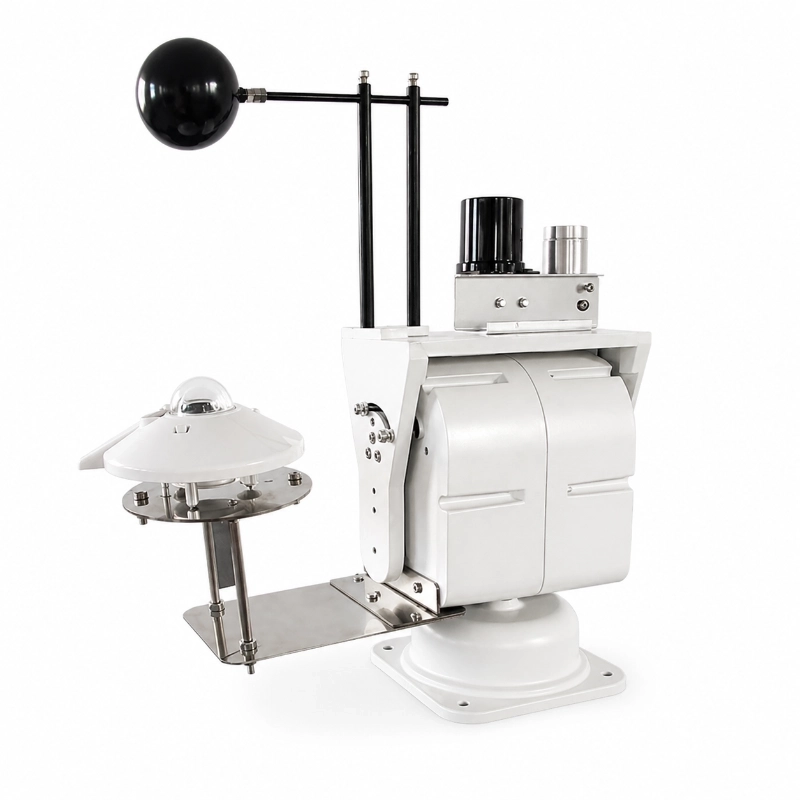
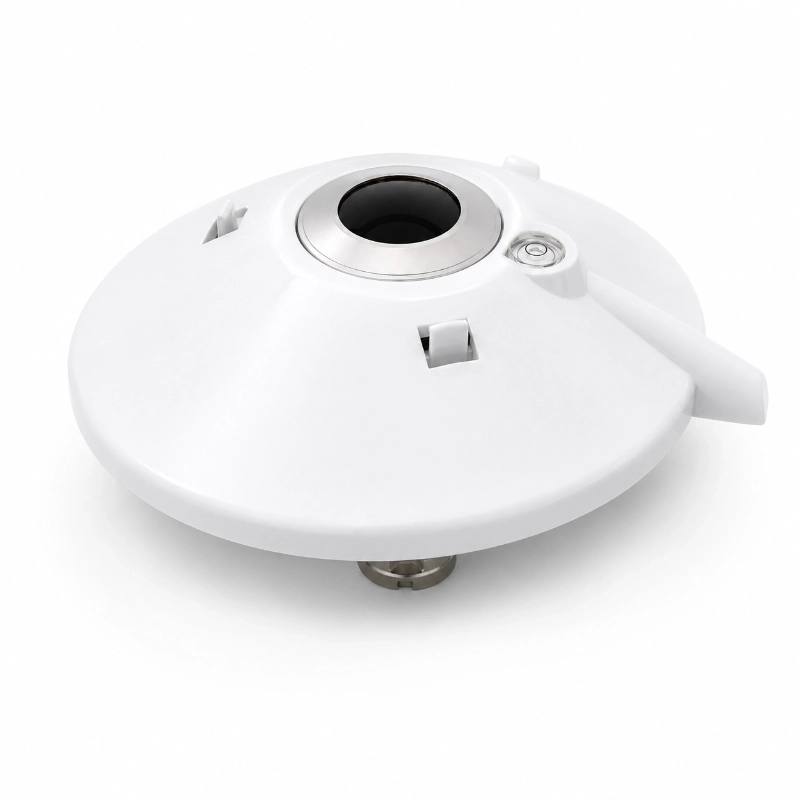
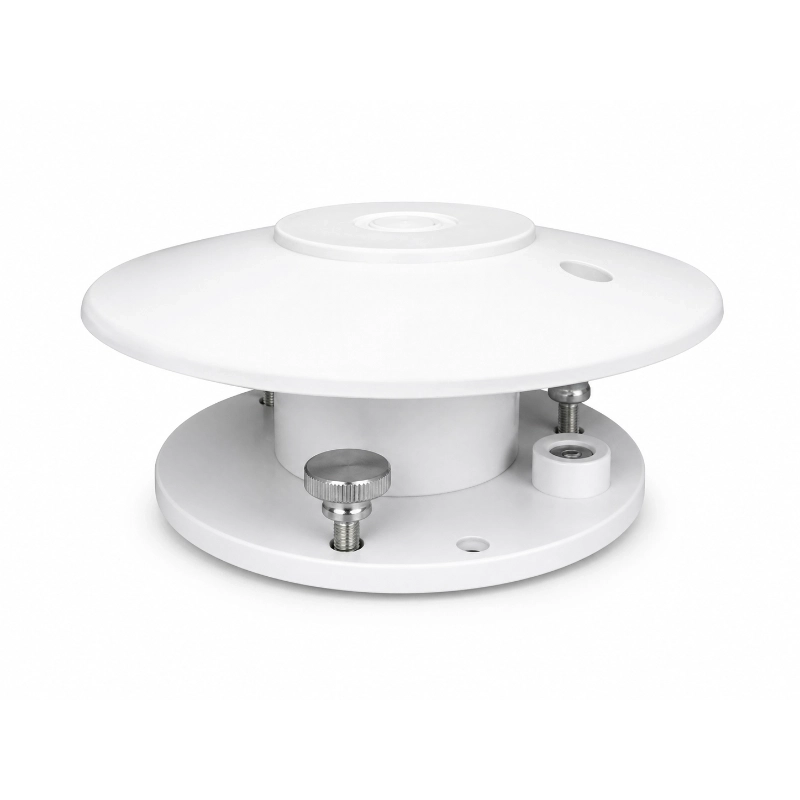
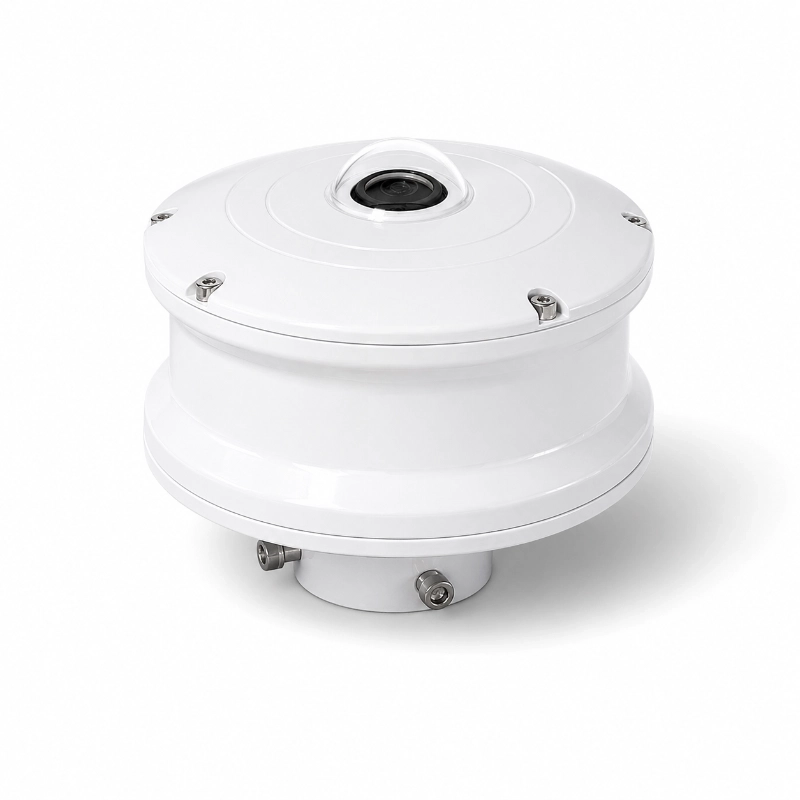
JW-HCS(LC8) Soiling Measurement System is designed for real-time dust and soiling monitoring on photovoltaic panels. Installed beside solar modules, it measures the soiling ratio, transmission loss and panel cleanliness status to help solar plant operators optimize cleaning schedules, reduce power generation loss and improve photovoltaic system efficiency.
2. Product Overview
JW-HCS(LC8) PV Soiling Measurement System is a professional monitoring device for solar power plants, rooftop PV systems and distributed photovoltaic projects. Dust, sand, pollen, bird droppings and other surface contaminants can block sunlight, reduce solar radiation transmission and lower the power output of PV modules. This system provides continuous soiling measurement data to support intelligent operation and maintenance decisions.
Using a closed optical measurement structure with continuous multi-frequency blue light diffuse reflection technology, the system can work day and night without being affected by sunlight conditions. It supports 24-hour effective monitoring, temperature compensation, field calibration and threshold alarm linkage, making it suitable for both large centralized solar farms and distributed rooftop PV installations.
The device can output upper soiling ratio, lower soiling ratio and average soiling ratio, helping users understand the pollution level on PV module surfaces and decide when cleaning is necessary.
Parameter
Model No.
JW-HCS(LC8)
Measurement Principle
Continuous multi-frequency blue light diffuse reflection closed optical technology
Reference Standard
IEC61724-1:2017
Soiling Indicators
Transmission Loss TL Soiling Ratio SR
Monitoring Data
Upper probe data lower probe data dual-probe average data
Calibration PV Panels
2 pieces
Monitoring Duration
24-hour effective data
Testing Interval
1 minute
Monitoring Software
Supported
Threshold Alarm
Upper threshold lower threshold and secondary device linkage
Communication Mode
RS485 optional 4G
Communication Protocol
Modbus
Supporting Software
Available
Module Temperature Sensor
PT100 Class A platinum resistance
GPS Positioning
Optional
Time Output
Supported
Temperature Compensation
Supported
Tilt Angle Detection
Supported
Anti-theft Function
Supported
Working Power Supply
DC 12V to 24V
Power Consumption
Less than 2.5W at DC12V
Operating Temperature
-40°C to 60°C
Protection Grade
IP65
Product Size
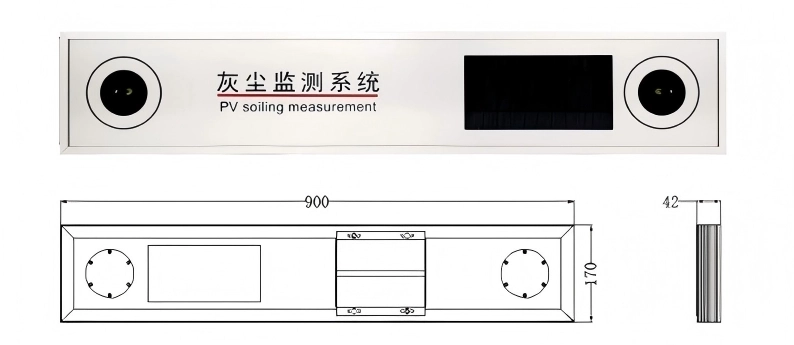
900mm × 170mm × 42mm
Product Weight
3.5kg
Optional Backplane Temperature Sensor
-50°C to 150°C accuracy ±0.2°C resolution 0.1°C
Optional GPS Module
3.3V to 5V 40 to 80mA average positioning accuracy 10m
3. Measurement Accuracy
Soiling Range
Accuracy
90% to 100%
±1% plus 1%FS of reading
80% to 90%
±3%
50% to 80%
±5% after internal precision algorithm processing
Stability
Better than 1% of full scale per year
4.Dimension
5. Output Options and Communication
The PV Soiling Measurement System supports RS485 Modbus output for connection with data loggers, PLC systems, SCADA platforms and solar plant monitoring platforms. Optional 4G communication can be used for remote sites where wired communication is not convenient. The device can also support alarm threshold linkage output for external warning lights, cleaning control systems or other secondary devices.
6. Application Scenarios
Solar Farm Operation and Maintenance: The system helps utility-scale solar plants monitor dust accumulation on PV panels and determine the best cleaning time based on real soiling data instead of fixed cleaning schedules.
Rooftop Photovoltaic Projects: For industrial rooftops and commercial PV projects, the device provides continuous monitoring of panel cleanliness and supports remote maintenance planning.
Distributed PV Stations: The system is suitable for scattered distributed PV sites where manual inspection is costly and real-time soiling data is needed.
Desert and Dusty Area Solar Projects: In dry, sandy or high-dust environments, PV panels are more likely to suffer from soiling loss. The system helps quantify dust impact and reduce energy loss.
7. Why Solar Panel Soiling Monitoring Matters
Dust and surface contamination can reduce the light transmission of photovoltaic modules, lower solar radiation reaching the cells and affect heat dissipation. Over time, this can reduce power generation efficiency and increase maintenance costs. A dedicated PV soiling measurement system allows operators to monitor the real pollution level of solar panels and perform cleaning based on actual data rather than estimation.
This is especially important for solar power plants located in deserts, mining areas, industrial zones, coastal regions and agricultural environments where dust, salt, pollen or airborne particles can accumulate quickly.
8. Recommended Installation
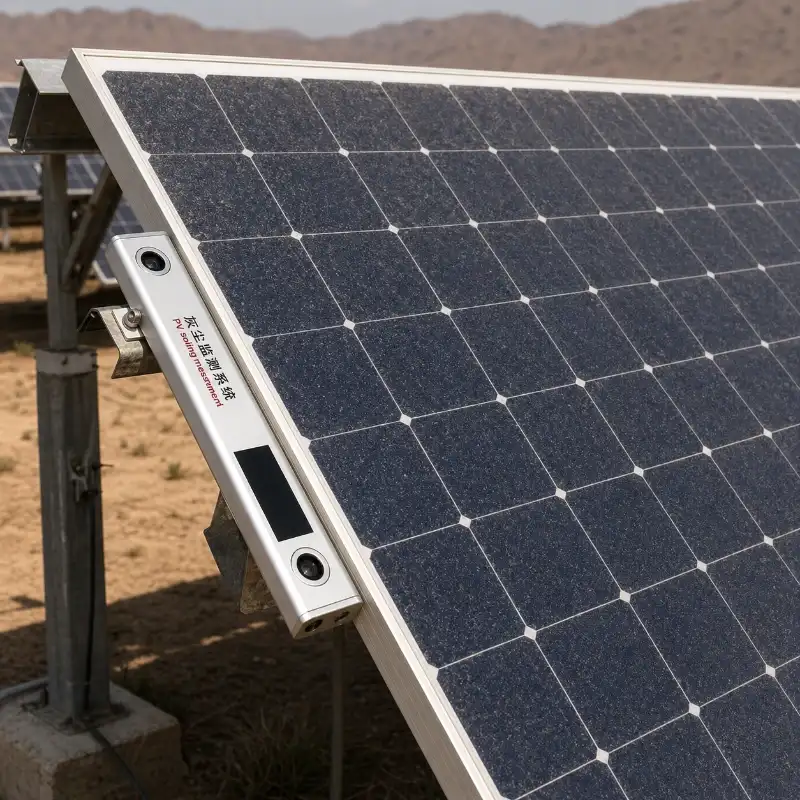
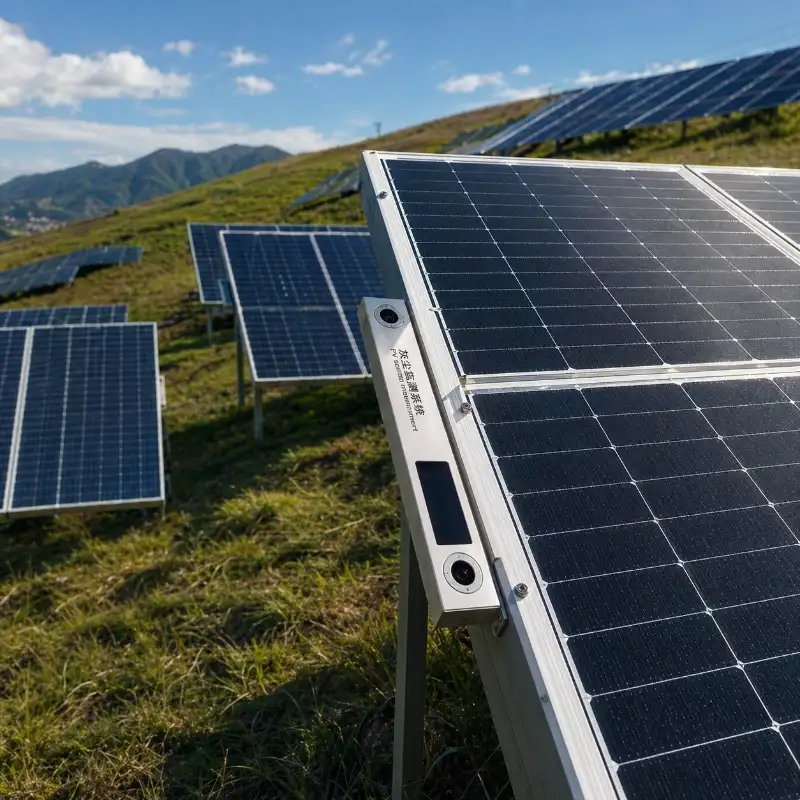
The device is typically installed beside the photovoltaic module or on the PV panel frame. It should be installed in a representative location of the solar array to reflect the actual soiling condition of the site. For large solar farms, multiple monitoring points can be deployed in different zones to compare dust accumulation and cleaning requirements.
FAQ
Q
1. What is a PV soiling measurement system used for?
A
A PV soiling measurement system is used to monitor dust, dirt and surface contamination on solar panels. It helps calculate the soiling ratio and evaluate how much panel pollution may affect photovoltaic power generation.
Q
2. Can this system help reduce solar plant cleaning costs?
A
Yes. By providing real-time soiling data, the system helps operators decide when cleaning is actually needed. This can reduce unnecessary cleaning while preventing power loss caused by excessive dust accumulation.
Q
3. Does the system support 24-hour monitoring?
A
Yes. The system uses an active optical measurement method and can provide effective monitoring data for 24 hours, including nighttime or low-light conditions.
Q
4. Can the device work in outdoor solar farms?
A
Yes. The device is designed for outdoor PV applications with IP65 protection and an operating temperature range of -40°C to 60°C.
Q
5. What communication protocol does the system support?
A
The system supports RS485 Modbus communication. Optional 4G communication is also available for remote monitoring applications.
Q
6. Can JW-IoT provide this PV soiling measurement system for solar farm projects?
A
Yes. JW-IoT can provide PV soiling measurement systems for solar farms, rooftop PV stations and distributed solar monitoring projects, including device selection and integration support.
Q
7. Does the system support alarm threshold settings?
A
Yes. Users can set upper and lower alarm thresholds. The system can also support linkage with secondary devices for cleaning reminders or alarm notification.
Q
8. Is GPS positioning available?
A
Yes. GPS positioning is optional and can be used for site location management in large solar power plants or distributed PV projects.
Q
9. Can JW-IoT support integration with an existing monitoring platform?
A
Yes. JW-IoT can support integration through RS485 Modbus output and project-based data communication requirements, depending on the customer’s monitoring platform.
Q
10. What data can the system output?
A
The system can output upper probe data, lower probe data, average soiling ratio, device status data, temperature data, linkage signals and other monitoring information.
Q
11. Is the system suitable for dusty desert solar plants?
A
Yes. The system is especially useful for solar projects in desert, semi-arid, industrial or high-dust environments where soiling loss can significantly affect power generation.
Q
12. Can JW-IoT provide OEM or project customization?
A
Yes. JW-IoT can support project-based customization, including communication options, platform integration, installation guidance and OEM requirements based on specific solar monitoring projects.
 +86 13520127780
  info@jingelway.com