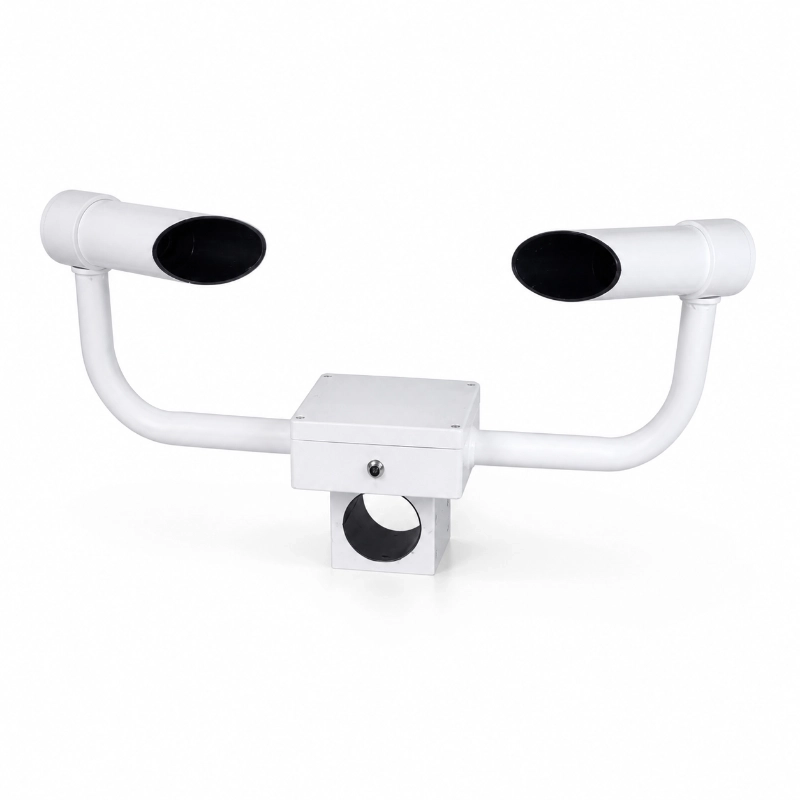
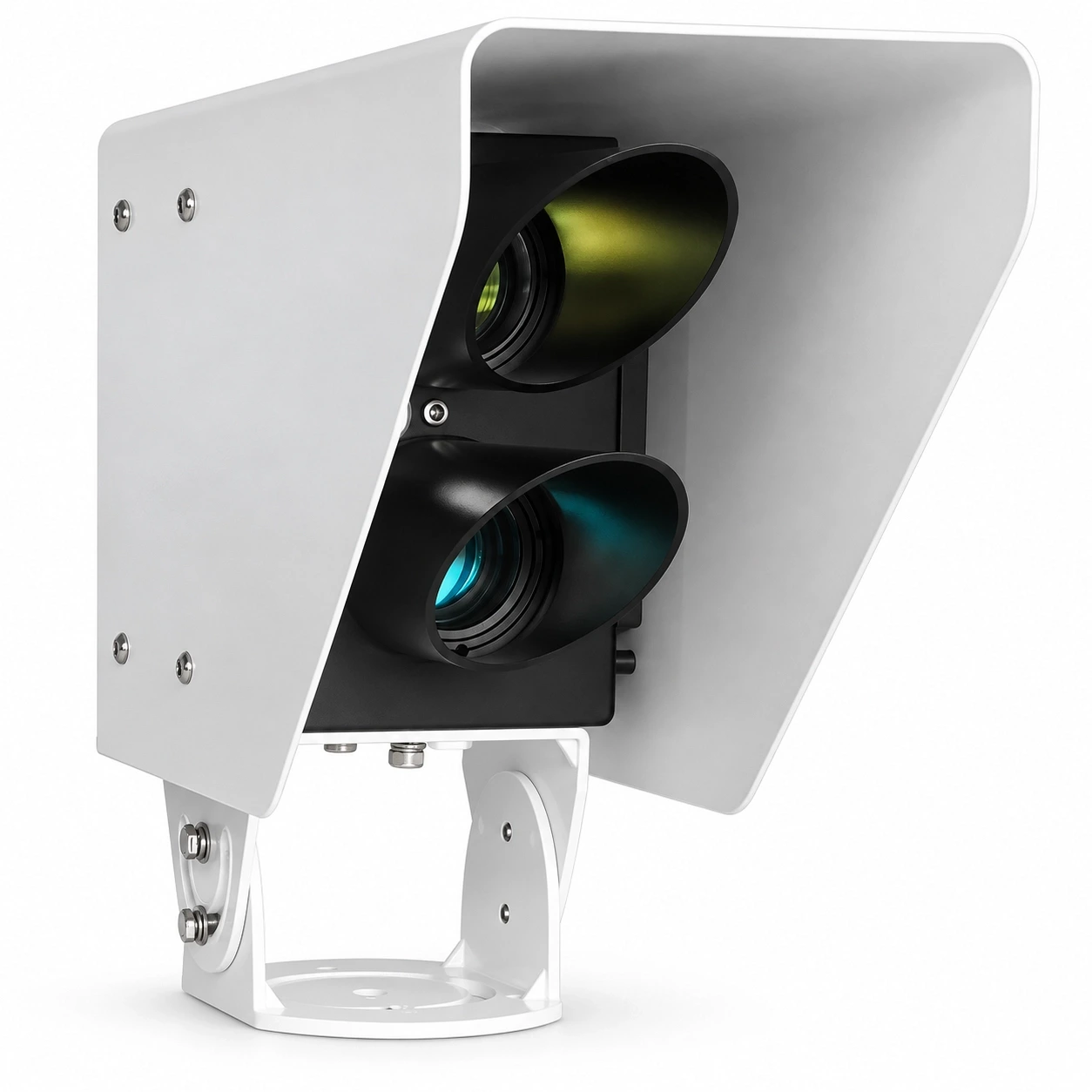
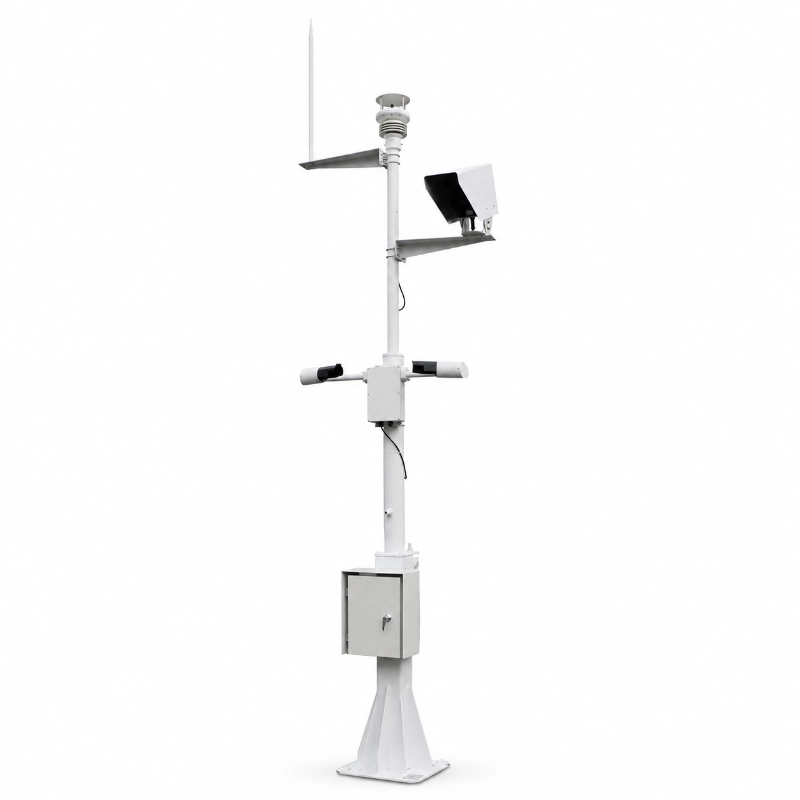
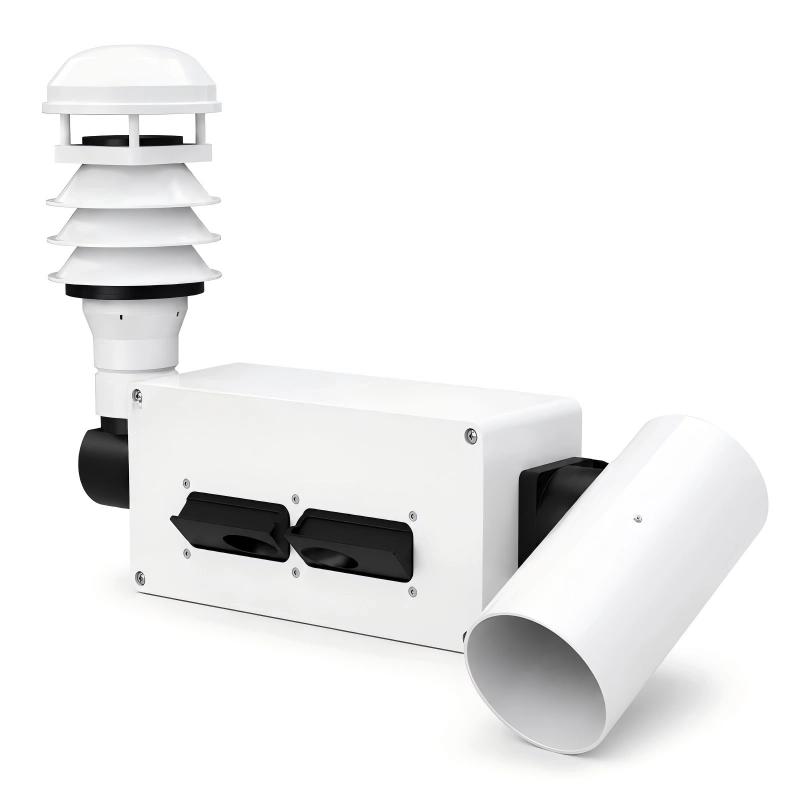
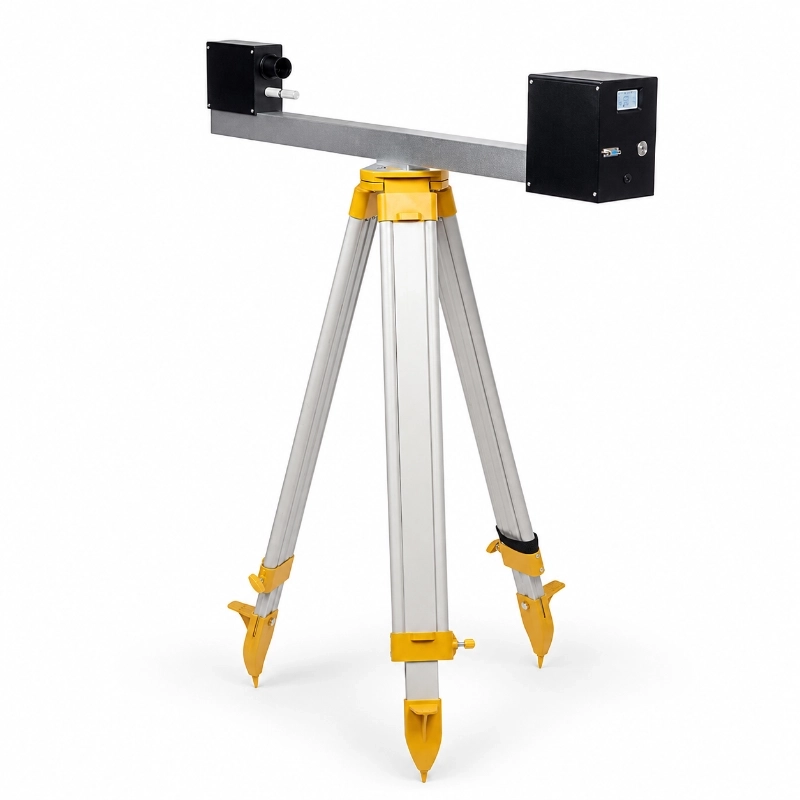
JW-CQ10(YN09)visibility sensor is an optical forward scattering weather monitoring device designed to measure meteorological optical range in real time. With a 10m to 10km measuring range, RS485 Modbus output, low power consumption and built in heating, it is suitable for road weather stations, airport weather monitoring, port visibility observation, smart transportation systems and environmental monitoring networks.
2. Product Overview
JW-CQ10(YN09)visibility sensor measures ground level atmospheric visibility by detecting light scattering caused by aerosol particles, fog, dust, smoke and other suspended particles in the air. It uses the forward scattering principle with a selected 850nm optical wavelength and a 35–50° scattering angle to calculate atmospheric extinction and output visibility distance.
The sensor can continuously monitor visibility conditions in the installation area and provide data for traffic safety, aviation, marine navigation, military weather observation, air pollution monitoring and atmospheric research. It supports RS485 standard Modbus protocol, making it easy to integrate with automatic weather stations, road weather information systems, data loggers, IoT gateways and cloud monitoring platforms.
Item
Specification
Product Type
Optical Visibility Sensor
Measurement Principle
Forward scattering
Measuring Range
10m to 10km
Accuracy
≤2km ±2% 2km to 10km ±5%
Output Signal
RS485 Standard Modbus Protocol
Data Update Interval
15s and 60s
Working Voltage
DC12V to 24V
Power Consumption
Non heating ≤2W Heating ≤6W
Operating Temperature
-40℃ to 60℃
Operating Humidity
0 to 100%RH
Storage Temperature
-50℃ to 85℃
Weight
<10kg
Communication Baud Rate
Default 9600
Data Bits
8
Stop Bit
1
Parity
None
Installation
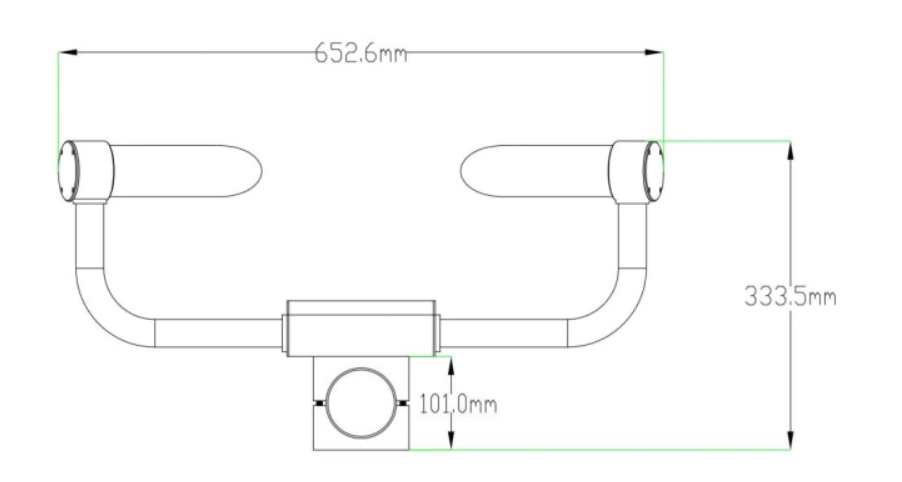
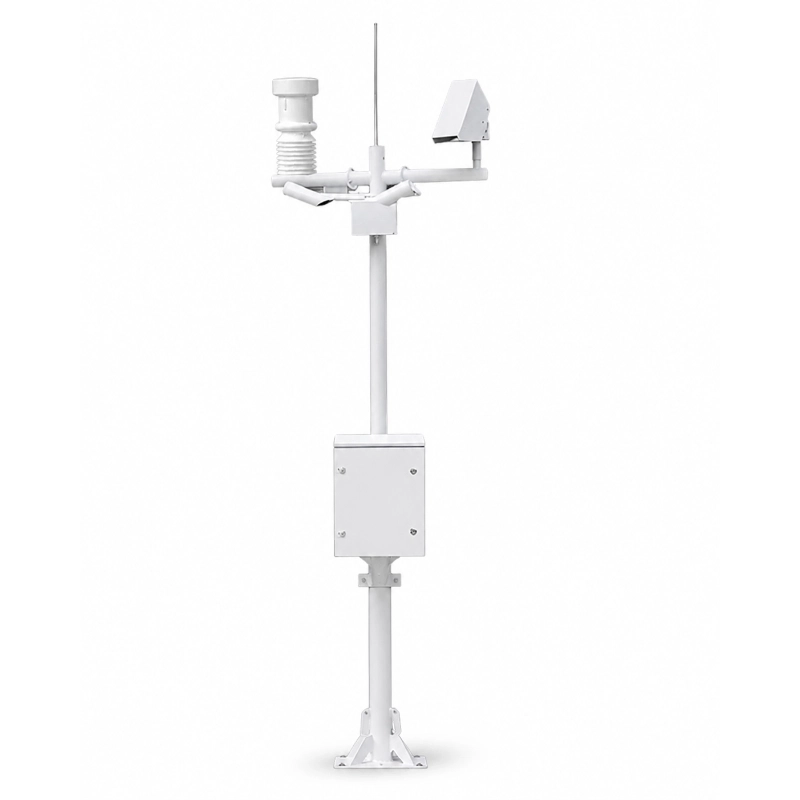
Pole mounted
Main Components
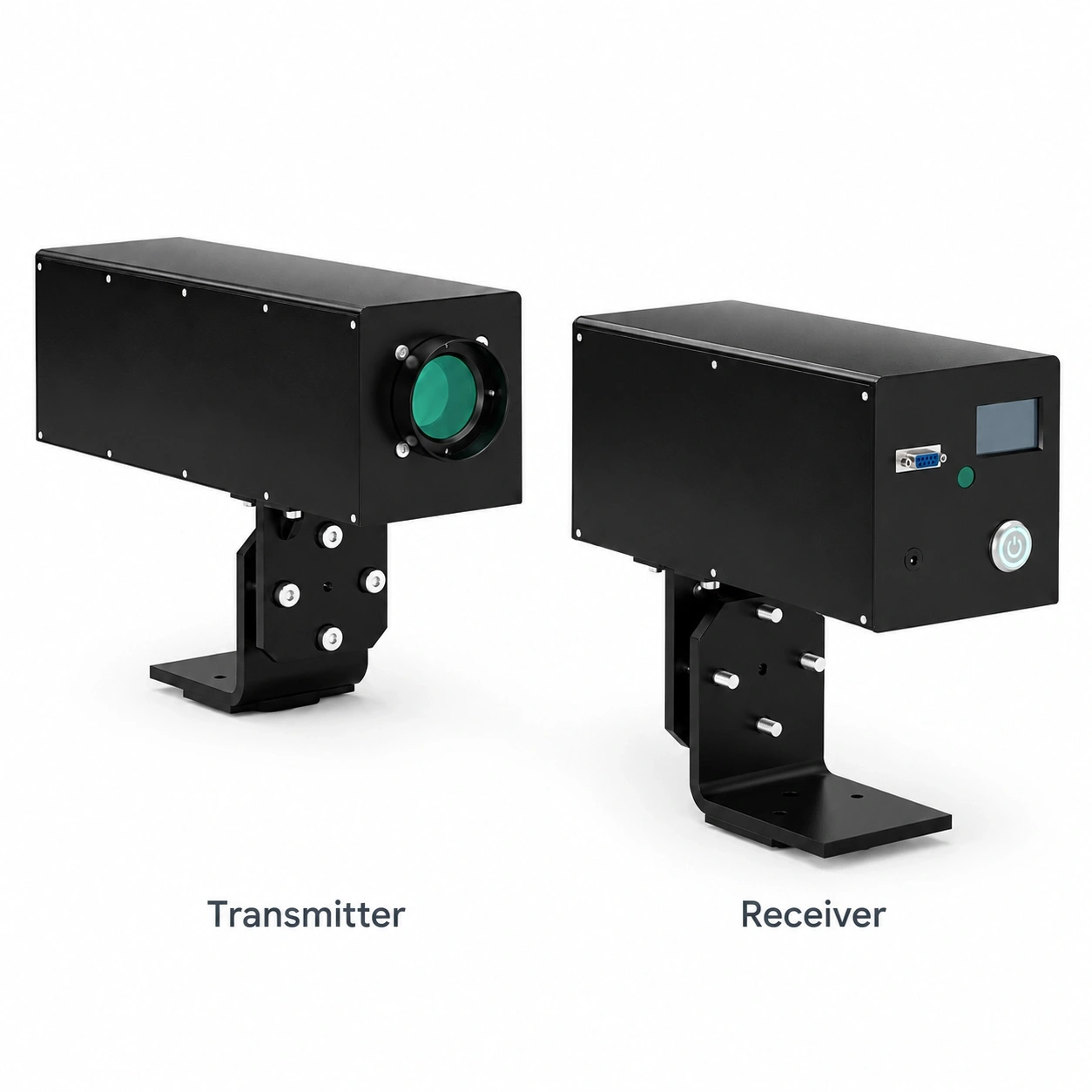
Optical transmitter optical receiver heating component control unit
3. Application Scenarios
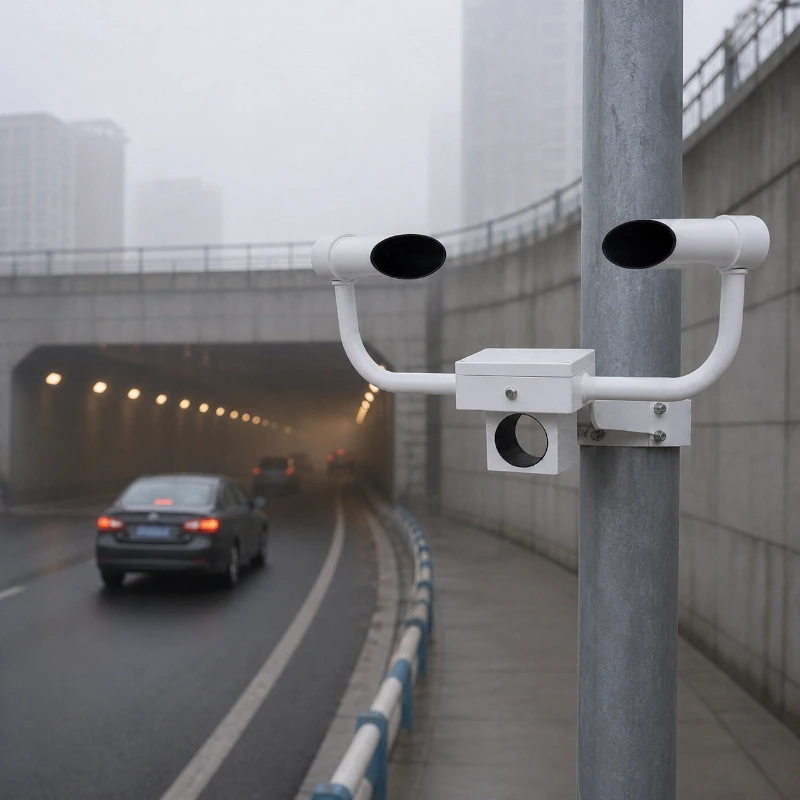
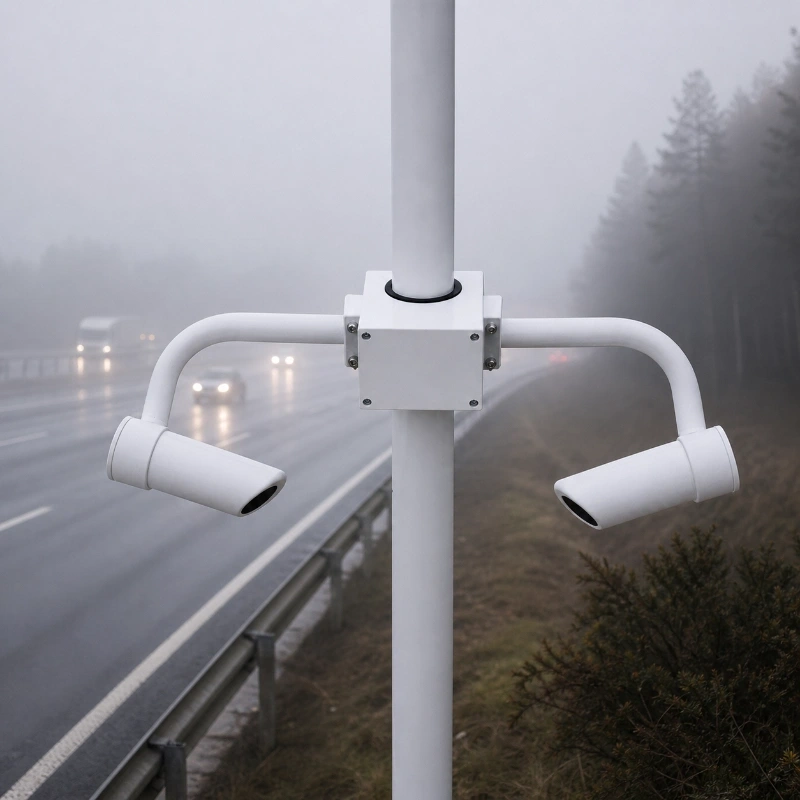
Road Weather and Highway Safety: The visibility sensor can be installed along highways, expressways, bridges, tunnels and mountain roads to monitor fog, haze, dust and low visibility events. It helps traffic operators issue early warnings and improve road safety during poor weather conditions.
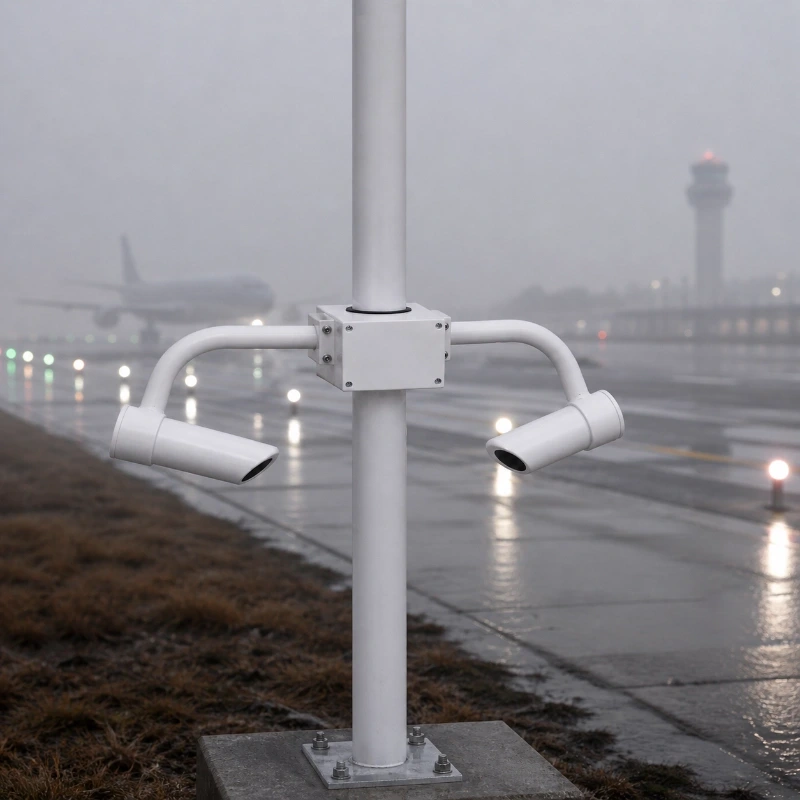
Airport and Aviation Weather Monitoring: For airport meteorological systems, the sensor provides real time visibility distance data to support runway safety, takeoff and landing decisions, and automated weather observation systems.
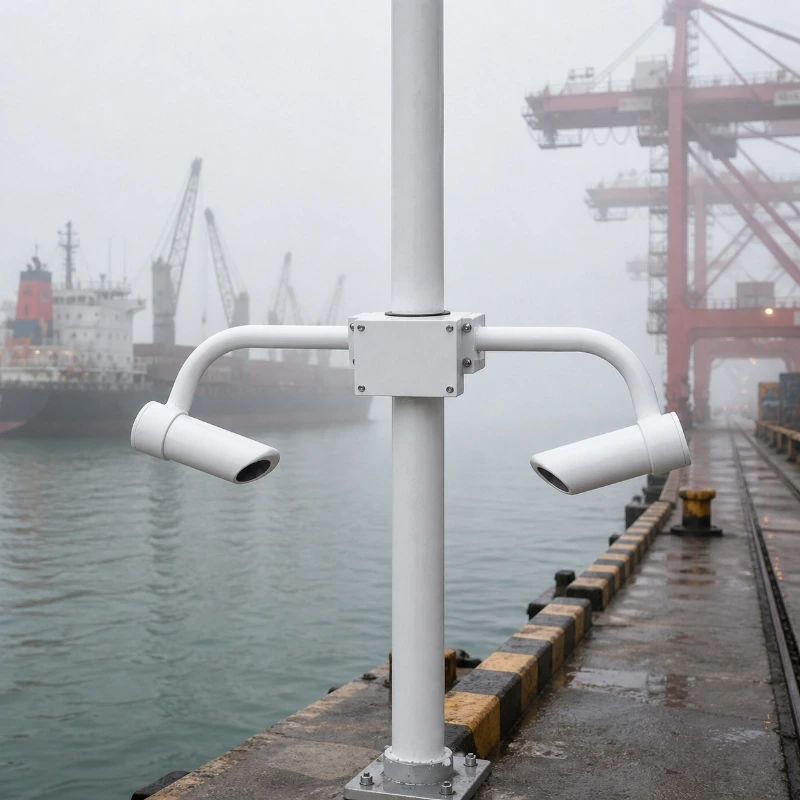
Port Marine and Coastal Monitoring: The device can be used in ports, harbors, coastal monitoring stations and marine navigation areas where fog and low visibility directly affect vessel operation and safety.
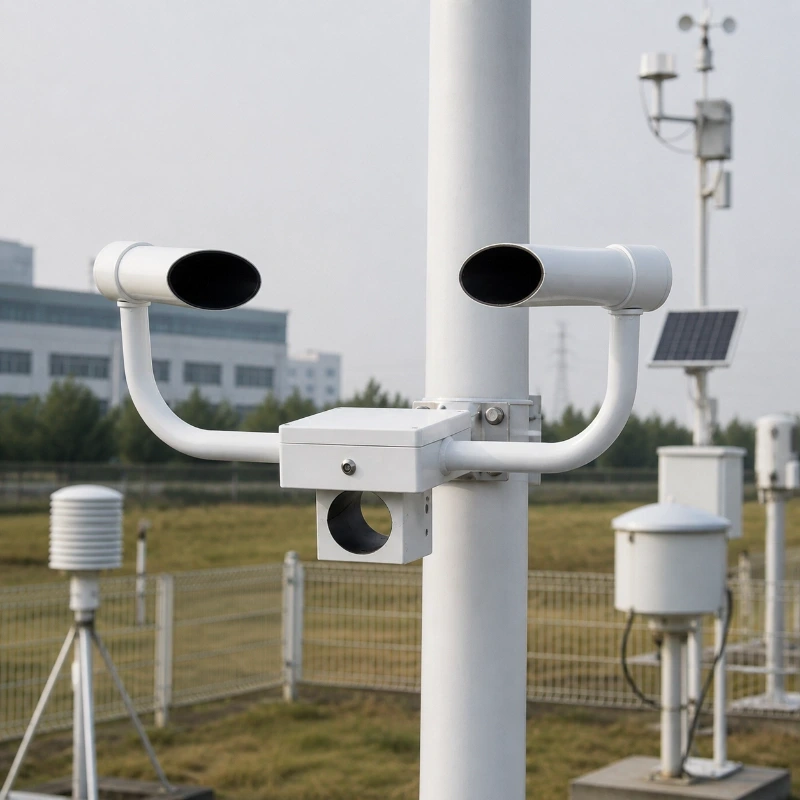
Smart City and Environmental Monitoring: The sensor can be integrated into smart city weather stations and environmental monitoring networks to monitor haze, dust pollution, smoke and visibility changes in urban areas.
Military and Research Weather Observation: With stable optical measurement and RS485 communication, the sensor is suitable for military weather stations, field observation sites and atmospheric physics research projects.
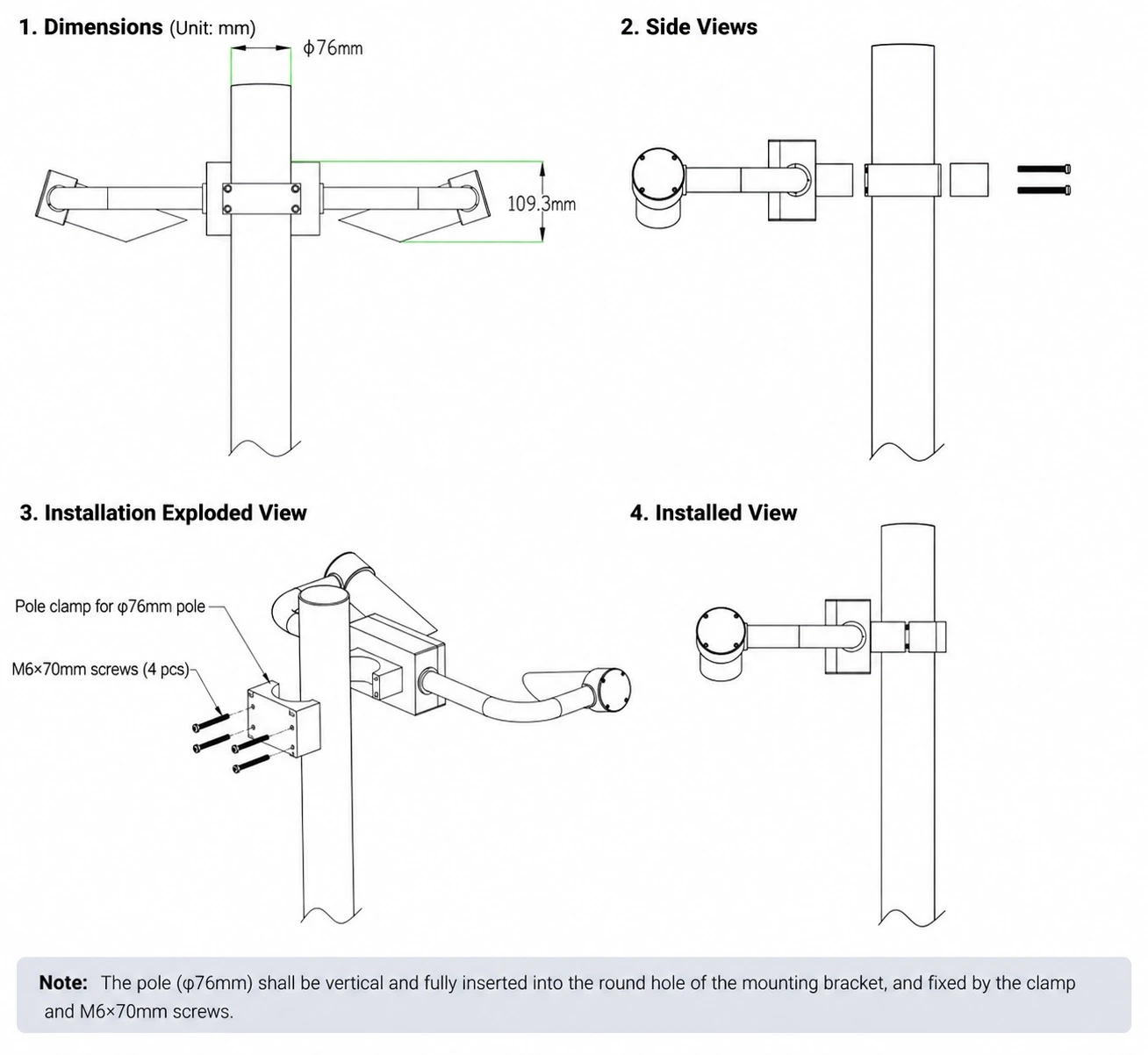
4. Installation Method
FAQ
Q
1. What is a visibility sensor used for?
A
A visibility sensor is used to measure meteorological optical range and monitor fog, haze, dust, smoke and other low visibility conditions in real time.
Q
2. What measuring range does this visibility sensor support?
A
This sensor supports a visibility measuring range from 10m to 10km, suitable for road weather, aviation, marine and environmental monitoring applications.
Q
3. Does the sensor support RS485 Modbus communication?
A
Yes. The sensor supports RS485 standard Modbus protocol, making it easy to connect with data loggers, RTUs, gateways and weather monitoring platforms.
Q
4. Can JW-IoT integrate this visibility sensor into weather stations?
A
Yes. JW-IoT can integrate the visibility sensor with automatic weather stations, road weather systems, smart transportation platforms and IoT cloud monitoring solutions.
Q
5. Is this visibility sensor suitable for outdoor installation?
A
Yes. It supports -40℃ to 60℃ operating temperature, 0 to 100%RH humidity and pole mounted installation for outdoor field deployment.
Q
6. Does the sensor have heating function?
A
Yes. The sensor includes a built in heating component. The power consumption is ≤2W without heating and ≤6W in heating mode.
Q
7. What installation environment should be avoided?
A
Avoid locations near tall buildings, reflective surfaces, pollution sources, obstacles in the optical path, direct sunlight entering the receiver and strong infrared interference.
Q
8. Can JW-IoT provide visibility monitoring for highway fog warning systems?
A
Yes. JW-IoT can provide visibility monitoring devices and system integration for highway fog warning, road weather stations and smart transportation safety projects.
Q
9. What industries can use this visibility sensor?
A
It can be used in transportation, aviation, marine navigation, environmental monitoring, military weather observation, atmospheric research and smart city weather networks.
 +86 13520127780
  info@jingelway.com