HomeProductsTraffic SensorsSplit-Type Atmospheric Transmissometer for Road Visibility and Tunnel Smoke Monitoring
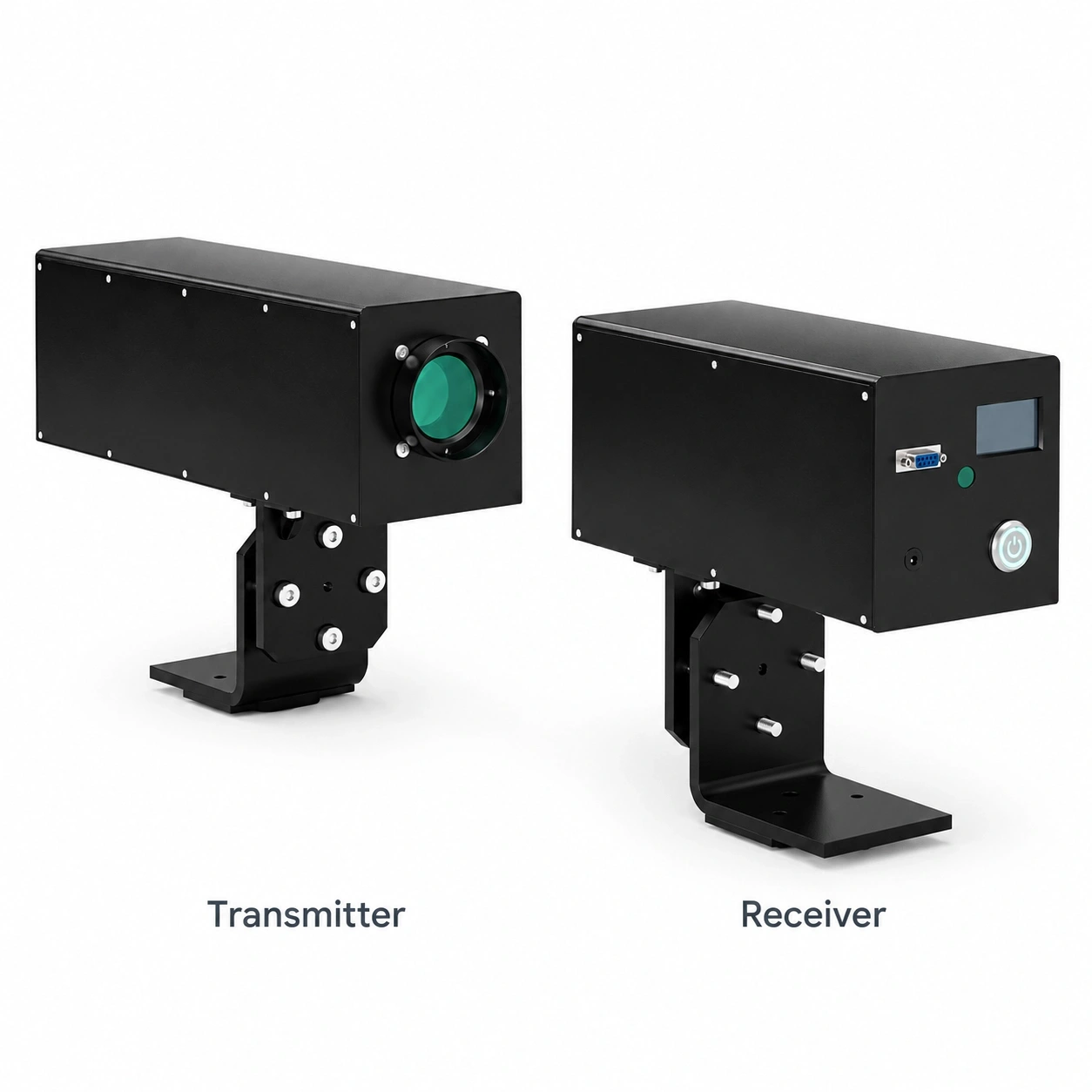
  • split-type-atmospheric-transmissometer-transmitter-receiver
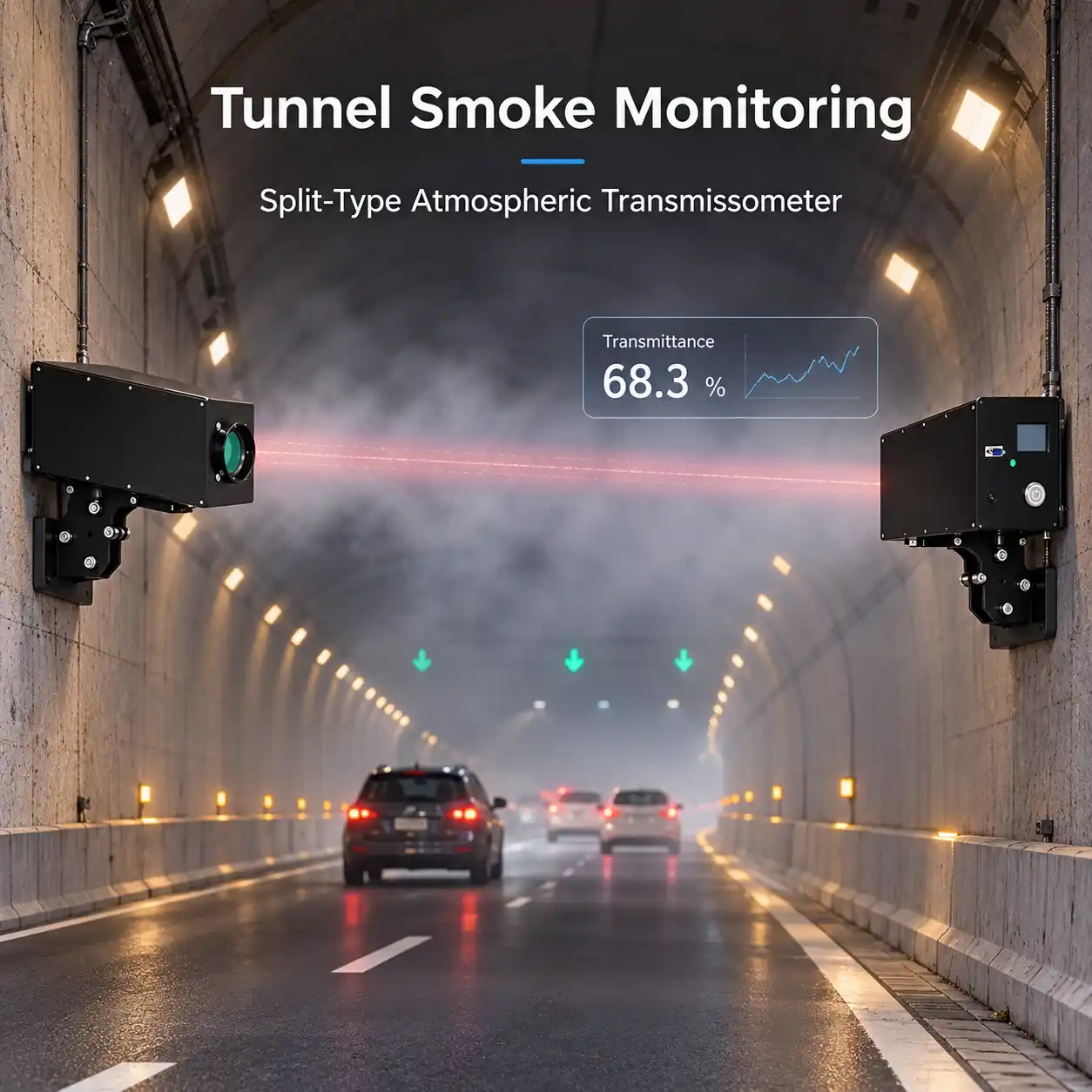
  • tunnel-smoke-monitoring-atmospheric-transmissometer
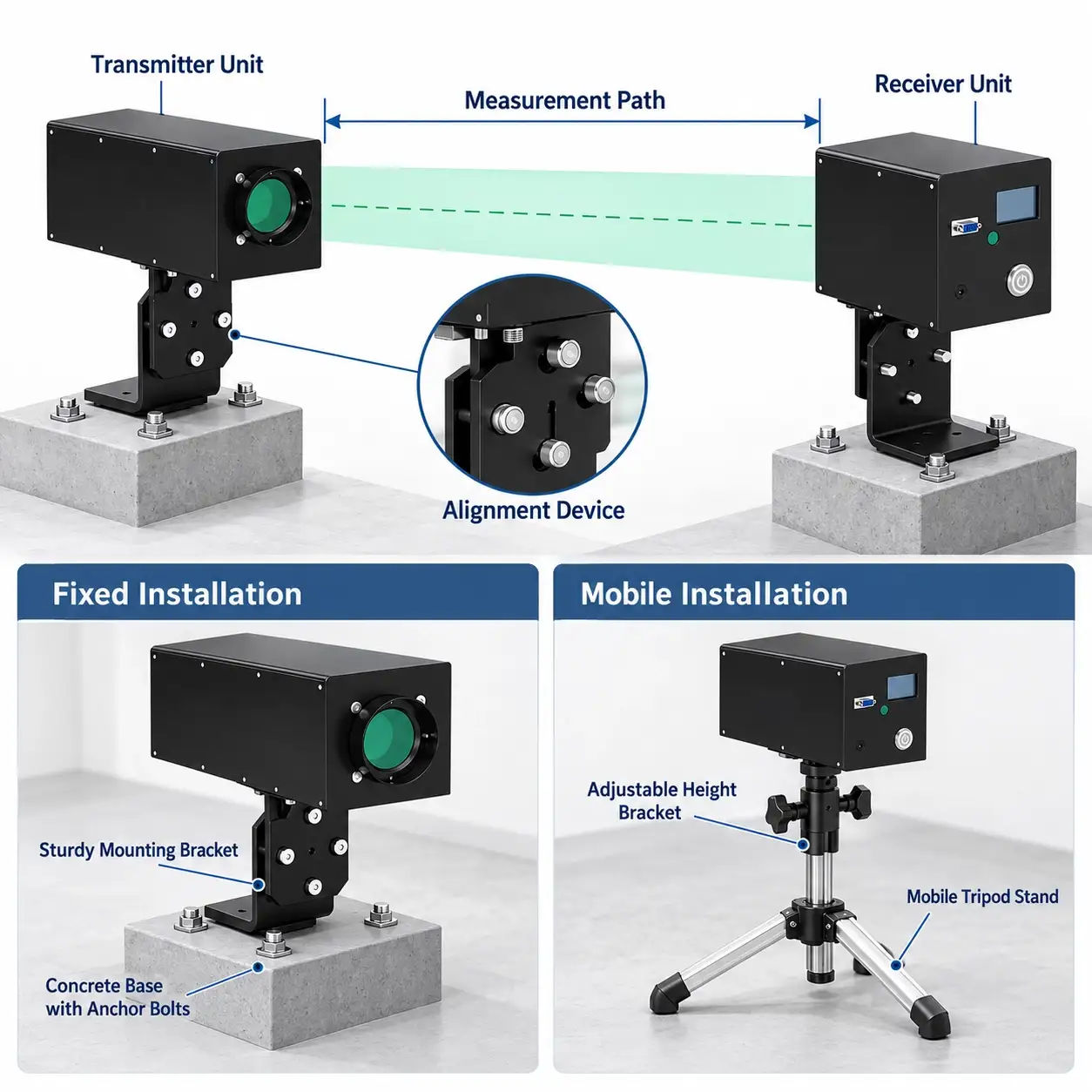
  • split-type-transmissometer-installation-methods

Split-Type Atmospheric Transmissometer for Road Visibility and Tunnel Smoke Monitoring

Key Features

  • Optical transmittance measurement: 0–100% measuring range.

  • Road visibility measurement: 2–10,000 m.

  • Tunnel smoke monitoring: Measures optical smoke concentration for tunnel inspection and acceptance applications.

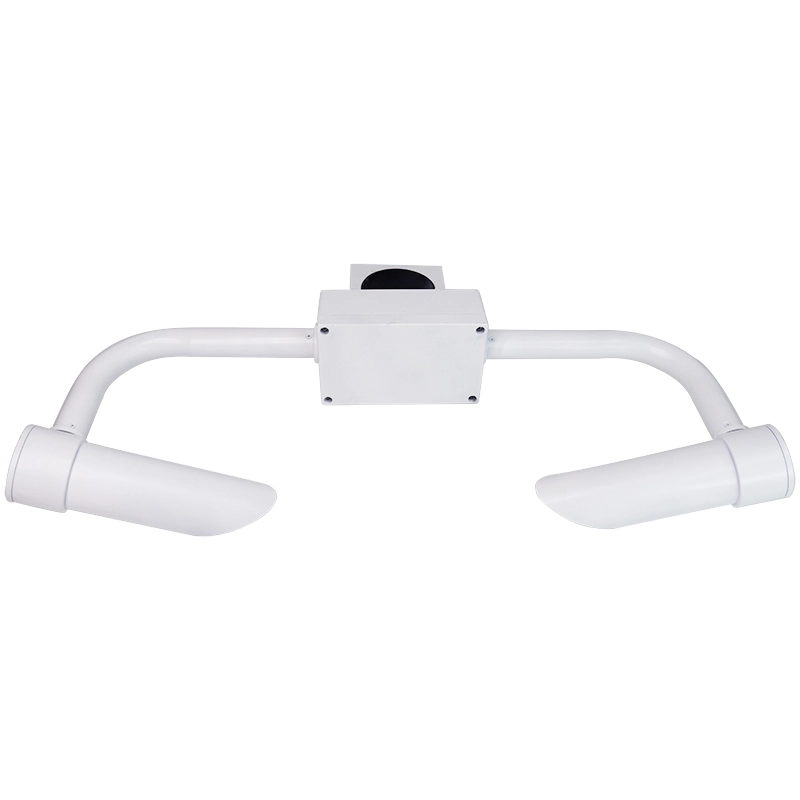
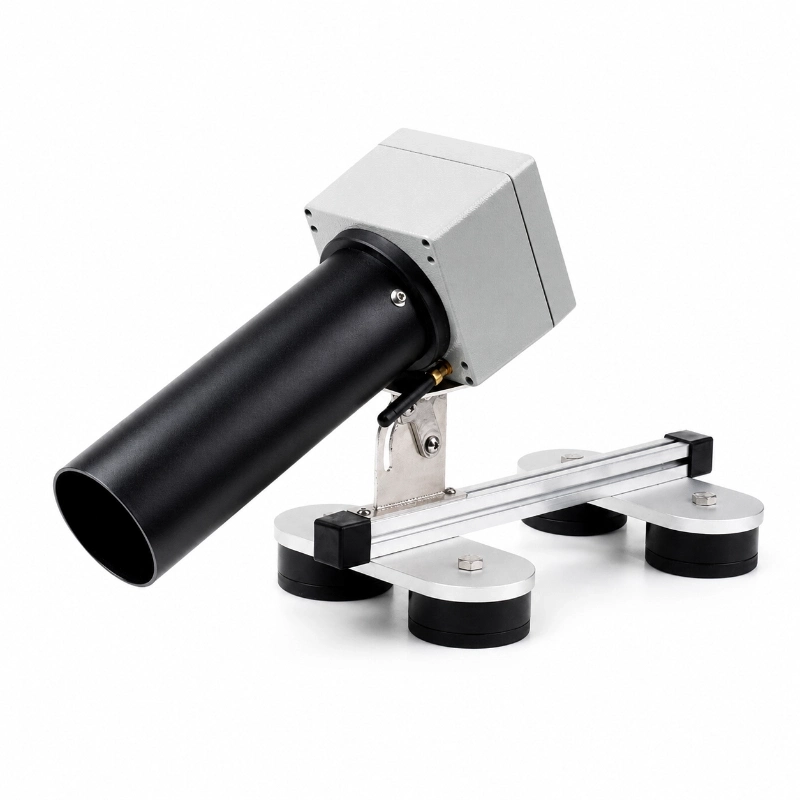
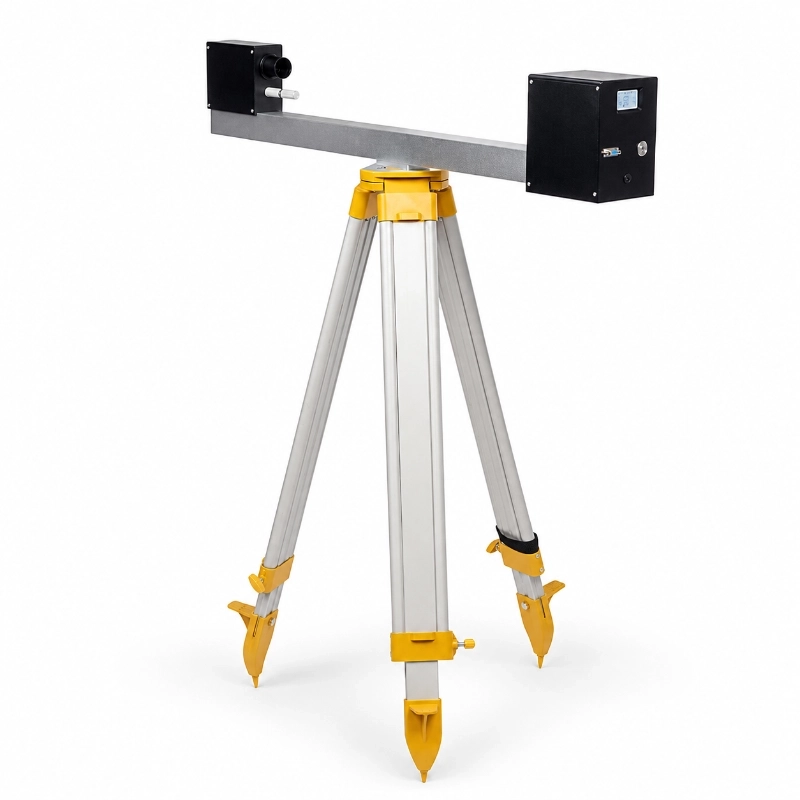
  • Split-type optical structure: Separate transmitter and receiver units.

  • LCD display: Real-time digital and character display.

  • Local data logging: More than 72 hours of data storage.

  • PC software: Supports synchronized data display, storage, and Excel export.

  • Communication interfaces: RS232, RS485, and USB.

  • Flexible installation: Mobile and fixed installation options.

  • IP65 protection: Designed for environmental monitoring applications.

Product Description

The JW-VT100M Split-Type Atmospheric Transmissometer is an optical measurement instrument designed for atmospheric transmittance testing, road visibility measurement, and tunnel smoke concentration assessment.

Using a transmitter-and-receiver configuration, the instrument measures light transmission along an optical path and provides measurement results for road and tunnel environmental monitoring.

With a visibility measurement range of 2–10,000 m, transmittance range of 0–100%, LCD display, local data storage, and RS232/RS485/USB communication interfaces, the instrument is suitable for engineering inspections, tunnel acceptance testing, and atmospheric visibility assessment.

The system supports both mobile and fixed installation arrangements.

1. Product Overview

What Is an Atmospheric Transmissometer?

An atmospheric transmissometer is an optical instrument that measures the amount of light transmitted through a defined atmospheric path.

When light travels through fog, haze, smoke, or other airborne particles, a portion of the light is scattered or absorbed. By measuring the reduction in transmitted light, a transmissometer can assess atmospheric optical transmission.

The JW-VT100M uses this measurement principle to provide atmospheric transmittance, visibility, and optical smoke concentration measurements.

Split-Type Measurement Configuration

The instrument consists of three main components:

  1. Optical transmitter
  2. Optical receiver
  3. Measurement and data-processing software

The transmitter and receiver are positioned across the measurement path.

An optical alignment device assists installation and commissioning. Measurement values can be displayed on the LCD and recorded using the accompanying PC software.

Unlike a forward-scattering visibility sensor, a transmissometer measures light transmission along an optical path between separated optical components.

This configuration is particularly relevant to tunnel smoke inspection and optical transmittance testing.

2. Technical Specifications

Parameter Specification
Product Model JW-VT100M
Instrument Type Split-Type Atmospheric Transmissometer
Measurement Principle Optical Transmittance
Visibility Range (VI) 2–10,000 m
Transmittance Range (T) 0–100%
Smoke Concentration (K) 0–35 × 10⁻³ m⁻¹*
Transmittance Measurement Error ±2%
Display LCD, Digital and Character Display
Operating Temperature -55°C to +65°C
Operating Humidity 0–100% RH
Communication Interfaces RS232 / RS485 / USB
AC Power Supply 220 V AC ±15%, 50 Hz
DC Power Supply 12 V DC
Local Data Storage More Than 72 Hours
Protection Rating IP65
Installation Mobile or Fixed
Total Weight 18 kg, Including Instrument, Case and Mounting Support

*The smoke concentration exponent and unit should be confirmed against the official technical manual before publication.

3. Working Principle of the Optical Transmissometer

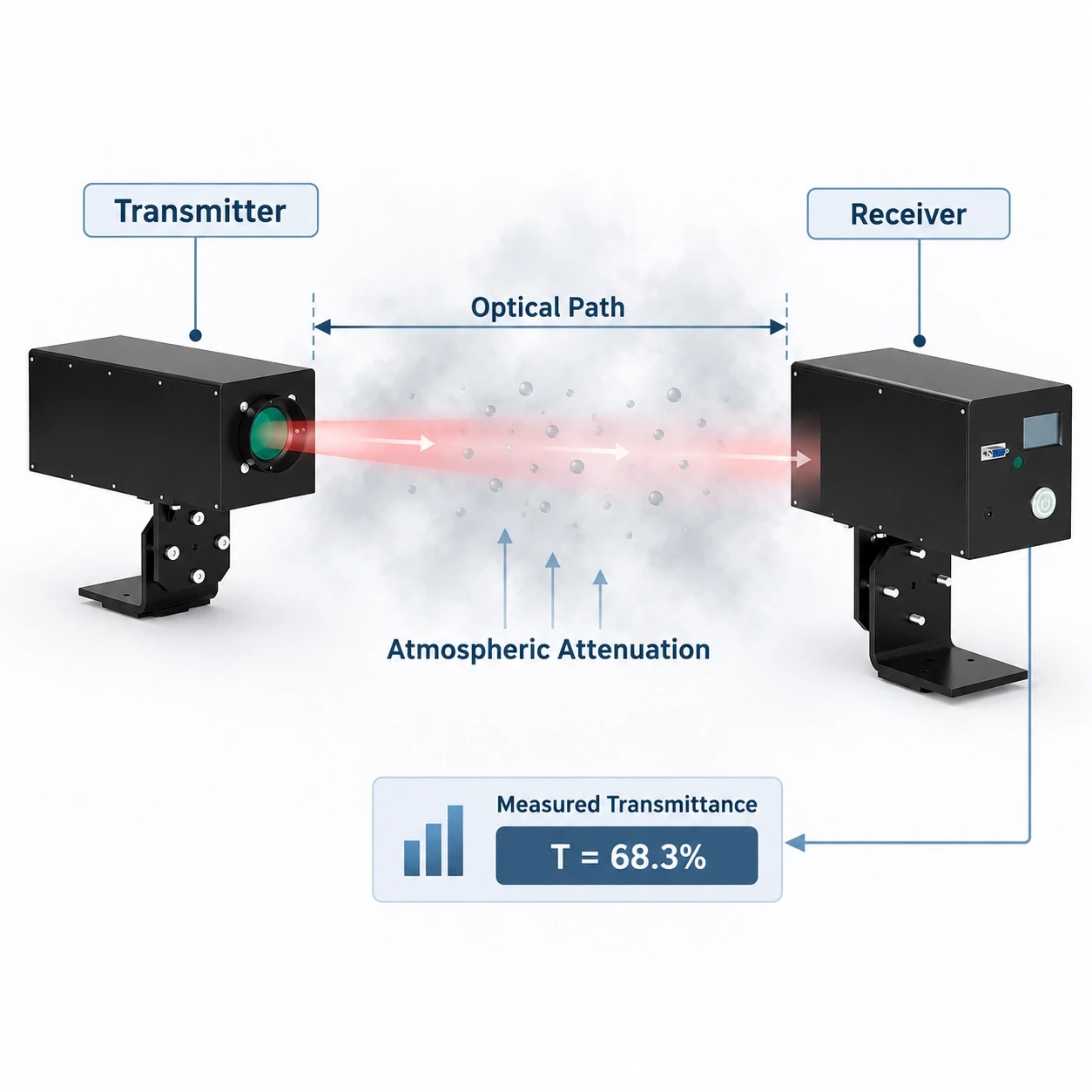
The JW-VT100M uses the optical transmittance principle to evaluate the transmission of light through the atmosphere.

The measurement process includes:

Step 1: Light Transmission

The optical transmitter directs light toward the receiver across the measurement path.

Step 2: Atmospheric Attenuation

Suspended particles, such as fog droplets, dust, or smoke, reduce the amount of light reaching the receiver.

Step 3: Optical Signal Detection

The receiver detects the transmitted optical signal, allowing the system to determine atmospheric transmittance.

Step 4: Measurement Processing

The instrument processes the optical measurement to provide relevant visibility and smoke concentration results.

Step 5: Data Display and Storage

Measurement results are displayed through the LCD and can be recorded using the PC software for subsequent analysis.

Atmospheric transmittance represents the proportion of light transmitted through the optical path.

The relationship between transmission, optical extinction, and visibility depends on the optical measurement geometry and applicable calculation method.

atmospheric-transmissometer-optical-path-principle

4. Main Applications

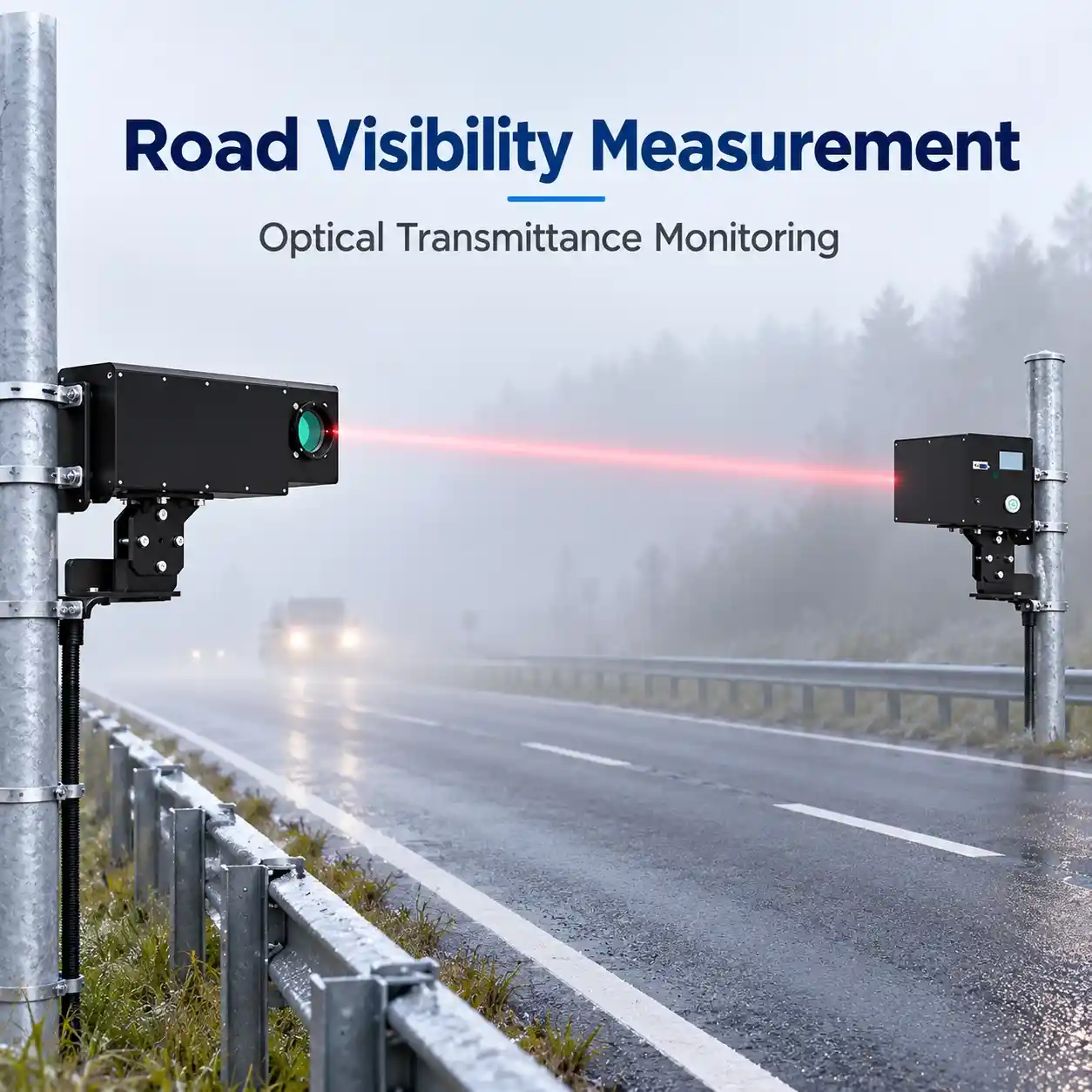
4.1 Road Visibility Measurement

Low visibility caused by fog, haze, and other atmospheric conditions creates challenges for road inspection and traffic safety assessment.

The JW-VT100M can measure road visibility under different weather conditions.

Typical applications include:

  • Highway visibility inspection
  • Road environmental measurement
  • Fog and haze visibility assessment
  • Visibility data collection for engineering investigations

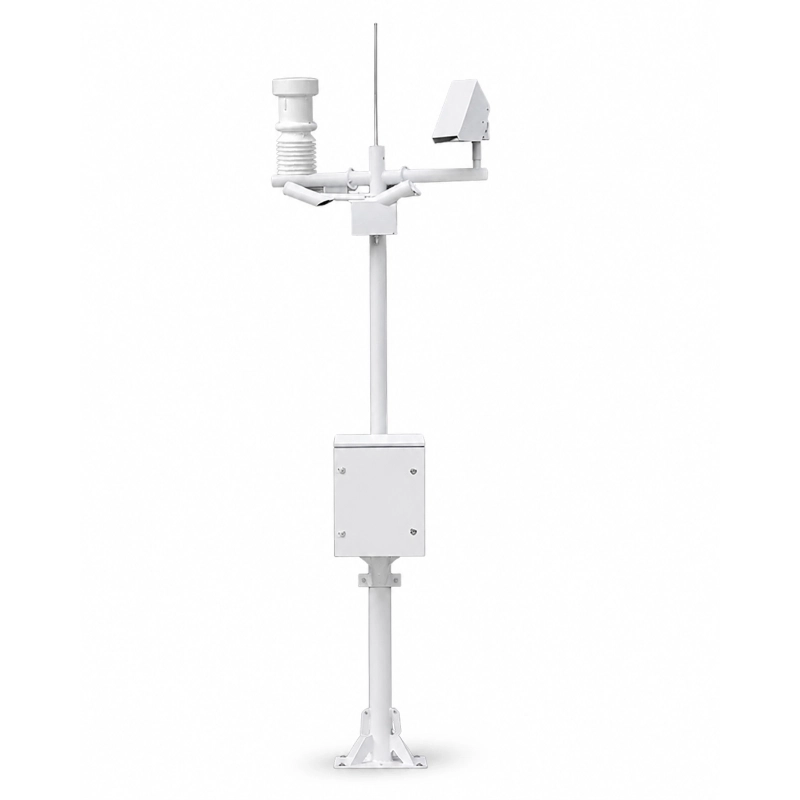
For broader roadside environmental monitoring, the instrument can be considered alongside a Road Weather Station for Highway Safety Monitoring.

road-visibility-monitoring-transmissometer

4.2 Tunnel Smoke Concentration Measurement

Smoke concentration is an important parameter in tunnel environmental inspections.

The JW-VT100M supports optical smoke concentration measurement and can be used for tunnel completion and acceptance testing.

Typical applications include:

  • Tunnel smoke concentration inspection
  • Tunnel environmental acceptance measurement
  • Optical transmission assessment inside tunnels
  • Engineering testing and verification

The optical measurement helps engineers assess changes in light transmission caused by suspended particles.

tunnel-smoke-monitoring-atmospheric-transmissometer

4.3 Atmospheric Optical Transmittance Testing

The instrument is suitable for atmospheric transmittance measurement under different environmental conditions.

Possible applications include:

  • Atmospheric optical measurement
  • Environmental field investigations
  • Visibility testing under varying weather conditions
  • Optical attenuation studies

5. Data Display, Storage and Export

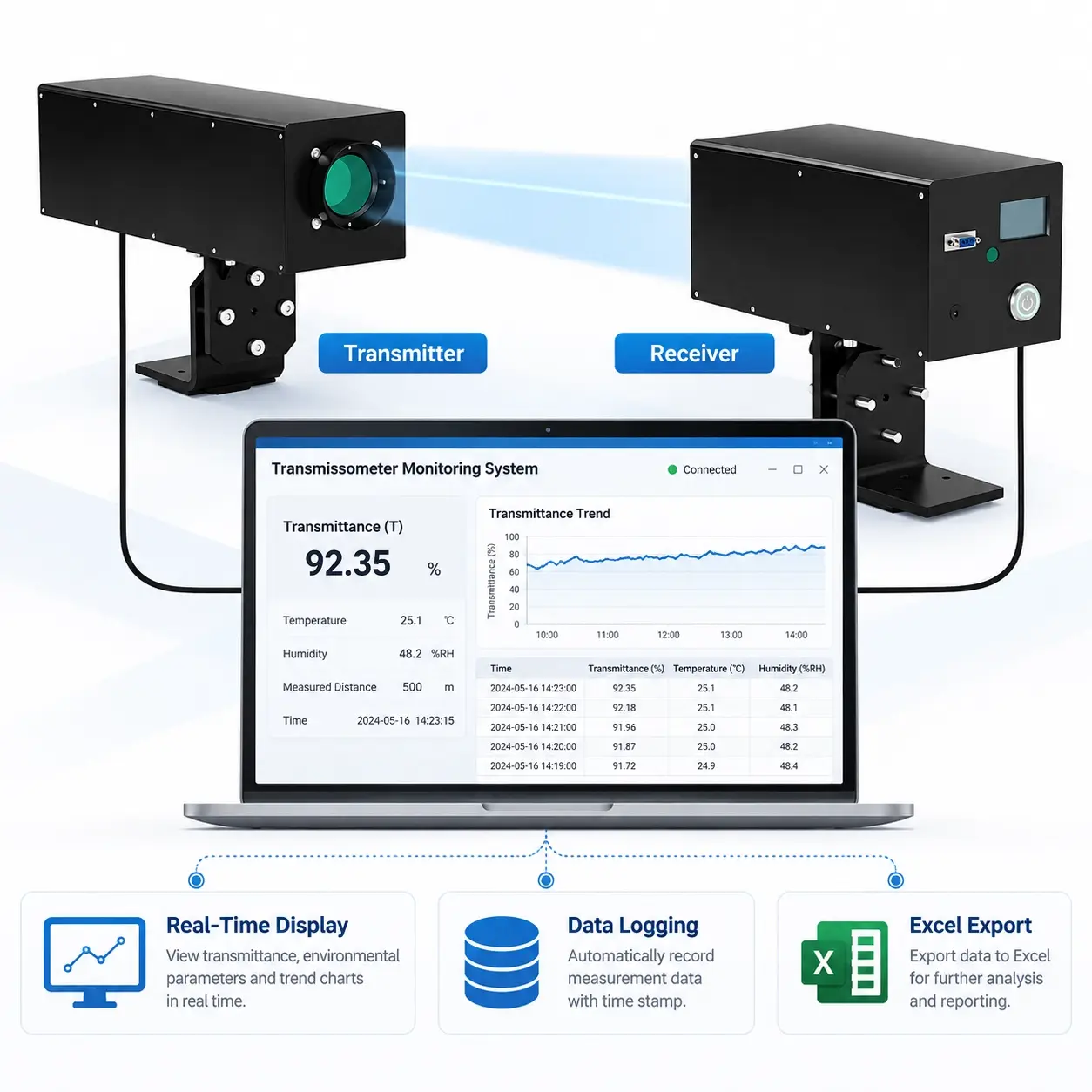
transmissometer-data-logging-and-excel-export

The JW-VT100M includes an LCD display and supports PC-based data management.

Real-Time Display

The LCD provides measurement values directly at the instrument.

A light-touch button interface supports local operation.

Data Recording

The instrument supports more than 72 hours of local data storage.

The LCD and PC software can display and record measurement data synchronously.

Excel Data Export

Measurement data can be exported to Excel format for further processing.

This supports:

  • Field inspection documentation
  • Measurement result comparisons
  • Engineering test reports
  • Historical data analysis

The supplied PC software is designed to operate without a separate installation procedure.

6. Installation and Measurement Configuration

split-type-transmissometer-installation-methods

Split-Type Optical Arrangement

The transmitter and receiver form the optical measurement path.

Proper optical alignment is important for obtaining reliable measurements.

The instrument includes an alignment device to facilitate installation and adjustment.

Mobile Installation

The mobile arrangement is suitable for field testing and engineering inspection where measurement equipment must be repositioned between locations.

Fixed Installation

A fixed configuration can be used at designated measurement positions.

The optical path, mounting conditions, environmental exposure, and power availability should be evaluated during system planning.

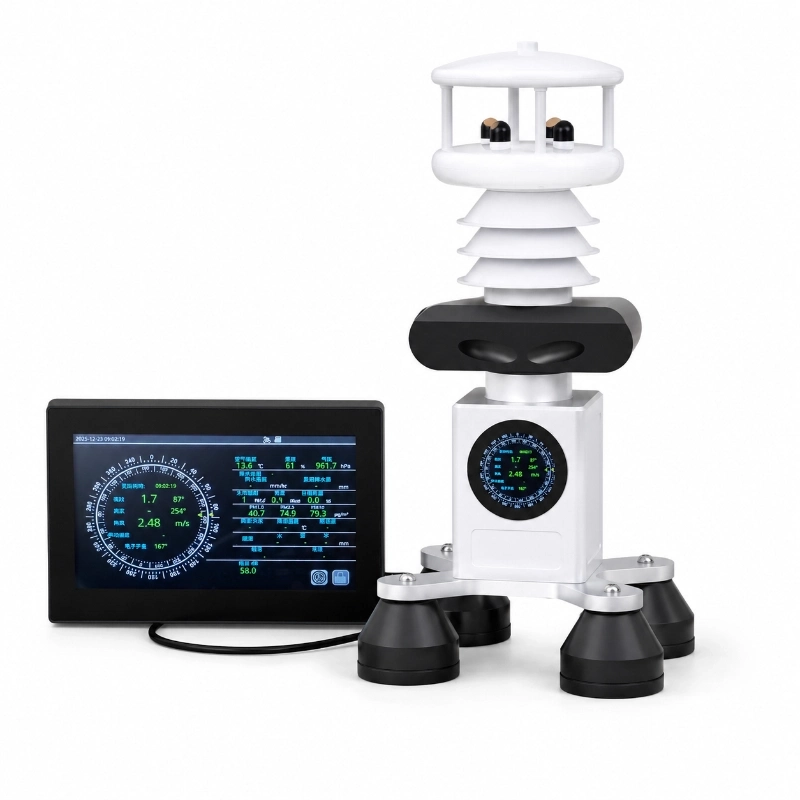
For projects requiring a compact instrument with additional CO, temperature, and humidity measurements, JW-IoT also offers a Portable Transmittance Meter for Tunnel Visibility Monitoring.

7. Atmospheric Transmissometer vs. Forward-Scattering Visibility Sensor

Different visibility measurement technologies are appropriate for different monitoring requirements.

Comparison Split-Type Transmissometer Forward-Scattering Sensor
Measurement Principle Light transmission Light scattering
Optical Configuration Separate transmitter and receiver Scattering measurement geometry
Main Measurement Transmittance, visibility, optical smoke concentration Atmospheric visibility
Typical Applications Tunnel acceptance, optical testing, road inspection Weather stations, continuous roadside visibility monitoring
Installation Considerations Optical alignment between units Sensor mounting and orientation

For automatic meteorological visibility monitoring, see the Visibility Sensor 10km RS485 Modbus for Weather Monitoring.

The selection should depend on the required measurement principle, installation environment, and monitoring objectives.

8. Choosing a Transmissometer for Tunnel or Road Projects

Before selecting an atmospheric transmissometer, consider the following factors.

Measurement range: Confirm that the visibility and optical transmittance ranges are appropriate for the project.

Measurement purpose: Determine whether the project requires visibility observation, optical smoke concentration measurement, or both.

Installation arrangement: Evaluate whether a mobile inspection configuration or fixed measurement position is required.

Power supply: Check the availability of 220 V AC or 12 V DC power.

Data handling: Identify requirements for local storage, computer-based display, and measurement data export.

Environmental conditions: Confirm operating temperature, humidity, and environmental protection requirements.

Project compliance: Check the applicable engineering specifications, calibration requirements, and acceptance procedures.

9. Request Technical Information and Quotation

Looking for an atmospheric transmissometer for road visibility testing, tunnel smoke concentration measurement, or environmental inspection?

JW-IoT can assist with product selection and technical discussions based on your project requirements.

Please provide:

  • Project application
  • Required measurement parameters
  • Installation location and configuration
  • Power supply requirements
  • Data communication and reporting requirements
  • Quantity required

Contact JW-IoT

Email: info@jingelway.com

Website: https://www.jw-iot.com

Request a quotation or contact our team to discuss your tunnel and road visibility measurement project.

FAQ

  • Q

    1. What does the JW-VT100M measure?

    A

    It measures atmospheric transmittance, visibility, and optical smoke concentration.

  • Q

    2. What is the visibility measurement range?

    A

    The specified visibility measurement range is 2–10,000 m.

  • Q

    3. Can the instrument be used for tunnel acceptance testing?

    A

    The instrument is intended for tunnel smoke concentration measurement and engineering acceptance applications. Its suitability for a particular project depends on the applicable testing requirements.

  • Q

    4. Does the transmissometer support data export?

    A

    Yes. Measurement data can be stored and exported to Excel format through the PC software.

  • Q

    5. What communication interfaces are available?

    A

    The instrument supports RS232, RS485, and USB interfaces.

  • Q

    6. Can the instrument be installed permanently?

    A

    Both mobile and fixed installation configurations are supported.

  • Q

    7. Is this instrument the same as a forward-scattering visibility sensor?

    A

    No. A transmissometer measures optical transmission between a transmitter and a receiver, while a forward-scattering sensor measures scattered light to estimate visibility.

  • Q

    8. Does the JW-VT100M measure CO concentration?

    A

    CO measurement is not specified for this model. For projects requiring CO measurement, refer to the Portable Tunnel Transmittance Meter.

WhatsApp

Leave a message!

Leave a message!