 +86 13520127780
  info@jingelway.com









-
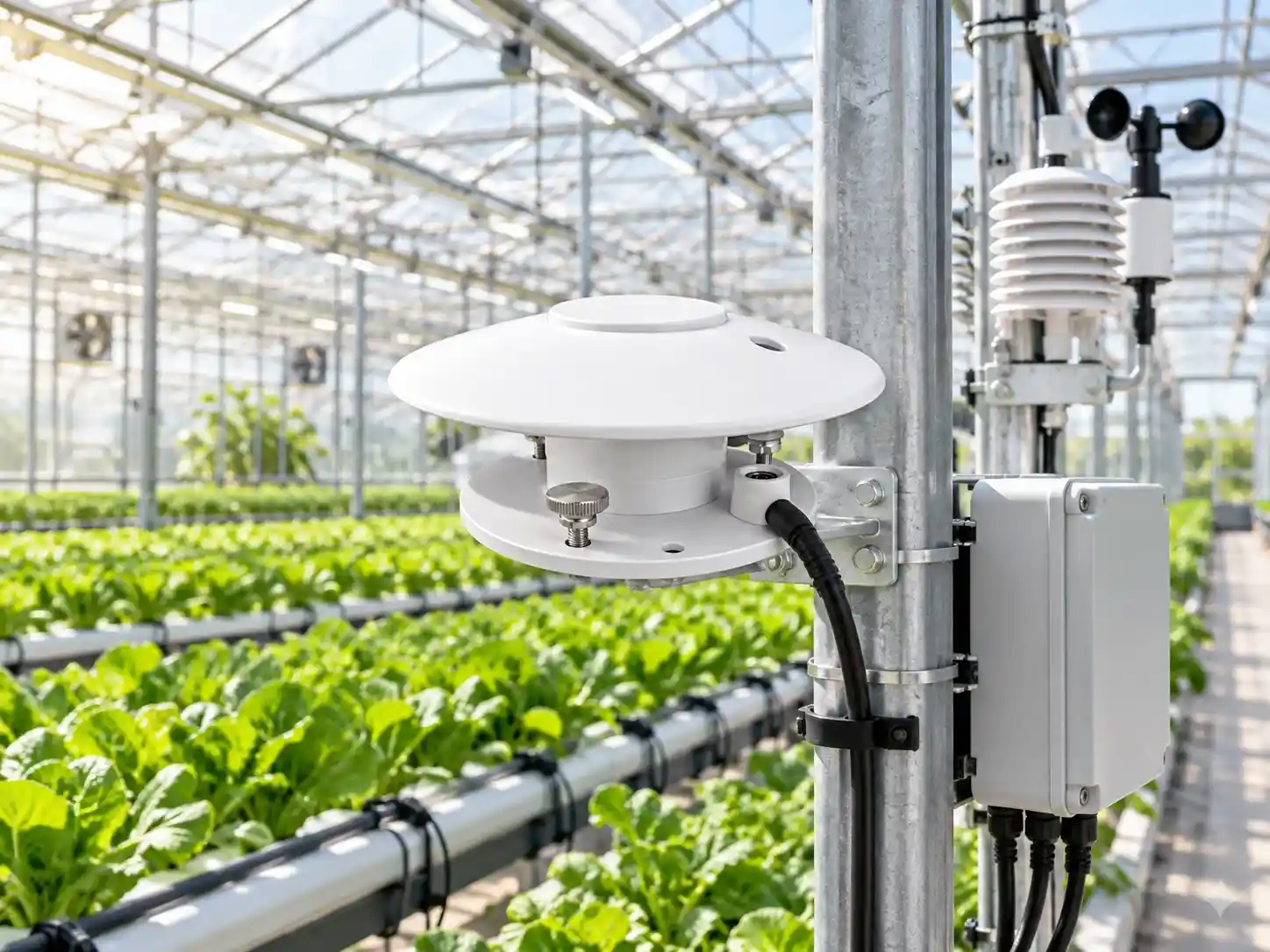
How Photosynthetically Active Radiation Monitoring Improves Greenhouse Plant Growth Management
What Is Photosynthetically Active Radiation? Plants do not use all incoming solar radiation in the same way. For plant growth monitoring, one of the most important parts of the solar spectrum is photosynthetically active radiation...
2026.09.21
-
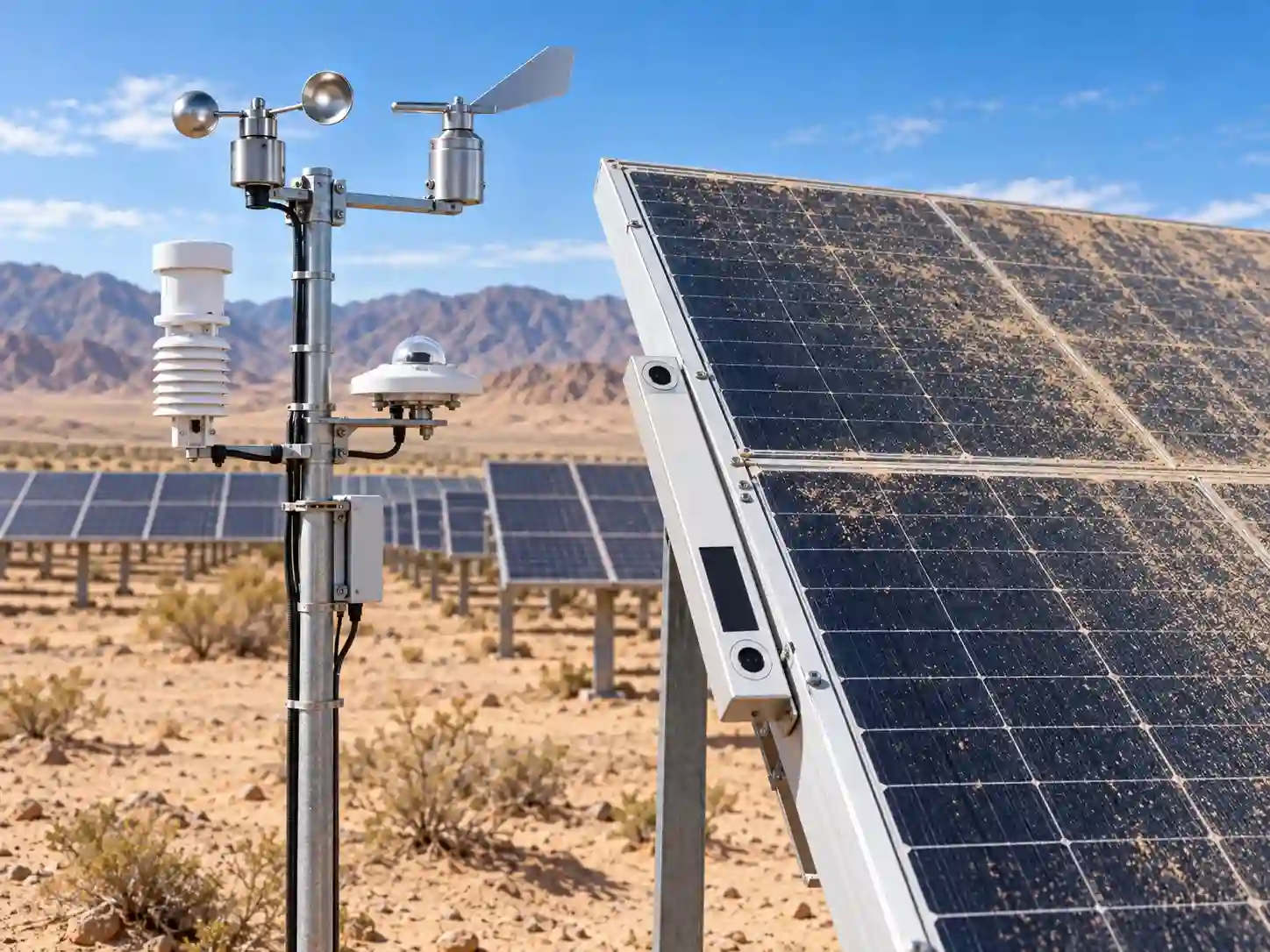
How Solar PV Monitoring Helps with Desert Dust Challenges
Desert regions offer excellent conditions for large-scale photovoltaic development because of their abundant solar resource and available land. However, high solar irradiation does not automatically guarantee high energy yield. Fo...
2026.09.20
-
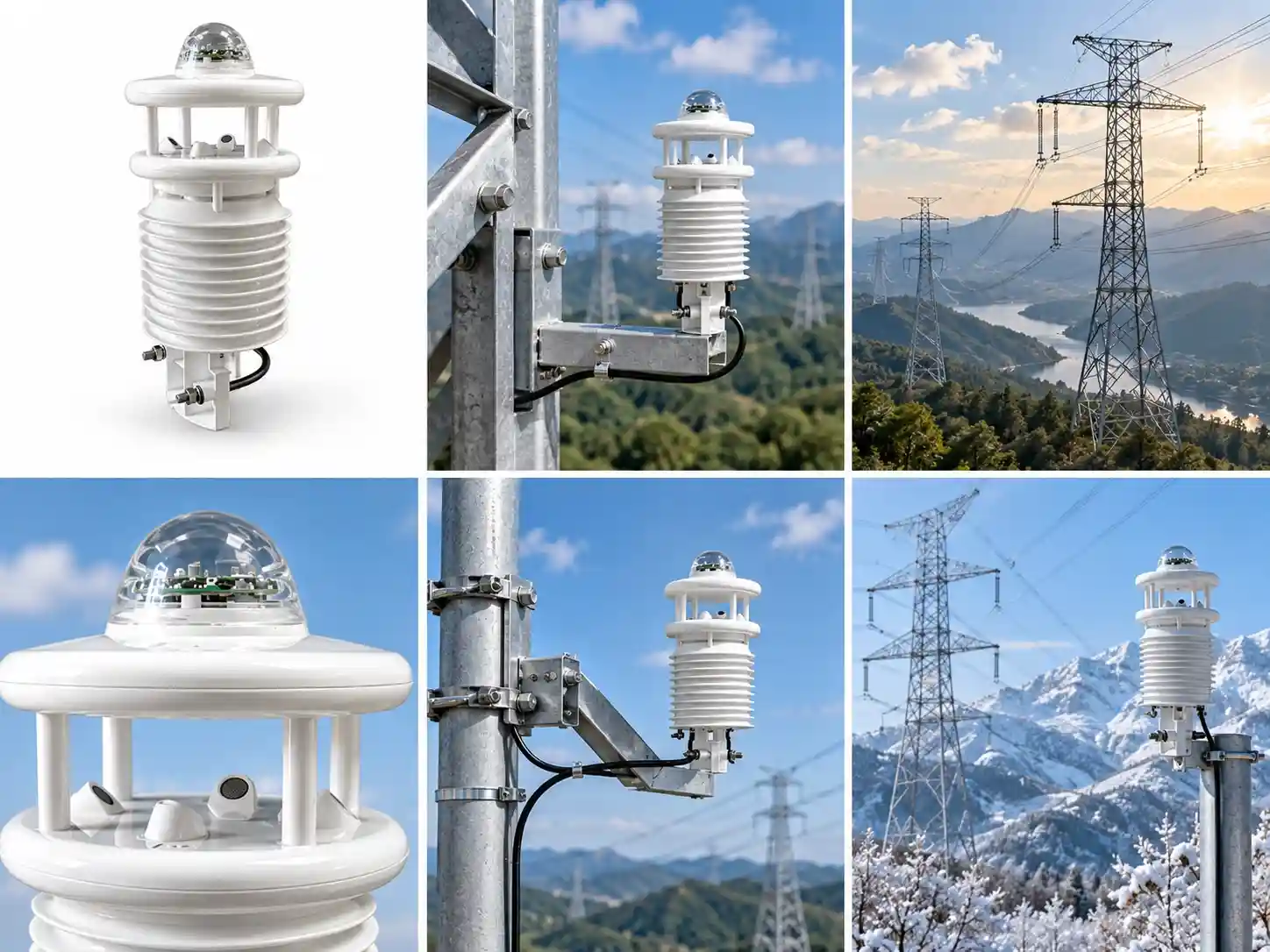
Why Regional Weather Forecasts Are Not Enough for Transmission Line Safety
Regional weather forecasts are essential for power-grid planning, but they cannot always describe the actual weather conditions experienced along a specific transmission corridor. High-voltage transmission lines may extend across mou...
2026.09.17
-
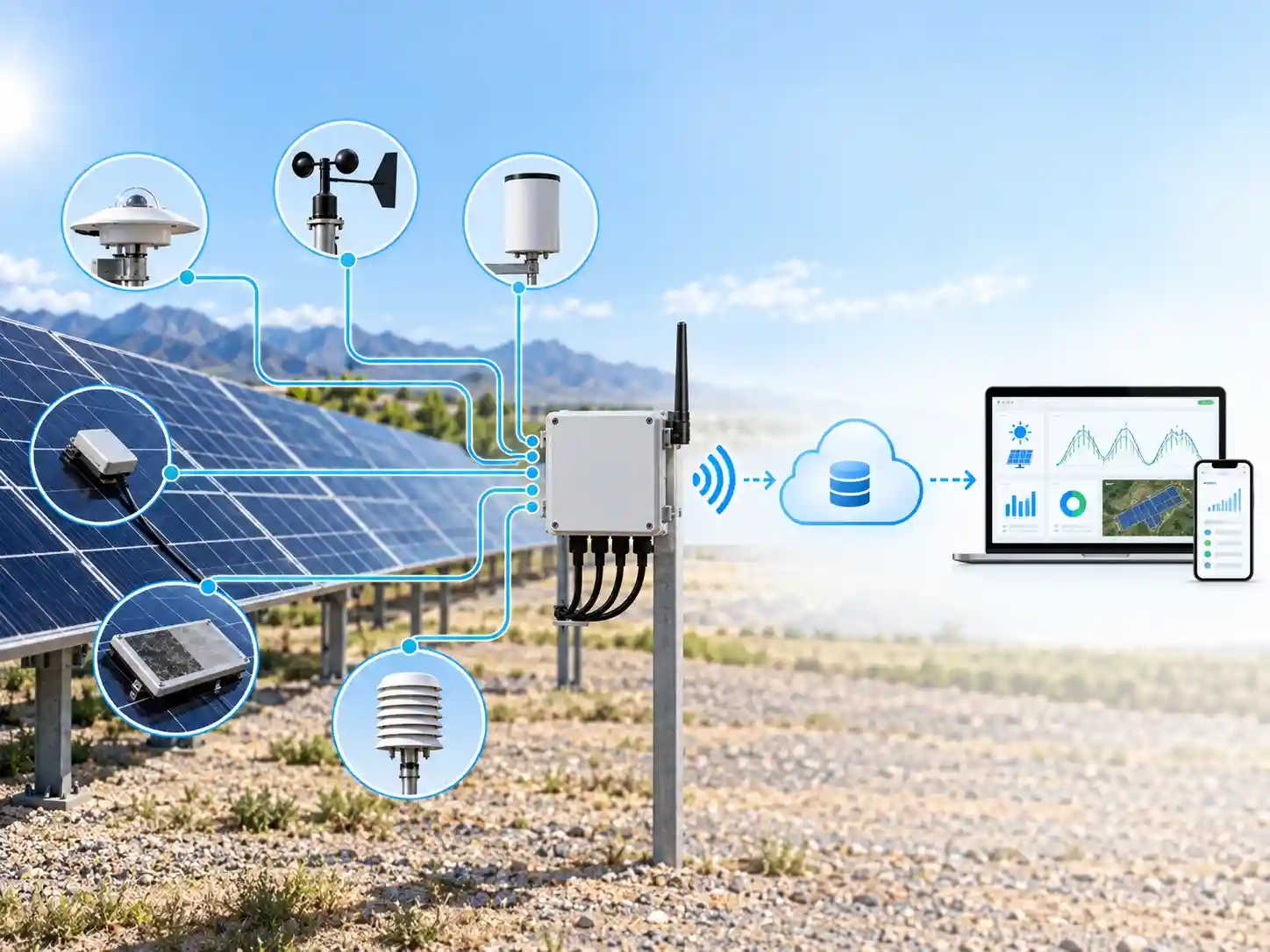
Top Sensors Every PV Plant Monitoring System Should Include
A photovoltaic plant does not generate power under fixed laboratory conditions. Solar irradiance changes throughout the day, module temperature rises and falls, wind affects heat transfer, rainfall can change surface conditions, and dus...
2026.09.14
-
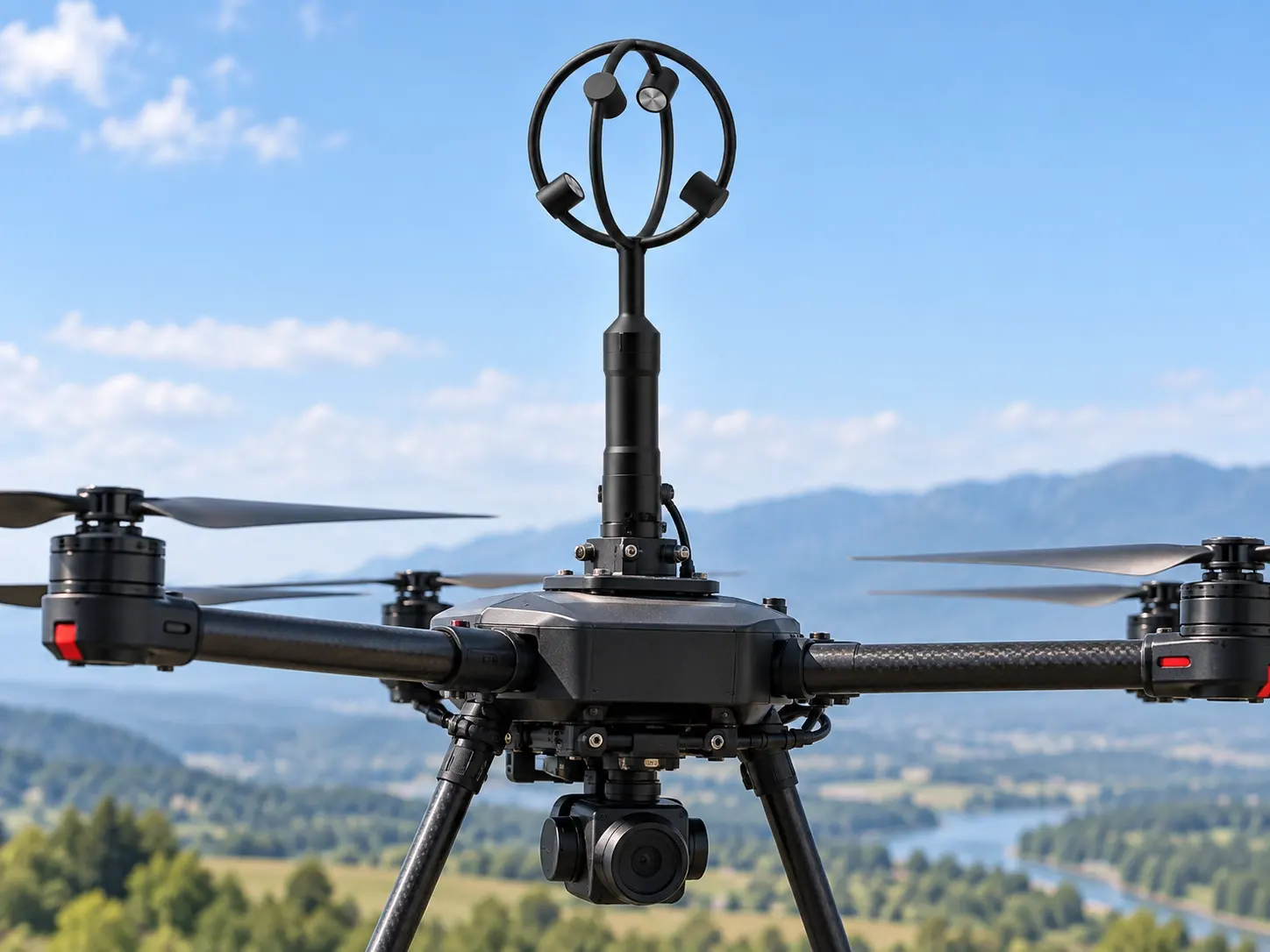
3D Ultrasonic Wind Sensor for UAV: Why Lightweight Design Matters
Three-dimensional ultrasonic wind measurement has traditionally focused on parameters such as accuracy, measurement range, output frequency and environmental durability. However, when a 3D ultrasonic wind sensor is installed on a UAV...
2026.09.13
-
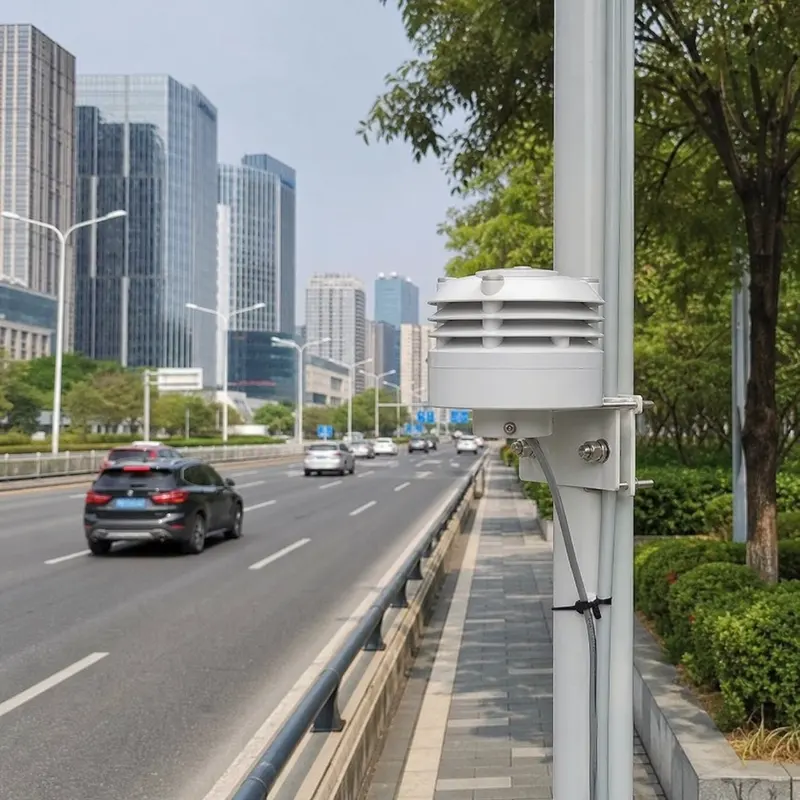
How Do Ambient Sensors Achieve Real-Time Monitoring of Industrial Environments?
With the advancement of smart manufacturing and industrial digitalization, enterprise requirements for monitoring production environments are shifting from periodic manual inspections to continuous, real-time data acquisition. Fluctuati...
2026.09.10